
Leave Your Message
In the landscape of modern renewable energy, off-grid systems play a critical role in bringing power to remote, isolated, and challenging environments. Standard solar installations are often restricted by weather conditions, seasonal shifts, and diurnal cycles. To combat these limitations, engineers and energy experts have turned to hybrid configurations. Combining wind turbines and solar photovoltaic (PV) arrays creates a continuous, complementary power source. However, harvesting this energy efficiently requires sophisticated control mechanisms. This is where the 10a MPPT Solar Charge Controller for Off-Grid Wind-Solar Power Systems emerges as an indispensable hub of energy regulation.
Maximum Power Point Tracking (MPPT) technology represents a monumental leap over traditional Pulse Width Modulation (PWM) systems. While a PWM controller simply connects the solar panel directly to the battery—forcing the panel to operate at the battery's voltage—an MPPT controller continuously tracks the optimal voltage and current parameters (the V-I curve) of the PV module. By doing so, it extracts the maximum possible wattage from the panel and converts it down to the appropriate battery charging voltage, boosting the charging current in the process. For a 10A rated system, this capability ensures that even compact, low-power installations operate at peak performance, yielding up to 30% more energy harvest than older technology.
While multi-kilowatt systems dominate residential microgrids, the 10A MPPT controller serves as the primary backbone for industrial IoT, telemetry, remote sensing, and security nodes. It provides the ideal balance between low self-consumption, compact form factor, and precise power delivery for systems utilizing 12V or 24V battery banks.
The global market for off-grid power systems is experiencing rapid expansion, driven by the digitalization of remote industries and the rise of smart infrastructure. Industrial operators in telecommunications, oil and gas, agriculture, and environmental monitoring require reliable power that does not depend on utility grid extensions. The deployment of 5G microcells, remote pipeline monitors, automated weather stations, and border security cameras has created a massive demand for small-scale, highly durable power systems.
From a commercial perspective, the cost of system failure in these remote locations is exceptionally high. Sending technicians to service a dead battery bank at a mountaintop telecom repeater or an offshore buoy can cost thousands of dollars in logistics and labor. Consequently, industrial buyers prioritize controllers with high reliability, advanced thermal management, and robust protection circuits. A premium 10A MPPT controller, designed specifically for hybrid wind-solar inputs, mitigates these operational risks by offering dual-input management, intelligent battery maintenance, and remote telemetry integration.
Continuously adjusts to changing solar irradiance and wind variations within milliseconds, minimizing energy losses during transient weather conditions.
Optimized charging profiles for Lithium (LiFePO4), Gel, AGM, and Flooded lead-acid batteries, maximizing battery lifespan and storage efficiency.
Equipped with built-in protection against over-temperature, short-circuit, reverse polarity, over-voltage, and lightning surges.
Manages both PV panels and small wind turbines, incorporating dump load control to prevent turbine overspeed during heavy winds.
As telecommunication networks expand into rural and rugged terrains, powering remote base stations and microwave links becomes a major logistical challenge. A hybrid wind-solar system managed by a 10A MPPT controller provides a highly resilient power solution. During the day, the solar panel generates the bulk of the power, while the wind turbine takes over at night or during overcast, stormy periods. The 10A MPPT controller regulates this input, ensuring clean, noise-free DC power is delivered to sensitive telecom equipment and battery backups, preventing downtime and maintaining network integrity.
In modern precision agriculture, sensors are deployed across vast expanses of land to monitor soil moisture, humidity, temperature, and crop health. Similarly, environmental agencies deploy monitoring stations in forests, mountains, and rivers to track weather patterns, seismic activity, and water quality. These stations must operate independently for years without battery replacement. A 10A MPPT solar charge controller, paired with a small wind-solar hybrid array, ensures that the system's battery is kept at optimal charge levels, even in dense forest canopies or high-latitude regions where sunlight is limited during winter.
Hybrid streetlights, highway monitoring cameras, and marine navigation buoys are prime candidates for 10A wind-solar hybrid systems. By incorporating a vertical axis wind turbine (VAWT) and a compact solar panel, these systems can capture energy from all directions and under varying weather conditions. The MPPT controller ensures that even low-voltage outputs from the wind turbine during gentle breezes, or diffuse light from the solar panel on cloudy days, are boosted to charge the internal battery bank, ensuring 365-day operation without relying on grid power.
The renewable energy industry is undergoing a digital transformation, and charge controllers are evolving from simple power regulators to highly intelligent, connected devices. Several key trends are shaping the future of 10A MPPT controllers for off-grid applications:
Future MPPT controllers are integrating machine learning algorithms to predict weather patterns and energy generation. By analyzing historical charging data and real-time atmospheric pressure, wind speeds, and light intensity, the controller can pre-emptively adjust its charging strategy. For instance, if the controller predicts a prolonged period of overcast weather with high wind speeds, it can optimize the battery storage threshold to prevent deep discharge cycles, thereby extending battery lifespan.
Modern industrial installations demand real-time visibility. The integration of Bluetooth, LoRaWAN, NB-IoT, and RS485 communication protocols allows operators to monitor the status of their 10A MPPT controllers from anywhere in the world. Real-time data on PV voltage, wind turbine speed, battery state of charge (SoC), and ambient temperature can be transmitted to a centralized dashboard. This enables predictive maintenance, allowing technicians to identify degraded panels or failing turbines before a system failure occurs.
The transition from silicon-based MOSFETs to Gallium Nitride (GaN) and Silicon Carbide (SiC) transistors is revolutionized power electronics. These wide-bandgap materials allow controllers to operate at higher switching frequencies with significantly lower power losses. This results in even smaller, lighter controllers with conversion efficiencies exceeding 99%, reducing heat generation and allowing for completely sealed, fanless designs that can withstand harsh, corrosive marine or industrial environments.
With excellent product quality, continuous R&D innovation capabilities and a complete full-cycle service system, the company has deeply explored the domestic and foreign new energy markets and established a global sales and service network. Its products are exported to dozens of countries and regions such as Europe, North America, South America, Southeast Asia, and Russia. With stable and reliable product performance and professional and efficient service capabilities, the company has gained high recognition and long-term trust from global customers, and has become a highly competitive Chinese local brand in the new energy field. In the future, the company will continue to deepen the innovation of new energy technologies, continuously optimize the product matrix and service system, help the global energy transformation and the realization of dual-carbon goals, and contribute core strength to the construction of a clean, low-carbon, safe and efficient modern energy system.

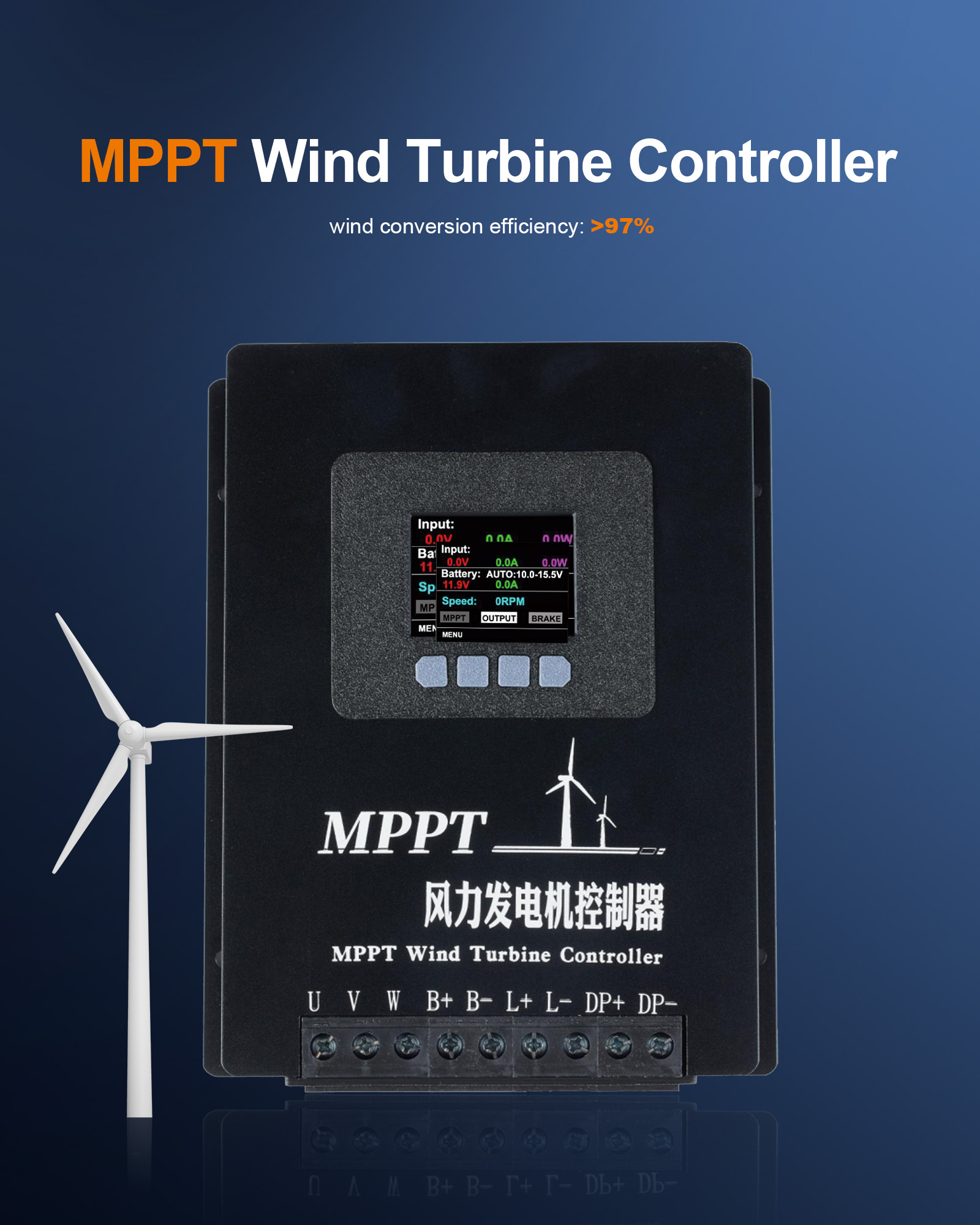 DH-FD2.0 3KW MPPT Wind Turbine Controller
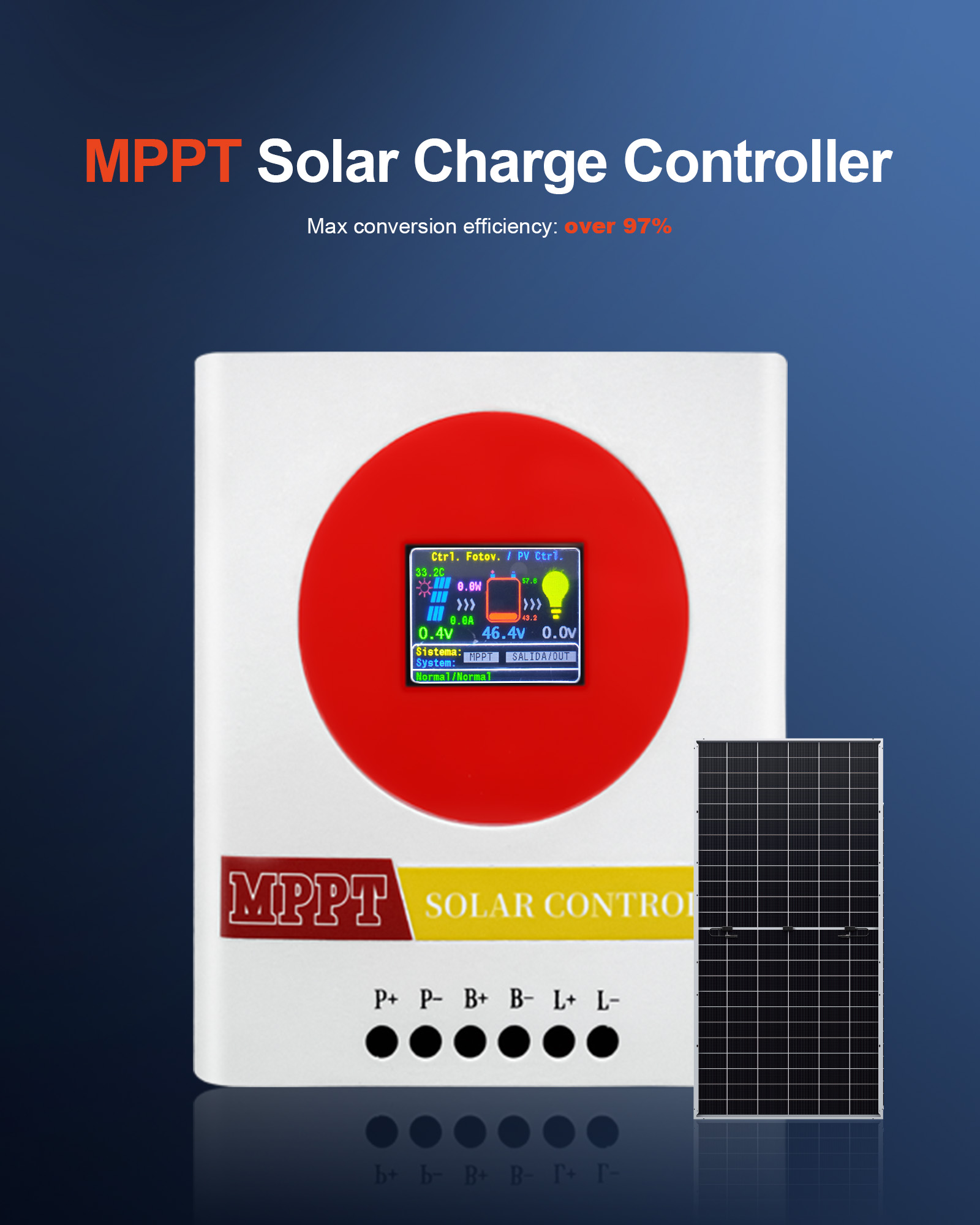 MPPT Solar Charge Controller, Model: DH-SC-01
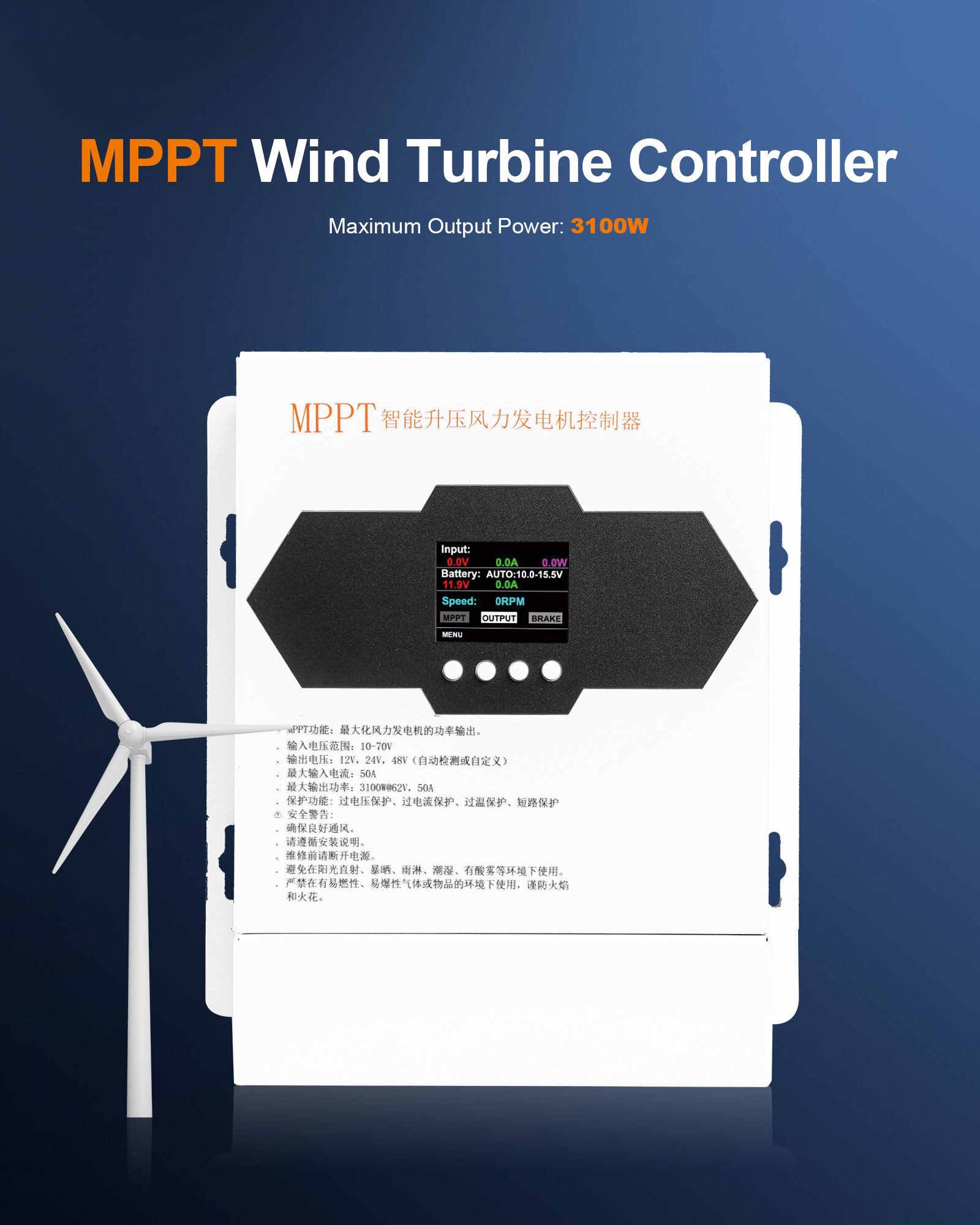 DH-FD3.0 Auto-Voltage 3KW MPPT Wind Turbine Controller
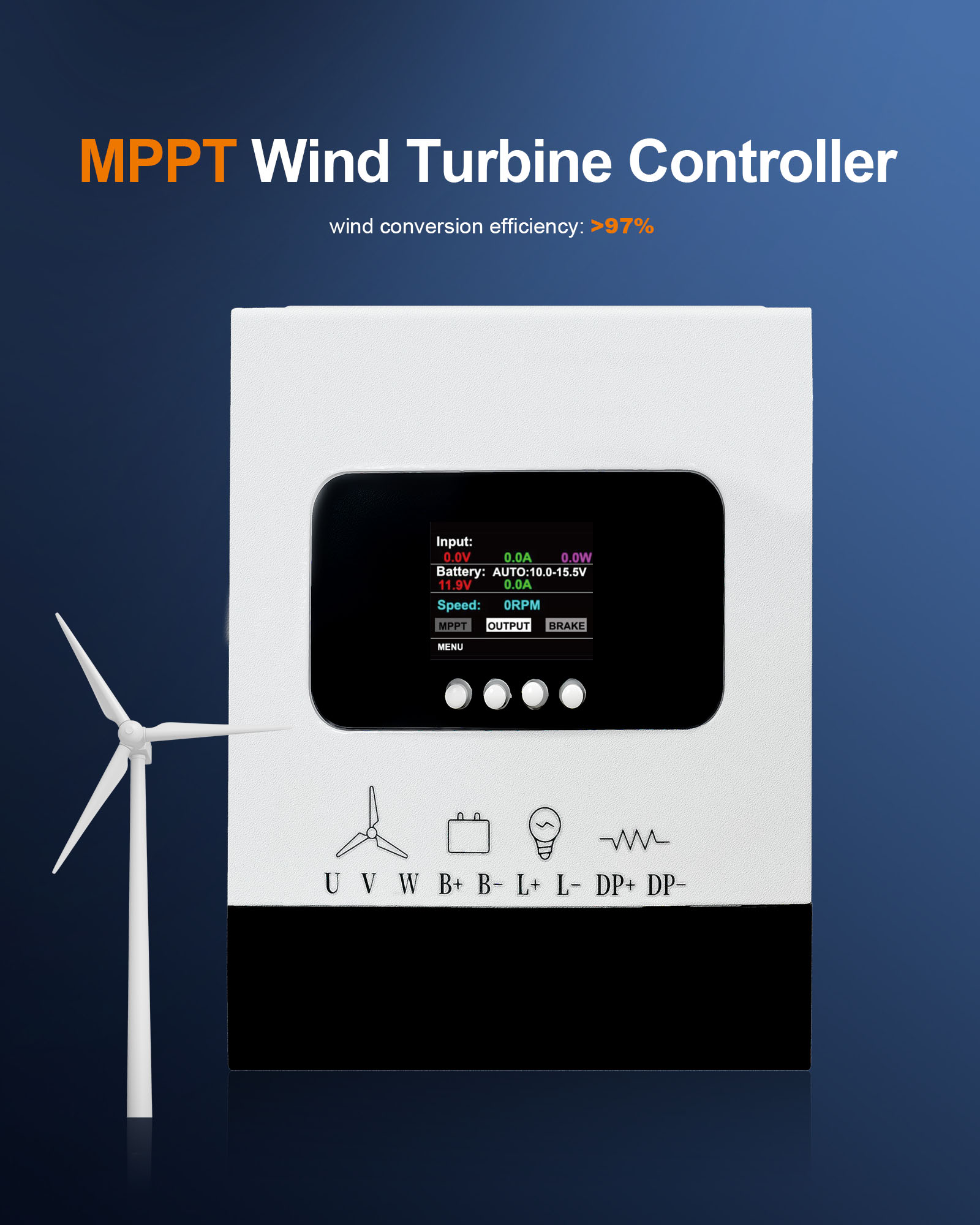 DH-FD1.0 Cost-Effective 3KW MPPT Wind Turbine Charge Controller
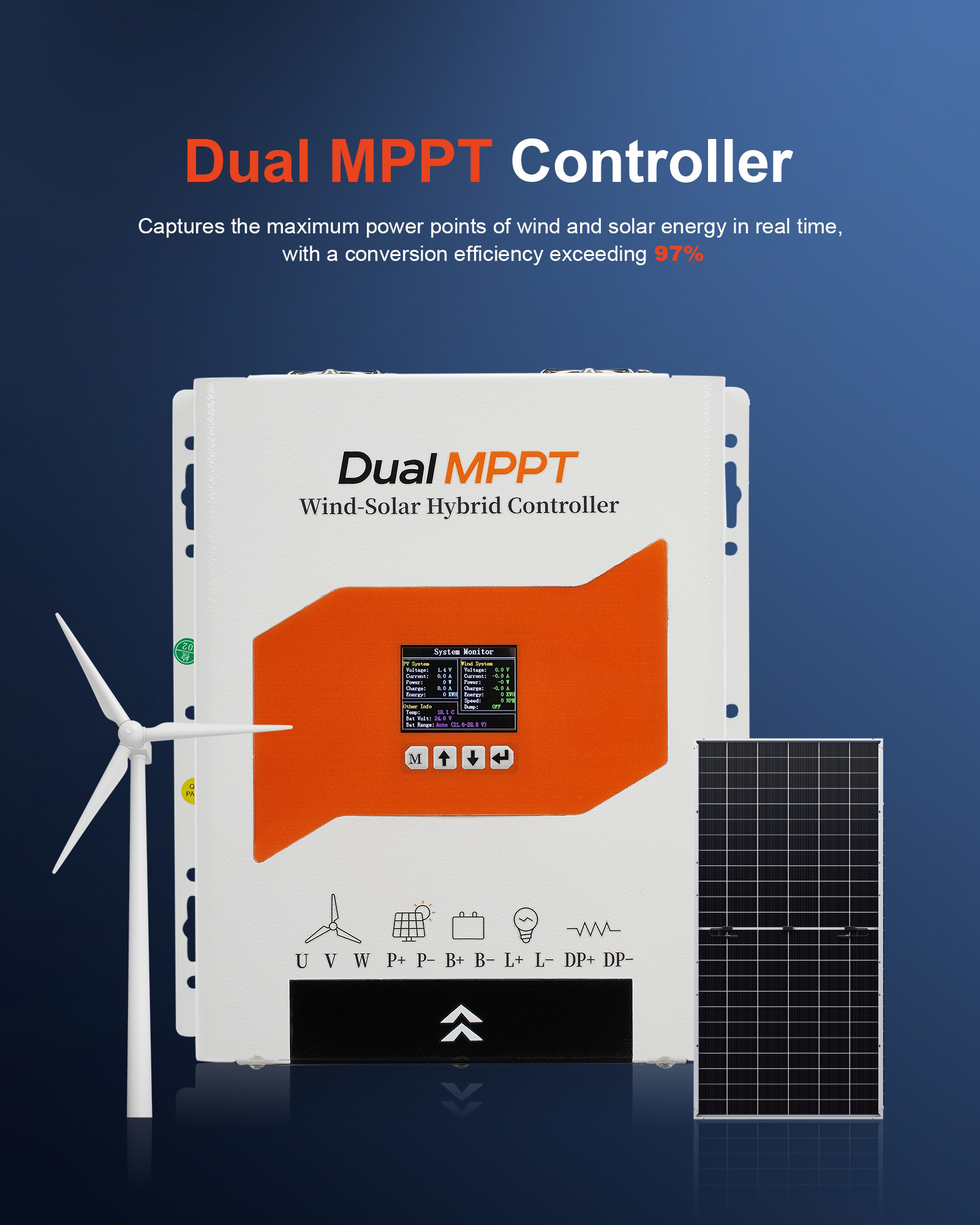 Maximize Your Renewable Energy Harvest with Our Dual MPPT Wind-Solar Hybrid Controller
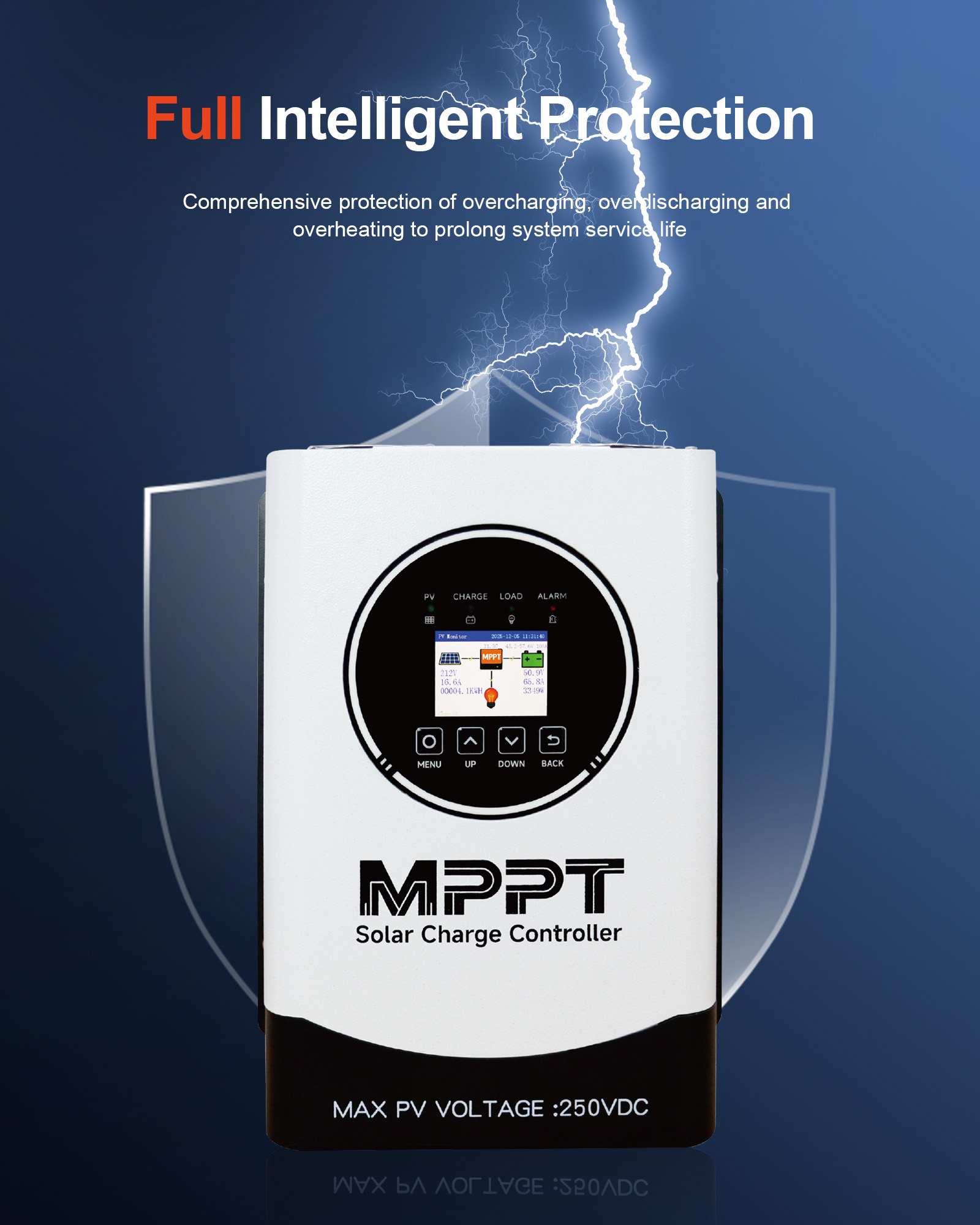 MPPT Solar Charge Controller, Model: DH-SC-02
DH-FD2.0 3KW MPPT Wind Turbine Controller
MPPT Solar Charge Controller, Model: DH-SC-01