Leave Your Message
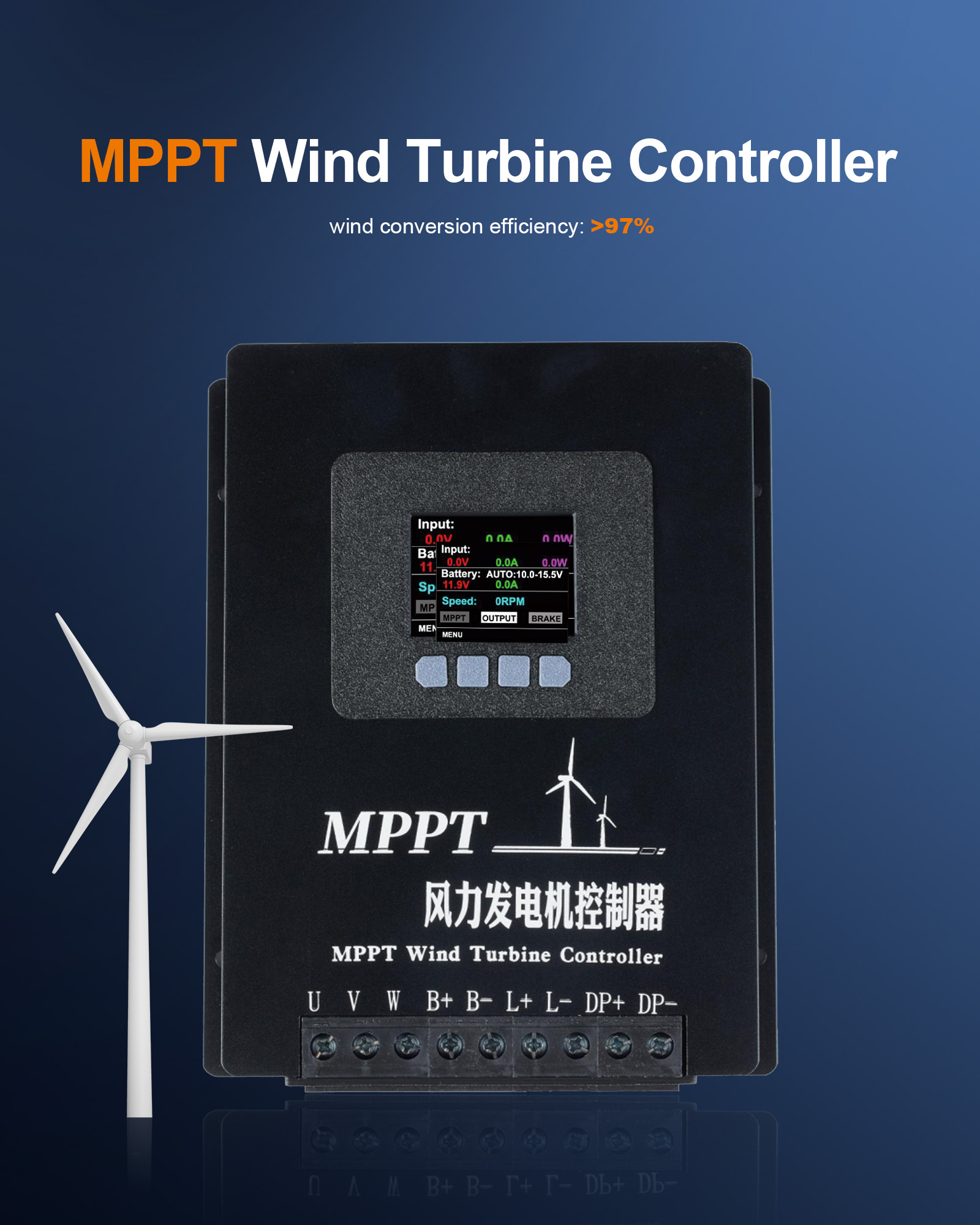
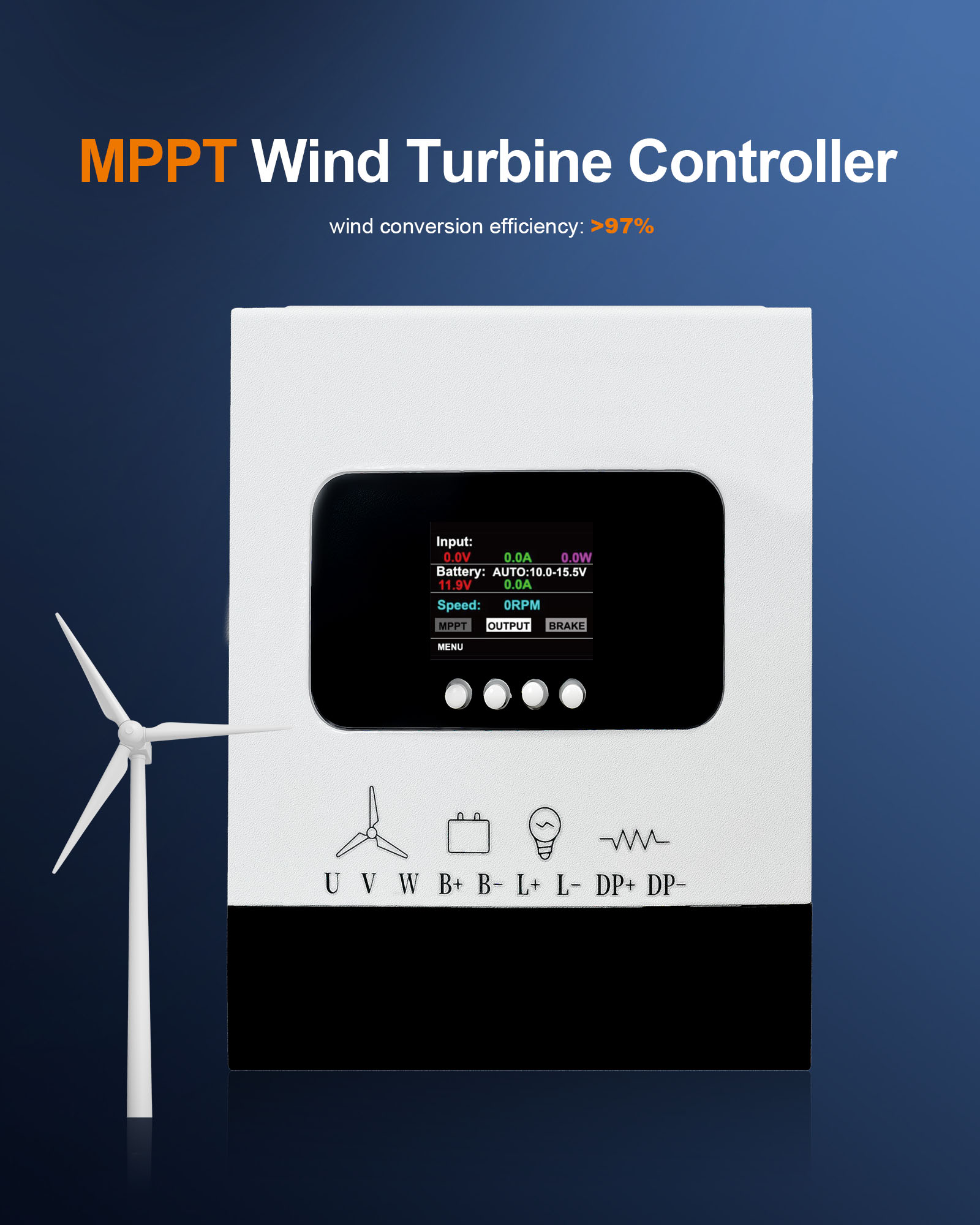
The United States is undergoing a rapid transition toward decentralized renewable energy. As microgrid infrastructure expands across rural, coastal, and industrial sectors, the demand for highly efficient power management devices has reached an all-time high. Among these, the 24V MPPT (Maximum Power Point Tracking) wind controller stands out as a critical component in off-grid and hybrid energy systems. Designed to regulate the power output of small to medium wind turbines, these controllers optimize energy harvest under fluctuating wind conditions, ensuring stable power delivery to battery banks and local loads.
In the US market, system designers, engineering procurement contractors (EPCs), and industrial operators are increasingly seeking domestic manufacturers and specialized global factories that understand the unique regulatory, environmental, and operational demands of North American installations. Whether deployed in the agricultural heartland of the Midwest, remote telecom stations in the Southwest, or marine environments along the Atlantic coast, the role of a high-quality 24V wind controller is central to achieving energy independence and system reliability.
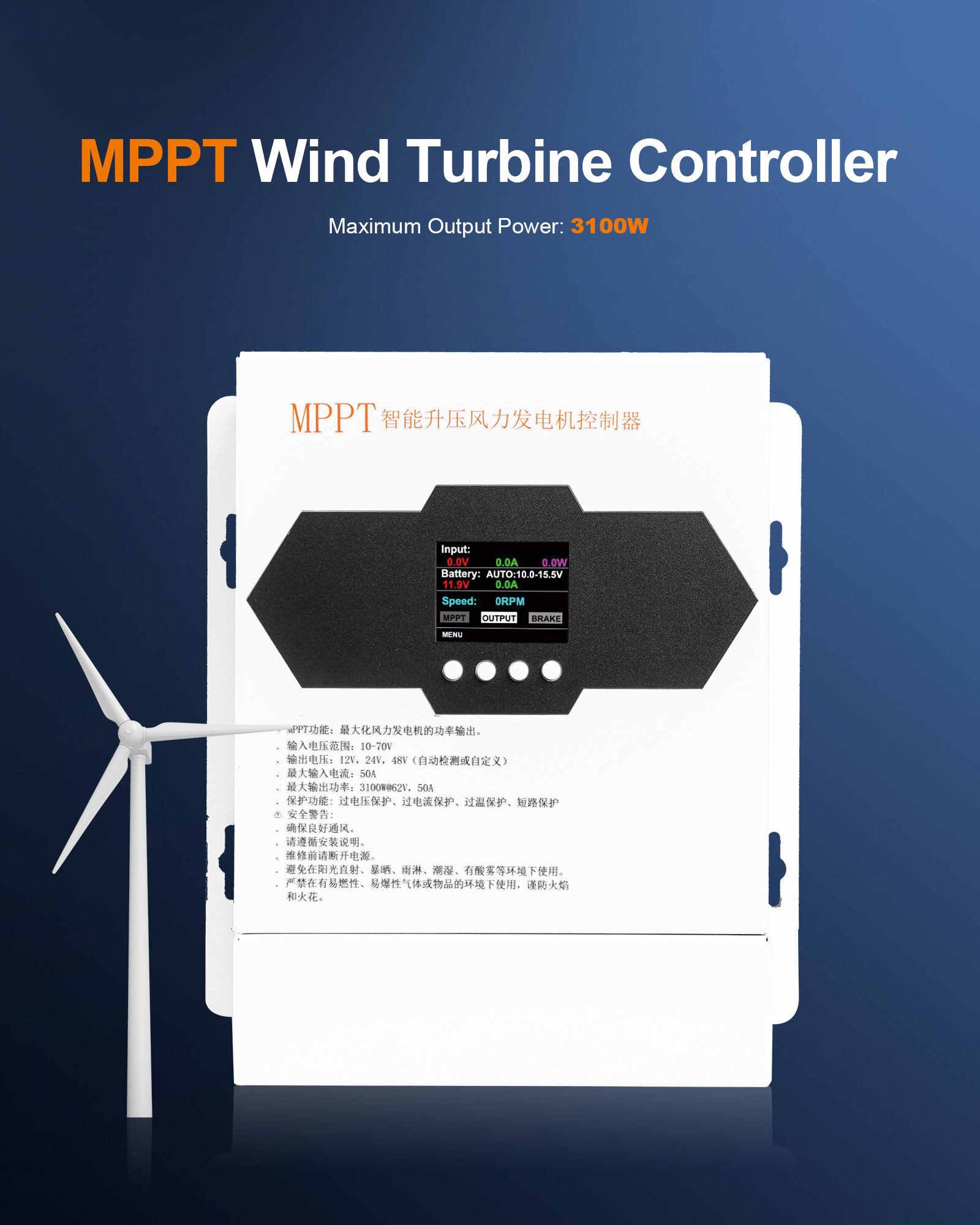
Unlike solar panels, which have a relatively linear output curve, wind turbines generate power based on aerodynamic forces that vary exponentially with wind speed. Traditional PWM (Pulse Width Modulation) controllers clamp turbine voltage to the battery level, wasting significant energy. Advanced MPPT wind controllers continuously track the turbine's optimal power curve, adjusting input impedance to extract up to 30% more power than conventional systems, especially in low-speed winds.
The commercial and industrial (C&I) sectors in the United States have recognized that solar energy alone cannot guarantee 24/7 operational continuity. Hybrid solar-wind systems have become the preferred choice for remote power applications. In these setups, a 24V system architecture is the industry standard for medium-scale remote power. It provides the ideal balance between safety (remaining within low-voltage safety thresholds) and efficiency (minimizing resistive line losses compared to 12V systems).
Key industrial sectors driving the demand for 24V MPPT wind controllers in the US include:
As the US market moves toward smarter, more interconnected infrastructure, several trends are shaping the design and manufacturing of 24V MPPT wind controllers:
Traditional MPPT controllers rely on static lookup tables to predict turbine performance. Next-generation manufacturers are integrating AI-driven, self-learning algorithms that adapt to the specific aerodynamic profile of the connected turbine and local turbulence patterns. This dynamic tracking ensures that the controller reacts instantly to wind gusts, preventing turbine stall and maximizing energy capture during brief high-wind events.
Modern US commercial projects require robust data logging and remote monitoring capabilities. Leading factories are equipping controllers with Modbus RTU, CAN bus, and integrated Wi-Fi/cellular modules. This allows operators to monitor battery state-of-charge (SoC), turbine RPM, instant power generation, and dump load activation remotely via cloud-based dashboards, facilitating predictive maintenance and minimizing downtime.
Compliance with North American safety standards is non-negotiable for commercial installations. US buyers prioritize manufacturers whose factories adhere to UL 1741 (Inverters, Converters, Controllers for Interconnected Power Resources), FCC Part 15 (electromagnetic compatibility), and CE certifications. Furthermore, advanced thermal management and robust electronic braking systems (to prevent turbine overspeed in storm conditions) are standard requirements for US-bound products.
In high-wind conditions, turbines can spin out of control, causing mechanical failure. Premium 24V MPPT controllers feature auto-voltage detection and automatic dump load diversion. When batteries are fully charged or winds exceed safe operational limits, the controller diverts excess energy to a dump load resistor, mechanically braking the turbine safely.
The diverse climate zones of the United States present unique challenges for wind power systems. Understanding these localized scenarios is crucial for choosing the right manufacturer and controller specifications.
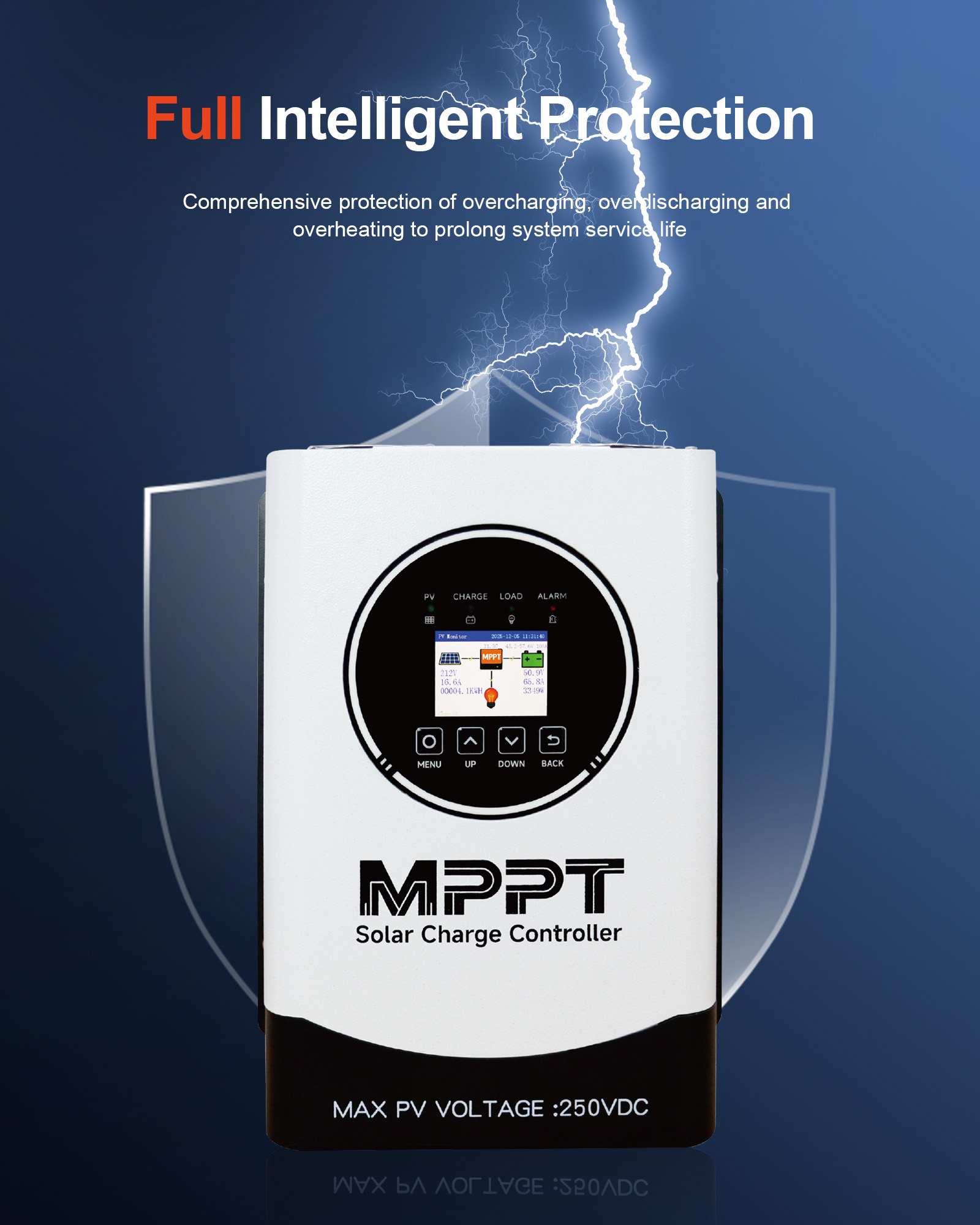
Coastal regions experience consistent, high-velocity winds but are also subject to salt spray, high humidity, and extreme weather. In these environments, 24V MPPT wind controllers must be housed in IP65 or NEMA 4X rated weather-proof enclosures. Manufacturers targeting these markets focus on corrosion-resistant materials, conformal-coated internal PCBs, and robust lightning surge protection to withstand coastal storms.
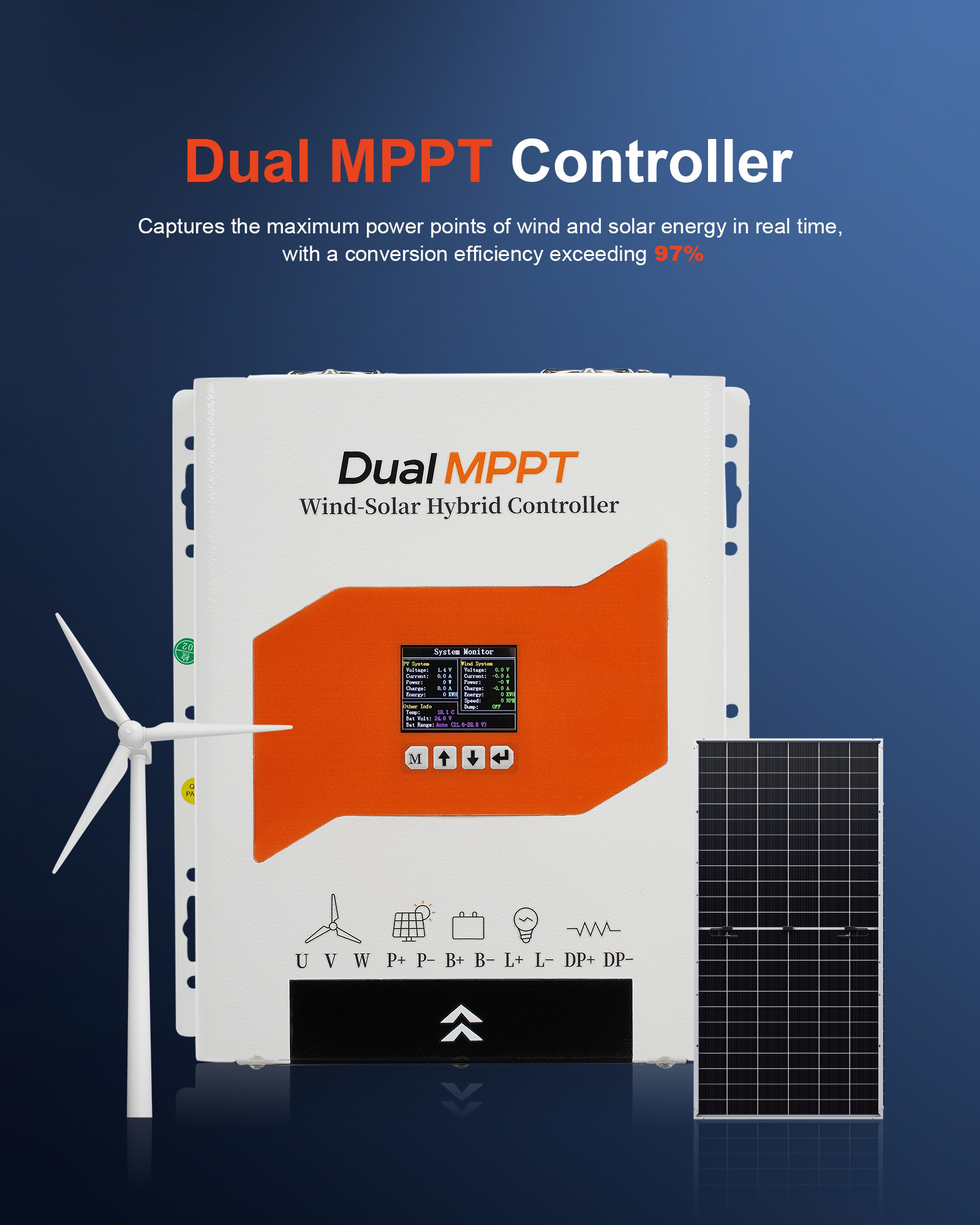
Mountainous regions of Colorado, Wyoming, and Montana feature complex terrain where wind speeds can change rapidly due to altitude and valleys. Homeowners living off-grid often combine solar panels with a 3kW wind turbine. A dual wind-solar hybrid MPPT controller is ideal here, managing both inputs seamlessly to charge a 24V lithium iron phosphate (LiFePO4) battery bank, ensuring heating and lighting systems remain active during heavy winter snows.
In states like Iowa and Kansas, wind energy is a natural resource utilized for agricultural water management. 24V systems power deep-well DC pumps directly or charge battery storage systems that run automated irrigation gates. Controllers in these applications must feature high reliability and simple user interfaces, allowing local operators to configure charging parameters for various battery chemistries (Lead-Acid, Gel, AGM, and Lithium) without needing specialized technical support.
When sourcing 24V MPPT wind controllers, US distributors and industrial buyers evaluate factories based on engineering capabilities, customization options, and post-sales support. A reliable manufacturer must offer:
With excellent product quality, continuous R&D innovation capabilities and a complete full-cycle service system, the company has deeply explored the domestic and foreign new energy markets and established a global sales and service network. Its products are exported to dozens of countries and regions such as Europe, North America, South America, Southeast Asia, and Russia. With stable and reliable product performance and professional and efficient service capabilities, the company has gained high recognition and long-term trust from global customers, and has become a highly competitive Chinese local brand in the new energy field. In the future, the company will continue to deepen the innovation of new energy technologies, continuously optimize the product matrix and service system, help the global energy transformation and the realization of dual-carbon goals, and contribute core strength to the construction of a clean, low-carbon, safe and efficient modern energy system.