Leave Your Message
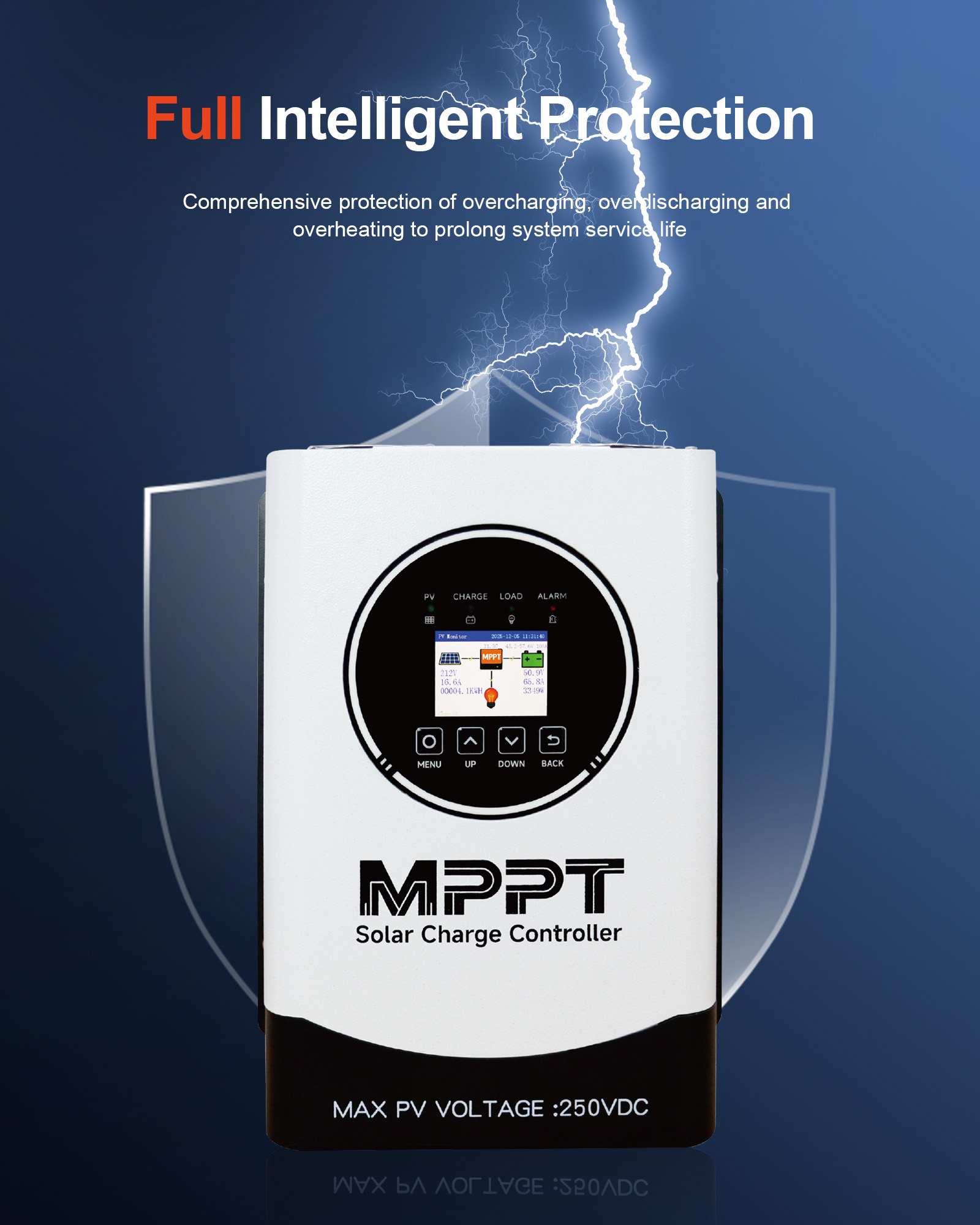
Discover our high-efficiency solar charge controllers engineered for heavy-duty agricultural and remote environments.
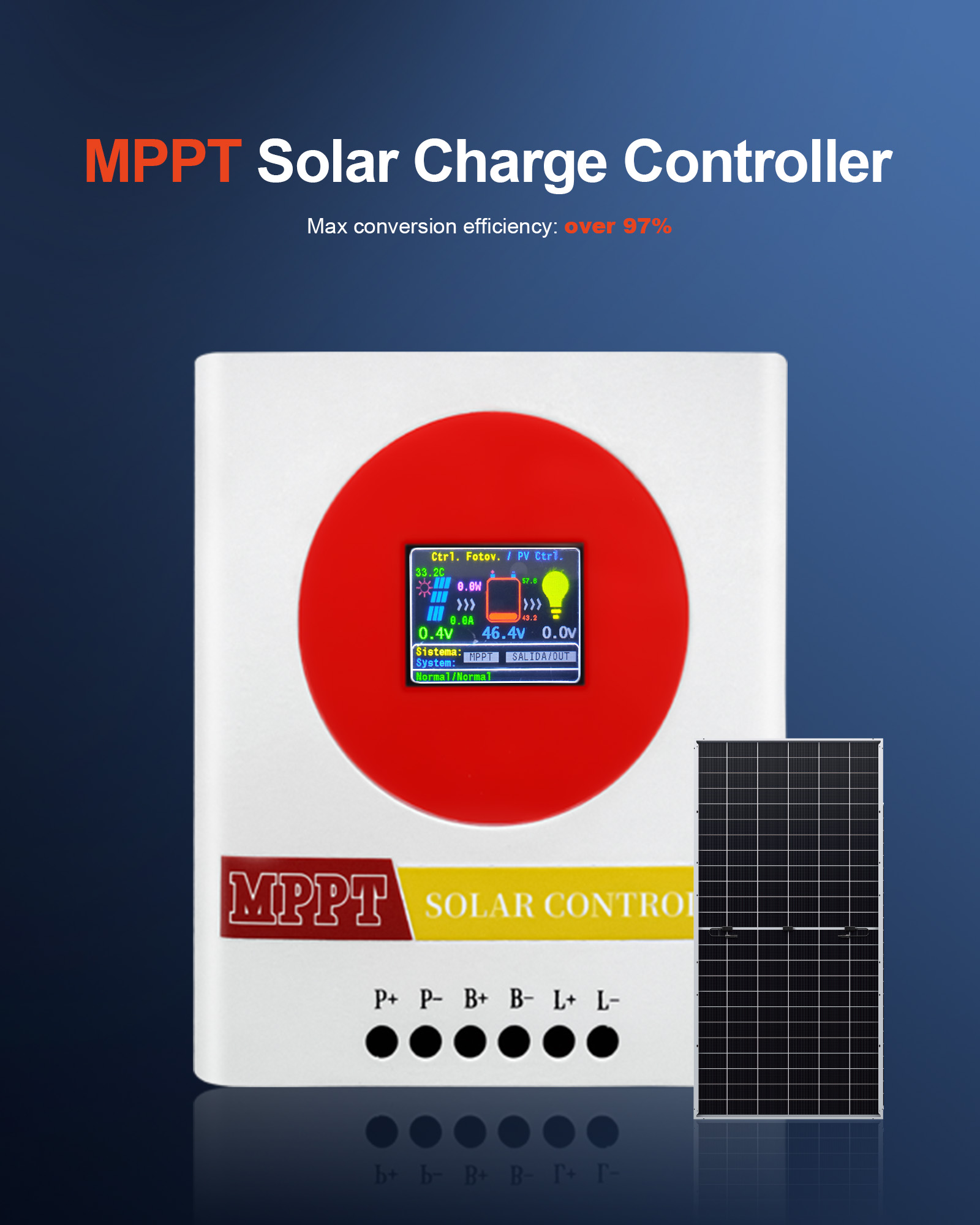
In the vast expanse of remote livestock ranches and agricultural farms, access to a stable municipal power grid is often a luxury. Distance, rugged terrain, and astronomical grid expansion costs force operators to seek independent, robust, and sustainable power solutions. Among the array of off-grid technologies, the 48 Volt MPPT (Maximum Power Point Tracking) Solar Charge Controller has emerged as the definitive standard for managing remote agricultural energy systems.
Operating at a nominal 48V DC configuration provides distinct thermodynamic and electrical advantages over traditional 12V or 24V configurations. By doubling the voltage, the system reduces current flow by half for the same power output, minimizing transmission losses along extensive cable runs—a common requirement on sprawling farmlands. Coupled with state-of-the-art MPPT technology, these controllers optimize energy harvest from photovoltaic (PV) arrays, ensuring that every ray of sunshine is converted into usable power for critical agricultural machinery, irrigation systems, and monitoring telemetry.
Modern remote ranches require high power outputs to run heavy machinery, deep-well pumps, and automated feeding systems. A 48V system reduces line losses by up to 75% compared to 24V systems over identical distances. This allows ranches to place solar arrays in optimal, unobstructed sunlit locations far away from the barns or water wells they power, without suffering significant voltage drops.
The global shift toward sustainable farming is driving massive investments in agricultural microgrids. Historically, remote farms relied heavily on diesel generators to run pumps, light barns, and operate electric fences. However, escalating fuel costs, maintenance challenges in remote areas, and carbon reduction mandates have accelerated the adoption of solar-plus-storage systems. In this commercial transition, the charge controller acts as the central brain, protecting battery banks from overcharging while ensuring the load receives consistent voltage.
Industrially, manufacturers of solar components are designing controllers specifically tailored for harsh agricultural environments. These controllers must withstand dust, humidity, ammonia vapors from livestock barns, and extreme temperature fluctuations. The integration of 48V lithium iron phosphate (LiFePO4) battery chemistry with smart MPPT controllers has revolutionized the operational lifetime of farm microgrids, offering over 10 years of maintenance-free operation under demanding daily cycling conditions.
Water is life on a livestock ranch. In remote pastures, cattle, sheep, and horses depend on continuous water availability. 48V MPPT controllers are widely deployed to power submersible DC pumps that draw water from deep aquifers into storage tanks. The MPPT algorithm continuously adjusts to changing sunlight throughout the day, ensuring the pump operates efficiently even in low-light morning or overcast conditions. This eliminates the need for expensive battery storage in basic setups, as water is stored directly in elevated tanks.
Securing vast perimeters against predators and keeping livestock contained requires reliable high-voltage electric fences. A 48V off-grid solar system managed by a rugged MPPT charge controller ensures that the fence energizers remain powered 24/7/365. During long winter periods with limited sunlight, the controller's high tracking efficiency plays a critical role in preventing deep battery discharge, keeping the security perimeter active without interruption.
Modern dairy farms and poultry ranches rely heavily on automated systems. Ventilation fans, automated feeding lines, and milking machines have high surge current demands. A 48V inverter-charge controller system provides the necessary surge capacity and continuous power to run these motors. The MPPT controller ensures that the battery bank is rapidly recharged during peak daylight hours, preparing the system for high-load operations during morning and evening milking cycles.
Agriculture is entering the era of IoT (Internet of Things). Soil moisture sensors, automated gates, weather stations, and HD security cameras are distributed across thousands of acres. A centralized 48V power hub, managed by an MPPT controller, acts as the primary power source for wireless repeater towers and communication hubs, bridging the digital gap in rural zones.
The next generation of 48V MPPT solar charge controllers is focusing heavily on connectivity and hybrid energy integration. Remote ranch owners can now monitor system performance, battery health, and solar generation in real-time via satellite or cellular IoT networks. If a fault occurs, automated alerts are sent to the rancher's smartphone, preventing critical system downtime before livestock water supplies are affected.
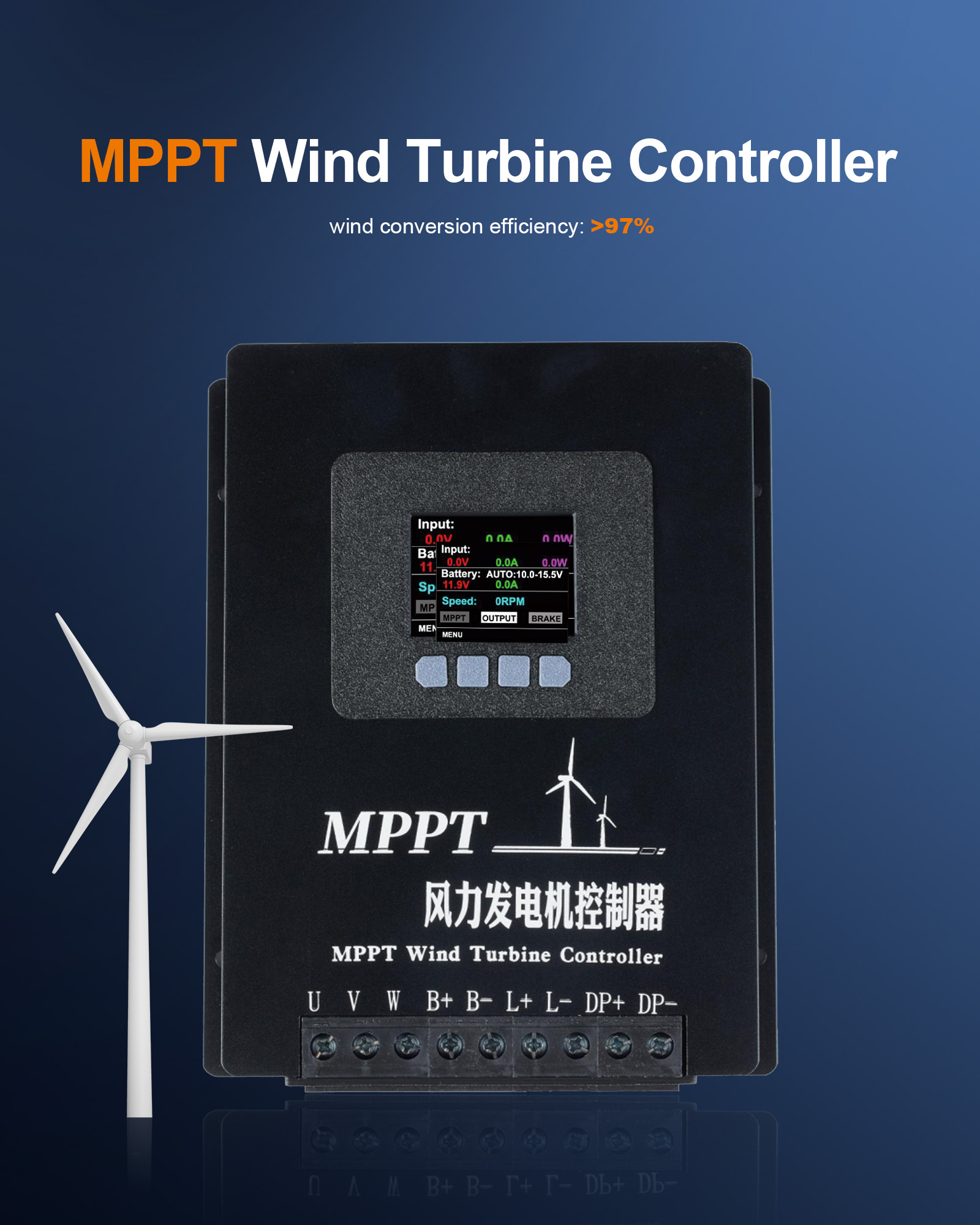
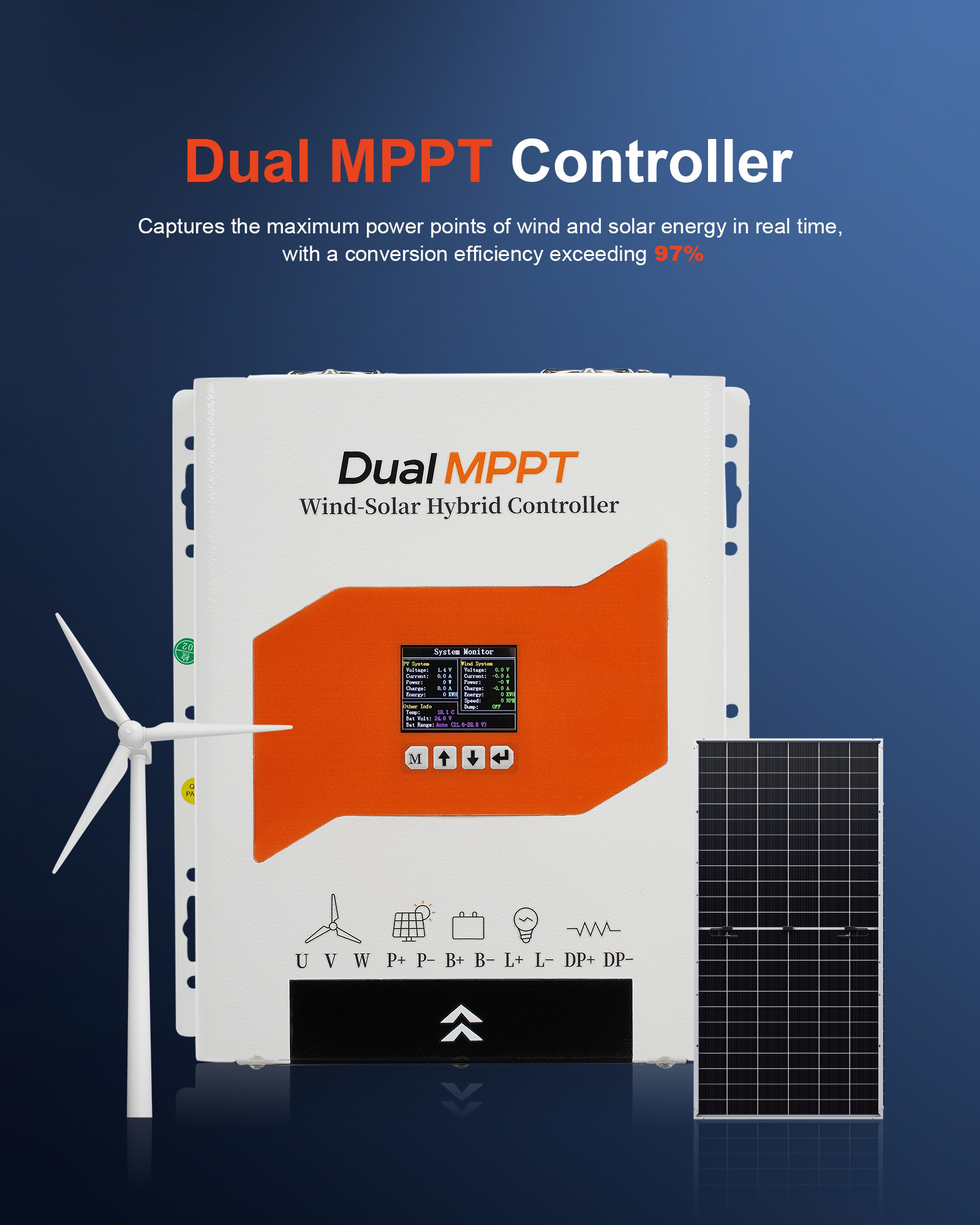
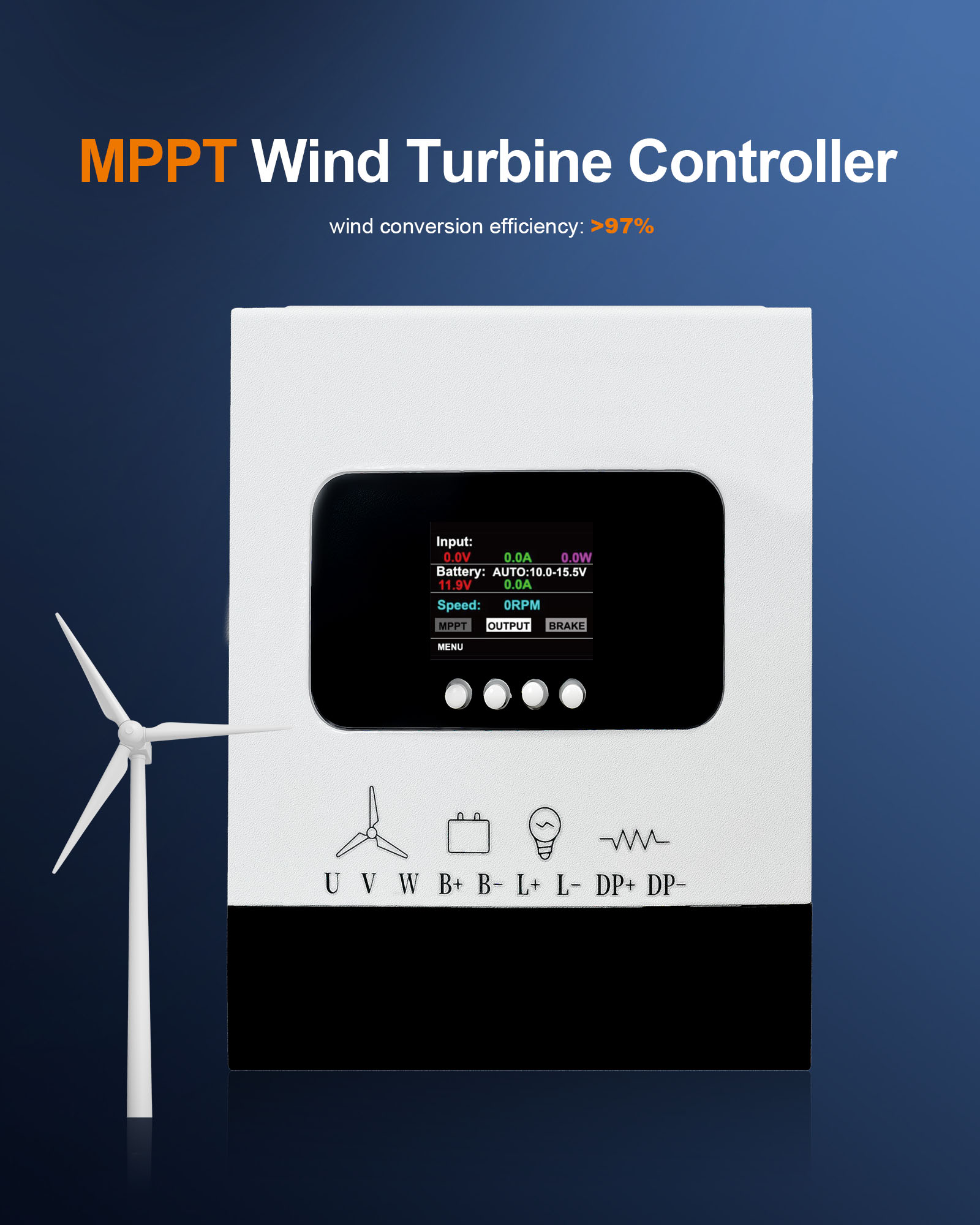
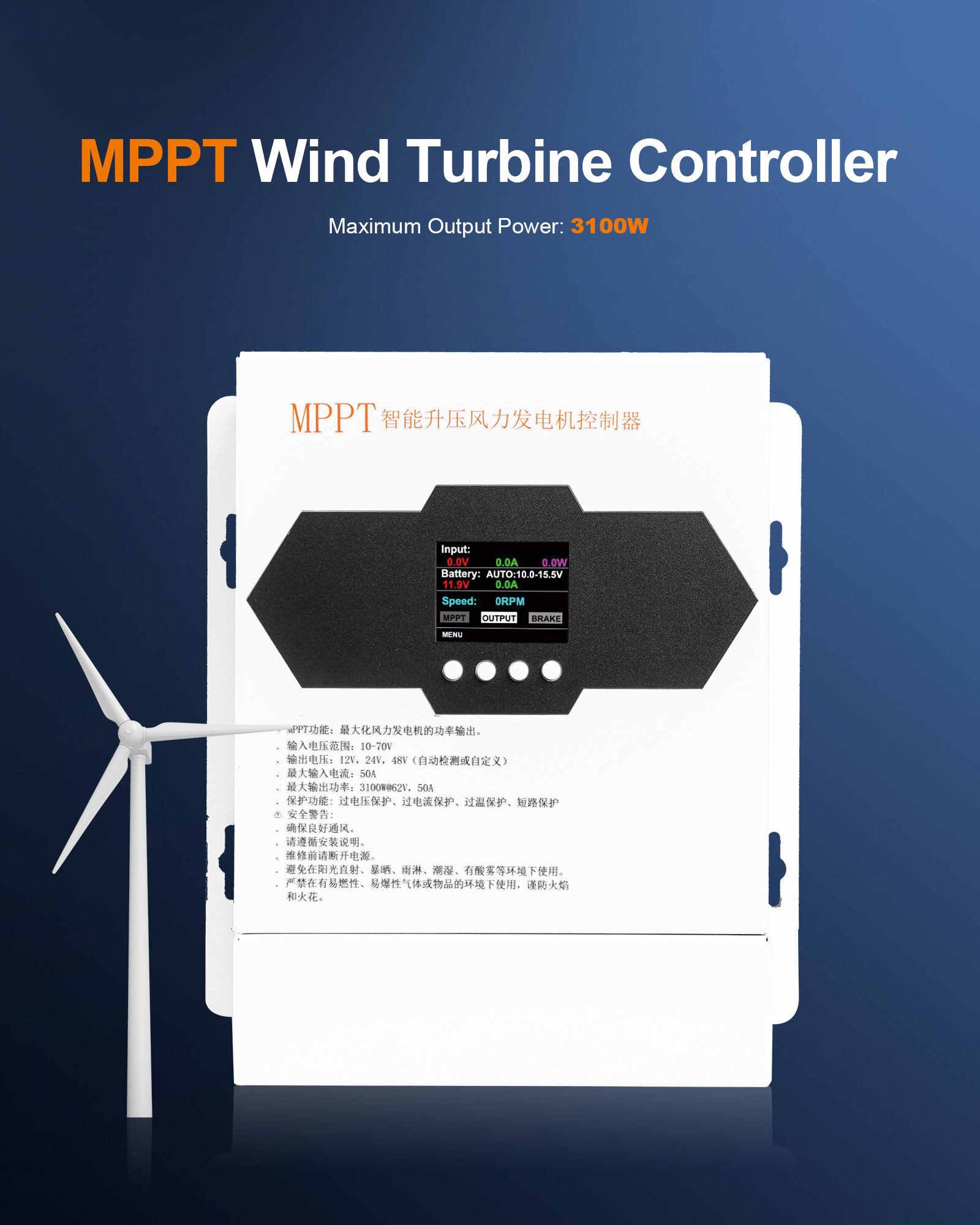
Furthermore, the industry is witnessing a significant rise in wind-solar hybrid systems. Because remote ranches are often located in open, windy plains, combining a 48V MPPT solar controller with a wind turbine controller (such as the DH-FD series) ensures round-the-clock power generation. Solar panels harvest energy during the day, while wind turbines capture energy during stormy weather and nighttime hours, creating a resilient, year-round power supply.
Establishing a global sales and service network to empower remote agricultural regions across the globe.
With excellent product quality, continuous R&D innovation capabilities and a complete full-cycle service system, the company has deeply explored the domestic and foreign new energy markets and established a global sales and service network. Its products are exported to dozens of countries and regions such as Europe, North America, South America, Southeast Asia, and Russia. With stable and reliable product performance and professional and efficient service capabilities, the company has gained high recognition and long-term trust from global customers, and has become a highly competitive Chinese local brand in the new energy field. In the future, the company will continue to deepen the innovation of new energy technologies, continuously optimize the product matrix and service system, help the global energy transformation and the realization of dual-carbon goals, and contribute core strength to the construction of a clean, low-carbon, safe and efficient modern energy system.

Explore our comprehensive range of solar, wind, and hybrid controllers designed to secure agricultural energy independence.