Leave Your Message
Engineered for rapid deployment, high efficiency, and absolute reliability during critical grid failures.
Understanding the technological shift toward resilient, decentralized wind power during disaster response.
In the wake of severe meteorological events, seismic activities, or cascading grid collapses, standard power infrastructures are often the first to fail. When communication towers drop, medical facilities lose utility power, and rescue stations go dark, traditional diesel generators have historically stepped in. However, diesel fuel logistics are vulnerable to blocked roads and supply chain disruptions. This vulnerability has accelerated the adoption of localized renewable energy microgrids. Among these, the combination of wind energy and advanced energy storage has emerged as a cornerstone of modern disaster resilience.
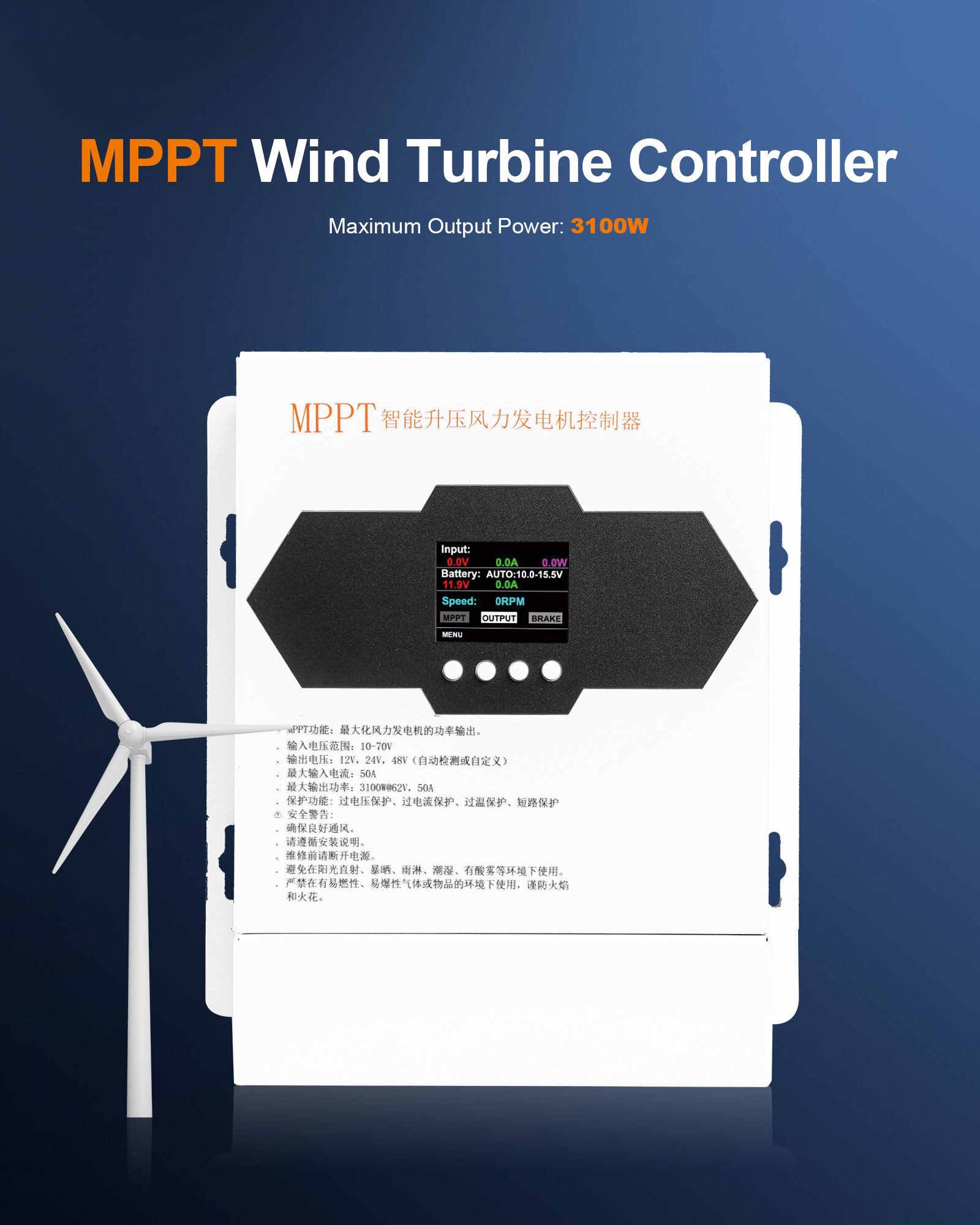
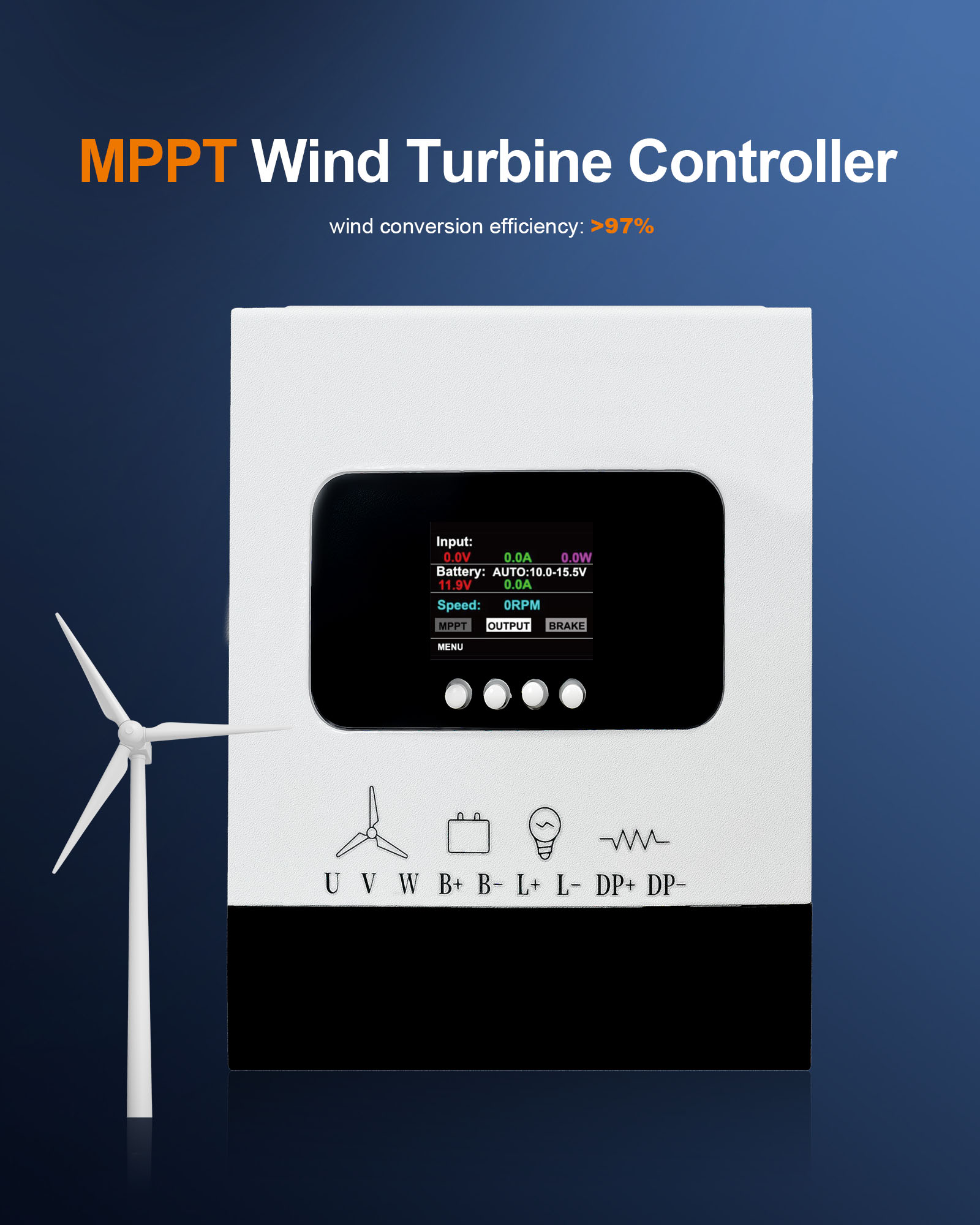
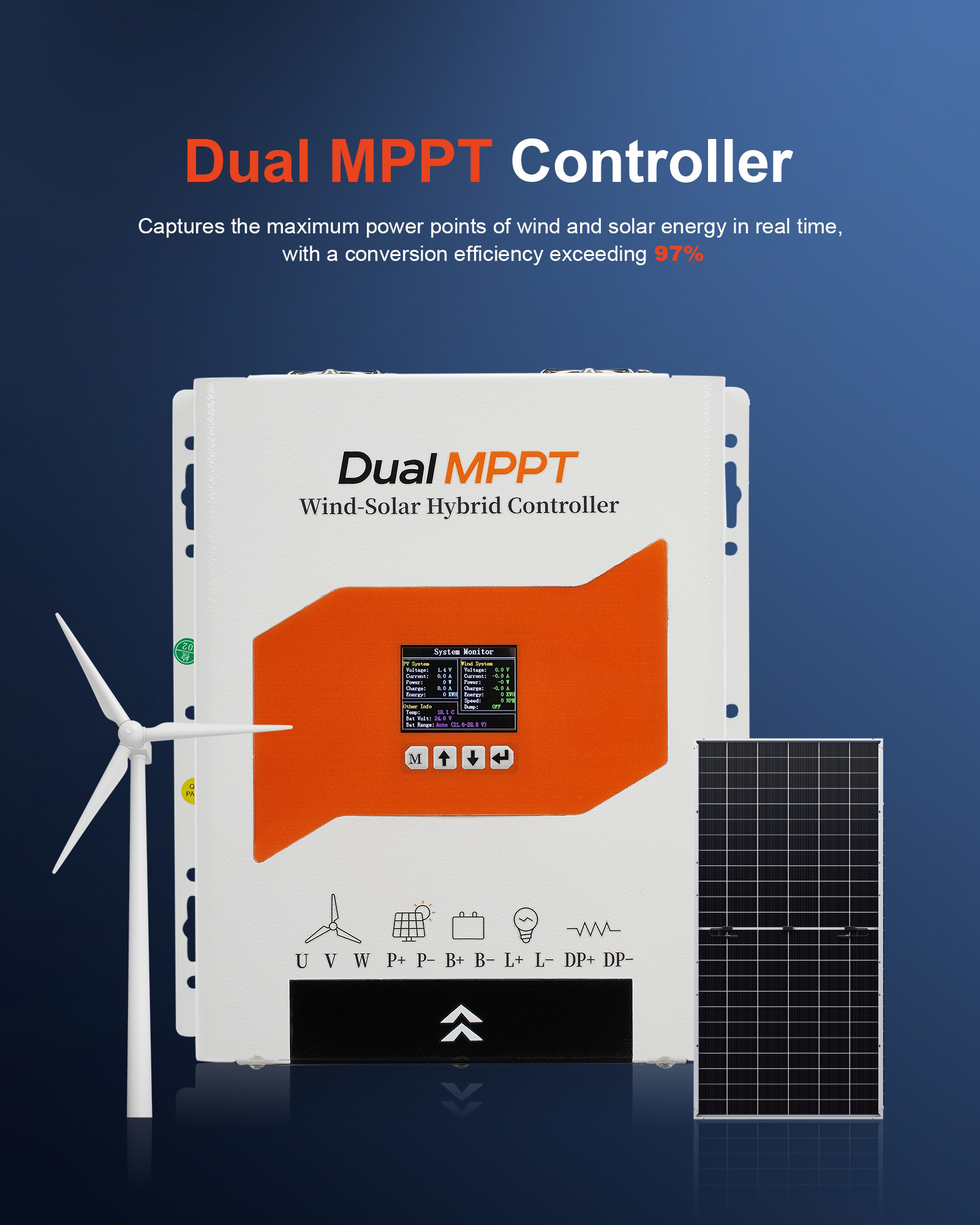
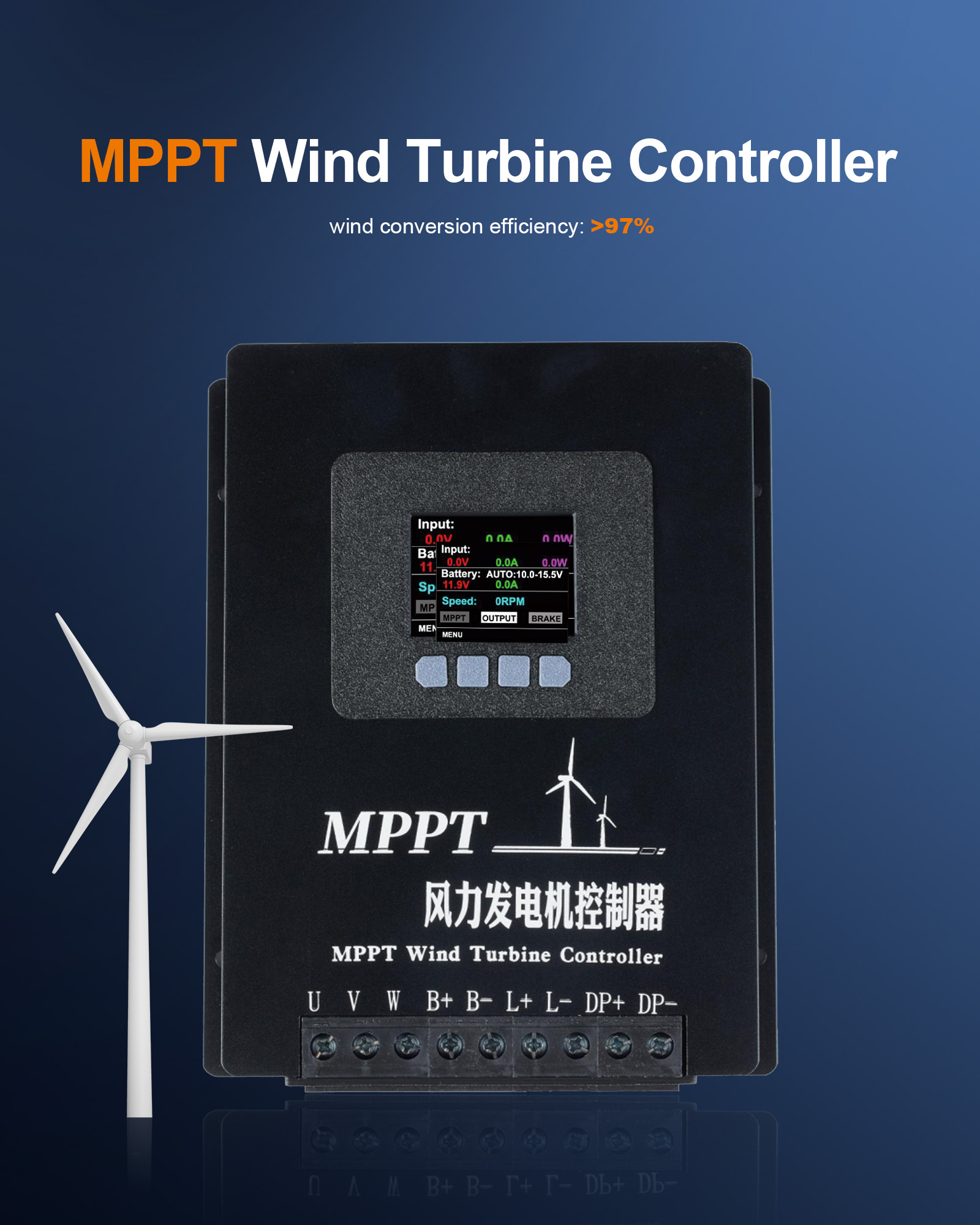
At the center of these emergency systems is the 48V MPPT Wind Controller. This device is not merely a battery charger; it is the intelligent gatekeeper that conditions unstable, wild AC power generated by wind turbines into highly regulated DC power suitable for 48V battery banks. By employing Maximum Power Point Tracking (MPPT), these controllers ensure that even during low-wind periods or volatile storm gusts, every ounce of kinetic energy is harvested and stored, keeping critical life-support systems operational when every second counts.
In emergency power design, voltage selection is a critical engineering decision that balances safety, efficiency, and system compatibility. The 48V DC standard has become the global benchmark for telecom backup, emergency shelters, and tactical military stations for several reasons:
Unlike solar panels, which exhibit relatively predictable changes in output based on sunlight intensity, wind turbines operate in a highly dynamic, non-linear aerodynamic environment. The power output of a wind turbine is proportional to the cube of the wind speed. This means a minor gust can cause a massive spike in generated power, while a slight drop in wind can stall the turbine if the electrical load is not managed instantly.
A standard PWM (Pulse Width Modulation) controller simply clamps the turbine's voltage to the battery voltage, which forces the turbine to spin at sub-optimal speeds, wasting up to 50% of the potential energy. In contrast, an MPPT Wind Controller continuously monitors the turbine's rotational speed (RPM) and voltage. It dynamically adjusts the generator's electrical load to match the optimal Tip Speed Ratio (TSR). By maintaining the turbine at its peak aerodynamic efficiency across all wind speeds, the MPPT controller ensures continuous power generation even in light breezes—which is vital during prolonged post-disaster recovery phases when weather patterns are unpredictable.
Real-time MPPT tracking algorithm ensures maximum power extraction within milliseconds of wind gusts.
Integrated automatic dump-load control prevents wind turbine overspeeding and battery overcharging during storms.
Remote telemetry capability allows disaster management teams to monitor system status via satellite or cellular links.
How our 48V MPPT wind controllers solve critical power challenges in the field.
During hurricanes or earthquakes, cellular towers and emergency radio repeaters are the lifeline of rescue operations. These stations are typically situated on ridges or hills to maximize signal coverage—locations that also happen to possess excellent wind resources. Integrating a 48V MPPT wind controller alongside solar panels creates a resilient hybrid power supply. When storm clouds block the sun, the strong winds associated with weather fronts drive the turbine, ensuring the 48V backup battery bank remains charged, preventing communication blackouts.
Keeping vaccines, blood supplies, and temperature-sensitive medications cold is one of the greatest challenges in disaster zones. Mobile medical clinics deployed by organizations like the Red Cross rely on stable 48V refrigeration units. By utilizing a compact, transportable wind turbine paired with a high-efficiency MPPT controller, these medical tents can maintain an uninterrupted cold chain 24 hours a day, regardless of daytime sun availability.
Displaced populations gathered in emergency shelters require power for basic lighting, device charging, and, most importantly, water purification. Reverse osmosis water purification systems require significant power to run high-pressure pumps. A 48V wind-solar hybrid microgrid managed by our advanced controllers provides the necessary constant current to keep water filtration systems running continuously, mitigating the risk of waterborne diseases in the aftermath of a disaster.
Coastal areas are highly vulnerable to typhoons and tsunamis. Warning sirens, weather radar stations, and marine rescue lighthouses must operate continuously during the worst weather conditions. Our controllers are built with marine-grade anti-corrosion coatings and robust electronic brakes that protect the system during hurricane-force winds while continuing to trickle-charge the battery banks when utility lines are down.
Analyzing market demands, technological convergence, and future standards.
The global market for emergency backup power is undergoing a structural shift. Historically dominated by fossil-fuel generators, governments, military organizations, and NGOs are rapidly transitioning to clean energy alternatives. This shift is driven by both environmental mandates and the practical logistical challenges of fuel delivery during crises. As a result, the demand for smart controllers capable of managing decentralized hybrid inputs (wind, solar, and battery storage) has surged.
Key trends shaping the future of 48V MPPT wind controllers include:
Pioneering smart energy conversion technologies through rigorous research and automated manufacturing.
The company's core R&D strength is composed of a scientific research team led by senior doctors in the industry. It has long-term focus on the cutting-edge exploration and innovative application of new energy technologies, continues to increase investment in core R&D, and has formed deep technological accumulation and independent innovation capabilities in core areas such as efficient conversion of electric energy, intelligent system integration, and coordinated control of integrated wind, solar, and storage.
Relying on industry-leading automated production lines and high-precision full-dimensional testing equipment, the company has independently developed a number of intelligent new energy products with completely independent intellectual property rights, fully covering three major application scenarios: off-grid, grid-connected, and mixed grid.
The product matrix includes core categories such as high-frequency/power frequency inverters, wind power controllers, photovoltaic controllers, wind-solar hybrid controllers, wind-solar storage-control-inverse integrated power generation systems, etc., which can be flexibly adapted to diversified power needs such as household use, industrial and commercial distributed, and off-grid independent power stations.





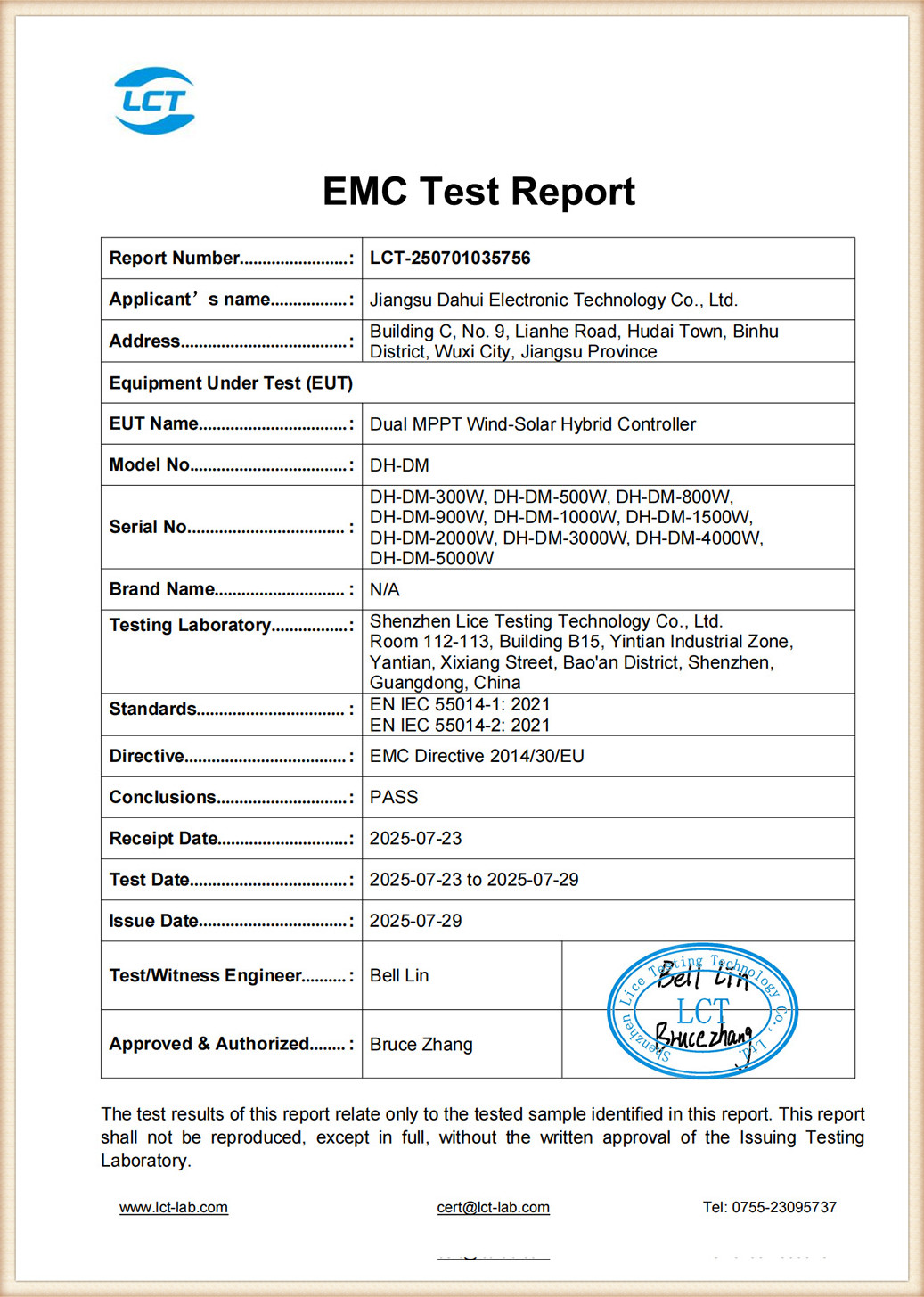
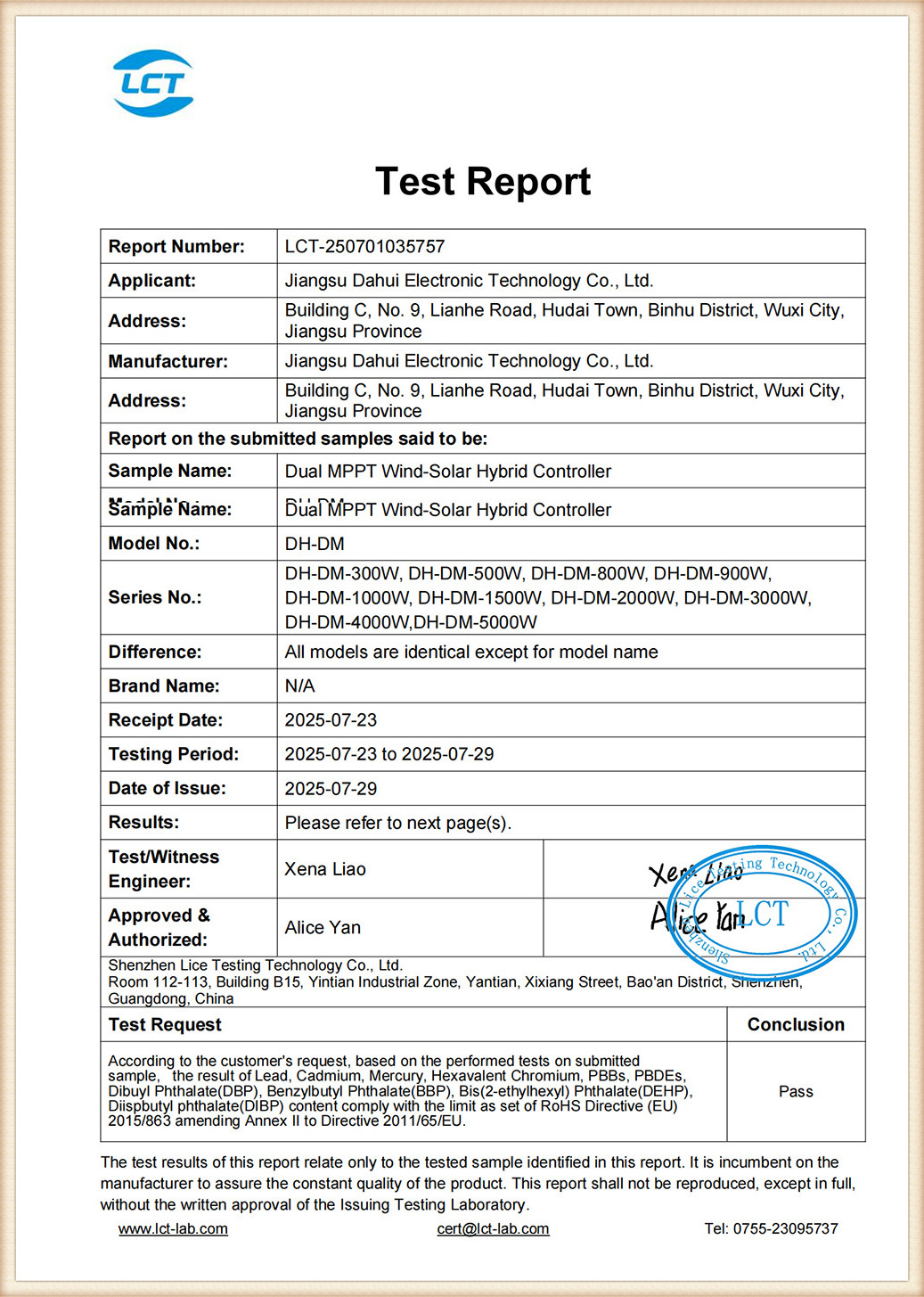
Uncompromising quality control verified by leading international standards bodies.
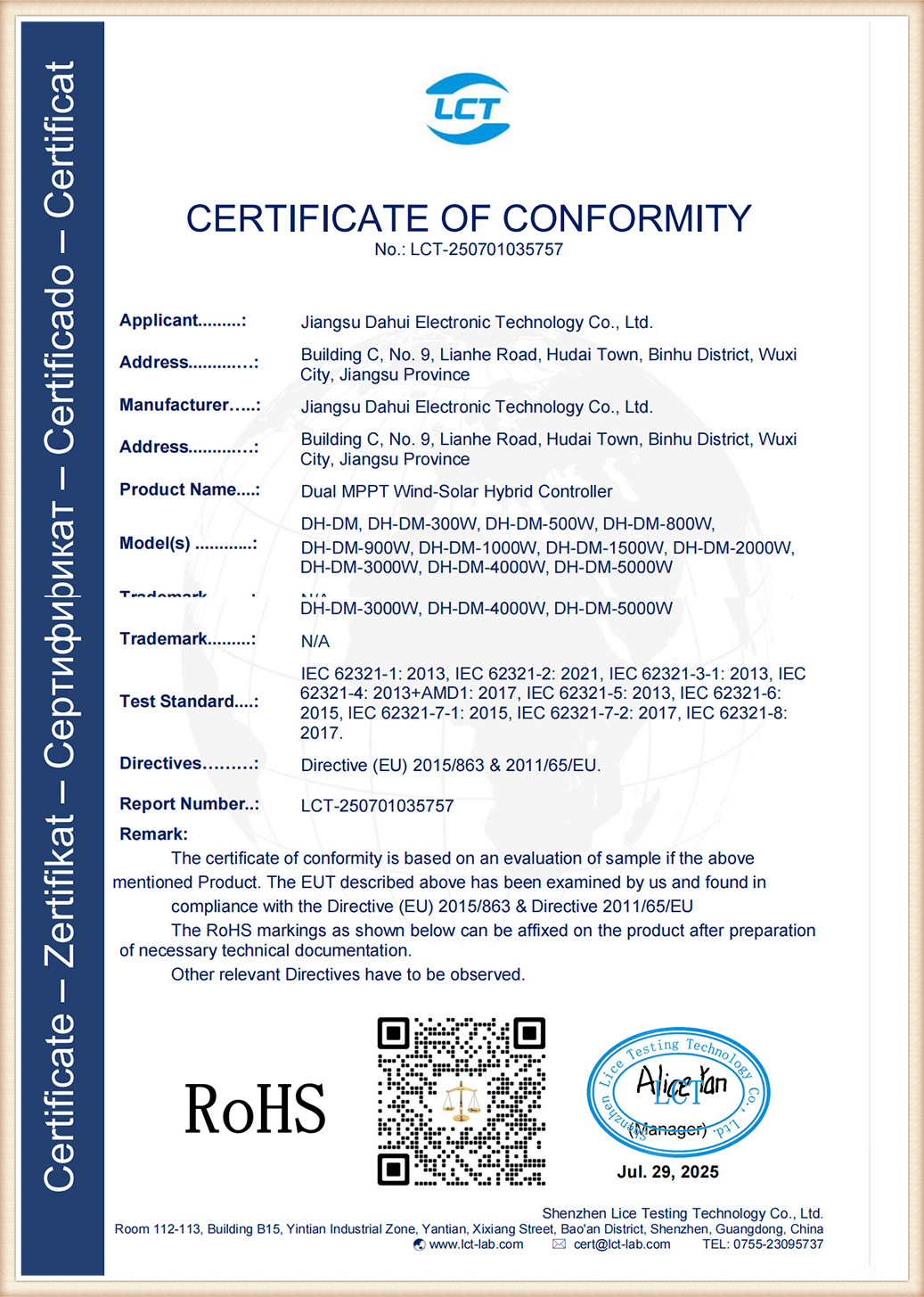
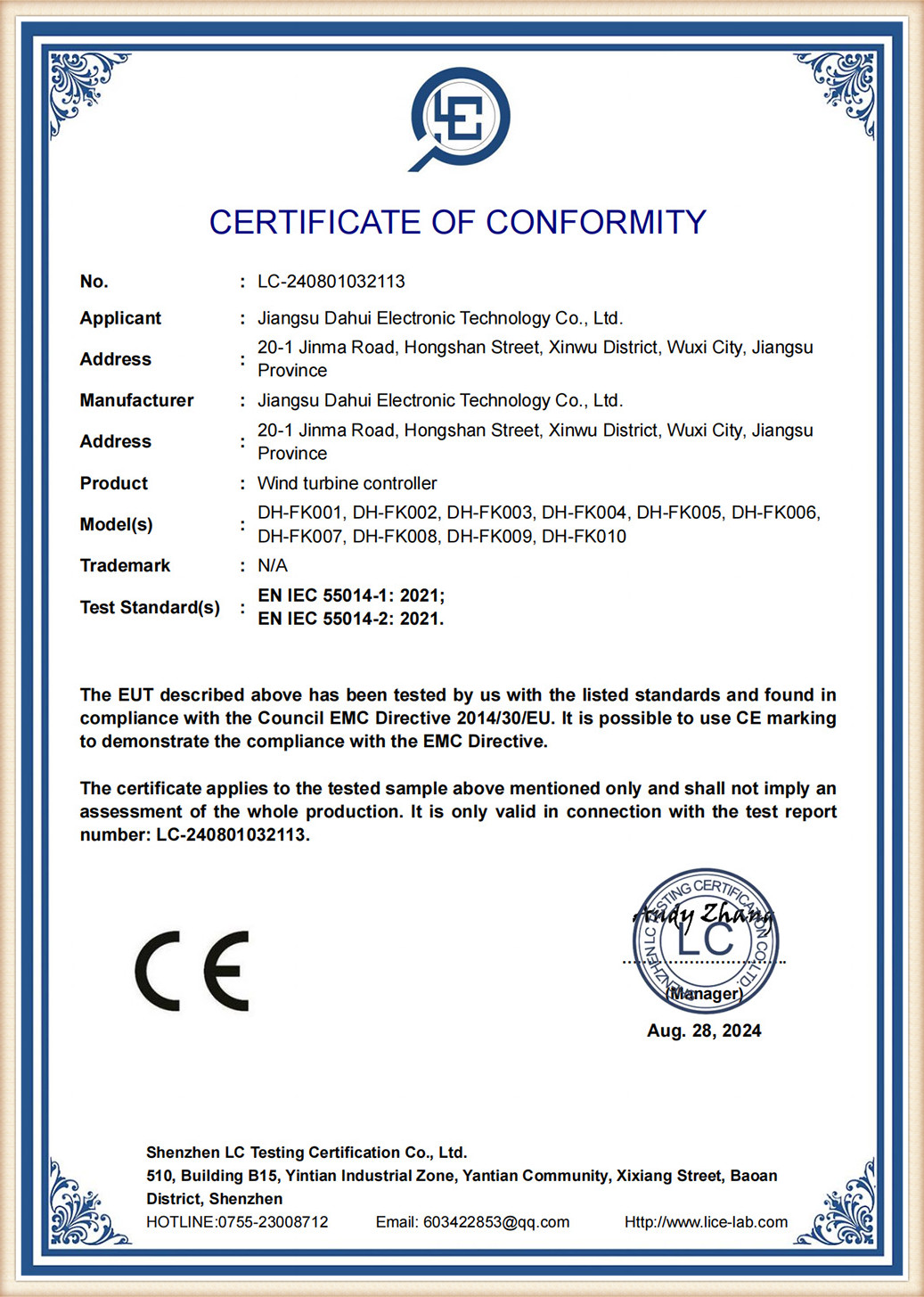
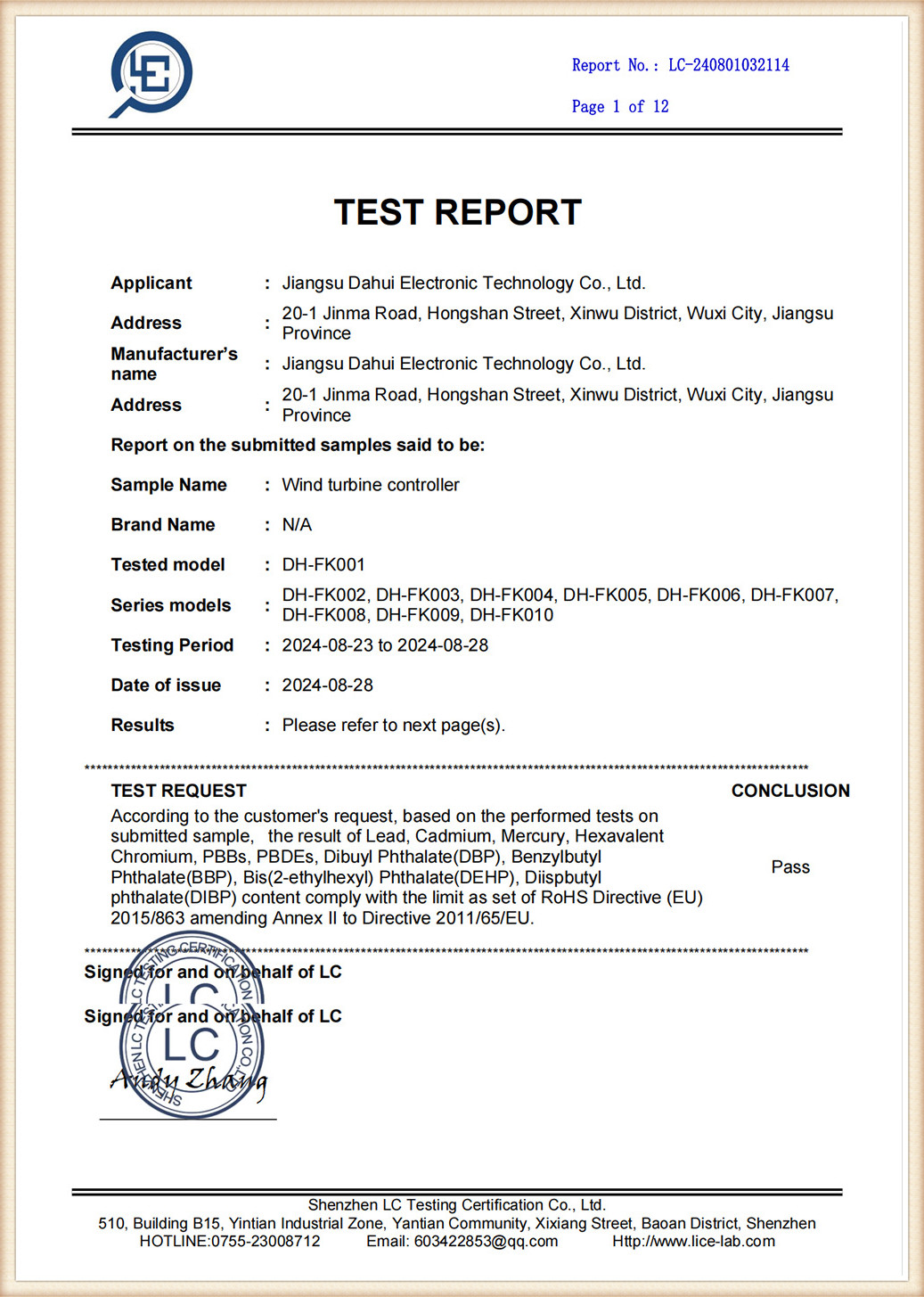
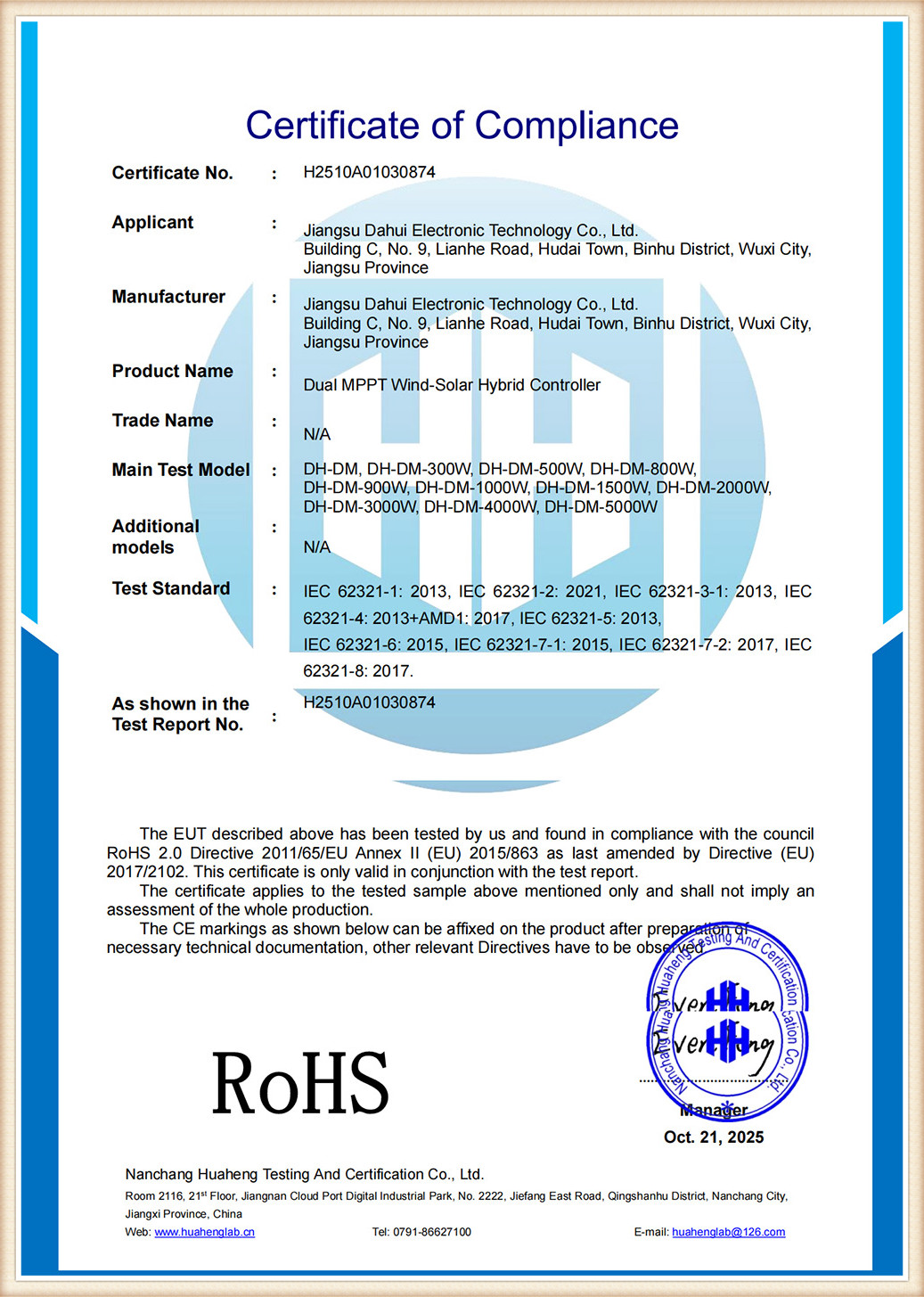
The company always adheres to the core business philosophy of "quality first, independent research and development", and regards product quality and technological innovation as the core driving force for corporate development. At present, it has obtained a number of international authoritative product certifications and ISO quality management system certifications, and has established a full-chain quality management system from raw material inspection, full-process control of the production process to multi-dimensional inspection of finished products. Product quality is strictly controlled throughout the entire process, and core product performance indicators are comprehensively better than industry standards, providing a solid guarantee for the long-term stable operation and reliable service life of the product.








Explore our full range of high-performance controllers and hybrid systems built for critical off-grid demands.