Leave Your Message
The commercial landscape for municipal and industrial lighting is undergoing a massive paradigm shift. While traditional solar-only streetlights have been widely deployed, they suffer from a fundamental limitation: reliance on consistent sunlight. In high-latitude regions, during winter months, or throughout prolonged monsoons, solar-only systems frequently experience deep battery discharges, leading to premature system failures and dark streets.
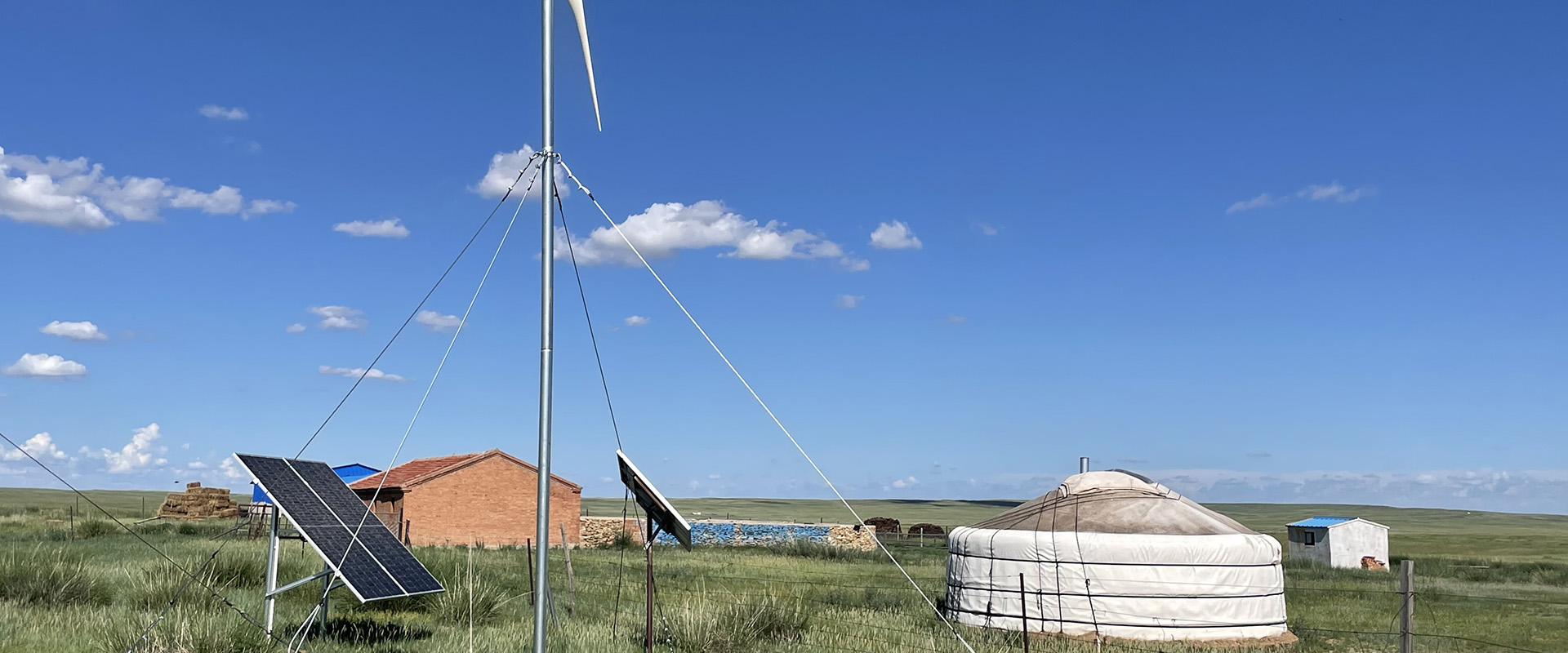
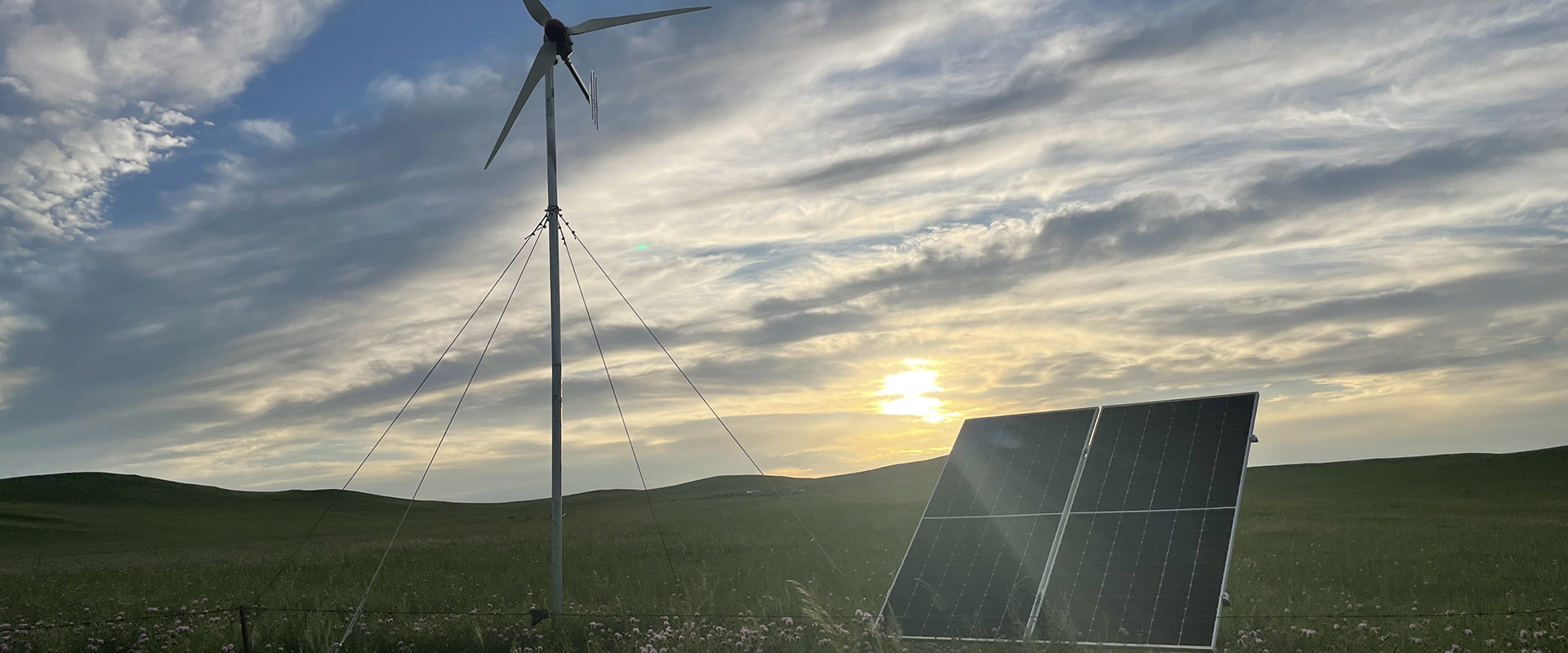
To mitigate these risks, industrial project developers and municipal planners are increasingly turning to hybrid solar-wind systems. By combining photovoltaic panels with micro wind turbines (typically 100W to 600W), these systems harvest energy 24/7. Wind energy often peaks during night hours and stormy weather—precisely when solar generation is zero. Regulating these two highly variable power sources requires a specialized 50A hybrid charge controller.
A 50A rating represents the optimal power threshold for modern industrial street lighting. It allows for the simultaneous handling of up to 1200W of solar PV arrays and 600W of wind turbine inputs on a 24V or 48V battery system. This provides ample headroom for powering high-lumen LED luminaires, municipal CCTV cameras, environmental monitoring sensors, and public Wi-Fi hotspots integrated directly into smart poles.
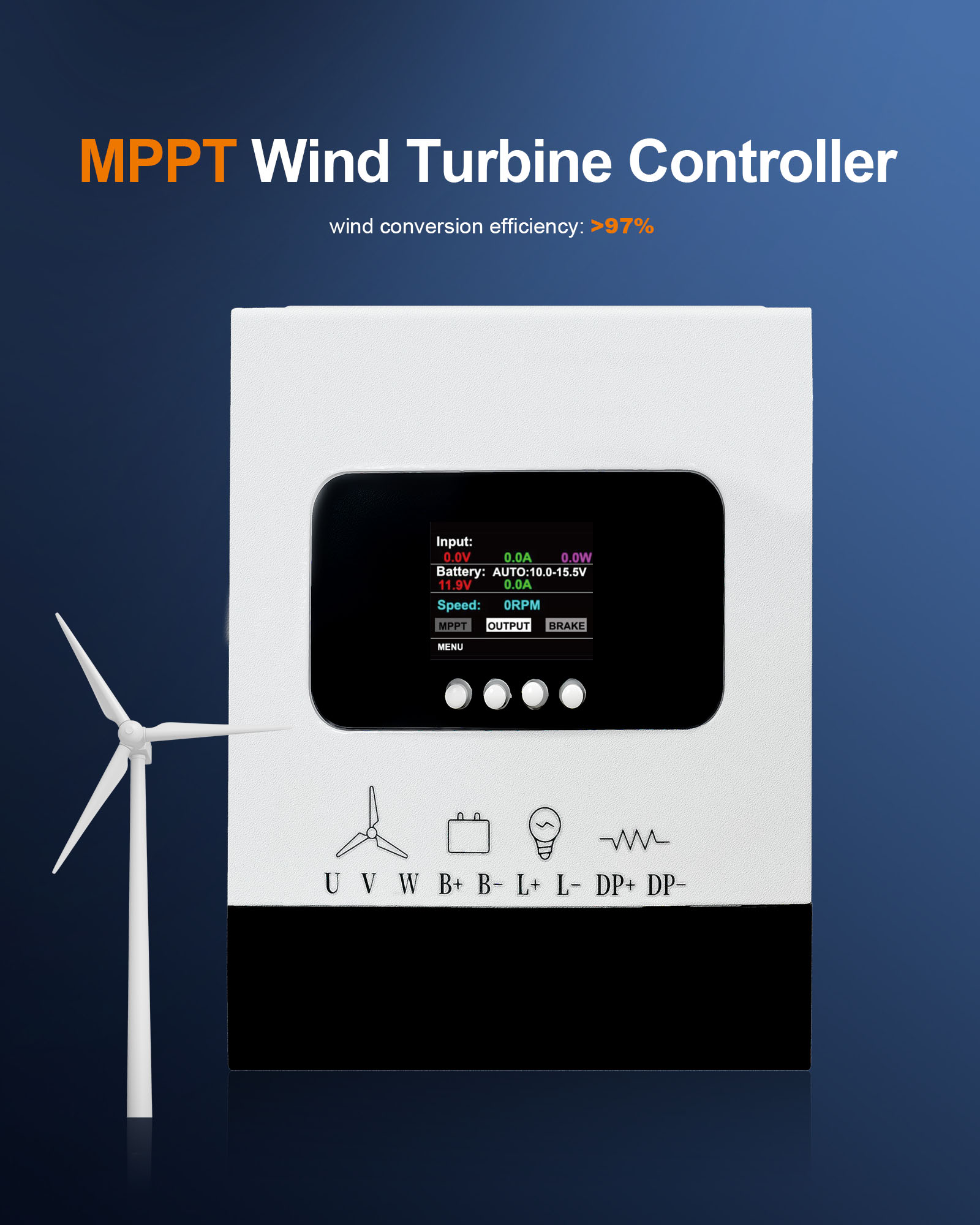
Separate, dedicated Maximum Power Point Tracking (MPPT) algorithms for both wind and solar inputs ensure that energy harvest is maximized regardless of changing wind speeds or solar irradiance levels.
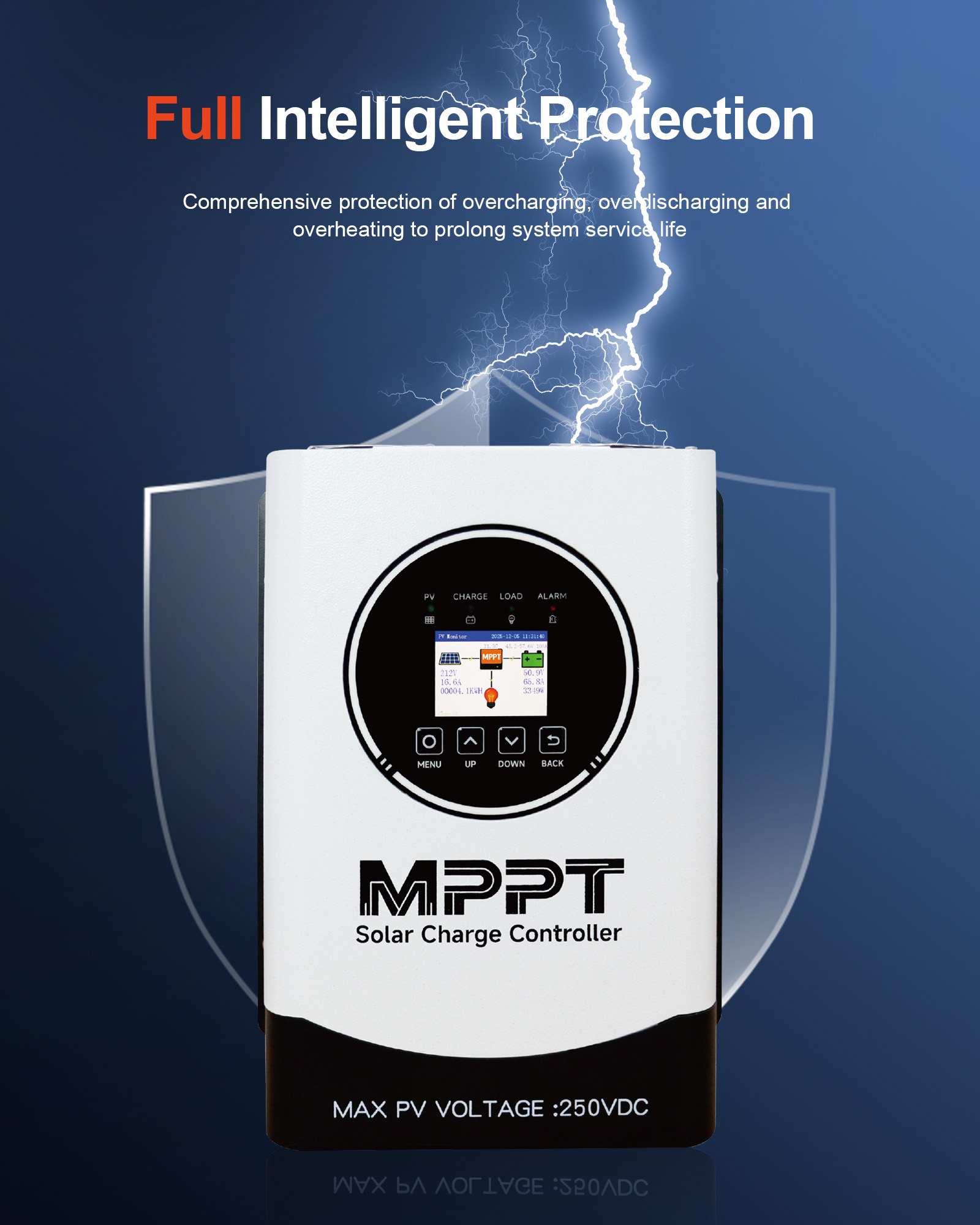
Equipped with automatic electromagnetic braking for wind turbines to prevent over-speeding during storms, alongside comprehensive over-voltage, short-circuit, and reverse-polarity protection.
Supports advanced RS485, CAN, and wireless communication protocols (LoRaWAN/NB-IoT) for real-time remote monitoring, diagnostics, and dimming control via centralized management software.
Different deployment environments demand unique engineering configurations. Below, we analyze how the 50A solar-wind hybrid controller adapts to diverse and demanding industrial application scenarios.
Coastal expressways are characterized by high wind speeds, high humidity, and intense salt spray. The combination of strong daytime solar radiation and persistent nighttime sea breezes makes these locations ideal for hybrid streetlights.
In this scenario, a 50A hybrid controller must feature a ruggedized, corrosion-resistant chassis (IP67 rating) and advanced thermal management. Because highway lighting must remain operational for safety reasons, the controller utilizes its wind MPPT circuit to capture wind energy during nighttime storms, keeping the batteries topped off even during multi-day storm events.
Off-grid industrial sites such as open-pit mines, oil fields, and national borders require continuous security lighting and active surveillance. The cost of running utility grid lines to these locations is prohibitive.
Here, the 50A controller acts as a localized microgrid manager. Beyond driving the LED streetlights, the controller's dual auxiliary outputs can power 24/7 security cameras and infrared sensors. The high current capacity (50A) ensures that even when the cameras are actively panning and transmitting data over cellular networks, the battery bank remains stable.
In northern regions, winter daylight is limited to a few hours, rendering solar-only systems ineffective. However, winter is often accompanied by strong, consistent winds.
By deploying a 50A hybrid controller, municipalities can ensure their urban streetlights remain powered through the dark winter months. When integrated into modern "smart poles," the controller dynamically allocates power between light dimming, environmental sensors, and municipal emergency broadcasting systems.
Islands rely heavily on imported diesel, making renewable self-consumption critical. Hybrid streetlights provide safe pathway lighting without the noise and pollution of generators.
The 50A controller's compatibility with advanced lithium iron phosphate (LiFePO4) batteries is vital here. The controller's precise charging algorithms prevent thermal runaway and optimize battery life cycles in high-temperature tropical environments, ensuring a low total cost of ownership (TCO).
The technology behind hybrid street light controllers is evolving rapidly. Modern 50A controllers are no longer simple buck regulators; they are highly integrated power conversion systems. Key trends shaping the future of this technology include:
| Parameter | Specification Details (Typical 50A Hybrid Controller) |
|---|---|
| Nominal System Voltage | 12V / 24V / 48V Auto Detect |
| Max Solar Input Power | 600W (at 12V) / 1200W (at 24V) / 2400W (at 48V) |
| Max Wind Input Power | 400W (at 12V) / 800W (at 24V) / 1600W (at 48V) |
| Solar MPPT Efficiency | ≥ 99.5% |
| Wind Charging Mode | MPPT Boost / Buck & Boost / Auto-Braking Over-current |
| Supported Battery Types | LiFePO4, Lithium-ion, Gel, Sealed Lead-Acid, Flooded |
| Communication Interface | RS485 / RS232 / CAN / Bluetooth / GPRS (Optional) |
| Protection Class | IP65 / IP67 Weatherproof Rating |
Unlike solar panels, which can simply be disconnected when the battery is full, a wind turbine must always have a electrical or mechanical load to prevent it from spinning out of control (overspeeding) in high winds. The 50A Hybrid Controller solves this by integrating a built-in dump load or automatic electromagnetic brake. When the battery reaches full charge or wind speeds exceed safe thresholds, the controller smoothly applies the brake to protect the turbine generator and surrounding municipal infrastructure.
The company's core R&D strength is composed of a scientific research team led by senior doctors in the industry. It has long-term focus on the cutting-edge exploration and innovative application of new energy technologies, continues to increase investment in core R&D, and has formed deep technological accumulation and independent innovation capabilities in core areas such as efficient conversion of electric energy, intelligent system integration, and coordinated control of integrated wind, solar, and storage.
Relying on industry-leading automated production lines and high-precision full-dimensional testing equipment, the company has independently developed a number of intelligent new energy products with completely independent intellectual property rights, fully covering three major application scenarios: off-grid, grid-connected, and mixed grid. The product matrix includes core categories such as high-frequency/power frequency inverters, wind power controllers, photovoltaic controllers, wind-solar hybrid controllers, wind-solar storage-control-inverse integrated power generation systems, etc., which can be flexibly adapted to diversified power needs such as household use, industrial and commercial distributed, and off-grid independent power stations.



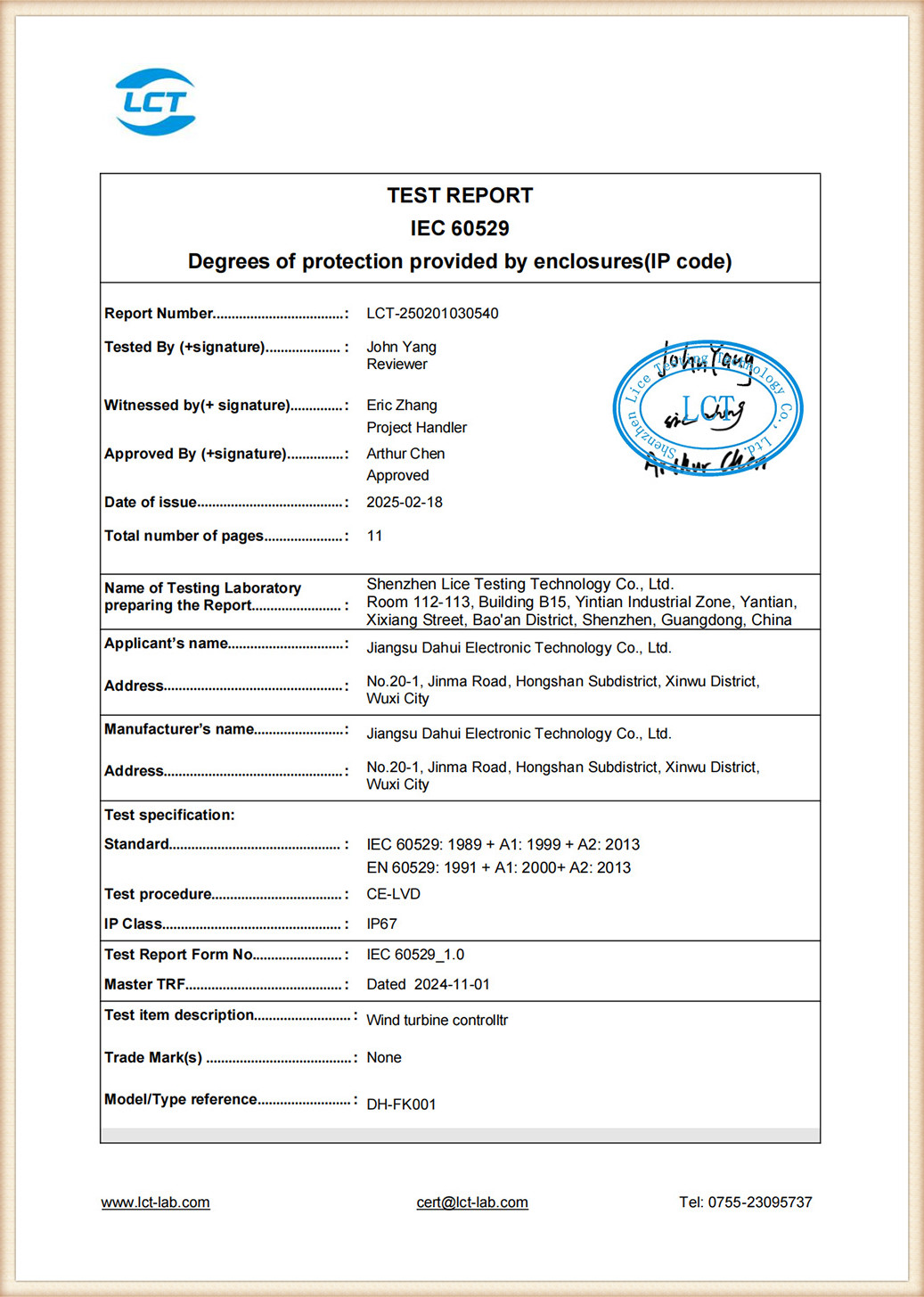
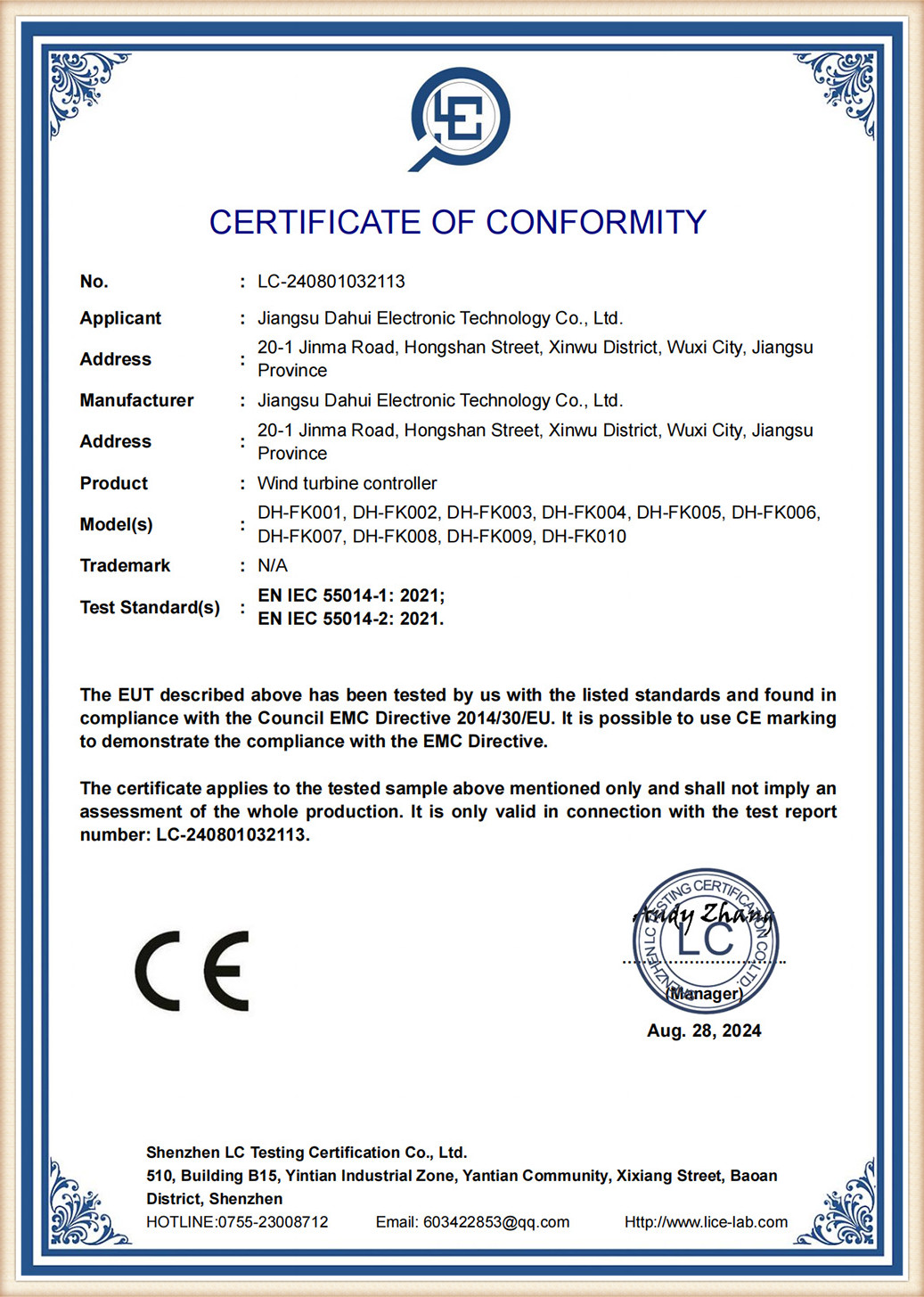
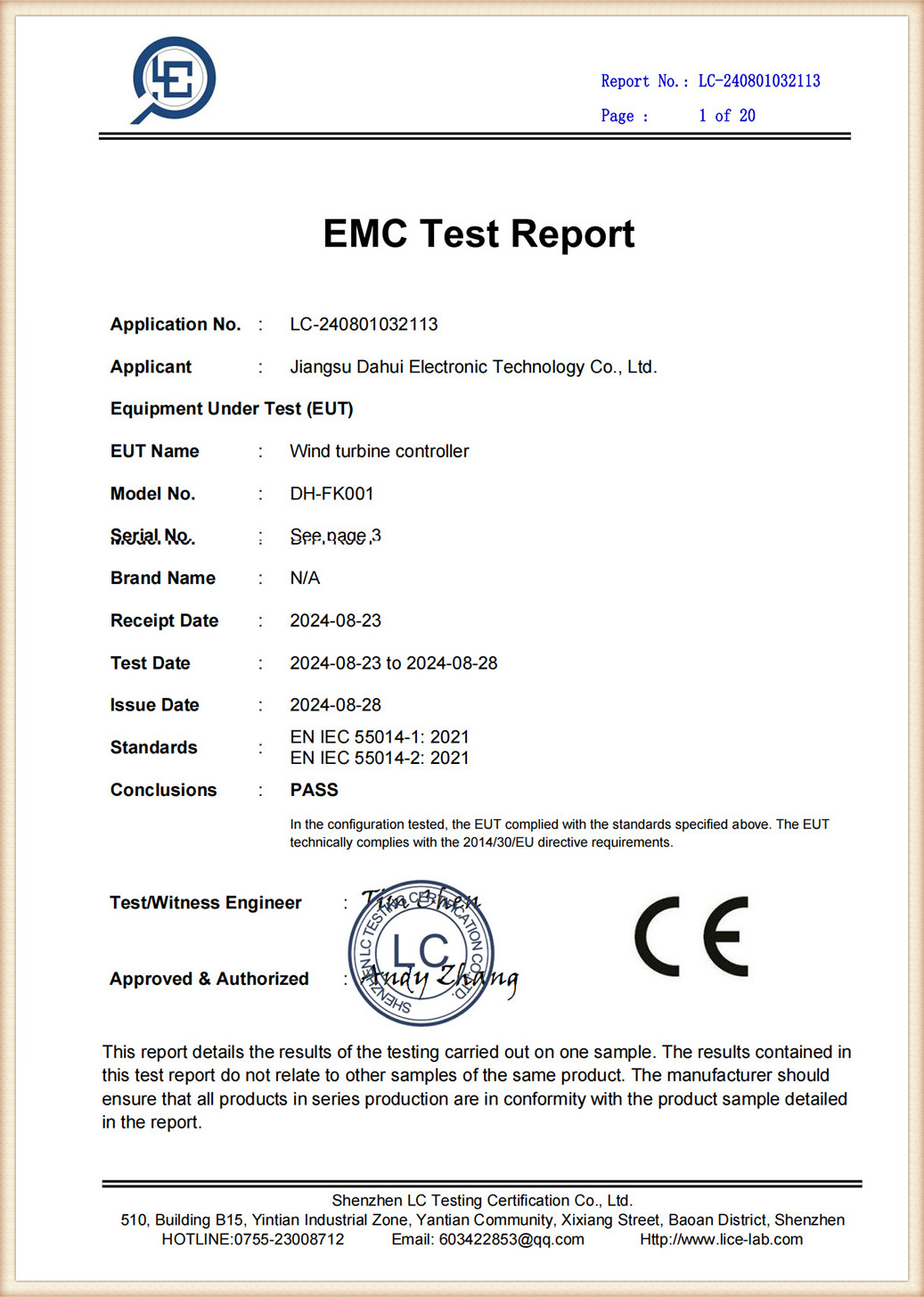
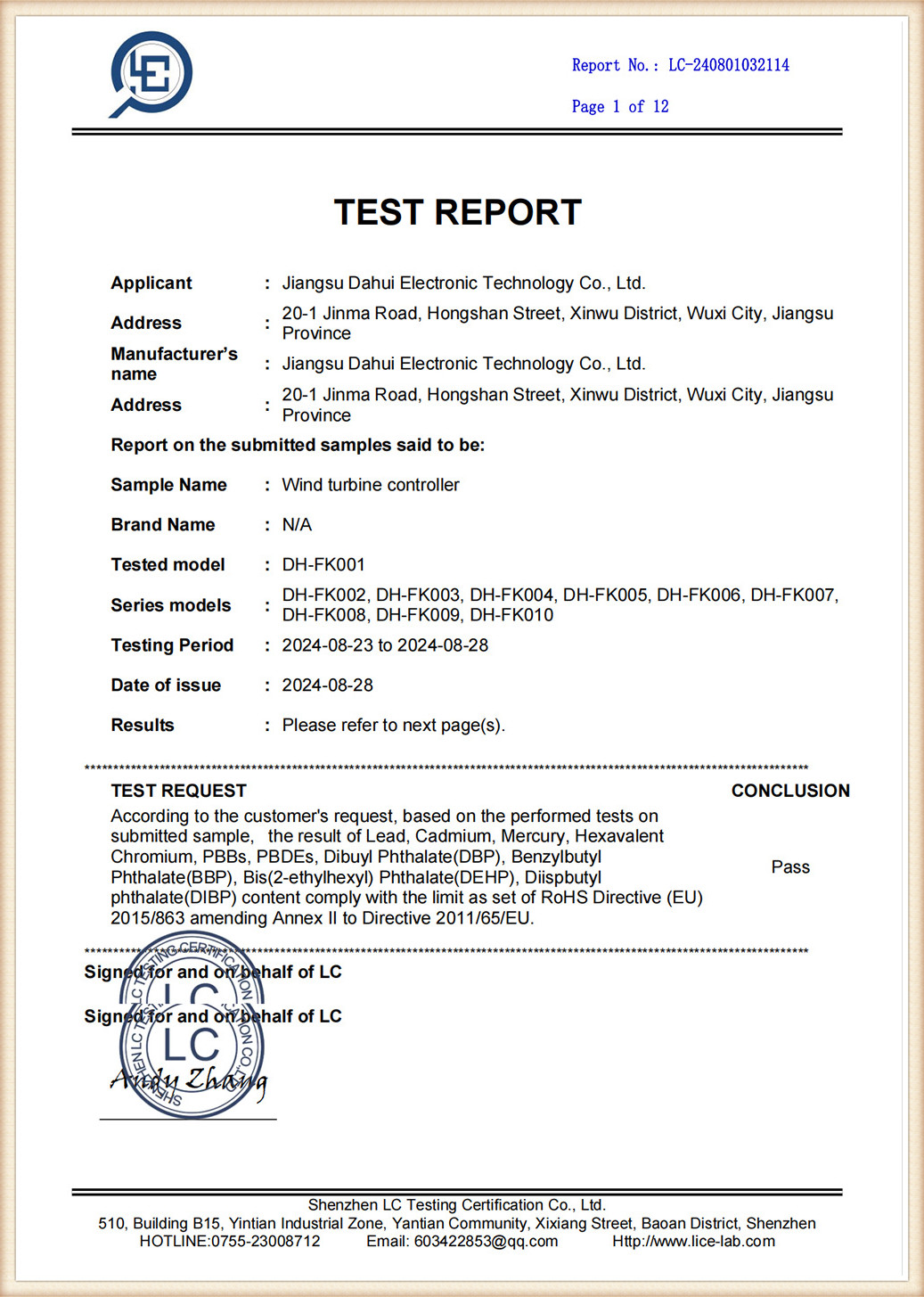
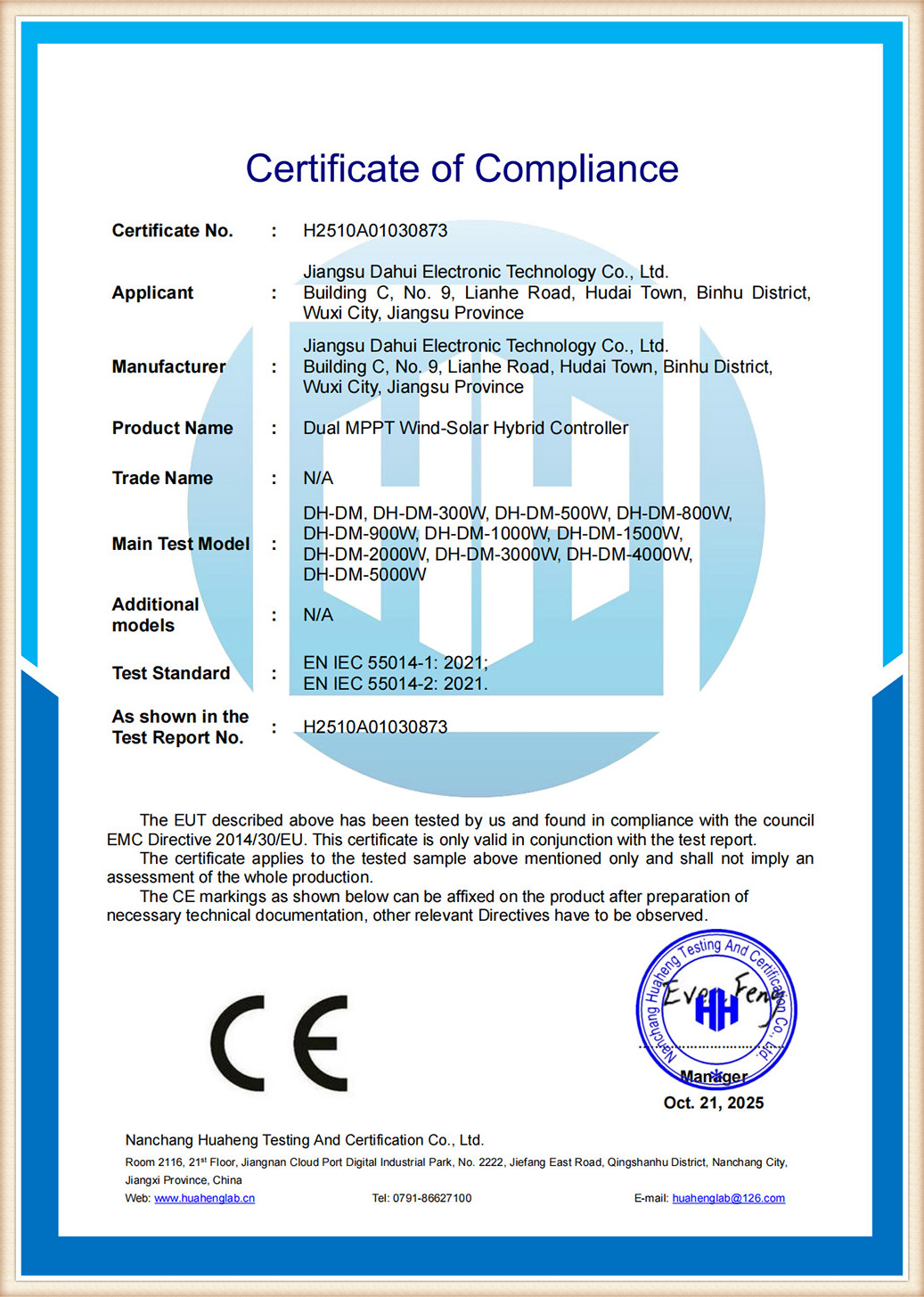
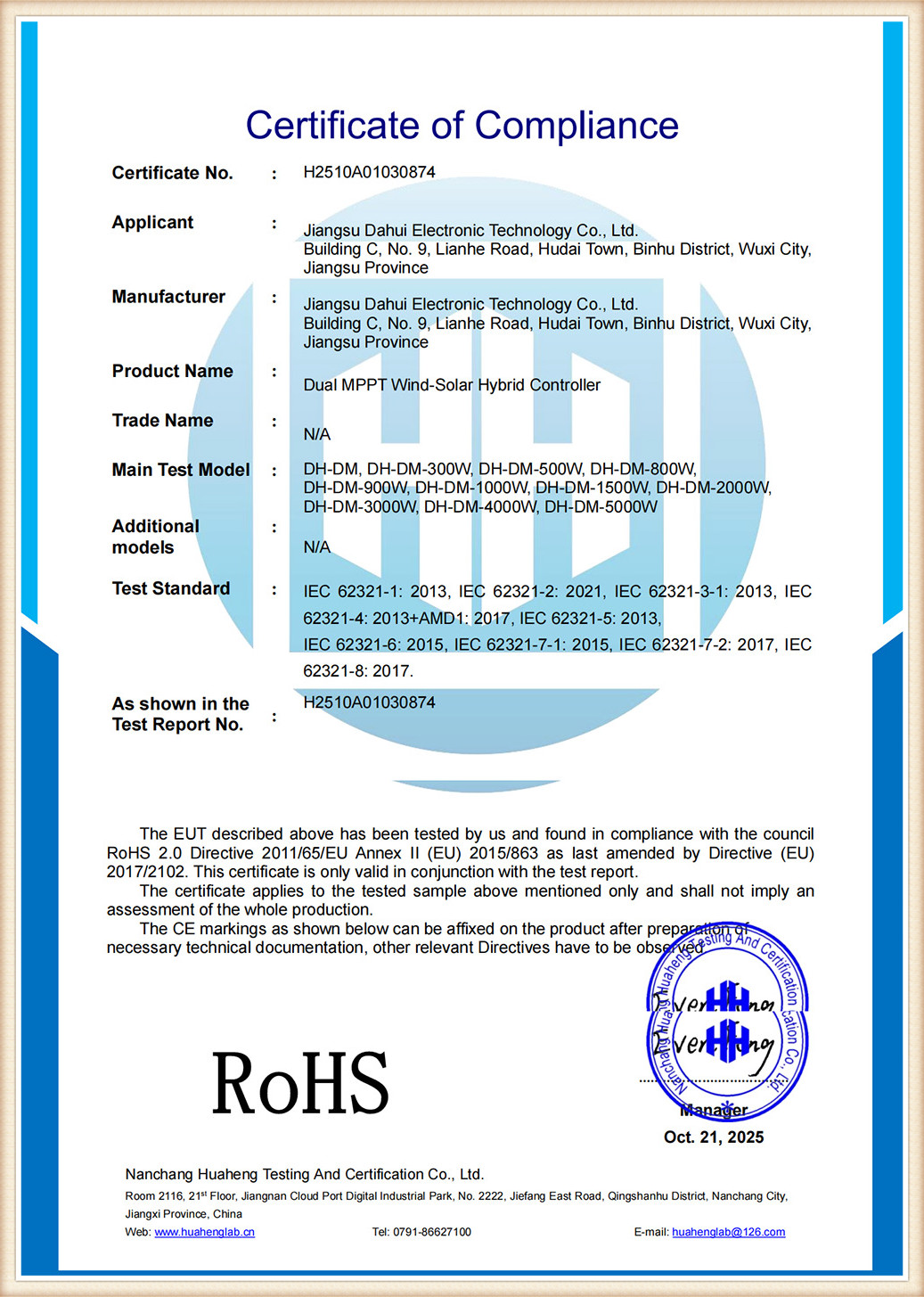
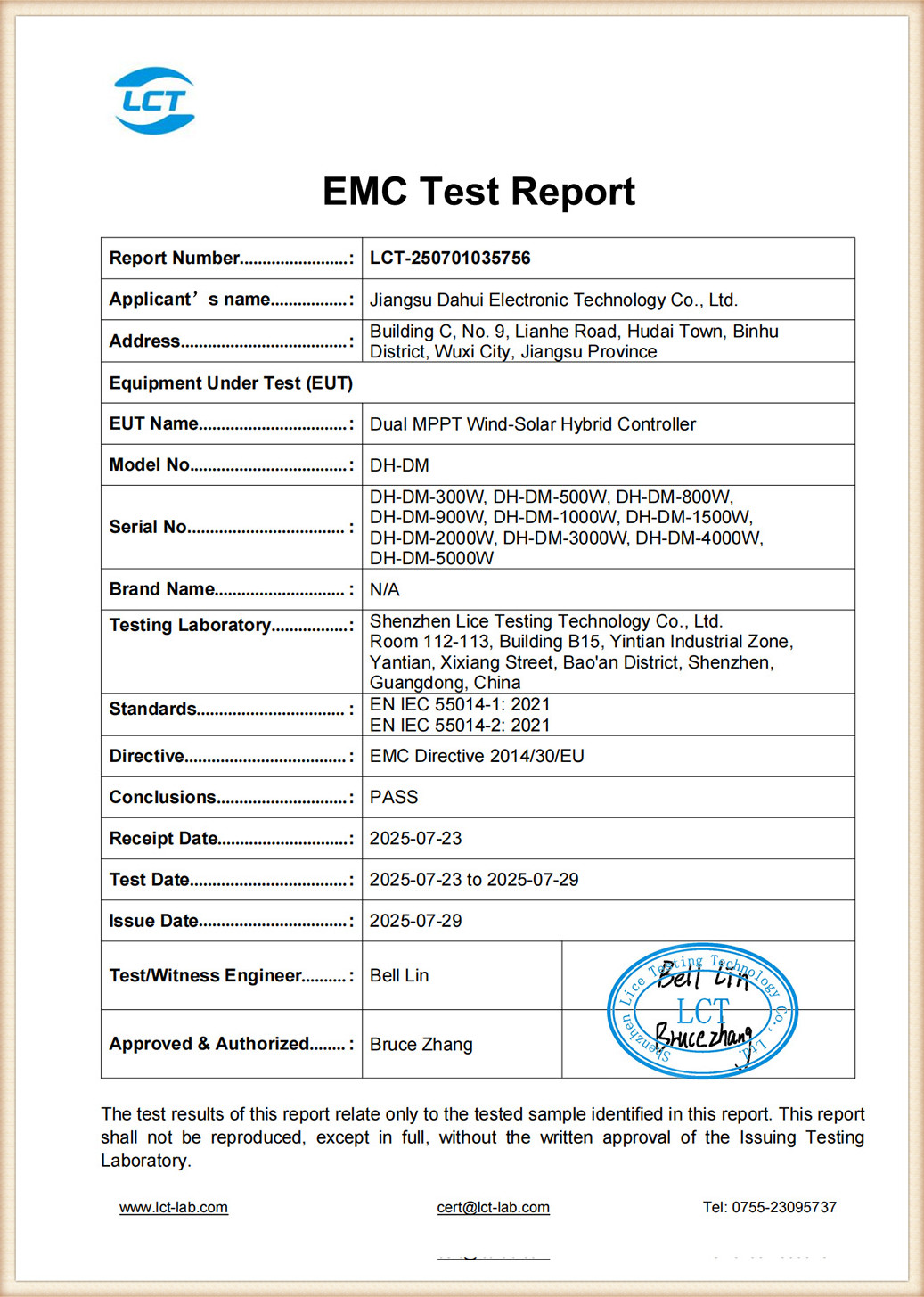
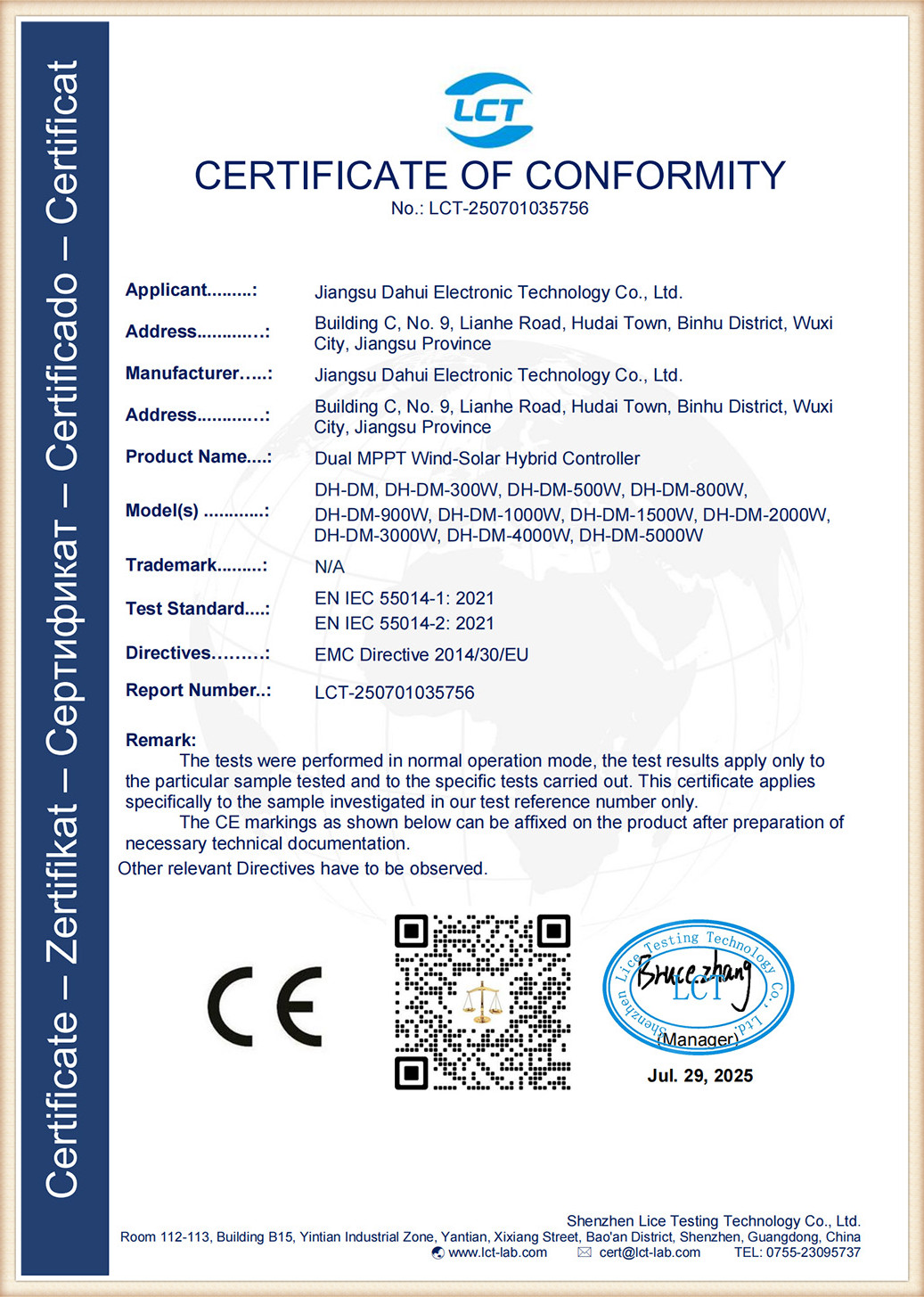
The company always adheres to the core business philosophy of "quality first, independent research and development", and regards product quality and technological innovation as the core driving force for corporate development. At present, it has obtained a number of international authoritative product certifications and ISO quality management system certifications, and has established a full-chain quality management system from raw material inspection, full-process control of the production process to multi-dimensional inspection of finished products. Product quality is strictly controlled throughout the entire process, and core product performance indicators are comprehensively better than industry standards, providing a solid guarantee for the long-term stable operation and reliable service life of the product.


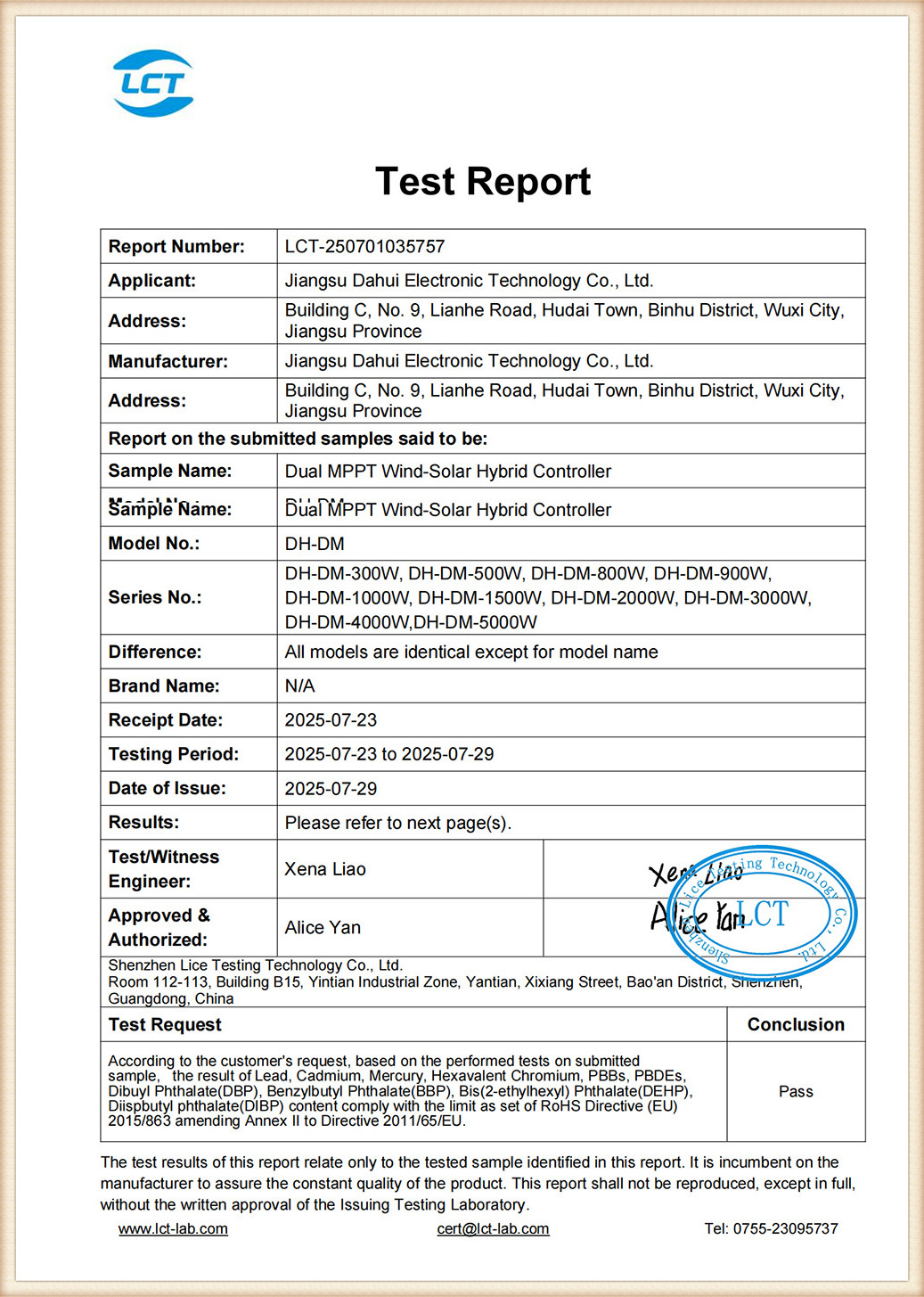
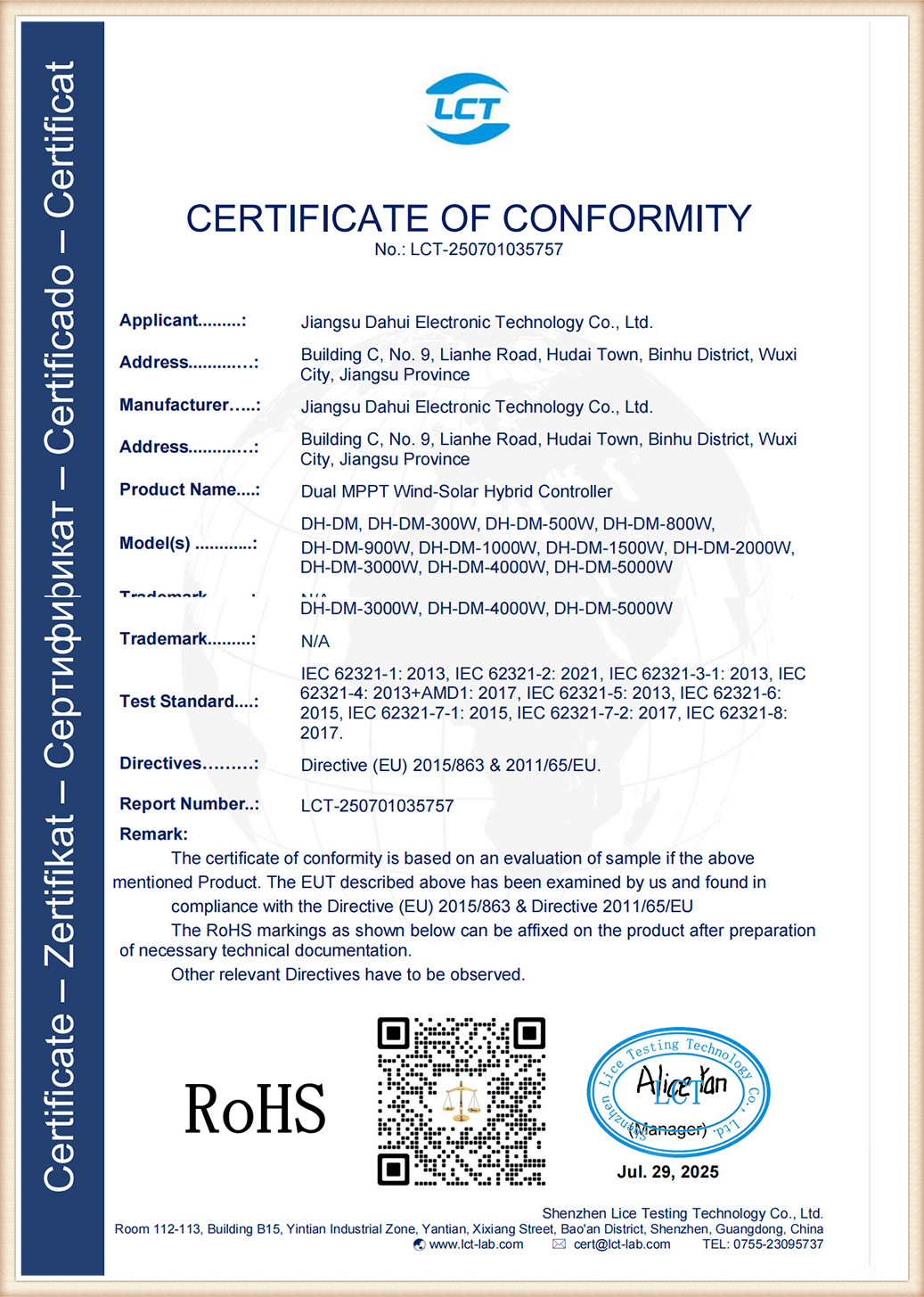


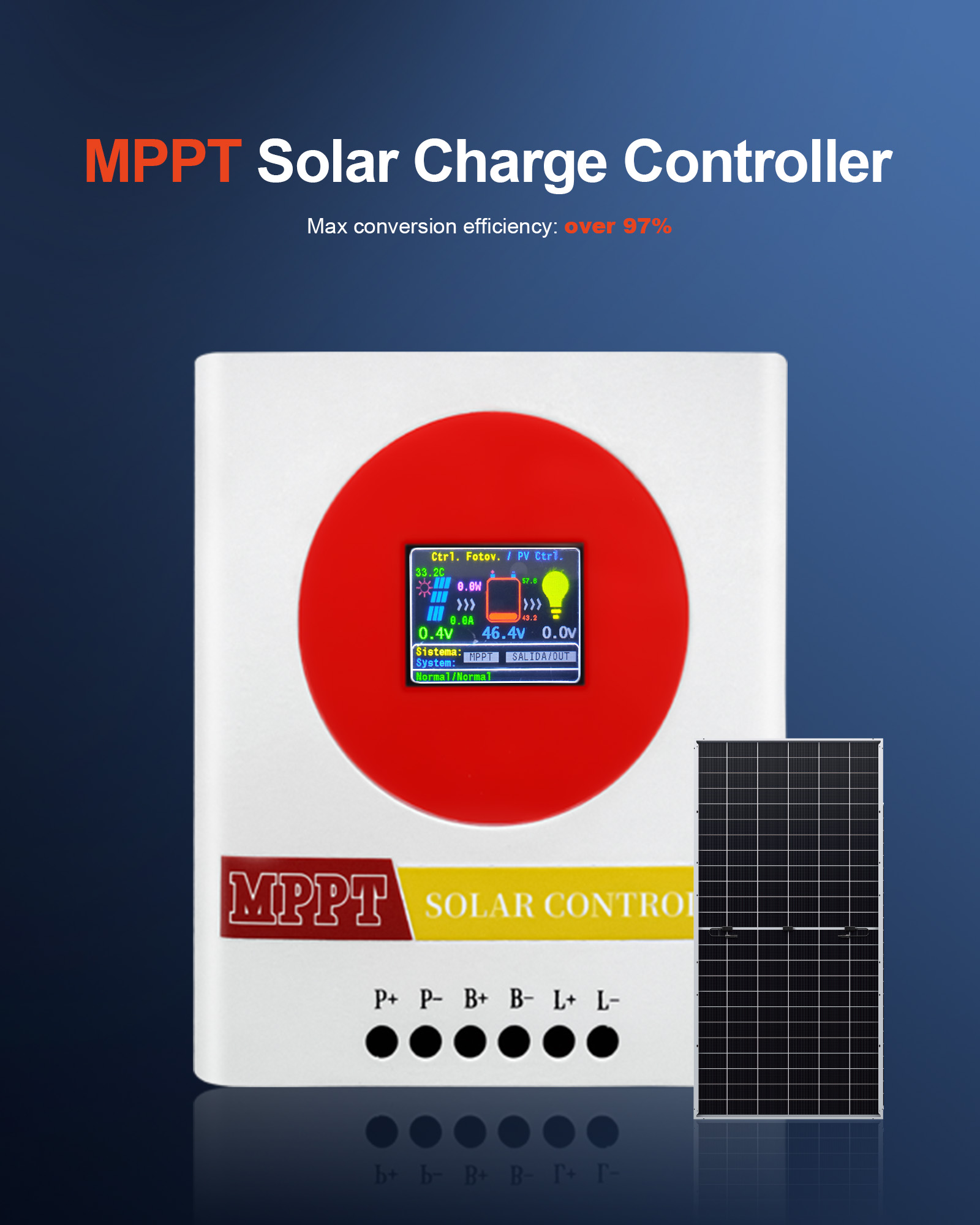
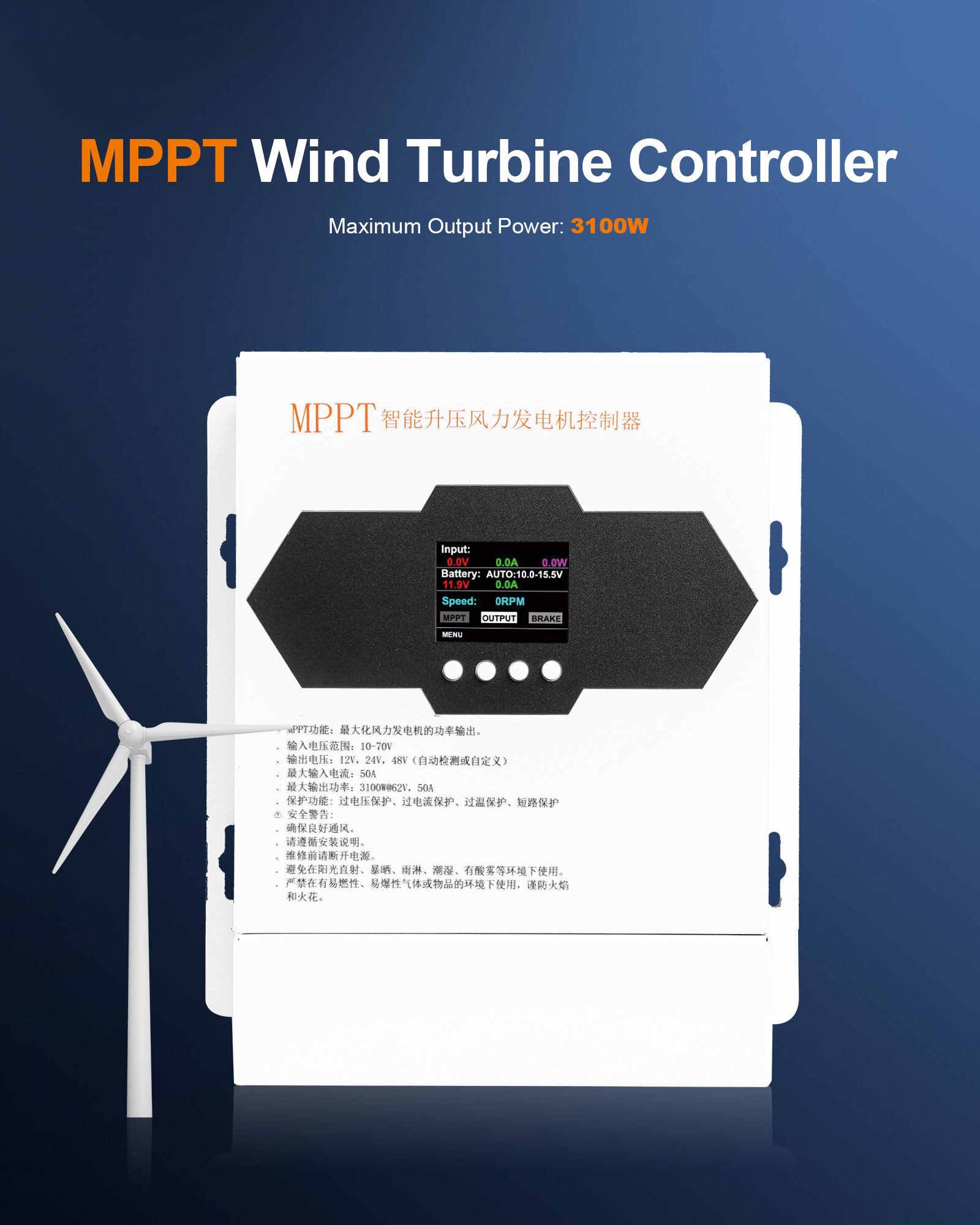
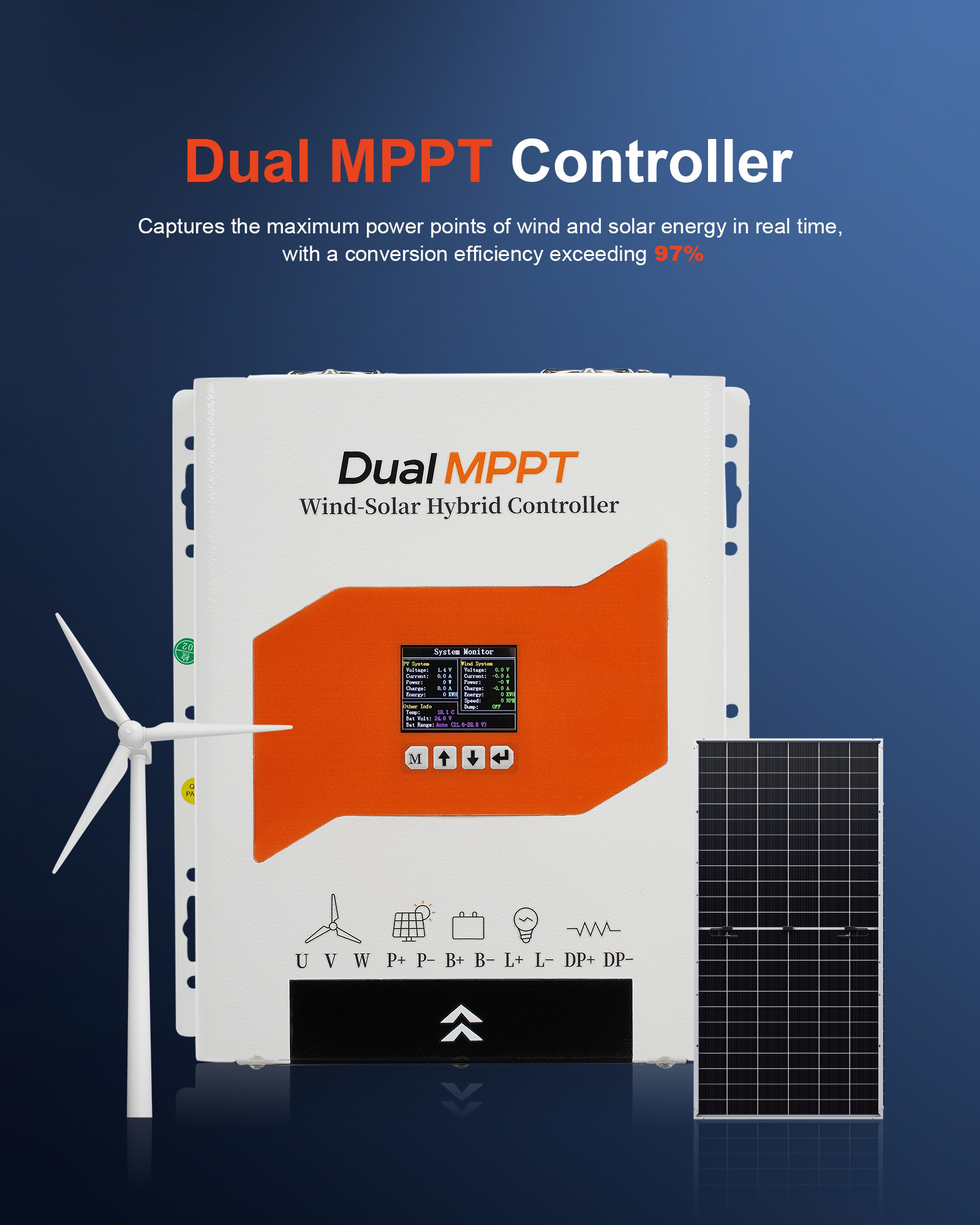
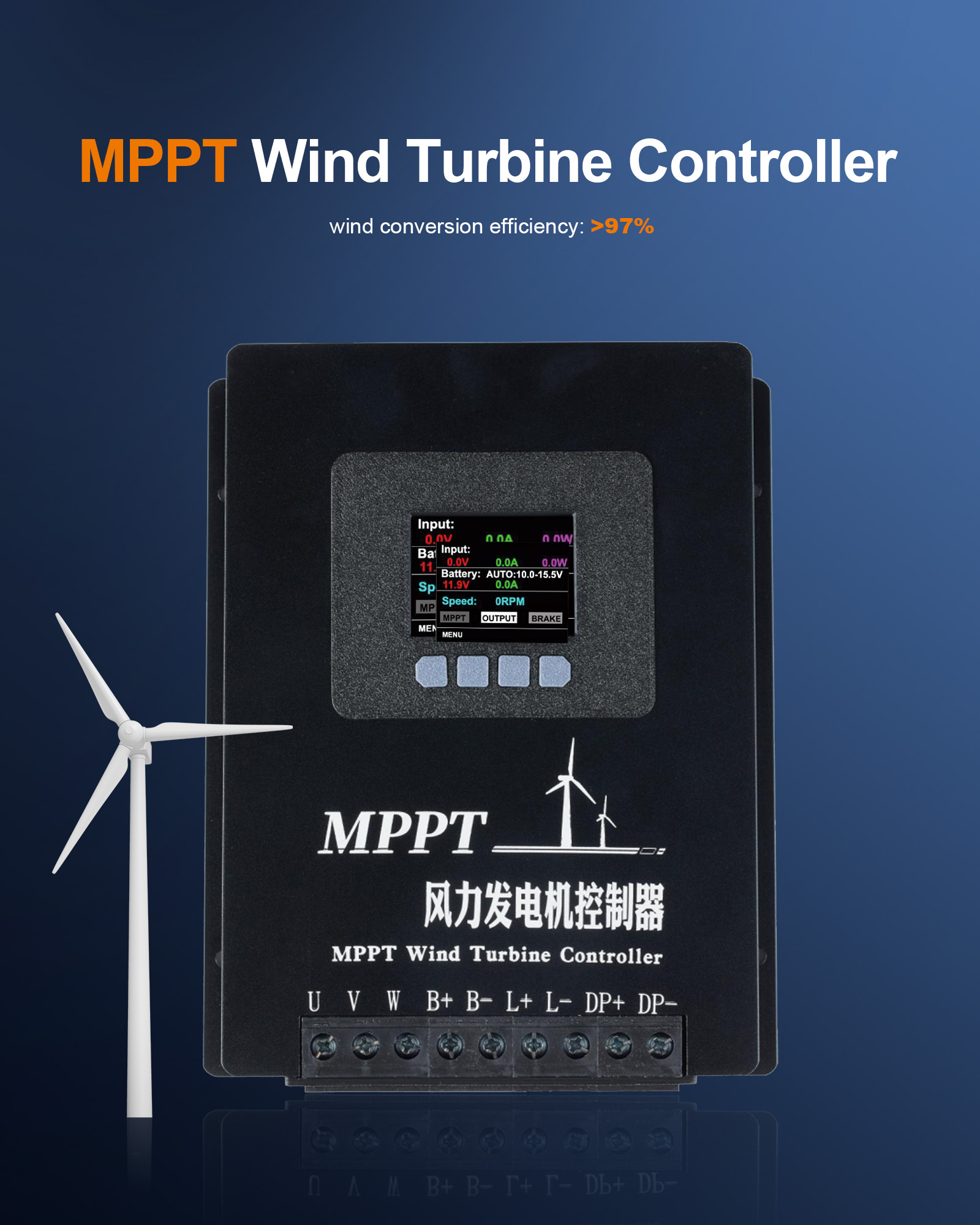
Select from our industry-grade solar charge controllers, wind turbine controllers, and dual-mppt hybrid modules designed for extreme performance.