- Home
- Products
- About Us
- News
- Contact Us
Leave Your Message
Explore high-performance waterproof MPPT controllers, hybrid wind-solar units, and integrated island power conversion systems.
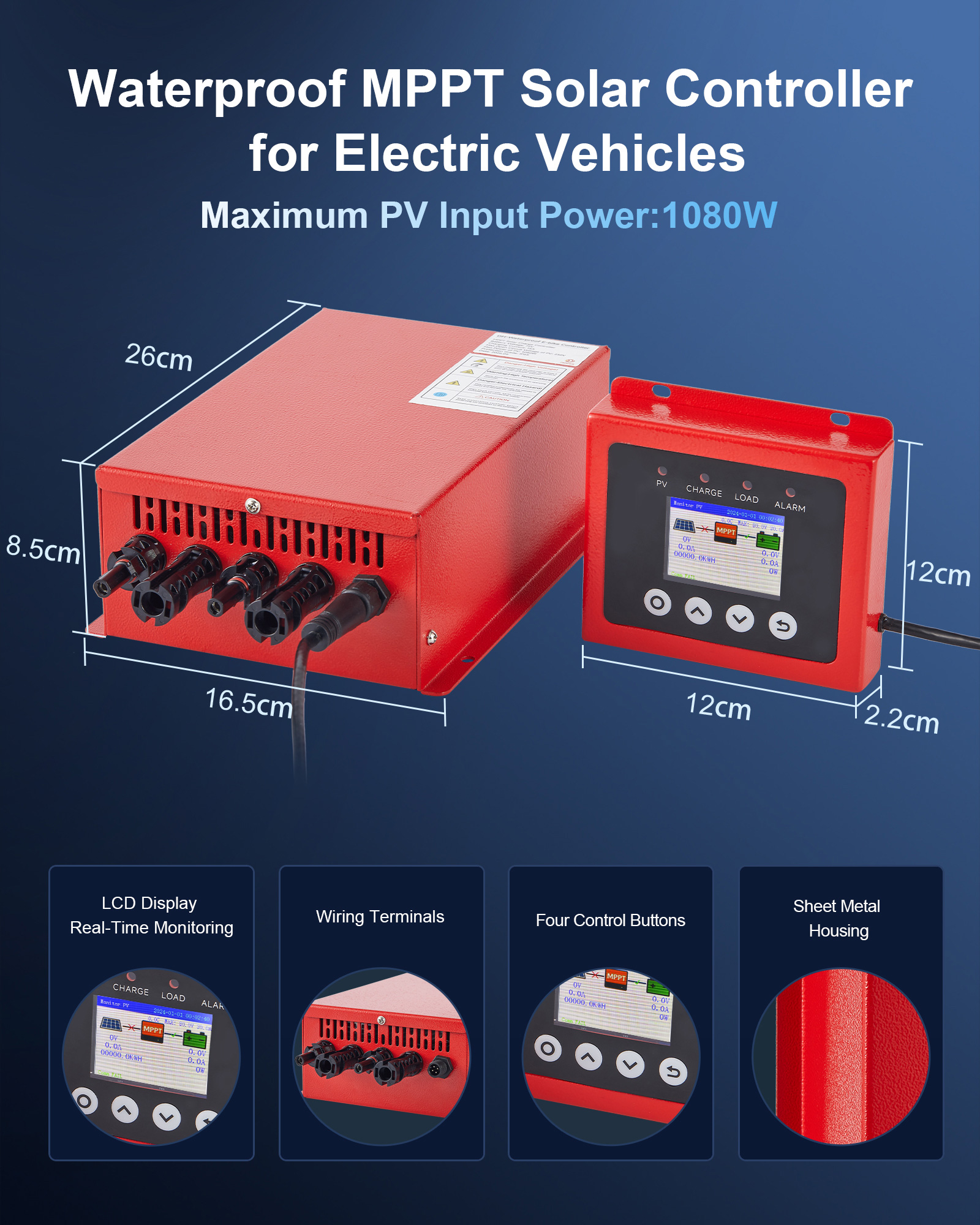
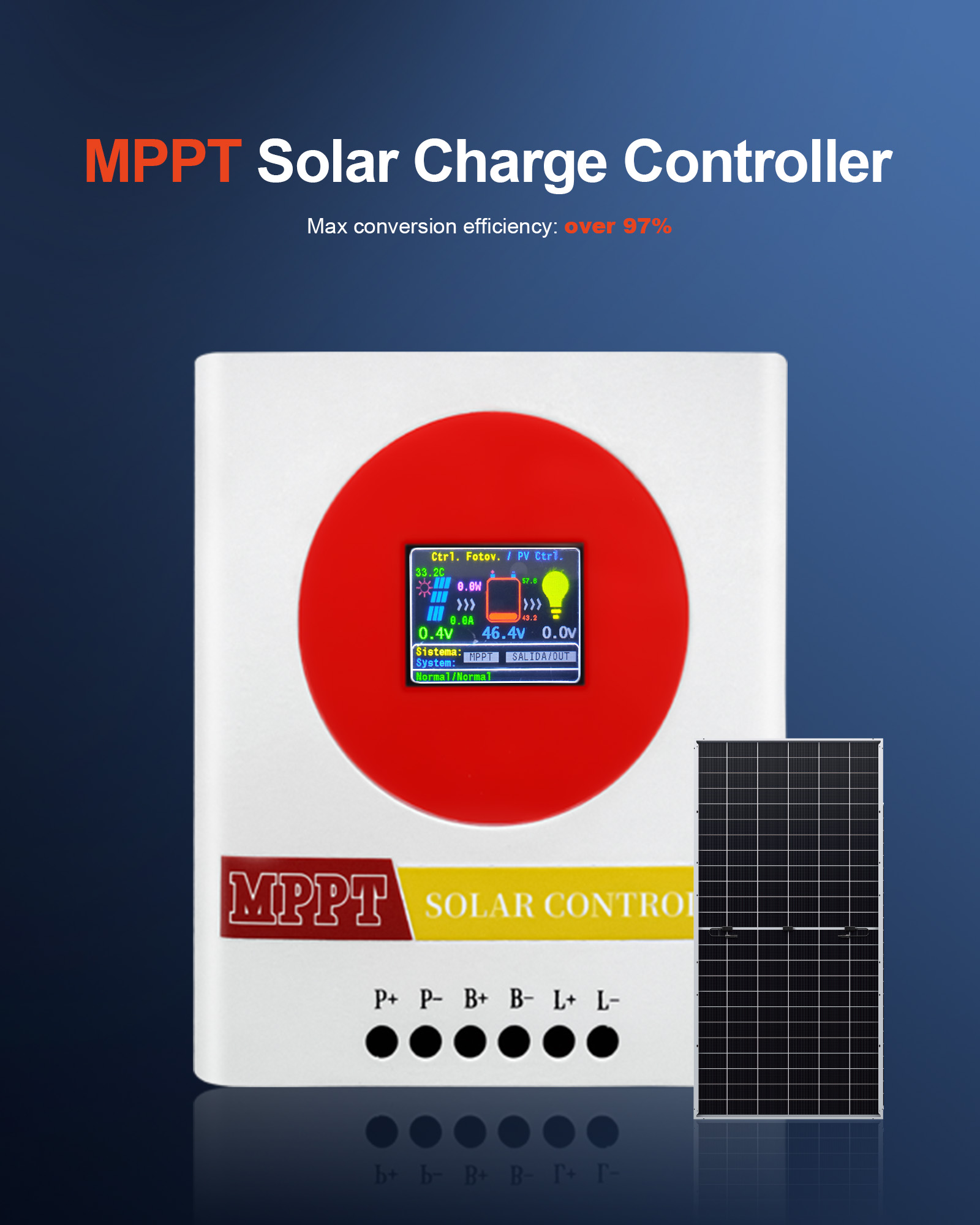
Off-grid island power supply systems inhabit one of the most demanding operational environments in the renewable energy sector. Isolated from continental main grids, remote islands, archipelagos, maritime lighthouses, eco-resorts, and offshore aquaculture platforms historically relied upon centralized or distributed diesel generation. However, soaring fuel transportation logistics, volatile petroleum markets, and severe environmental vulnerabilities have accelerated the transition toward autonomous solar and hybrid microgrids. Within this clean energy paradigm, the 50A Solar Charge Controller serves as the indispensable nervous system and primary energy throttling mechanism.
A 50-ampere current throughput represents an optimal power sweet spot for decentralized island electrification. When configured across standard DC bus architectures (12V, 24V, 36V, or 48V), a 50A Maximum Power Point Tracking (MPPT) controller effortlessly accommodates photovoltaic array inputs ranging from 700W in compact 12V marine auxiliary systems up to 2800W–3200W in heavy-duty 48V residential or communication nodes. This flexibility allows microgrid engineers to design modular, scalable solar clusters that eliminate single-point catastrophic failure while maximizing photovoltaic harvest during erratic maritime weather transitions.
Advanced perturb-and-observe algorithms track fluctuating solar irradiance under maritime cloud passages in milliseconds.
Industrial conformal coatings and IP-rated enclosures protect sensitive switching components from salt-spray condensation.
Customizable charging stages optimized for LiFePO4, Gel, and Lead-Carbon battery chemistries ensure maximum battery longevity.
The levelized cost of electricity (LCOE) on remote islands can easily surpass $0.50 to $0.90 per kilowatt-hour when powered solely by traditional diesel gensets, primarily driven by oceanic barge logistics, fuel degradation during storage, and regular mechanical maintenance. By implementing a high-efficiency 50A MPPT solar charging topology, island power operators can reduce fuel consumption by 65% to 90%, transitioning diesel engines to auxiliary emergency backup roles.
In modern commercial island microgrids, controllers are no longer standalone regulators; they are fully digitized edge devices. The integration of high-speed RS485, CANbus, Modbus protocols, and wireless LoRa/cellular IoT gateways allows operators stationed hundreds of nautical miles away to monitor array voltage ($V_{pv}$), charging current ($I_{chg}$), battery state of charge (SoC), and ambient heat sinking metrics in real time. This capability drastically reduces emergency boat deployments for troubleshooting, cementing economic viability for commercial installations.
In tropical and sub-tropical island conditions, solar modules operate at high surface temperatures, causing PV output voltage to drop noticeably. Traditional PWM controllers pull the panel operating voltage directly down to the battery bank level, discarding up to 35% of potential energy.
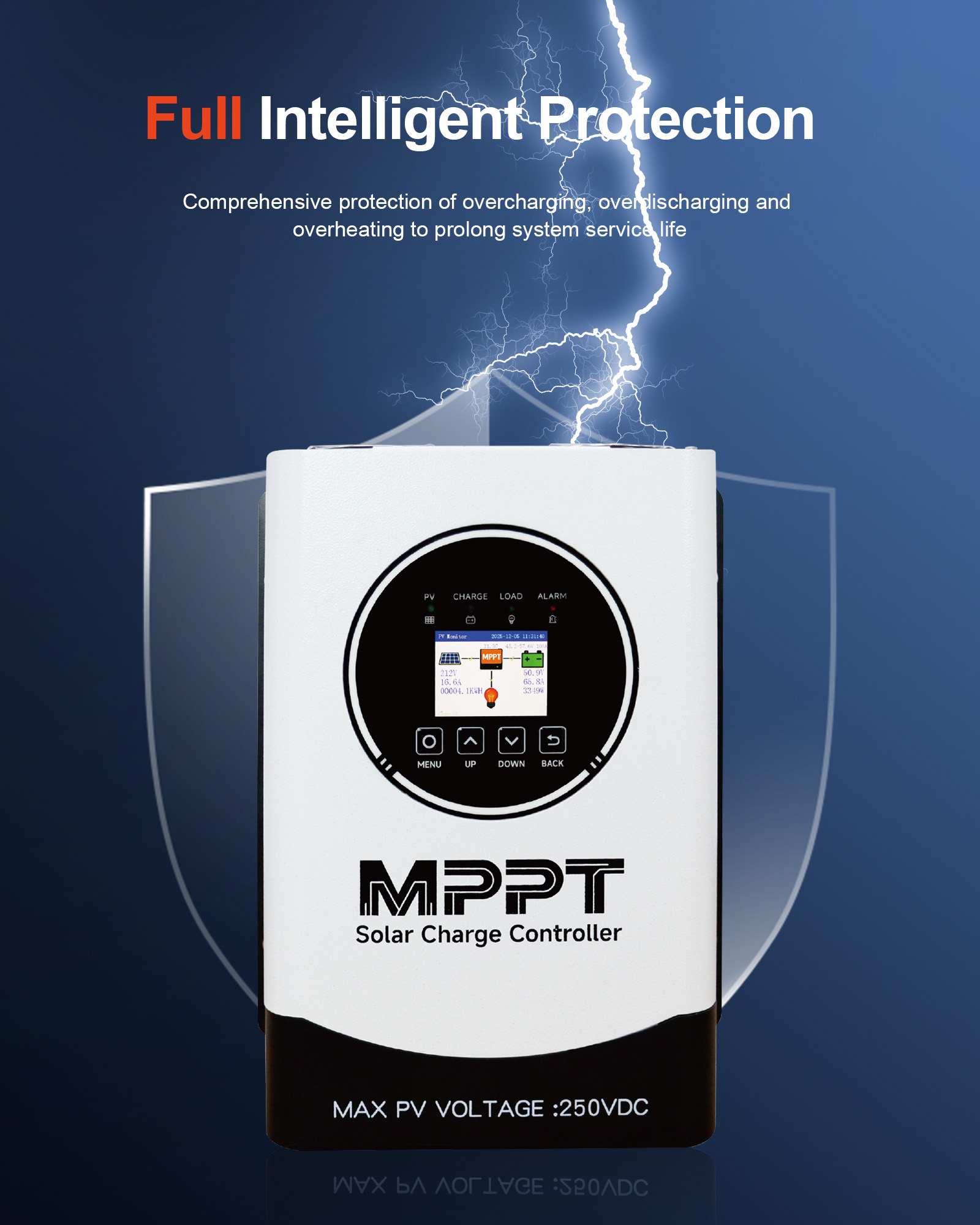
Our 50A MPPT controllers utilize synchronous rectification technology and multi-phase buck conversion, achieving continuous peak efficiency above 98%. Even in diffuse light, high humidity, or sudden squall events, the controller extracts every available watt to replenish deep-cycle energy storage systems.
Engineered to power diverse marine infrastructures, telecommunications, and self-contained community microgrids.
Remote holiday islands demand silent, 24/7 reliable power without diesel odor or acoustic pollution. 50A solar charge controllers manage distributed rooftop PV arrays on overwater villas, central clubhouse facilities, and desalination booster pumps. By regulating power directly into modular lithium battery banks, they provide smooth inverter input for HVAC systems, commercial refrigeration, and electric buggy charging stations.
Deep-sea fish cages and offshore water quality buoys require uninterrupted power for automatic fish feeding systems, oxygenation blowers, underwater surveillance cameras, and satellite telemetry. The waterproof casing and heavy transient voltage suppression (TVS) of our 50A controllers resist salt fog corrosion and inductive lightning strikes common in open maritime theaters.
Critical maritime safety infrastructure relies on fail-safe DC power. A 50A MPPT controller linked with a 48V battery array delivers a steady 2.5kW continuous solar buffer, maintaining constant power for Automatic Identification System (AIS) transponders, LED marine lanterns, and military-grade coastal radar units during prolonged monsoonal overcast periods.
In isolated fishing villages where drinking water and domestic power are scarce, multiple 50A controllers can be operated in parallel configurations. This modular architecture powers reverse-osmosis (RO) seawater desalination facilities during peak solar hours and charges municipal energy storage banks for nighttime residential lighting, healthcare refrigeration, and school digital connectivity.
Operating power electronics on an island is drastically more difficult than in continental desert installations. Three primary environmental hazards must be addressed by any commercial-grade 50A solar controller:
1. Atmospheric Salt Fog & High Relative Humidity: Moisture levels consistently exceeding 85–95% combined with airborne sodium chloride cause rapid dendritic growth and electrochemical corrosion across PCB traces. Our controllers utilize vacuum-deposited thick acrylic or silicone conformal coatings, stainless-steel terminal blocks, and hermetically sealed relay enclosures to prevent galvanic degradation.
2. Thermal Dissipation in Tropical Climates: Solar radiation on tropical islands is frequently accompanied by ambient air temperatures exceeding 40°C. Standard fans can pull corrosive salt air into the unit. Our 50A controllers leverage heavy extruded die-cast aluminum heat sinks for natural convective cooling, eliminating mechanical fan failure while preserving full rated output without derating up to 50°C ambient temperatures.
3. Extreme High-Voltage Lighting Surges: Oceanic convective storms create intense localized static discharges. Integrated multi-stage metal oxide varistors (MOV) and surge arrestors clamp incoming PV array surges at nanosecond speeds, protecting both the controller and connected lithium storage banks.
The next evolutionary phase of island off-grid systems is centered on cyber-physical integration and AI-assisted power management. Future 50A charge controllers are embedding micro-neural networks directly onto onboard DSP chips. These edge algorithms predict cloud-cover patterns based on rapid short-term changes in solar spectrum irradiance and cell temperature, pre-adjusting tracking steps to avoid power drop-offs.
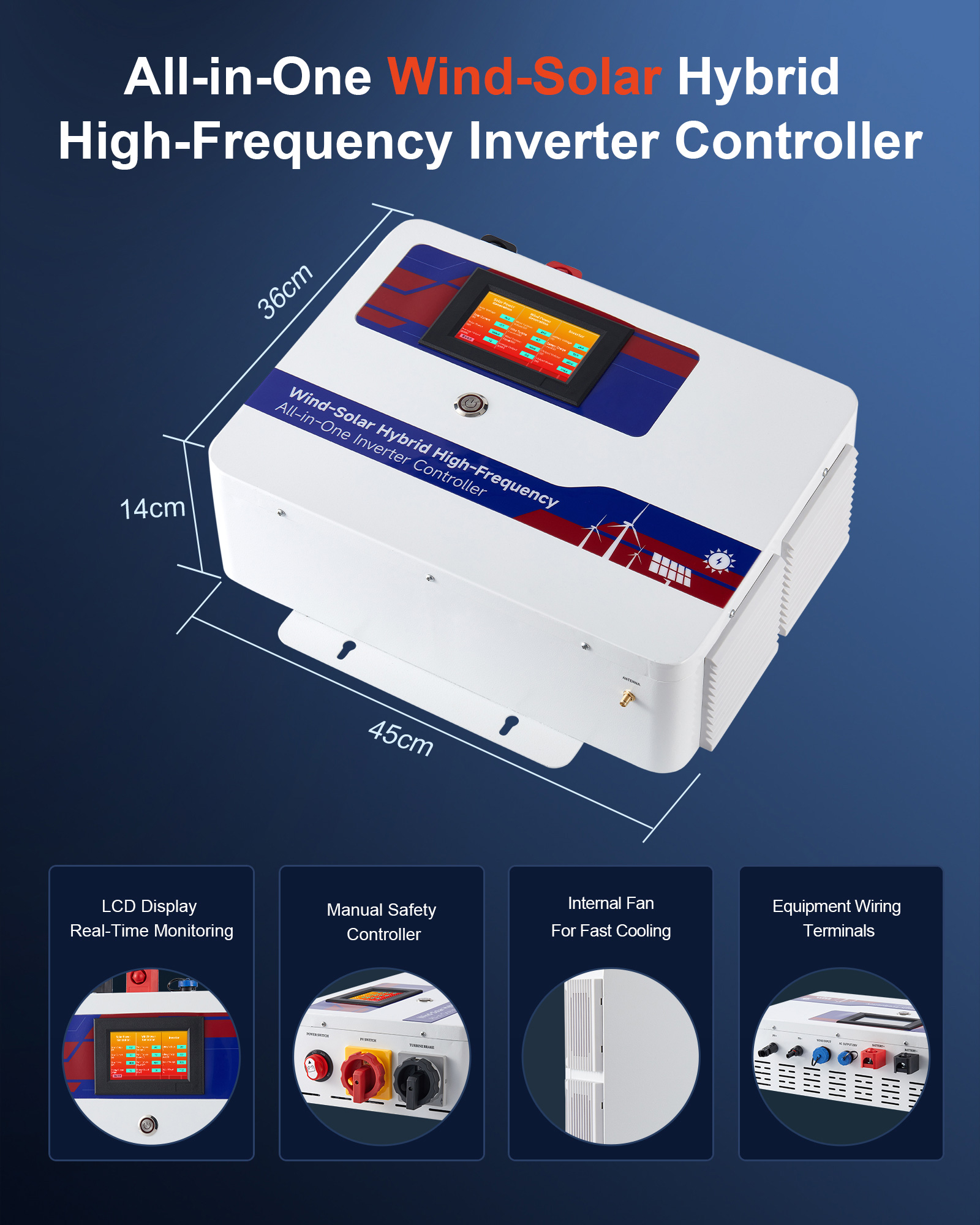
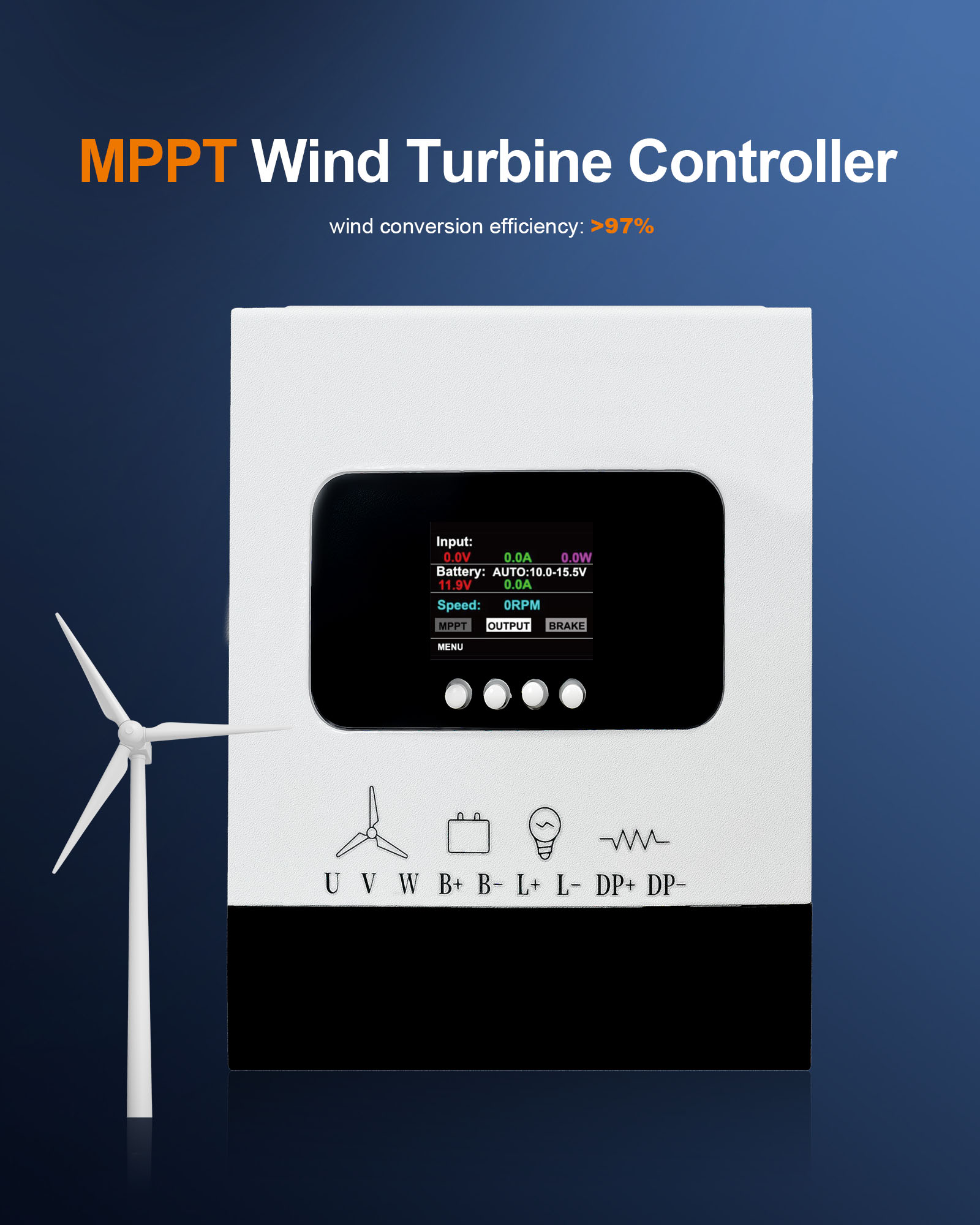
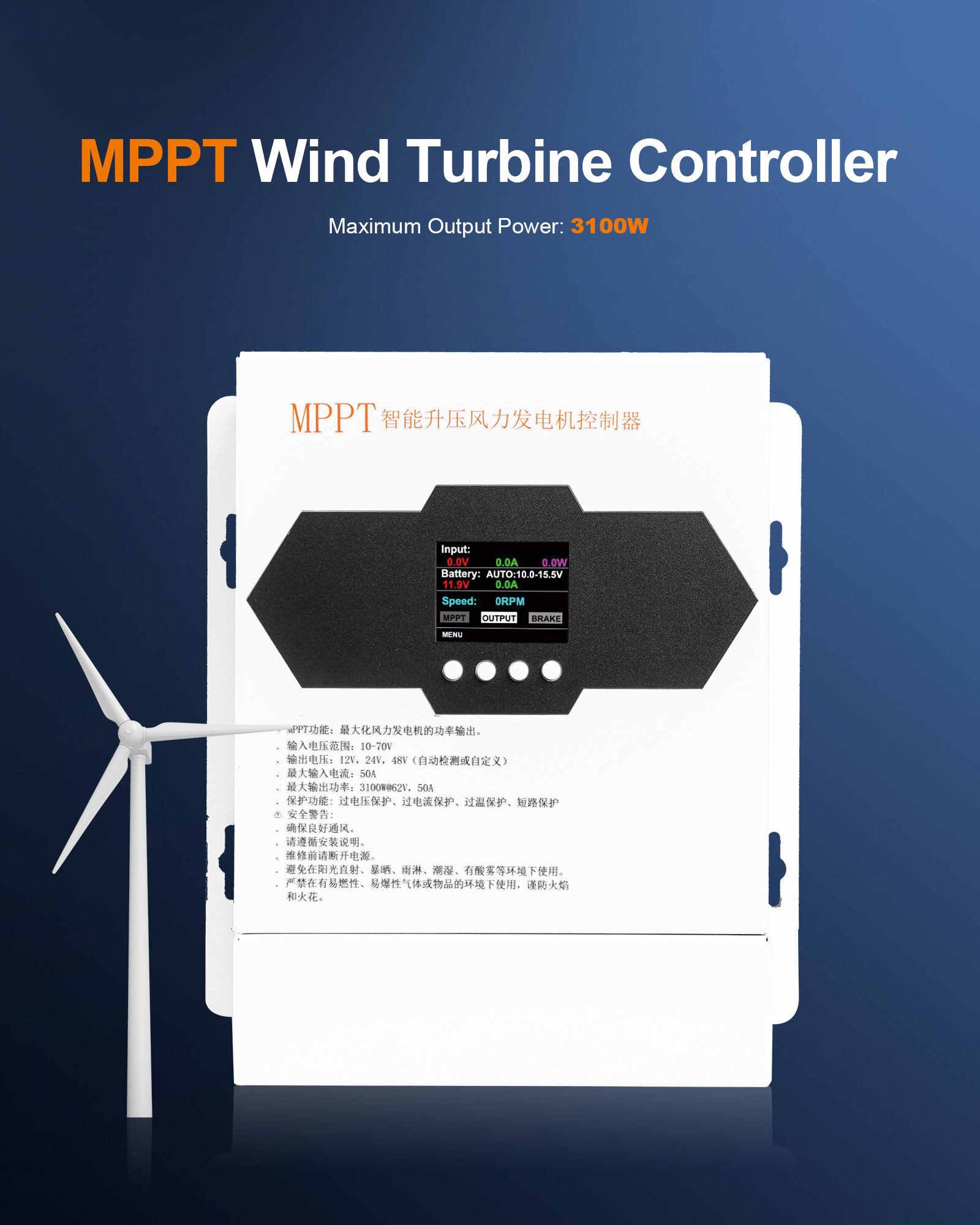
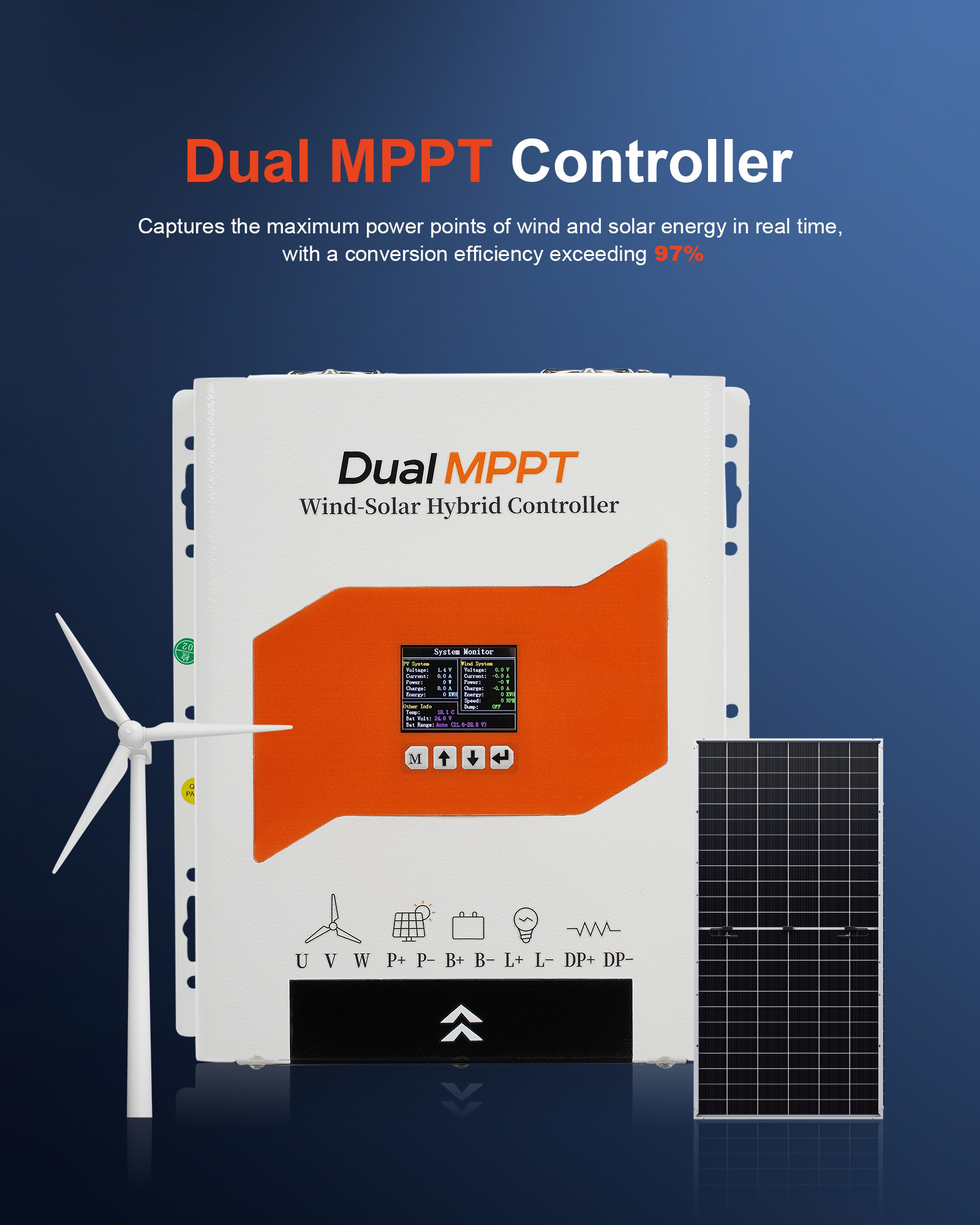
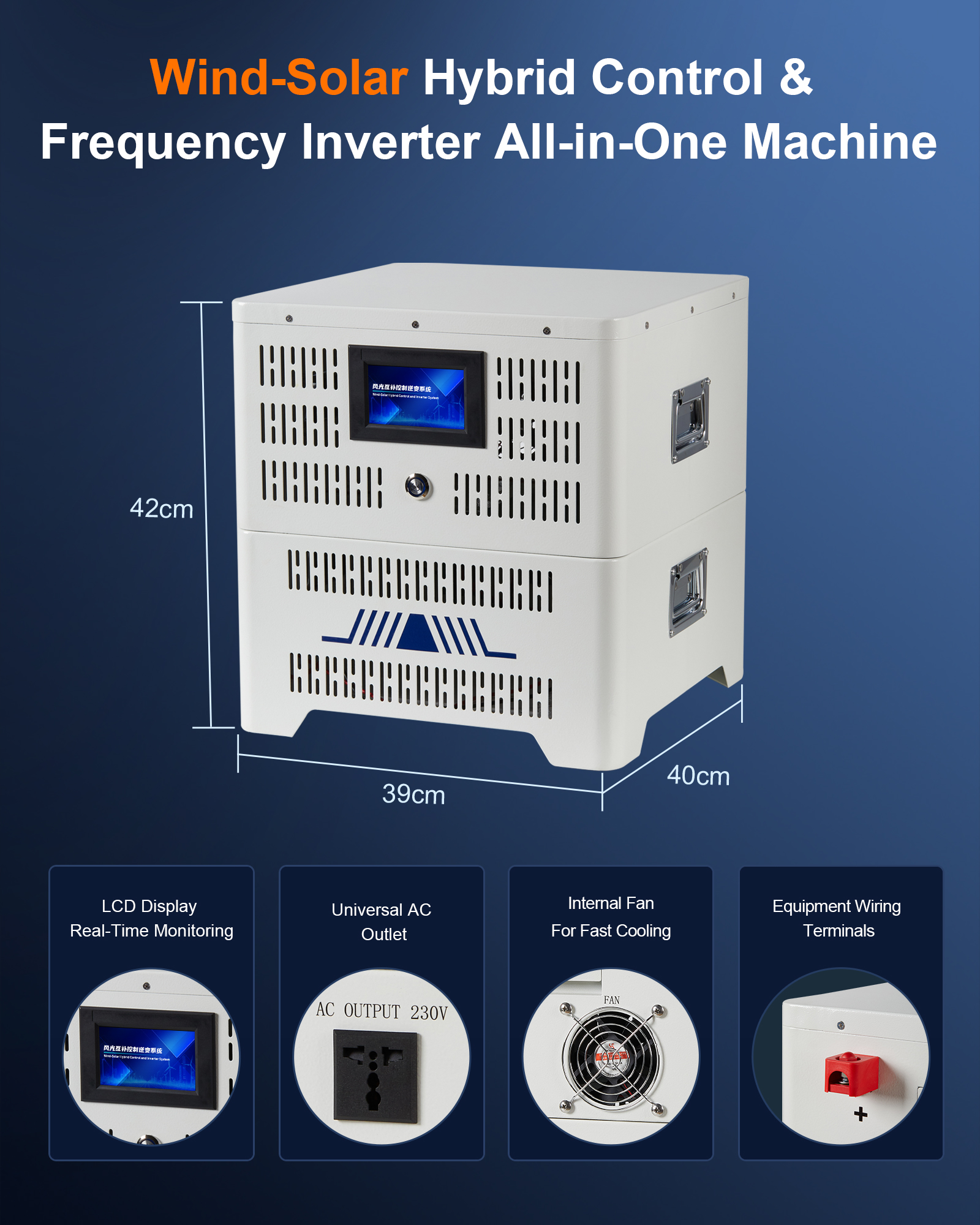
Furthermore, hybrid wind-solar topologies are rapidly becoming standard on windy island perimeters. When paired with our complementary MPPT wind turbine controllers and dual-input hybrid controllers, an island microgrid captures continuous renewable energy—relying on high-yield solar during peak daylight and coastal wind currents during stormy or nocturnal periods.
Empowering clean energy transitions and robust microgrids across dozens of coastal and island territories worldwide.
With excellent product quality, continuous R&D innovation capabilities and a complete full-cycle service system, the company has deeply explored the domestic and foreign new energy markets and established a global sales and service network. Its products are exported to dozens of countries and regions such as Europe, North America, South America, Southeast Asia, and Russia. With stable and reliable product performance and professional and efficient service capabilities, the company has gained high recognition and long-term trust from global customers, and has become a highly competitive Chinese local brand in the new energy field. In the future, the company will continue to deepen the innovation of new energy technologies, continuously optimize the product matrix and service system, help the global energy transformation and the realization of dual-carbon goals, and contribute core strength to the construction of a clean, low-carbon, safe and efficient modern energy system.

Review our complete series of industrial MPPT solar controllers, wind turbine controllers, and hybrid all-in-one power units.