Leave Your Message
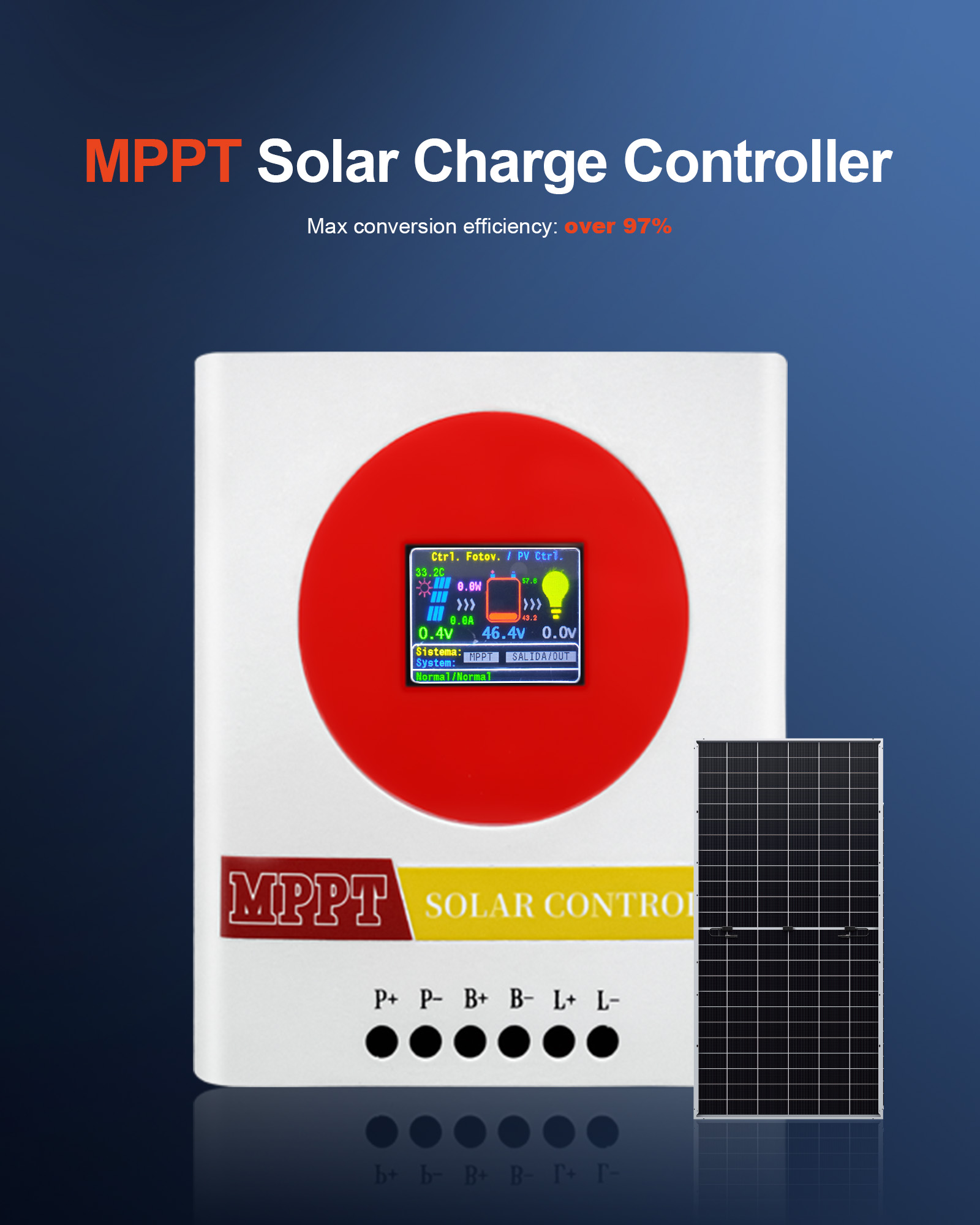
Maximize your camping and RV power autonomy with our high-efficiency charge controllers. Engineered for extreme outdoor environments.
The ultimate power hub for modern overlanders, off-grid campers, and recreational vehicles.
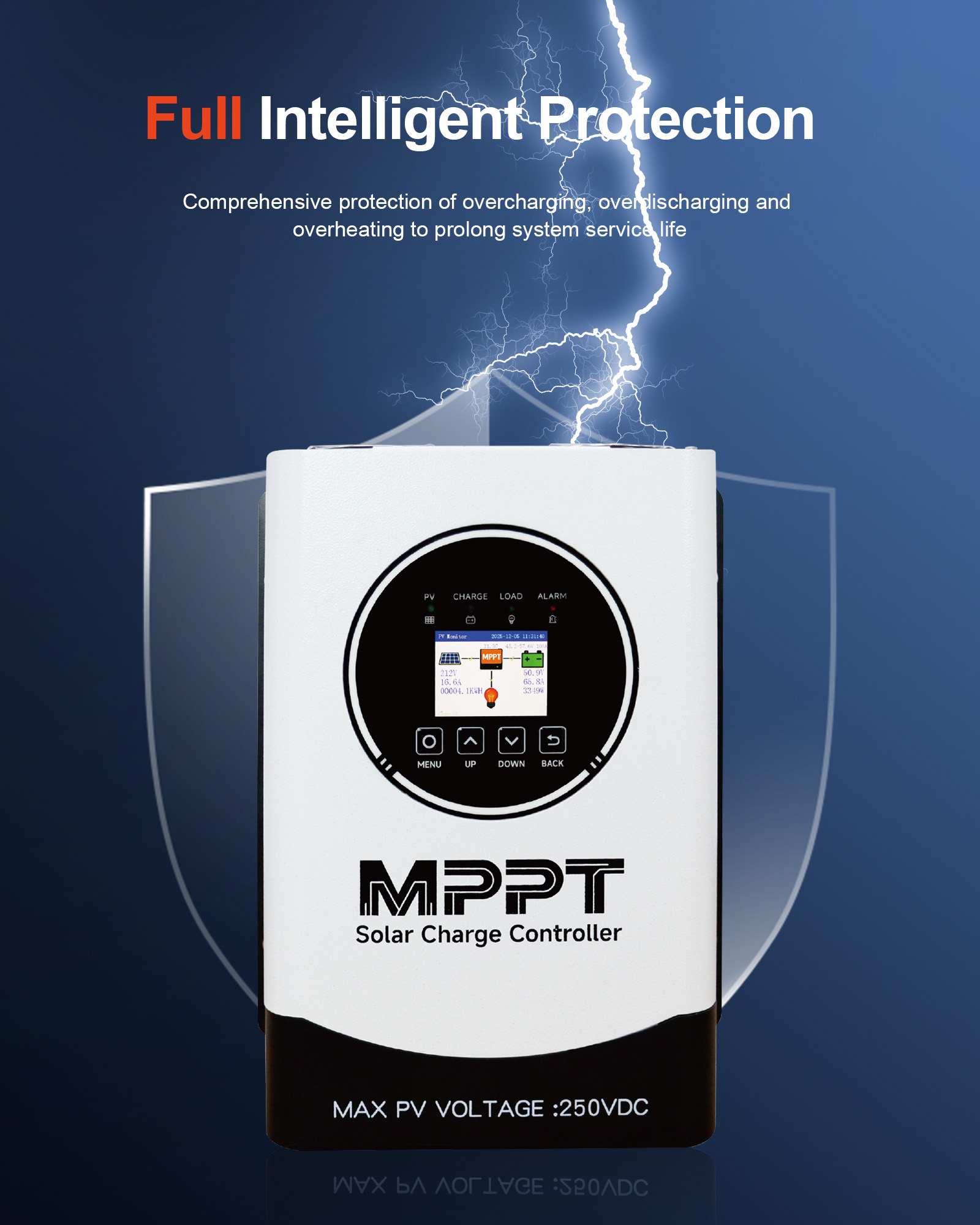
As the global demand for sustainable and independent energy solutions rises, the 50a solar charge controller for outdoor camping and RV off-grid power supply has emerged as a cornerstone technology. Off-grid power systems are no longer restricted to basic lighting and simple radio operations. Modern RVers, overlanders, and wilderness campers expect to run high-load appliances such as induction cooktops, portable refrigerators, air conditioning units, and high-performance communication systems like Starlink. Meeting these energy needs requires a robust, efficient, and intelligent power regulation hub.
A solar charge controller acts as the gatekeeper between the solar PV panels and the battery bank. Without proper regulation, solar panels—which can output voltage spikes significantly higher than the battery's nominal rating—would overcharge and permanently damage the battery cells. A 50A controller is uniquely positioned as the "sweet spot" in off-grid power architecture. It offers sufficient current capacity to handle massive solar arrays while remaining compact, lightweight, and cost-effective enough for mobile installations.
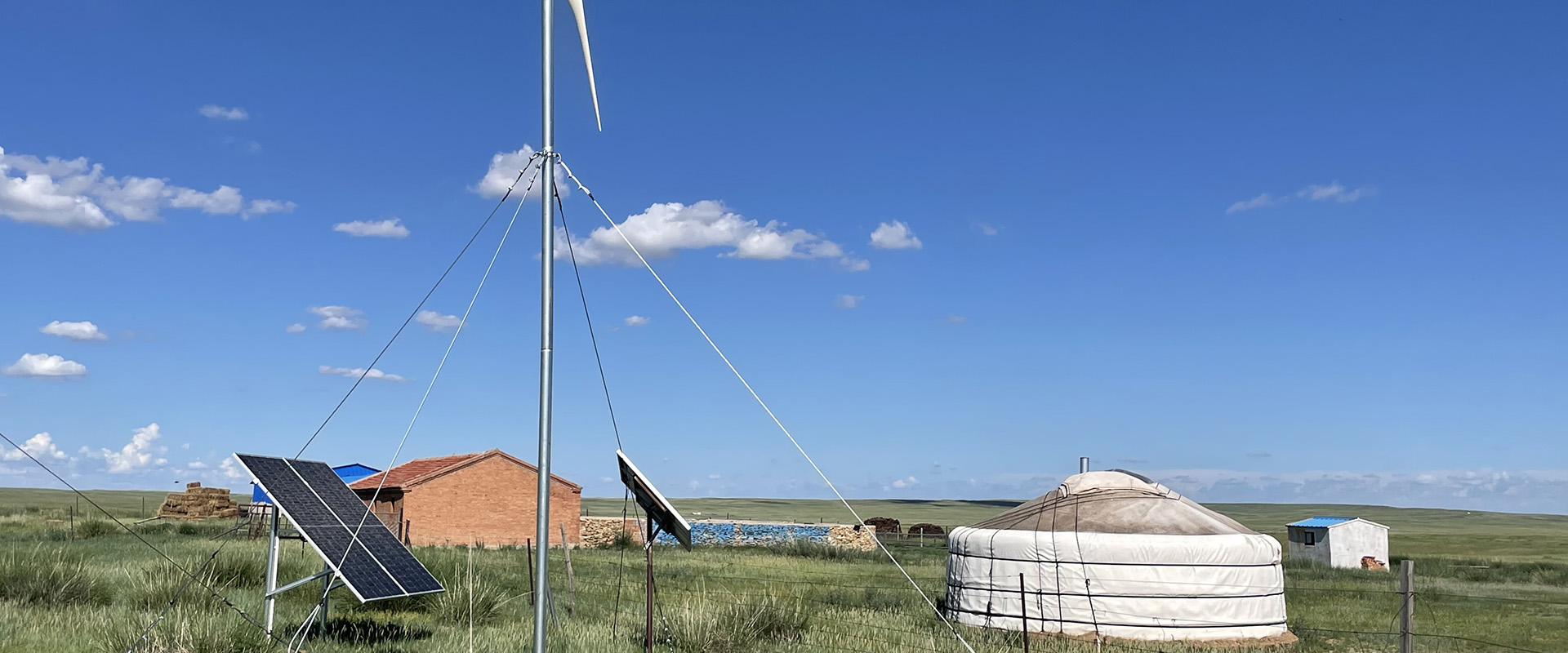
The commercial market for off-grid power systems is experiencing rapid growth, driven by key macro-trends: the expansion of the recreational vehicle (RV) industry, the rise of the digital nomad lifestyle, and the growing consumer interest in emergency preparedness. In the industrial sector, similar technologies are deployed for remote telecommunications, environmental monitoring, agricultural automation, and disaster response infrastructure.
Historically, the market was dominated by Pulse Width Modulation (PWM) controllers due to their low cost. However, the industry has undergone a massive shift toward Maximum Power Point Tracking (MPPT) technology. MPPT controllers dynamically adjust the input voltage and current to harvest the maximum possible power from the solar array. This transition is highly critical for RVs and camping, where roof space is limited and shading from trees or clouds is a frequent challenge. An MPPT controller can increase energy harvest by up to 30% compared to a PWM controller under identical conditions.
To fully appreciate the utility of a 50A solar charge controller, it is essential to analyze its performance across diverse off-grid application scenarios:
The future of solar charge controllers lies in connectivity, intelligence, and component miniaturization. Modern 50A controllers are no longer passive devices; they are IoT-enabled smart hubs. Integrated Bluetooth and Wi-Fi modules allow users to monitor real-time solar generation, battery state of charge (SoC), and system efficiency directly from their smartphones.
Furthermore, integration with RV-C bus protocols allows the solar controller to communicate seamlessly with other onboard appliances, smart inverters, and battery management systems (BMS). On the hardware side, the adoption of advanced wide-bandgap semiconductors, such as Gallium Nitride (GaN) and Silicon Carbide (SiC), is enabling manufacturers to design smaller controllers with lower thermal output and higher conversion efficiency (often exceeding 98%).
Thermal management is a critical factor for outdoor camping and RV environments. Controllers must operate reliably inside tight RV utility compartments where ambient temperatures can soar. High-end controllers utilize rugged aluminum heatsinks, thermal derating algorithms, and fanless convection cooling to prevent overheating without introducing noisy mechanical components that could fail in dusty or humid outdoor environments.
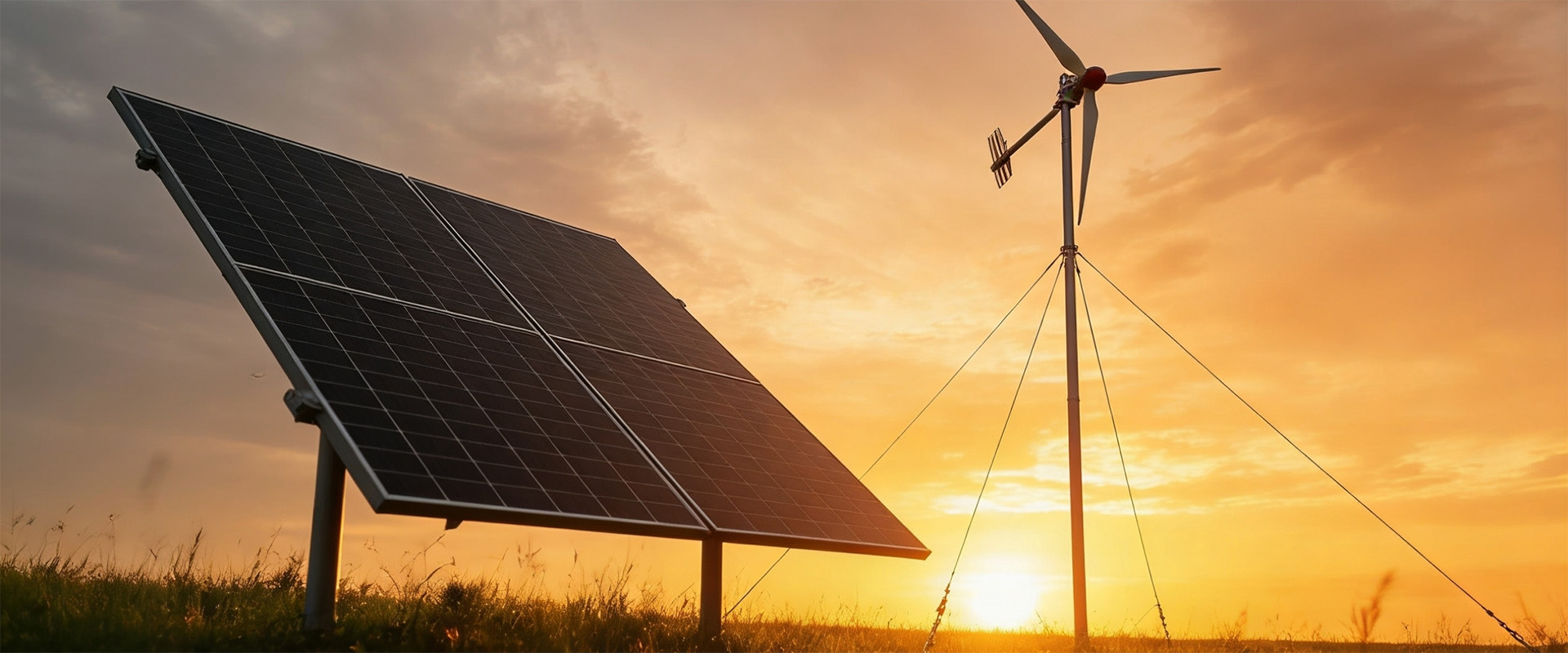
The company's core R&D strength is composed of a scientific research team led by senior doctors in the industry. It has long-term focus on the cutting-edge exploration and innovative application of new energy technologies, continues to increase investment in core R&D, and has formed deep technological accumulation and independent innovation capabilities in core areas such as efficient conversion of electric energy, intelligent system integration, and coordinated control of integrated wind, solar, and storage.
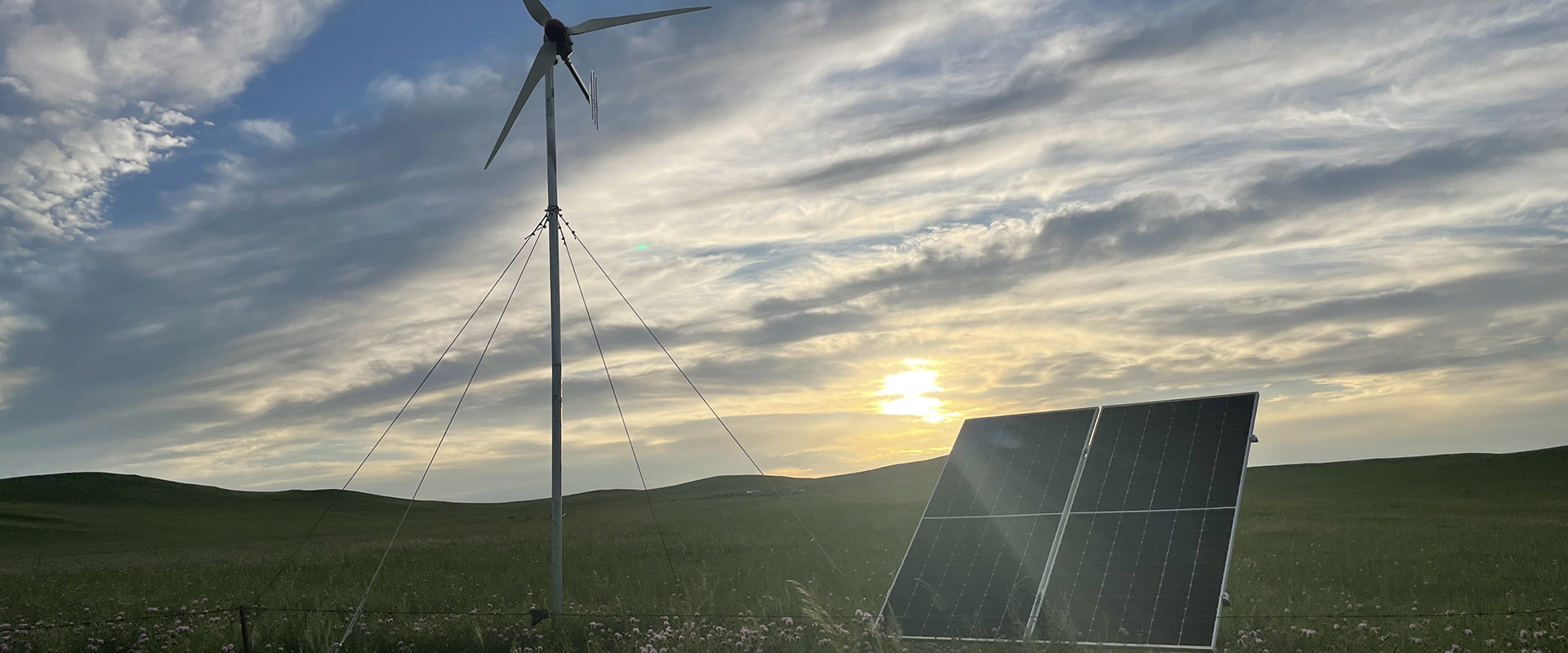
Relying on industry-leading automated production lines and high-precision full-dimensional testing equipment, the company has independently developed a number of intelligent new energy products with completely independent intellectual property rights, fully covering three major application scenarios: off-grid, grid-connected, and mixed grid.
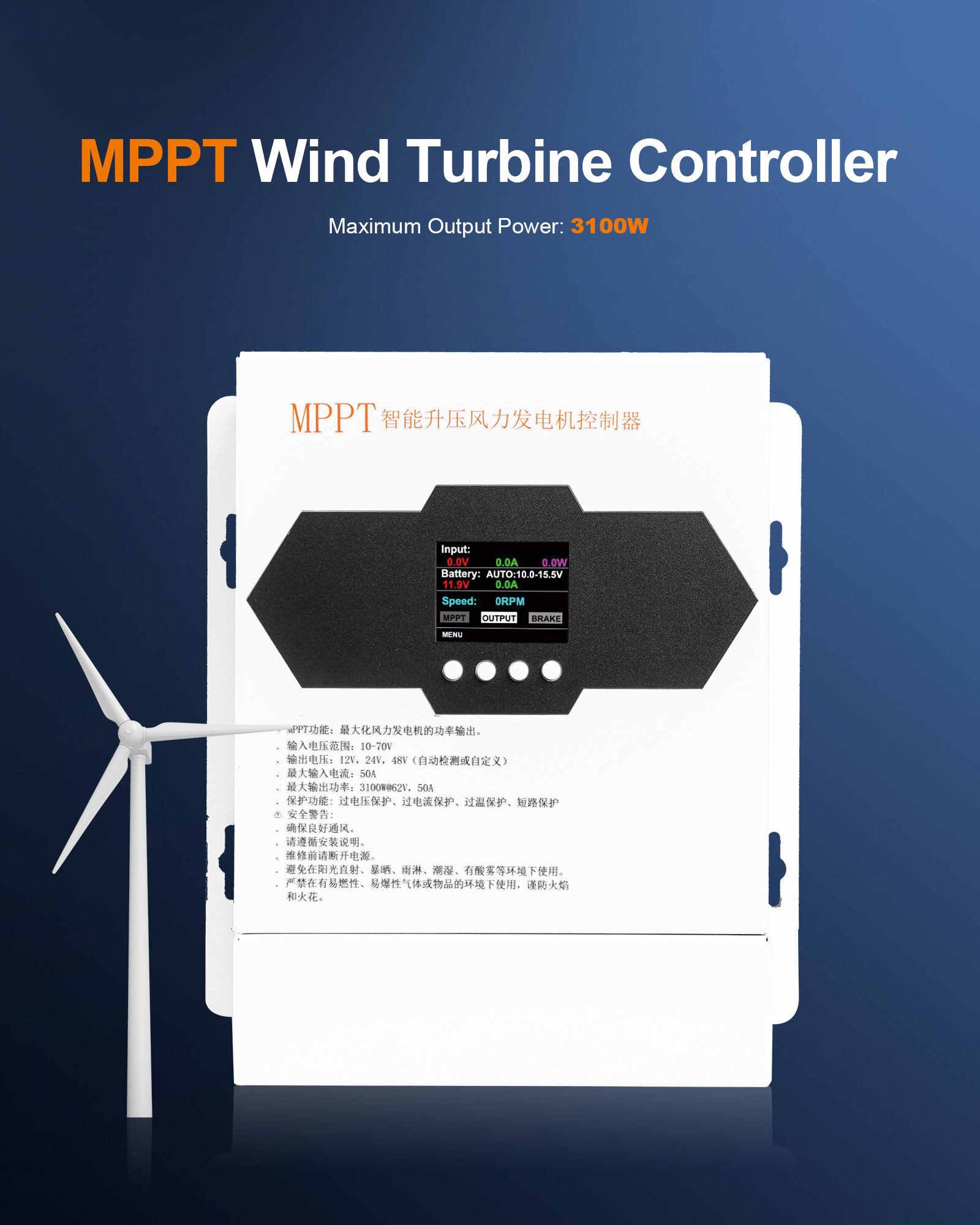
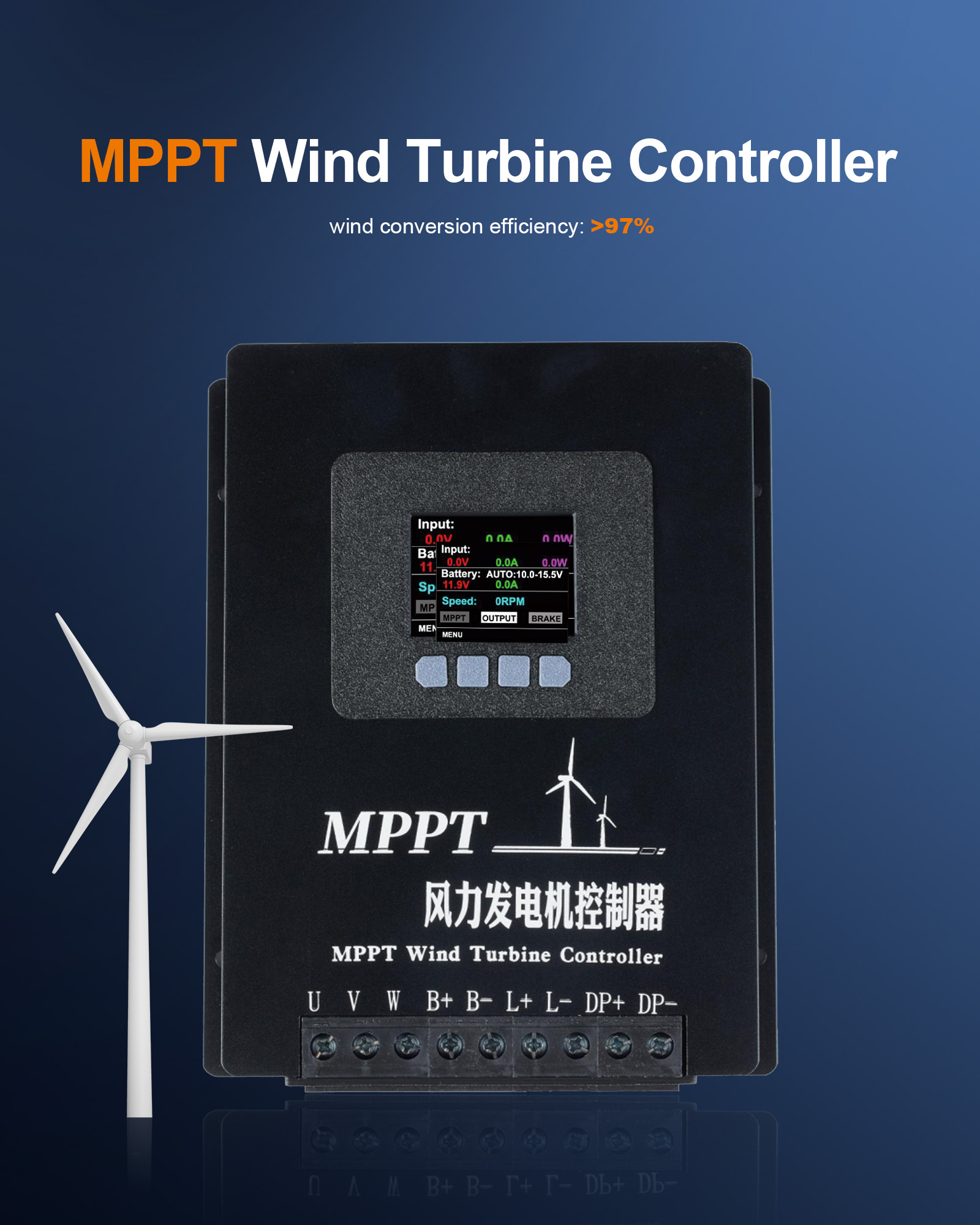
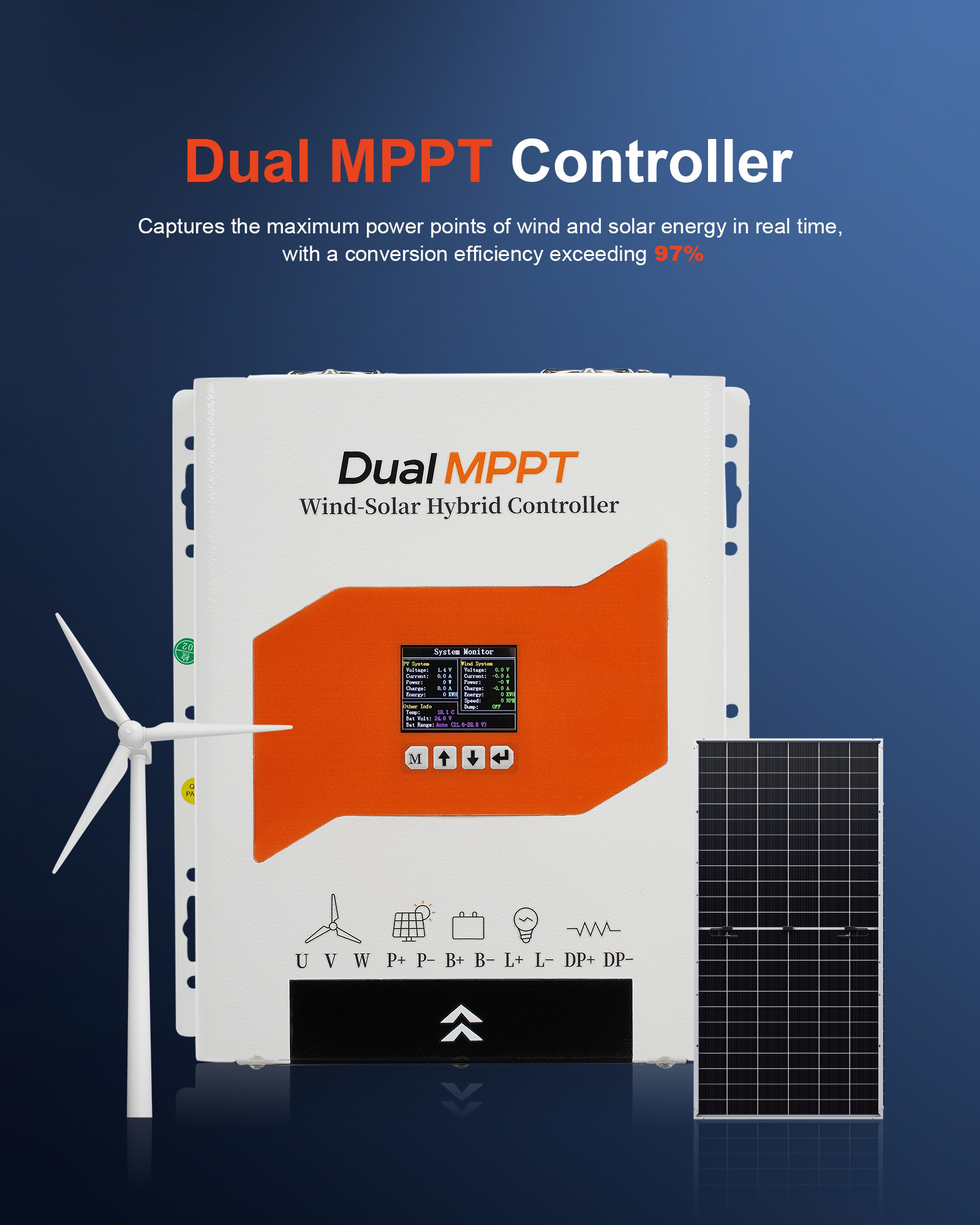
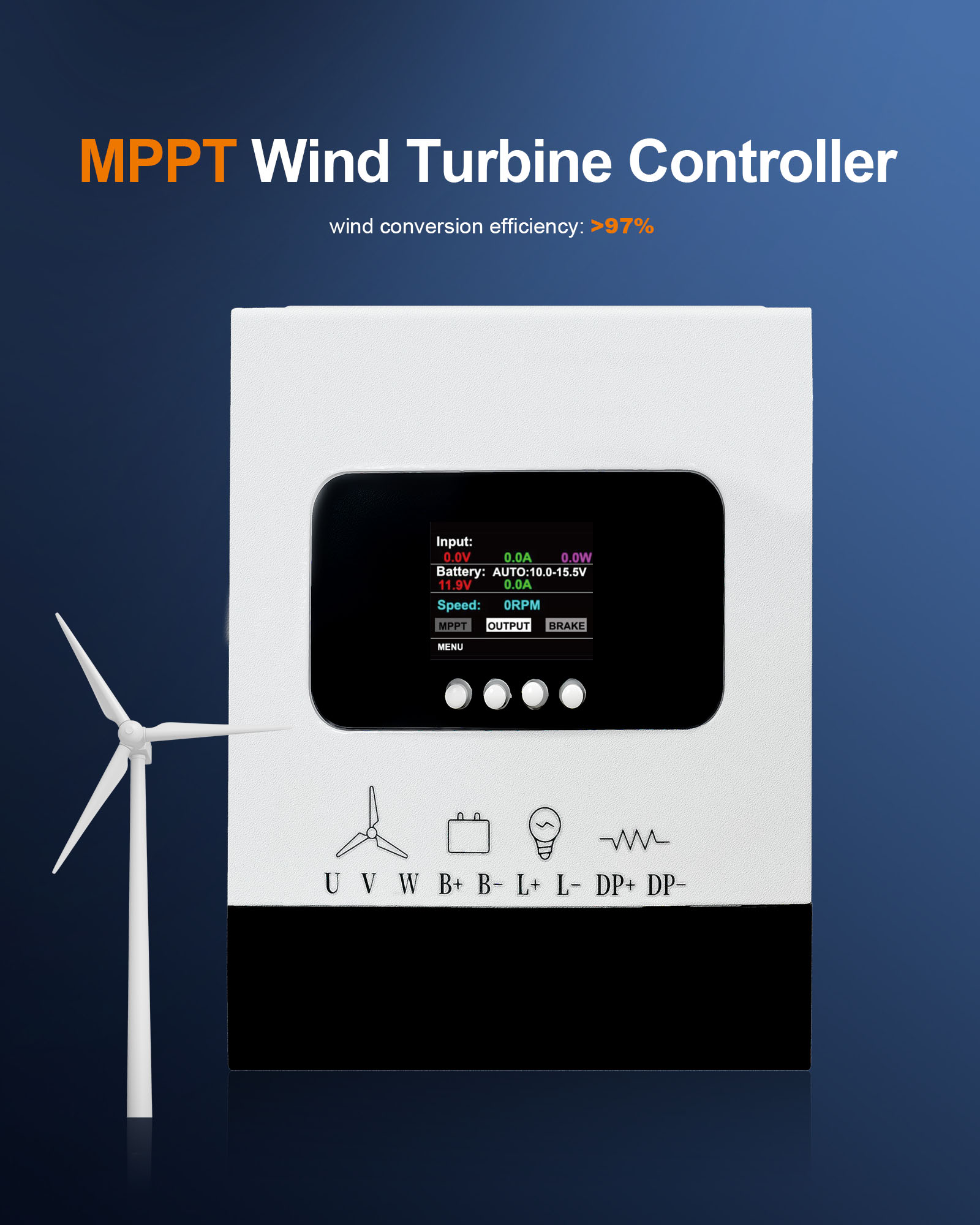
The product matrix includes core categories such as high-frequency/power frequency inverters, wind power controllers, photovoltaic controllers, wind-solar hybrid controllers, wind-solar storage-control-inverse integrated power generation systems, etc., which can be flexibly adapted to diversified power needs such as household use, industrial and commercial distributed, and off-grid independent power stations.


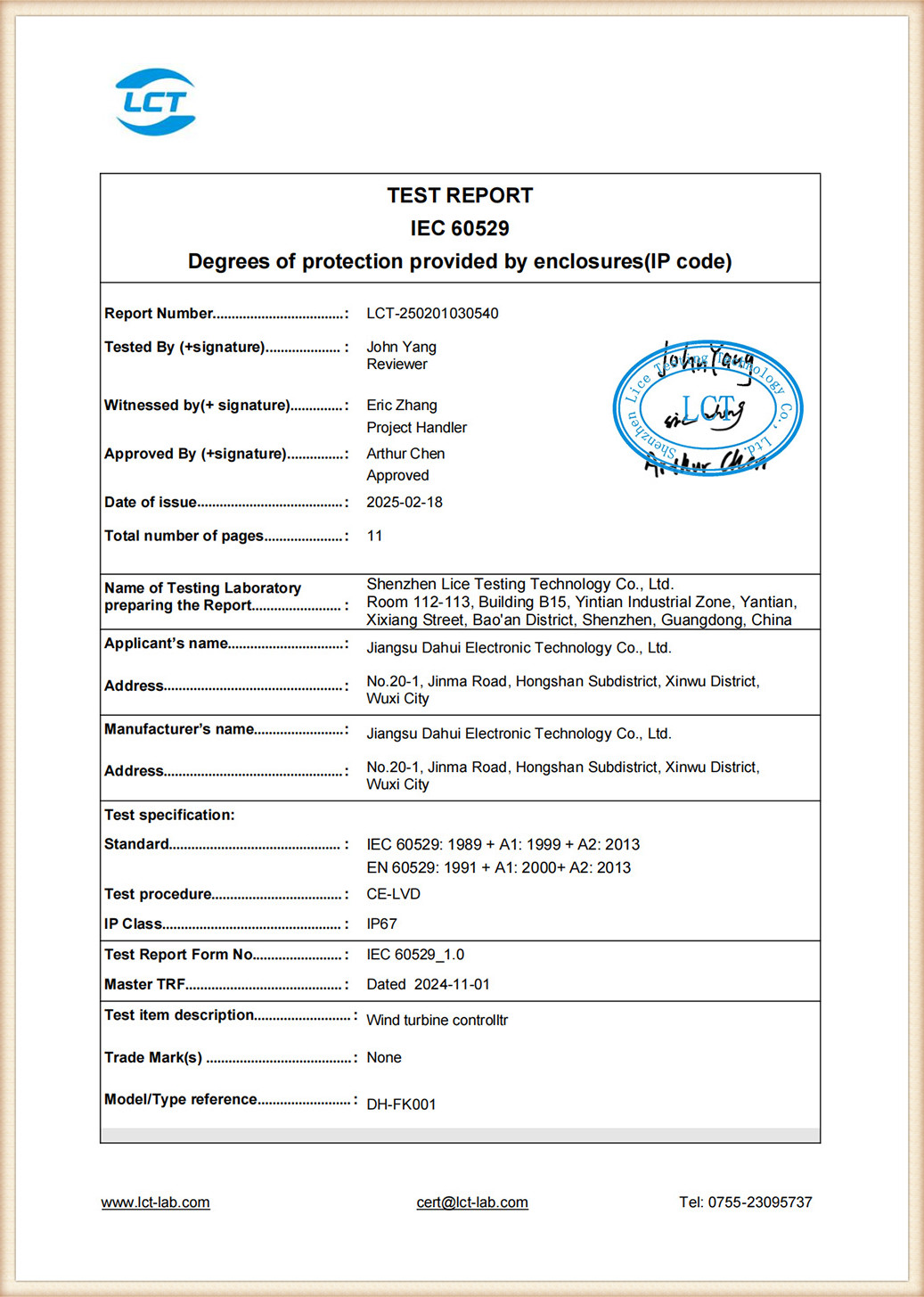
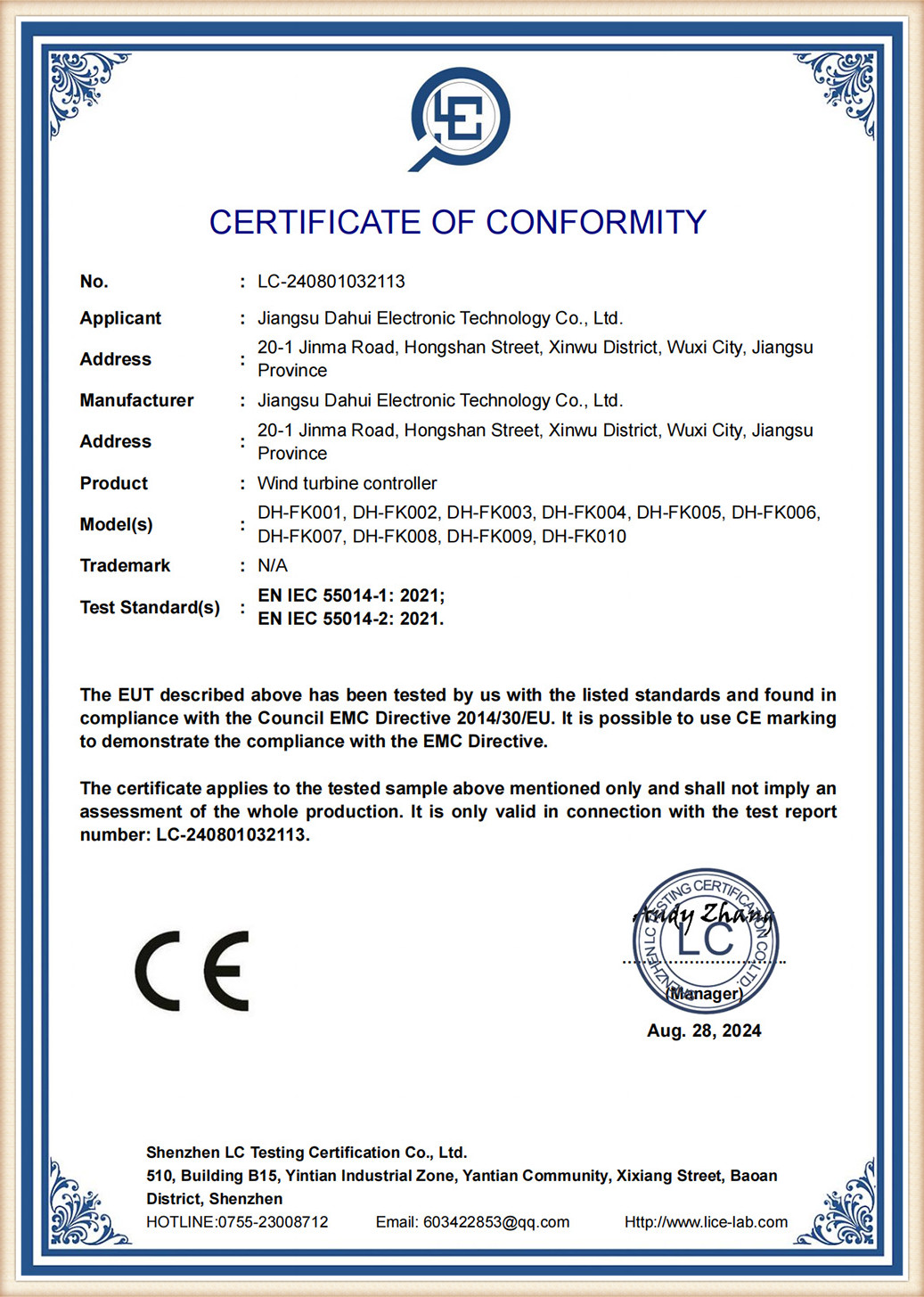
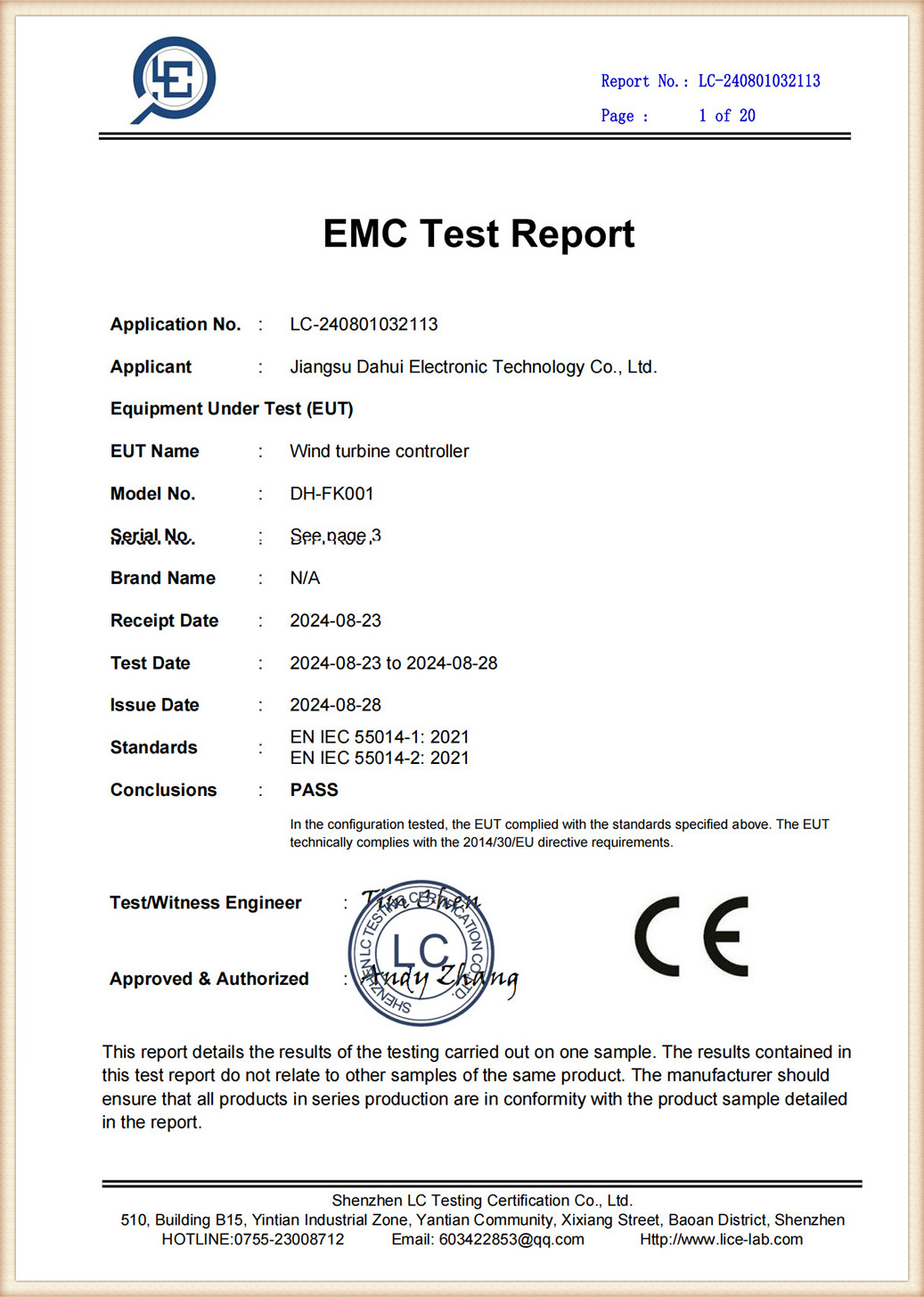
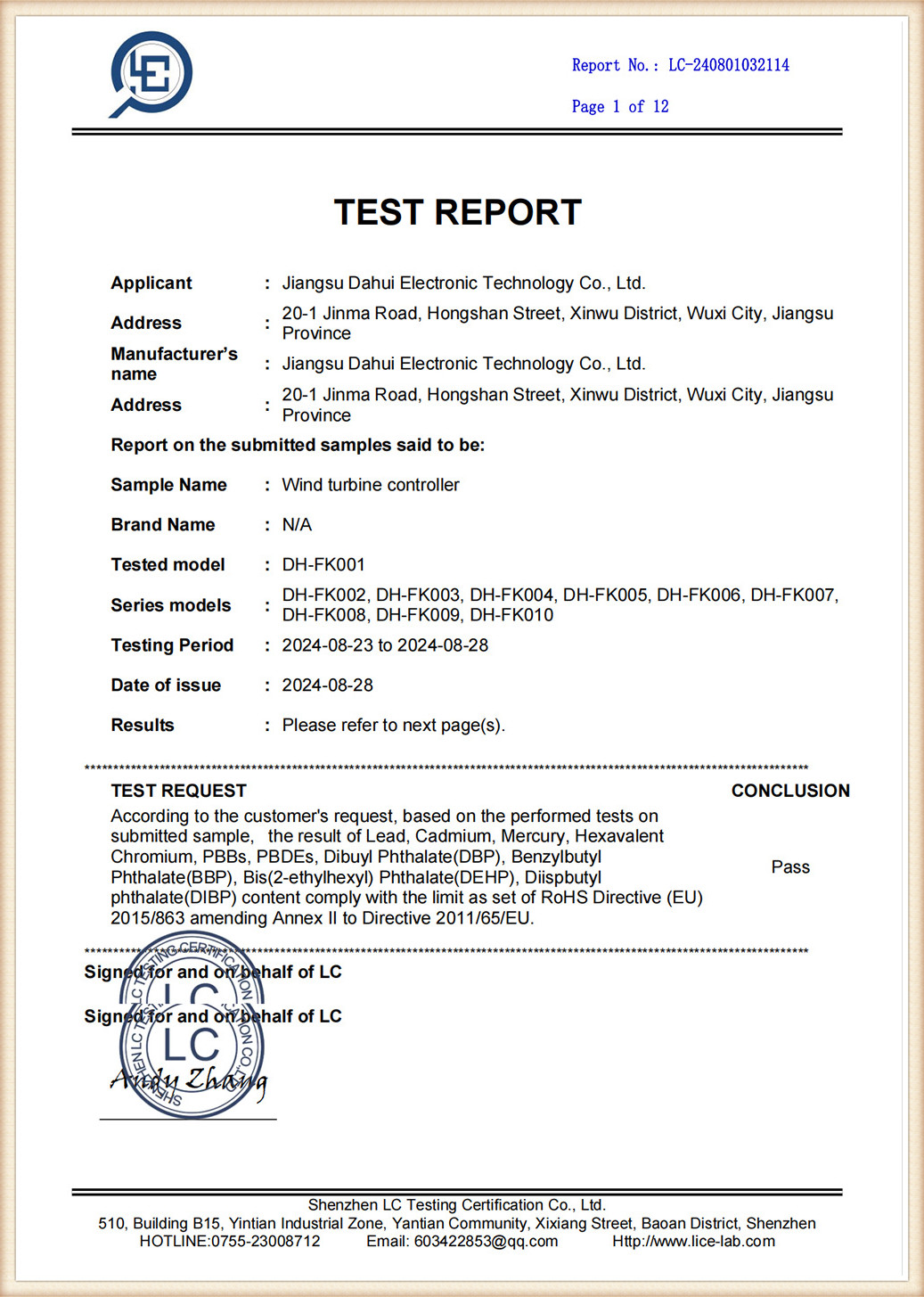
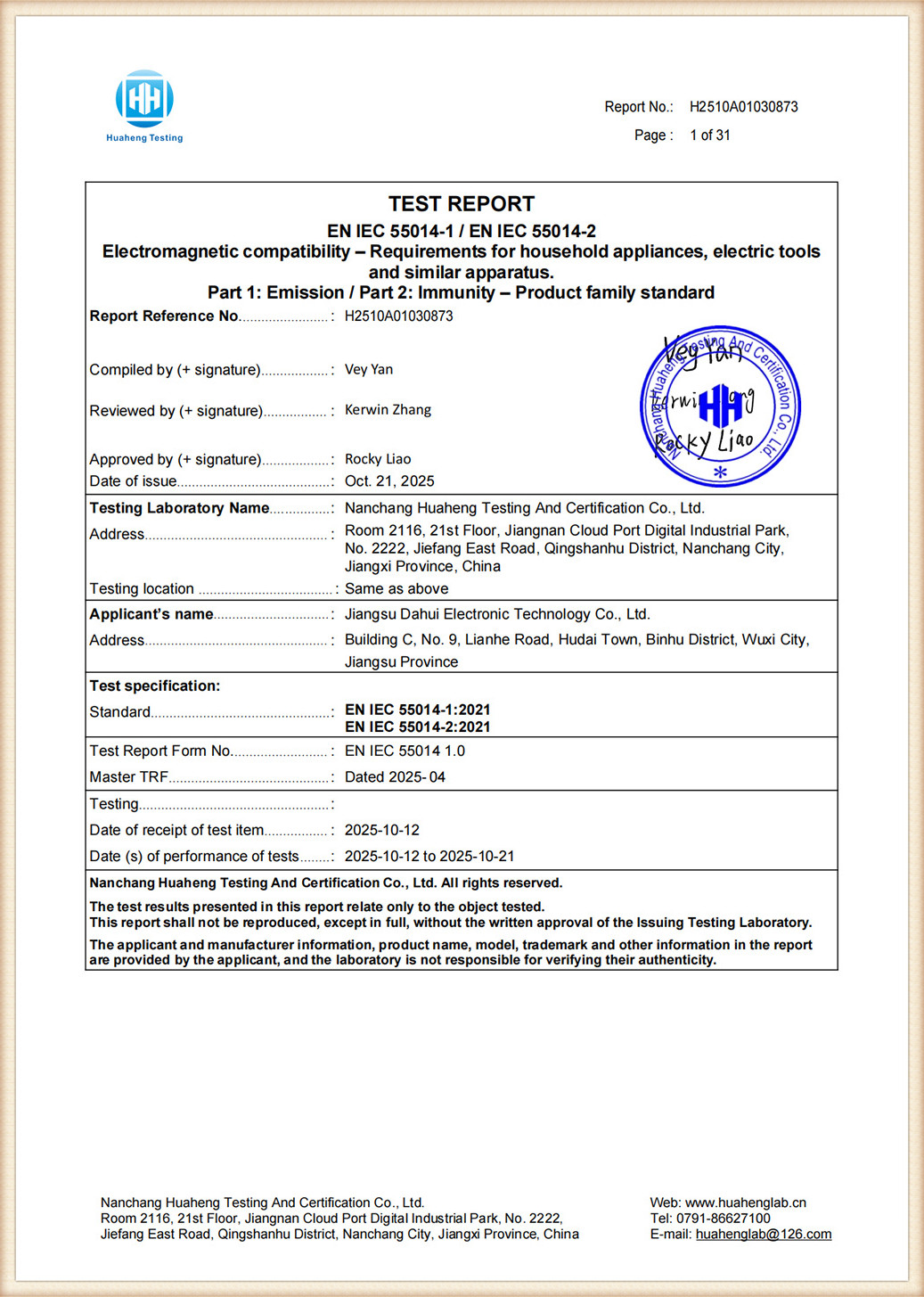
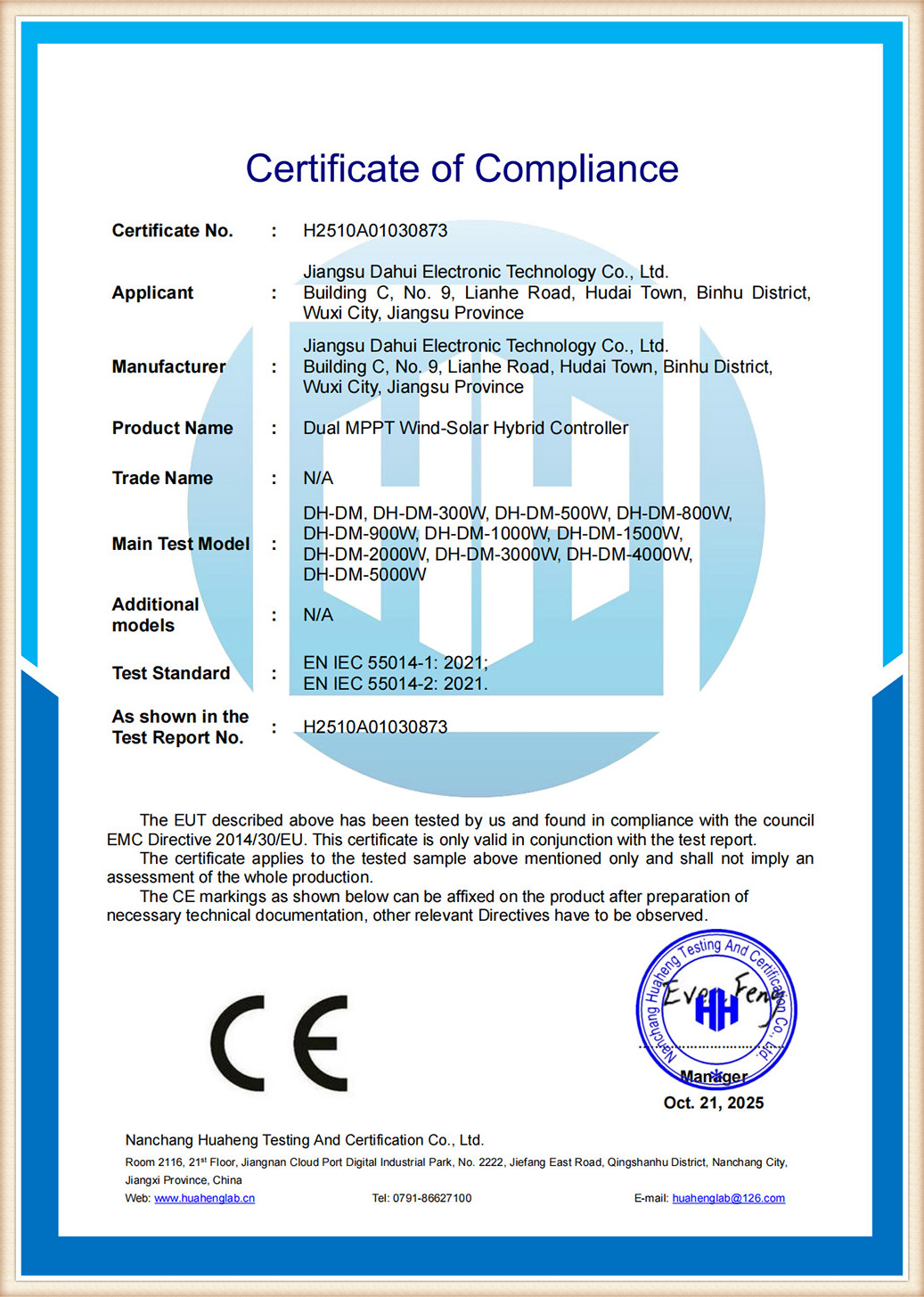
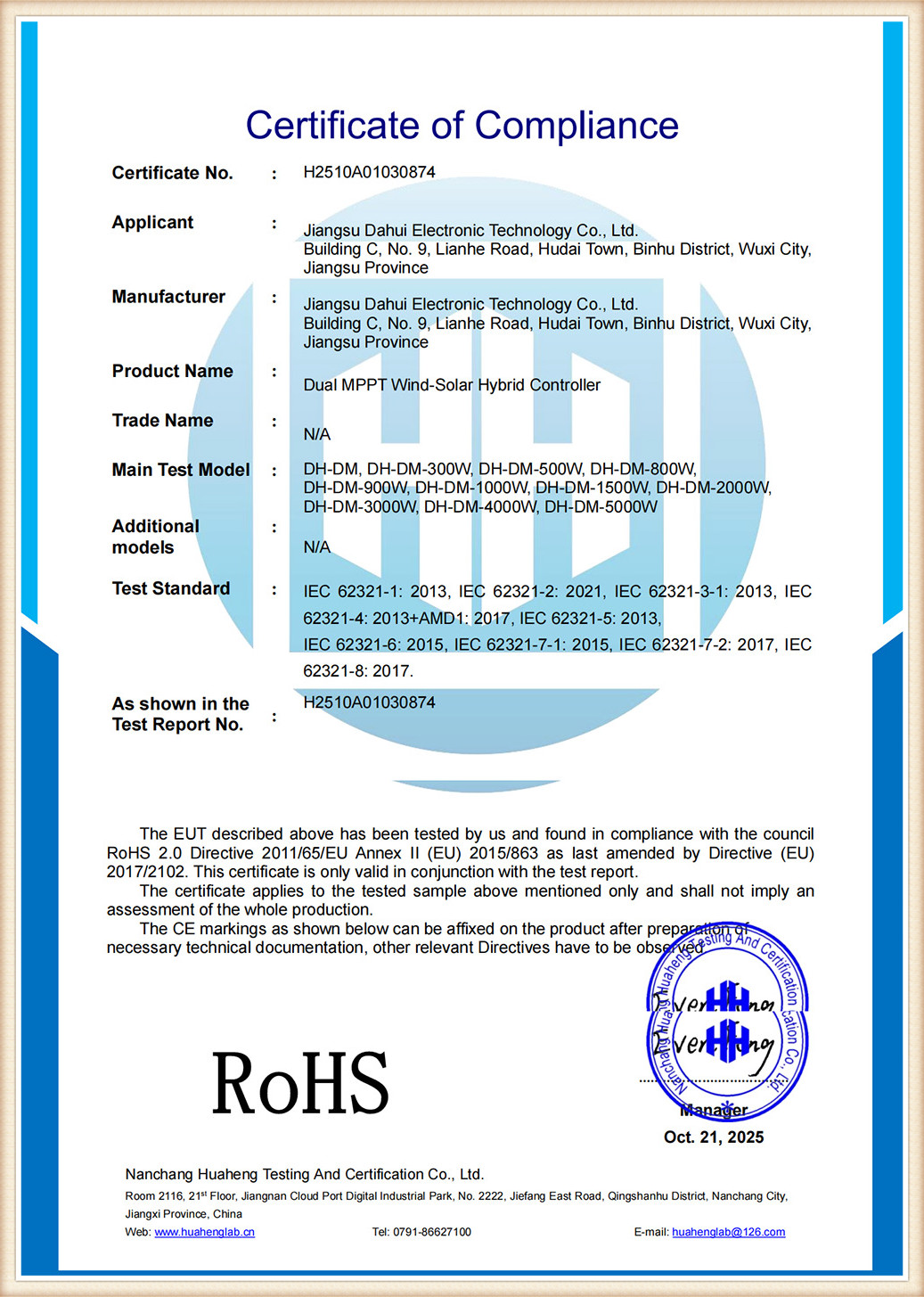
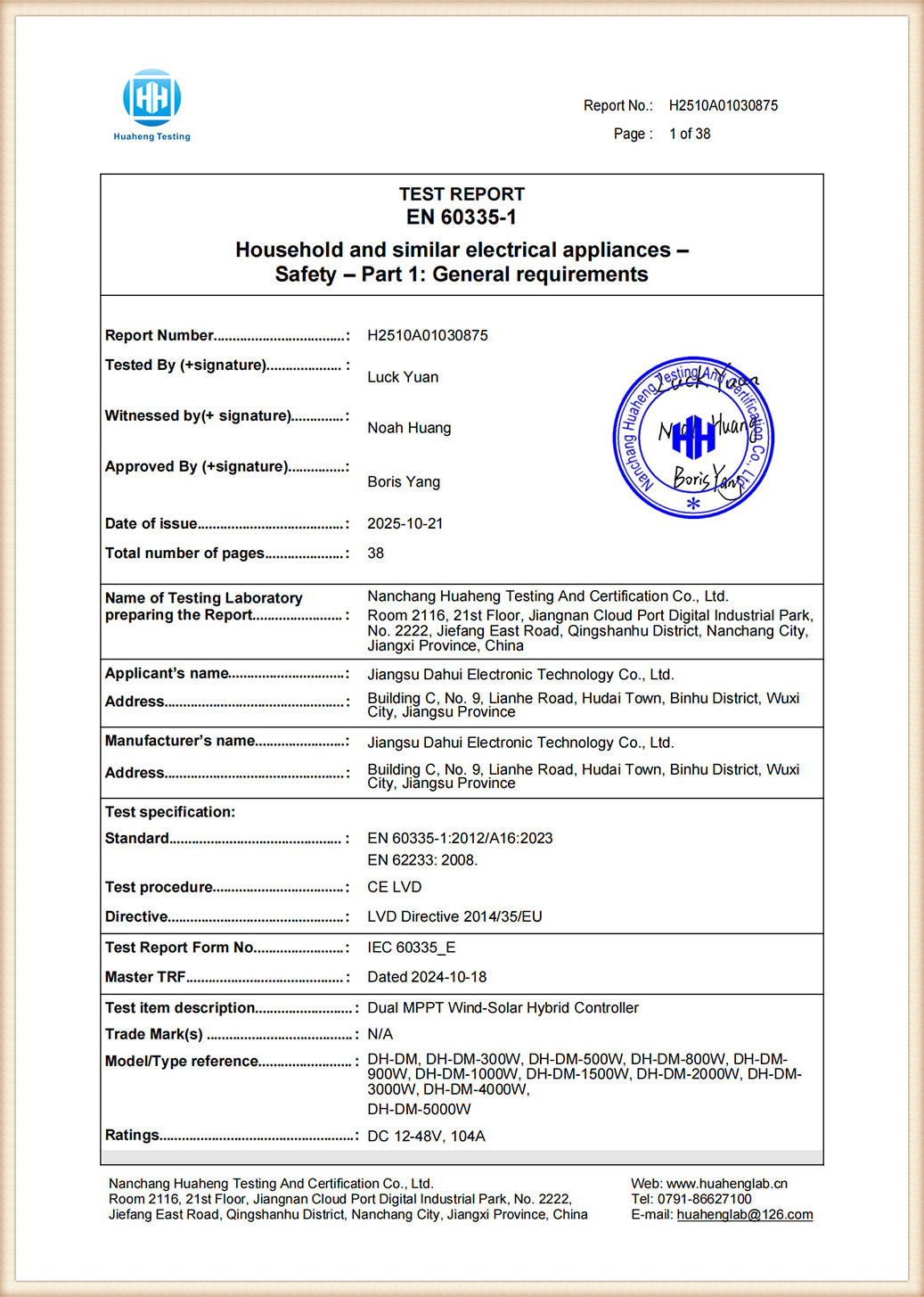
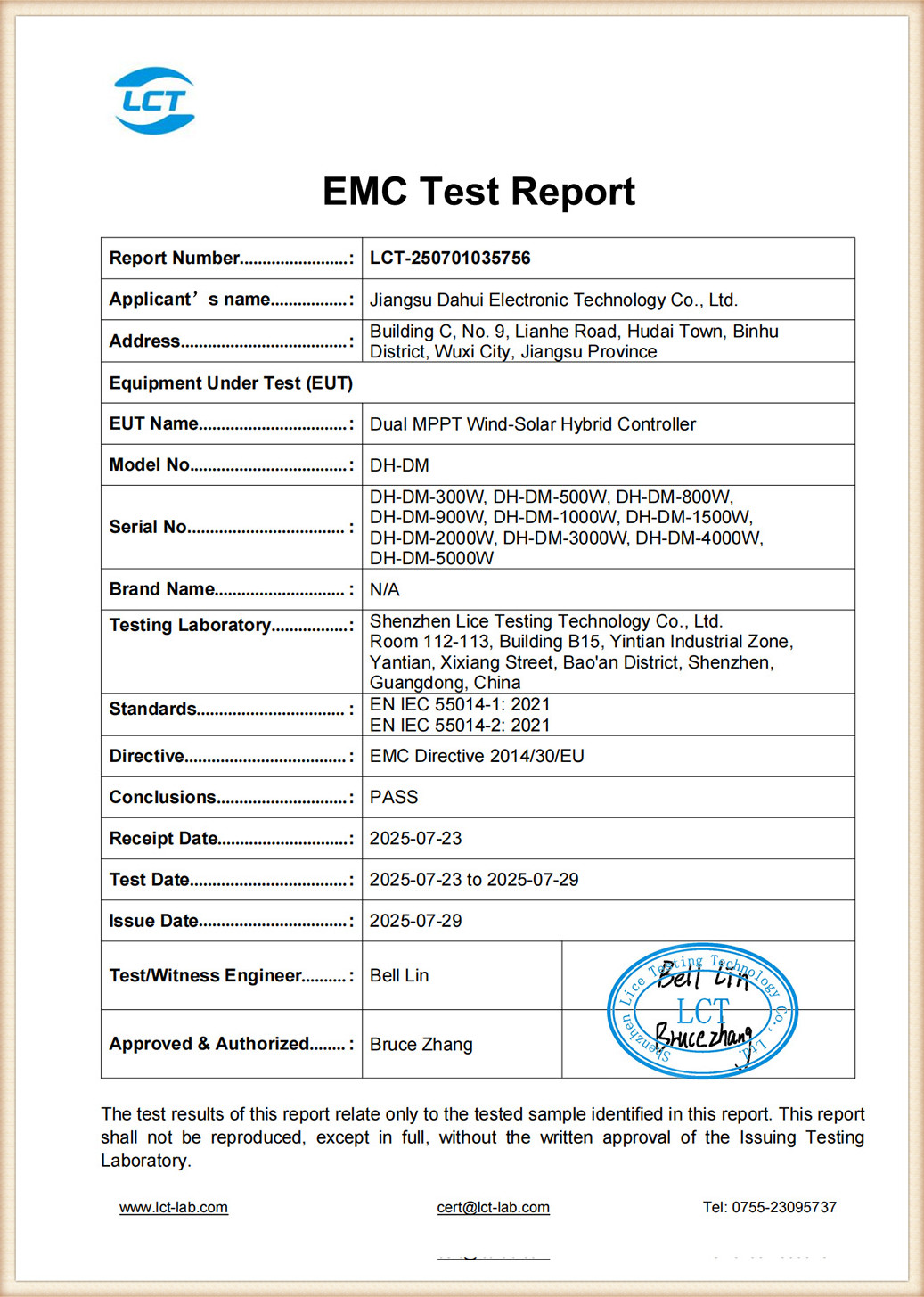
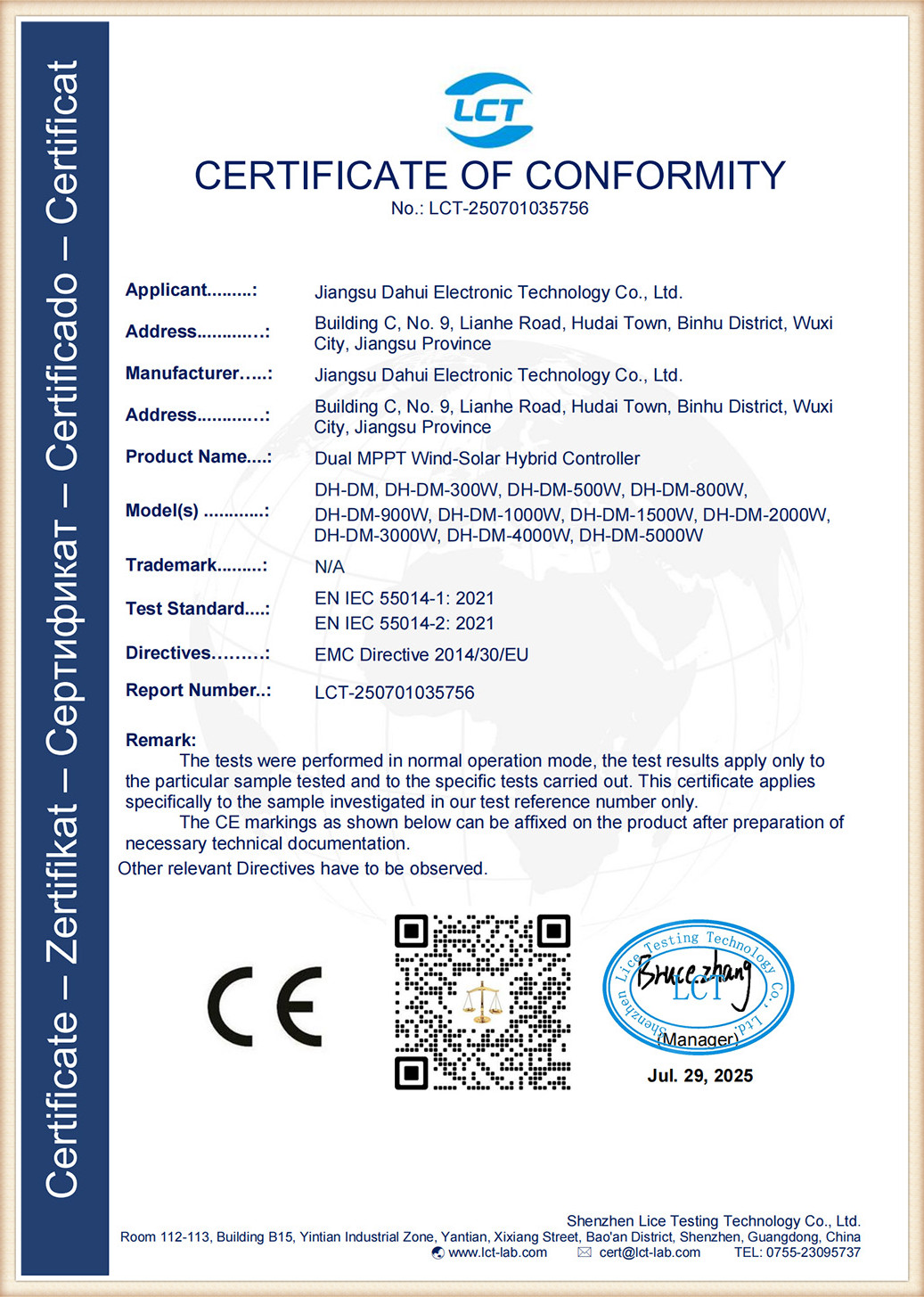
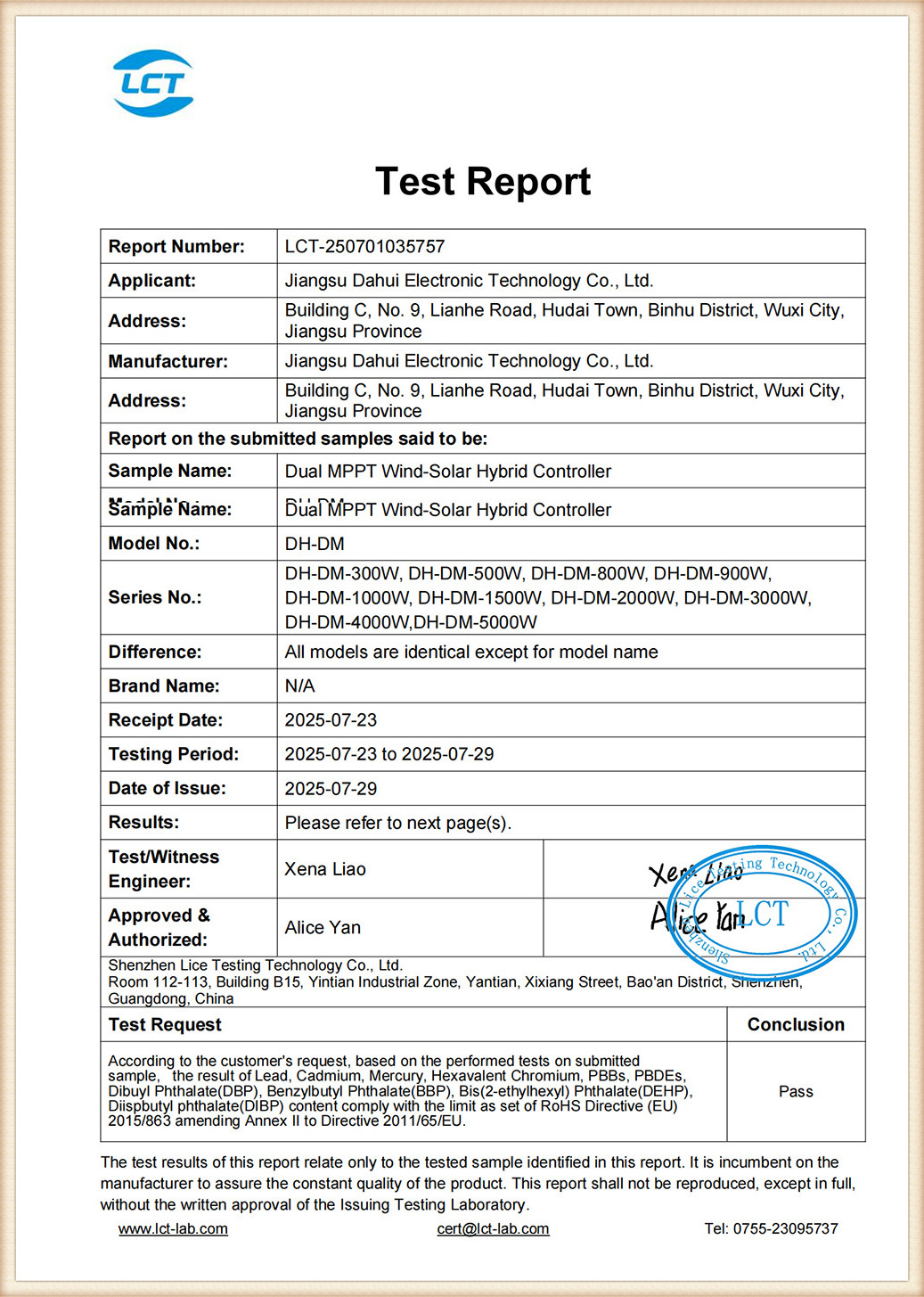
The company always adheres to the core business philosophy of "quality first, independent research and development", and regards product quality and technological innovation as the core driving force for corporate development. At present, it has obtained a number of international authoritative product certifications and ISO quality management system certifications, and has established a full-chain quality management system from raw material inspection, full-process control of the production process to multi-dimensional inspection of finished products. Product quality is strictly controlled throughout the entire process, and core product performance indicators are comprehensively better than industry standards, providing a solid guarantee for the long-term stable operation and reliable service life of the product.
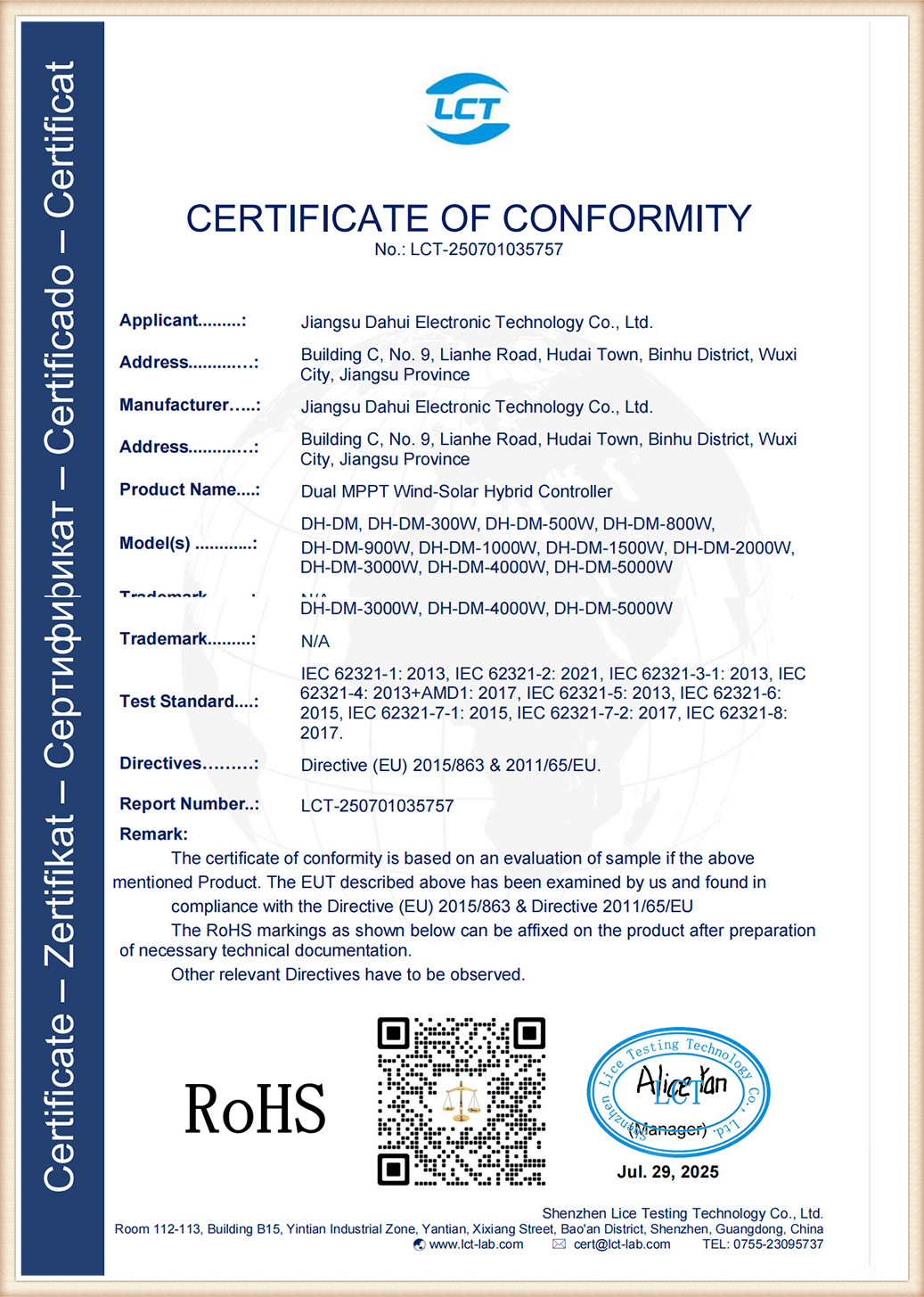
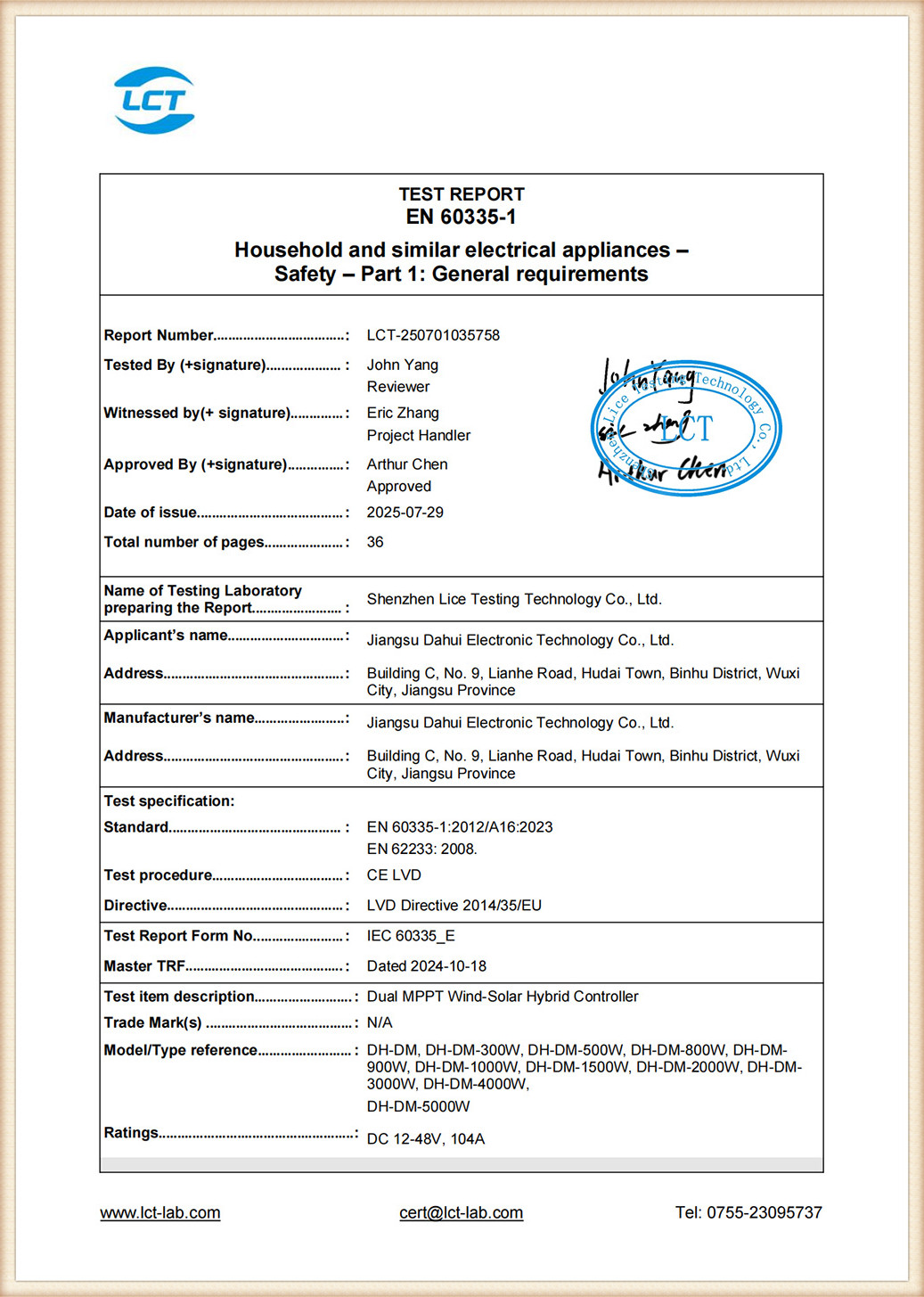
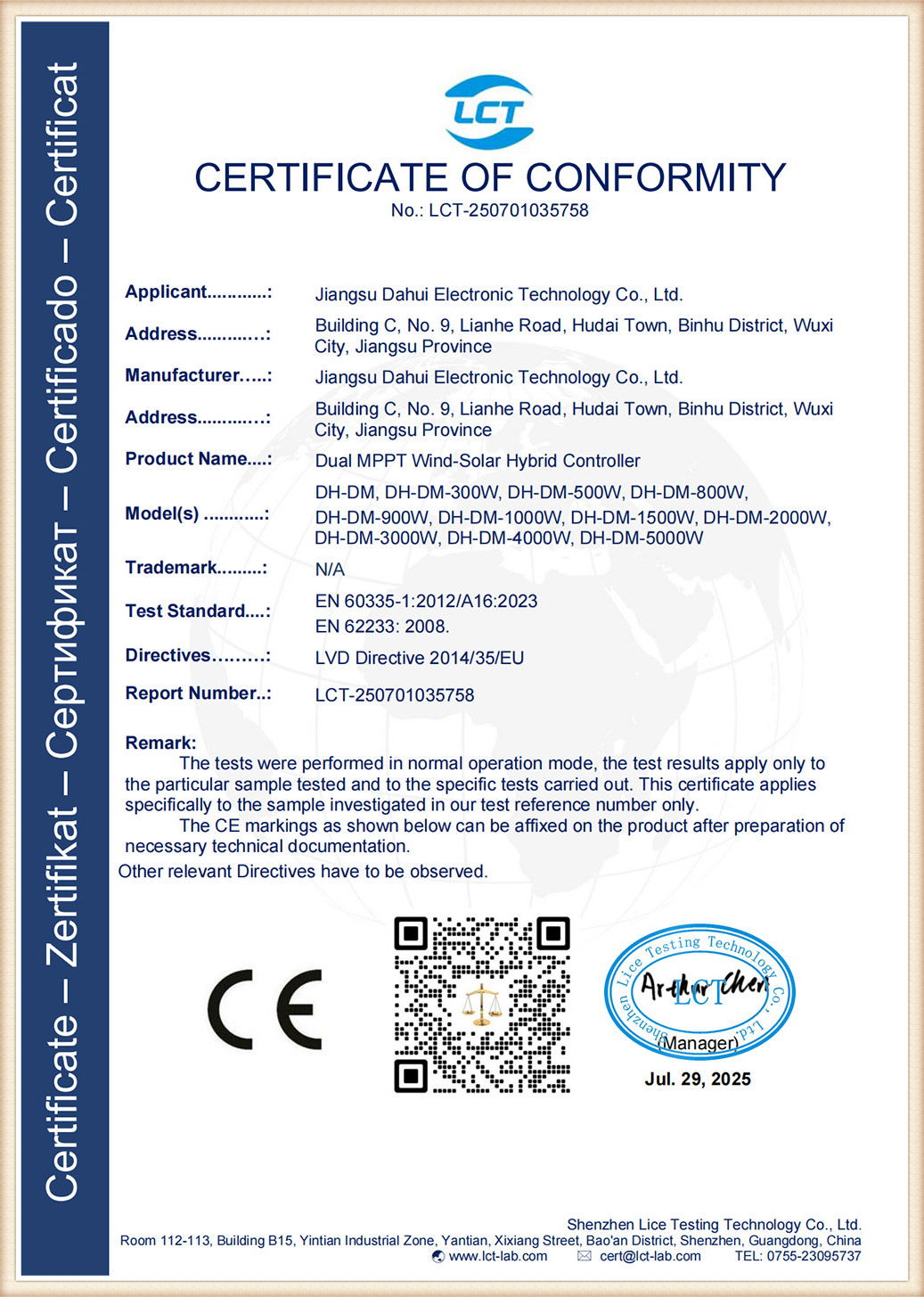
Explore our complete range of wind turbine controllers, solar charge controllers, and hybrid energy systems designed for ultimate reliability.