Get in Touch
Leave Your Message
0%

Picking an off-grid solar inverter isn't just about checking wattage and price. Buyers around the world really need to look at a few other things too—battery compatibility, surge capacity, MPPT performance, idle consumption, monitoring tools, and whether there's decent service support in their region. A unit that works great in a dry Australian shed might struggle in a humid coastal village. So yeah, installation conditions matter.

William H. Kemp — renewable-energy engineer and author of The Renewable Energy Handbook — has a warning worth remembering: “A renewable energy system is only as good as its weakest component.” And honestly, that idea is pretty much the backbone of this review of the 10 Best Off Grid Solar Inverters for Global Buyers. We’re not just looking at specs on paper. We dig into the stuff that actually matters in real life: fridge startups, gray cloudy mornings, long cable runs, and keeping batteries charged when seasonal demand starts to bite.

You'll find dedicated off-grid models on the list, plus a handful of selected systems that can operate as an On Grid Off Grid Hybrid Solar Inverter. Efficiency is important, yeah. But reliability? That matters even more.

A good inverter ought to do a few key things: shield your sensitive electronics, handle solar input that isn't always steady, and actually talk to users in a way that makes sense. It should also be easy enough to maintain in the real world—you shouldn't need an engineering degree just to tweak a setting. That said, no ranking gets it 100% right. Things like product availability, firmware updates, how good the installer is, and local voltage rules can all change what ends up being the best pick. Before you buy, it's a good idea to double-check the latest specs directly with the manufacturers—think Victron Energy, Schneider Electric, Deye, Growatt, and so on. And honestly? The best pick usually isn't the biggest, baddest model. It's the inverter that actually fits your load, battery bank, climate, and whatever you might add later. Trust me, it's the little details that end up making the real difference.
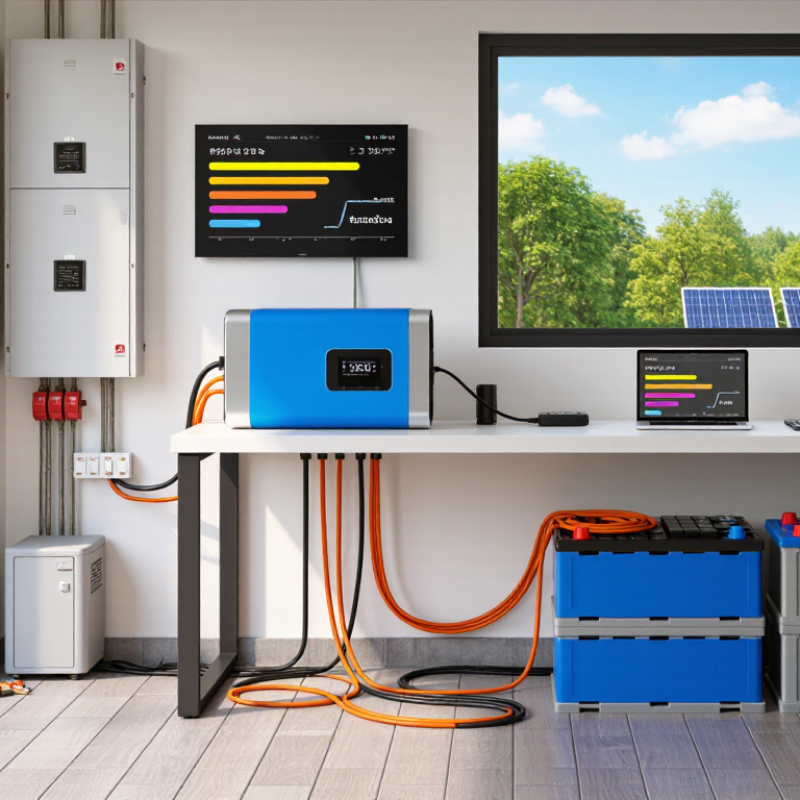
10 Best Off Grid Solar Inverters for Global Buyers

Understanding Off-Grid Solar Inverters and Their Core Functions

An Off Grid Solar Inverter converts battery electricity into usable alternating current for homes, workshops, and remote equipment. Unlike a grid-tied model, it must create its own stable electrical signal. This matters when running a refrigerator, water pump, or sensitive computer from a small solar system.

Its core functions begin with battery management. The inverter monitors voltage, charging stages, temperature, and low-voltage conditions. Many systems also include a solar charge controller, often using maximum power point tracking to extract more energy during changing sunlight. In real installations, cable length and battery temperature can affect performance more than expected. Small mistakes become expensive.

Load planning is equally important. A motor may draw several times its running power when starting. Therefore, a 1,000-watt pump may briefly require much more capacity. A reliable inverter should provide overload, short-circuit, over-temperature, and reverse-polarity protection. Pure sine wave output is generally safer for modern electronics. Still, no inverter can correct an undersized battery bank or poor ventilation. Some specifications look impressive on paper, yet practical testing under heat and uneven sunlight can reveal limitations. Allow extra capacity, but avoid buying far beyond the real load.

10 Best Off Grid Solar Inverters for Global Buyers - Understanding Off-Grid Solar Inverters and Their Core Functions

Rank Inverter Profile Recommended Use Nominal Battery Voltage Rated Continuous Output Typical Surge Capability Typical Peak Efficiency Output Waveform Solar Charge Controller Battery Compatibility Typical Transfer Time Core Functions
1 Compact 12 V Pure-Sine Inverter Small cabins, lighting systems, communication equipment and basic appliances 12 V DC 600–1,000 W 1,200–2,000 W for 1–3 seconds 90–94% Pure sine wave Integrated PWM or small MPPT, typically 20–50 A Lead-acid, AGM, gel and LiFePO₄ with compatible settings 10–20 ms when backup switching is included DC-to-AC conversion, battery charging, low-voltage protection and basic overload protection
2 12 V Residential Backup Inverter Tiny homes, mobile offices and essential household backup loads 12 V DC 1,500–2,000 W 3,000–4,000 W for motor starting 91–95% Pure sine wave MPPT, commonly 40–80 A Lead-acid and lithium batteries; programmable charging voltage 10–20 ms Solar charging, inverter operation, automatic bypass, battery priority and overload shutdown
3 24 V Mid-Range Off-Grid Inverter Rural homes, workshops, pumps and moderate daily energy consumption 24 V DC 2,000–3,000 W 4,000–6,000 W for 1–5 seconds 92–96% Pure sine wave MPPT, commonly 60–100 A Flooded, AGM, gel and LiFePO₄ battery banks 10–20 ms Maximum power point tracking, programmable charge stages, AC bypass and temperature compensation
4 24 V High-Surge Inverter Refrigerators, freezers, power tools, well pumps and other inductive loads 24 V DC 3,000–4,000 W 6,000–8,000 W for 1–5 seconds 93–96% Pure sine wave MPPT, commonly 80–120 A Lead-acid or lithium battery banks with high discharge capability 10–20 ms High motor-starting capacity, surge management, short-circuit protection and load-priority control
5 48 V Residential Hybrid-Ready Inverter Full-time off-grid homes with high efficiency and future battery expansion requirements 48 V DC 3,000–5,000 W 6,000–10,000 W for 1–5 seconds 94–97% Pure sine wave MPPT, commonly 60–100 A 48 V lead-acid or lithium battery systems 10–20 ms High-voltage DC efficiency, remote monitoring, generator input, battery communication and selectable operating modes
6 48 V 5 kW Off-Grid System Inverter Medium-sized homes, agricultural buildings and remote workspaces 48 V DC 5,000 W 10,000 W for short-duration starting loads 94–97% Pure sine wave MPPT, commonly 80–120 A Lithium, AGM, gel and flooded lead-acid batteries 10–20 ms Continuous AC supply, solar harvesting, generator integration, load shedding and programmable battery protection
7 Parallel-Capable Modular Inverter Growing households or sites that may need higher output later 24 V or 48 V DC 3,000–6,000 W per unit 6,000–12,000 W per unit 93–97% Pure sine wave One MPPT per unit or external charge-controller architecture Battery chemistry must be matched across the parallel bank 10–20 ms Parallel operation, phase synchronization, capacity expansion, current sharing and independent fault isolation
8 Split-Phase Off-Grid Inverter North American-style residential systems requiring 120/240 V service 48 V DC 6,000–12,000 W 12,000–24,000 W for short-duration loads 94–97% Pure sine wave, 120/240 V split phase Integrated MPPT or external MPPT controllers 48 V lithium or lead-acid battery banks 10–20 ms Two-leg AC output, 240 V appliance support, generator start control and balanced-load management
9 Three-Phase Off-Grid Inverter System Commercial buildings, irrigation systems and three-phase machinery 48 V or higher DC architecture 10–30 kW system output Up to 2–3 times rated power, depending on configuration 95–98% Pure sine wave, three phase Multiple MPPT channels or external commercial charge controllers High-capacity lithium or industrial lead-acid banks Typically 10–30 ms, system dependent Three-phase synchronization, motor-load support, generator coordination, phase balancing and scalable power management
10 Cold-Climate Outdoor Inverter Remote locations exposed to dust, humidity, freezing temperatures or seasonal weather 24 V or 48 V DC 3,000–8,000 W 6,000–16,000 W for short-duration starting loads 93–97% Pure sine wave Integrated MPPT, commonly 60–150 A Battery chemistry selected according to the permitted operating temperature 10–20 ms when transfer functionality is provided Weather-resistant enclosure, thermal management, remote alerts, surge protection and low-temperature charging control
Buying note: The specifications above are representative market ranges for comparable off-grid inverter configurations rather than claims for a specific product. Actual performance depends on battery chemistry, ambient temperature, solar-array voltage, load type, installation quality and applicable electrical standards.

Key Factors for Comparing Inverters in Global Markets

Global buyers need more than a high efficiency number. According to IRENA’s Renewable Capacity Statistics 2024, global solar capacity reached about 1,419 GW by the end of 2023. IEA PVPS Trends 2024 also reported more than 440 GW of new solar installations that year. This rapid growth makes inverter selection more demanding, especially in remote homes, farms, and small commercial sites.

Start with battery compatibility. Check voltage range, charging current, and lithium battery communication protocols. A useful Inverter Solar Off Grid system should also handle motor starting loads from pumps or refrigerators. Surge capacity matters. A five-kilowatt inverter may struggle with a three-kilowatt compressor during startup. Efficiency should be tested across realistic loads, not only under ideal laboratory conditions. That detail is often missed.

Climate ratings deserve equal attention. Look for wide operating temperatures, dust protection, moisture resistance, and proven cooling performance. In tropical regions, heat can reduce output before the display shows an obvious fault. In cold areas, battery charging limits become critical. Certification against recognized electrical standards improves buyer confidence, but local approval still requires verification. Service access matters too. A replaceable fan and available spare parts may outweigh a slightly higher peak efficiency. I would not pretend that one ranking fits every market; transport costs, installer skill, battery supply, and warranty support can change the practical winner. A spreadsheet cannot predict every field failure.

The Ten Best Off-Grid Solar Inverters for Different Energy Needs

Choosing the ten best off-grid solar inverters depends on the energy need, not popularity. A small cabin may need a 1–3 kW unit for lights, refrigeration, and device charging. A rural workshop needs higher surge capacity for pumps or tools. Hybrid homes may require 8–15 kW, generator input, and battery expansion. The right Solar Inverter On Off Grid system should match daily consumption, starting loads, battery voltage, and local temperature.

The IEA reported nearly 420 GW of solar PV additions worldwide in 2023, showing how quickly solar equipment is scaling. Yet access remains uneven. The World Bank’s Tracking SDG7 report estimated that about 685 million people lacked electricity access in 2022. For these users, reliability matters more than impressive display features. Look for pure sine-wave output, low standby consumption, adjustable charging settings, and documented protection against heat and dust. NREL research also highlights the importance of correct battery and inverter sizing. Oversizing wastes money; undersizing causes repeated shutdowns.

Tips: Measure real loads for seven days before selecting an inverter. Record the refrigerator’s startup surge, not only its running wattage. Leave roughly 20% capacity for growth, though this rule is not universal. Check local service access and spare-part availability. A technically perfect unit can still fail practically when repairs require weeks. I would also question sales claims using “maximum power” without a clear continuous rating. That detail often changes the buying decision.

Matching Inverter Capacity with Solar Systems and Appliances

Choosing an On Off Grid Solar Inverter starts with the appliances, not the panel count. List every load, including refrigerators, pumps, fans, lights, and communication devices. Record running watts and starting watts separately. A refrigerator may use 150 watts while running, yet briefly demand 700 watts. Your inverter must handle both demands without overheating or shutting down.

Match continuous inverter capacity to your expected simultaneous load, then add a practical safety margin of 25 to 40 percent. Pure sine wave output suits sensitive electronics and motor-driven equipment. Check the battery bank voltage, maximum solar input, MPPT operating range, and charging current. These details often matter more than impressive headline wattage. I have seen systems fail because installers counted panel power but ignored early-morning pump surges. That mistake is easy to repeat.

Tips: Measure real appliance consumption with a plug-in meter for several days. Start large motors one at a time when possible. Keep the inverter cool, dry, and close to the battery bank, but leave ventilation space. Recheck cable size and fuse ratings with a qualified installer. A 3,000-watt inverter may be suitable for a small cabin, yet inadequate for a freezer, well pump, and workshop tools running together. Appliance habits also change. Plan for tomorrow, not only today.

Installation, Battery Compatibility, and Essential Safety Practices

Choosing among the 10 best off grid solar inverters requires more than comparing output ratings. Installation conditions often determine long-term reliability. Measure the expected solar voltage, continuous load, and peak starting demand from pumps or refrigerators. Mount the inverter on a dry, shaded wall with clear airflow. Leave space around ventilation openings. A small mistake here can create excessive heat.

Battery compatibility deserves careful checking. Match the inverter’s voltage range with the battery bank, not only its advertised capacity. Confirm support for the battery chemistry and its battery management system. Lithium batteries may require specific communication settings. Lead-acid systems need suitable charging stages and ventilation. A perfect setup is rare. I would rather select a slightly oversized inverter than operate near its limit every day.

Tips: Use correctly rated cables, fuses, and disconnects. Keep cable runs short. Label every circuit clearly. Ask a qualified electrician to verify grounding, polarity, and overcurrent protection before energizing the system. Never work on live photovoltaic wiring. Safety glasses and insulated tools are basic requirements, not optional extras.

For global buyers, check local electrical rules, weather ratings, and service availability before purchase. Dusty farms may need sealed equipment and frequent inspections. Coastal sites require protection against salt corrosion. Test the system during daylight, then under a realistic evening load. Record battery voltage, inverter temperature, and fault codes. Recheck connections after several weeks, because vibration and thermal expansion can loosen them.

International Buying Considerations, Warranties, and After-Sales Support

When selecting an off-grid solar inverter for international use, output power is only one concern. Confirm the battery voltage, surge capacity, frequency, and wiring requirements before ordering. A 5kW inverter may start a refrigerator easily but struggle with a well pump’s brief surge. Regional certifications also matter. Ask whether the unit complies with your country’s electrical and safety rules.

Warranty language deserves careful reading. Check the coverage period, registration deadline, replacement process, and exclusions for batteries, fans, water damage, or incorrect installation. A five-year warranty sounds strong. It may not cover return shipping or local labor. Reliable suppliers should provide clear manuals, wiring diagrams, firmware updates, and responsive technical support. Time-zone delays can become serious when a remote cabin loses power during a winter night.

Tips: Request the warranty in writing before payment. Confirm the nearest repair center and typical response time. Keep spare fuses, cooling fans, and communication cables on site. Ask whether replacement parts remain available after the model is discontinued. Test support with a technical question first; vague replies are a warning sign. I have seen buyers focus on purchase price and overlook freight, customs paperwork, and service costs. That decision can become expensive. A local electrician should review the installation, even when the inverter appears simple. Also, document serial numbers and commissioning results. Small records often protect large investments.

How to Choose the Right Low-Frequency Inverter for Reliable Off-Grid Power

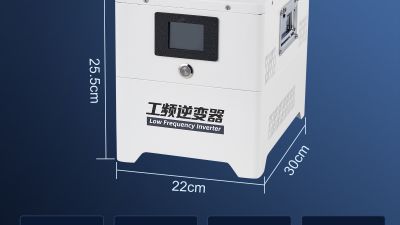
Choosing the right low-frequency inverter is essential for dependable off-grid power. Start by calculating the continuous and starting power requirements of your appliances, especially motors, refrigerators, pumps, and air compressors. A suitable inverter should provide enough reserve capacity for surge loads, while its line-frequency transformer architecture offers strong impact resistance, stable conversion, and a longer service life under demanding conditions. Select the DC input voltage—such as 12V, 24V, 48V, or 96V—according to your battery bank and renewable-energy system design.

Output quality is equally important. A pure sine wave inverter with total harmonic distortion below 3% can supply clean, smooth AC power for sensitive electronics and inductive equipment while helping reduce electromagnetic interference. For greater operational safety, look for protection against overloads, short circuits, and excessive temperature, along with automatic restart after a fault has been cleared. These functions help maintain stable operation when power conditions change unexpectedly.

Practical monitoring and expansion features can also improve daily use. An easy-to-read display allows users to check operating data quickly, while intelligent fan control manages cooling according to temperature and load. Mains switching can provide additional flexibility, and optional Wi-Fi or RS485 communication supports remote monitoring. With power ratings from 1kW to 12kW, the inverter can be matched to applications ranging from small household systems to larger off-grid or wind-solar hybrid installations.

FAQS

How should I size an off-grid inverter for my home or cabin?

Record electricity use for seven days. Include lights, refrigeration, pumps, and device charging. Check running watts and startup surge. Leave about 20% spare capacity, but treat this as guidance. Oversizing wastes money. Undersizing causes repeated shutdowns.

Why does battery compatibility matter?

Match the inverter voltage range with the battery bank. Confirm charging current and battery chemistry support. Lithium batteries may need specific communication settings. Lead-acid batteries require suitable charging stages and ventilation. A large battery does not guarantee compatibility.

How can I check motor starting requirements?

Measure the refrigerator, pump, or compressor startup demand. A three-kilowatt compressor may challenge a five-kilowatt inverter. Continuous output alone is not enough. Review surge duration and peak capacity. Startup problems are easy to underestimate.

Which efficiency information should buyers trust?

Compare performance across realistic loads, not only laboratory conditions. Check efficiency at low, medium, and high demand. Low standby consumption helps overnight. Maximum efficiency can sound impressive. It may not reflect daily operation.

What climate conditions should the inverter handle?

Check operating temperature, dust protection, moisture resistance, and cooling design. Install the unit in a dry, shaded location. Leave space around ventilation openings. Tropical heat can reduce output quietly. Coastal air may require corrosion protection.

What installation practices improve safety and reliability?

Use correctly rated cables, fuses, and disconnects. Keep cable runs short. Label each circuit clearly. Verify grounding, polarity, and overcurrent protection. Never handle live photovoltaic wiring. Use insulated tools and safety glasses.

How can buyers compare equipment for remote locations?

Check local service access, spare parts, warranty support, and installer skills. A replaceable fan can matter greatly. Repairs should not require weeks of transport. Transport costs may change the practical choice. A spreadsheet cannot predict every field failure.

What should be tested after installation?

Test the system during daylight and evening loads. Record battery voltage, inverter temperature, and fault codes. Inspect connections after several weeks. Vibration and temperature changes can loosen them. I would not assume the first test proves everything.

Conclusion

Choosing the right Off Grid Solar Inverter is essential for building a reliable energy system in areas without access to a stable utility grid. This guide explains how these inverters convert stored battery power into usable electricity, manage solar input, and protect connected appliances. It compares ten practical options for different needs, from compact systems for lighting and communications to higher-capacity setups supporting household equipment, workshops, or remote facilities. Key evaluation points include efficiency, surge capacity, waveform quality, operating temperature, monitoring features, durability, and compatibility with various battery technologies.

The article also shows how to match inverter capacity with solar array size, battery storage, and appliance demand while avoiding overloads and unnecessary costs. It outlines essential installation and safety practices, including correct wiring, ventilation, grounding, protective devices, and professional inspection where required. For international buyers, it highlights shipping conditions, electrical standards, warranty coverage, replacement parts, technical documentation, customer support, and after-sales service. Together, these considerations help buyers select a safe, efficient, and maintainable off-grid power solution suited to their location and long-term energy goals.
Lila

Lila

Lila is a dedicated marketing professional at a leading high-tech enterprise specializing in the research, development, manufacturing, and global sales of new energy products. With a deep understanding of the company's innovations, she plays a crucial role in communicating the benefits and features......
Previous 2026 Top WiFi Solar Charge Controllers for Global Buyers