When you're out on the road in your RV, having the right gear makes all the difference. A key piece of that puzzle is a good RV Solar Charge Controller. Honestly, it’s pretty much essential for keeping your batteries topped up and running smoothly. Basically, this little device makes sure your solar panels are charging your batteries efficiently so you’ve got reliable power during your trip. But, I know, picking the best one can feel a bit overwhelming with so many options out there.
Sometimes people underestimate just how important this piece of tech really is. A solid Solar Charge Controller can seriously help your batteries last longer and prevent them from overcharging — saving you headaches and money in the long run. But here’s the thing, not every controller works for every setup. You wanna think about stuff like whether it’s compatible with your setup, what your budget is, and what features you really need.
Finding the perfect RV Solar Charge Controller is a bit of a process — it takes some digging and honestly, a bit of thinking about what suits your travel style. People often find they need to tweak their choice once they start using it based on their specific needs. Reading reviews can help, but don’t take them as gospel — do a little homework. Always stick to trusted sources for info. When you make a good, well-informed choice, your trips will go a lot smoother and stress-free.
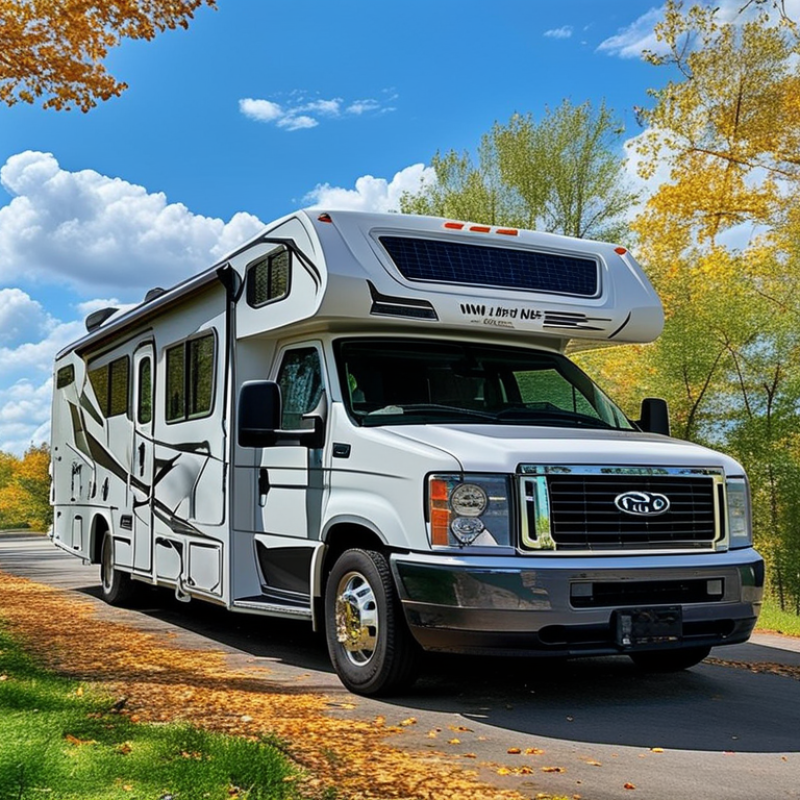
Understanding RV Solar Charge Controllers and Their Importance
Understanding RV solar charge controllers is vital for optimal solar energy management. These devices are essential in regulating the flow of electricity from solar panels to batteries. Inadequate systems can lead to overcharging, which reduces battery life. According to the National Renewable Energy Laboratory, using solar charge controllers can extend battery life by up to 50%. This statistic highlights their significance in RV setups.
Selecting the right solar charge controller depends on your energy needs. A typical RV uses around 30-50 amp-hours daily, especially if you're powering multiple devices. It’s crucial to choose a controller that matches your solar panel output and battery capacity. Some users overlook these specifications, leading to underperformance. The ideal sizing ensures your system operates efficiently, maximizing solar energy usage while preventing waste.
Monitoring and maintaining your solar charge controller is crucial. Regular checks help identify performance issues before they escalate. While many controllers offer data displays, understanding the information can be challenging. Mismanagement may result in reduced efficiency. User experience indicates that keeping a log of daily power usage and controller performance can enhance your system's reliability.
Types of Solar Charge Controllers for RVs: PWM vs. MPPT
When selecting a solar charge controller for your RV, it’s crucial to understand the two main types: PWM and MPPT.
PWM, or Pulse Width Modulation, is often more affordable. It regulates voltage by connecting the solar panel directly to the battery.
This method can be simpler and suitable for smaller setups. However, it may not utilize the solar panel's full capacity in all conditions.
On the other hand, MPPT, or Maximum Power Point Tracking, charges batteries more efficiently.
It adjusts voltage and current to capture the maximum possible power from the solar panels. This efficiency can be vital, especially
during overcast days. Many RV owners notice significant performance improvements when they switch to MPPT controllers,
despite the higher initial cost. As an example, the Thunderbolt Solar 30 Amp Solar Charge Controller
is a popular choice among enthusiasts for its efficiency.
Choosing the right controller can be a learning curve. Some users report frustration with PWM controllers in less-than-ideal weather conditions.
Observing how various controllers perform can provide valuable insights. It’s beneficial to reassess your needs periodically.
This reflection can lead to better solar setup decisions that enhance your RV adventures.
Key Features to Look for in an RV Solar Charge Controller
When choosing an RV solar charge controller, consider its efficiency. The ability to convert solar energy into usable power is crucial. Look for models that offer high conversion rates. This ensures your batteries receive adequate charging even on cloudy days.
Compatibility is another key feature. A good charge controller should work with various battery types. Some controllers support lithium, AGM, and gel batteries. Ensuring compatibility can save you from future headaches. Don't overlook this detail.
Monitoring capabilities can enhance your experience. A controller that features LCD displays or smartphone apps provides invaluable information. You can track energy production and battery health in real-time. However, some models can be complex, which may frustrate beginners. It’s essential to find a balance between functionality and simplicity. A reliable
Controller Solar Charge
is meant to ease your travels, not complicate them.
How to Choose the Right Size Solar Charge Controller for Your RV
Choosing the right size solar charge controller for your RV is essential. An appropriately sized controller maximizes efficiency. Without one, your energy management could suffer. Understanding your power needs is the first step. Calculate your total daily energy consumption. This gives you a baseline to work from.
Next, consider your solar panel wattage. For effective charging, the controller must match the output of your panels. A good rule of thumb is to allow 25% overhead. This ensures your Rv Solar Charge Controller can handle unexpected conditions, like cloudy days.
It's also important to choose a controller type. PWM controllers are less expensive but may be less efficient. MPPT controllers can offer better performance and are worth considering. Remember, you might encounter issues with cheaper models. Durability and reliability can affect your overall experience. Think critically about what works best for your travel needs.
Top Brands and Models of RV Solar Charge Controllers in 2023
When it comes to RV solar power, choosing the right solar charge controller is crucial. In 2023, the market offers diverse options tailored for unique travel needs. According to a recent industry report, nearly 40% of RV owners prioritize efficient energy management. A solid solar charge controller ensures battery longevity and optimal energy usage.
Top brands in 2023 focus on providing smart technology and user-friendly interfaces. For instance, some models include real-time data tracking and automatic battery optimization. This technology allows users to monitor their solar setup seamlessly. However, not all charge controllers are created equal. Some may struggle with compatibility, which can lead to inefficiencies.
For those considering lower voltage setups, a 6v Solar Charge Controller may be essential. This controller suits smaller solar panel systems, commonly found in compact RVs. It helps to protect batteries from overcharging, enhancing their lifespan. Still, it’s vital to evaluate the specific power needs. The choice of controller must match the individual RV’s requirements for the best performance.
Best RV Solar Charge Controllers in 2023
Installation Tips for Your RV Solar Charge Controller
When installing a solar charge controller in your RV, attention to detail is crucial. A solar charge controller regulates the charging process and prevents battery overcharging. According to industry reports, proper installation can enhance system efficiency by up to 30%. Ensuring correct installation significantly impacts overall performance.
Start by selecting a location for the charge controller that is cool and dry. Avoid direct sunlight, as heat can affect its efficiency. Utilize appropriate wiring to reduce energy loss. Use cables with adequate thickness; a rule of thumb is to use a cable size that can handle the peak current without overheating. If you're uncertain, check the National Electrical Code (NEC) for proper guidelines.
While installation may seem straightforward, common pitfalls exist. Some users struggle with incorrect polarity connections. This error can lead to equipment damage. Double-check all connections before powering on the system. If you’re unsure about specifics, consulting a professional is advisable. Mistakes can be costly, both financially and in terms of time lost. Proper installation will lead to smoother operations and a reliable energy source for travel adventures.
Maintenance and Troubleshooting for RV Solar Charge Controllers
Maintaining your RV solar charge controller is crucial for optimal performance. Regular inspection can prevent loss of efficiency. Studies show that neglecting maintenance can reduce energy output by up to 30%. Keeping connections clean and tight is essential. Corrosion can impact performance and increase resistance.
Troubleshooting common issues can save time and money. Check for error codes on the controller display. These codes indicate specific problems, helping in quick resolution. For example, if you notice a drop in battery voltage, it may signal an issue with charging. Look for damaged wires or loose connections. Addressing these problems can prevent further damage.
Periodic software updates are often required to enhance performance. Many newer models feature advanced monitoring capabilities. This allows you to track performance data effectively. Neglecting updates could lead to inefficiencies. According to industry reports, a proactive approach to maintenance increases reliability. It ensures energy needs during travel.
Best RV Solar Charge Controller for Your Travel Needs? - Maintenance and Troubleshooting for RV Solar Charge Controllers
| Model |
Max Input Power (W) |
Rated Current (A) |
Voltage Compatibility (V) |
Features |
Price Range ($) |
| Model A |
200 |
20 |
12/24 |
MPPT, LCD Display, 12/24V Auto Detection |
120 - 180 |
| Model B |
300 |
30 |
12/24/48 |
PWM, USB Charging, Automatic Voltage Recognition |
150 - 250 |
| Model C |
150 |
15 |
12 |
Basic LCD Display, Overcharge Protection |
80 - 130 |
| Model D |
400 |
40 |
12/24 |
MPPT, Bluetooth Monitoring, Temperature Compensation |
200 - 300 |
Maximizing E-Bike Performance: A Comprehensive Guide to the DH-EVC-7215 E-Bike Waterproof MPPT Solar Charge Controller
Maximizing the performance of your e-bike is essential for enhancing your riding experience, especially when integrating solar charging solutions. The DH-EVC-7215 E-Bike Waterproof MPPT Solar Charge Controller stands out as an ideal choice for those seeking reliable and efficient energy management. It features advanced Maximum Power Point Tracking (MPPT) technology that optimizes the capture of solar power in real-time, effectively minimizing energy loss during the charging process. This capability is particularly beneficial under varying sunlight conditions, ensuring that every available ray of sunshine is harnessed to extend your e-bike’s range.
Designed specifically for 72V electric vehicle battery systems, this controller delivers a stable 15A charging current, making it a perfect match for low-speed tricycles and other outdoor electric transport vehicles. Its robust architecture supports up to 1080W of photovoltaic input power, allowing for the connection of large solar panel arrays, which translates into faster and greener charging solutions. With an IP65 waterproof structure, it resists rain and dust, guaranteeing continuous operation in challenging outdoor environments while maintaining the longevity of your equipment. Safety is also a priority, featuring multiple protection mechanisms to prevent overcharging, overheating, and other potential hazards, thereby extending the lifespan of your batteries.
The DH-EVC-7215 also includes an external display terminal for convenient monitoring of real-time data such as PV input parameters, charging power, and battery health. This enhances usability and simplifies daily maintenance, ensuring that your e-bike is always ready for the next adventure.
FAQS
: Look for models with high conversion rates to ensure effective battery charging on cloudy days.
A compatible controller supports various battery types, preventing future issues with charging.
Controllers with LCD displays or apps allow real-time tracking of energy production and battery health.
Calculate your total daily energy consumption to determine your power needs.
Ensure the controller matches your panel output and add a 25% overhead for unexpected conditions.
PWM controllers are cheaper but less efficient. MPPT controllers offer better performance and reliability.
Be mindful of durability and reliability to ensure a positive travel experience.
Complex models may frustrate beginners; find a balance between features and ease of use.
An improperly sized controller could lead to poor energy management and efficiency loss.
More features might complicate usage, so consider your comfort level with technology.
Conclusion
RV solar charge controllers are essential for managing the energy produced by solar panels in recreational vehicles (RVs). They regulate the flow of electricity to and from the batteries, ensuring they charge efficiently while preventing overcharging. There are two main types: Pulse Width Modulation (PWM) and Maximum Power Point Tracking (MPPT), each with its advantages. When selecting an RV solar charge controller, important features to consider include compatibility with battery types, maximum voltage and current ratings, and display options.
Choosing the right size solar charge controller is crucial for optimizing your RV's solar power system. In 2023, there are several top models available, catering to various needs and budgets. Installation can be straightforward, but proper guidelines should be followed for best performance. Regular maintenance and troubleshooting tips ensure the longevity and reliability of your RV solar charge controller, helping you enjoy your travels with peace of mind.