As renewable energy keeps evolving, the All-In-One Wind Solar Hybrid Controller really stands out as a pretty important breakthrough. Experts in the field, like Dr. Rachel Thompson from Green Energy Solutions, highlight just how big of a deal it is. She mentions, “Putting wind and solar power together in a single controller boosts both efficiency and flexibility.”
This kind of dual-source setup tackles the big challenge of providing reliable energy, no matter the weather. With systems like these, users can get the most out of varying conditions, making sure they’re capturing as much energy as possible. More and more folks are becoming aware of different energy options out there, and this controller seems to match what many are looking for.
That said, finding the right All-In-One Wind Solar Hybrid Controller isn’t exactly a walk in the park. There’s a whole bunch of options, and not all are created equal. Some might not live up to the hype when it comes to performance. It pays to really dig into the specs before making a choice. If you’re well-informed and know what to look for, you’ll be better equipped to navigate this tricky market and pick the perfect One Solar Charge Controller that suits your specific energy needs.

Overview of Wind Solar Hybrid Controllers
Wind solar hybrid systems offer sustainable energy solutions for diverse environments. A key component of these systems is the hybrid controller, which manages the energy harvested from both wind and solar sources.
Research indicates that hybrid systems can increase energy output by up to 50%. This advantage is particularly significant in regions with fluctuating weather patterns. A solid hybrid controller effectively integrates energy inputs, ensuring optimal performance. For example, the Low Wind Speed Boost Mppt Wind Controller can enhance efficiency even in gentle breezes.
When selecting a hybrid controller, consider features like load management and peak power tracking. Many industry reports suggest that these features can substantially extend system longevity. An often-overlooked aspect is the ease of installation. Ensuring compatibility with existing setups can save time and costs.
Tips: Look for controllers that provide real-time monitoring. This feature helps identify inefficiencies. Regular maintenance of hybrid systems is essential for sustained performance, so don’t neglect it.
Key Features of All-In-One Hybrid Controllers
When considering the best all-in-one wind solar hybrid controller, key features stand out. A Hybrid Wind Solar Charge Controller integrates functionalities for both wind and solar power, maximizing energy generation. According to a 2023 report by the International Renewable Energy Agency, hybrid systems can improve efficiency by 15-25% compared to singular systems. This is particularly important for areas with variable weather conditions, where solar output can dip during cloudy days.
One crucial feature is the MPPT (Maximum Power Point Tracking) technology. It allows for optimal energy conversion from both solar panels and wind turbines. This technology can boost energy production by up to 30%. Additionally, built-in safety features such as overcharge protection and short-circuit prevention enhance reliability, ensuring longer system life. Users should be aware, though, that not all hybrid controllers offer the same level of efficiency or protection.
The versatility of these controllers is another significant aspect. They can manage multiple input sources, accommodating the varying output from different renewable energy systems. Performance reports highlight that systems combining solar and wind can balance out the energy supply much more effectively. However, installation and compatibility can pose challenges. A misconfigured system may lead to inefficiencies, which is a crucial factor to reflect on when choosing the right controller.
Best All-In-One Wind Solar Hybrid Controller Features
Benefits of Using Hybrid Controllers for Renewable Energy
Hybrid controllers for renewable energy systems present several key advantages. They combine wind and solar power generation, leading to improved reliability. This integration ensures that energy supply remains stable, even during fluctuating weather conditions. Users can capitalize on both energy sources throughout the year. This balance is crucial for off-grid installations and remote areas.
Efficiency is another significant benefit of hybrid controllers. They optimize energy management, controlling how power flows from solar panels and wind turbines. Such efficient management reduces electricity costs and enhances performance. However, it requires diligent monitoring to avoid overloading or underutilizing resources.
While hybrid controllers are effective, they can be complex. Users may face challenges in installation and configuration. It's important to seek expert advice during the setup phase. Designing a system that effectively meets energy needs requires careful planning. As technology advances, staying updated on best practices becomes essential for maximizing benefits. Embracing this challenge can lead to a more sustainable energy solution.
Comparison of Leading Brands in Wind Solar Hybrid Technology
When evaluating the best all-in-one wind solar hybrid controllers, it's important to examine the technology behind them. A Dual Mppt Wind Solar Hybrid Controller integrates wind and solar energy for efficient power management. This technology leverages multiple power conversion strategies, enhancing energy capture from both sources. The intelligent design allows for real-time adjustments, maximizing system performance under varying environmental conditions.
Leading brands in this field offer diverse features, but not all controllers are created equal. Users have reported discrepancies in efficiency ratings and ease of installation. Some products promise high performance but fall short in real-world applications. Many buyers wish for more transparent specifications and customer support. Understanding these nuances helps in making an informed decision.
Comparing performance metrics can reveal a lot. For instance, users should look at voltage compatibility and integration with batteries. Often, the durability of components is overlooked, impacting long-term satisfaction. Certain features, such as built-in protection mechanisms, may vary widely. Some older units may lack necessary safety protocols, leading to potential issues. Choosing the right model involves careful consideration of these details.
Installation and Maintenance of Hybrid Energy Systems
When installing a hybrid energy system, attention to detail is crucial. This includes selecting the right location for solar panels and wind turbines. They should be positioned to maximize exposure to sunlight and wind. Factors like tree cover and building obstructions should be carefully assessed. Proper orientation can significantly affect energy output.
Maintenance of these systems is often overlooked. Regular inspection of connections and components helps prevent failures. Cleaning solar panels ensures maximum efficiency. Also, wind turbine blades may need periodic checks for debris. An Mppt Wind Solar Hybrid Charge Controller can optimize energy harvest but requires consistent monitoring. Addressing issues promptly can extend the system's lifespan.
It's essential to document the installation process and maintenance activities. Such records can offer insights into performance trends. Reflecting on the initial setup can highlight areas for improvement. Creating a checklist for maintenance tasks enhances overall reliability. These practices ensure smoother operation and increase energy independence.
Cost Analysis and Return on Investment for Hybrid Controllers
The hybrid wind-solar controller market is evolving, presenting valuable opportunities for buyers worldwide. The cost of these controllers varies significantly. Industry reports indicate that initial investments generally range from $200 to $1,000 per unit, depending on capacity and technology. This is substantial. However, when evaluating the return on investment, the picture changes.
Data reveals that hybrid systems can save users 30% to 50% on energy bills compared to conventional methods. A study by the International Renewable Energy Agency (IRENA) found that the payback period for these systems often falls between 3 to 7 years. It’s important to consider system maintenance and potential downtime. While performance metrics are promising, actual experiences vary widely among users. Feedback shows that some systems underperform due to installation errors or inadequate site assessments.
The reliability of these systems is crucial for maximizing ROI. A well-placed system can harness over 50% more energy. However, issues such as weather dependency can impact output. Some users report frustrations with energy inconsistency during seasons with less wind or sunlight. Awareness of regional specifics is essential. Not every area will see the projected savings. Proper research and localized data are key for any potential buyer.
Future Trends in Wind Solar Hybrid Control Systems
Wind-solar hybrid systems are gaining traction globally. According to a report from the International Renewable Energy Agency, these systems can improve energy resilience by up to 30%. Combining wind and solar energy sources reduces reliance on traditional fossil fuels. This synergy allows for more consistent energy production, particularly in varied climates.
Future trends indicate a shift towards intelligent control systems. These systems can dynamically adjust energy flow in real-time, optimizing performance. Research from the Global Energy Monitoring Project suggests that such systems can enhance efficiency by 15% to 20%. This adaptation helps in mitigating the intermittency issues that plague renewable energy sources.
Nonetheless, challenges remain. Current technology relies heavily on weather forecasts, which are not always accurate. This can cause inefficiencies in energy distribution. Moreover, the integration of storage solutions is still a hurdle. Many systems lack the necessary capacity to store excess energy. Addressing these issues will be crucial for the advancement of wind-solar hybrid systems.
Best All-In-One Wind Solar Hybrid Controller for Global Buyers
| Model |
Rated Power |
Input Voltage |
Efficiency (%) |
Control Method |
Price Range (USD) |
| Model A |
1500W |
12V/24V |
90% |
MPPT |
300 - 500 |
| Model B |
2000W |
24V/48V |
92% |
PWM |
500 - 800 |
| Model C |
1000W |
12V/24V |
88% |
Hybrid Control |
250 - 400 |
| Model D |
1200W |
12V/24V |
89% |
MPPT |
350 - 600 |
Maximizing Energy Efficiency: A Comprehensive Guide to the DH-FD1.0 Cost-Effective 3KW MPPT Wind Turbine Charge Controller
The DH-FD1.0 Cost-Effective 3KW MPPT Wind Turbine Charge Controller redefines energy efficiency in wind power systems. With its custom-developed power capture logic, this controller seamlessly adapts to fluctuations in wind conditions to maximize energy harvesting. By continuously tracking and capturing the turbine's maximum available power, it minimizes energy waste, enhances total power generation, and significantly boosts energy utilization rates.
The robust design of the controller features a high-performance central processing chip that ensures rapid signal calculation and system response. This effectively eliminates operational delays, maintaining a consistent output even in varying outdoor wind scenarios. Coupled with an optimized boost power architecture, that reduces heat generation during voltage conversion, this controller excels in energy transfer and minimizes energy loss, making it a reliable choice for continuous operation.
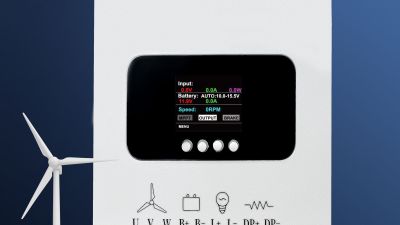
For user convenience, the system boasts a clear HD display that provides easy access to real-time operational data. This comprehensive readout includes critical parameters such as turbine rotation speed, battery voltage, and current, facilitating quick system evaluations and timely maintenance. Additionally, the versatile battery compatibility ensures this controller can accommodate a variety of battery packs, making it adaptable to different energy needs and configurations. With built-in safety mechanisms that guard against over-voltage damage, the DH-FD1.0 emerges as a smart, efficient solution for sustainable wind energy conversion.
FAQS
: Hybrid controllers combine wind and solar power, improving energy reliability and ensuring stable supply through variable weather.
They efficiently control the flow of energy from solar panels and wind turbines, which can lower electricity costs.
Installation and configuration can be complex. Users should seek expert advice to ensure a proper setup.
The payback period usually ranges from 3 to 7 years based on energy savings and initial investment.
Several factors, like installation errors or inadequate site assessments, can lead to underperformance of these systems.
Users can save between 30% to 50% on energy bills compared to traditional energy methods.
There is a trend towards intelligent control systems that can optimize energy flow in real-time for better efficiency.
They often rely on weather forecasts, which can be inaccurate, affecting the efficiency of energy distribution.
Localized data helps buyers understand regional specifics and make informed decisions, as savings can vary by area.
Some users experience energy inconsistency during seasons with low wind or sunlight, which can be frustrating.
Conclusion
The article provides a comprehensive overview of All-In-One Wind Solar Hybrid Controllers, highlighting their essential features and advantages for renewable energy systems. These hybrid controllers integrate wind and solar energy management, which enhances efficiency and maximizes energy output. The discussion includes key benefits such as reduced reliance on fossil fuels, cost savings, and the potential for higher return on investment compared to traditional energy systems.
Additionally, the article presents comparison insights among leading brands in the hybrid technology sector, offers guidance on installation and maintenance practices, and emphasizes future trends that may influence the development of these control systems. By understanding these aspects, global buyers can make informed decisions when investing in All-In-One Wind Solar Hybrid Controllers to harness renewable energy effectively.