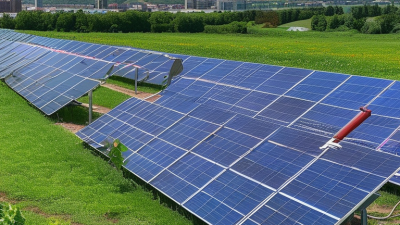
With more folks looking for sustainable energy options these days, the RV Off Grid Solar Inverter market is really starting to take off. If you’ve been keeping up with industry news, you’ve probably seen that the global solar inverter market could hit around USD 15.14 billion by 2026 — that’s pretty wild, right? This trend shows a solid shift towards renewable energy, especially for those RV enthusiasts who want to go off-grid and still have reliable power. Companies in this space are really stepping up, trying to keep pace with what consumers are after these days.
Interestingly, China is becoming a major player here, especially in OEM and ODM manufacturing for RV off-grid solar inverters. A lot of Chinese manufacturers are packing their products with cutting-edge tech, which means better reliability and performance. Brands like Sungrow and Growatt are pretty much leading the charge with cool, innovative designs. People in the industry are pretty impressed with their focus on making things that are both efficient and durable. That said, it’s not all smooth sailing — quality control and after-sales support are still sticking points to watch out for.
If you’re thinking about investing in one of these inverters for your RV, it’s worth taking a moment to really consider your energy needs and who you're buying from. Not all options out there are built the same, so doing a little homework can save you some headaches down the line. Industry insiders suggest sticking with reputable, well-established brands if you want to avoid surprises and get the best bang for your buck. Bottom line? Making sure you’re making an informed choice is more important than ever in this fast-growing market.

Overview of RV Off-Grid Solar Inverters in China
RV off-grid solar inverters in China have gained popularity as more travelers seek sustainable energy solutions. These devices enable users to power their recreational vehicles without relying on traditional power sources. A recent report from the China Renewable Energy Society indicated that the market for off-grid solar inverters is growing at a rate of 20% annually. This surge reflects changing consumer needs and preferences towards eco-friendly travel options.
The technology in these inverters has advanced significantly. Many now feature high-efficiency components and smart monitoring systems. However, challenges remain. Reliability can fluctuate based on manufacturing practices. Some units may not perform as expected in extreme weather conditions. Reports also highlight disparities in performance among various models. Knowledge of these issues can help consumers make informed choices.
Moreover, the price range for these solar inverters varies widely, which can be confusing. Entry-level models may lack essential features, while premium options could exceed budget limits. It is crucial to balance cost and functionality when selecting a product. Market research suggests that investing in higher-quality units often pays off in the long run due to better energy output and durability.
Overview of RV Off-Grid Solar Inverters in China
This chart provides an overview of key performance metrics for RV off-grid solar inverters manufactured in China. The metrics displayed include Pure Sine Wave output, Modified Sine Wave output, Inverter/Charger integration, Battery Capacity, and overall System Efficiency. These metrics are crucial for evaluating the capabilities and reliability of solar inverters for off-grid applications.
Key Features of OEM and ODM Solar Inverters for RVs
When choosing OEM and ODM solar inverters for RVs, several key features stand out. First, efficiency is crucial. High conversion efficiency ensures minimal energy loss. This allows RV owners to maximize their solar energy usage.
Furthermore, look for inverters with a robust design. They should withstand varying weather conditions while maintaining performance.
Another important aspect is user-friendly interfaces. Clear, easily understandable displays allow for quick monitoring. RV users should feel confident operating the system. Additionally, certain models offer mobile compatibility. Users can check performance remotely via smartphone apps, enhancing convenience.
However, not every product will meet expectations. Some inverters may focus more on price than quality. It's essential to do thorough research before selecting a supplier. Evaluate customer reviews to gauge reliability. Investing time in understanding features can save future troubles. Always consider the balance between cost and functionality for the best results.
Top Manufacturers in China for OEM ODM RV Solar Inverters
When seeking OEM and ODM manufacturers for RV solar inverters in China, it’s essential to explore top industry players. Understanding their strengths and weaknesses helps in making informed decisions. Many manufacturers focus on efficient energy conversion and user-friendly designs. They often provide customization options, catering to various RV models and customer needs.
China's landscape of solar inverter suppliers varies widely. Some are known for cutting-edge technology, while others excel in cost-effectiveness. Quality control standards differ among manufacturers. This variability can impact product longevity and reliability. Research into their production processes can reveal insights into their overall quality.
To assess potential manufacturers, evaluating customer feedback and product certifications is crucial. Many suppliers claim high efficiency, but real-world performance can differ. Beware of overly optimistic marketing. It's important to investigate real-time user experiences and warranty offerings to ensure reliability. Choosing the right supplier requires careful consideration of these factors.
Quality Standards and Certifications for Solar Inverters
When selecting an RV off-grid solar inverter, quality standards and certifications play a crucial role. These certifications ensure that the products meet safety and performance benchmarks. They provide clarity on the efficiency and durability of the inverter. For example, inverters often carry certifications from recognized organizations. These can include IEC, UL, and CE markings. These logos are not just for show; they indicate that the product has passed rigorous testing.
Compliance with established norms is essential. It can be concerning when products lack certifications. Such equipment might not only underperform but could also pose safety risks. It’s important to vet suppliers carefully. Investigating your potential supplier’s certifications can reveal a lot. It shows their commitment to quality and reliability.
Furthermore, understanding these certifications can be daunting for some. Each certification has specific criteria it aims to fulfill. This complexity can sometimes lead to confusion. For example, not all certified inverters are equally effective in extreme weather. Thus, a thorough assessment is vital before making a choice. Always seek detailed information on the standards that apply to the products you consider.
Market Trends and Innovations in Solar Inverter Technology
The solar inverter technology landscape is evolving rapidly. One of the most significant trends is the integration of smart features. These features allow for real-time monitoring and control via mobile applications. Users can now track energy production and consumption effortlessly. Additionally, smart inverters offer predictive maintenance alerts. This technology enables users to act before issues escalate.
Battery storage solutions are also gaining popularity. They pair well with solar inverters, ensuring energy availability during off-peak hours. However, this integration brings challenges. The systems can be complex and often require specialized knowledge for installation. Users must weigh the benefits against potential installation hurdles and ongoing maintenance needs.
Another innovation is the move toward more compact designs. Manufacturers are developing lighter and smaller units without sacrificing performance. These designs are ideal for RVs and off-grid applications, making them easier to transport. However, the compactness often leads to overheating issues. Ensuring proper ventilation remains a crucial consideration during installation and operation. Keeping these aspects in mind is essential for achieving optimal performance in solar installations.
Challenges Faced by Chinese Solar Inverter Suppliers
Chinese solar inverter suppliers face a range of challenges in the competitive market. One primary issue is technological innovation. While many manufacturers have some capabilities, keeping pace with rapid advancements proves difficult. New technologies emerge frequently, demanding constant adaptation. Failure to innovate can lead to obsolescence.
Another significant challenge is quality control. Many suppliers grapple with maintaining consistent quality across their product lines. Variances can lead to customer dissatisfaction and damage a company's reputation. Moreover, the manufacturing process must comply with strict international standards, adding an extra layer of complexity.
Supply chain disruptions are also prevalent. For instance, sourcing raw materials can be unpredictable. Global events, such as trade tensions or pandemics, complicate logistics further. Suppliers often find themselves at the mercy of external factors. Balancing cost efficiency with reliability becomes a constant struggle. Addressing these issues is crucial for long-term success.
Future Outlook for RV Off-Grid Solar Inverter Market in China
The RV off-grid solar inverter market in China is experiencing significant growth. With the rise of electric vehicles and a shift towards sustainability, manufacturers are focusing on innovative designs. The potential for solar energy in recreational vehicles offers a versatile solution. It enables travelers to explore remote areas without worrying about power supply.
In this evolving landscape, challenges persist. Some manufacturers face difficulties in ensuring quality control. The fluctuating prices of solar components can impact production costs. Additionally, competition is intensifying, with many players entering the market. Companies must stay ahead by investing in research and development. The demand for reliable and efficient solar inverters is increasing. However, not all products meet consumer expectations, leading to cautious purchasing behavior.
As the market matures, consumer education becomes vital. Many still lack awareness about off-grid solar systems. Companies should focus on providing resources and guidance. Trust can be built through transparency. Sharing real-world user experiences can help demystify solar technology. The future may hold great promise, but attention to quality and customer support is essential for sustained growth.
FAQS
: Focus on energy efficiency, design, customization options, and customer feedback. Quality control is vital.
Quality control standards differ. Some use advanced technology, while others prioritize cost. Longevity can be an issue.
Check certifications to assess reliability. Authentic products should have transparent certifications from recognized bodies.
Very important. Real-world experiences can reveal product efficiency that marketing might not disclose.
There’s growth driven by electric vehicles and a focus on sustainability. Innovative designs are emerging.
Quality control is a major challenge. Component prices fluctuate, impacting production costs and quality.
Many consumers lack understanding of off-grid systems. Clear guidance can build trust and drive informed choices.
Transparency and sharing real-world experiences can demystify solar technology and increase consumer confidence.
If products fail to meet expectations, it leads to cautious buying. Quality assurance is essential.
R&D helps companies stay competitive amid increasing market players and rising consumer expectations for reliability.
Conclusion
The RV Off Grid Solar Inverter market in China is experiencing significant growth, driven by increasing demand for sustainable energy solutions in recreational vehicles. These inverters are designed to provide reliable power while being independent from traditional electricity sources, catering to the needs of outdoor enthusiasts. Key features of OEM and ODM models include high efficiency, durability, and advanced technology integration, which enhance user experience.
As the market evolves, manufacturers in China are focusing on quality standards and certifications to ensure their products meet both domestic and international regulations. Innovations in solar inverter technology are paving the way for improved performance and smart capabilities. However, challenges such as supply chain issues and rising competition persist. Looking ahead, the future of the RV Off Grid Solar Inverter market in China appears promising, with ongoing trends suggesting continued enhancements in both functionality and eco-friendliness.