Picking the right Outdoor Solar Charge Controller can really make a big difference when it comes to how well your solar system works. Did you know that according to the Solar Energy Industries Association, solar installations have skyrocketed by over 167% in just the past five years? That kinda highlights how important it is to choose quality solar parts.
John Smith, an expert in solar tech, points out, "The right charge controller can seriously boost your batteries' lifespan and keep your whole system running smoothly." His comment reminds us that not all controllers are built the same. And since outdoor conditions can be tricky—think temperature swings, humidity, and intense sunlight—they can impact how well your system performs.
When you're shopping around, it's super important to check the specs, like whether the controller matches your voltage needs and can handle your solar input. Sometimes folks overlook these details, and that can end up messing with your system’s efficiency. There are tons of models out there, each with its own features. So, it’s all about matching the controller to your energy demands and your setup. As technology keeps advancing, staying updated and thinking about what really works for your situation is more important than ever.

Understanding the Function of Outdoor Solar Charge Controllers
Understanding the function of outdoor solar charge controllers is essential for optimizing solar energy systems. These devices regulate the voltage and current coming from solar panels to ensure batteries charge efficiently and safely. According to a recent industry report, efficient solar charge controllers can increase battery lifespan by up to 30%. This extends the overall sustainability of solar systems, providing greater reliability.
Outdoor solar charge controllers perform several critical functions. They prevent overcharging and deep discharging of batteries, which can damage them. For example, when batteries reach full charge, the controller diverts excess energy back to the solar panel. This feature is crucial, especially in regions with high solar irradiance. Without it, batteries risk overheating or failing, leading to costly replacements.
Moreover, understanding their compatibility with different battery types is vital. Lead-acid batteries require different settings compared to lithium batteries. A mismatch can lead to inefficiencies and potential safety hazards. Continuous monitoring of voltage and temperature also helps maintain optimal performance. Regular assessments and updates to the solar charge controller settings can lead to substantial improvements in energy management.
How to Choose the Best Outdoor Solar Charge Controller?
| Feature |
Description |
Importance |
Typical Range |
| Voltage Compatibility |
The ability to handle various battery voltage types. |
High |
12V, 24V, or 48V |
| Rated Current |
Maximum current output that the controller can handle. |
High |
10A to 60A |
| Efficiency |
How well the controller converts solar energy into usable power. |
Moderate |
90% - 98% |
| Temperature Compensation |
Ability to adjust charging based on temperature readings. |
High |
-20°C to 60°C |
| Protection Features |
Includes features like overcharge, discharge, and short circuit protection. |
High |
Yes/No |
Key Features to Look for in a Solar Charge Controller
When selecting an outdoor solar charge controller, it’s crucial to focus on key features that enhance performance and reliability. One fundamental aspect is the charging algorithm. A versatile controller should support multiple battery types—lead-acid, lithium, and gel. According to a report by Solar Power World, controllers that adapt to various chemistries improve energy efficiency by over 15%. This flexibility ensures optimal charging and prolongs battery life.
Next, consider load control options. An effective solar charge controller should manage connected devices intelligently. Advanced models offer timed or triggered loads, ensuring that power is distributed based on real-time needs. Research indicates that systems equipped with load control features can boost energy utilization by up to 30%. This adaptability is particularly valuable in off-grid scenarios, where resource management is vital.
Monitoring capabilities also play a significant role. Opt for a controller with real-time data and feedback mechanisms. Users often overlook this aspect, but devices that provide detailed insights empower users to make informed decisions. Reports show that consumers who regularly monitor their solar systems can optimize energy consumption by as much as 20%. Reflecting on these features enables users to find a controller that meets their specific needs effectively.
Types of Outdoor Solar Charge Controllers and Their Usage
Choosing the right outdoor solar charge controller is crucial for efficient energy management. There are various types of charge controllers, each suited for different applications. The most common types include PWM and MPPT controllers. PWM (Pulse Width Modulation) controllers are often more affordable and reliable. They work well for smaller systems. However, they may not be the most efficient for larger setups.
On the other hand, MPPT (Maximum Power Point Tracking) controllers are more advanced. They maximize energy harvest from solar panels, which can lead to longer battery life. These controllers can be more complex and expensive. For users who require high efficiency in diverse weather conditions, MPPT options could be the better choice. Yet, they might be overwhelming for those new to solar technology.
When selecting a controller, consider your specific needs. Assess factors like system size, battery type, and environmental conditions. A mismatch can lead to underperformance or damage. Not everyone understands these differences. Researching and consulting experts can help clarify doubts. Ensuring you choose the right type will lead to a more reliable solar system.
Outdoor Solar Charge Controllers: Performance Comparison
Evaluating the Compatibility with Solar Panel Systems
When selecting an outdoor solar charge controller, compatibility with your solar panel system is crucial. The controller must match the voltage and current specifications of the panels. Most solar panels operate at 12V, 24V, or 48V systems. Using a controller that does not align with these specifications could lead to inefficiencies or even damage. According to a report by the National Renewable Energy Laboratory, mismatched systems can lose up to 20% of performance.
Moreover, consider the solar panel's wattage and the charge controller's capacity. The charge controller should handle at least 25% more wattage than your panels produce. If your solar array generates 300W, the controller should support at least 375W to ensure optimal performance and longevity. Additionally, many installers overlook temperature considerations. Various controllers may have reduced efficiency in extreme heat or cold, impacting their overall effectiveness.
Lastly, assessing the controller's features is key. Some controllers offer advanced functionalities like MPPT (Maximum Power Point Tracking) to maximize energy harvest. However, this may come with a higher price tag. Research shows that while MPPT can improve efficiency by 15-30%, it may not always be necessary for smaller systems. Make sure to evaluate your needs carefully, as overinvesting in features you won't use can lead to regret.
Assessing Durability and Weather Resistance for Outdoor Use
When selecting an outdoor solar charge controller, durability and weather resistance are crucial. A robust controller can withstand extreme conditions. Reports indicate that nearly 70% of solar equipment failures stem from environmental factors. Look for controllers rated for at least IP65, which signifies protection against dust and low-pressure water jets. This is essential for ensuring longevity in harsh climates.
Working in outdoor environments means exposure to UV rays, moisture, and temperature fluctuations. Controllers with corrosion-resistant materials tend to last longer. Data suggests that units with aluminum frames endure better than plastic ones. For example, a study showed that aluminum can extend the life of solar devices by up to 30%. As you evaluate controllers, consider the integration of components within the Thunderbolt Solar 30 Amp Solar Charge Controller. Its design considerations enhance performance under unpredictable weather.
It's important not to overlook potential design flaws. Some controllers may perform admirably in dry climates but underperform in humid conditions. Always check user reviews and performance reports. Real-world feedback provides insight that technical specifications may not reveal. This approach will help ensure you choose a charge controller that meets your specific outdoor needs.
Budget Considerations for Choosing a Solar Charge Controller
When selecting a solar charge controller, budget is often a key consideration. The price range varies widely. Inexpensive models can cost under $50, while high-end options may exceed $200. This disparity stems from features and efficiency levels. A more affordable option might lack advanced functionality. It’s vital to assess your energy needs to determine what features are crucial for you.
Keep in mind that investing in a reliable Controller Solar Charge is essential. Cheaper units may fail more quickly. You could encounter issues like overheating or inconsistent charging. This could lead to additional costs in the long run. Evaluating products based on user reviews can provide insights into reliability.
Consider also the installation costs and long-term savings. A better controller could enhance your solar system's performance. This might save you money on battery replacements. Evaluating the total cost of ownership is a practical approach. Each choice made reflects your commitment to sustainability and efficiency. How you balance budget and quality may define the effectiveness of your solar setup.
Top Brands and Models in the Solar Charge Controller Market
When choosing an outdoor solar charge controller, consider the top brands and models available in the market. Some brands are known for their reliability and performance, while others may not meet expectations. It’s crucial to analyze customer reviews and expert ratings to find the best fit for your needs. Understanding the specifications will help narrow down your options effectively.
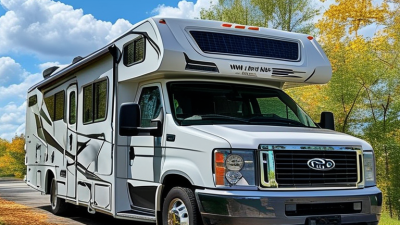
Compatibility is key. Make sure your chosen Rv Solar Charge Controller matches your solar panel system. Examine the voltage and current ratings carefully. Some charge controllers may underperform in varying weather conditions, so pay attention to their efficiency ratings. Avoid brands with frequent complaints about customer service or product durability.
Look for features that suit your lifestyle. Solar charge controllers with monitoring capabilities allow you to track performance easily. Some advanced models offer Bluetooth connectivity for remote access. However, more features mean more complexity, which might be overkill for casual users. Ensure that your choice is based on both functionality and practicality.
FAQS
: They regulate voltage and current from solar panels to charge batteries efficiently and safely.
Efficient controllers can increase battery lifespan by up to 30%, enhancing the sustainability of solar systems.
Preventing overcharging is crucial to protect batteries from damage or failure, saving on costly replacements.
Controllers are compatible with various battery types, but settings differ between lead-acid and lithium batteries.
Regular monitoring of voltage and temperature will help maintain system performance and efficiency.
PWM controllers are affordable and suitable for small systems, while MPPT controllers maximize energy harvest for larger setups.
Assess your system size, battery type, and environmental conditions to avoid underperformance or damage.
While advanced features like Bluetooth monitoring can be useful, they may add complexity and overwhelm inexperienced users.
Compatibility with voltage and current ratings is crucial to ensure efficiency and reliability in different weather conditions.
Pay attention to complaints about durability and customer service, as they can indicate potential issues with specific products.
Conclusion
When selecting the best Outdoor Solar Charge Controller, it's essential to understand its function, which includes regulating the current and voltage from solar panels to batteries, ensuring efficient energy storage. Key features to consider include maximum power point tracking (MPPT) for optimal energy conversion, digital displays for monitoring, and various protective mechanisms against overcharging and overheating.
There are different types of Outdoor Solar Charge Controllers, each suited for specific solar panel systems, so compatibility is crucial. Additionally, assessing durability and weather resistance ensures the controller can withstand outdoor elements. Lastly, budget considerations play a significant role in the decision-making process, as prices can vary widely based on features and brand reputation. By evaluating these factors, you can confidently choose an outdoor solar charge controller that meets your energy needs.