Picking the right all-in-one hybrid inverter is pretty important if you want your energy setup to run smoothly and efficiently. Honestly, with so many options out there, it can feel a bit overwhelming trying to choose the best one. Plus, this decision really affects how well your system performs and how much you end up spending. When you're narrowing down your choices, think about what your home actually needs — both now and down the line. Checking out brands like SolarMax and Eco-Worthy can be helpful since they offer a range of features, but the real key is finding an inverter that matches your specific situation. Don’t forget to see if it plays nicely with devices like the One Solar Charge Controller—making sure everything clicks together will boost your system’s overall performance. Also, do a bit of research—reading reviews and expert opinions can save you from surprises later on. Some models might look good on paper but end up falling short in real life, causing headaches you don’t want. Keep these things in mind, and you'll be a lot closer to finding that perfect inverter for your setup.
Understanding All In One Hybrid Inverters: A Quick Overview
All-in-one hybrid inverters are increasingly popular in energy storage solutions. They combine solar energy conversion and battery management in one device. According to the International Energy Agency, the demand for hybrid inverters will grow by 15% annually through 2026. This surge stems from the need for sustainable energy solutions.
Understanding the technology behind hybrid inverters is essential. They provide a seamless energy flow between solar panels, batteries, and the grid. A well-designed Hybrid Inverter 48v system can optimize energy consumption. However, not all products meet high efficiency standards. Many users report that installation can be complex, leading to underperformance. It’s crucial to assess installation compatibility with your home’s power requirements and architecture.
The efficiency ratings of these inverters vary widely. Some studies suggest that the best models can achieve over 95% efficiency. However, a significant number fall short. This inconsistency might lead to unexpected energy costs. Consumers should evaluate user reviews and warranty options before making a decision. A thorough vetting process ensures that you select a reliable hybrid inverter 48V that suits specific needs.
Key Features to Consider When Selecting a Hybrid Inverter
When selecting a hybrid inverter, several key features are essential. The efficiency rating is one critical aspect. High-efficiency levels, often above 90%, ensure optimal use of energy. According to the International Renewable Energy Agency (IRENA), inverters play a vital role in maximizing solar energy production.
Battery compatibility is another significant consideration. Not all hybrid inverters support various battery types. A thorough understanding of battery chemistry, including lithium-ion versus lead-acid, is crucial. In fact, studies indicate that compatibility can impact overall system performance by up to 30%.
**Tips:** Check for expandability options. A good 24v Hybrid Inverter should allow future modifications. This flexibility is essential as energy needs evolve over time.
Monitoring capabilities are also a key feature. Real-time monitoring helps track performance and detect issues early. Reports show that inverter systems with advanced monitoring can improve efficiency through timely interventions.
In summary, choosing the right hybrid inverter involves examining efficiency, battery compatibility, and monitoring features. It often requires careful research and consideration of evolving technology trends.
2026 How to Choose the Best All In One Hybrid Inverter? - Key Features to Consider When Selecting a Hybrid Inverter
| Feature |
Importance |
Recommended Value |
Notes |
| Efficiency Rating |
High |
95% or above |
Higher efficiency reduces energy losses. |
| Battery Compatibility |
Essential |
Lead-Acid, Lithium-ion |
Ensure hardware compatibility for optimal performance. |
| Power Output |
High |
3kW to 10kW |
Choose based on your consumption needs. |
| Warranty Period |
High |
5 to 10 years |
Longer warranty indicates product reliability. |
| Integration Capability |
Important |
Smart Home Systems |
Look for support with smart devices. |
| Size and Weight |
Medium |
Compact Design |
Compact models save space and are easier to install. |
Evaluating Energy Efficiency and Performance Ratings
When choosing the best all-in-one hybrid inverter, evaluating energy efficiency and performance ratings is crucial. Studies indicate that hybrid inverters can enhance energy efficiency by up to 25% compared to traditional systems. This efficiency translates into significant cost savings over time. One report from the Solar Energy Industries Association cites that well-chosen inverters can lead to a 20-30% reduction in overall energy expenses.
Performance ratings provide insights into how well an inverter operates under various conditions. For instance, an inverter’s efficiency can vary widely, with typical values ranging from 90% to 98%. This variance impacts not just energy output but also system reliability in different environments. Some inverter models struggle during extreme temperatures, reducing overall performance. It's vital to analyze a model's thermal management features.
Moreover, factoring in the durability of components and warranty periods can reveal long-term reliability. Some inverters might advertise high efficiency but come with limited warranties. This discrepancy can lead to unexpected costs down the line. A 2021 industry survey noted that systems with longer warranties perform better in actual use, providing a reliable benchmark for potential buyers to consider. Balancing these details requires careful reflection and comprehensive analysis.
Assessing Compatibility with Solar and Battery Systems
When selecting the best all-in-one hybrid inverter, compatibility with solar and battery systems is crucial. A recent report by the International Renewable Energy Agency (IRENA) highlights that over 65% of renewable energy systems fail to optimize performance due to compatibility issues. An inverter must seamlessly integrate with both solar PV and battery systems to maximize energy harvesting and storage.
It’s essential to evaluate the inverter's voltage and power ratings. For example, most solar panels operate between 300V to 600V, while battery systems may require lower or higher voltages. A mismatch can lead to inefficiencies or equipment failure. Additionally, the inverter should support various battery types, such as lithium-ion or lead-acid. According to a survey by Energy Storage Association, 50% of users reported performance issues due to battery incompatibility.
Another factor to consider is the communication interface. Some inverters lack the capability to communicate effectively with smart energy management systems. This can hinder performance tracking and optimization. Common industry standards include RS485 and Wi-Fi, but not all inverters support these. A thorough assessment ensures that your system functions at peak performance, avoiding costly adjustments later on. In the end, balancing compatibility with efficiency can be tricky, but it is vital for a successful energy transition.
Analyzing Cost Factors and Budget Considerations
When choosing an all-in-one hybrid inverter, budget considerations play a crucial role. Recent industry reports indicate that the cost of hybrid inverters ranges from $1,000 to $3,000. This broad price spectrum highlights the need for a careful evaluation of your financial position. Assessing your energy needs first can provide clarity on what you should prioritize. For example, residential users typically require a lower capacity than commercial entities. This distinction directly impacts pricing.
Installation costs often add 20-30% to the initial purchase price. Skilled technicians are essential for optimal performance. A poorly installed inverter could lead to increased operational costs. Industry data shows that a well-installed hybrid inverter can reduce energy bills by over 50%. However, if you compromise on installation quality, the potential savings diminish.
Additionally, consider the lifespan and warranty. Most hybrid inverters last 5-15 years. Comprehensive warranties can reduce future costs, but they may increase upfront pricing. Doing thorough research ensures you invest wisely. Balancing short-term expenses against long-term savings can be a daunting task, but it is vital for a sound financial decision.
Exploring Brand Reputation and Customer Reviews
When choosing an all-in-one hybrid inverter, brand reputation plays a crucial role. Customers often rely on previous buyers' experiences to guide their choices. A reliable inverter can enhance your energy efficiency and save money over time. Seeking out customer reviews provides insight into the product's performance and durability.
It's important to read both positive and negative feedback. Many users often share valuable details about installation challenges or operational issues. These reflections can help you avoid common pitfalls when selecting a 48v Hybrid Inverter. Familiarize yourself with the types of problems users faced. This will give you a comprehensive view of the inverter's real-world performance.
Consider this tip: Look for products with extensive customer ratings. High ratings often correspond to strong brand support. Engage in forums or communities focused on hybrid inverters. This way, you can gain insights from seasoned users. A well-regarded product might be slightly more expensive but can ensure better reliability in the long run. The information gathered from others can empower your decision-making process.
2026 How to Choose the Best All In One Hybrid Inverter?
In this chart, we analyze customer ratings for various features of all-in-one hybrid inverters. The data reflects average customer satisfaction based on key aspects that influence the purchasing decision.
Installation and Maintenance Requirements for Hybrid Inverters
When considering installation and maintenance requirements for hybrid inverters, it's essential to understand the environment. Proper placement can affect performance significantly. Ideally, the inverter should be installed in a shaded, cool area. Avoid direct sunlight and moisture exposure. This helps in maintaining efficiency over time.
Regular maintenance is crucial for longevity. Inspect connections and wiring to ensure they are secure. Dust can accumulate, so clean the unit regularly to maximize efficiency. By checking these elements, you can anticipate issues before they escalate.
Tips: Keep an eye on the inverter's display. It provides valuable information about performance. If you notice unusual fluctuations, address them promptly. Knowledge about the Inverter Hybrid 48v system will help in troubleshooting. Always refer to your installation manual for specific requirements.
Maximize Your Power: The Benefits of Pure Sine Wave Inverters with Wireless Remote Control Features
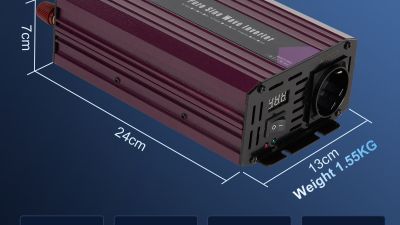
In today's fast-paced world, the demand for reliable power solutions is more critical than ever. Pure sine wave inverters, particularly those equipped with innovative wireless remote control features, represent a significant leap forward in enhancing user experience and operational efficiency. These inverters not only ensure stable and consistent power output, compatible with various electronic devices, but they also provide users with the convenience of long-range operation through a built-in 433MHz wireless remote control system. This capability allows for effortless management of devices, even from a distance, catering to the needs of modern lifestyles.
Moreover, the importance of real-time monitoring in power management cannot be overstated. Many advanced inverters come with a panoramic full-view LCD display that visualizes essential metrics, such as voltage, current, and output power. Such displays offer users immediate insight into their systems’ performance, which is crucial for identifying potential issues before they escalate. According to industry reports, products featuring smart monitoring solutions can improve operational reliability by as much as 30%, highlighting the necessity of adopting such technology.
Safety is another paramount concern in electrical applications, which is where the specialized high-low voltage isolation structure of pure sine wave inverters shines. This feature significantly enhances the device's overall safety performance and its ability to resist interference in complex electrical environments. As outlined in recent studies, power systems incorporating robust safety measures see a reduction of electrical failures by up to 25%, further solidifying the value of investing in quality inverter technology. With these advancements, it’s evident that pure sine wave inverters are not just power sources; they are integral to achieving efficiency, safety, and control in various applications.
FAQS
: They combine solar energy conversion and battery management in one device.
Demand for sustainable energy solutions drives a 15% annual growth in hybrid inverters.
A well-designed inverter connects solar panels, batteries, and the grid properly.
Installation complexity can lead to underperformance and inefficiencies.
Compatibility is crucial; 65% of renewable energy systems fail to optimize performance due to issues.
Evaluate voltage requirements; solar panels typically range from 300V to 600V.
Ensure it supports common standards like RS485 and Wi-Fi for effective tracking.
Prices range from $1,000 to $3,000, depending on specific energy needs.
Installation costs can add 20-30% to the initial purchase price.
A well-installed inverter can cut energy bills significantly, while poor installation increases costs.
Conclusion
Choosing the right All In One Hybrid Inverter involves understanding its core features and functionalities. These inverters combine the roles of solar charge controllers, battery management systems, and grid-tied inverters, offering a seamless energy management solution. Key features to consider include energy efficiency, performance ratings, and compatibility with existing solar panel and battery systems. It's essential to evaluate cost factors to stay within budget while ensuring optimal performance.
Additionally, assessing brand reputation through customer reviews can provide insights into reliability and service quality. Installation and maintenance requirements are also crucial, as they can significantly impact the overall user experience. By carefully weighing these factors, you can make an informed decision that best meets your energy needs with an All In One Hybrid Inverter.