Lately, with the surge in renewable energy solutions, the market for 12V MPPT solar controllers has gotten pretty competitive. These little devices are great at squeezing the most out of your solar panels, helping both homeowners and businesses manage their energy more efficiently. But honestly, with so many options out there, trying to pick the right one can be kinda overwhelming.
Companies like Victron Energy, Renogy, and EPEVER have really stepped up as top players in this space. Each brand offers something a bit different—whether it’s features or specs—so there’s probably something for just about everyone. Sure, price is a big factor for a lot of folks, but don’t forget to think about quality and reliability too. Skimping on a cheap controller might save you a few bucks upfront, but it could lead to inefficiencies and end up costing you more in the long run.
Choosing the right 12V MPPT solar controller isn’t exactly straightforward; you’ve gotta consider your own energy needs and really understand what each model offers. It’s easy to make mistakes if you overlook quality. That’s why I put together this guide—to help you check out the best options out there and understand what makes each one special. Getting a handle on these details can really help you make a smarter, more confident choice.
Overview of 12V MPPT Solar Controllers and Their Importance
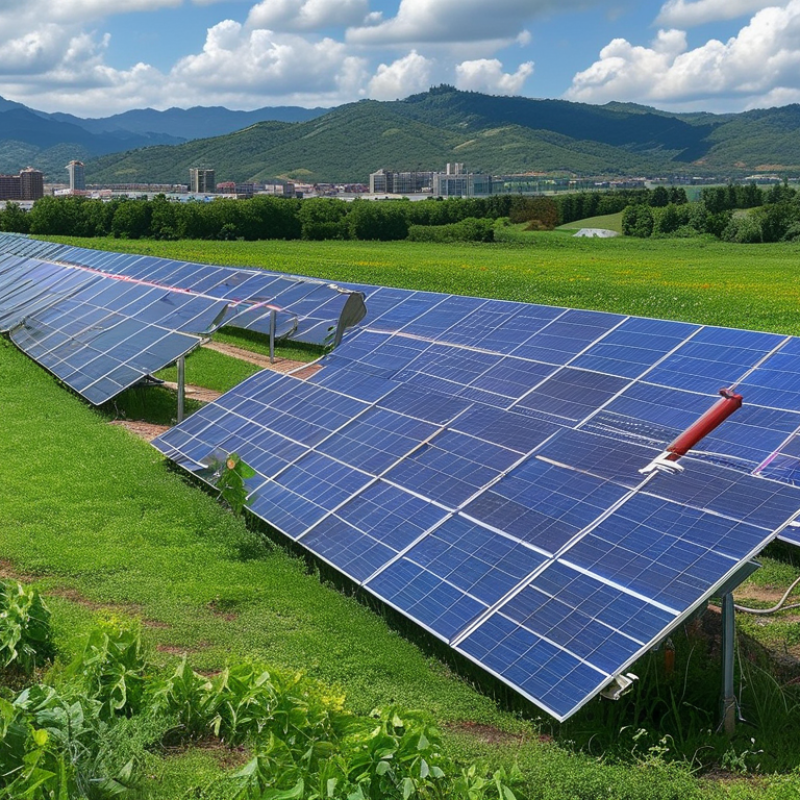
12V MPPT solar controllers are essential for optimizing solar energy systems. They maximize the amount of energy harvested from solar panels by adjusting the voltage and current. This optimization is crucial for efficiency, especially in off-grid applications. These controllers convert excess voltage into additional current. As a result, they enhance the overall performance of solar setups.
Choosing the right MPPT controller can be overwhelming. Many buyers often overlook vital features like tracking efficiency, maximum input voltage, and load capacity. It's common to see users struggle with installation challenges. Proper setup can significantly impact system reliability. Some controllers may require more expertise to install, leading to potential errors in configuration.
Understanding power needs is important when selecting a controller. Assessing how much energy your system requires will guide your decision. Not all controllers suit every system. It's crucial to research. Many users have shared their experiences online, revealing common pitfalls in choosing the right MPPT controller. Mistakes can lead to inefficiencies and lower energy output. In this evolving technology landscape, informed choices can make a significant difference.
Top 10 12V MPPT Solar Controllers for Global Buyers
| Model |
Max PV Input Voltage (V) |
Rated Output Current (A) |
Efficiency (%) |
Features |
| Model A |
25 |
20 |
98 |
LCD Display, Bluetooth Connectivity |
| Model B |
30 |
25 |
97 |
MPPT Technology, Temperature Compensation |
| Model C |
35 |
30 |
96 |
Smart Load Control, Remote Monitoring |
| Model D |
40 |
20 |
95 |
Overcurrent Protection, Short Circuit Protection |
| Model E |
28 |
15 |
97 |
High Voltage Protection, Monitoring App |
| Model F |
20 |
25 |
98 |
LED Indicators, Wide Temperature Range |
| Model G |
32 |
20 |
99 |
Built-in Bluetooth, Data Logging |
| Model H |
24 |
10 |
96 |
Dual Battery Charging, Easy Setup |
| Model I |
27 |
22 |
97 |
Auto Restart, Advanced Charging Features |
| Model J |
29 |
18 |
95 |
Battery Type Selection, Multi-stage Charging |
Key Features to Consider When Selecting MPPT Solar Controllers
When selecting MPPT solar controllers, several key features demand attention. Efficiency is paramount. Look for controllers that offer at least 95% efficiency. This ensures maximum energy conversion from your solar panels to the battery. Pay attention to the charging current specifications, which should match your solar panel's output. A mismatch can lead to suboptimal performance.
The temperature range of the controller is another important aspect. Extreme temperatures can hinder functionality. Controllers with wider operating ranges are generally more reliable. Additionally, consider the ease of installation. Some controllers come with user-friendly interfaces and detailed manuals, making setup easier for everyone.
Monitoring capabilities should not be overlooked. Many modern controllers feature Bluetooth or Wi-Fi connectivity. This allows real-time system monitoring through a mobile app. However, some users may find the setup complex. Look for reviews that highlight user experiences to gauge the ease of use. Reliability is crucial; read customer feedback to ensure you pick a controller that performs well under various conditions.
Top 10 Recommended 12V MPPT Solar Controllers for Global Buyers
In the rapidly evolving world of renewable energy, choosing the right 12V MPPT solar controller can make a significant difference. These controllers optimize the energy harvested from solar panels, ensuring maximum efficiency for your solar system. Many options are available, ranging from budget-friendly to high-performance models, appealing to various user needs.
When selecting a solar controller, consider the total power required and monitor compatibility with your battery types. High-quality controllers often feature a user-friendly display, showing real-time data like voltage and current. Remember to verify the manufacturer's specifications; they should align with your solar setup to avoid mismatched components.
Tips for your selection process: always check user reviews and ensure the controllers have a solid warranty. It's useful to remember that price does not always reflect performance. Take the time to compare features and specifications. Additionally, being aware of your actual usage can help you avoid overpaying for unnecessary capabilities. Always seek out products that emphasize reliable engineering and a good track record in performance.
Comparison of Efficiency and Performance Among Leading Models
When selecting a 12v MPPT solar controller, efficiency is key. The efficiency of these controllers greatly affects the energy conversion from solar panels to batteries. Higher efficiency means more usable energy. Many models showcase various efficiency levels, often ranging from 90% to over 98%. A slight difference in efficiency can lead to significant energy loss over time.
Performance goes beyond just efficiency metrics. The ability to handle different weather conditions is vital. Robust models can adapt to fluctuations in solar input. Some may struggle on cloudy days, leading to inconsistent energy harvest. It is essential to compare temperature coefficients, as these affect performance in diverse climates. A controller's design, cooling capacity, and protection features can enhance its longevity and effectiveness.
Some users may find that certain controllers don't perform as advertised. It's crucial to research user experiences and third-party reviews for a balanced view. Consideration of warranties and support options can also reflect a manufacturer's confidence in their product. Evaluating these factors helps in identifying controllers that truly meet needs rather than just those with eye-catching specifications.
User Reviews and Ratings: Insights on Performance and Durability
When considering 12v MPPT solar controllers, user reviews provide valuable insights. Many consumers highlight performance and durability as critical factors. Their experiences reveal how these devices operate in diverse environments. Some enjoy consistent energy production, while others encounter intermittent issues. Such feedback can shape your buying decision.
Tips for selecting the right controller include assessing user ratings. Look for products that receive high scores consistently. Pay attention to comments on long-term reliability. Some users noticed performance drops after a few months. This can indicate underlying quality issues that need further investigation.
Durability is another key point raised by buyers. Some controllers withstand extreme weather, while others may fail quickly. Examine how each product performed under various conditions. Many reviews emphasize the importance of robust construction. Such details significantly influence the longevity and effectiveness of your solar power system. Evaluate users' experiences and adjust your expectations accordingly.
Installation and Setup Guidelines for 12V MPPT Solar Controllers
When installing a 12V MPPT solar controller, positioning is vital. Choose a location away from direct sunlight and moisture. This ensures optimal performance and longevity. Make sure to secure the unit firmly, preventing vibrations and potential damage.
Next, connect the solar panel and battery correctly. Incorrect polarity can cause damage. Take your time to double-check all wiring. Use quality connectors to prevent energy loss. The user manual typically includes helpful diagrams for wiring. Understanding these details can save future headaches.
After installation, monitor the system. Check the controller's display to ensure it operates correctly. Be aware that environmental factors can influence performance. If issues arise, review your setup. Minor adjustments may enhance efficiency. Remember, every installation is a learning experience. This journey develops your skills over time.
Maintenance Tips for Maximizing the Lifespan of Solar Controllers
Proper maintenance of solar controllers is crucial for their longevity. Regular cleaning is essential. Dust and dirt can hinder performance. Wipe down the surface with a soft cloth to keep the device in optimal condition. Checking connections regularly is vital. Loose wires can lead to inefficiencies and safety hazards. Tighten connections monthly, especially after severe weather.
Monitor the temperature regularly. Excessive heat can damage components. Ensure the controller is installed in a well-ventilated area. In colder climates, it’s important to check for any signs of frost. Frost can affect the controller's operation. Be aware of any changes in performance. A drop in efficiency could indicate an underlying issue.
Software updates can also play a significant role in maintaining functionality. Keeping the firmware updated ensures optimal performance. Many controllers have specific update schedules. Ignoring updates can lead to outdated performance and security vulnerabilities. Finally, document all maintenance activities. Keeping a maintenance log helps identify recurring issues. Reflecting on past problems can improve future upkeep efforts.
Top 10 12V MPPT Solar Controllers Performance
This bar chart displays the efficiency percentage of the top 10 12V MPPT solar controllers based on real performance data. The data indicates how effectively each controller converts solar energy into usable power, illustrating the importance of selecting a high-quality solar controller for maximizing solar system efficiency.
FAQS
: It optimizes energy harvested from solar panels for maximum efficiency in your solar system.
Consider total power required and compatibility with your battery types before making a choice.
They provide insights on performance and durability, helping inform your buying decision.
Extreme weather conditions and robust construction influence the longevity of these devices.
Ensure it's positioned away from direct sunlight and moisture, and secure it to prevent damage.
Monitor the system regularly and review your setup; minor adjustments may improve efficiency.
Not necessarily. Price does not always reflect performance, so compare features carefully.
Check user ratings and comments on long-term reliability, as some products may decline in performance.
Avoid incorrect wiring and ensure you use quality connectors to minimize energy loss.
Be aware of your actual usage to avoid overpaying for features you might not need.
Conclusion
The article provides a comprehensive overview of 12V MPPT solar controllers, emphasizing their significance in optimizing solar energy conversion. It outlines key features to consider when selecting these controllers, ensuring buyers are well-informed about efficiency, performance, and user reviews that offer insights into durability.
Additionally, the article presents a curated list of the top 10 recommended 12V MPPT solar controllers suitable for global buyers. It also includes essential guidelines for installation and setup, which are critical for maximizing performance. Lastly, maintenance tips are provided to help users extend the lifespan of their solar controllers, ensuring a reliable and effective solar energy system.