In today’s fast-changing world of renewable energy, getting to know the ins and outs of a Solar Hybrid Inverter is super important. Dr. Michael Greene, who’s pretty much a go-to guy in solar tech at SolarTech Innovations, points out, "The right inverter can REALLY boost how well your solar setup performs." Looking ahead to 2026, there are a few key features that make a Solar Hybrid Inverter top-notch, so it’s worth staying in the know if you’re thinking about buying one.
Basically, these inverters are the cool combo of generating solar power and storing energy — kind of like the best of both worlds. They give you the flexibility to make the most of renewable energy and cut down on your dependence on the grid. For example, high-end models switch smoothly between solar power, battery reserves, and the main grid, which is pretty neat. But here’s the thing — not all models are created equal. Some might fall short on performance or lack certain features that could impact how reliable your whole system is.
When choosing a Solar Hybrid Inverter, it’s a good idea to pay attention to build quality, how easy it is to install, and whether it has good real-time monitoring options. Yeah, there are tons of options out there, but don’t get fooled by flashy marketing claims. Taking the time to do a bit of research and really think about what you need will help you make a smarter, more satisfying investment in the long run.
Key Benefits of Solar Hybrid Inverters for Homeowners in 2026
In 2026, solar hybrid inverters offer significant advantages for homeowners. These devices allow users to harness solar energy effectively. They blend power from solar panels and the grid, ensuring a steady energy supply. According to a recent report from the Solar Energy Industries Association (SEIA), homes equipped with Hybrid Solar Inverters can save an average of 30% on energy bills. This is a compelling reason for homeowners to switch.
Another notable benefit is energy independence. Homeowners can store excess energy during sunny days for use at night. This capability reduces reliance on the grid, especially during peak hours. A Solar Power World report indicates that hybrid solar inverters have increased in efficiency by 15% over the past five years. This improvement signifies that more energy can be used directly by homeowners, reducing waste.
However, not all installations are perfect. Some users report issues with compatibility and system integration. This underscores the importance of professional consultations before installation. It is crucial to evaluate individual needs and battery storage options comprehensively. While hybrid solar inverters offer numerous benefits, understanding their limitations is vital for optimizing energy use and achieving long-term savings.
Understanding the Components of Solar Hybrid Inverters Explained
Solar hybrid inverters combine the benefits of solar energy and battery storage. Understanding their components is key for potential buyers. At their core, these inverters manage energy from both solar panels and batteries. The inverter also ensures that your home or business uses power efficiently. A well-designed inverter should facilitate seamless energy flow, maximizing the use of solar power.
One essential component is the battery management system. This system monitors battery health and performance. It helps extend battery life and ensures proper charging. Additionally, the inverter typically features a grid interface. This allows for easy connection to the utility grid. Users can sell excess energy back to the grid, making it a practical investment.
However, not all inverters perform equally. Buyers should consider factors like compatibility and efficiency ratings. Understanding these details can prevent future challenges. For example, a poorly matched inverter can lead to energy losses. Researching these aspects is crucial for making informed decisions about a 48v Hybrid Solar Inverter. The investment can yield significant long-term savings and environmental benefits.
How to Choose the Right Solar Hybrid Inverter for Your Needs
Choosing the right solar hybrid inverter is crucial for maximizing energy efficiency and reducing costs. The first step is to assess your energy needs. Calculate your average daily energy consumption. Understanding this will guide you in selecting an inverter with the right capacity. A mismatch can lead to inefficiencies.
Consider the inverter's features. Look for options such as high efficiency ratings and advanced grid-support functionalities. These features can enhance performance and reliability. A model with integrated monitoring helps you track performance metrics easily. This data can be invaluable for optimizing your energy usage.
A common mistake is underestimating installation requirements. Ensure the inverter fits your current solar setup. It should align with your solar panels and battery systems. Review user experiences and expert reviews for insights. Quality assurance matters. A reliable product can save you money in the long run.
Hybrid Solar Inverter 48v is a versatile choice. These models support both off-grid and grid-tied systems. They allow for greater flexibility in energy management. Always weigh your long-term goals against upfront costs. Investing wisely can lead to substantial savings over time.
2026 Top Solar Hybrid Inverter Features Buyers Should Know
| Feature |
Description |
Importance |
| Efficiency Rating |
Indicates how well the inverter converts DC power to AC. |
Higher efficiency means more energy savings. |
| Battery Compatibility |
Supports various battery types for flexible storage options. |
Essential for tailored energy solutions. |
| Smart Energy Management |
Allows real-time monitoring and control via apps. |
Enables efficient energy use. |
| Warranty Period |
Length of time the inverter is guaranteed to operate. |
Longer warranties indicate reliability. |
| Output Power Capacity |
Maximum power output the inverter can handle. |
Critical for meeting energy demands. |
| Size and Weight |
Physical dimensions and weight of the inverter. |
Affects installation options and space requirements. |
| Safety Features |
Includes protections against overload, short circuits, etc. |
Essential for user safety and equipment protection. |
Innovative Technologies in 2026 Solar Hybrid Inverters
In 2026, solar hybrid inverters are set to redefine renewable energy solutions. These devices seamlessly integrate solar power with traditional energy sources. One standout innovation is the use of advanced energy management systems. These systems optimize energy storage, ensuring that users utilize the maximum available solar energy. This is crucial for urban areas, where energy demands fluctuate throughout the day.
Battery technology has also seen significant advancements. New lithium-ion batteries offer higher efficiencies and longer life spans. They can store more energy and enable household energy independence. However, these systems rely on precise algorithms for optimal performance. Poorly configured settings can lead to unexpected energy losses. Regular maintenance becomes vital to ensuring these systems operate efficiently.
Integration with smart home technologies is another exciting development. Many modern inverters now communicate with smart devices. This allows homeowners to monitor energy consumption in real-time. However, users may find the complexity daunting. Learning to navigate these systems can be challenging. Additionally, not every household can afford the latest technologies. As the industry evolves, accessibility will become a critical factor in adoption.
2026 Top Solar Hybrid Inverter Features
The chart above displays the top features of Solar Hybrid Inverters projected for 2026. It illustrates efficiency, battery integration, smart connectivity, price range, and warranty duration, providing a quick overview for potential buyers.
Energy Efficiency Ratings: What to Look for in Solar Hybrid Inverters
When selecting a solar hybrid inverter, energy efficiency ratings are crucial. Look for models with a high European Efficiency (EURO) rating. According to a report from the International Renewable Energy Agency (IRENA), inverters with a EURO rating above 95% can significantly reduce energy losses. This can lead to substantial savings over time.
For example, a 3kw Hybrid Solar Inverter with enhanced efficiency features can provide more usable power from solar panels. Performance monitoring apps can help users analyze production data. Many inverters do offer this feature, which allows for informed decisions. However, some may find the interface complicated, leading to underutilization of the technology's full potential.
Consider the conversion efficiency during different loads. A study from the National Renewable Energy Laboratory (NREL) shows fluctuations in performance can occur below rated capacity. Thus, choosing a model with a solid reputation for performance under various conditions is beneficial. The goal is to ensure your investment yields high returns, even with potential pitfalls in certain operational conditions.
Installation Process and Considerations for Solar Hybrid Inverters
The installation process for solar hybrid inverters is crucial for their performance and longevity. Start by assessing your site. Ensure adequate sunlight exposure with minimal shading. The inverter needs to be installed close to the solar panels for efficiency. Consider weight and stability of mounting areas. You may need a structural engineer to confirm suitability.
During installation, proper electrical connections are vital. Use high-quality cables to minimize energy loss. Double-check all connections for tightness. Installing safety features, like circuit breakers, is essential. Without them, you risk overheating and fire hazards. Some may overlook grounding requirements, which could lead to performance issues.
Planning for future upgrades is also key. Technology evolves rapidly. Installers should discuss potential expansions with homeowners. Think about battery storage options down the line. Adaptability will save costs and improve system efficiency. Reflect on your location’s regulations. Compliance issues can lead to costly delays or fines. Always prioritize safety and preparedness in the installation process.
Maintenance Tips to Maximize Your Solar Hybrid Inverter's Lifespan
Maintaining your solar hybrid inverter is crucial for maximizing its lifespan. Regular maintenance can prevent costly repairs and ensure optimal performance. Start by checking connections and cleaning the inverter’s exterior. Dust and debris can affect its efficiency. According to a report by the National Renewable Energy Laboratory, a well-maintained inverter can last up to 10-15 years, significantly outperforming neglected units.
Monitoring performance regularly is another vital aspect. Keep an eye on energy output and identify any discrepancies. The typical energy generation should remain consistent based on historical data for your system. If you notice a drop of more than 10%, it may signify an underlying problem. Data from the Solar Energy Industries Association indicate that most inverter failures are due to lack of proper maintenance.
Adjusting settings according to seasonal changes is key. Temperature fluctuations can influence inverter efficiency. Inverters generally perform best between 60°F and 90°F. When temperatures soar, their output might drop. Overheating can shorten their life. Regularly reviewing performance in varying conditions ensures longevity. Assessing wear and tear on components is vital, as premature aging can occur without routine checks.
Maximizing Energy Efficiency: The Benefits of Wireless Remote Controlled Pure Sine Wave Inverters
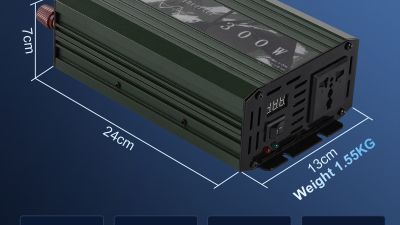
Wireless remote-controlled pure sine wave inverters are becoming essential for maximizing energy efficiency in various applications. One of the standout features of these inverters is their integration with a 433MHz wireless remote control module. This innovation allows users to operate the inverter from a considerable distance, enhancing flexibility and convenience. Whether managing power in a home, office, or industrial setting, users can easily manipulate the device without being limited by its physical location.
Another significant advantage of these inverters is their wide-angle full-view LCD display. This feature enables real-time monitoring of crucial operational data, including input and output voltage, working current, and actual output power. The display not only helps users stay informed about the device's status but also alerts them to potential issues such as over-voltage and short circuits. This level of insight is vital for maintaining optimal performance and ensuring safe operation over time.
Safety and compatibility are further enhanced by a professional high-low voltage isolation design. This thoughtful engineering prevents potential electric shocks and minimizes interference in complex electrical environments. As a result, these pure sine wave inverters deliver a stable power supply to a wide range of electrical loads, from household appliances to industrial tools, making them an ideal choice for users seeking reliable performance in both home and commercial applications.
FAQS
: Calculate your average daily energy consumption. This calculation helps you select an inverter with the correct capacity.
Seek high efficiency ratings, grid-support functionalities, and integrated monitoring options for optimal performance and reliability.
Proper installation ensures performance and longevity. It affects energy efficiency and prevents potential hazards.
Ensure adequate sunlight exposure and minimal shading. The inverter should be close to the solar panels for best results.
Use high-quality cables to reduce energy loss. Ensure all connections are tight to prevent issues like overheating.
Discuss potential expansions and battery storage options with your installer. Adaptability will enhance efficiency and save money.
Don't underestimate the importance of safety features. Overlooking grounding requirements can harm performance and safety.
Review your area’s regulations carefully. Non-compliance can lead to delays and fines, impacting your project timeline.
Weigh your long-term goals against initial expenses. A wise investment can yield savings over time, even if upfront costs are high.
Conclusion
The article "2026 Top Solar Hybrid Inverter Features Buyers Should Know" explores the significant advantages that solar hybrid inverters offer to homeowners, emphasizing their integration of multiple energy sources for greater efficiency. It delves into their essential components and provides guidance on selecting the ideal solar hybrid inverter based on individual needs, ensuring that users can make informed choices.
Additionally, the article highlights innovative technologies emerging in 2026 that enhance the performance of solar hybrid inverters, along with critical energy efficiency ratings to consider during the purchase process. It also outlines the installation considerations and offers essential maintenance tips aimed at prolonging the lifespan of these inverters, ensuring homeowners can maximize their investment in solar energy solutions.