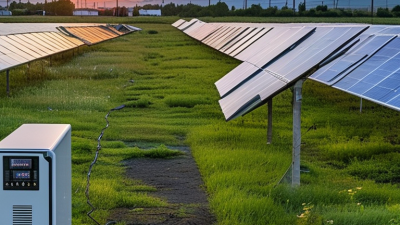
Lately, there's been a real surge in interest around sustainable energy options. One of the key players in this movement? Solar Power Off Grid Inverters. These little gadgets are pretty amazing—they turn sunlight into electricity, giving folks more independence from the traditional power grid. If you’re someone living out in the countryside or just really into living greener, an Off Grid Solar Power Inverter could seriously change the game for you.
But here’s the thing—picking the right inverter isn’t exactly a walk in the park. There are tons of brands out there, each promising top-notch efficiency and reliability. The thing is, not all of them actually deliver. Brands like Renogy and AIMS Power have built a good name over the years, but what really matters is understanding the specific features that will work best for your situation. Things like how much power they can handle at peak times and whether they’re compatible with your batteries—that stuff can really make or break performance.
As you’re weighing your options, keep in mind: not every inverter will be a perfect fit. Doing your homework is so important. Spend some time reading customer reviews and getting opinions from experts if you can. Every model has its pros and cons—it’s all about understanding those details before pulling the trigger. Taking the time to research means you’re less likely to end up with something that underperforms, and more likely to get a sustainable, reliable energy setup that truly works for your home.

Overview of Off-Grid Solar Power Inverters
Off-grid solar power inverters are essential for anyone looking to live independently from the grid. These devices convert the direct current (DC) produced by solar panels into alternating current (AC), which is usable by most home appliances. Without a reliable inverter, your solar setup may not operate efficiently. The right inverter can make a significant difference in energy management.
Understanding the functionality of off-grid solar power inverters is crucial. They often come with features like built-in battery management systems. This enables seamless energy storage and retrieval. Many models also offer high efficiency ratings, ensuring minimal energy loss during conversion. However, some units may have a steep learning curve. Users might find complexity in programming settings and understanding monitoring options. That’s where choosing the right inverter becomes pivotal.
In terms of reliability, off-grid solar power inverters should withstand various weather conditions. Some models may struggle with extreme temperatures or humidity. It is important to evaluate the operating range of any inverter before purchasing. User reviews can highlight potential shortcomings, helping make a more informed decision. Ultimately, thorough research and consideration can lead to a more satisfactory off-grid solar experience.
Key Features to Consider When Buying an Off-Grid Inverter
When selecting an off-grid inverter, certain key features make a significant difference. First, consider the inverter's power rating. This rating should match your energy needs. Calculate your total load to avoid an undersized system. Some buyers overlook this detail, leading to inefficiencies.
Efficiency is another crucial aspect. Look for inverters that convert a higher percentage of DC power to AC. Generally, an inverter with an efficiency of over 90% is ideal. Higher efficiency means less energy loss. This point is often ignored, leading to increased operational costs over time.
Additionally, examine the inverter's battery compatibility. It must support the type of batteries you plan to use. Compatibility errors can lead to operational problems. Also, ensure it has a solid warranty and customer support, as these reflect the manufacturer's confidence. Many consumers fail to scrutinize this, only realizing the repercussions later. Keeping these features in mind will help you make a more informed decision.
Top 5 Solar Power Off Grid Inverters Buyers Need to Know
Top Brands and Models of Solar Power Inverters
When choosing an off grid inverter, understanding the top brands and models is crucial. The solar inverter market has seen significant growth. According to industry reports, it is expected to reach a value of $15 billion by 2027. This rise is predominantly driven by advancements in technology and increasing demand for renewable energy solutions.
Among popular models, some excel in efficiency and user-friendliness. Many feature sophisticated monitoring systems. These systems allow users to track energy consumption in real time. Efficiency ratings often exceed 95%, indicating strong performance. However, not all models deliver the same reliability. Some users report issues with compatibility and installation complexity, which can deter new buyers.
In the realm of off grid systems, flexibility is also essential. Some inverters can handle various battery types and sizes. This versatility supports diverse energy needs. Yet, it's worth noting that not all Off Grid Home Power Inverters are designed for extreme conditions. Users should assess their specific environmental challenges before committing to a model. An informed choice can significantly enhance the sustainability of solar energy systems.
Understanding Inverter Specifications and Ratings
When purchasing off-grid solar power inverters, understanding specifications and ratings is crucial. An inverter's efficiency determines how well it converts DC power from solar panels into AC power for your devices. Look for an inverter with at least 90% efficiency. This rating reflects its ability to minimize energy loss, ensuring more power for your home.
Power output is another vital specification. Choose an inverter that meets or exceeds your energy requirements. Consider how many devices you plan to run simultaneously. An inverter that delivers less power than needed can lead to system failures. Pay attention to surge ratings as well. These indicate how much power the inverter can handle during short bursts, essential for starting appliances with high energy demands.
Thermal management is often overlooked but needs consideration. Inverters generate heat, affecting their performance and lifespan. It is wise to select models with built-in cooling features or allow for adequate ventilation. Take time to research and compare specifications. Understanding how these specifications impact performance can help in making a well-informed choice for your solar energy needs.
Installation and Maintenance Tips for Off-Grid Inverters
When installing an off-grid inverter, proper placement is vital. Ensure the inverter is in a cool, dry area. Heat and moisture can shorten its lifespan. Adequate ventilation should be a priority. Take time to check the manufacturer’s specifications for installation requirements. This helps avoid issues later on.
Maintenance is crucial for longevity. Regularly inspect the inverter for dirt or debris. Clean the exterior gently to ensure proper airflow. Monitoring performance metrics can reveal potential issues early. It’s advisable to test the system periodically. These actions ensure that your Off Grid Wind Solar Hybrid Power System operates efficiently.
Considerations like battery health are also essential. Keep an eye on battery connections and cables. Over time, corrosion can develop. Addressing these concerns can prevent larger problems down the track. This proactive approach helps maintain a reliable energy supply while living off the grid.
Top 5 Solar Power Off Grid Inverters Buyers Need to Know
| Inverter Model |
Power Output (W) |
Peak Efficiency (%) |
Input Voltage Range (V) |
Weight (kg) |
Warranty (Years) |
| Model A |
3000 |
90 |
48-60 |
20 |
5 |
| Model B |
5000 |
92 |
48-120 |
25 |
3 |
| Model C |
2000 |
88 |
24-48 |
15 |
4 |
| Model D |
4000 |
91 |
50-90 |
22 |
5 |
| Model E |
6000 |
93 |
48-120 |
30 |
7 |
Cost Analysis: Budgeting for Your Solar Power System
When considering solar power systems, budgeting is crucial. One major component is the off-grid inverter. It converts the direct current from solar panels into usable alternating current. The cost varies significantly based on capacity and features. Understanding your energy needs can help you pick the right one.
Tips: Start small to avoid unnecessary spending. Assess your energy consumption accurately. This could lead to choosing a less expensive inverter model. Look into Off-Grid Wind Power Mppt Regulator options too. They can complement solar systems by harnessing wind energy for more efficiency.
Financing options also play a role in your budget. Some homeowners opt for loans or grants to lower upfront costs. However, always consider the long-term implications of any financing agreement. Keeping track of additional expenses, like installation and maintenance, is essential. The total cost can often exceed initial estimates.
Environmental Impact and Benefits of Solar Inverters
Solar inverters play a crucial role in the transition to renewable energy. They convert the direct current (DC) generated by solar panels into alternating current (AC), which powers our homes. According to the International Energy Agency, about 45% of solar energy’s potential remains untapped due to outdated energy storage technology and inverter inefficiencies.
The environmental benefits of using solar inverters are significant. They can drastically reduce carbon footprints. A report by the National Renewable Energy Laboratory states that integrating solar power can potentially eliminate about 80% of greenhouse gas emissions from electricity generation by 2050. As more households adopt off-grid systems, local air quality improves. This shift directly impacts public health, reducing respiratory diseases related to fossil fuel consumption.
However, challenges remain. The production of solar inverters involves resource depletion and waste generation. Manufacturing processes often rely on rare materials, leading to ecological stress. Furthermore, end-of-life disposal presents issues, as many inverters contain components that can be harmful to the environment if not properly recycled. These considerations highlight the need for continuous improvement in sustainability practices within the solar industry.
Exploring the Benefits and Applications of Low-Frequency Inverters in Modern Industry
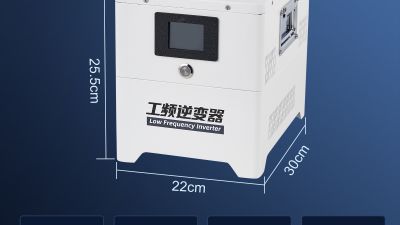
Low-frequency inverters are becoming increasingly vital in modern industries, offering significant advantages through their robust architecture and exceptional compatibility with inductive loads. The advanced transformer design enhances surge load capacity and impact resistance, ensuring reliable power conversion even in demanding environments. This reliability is crucial for long-term operations, particularly in industrial settings where power interruptions can lead to costly downtimes.
One of the key benefits of low-frequency inverters is their ability to deliver high-quality power output. By producing a pure sine wave with low total harmonic distortion (THD), these inverters minimize electromagnetic interference, safeguarding sensitive electronic devices. This capability is essential not just in residential applications, such as powering air conditioning systems and refrigerators, but also in industrial contexts, where consistent and clean power supply is critical for the operation of machines and equipment.
Moreover, user-friendly features make these inverters a flexible choice for various applications. With an intuitive display for real-time monitoring, intelligent temperature management through a built-in cooling fan, and options for remote control via Wi-Fi or RS485 communication, the operational management becomes streamlined. Available in multiple power ratings and compatible with various input voltages, these inverters can easily adapt to diverse installation scenarios, including off-grid energy systems and renewables. Thus, low-frequency inverters are paving the way for more efficient and resilient power solutions in today’s industrial landscape.
FAQS
: They convert DC from solar panels into AC for home appliances.
It indicates how well the inverter minimizes energy loss during conversion.
Ensure the inverter meets or exceeds your energy requirements for running multiple devices.
Surge ratings show how much power the inverter can handle during high-demand moments.
Look for models designed to withstand extreme temperatures and humidity.
Heat impacts performance and lifespan, so choose models with cooling features.
Yes, some units may have a steep learning curve that can be challenging.
Reviews may reveal potential shortcomings, helping you make an informed decision.
It may lead to system failures and appliance issues during operation.
Absolutely, it helps ensure a satisfactory off-grid solar experience.
Conclusion
The article "Top 5 Solar Power Off Grid Inverters Buyers Need to Know" provides a comprehensive guide for anyone interested in investing in off-grid solar solutions. It begins with an overview of off-grid solar power inverters, highlighting their crucial role in converting solar energy into usable electricity for remote applications. Buyers are advised to consider key features such as efficiency, capacity, and compatibility when selecting a Solar Power Off Grid Inverter to ensure optimal performance and longevity.
In addition, the article delves into the specifications and ratings that define inverter performance, aiding consumers in making informed decisions. Installation and maintenance tips are also discussed to help maximize the longevity and effectiveness of these systems. Furthermore, a cost analysis section offers insights into budgeting for a solar power system, while the environmental impact of solar inverters underlines their benefits in promoting sustainable energy solutions. Overall, this guide is essential for prospective buyers looking to harness the advantages of off-grid solar energy.