Leave Your Message
High-performance solar and hybrid charge controllers engineered to maximize energy harvest in offshore and coastal environments.
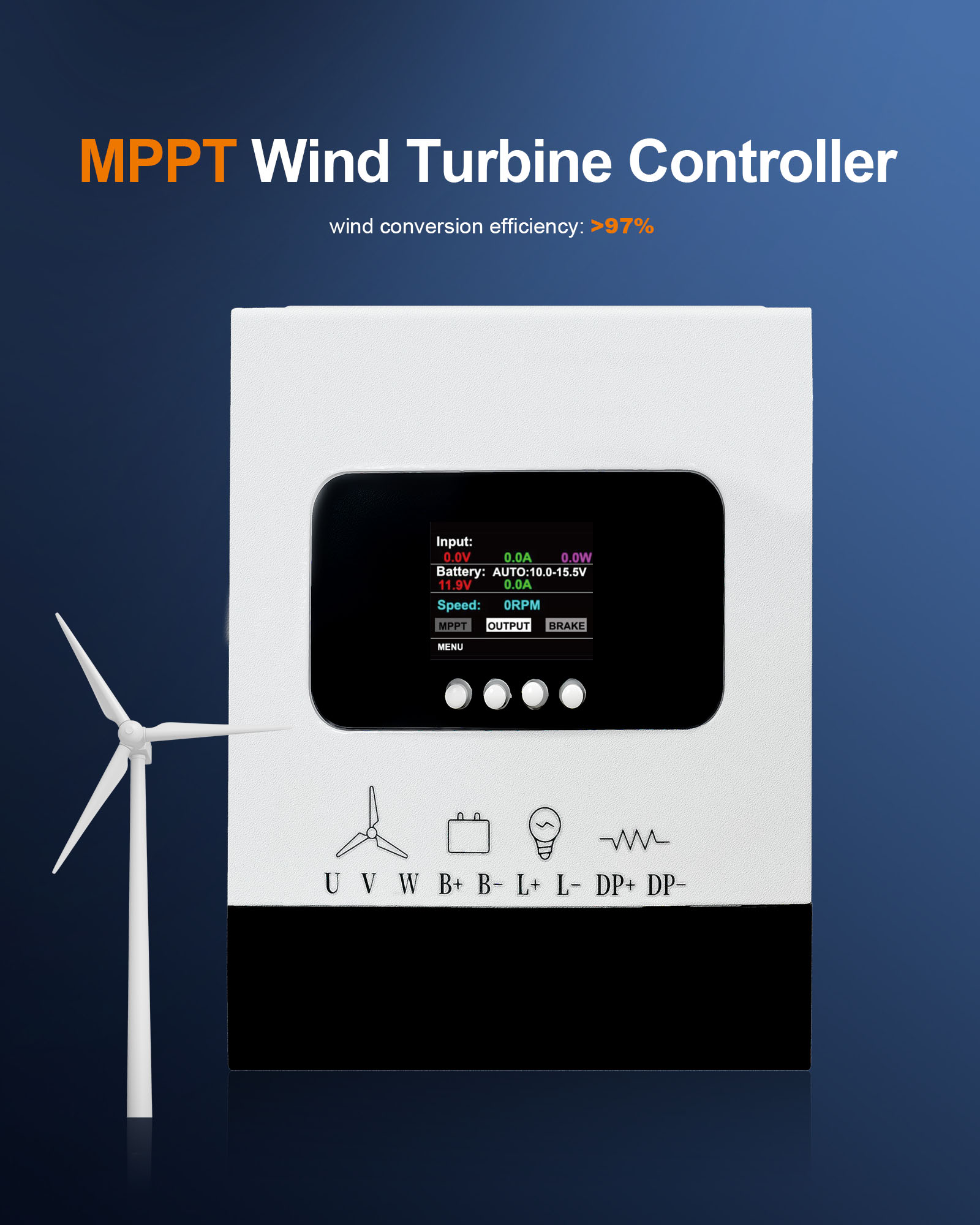
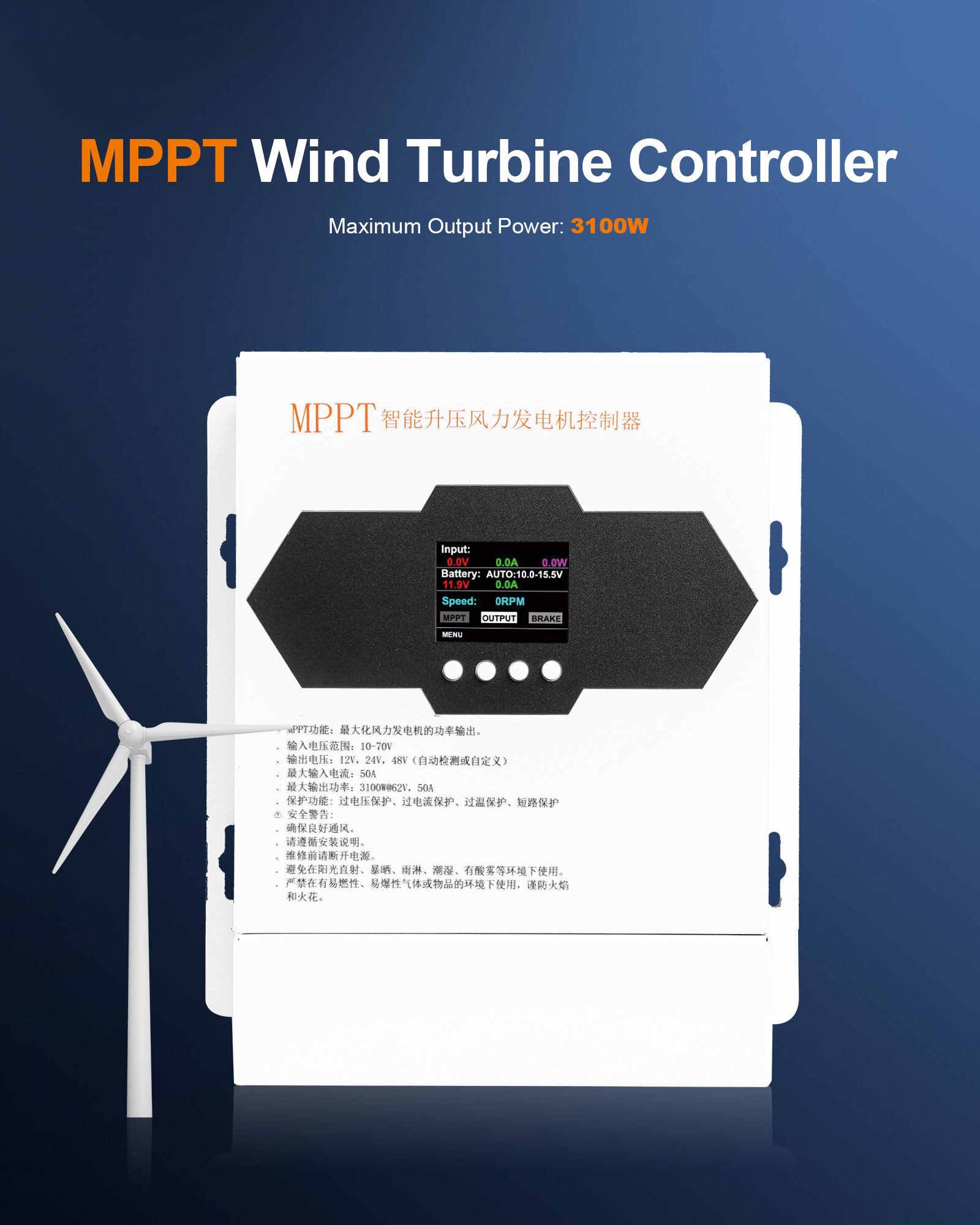
The demand for sustainable and reliable power generation on recreational and commercial vessels in the United States has reached an unprecedented peak. With states like Florida, California, Washington, and the Great Lakes region hosting millions of registered boats, marine electrification is no longer a niche trend—it is an industrial shift. Modern boaters are replacing noisy, fuel-consuming diesel generators with silent solar arrays. At the heart of this transition is the Boat Solar MPPT (Maximum Power Point Tracking) Regulator, a critical component that ensures solar energy is harvested with maximum efficiency and safely stored in marine battery banks.
Saltwater environments demand IP67/IP68 ingress protection and conformal-coated electronics to prevent corrosion and sudden component failures offshore.
Masts, rigging, and sails constantly cast moving shadows on boat solar panels. Advanced MPPT algorithms track the true maximum power point rapidly.
Modern US luxury yachts require seamless integration of solar regulators with onboard multi-function displays (MFDs) via standard marine networks.
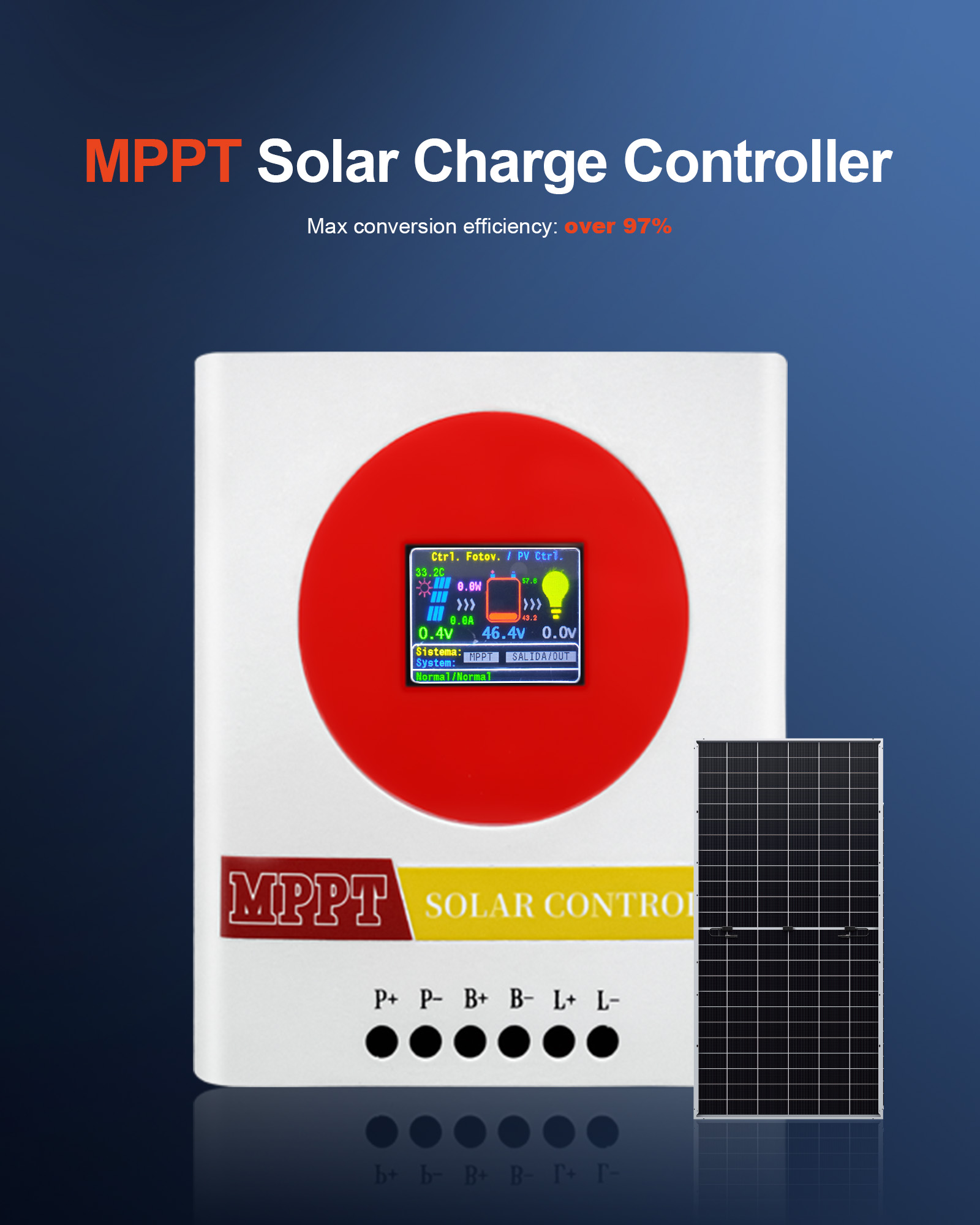
Compared to traditional Pulse Width Modulation (PWM) controllers, MPPT regulators increase solar panel efficiency by up to 30%. In the marine sector, where usable deck space for solar panels is highly restricted, maximizing the power output per square foot is paramount. In addition, the rapid adoption of Lithium Iron Phosphate (LiFePO4) battery chemistry in the US boating community requires highly customizable charging profiles. Modern MPPT regulators provide precise voltage control, temperature compensation, and safety shut-offs tailored specifically for marine lithium banks.
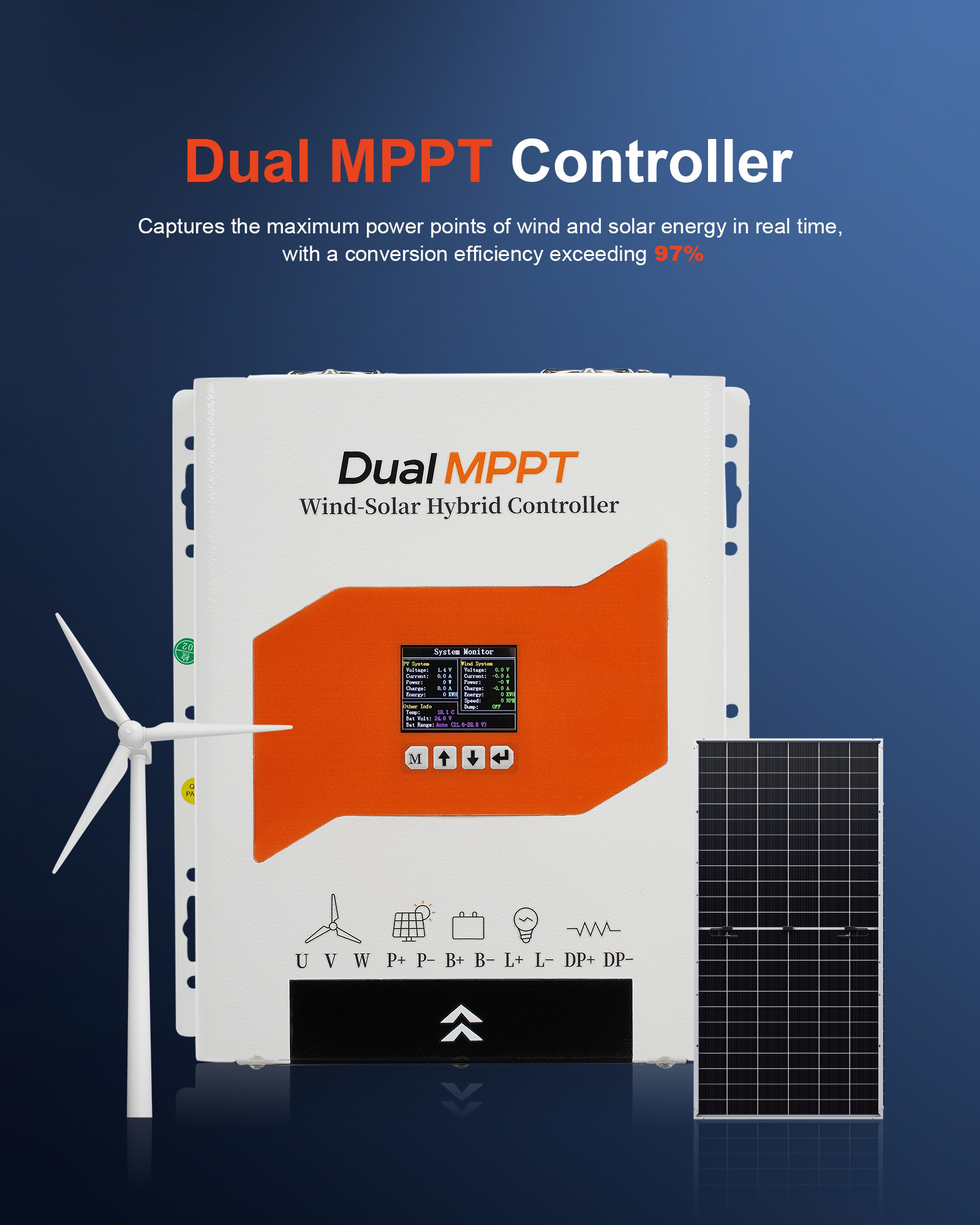
Cruising sailboats and ocean-going trawlers along the Atlantic and Pacific coasts frequently encounter variable weather. Integrating both wind turbines and solar panels into a single hybrid MPPT controller ensures continuous power generation day and night, regardless of cloud cover or wind speeds.
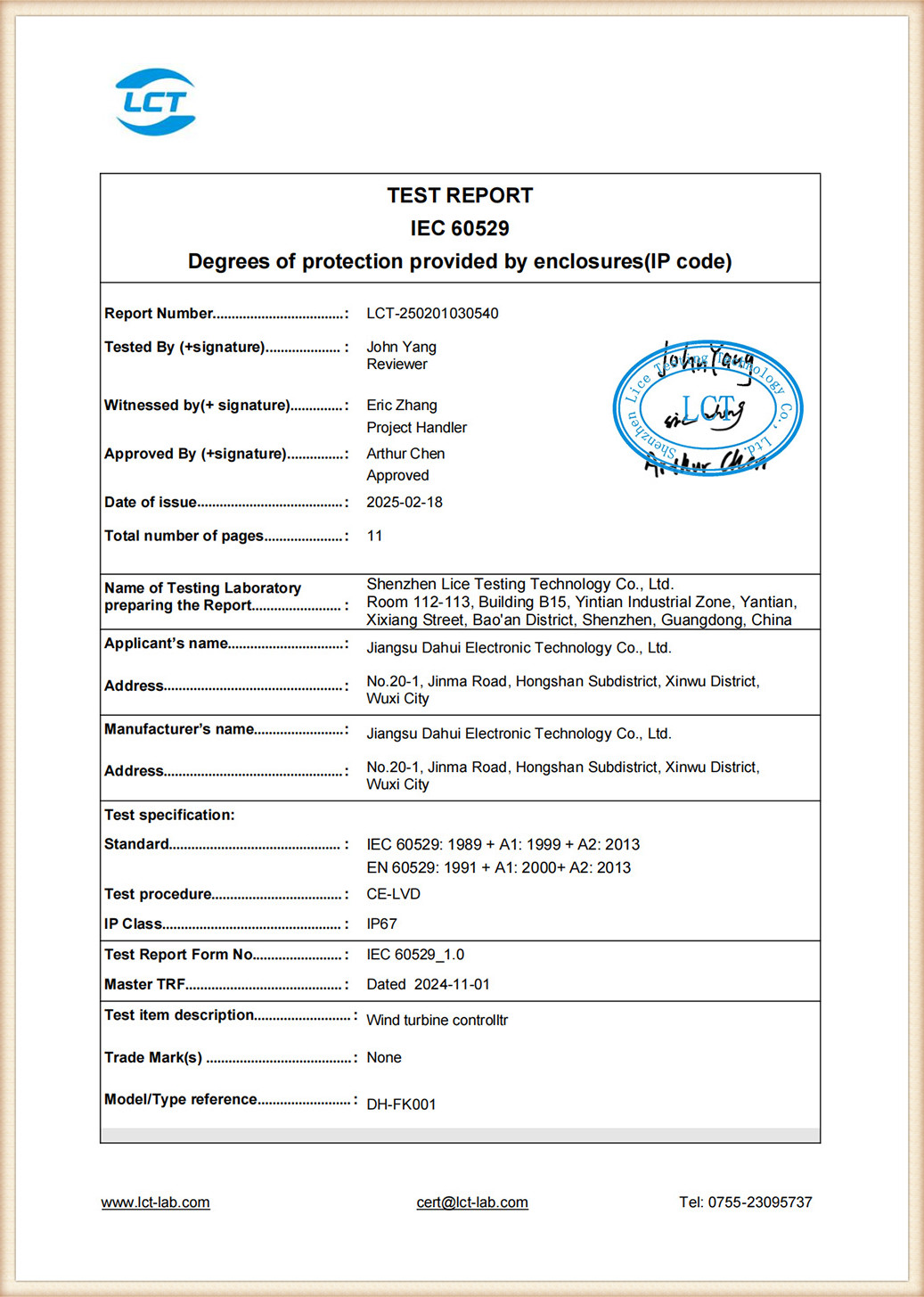
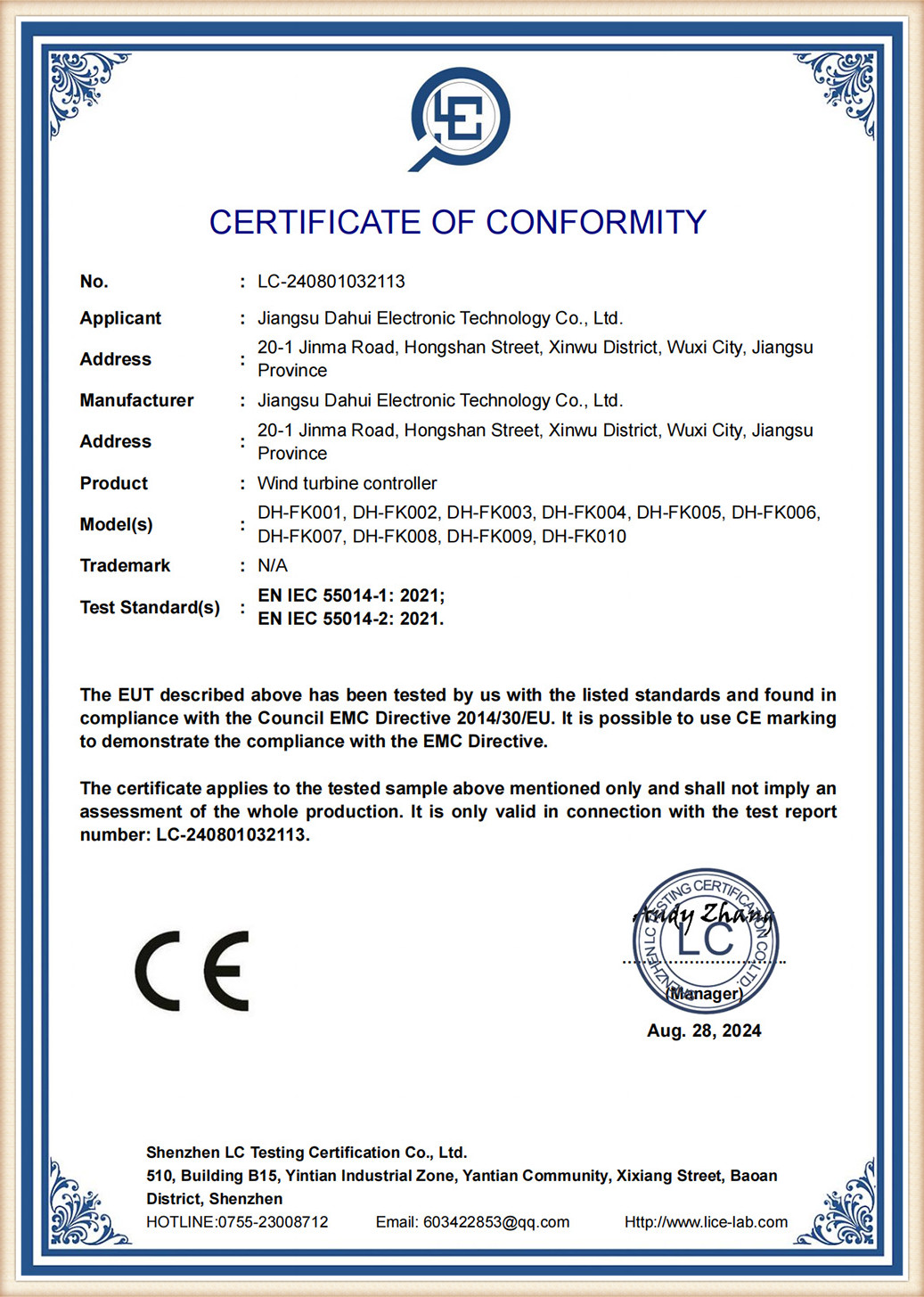
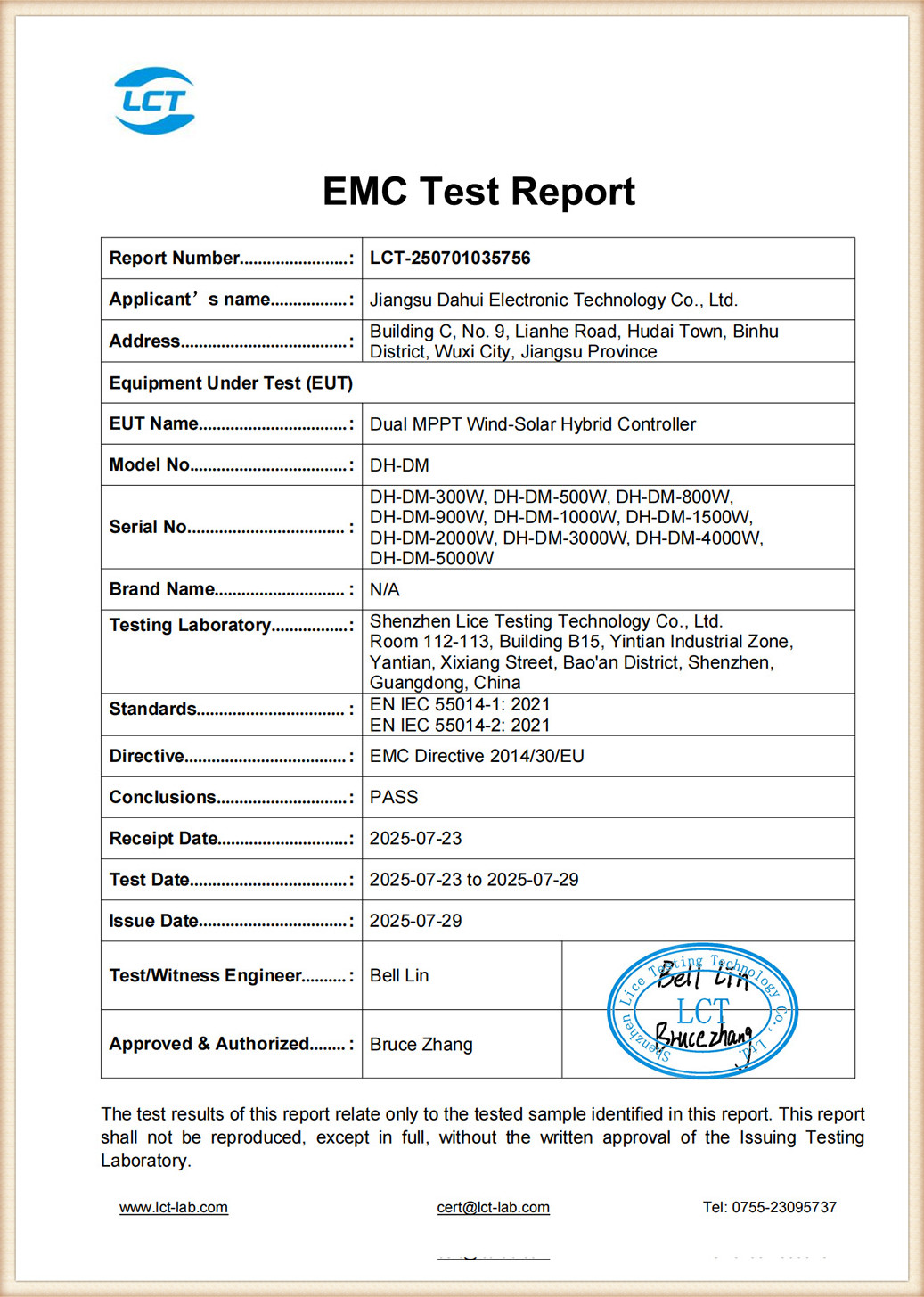
US distributors, boat builders (OEMs), and marine service technicians prioritize safety above all. Marine electrical components must comply with strict standards set by the American Boat and Yacht Council (ABYC), specifically standard E-11 (AC and DC Electrical Systems on Boats). In addition, FCC certification is required to ensure that high-frequency switching inside MPPT controllers does not interfere with critical onboard VHF radio communications, GPS systems, or radar equipment. Factories supplying the US market must perform rigorous EMI (Electromagnetic Interference) testing to guarantee interference-free operation.
The company's core R&D strength is composed of a scientific research team led by senior doctors in the industry. It has long-term focus on the cutting-edge exploration and innovative application of new energy technologies, continues to increase investment in core R&D, and has formed deep technological accumulation and independent innovation capabilities in core areas such as efficient conversion of electric energy, intelligent system integration, and coordinated control of integrated wind, solar, and storage.
Relying on industry-leading automated production lines and high-precision full-dimensional testing equipment, the company has independently developed a number of intelligent new energy products with completely independent intellectual property rights, fully covering three major application scenarios: off-grid, grid-connected, and mixed grid.
The product matrix includes core categories such as high-frequency/power frequency inverters, wind power controllers, photovoltaic controllers, wind-solar hybrid controllers, wind-solar storage-control-inverse integrated power generation systems, etc., which can be flexibly adapted to diversified power needs such as household use, industrial and commercial distributed, and off-grid independent power stations.





Cruising catamarans have vast cabin tops that are ideal for solar panel installations. However, boom shadow, sails, and radar arches constantly block sunlight on portions of the array. Utilizing multiple independent MPPT regulators allows boat owners in the Florida Keys to isolate shaded panels from sunny ones, preventing the output drop of a single panel from compromising the entire solar bank. Our high-frequency MPPT charge controllers provide rapid tracking response to maximize daily harvest during short tropical sunny intervals.
In regions like Seattle and Portland, floating homes and houseboats rely heavily on off-grid power systems. Due to the lower solar irradiance during winter months in the Pacific Northwest, combining wind turbines with solar panels is highly effective. A robust dual-channel wind-solar hybrid MPPT controller allows residents to capture consistent wind energy from coastal drafts while extracting every watt of available solar energy during short daylight hours.
For commercial vessels operating in harsh sub-zero temperatures, reliability is not optional. The electrical systems on Alaskan trawlers must run continuously to power navigation, refrigeration, and communication gear. Industrial-grade MPPT controllers with heavy-duty aluminum heat sinks, zero moving parts (passive cooling), and conformal coating are mandatory to withstand extreme vibrations, thermal shock, and constant exposure to salty moisture.
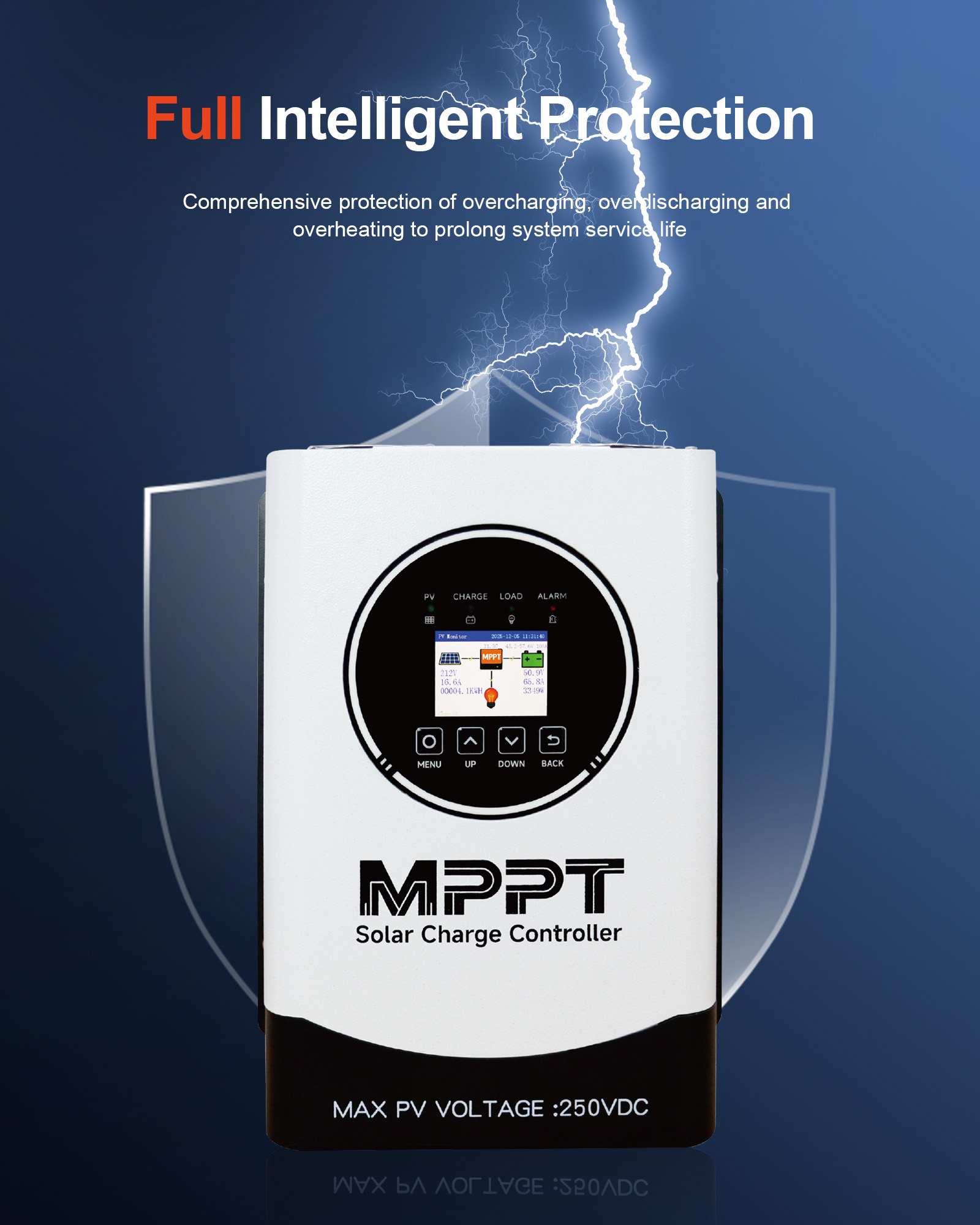
When charging high-capacity battery banks, MPPT regulators generate significant heat. Our controllers feature intelligent thermal folding, which automatically optimizes charge currents rather than shutting down completely when internal temperatures rise, ensuring a continuous, safe power supply.
US marine electronics brands and distributors need partners capable of providing custom firmware configurations, private labeling (OEM), and reliable warranty support. When selecting a factory, key evaluation metrics include automated PCB assembly, optical solder inspections, environmental burn-in testing, and comprehensive functional checks. Our doctor-led engineering team ensures that every regulator shipped to the United States meets or exceeds marine-grade performance standards, ensuring long-term operational stability.
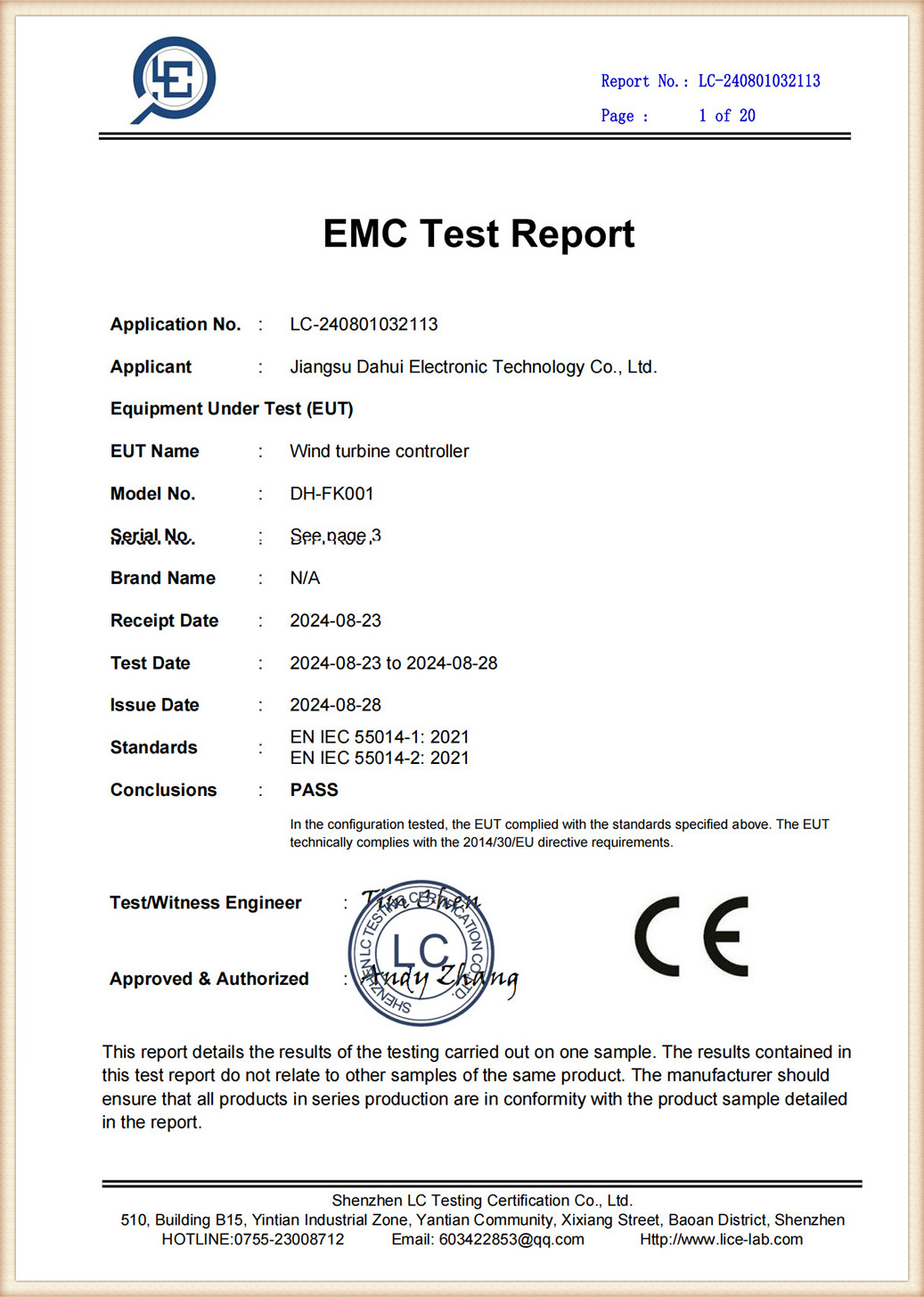
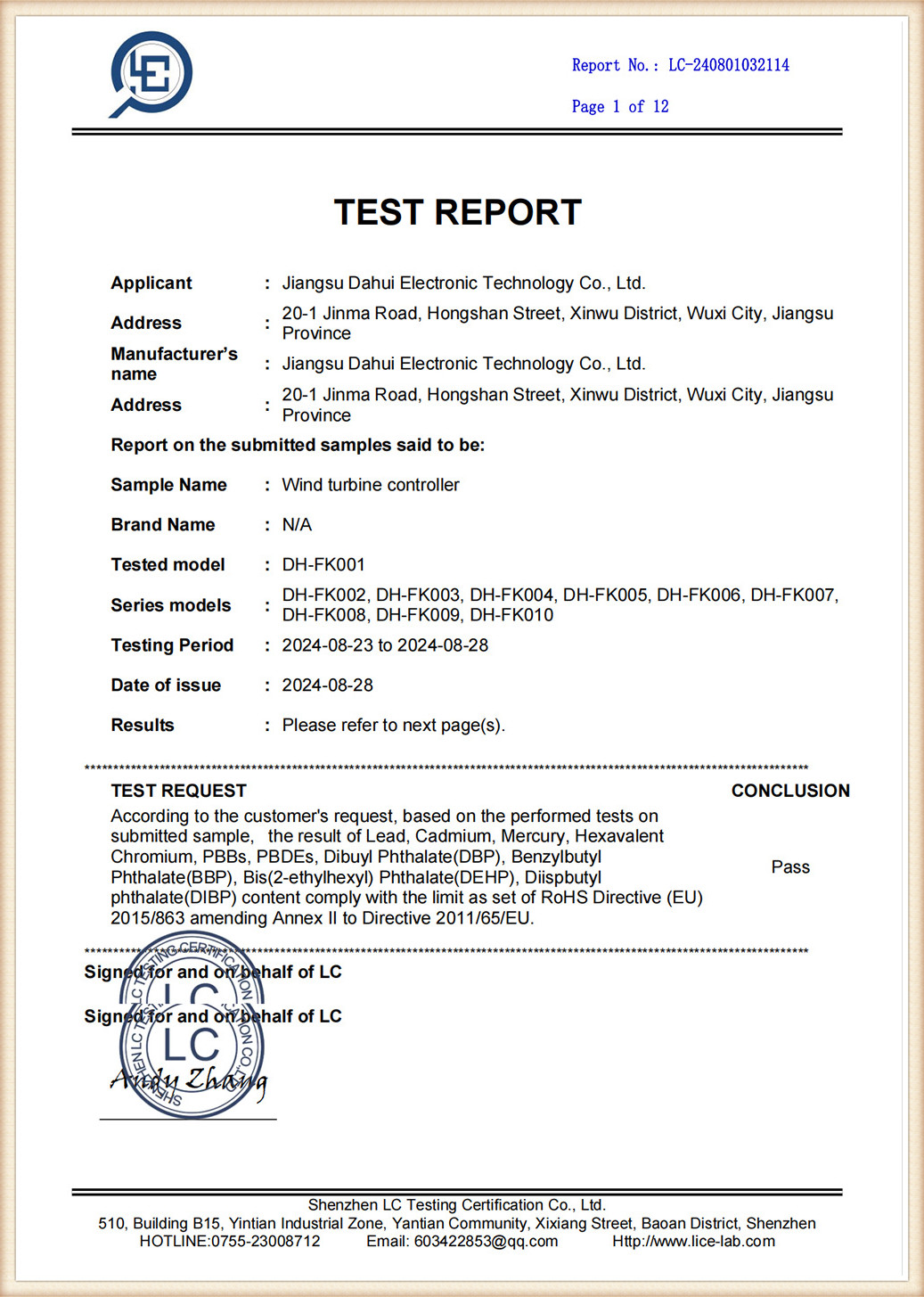
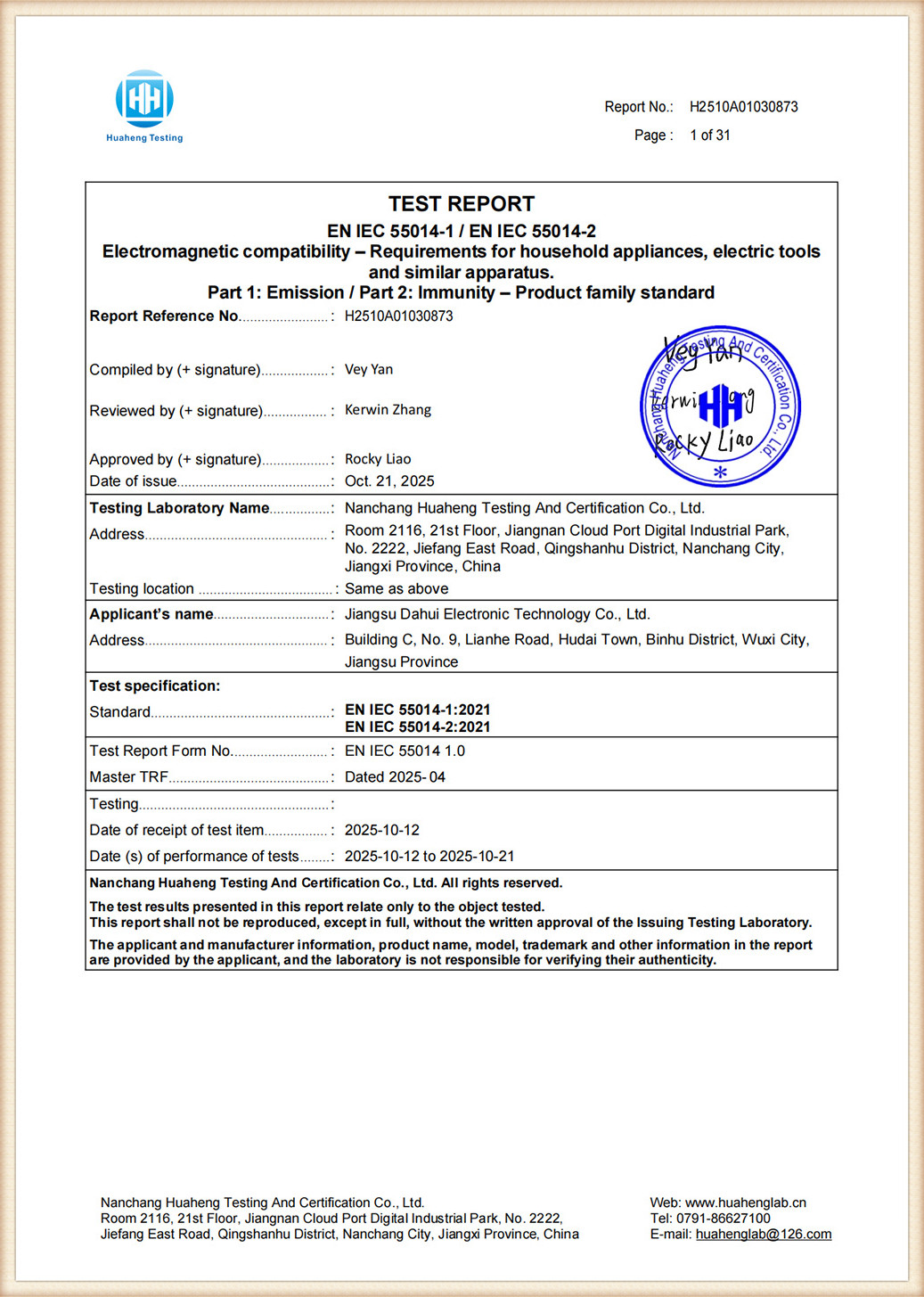
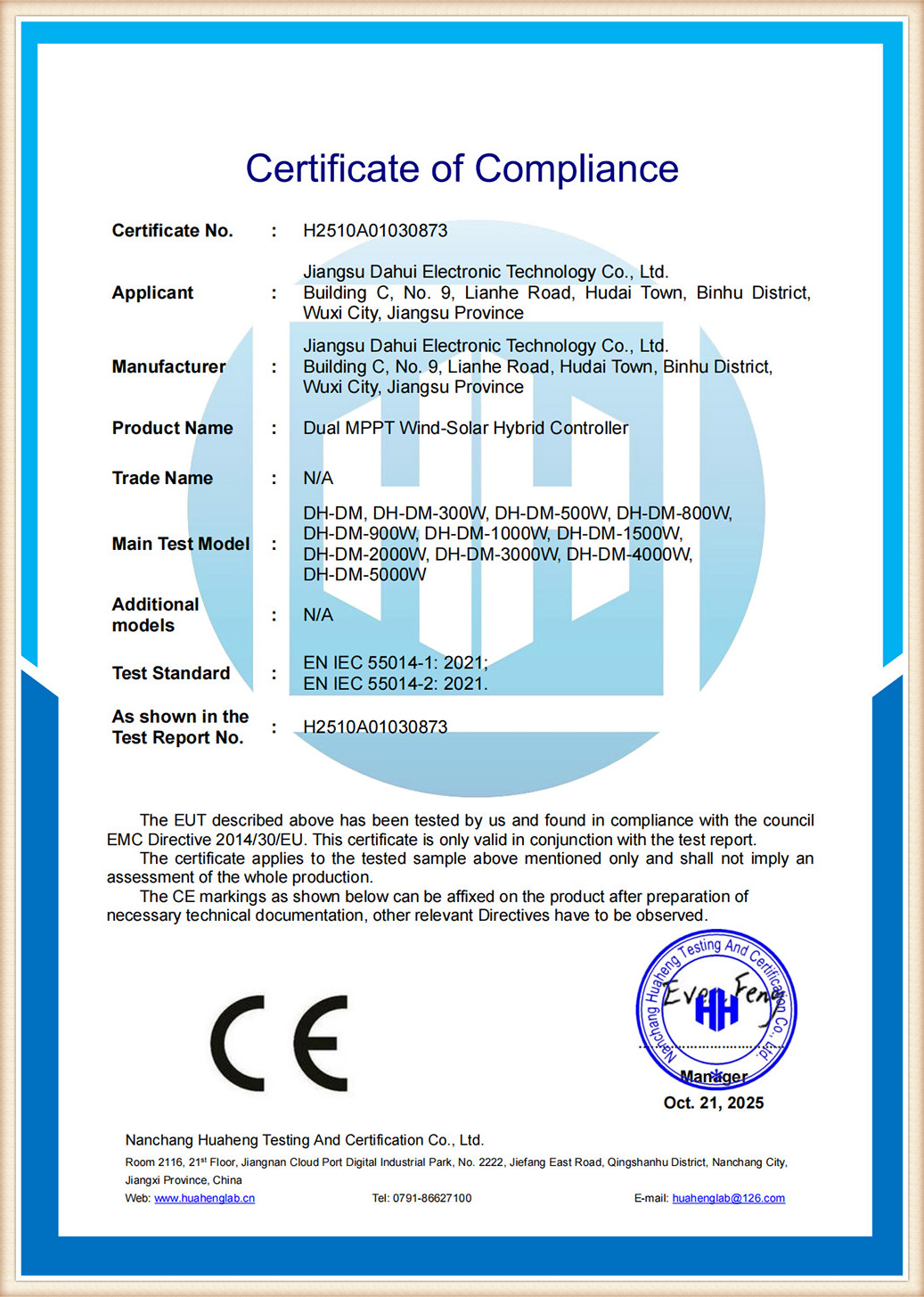
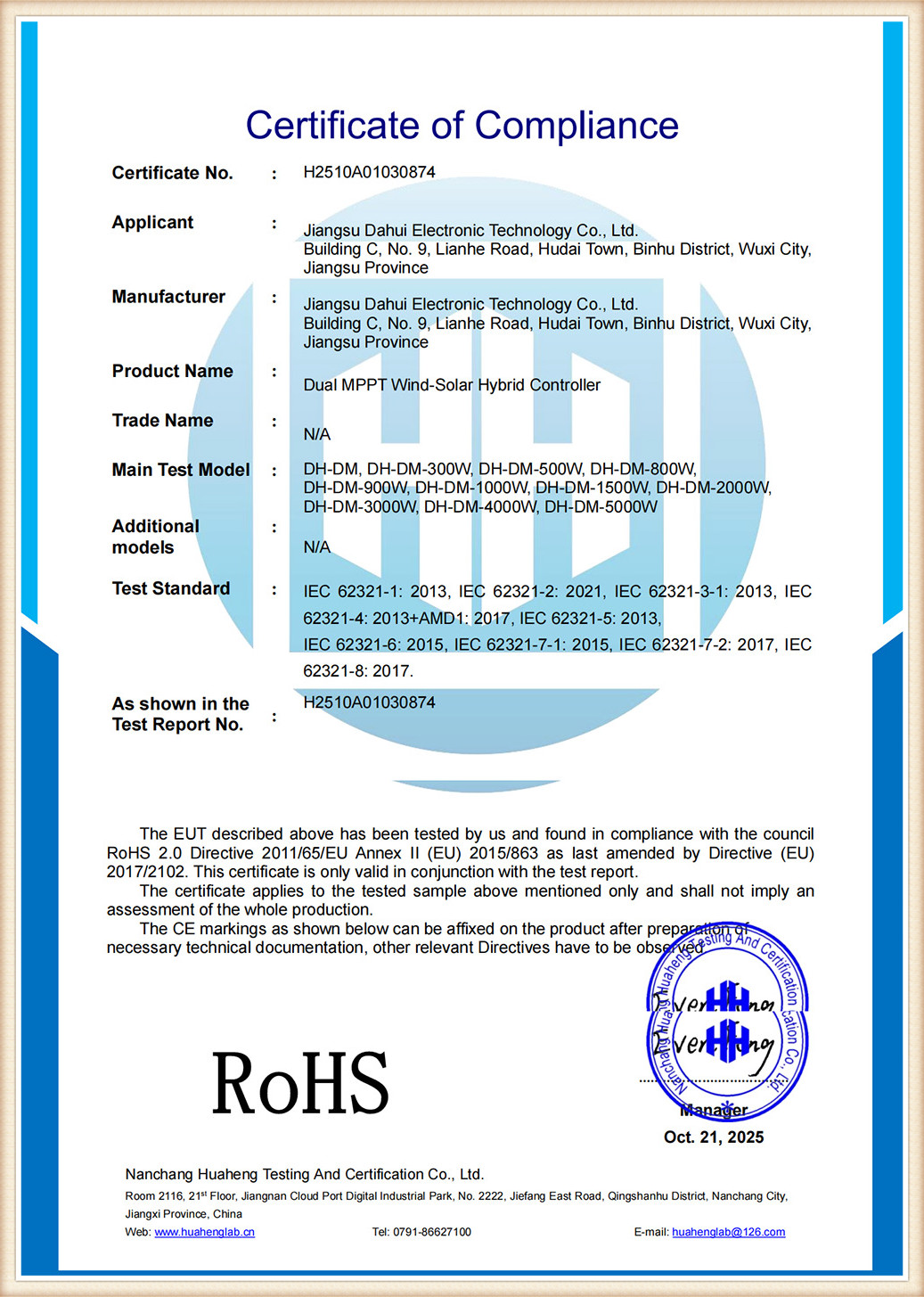
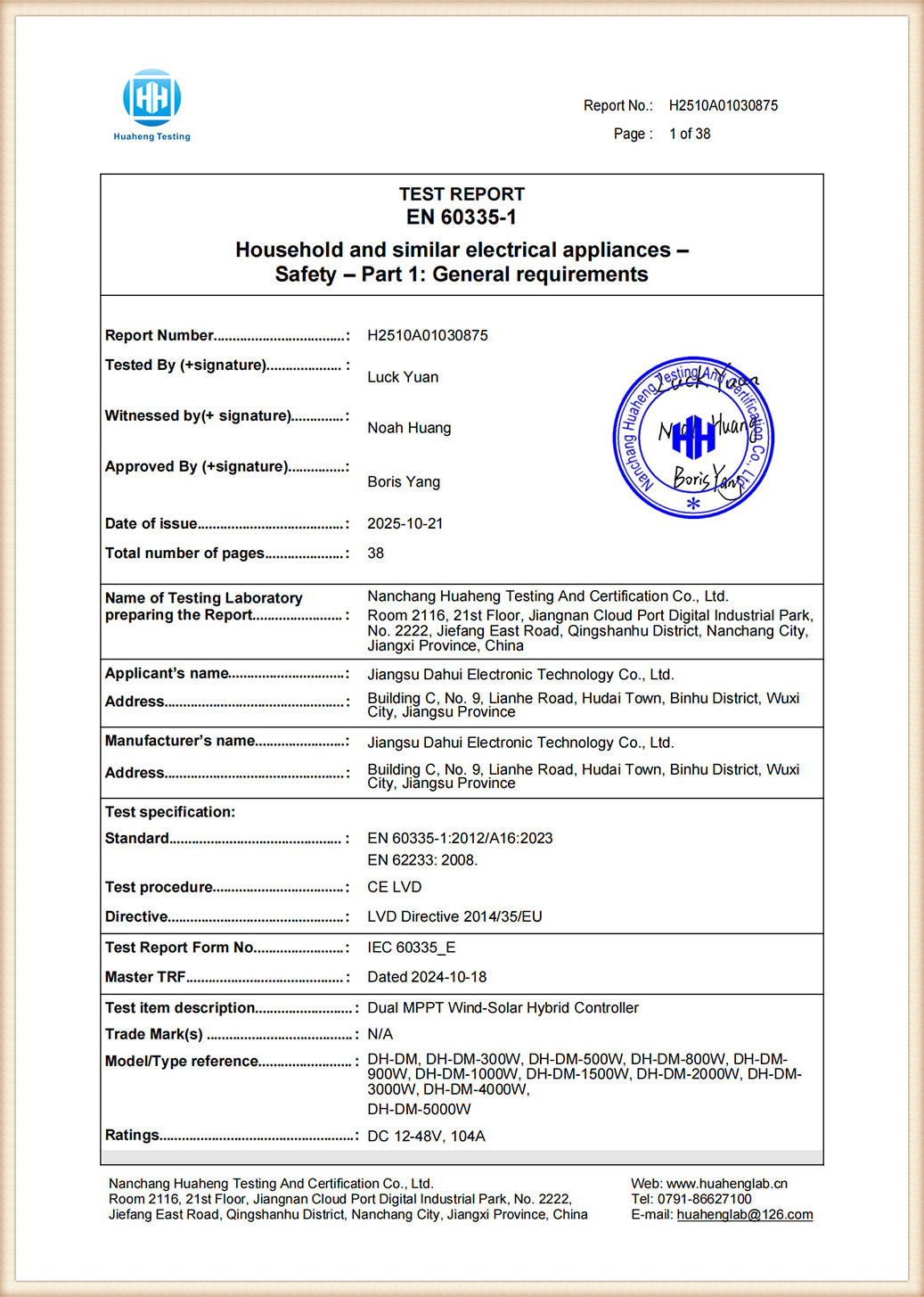
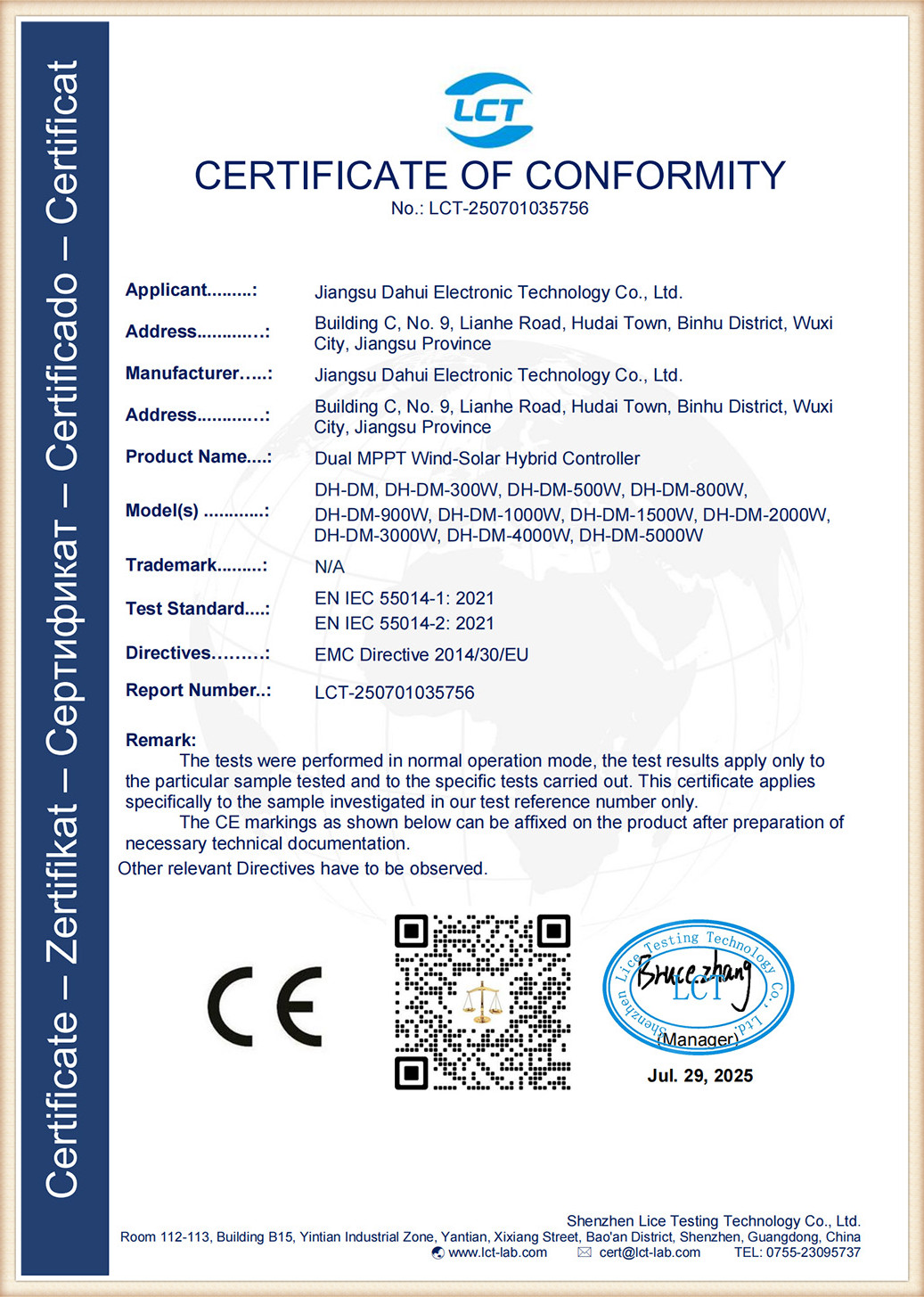
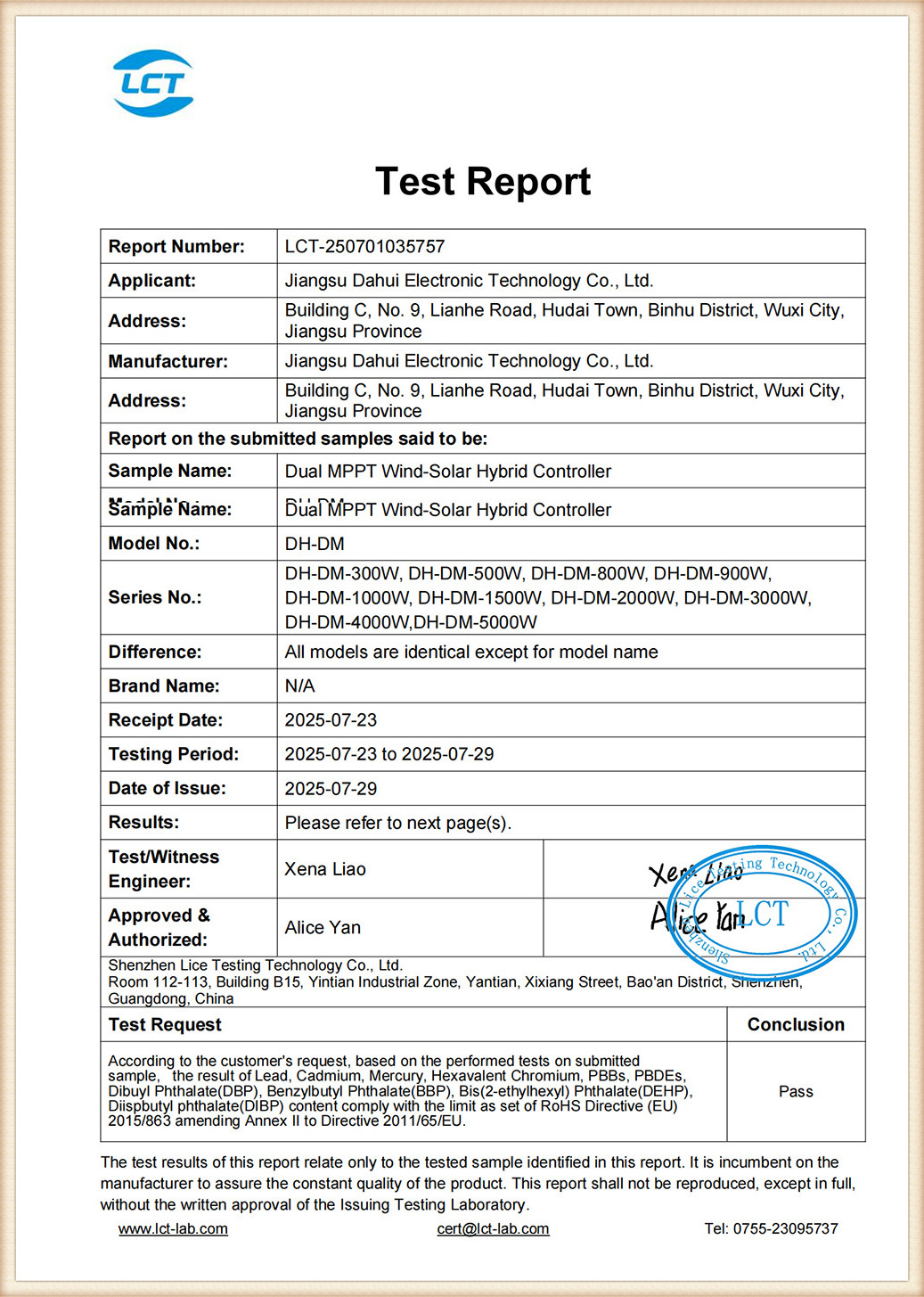
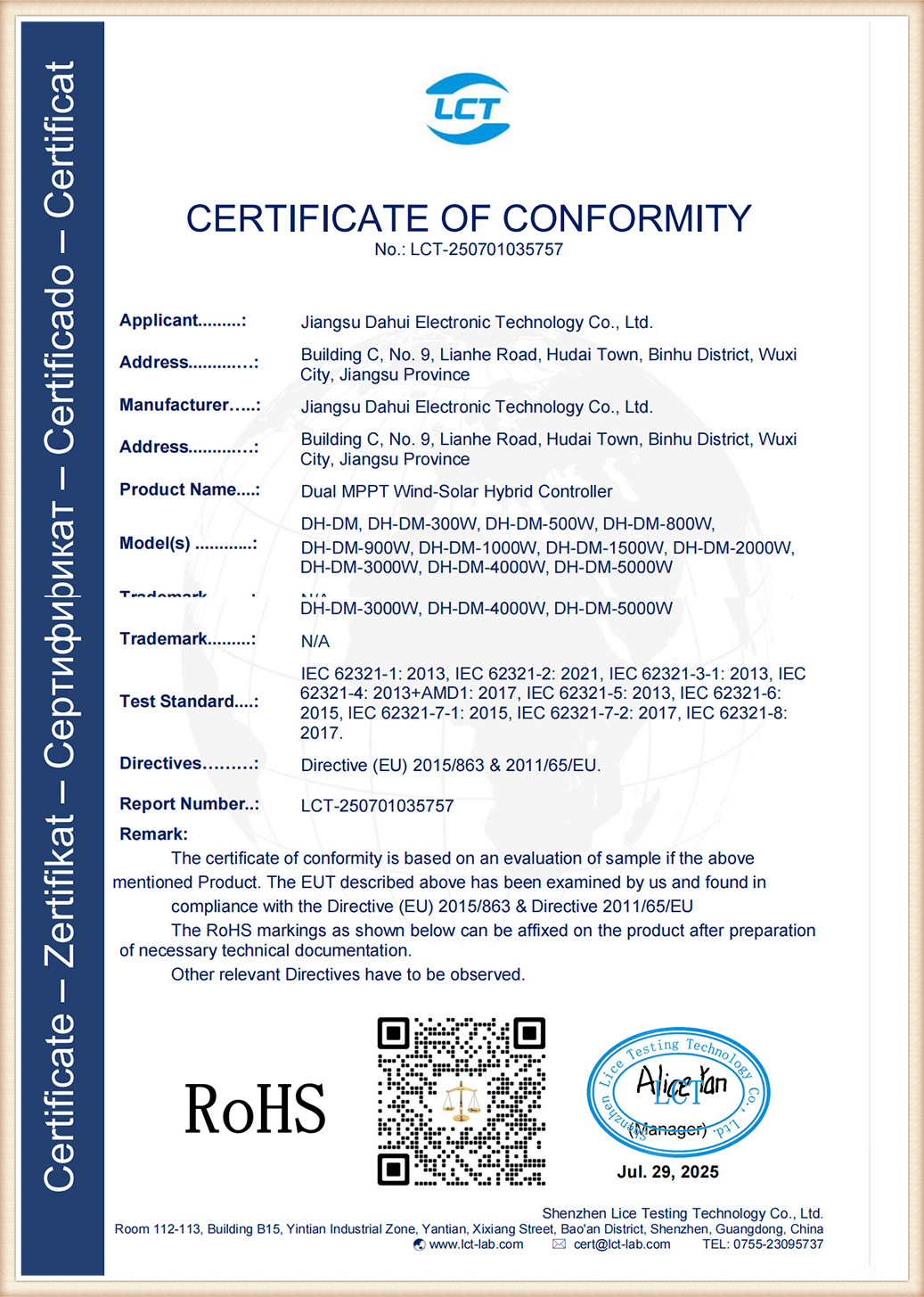
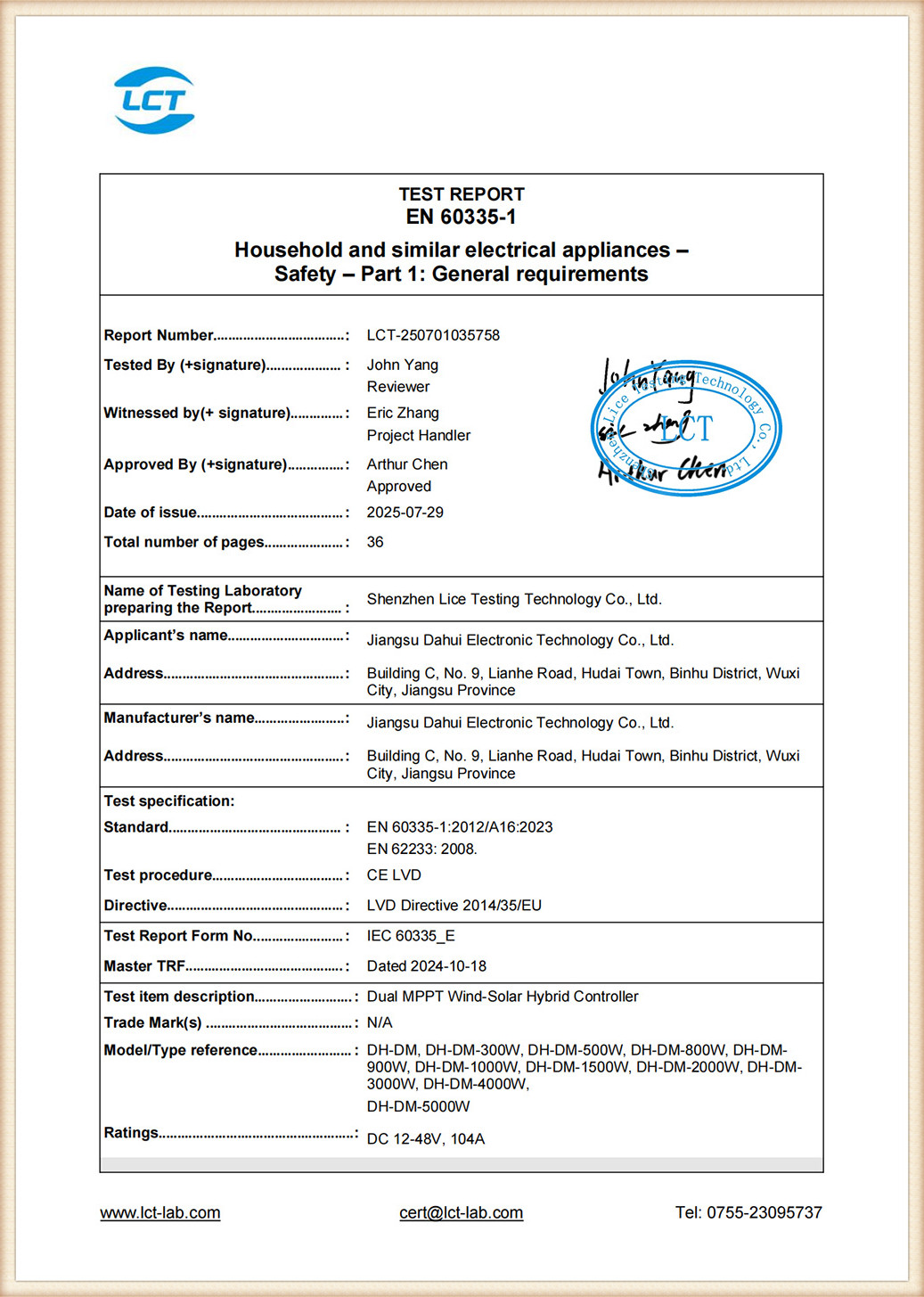
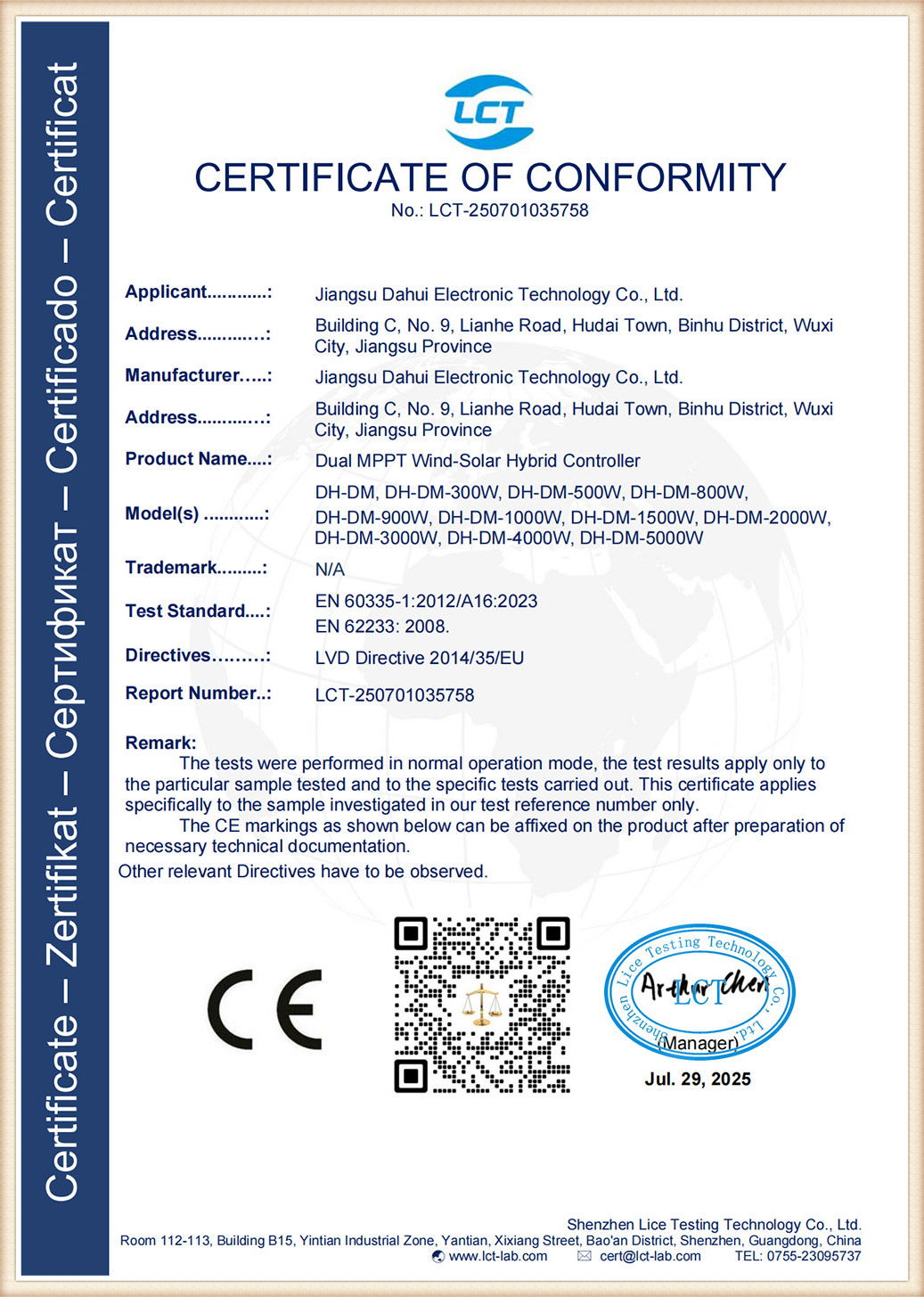
The company always adheres to the core business philosophy of "quality first, independent research and development", and regards product quality and technological innovation as the core driving force for corporate development. At present, it has obtained a number of international authoritative product certifications and ISO quality management system certifications, and has established a full-chain quality management system from raw material inspection, full-process control of the production process to multi-dimensional inspection of finished products. Product quality is strictly controlled throughout the entire process, and core product performance indicators are comprehensively better than industry standards, providing a solid guarantee for the long-term stable operation and reliable service life of the product.
Explore our full line of controllers, optimized for US marine, coastal, and residential renewable energy installations.