Leave Your Message
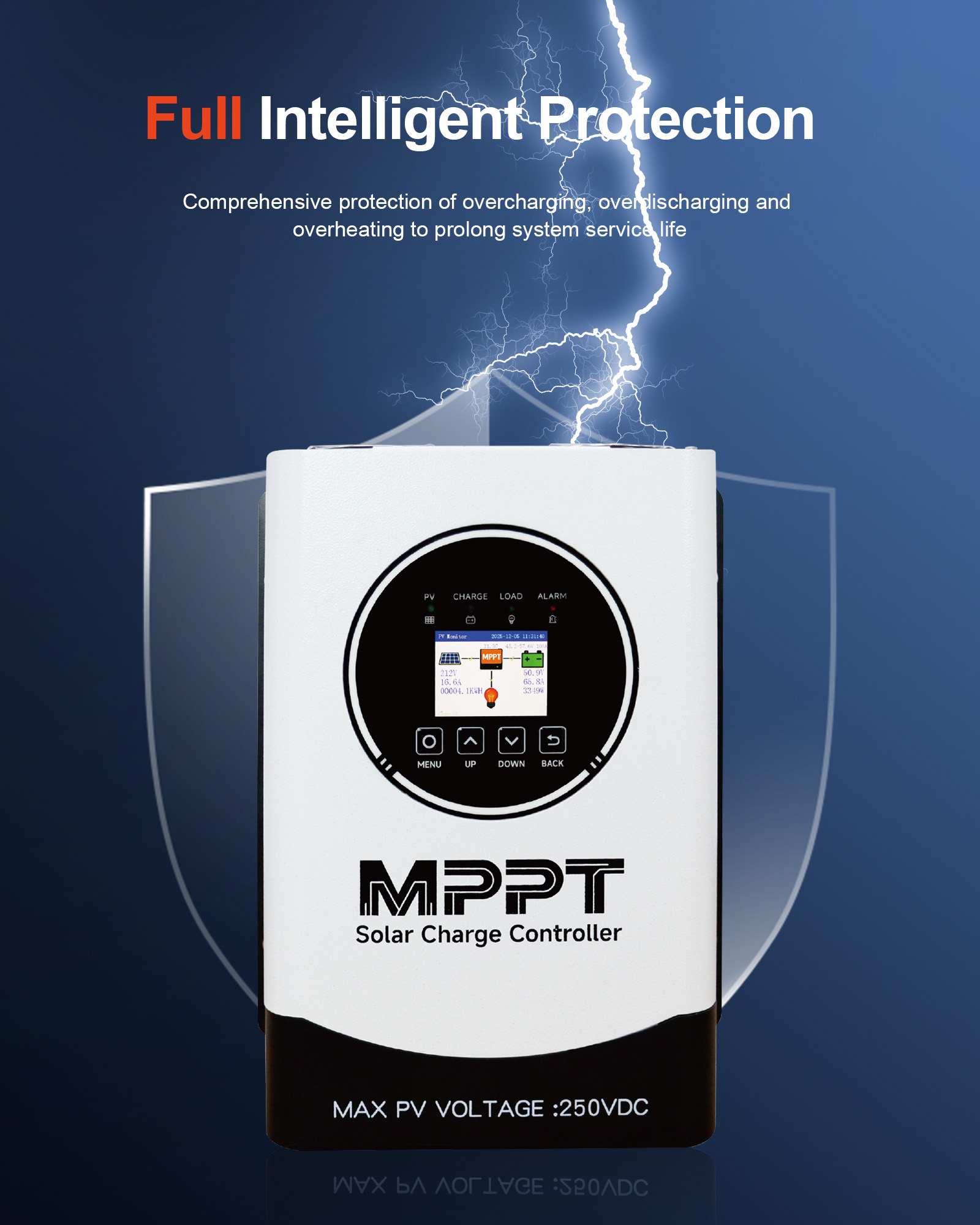
The United States is undergoing a rapid transition toward decentralized, resilient energy systems. As commercial, industrial, and residential sectors seek to reduce utility dependency and carbon footprints, the demand for simplified, pre-engineered solar solutions has skyrocketed. Traditionally, deploying off-grid or hybrid solar systems required custom component matching—sourcing PV modules, finding compatible charge controllers, and configuring external wiring. This process frequently introduced compatibility bottlenecks, higher installation labor costs, and failure points in harsh outdoor environments.
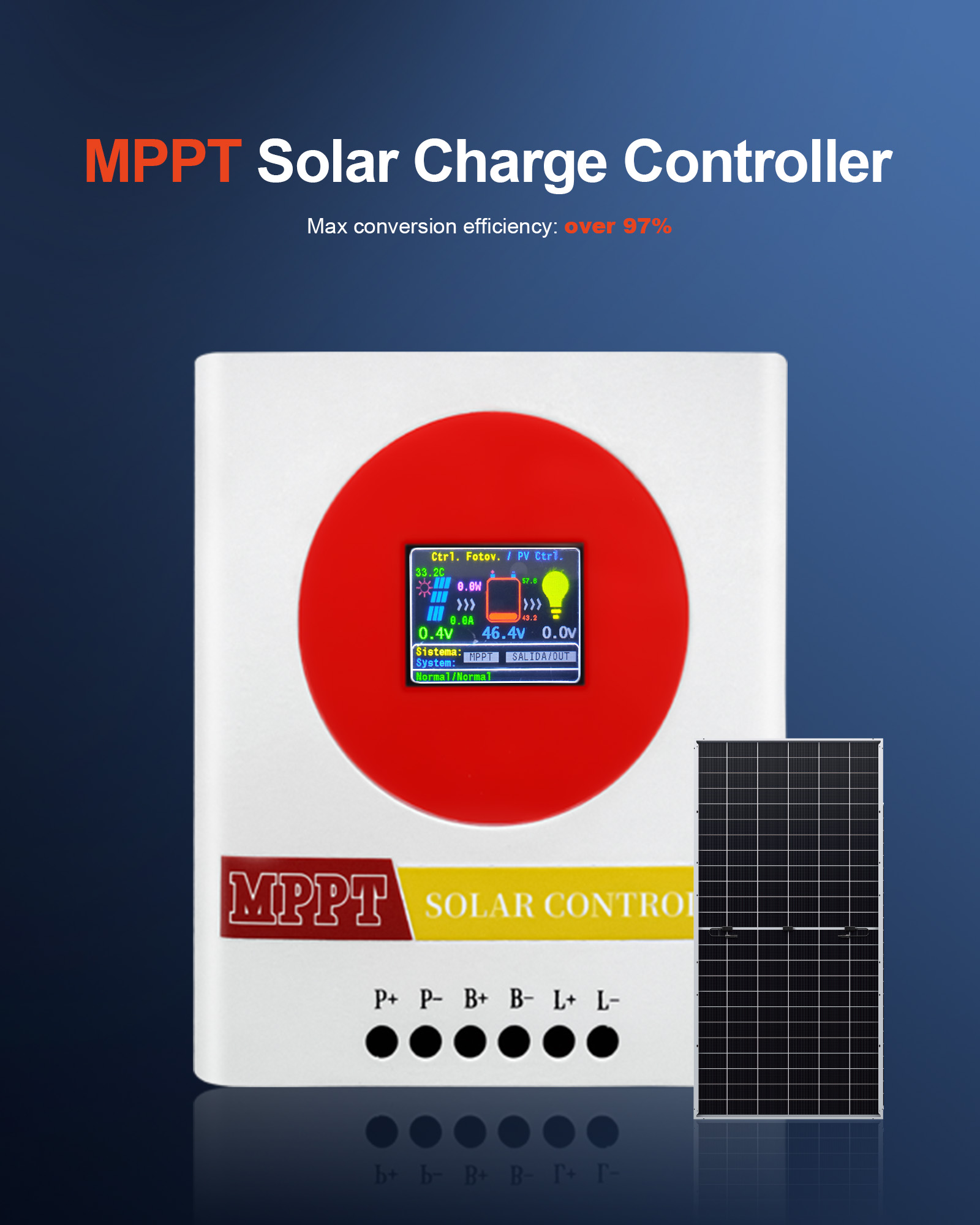
To address these market pain points, the adoption of China solar panels with built-in charge controllers has emerged as a major trend across the United States. By integrating the Maximum Power Point Tracking (MPPT) or Pulse Width Modulation (PWM) controller directly into the solar panel assembly or junction box, manufacturers deliver a truly plug-and-play solution. This integration eliminates the need for separate controller mounting, reduces DC cable runs, and minimizes field installation errors. For American installers, developers, and DIY enthusiasts, this means faster deployments, enhanced system reliability, and significantly lower overall project costs.
In the C&I sector, businesses require ruggedized systems that can be rapidly deployed and left unattended for years. Traditional multi-component systems are susceptible to moisture ingress, rodent damage, and thermal degradation at wire connection points. Integrated solar modules solve these issues by sealing the power electronics within IP67/IP68-rated enclosures, protected by the solar panel's structural frame. This level of integration is highly valued in oil and gas telemetry, traffic signal management, security surveillance trailers, and remote meteorological arrays across North America.
The clean energy landscape in the US is increasingly defined by smart technologies, IoT connectivity, and hybrid power generation. Modern solar controllers are no longer passive devices; they are now active data hubs that optimize power generation in real-time. Below are the key technological advancements shaping the industry today:
Dynamic tracking algorithms achieve up to 99% efficiency, maximizing solar harvesting even during overcast conditions in the Pacific Northwest or Northeast US.
Integrated Bluetooth, Wi-Fi, and cellular modules allow remote monitoring of battery state-of-charge, system temperature, and historical yield from any location.
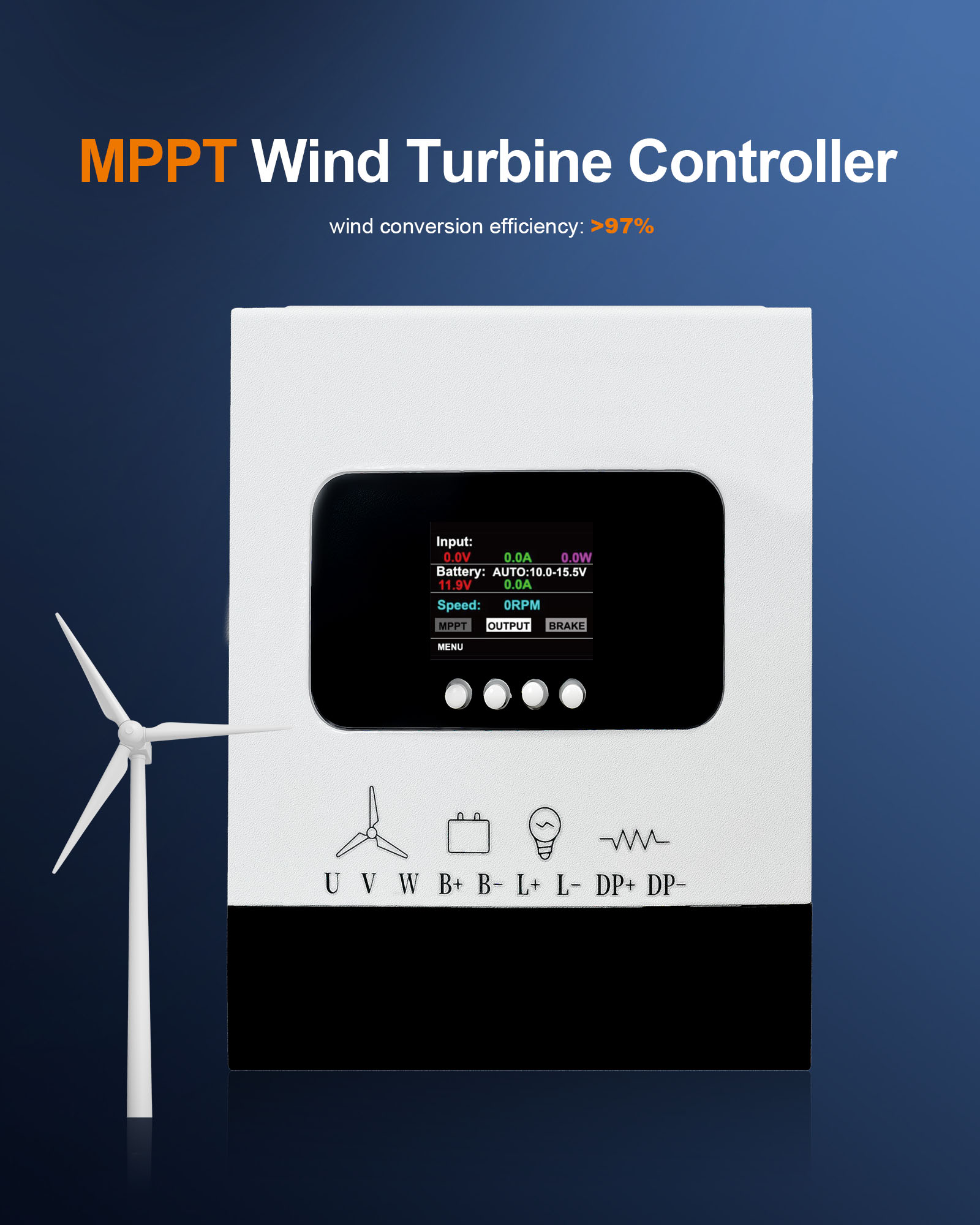
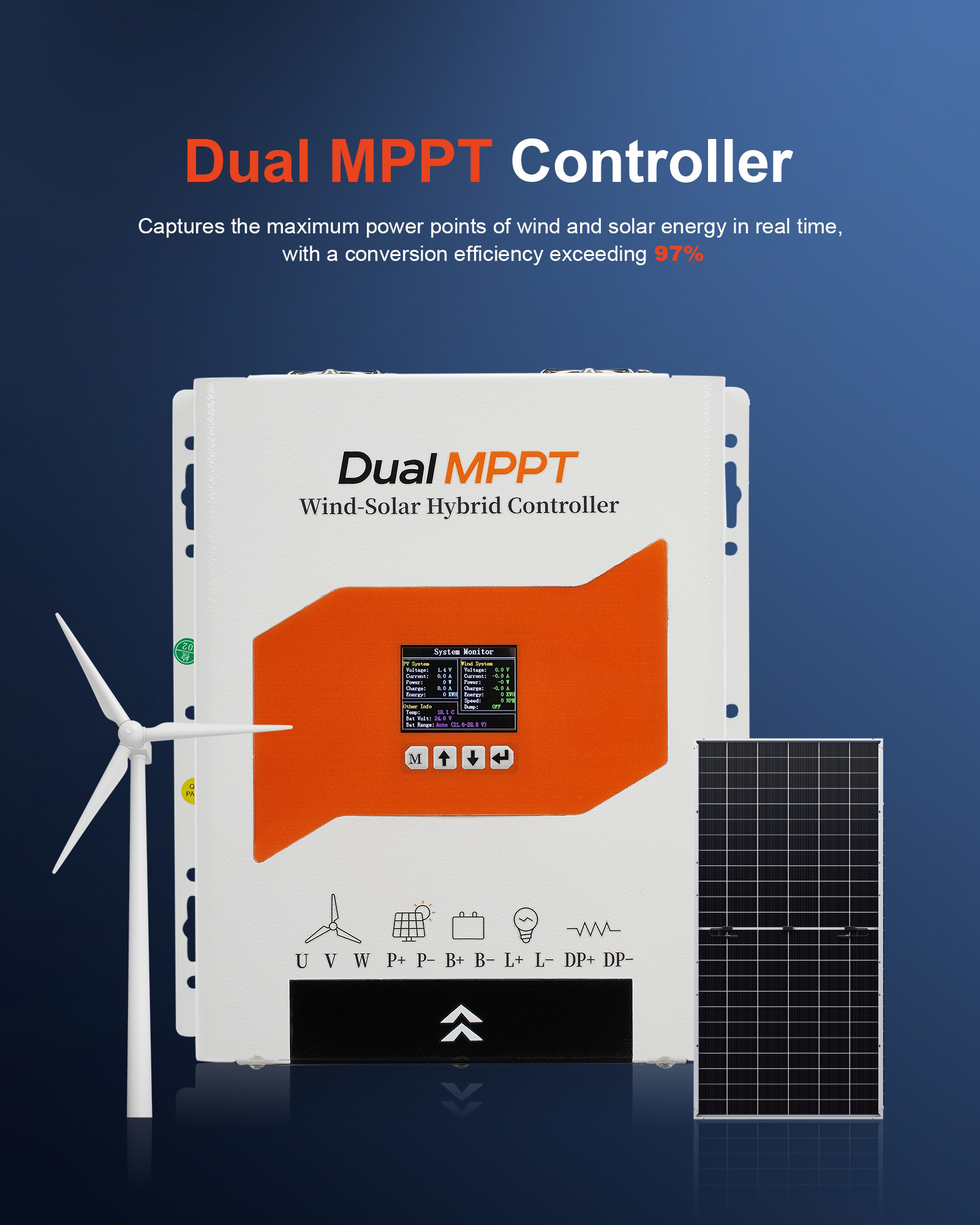
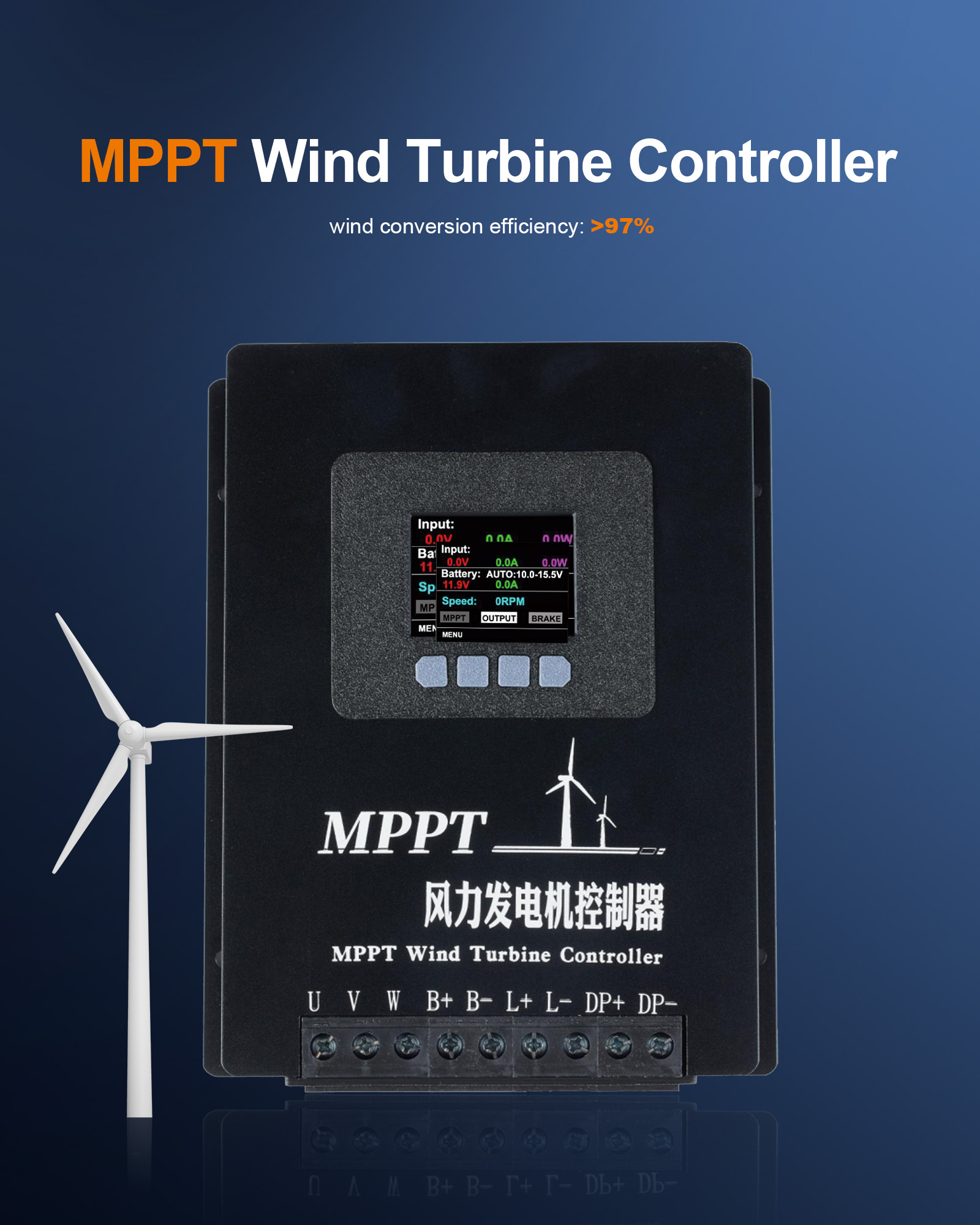
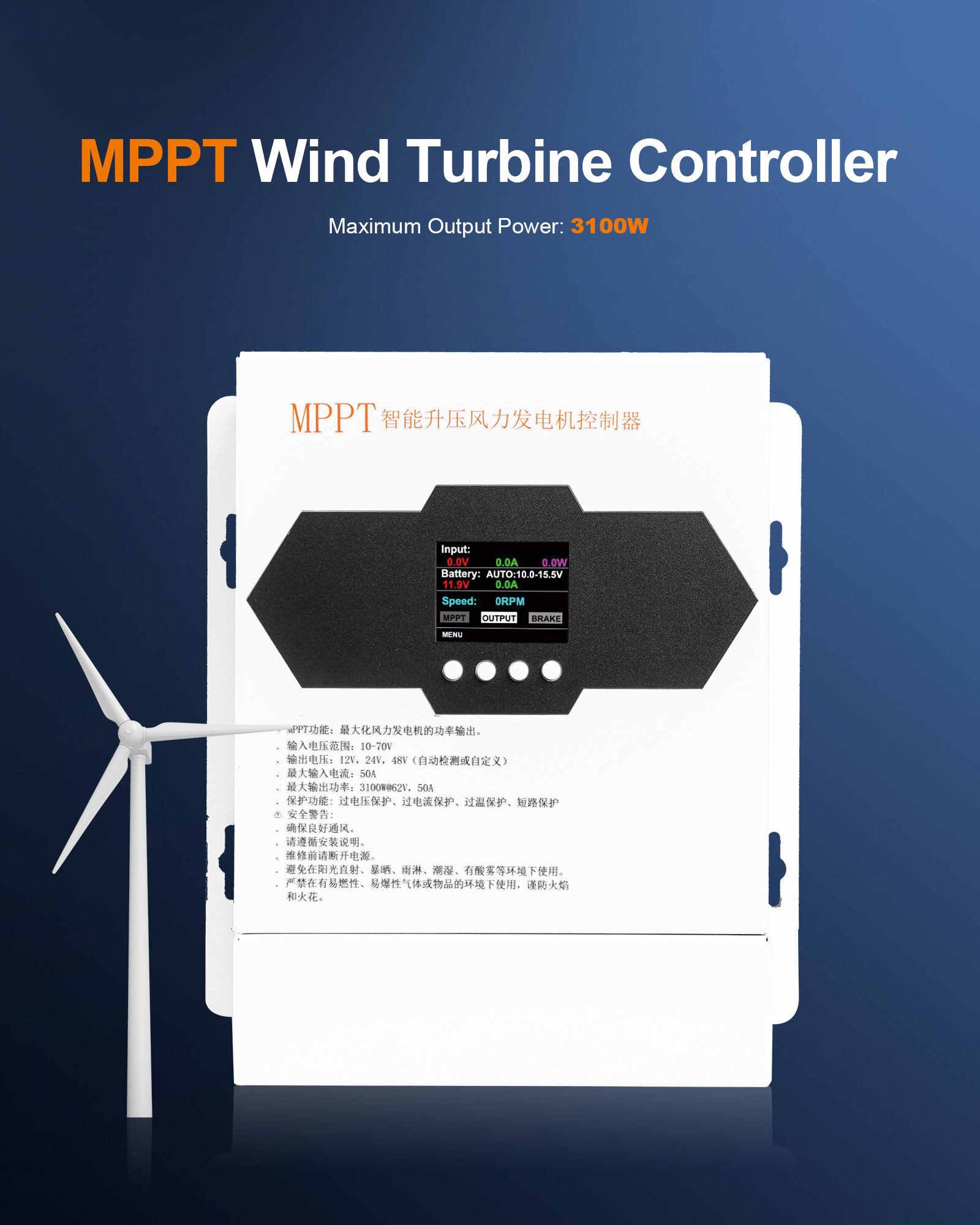
Combining PV inputs with micro-wind turbine controllers ensures continuous power generation through seasonal weather variations and night-time cycles.
Furthermore, the integration of smart battery chemistry profiles—specifically optimized for Lithium Iron Phosphate (LiFePO4) batteries—has become critical. Built-in controllers now feature intelligent temperature compensation and low-temperature charging protection, preventing battery degradation in freezing climates like Alaska, Montana, or New England. This technological synergy ensures that the integrated solar units deliver maximum longevity, protecting the capital investments of American businesses.
To understand the versatility of China-manufactured solar panels with built-in charge controllers, we can look at several key regional applications across the United States. These real-world scenarios demonstrate how integrated systems solve geographical and operational challenges:
California is a powerhouse of agricultural production, but water management requires high-tech automation. Farmers deploy remote soil moisture sensors, automated drip-irrigation valves, and weather stations throughout thousands of acres. Running grid power to these remote locations is cost-prohibitive. By installing integrated solar panels with built-in MPPT controllers, farm operators can mount a single unit onto a pole, run a direct cable to a 12V or 24V battery box, and immediately power the telemetry equipment. The built-in controller prevents battery overcharging under California's intense summer sun, ensuring uninterrupted data flow and water conservation.
In the arid Southwest, solar equipment must withstand extreme heat, blowing dust, and monsoons. Security surveillance towers and cellular repeaters along the US-Mexico border require highly reliable power. Standard external charge controllers mounted in metal boxes can easily overheat in the Arizona sun, leading to system shutdowns. Integrated solar panels locate the controller directly behind the panel where it is shielded from direct solar radiation. Advanced heat sinks and thermal potting materials dissipate heat efficiently, maintaining optimal charging performance even when ambient temperatures exceed 110°F.
The rocky terrains of Colorado host thousands of off-grid cabins, active mining sites, and eco-resorts. For these users, space is at a premium and simplicity is key. Traditional solar setups require dedicated indoor space to mount charge controllers, breakers, and wiring conduits. With built-in controller panels, the installation footprint is minimized. Cabin owners can connect the panel directly to their battery bank through a simple MC4 connector, leaving more living space inside the cabin and reducing the risk of accidental electrical contact by occupants.
Florida's hurricane season frequently knocks out grid power for days or weeks. Emergency response teams, municipal facilities, and homeowners rely on rapid-deployment solar generators. Integrated panels are highly favored for emergency kits because they eliminate setup complexity. Non-technical personnel can deploy the panels, plug them directly into portable power stations or battery banks, and immediately start harvesting energy for medical devices, communications, and refrigeration.
When sourcing solar components from China, US commercial buyers look for quality, reliability, and regulatory compliance. Chinese manufacturers have invested heavily in automated production lines, state-of-the-art testing laboratories, and high-efficiency silicon cell technology. The integration of the charge controller directly into the PV module is a testament to this advanced manufacturing engineering.
To successfully serve the United States market, these integrated systems are designed to meet strict US safety and electrical standards:
By combining cost-effective manufacturing scale with rigorous compliance engineering, China-based suppliers offer American distributors and EPC (Engineering, Procurement, and Construction) companies a competitive edge, facilitating rapid project approvals and long-term operational success.
With excellent product quality, continuous R&D innovation capabilities and a complete full-cycle service system, the company has deeply explored the domestic and foreign new energy markets and established a global sales and service network. Its products are exported to dozens of countries and regions such as Europe, North America, South America, Southeast Asia, and Russia. With stable and reliable product performance and professional and efficient service capabilities, the company has gained high recognition and long-term trust from global customers, and has become a highly competitive Chinese local brand in the new energy field. In the future, the company will continue to deepen the innovation of new energy technologies, continuously optimize the product matrix and service system, help the global energy transformation and the realization of dual-carbon goals, and contribute core strength to the construction of a clean, low-carbon, safe and efficient modern energy system.