Leave Your Message
High-efficiency MPPT and hybrid integration technologies designed for stable residential energy storage systems.
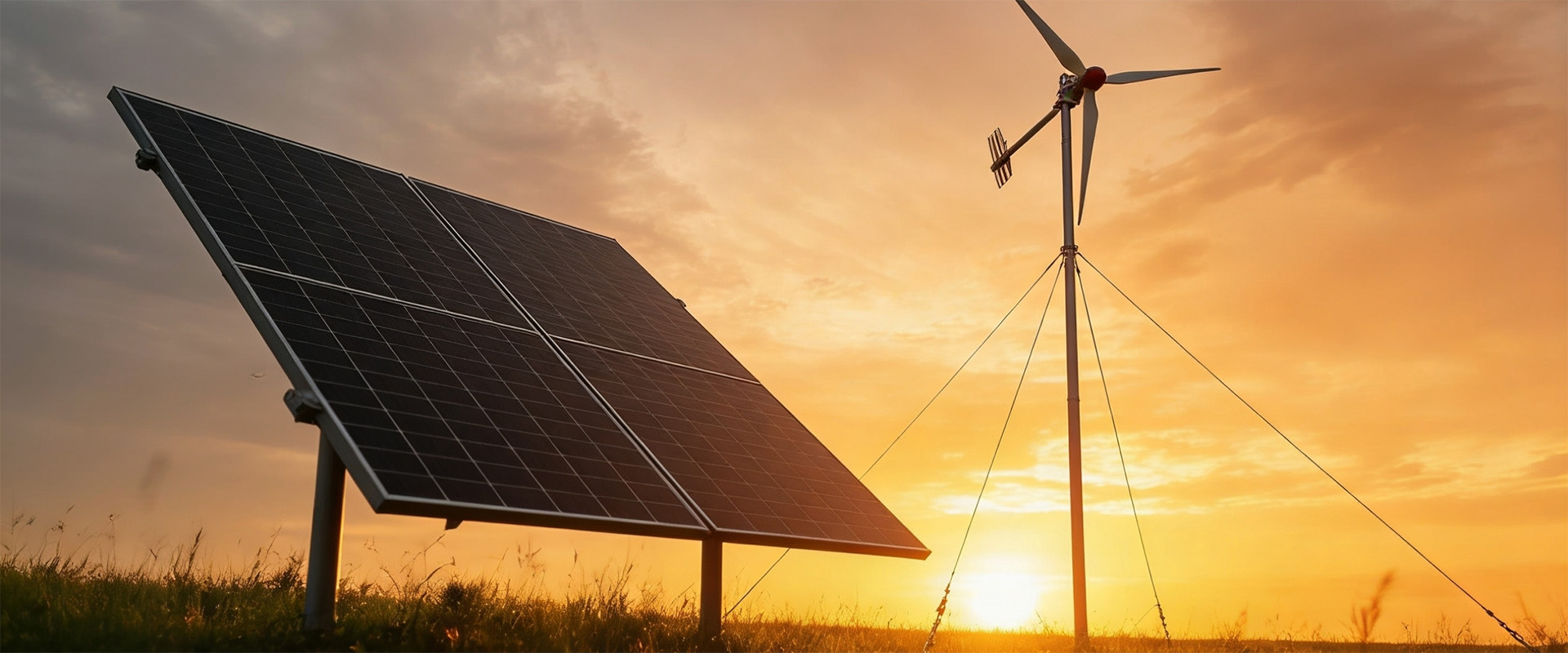
The global transition toward sustainable energy has accelerated the adoption of residential microgrids. At the core of this transition lies the Hybrid Solar Charge Controller. Unlike traditional single-source controllers, modern off-grid residential solar energy storage systems demand highly integrated solutions that can manage power inputs from both photovoltaic arrays and wind turbines simultaneously.
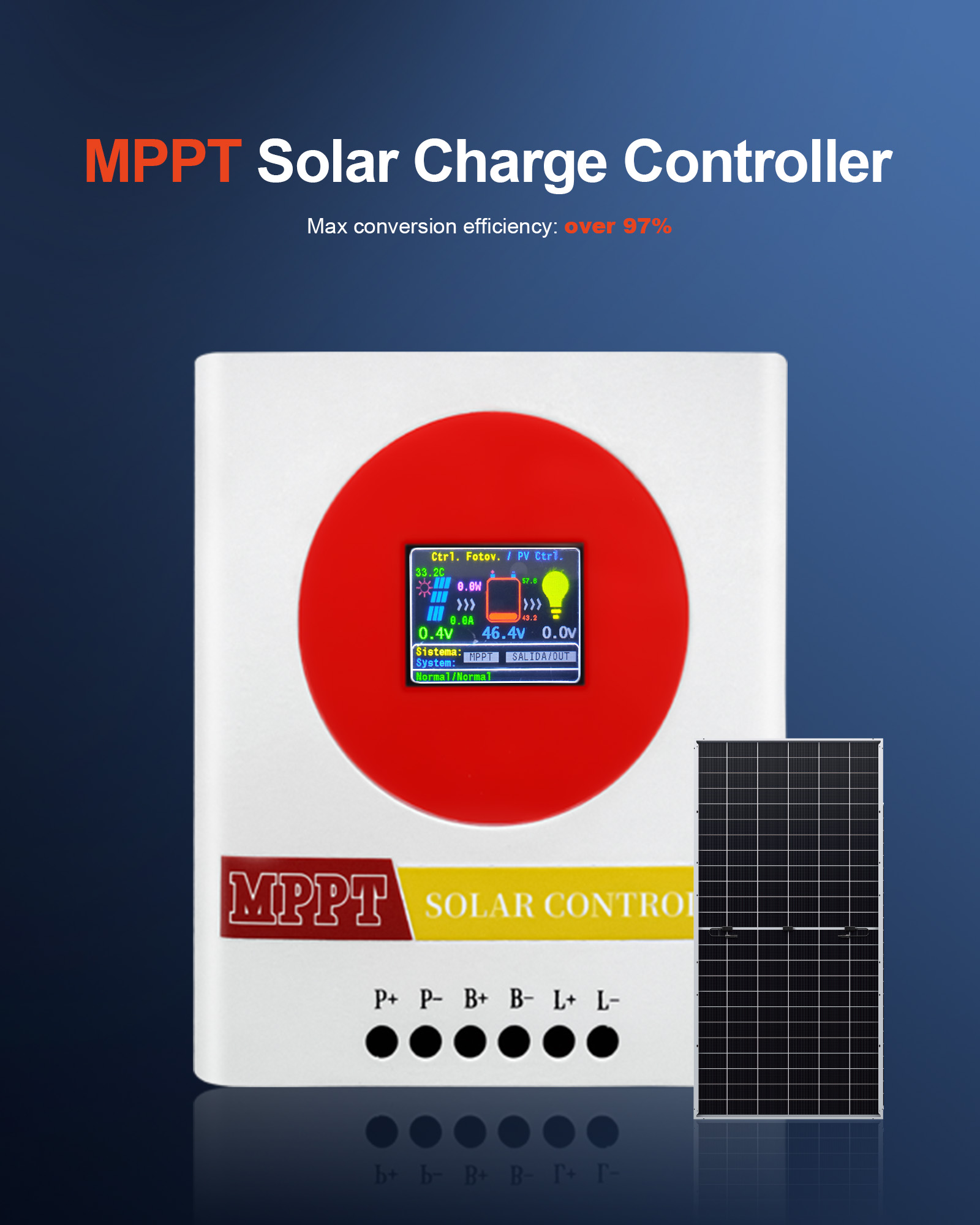
Today, the industry is shifting away from simple PWM (Pulse Width Modulation) regulation to high-frequency, multi-channel MPPT (Maximum Power Point Tracking) systems. Commercial manufacturers are focusing on developing hybrid units that mitigate the intermittent nature of solar power by integrating auxiliary wind generation. This dual-input structure ensures a continuous charge cycle for battery banks, significantly improving the round-trip efficiency of off-grid residential energy storage systems.
Furthermore, the industrial landscape is experiencing a massive shift towards high-voltage battery storage architectures. Modern residential configurations increasingly utilize Lithium Iron Phosphate (LiFePO4) chemistries, requiring charge controllers to possess sophisticated communication protocols (such as CAN bus or RS485) to interface directly with the battery management systems (BMS).

As off-grid systems evolve, several key technological trends are dominating the development of residential solar charge controllers:
By staying at the forefront of these trends, manufacturers can deliver controllers that minimize system downtime, protect battery health, and ensure that residential properties remain fully powered regardless of external grid stability.
The company's core R&D strength is composed of a scientific research team led by senior doctors in the industry. It has long-term focus on the cutting-edge exploration and innovative application of new energy technologies, continues to increase investment in core R&D, and has formed deep technological accumulation and independent innovation capabilities in core areas such as efficient conversion of electric energy, intelligent system integration, and coordinated control of integrated wind, solar, and storage.
Relying on industry-leading automated production lines and high-precision full-dimensional testing equipment, the company has independently developed a number of intelligent new energy products with completely independent intellectual property rights, fully covering three major application scenarios: off-grid, grid-connected, and mixed grid.
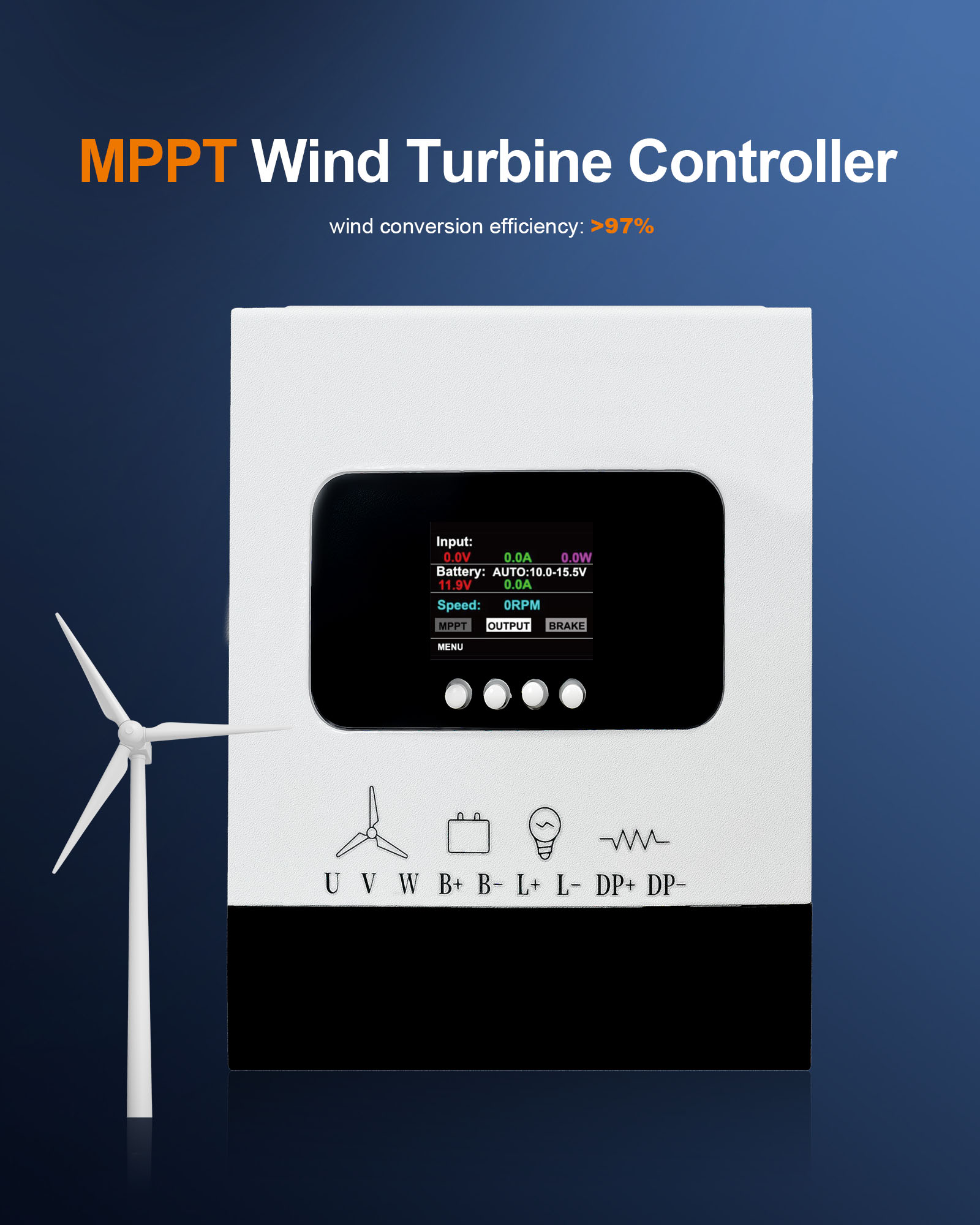
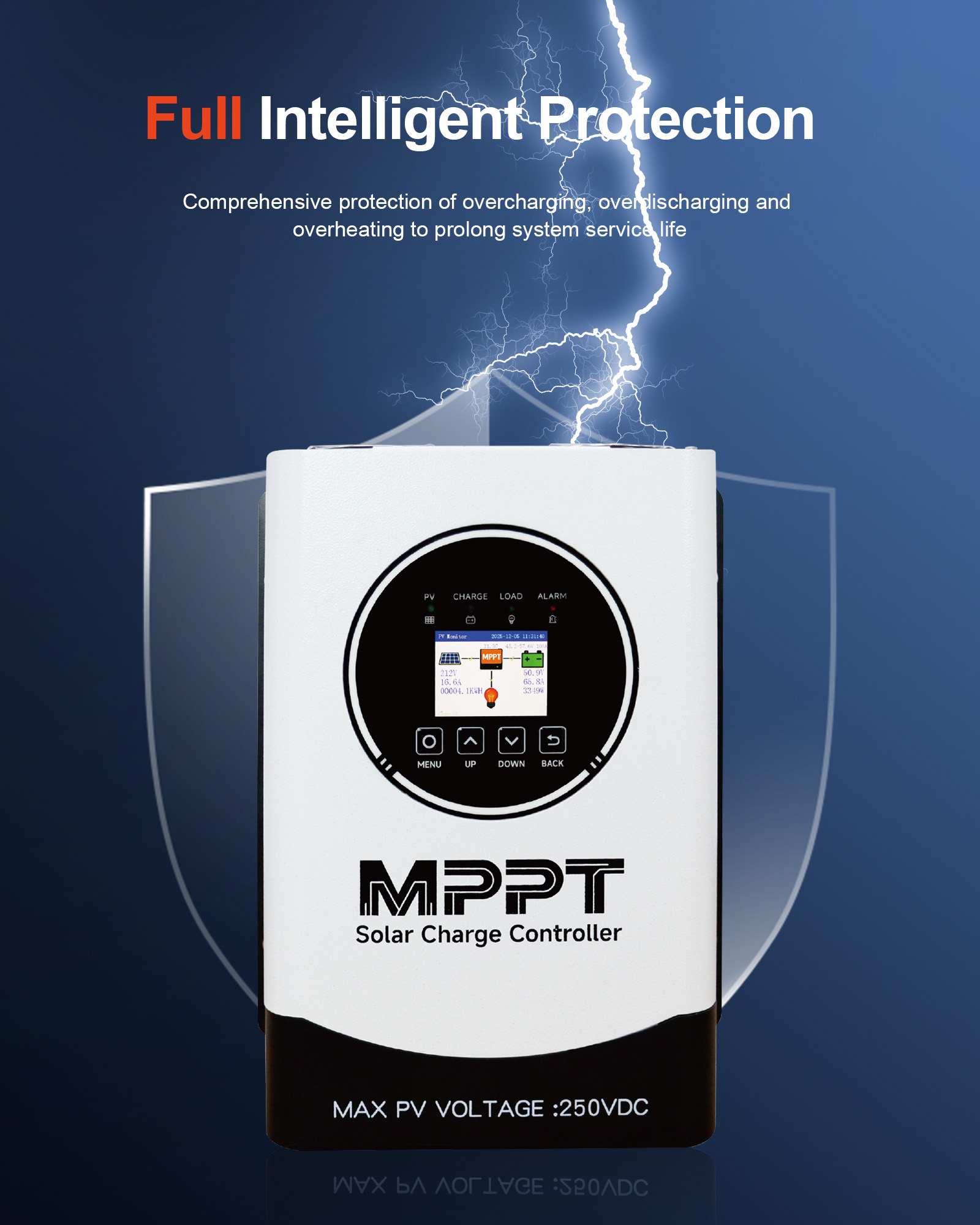
The product matrix includes core categories such as high-frequency/power frequency inverters, wind power controllers, photovoltaic controllers, wind-solar hybrid controllers, wind-solar storage-control-inverse integrated power generation systems, etc., which can be flexibly adapted to diversified power needs such as household use, industrial and commercial distributed, and off-grid independent power stations.
Deep technological accumulation in converting raw solar and wind inputs into stable, clean electrical energy with minimal thermal losses.
Smart integration featuring coordinated control of integrated wind, solar, and storage resources for optimal energy usage.
Seamlessly scalable systems designed to adapt to household, commercial distributed, and independent off-grid power stations.
Exploring how our hybrid charge controllers perform under challenging, real-world environments.
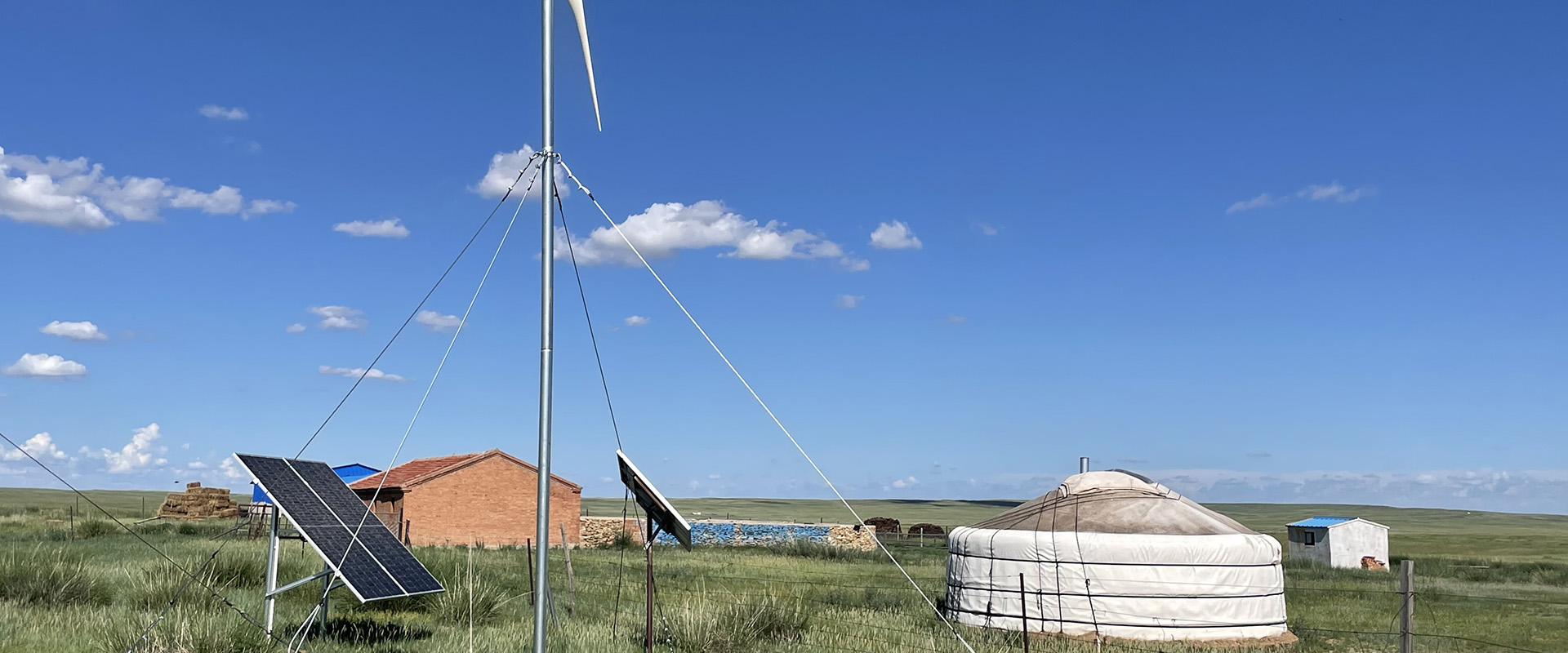
In locations far removed from municipal grids, such as remote mountain cabins or coastal islands, relying solely on solar energy can be risky due to prolonged rainy seasons or overcast winters. However, these geographical areas often experience high wind speeds during bad weather.
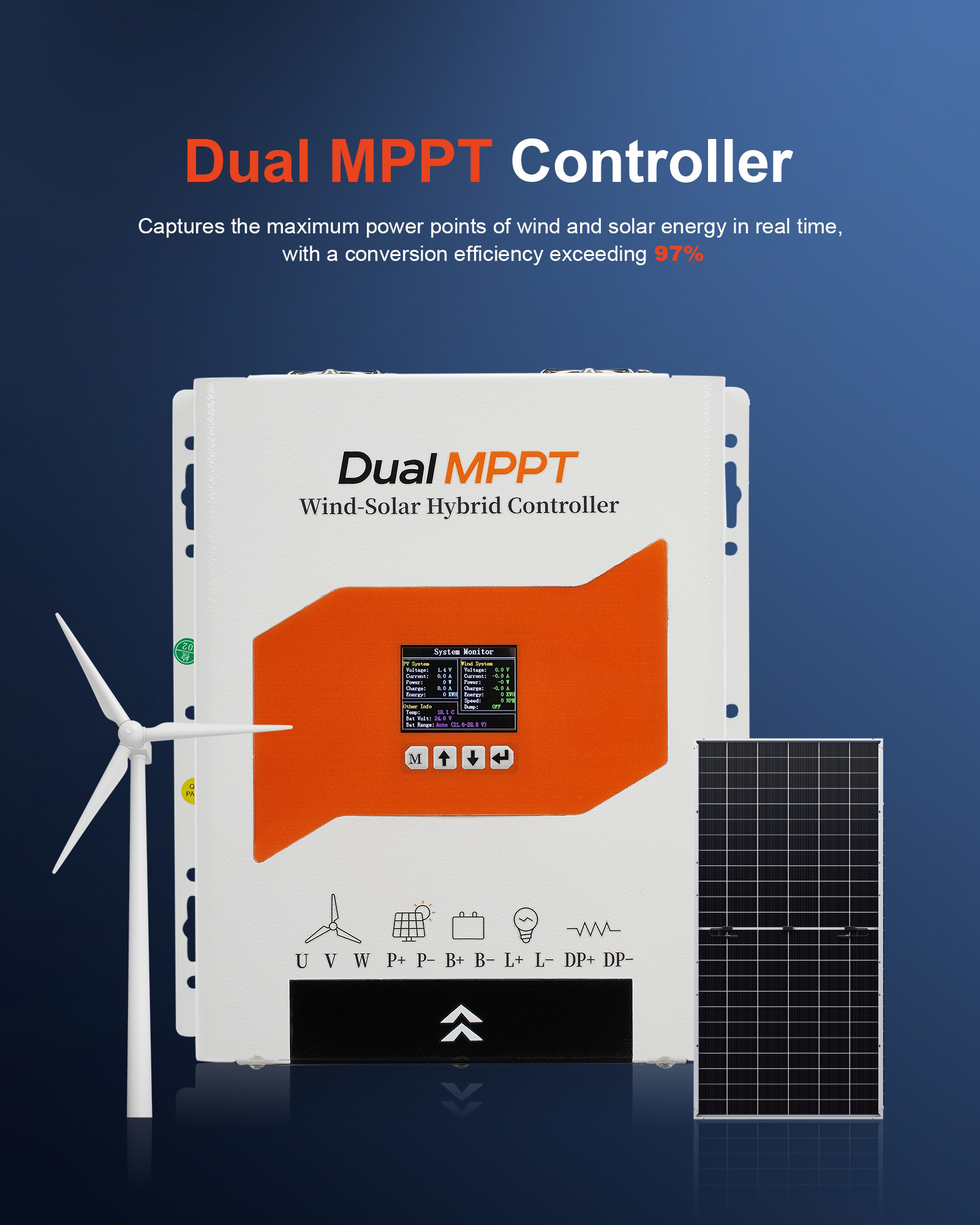
By deploying a Dual MPPT Wind-Solar Hybrid Controller, residential energy storage systems can capture solar energy during clear days and wind energy during stormy weather. The hybrid controller automatically balances both inputs, preventing deep discharge of the battery bank and ensuring a steady 24/7 power supply for critical appliances like water pumps, heating elements, and communications equipment.

Modern off-grid farming and homesteading require highly reliable power systems to sustain automated greenhouses, livestock feeding systems, and cold storage units. Power failures in these contexts can lead to immediate economic losses.
Integrating a hybrid controller into agricultural energy storage setups allows for high-power, multi-stage battery charging. The controller can prioritize solar inputs for day-to-day operations and utilize wind turbine inputs during the night to maintain battery reserves. This dual redundancy ensures that critical ventilation and refrigeration systems never lose power, even during multi-day weather events.
In regions where the main utility grid is highly unstable or prone to frequent load shedding, residential energy storage acts as an essential backup system. Here, the hybrid controller functions as a smart gatekeeper.
The controller coordinates grid bypass modes, solar harvesting, and battery backup configurations. When the grid fails, the transition to off-grid mode is instantaneous, preventing power fluctuations from damaging sensitive home electronics. The high efficiency of the MPPT tracking algorithm ensures that even short windows of sunlight are fully capitalized upon to recharge the depleted battery bank quickly.
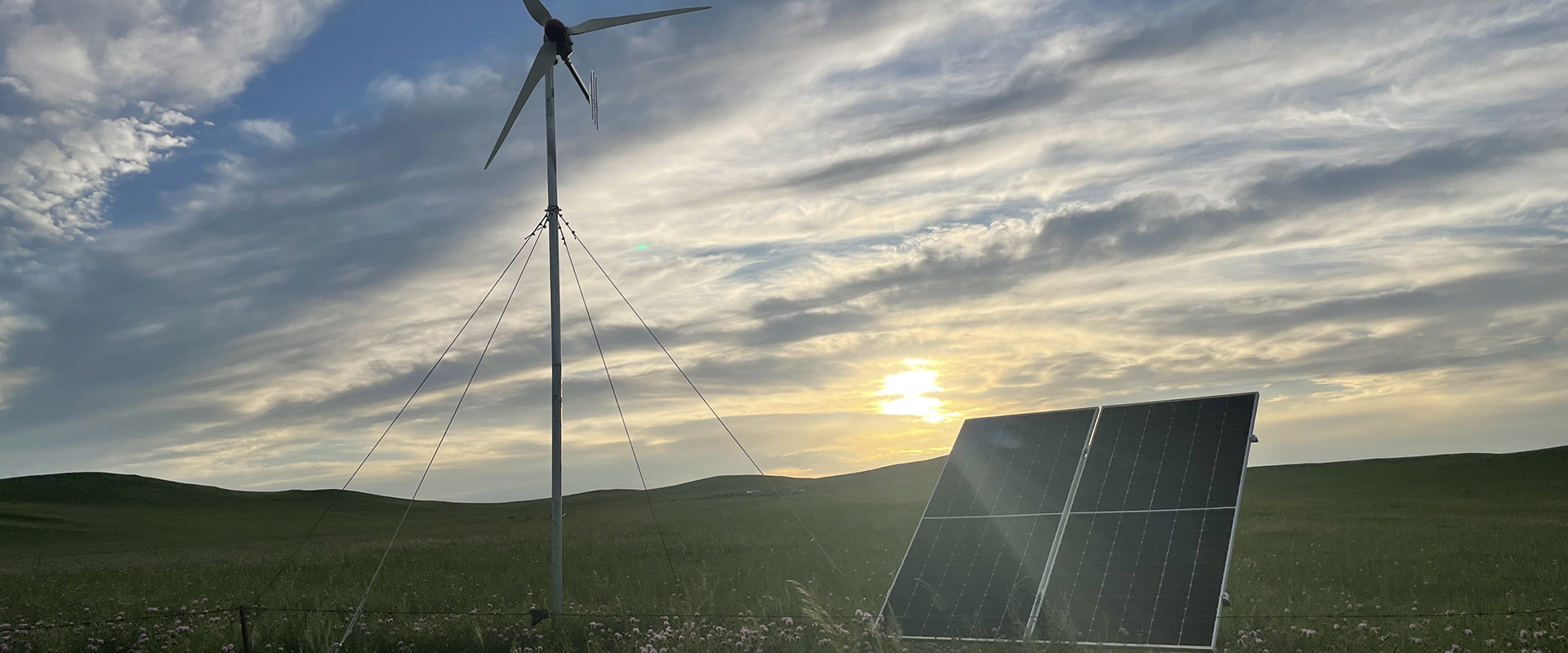
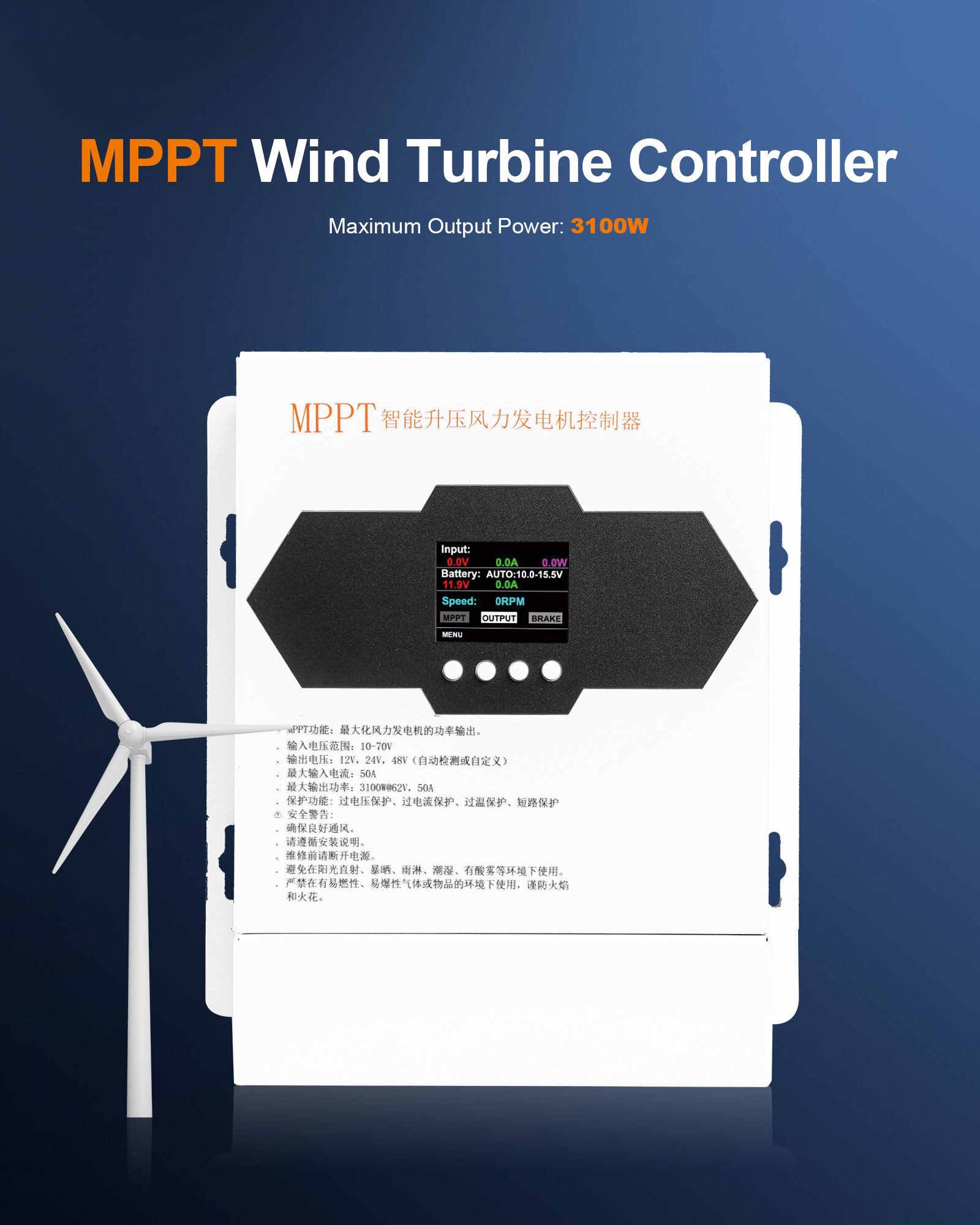
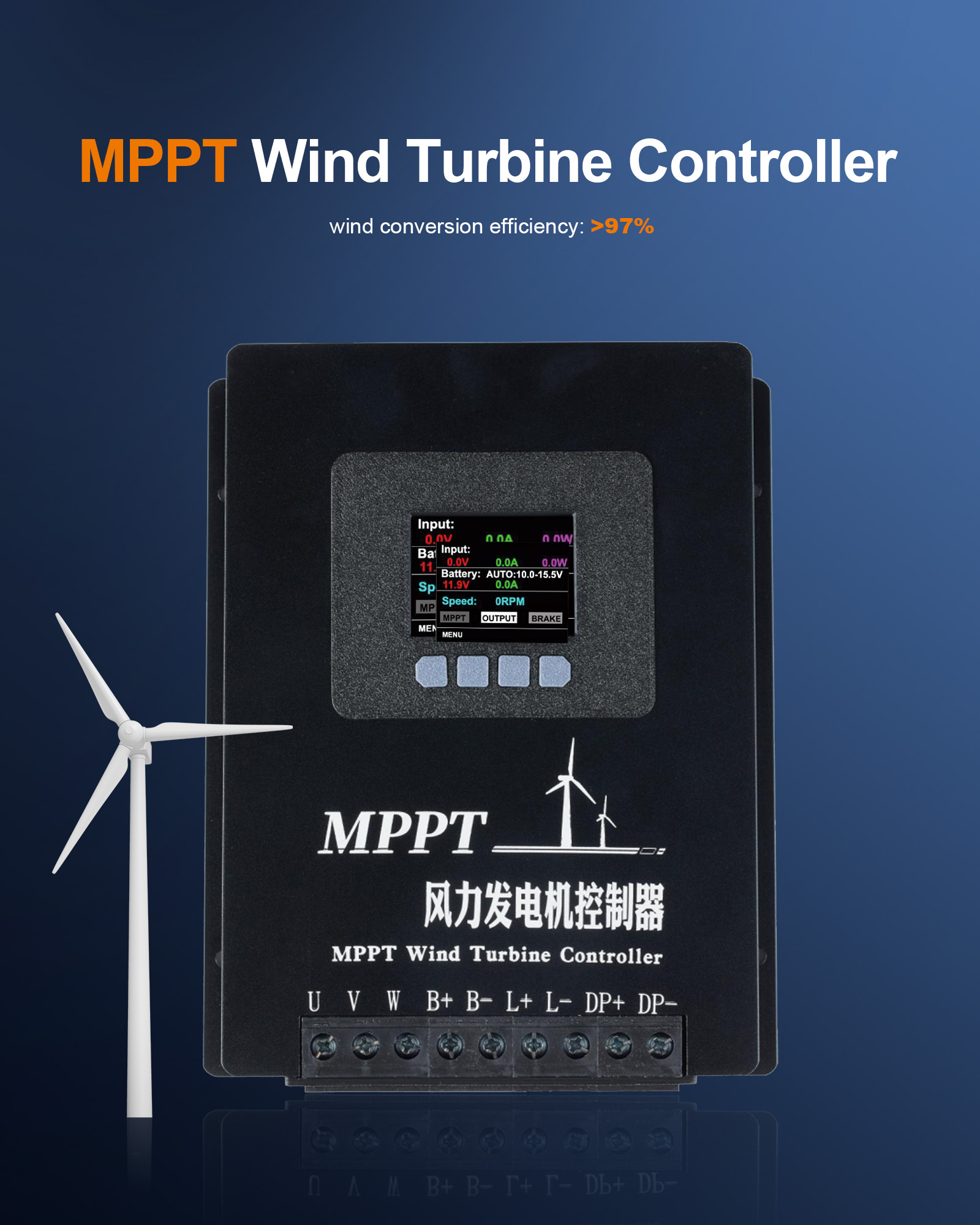
To understand the value of a hybrid controller in an off-grid residential solar energy storage system, it is vital to analyze the underlying electrical principles. Solar panels and wind turbines produce very different types of electricity. Solar panels generate variable DC voltage depending on sunlight intensity, while wind turbines produce variable AC voltage (which must be rectified to DC) depending on wind speeds.
A high-performance hybrid controller houses separate dedicated circuits to handle these distinct inputs:
By consolidating these functions into a single unit, homeowners reduce system complexity, eliminate compatibility issues between separate solar and wind chargers, and save significant space in their power distribution rooms.
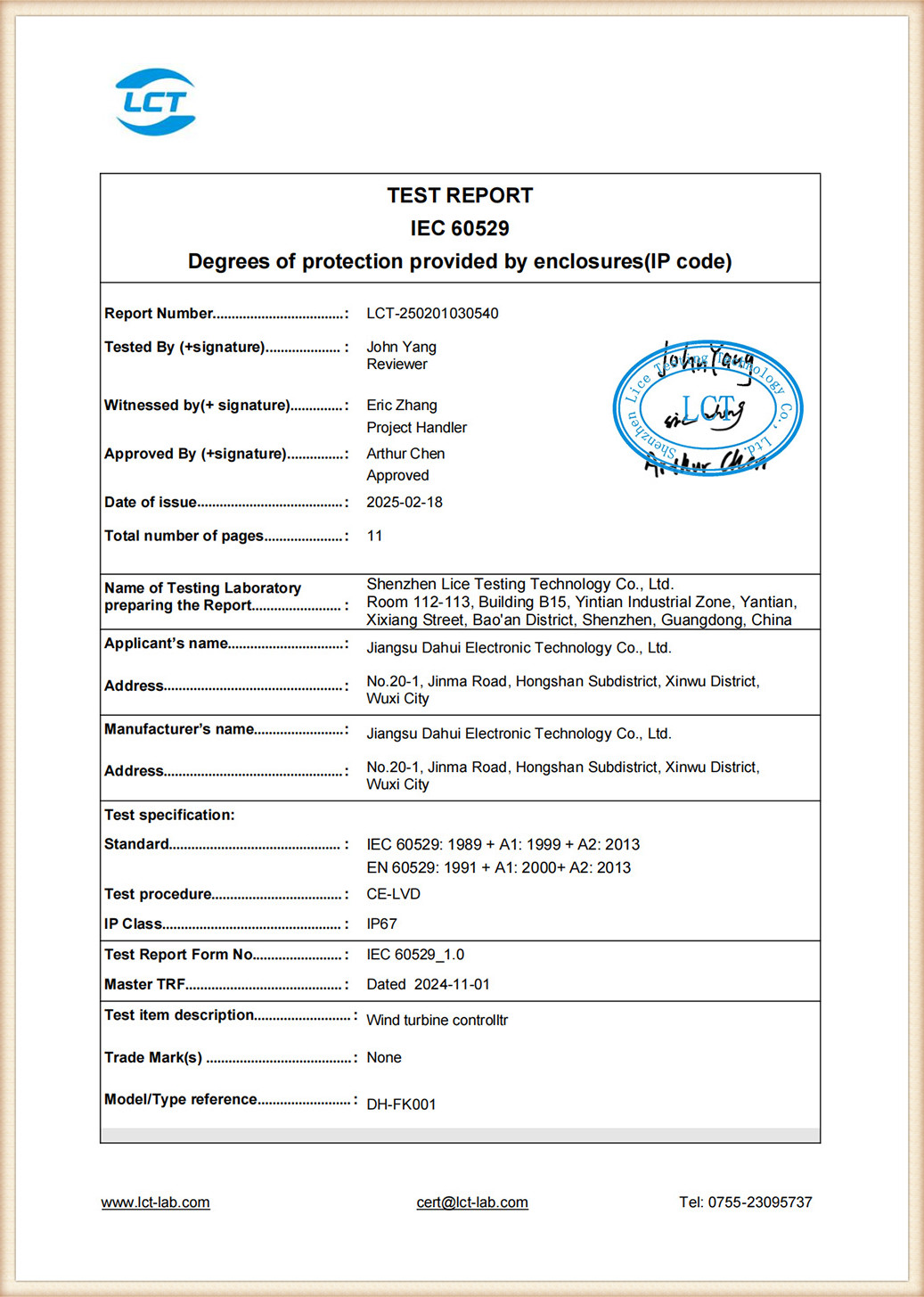
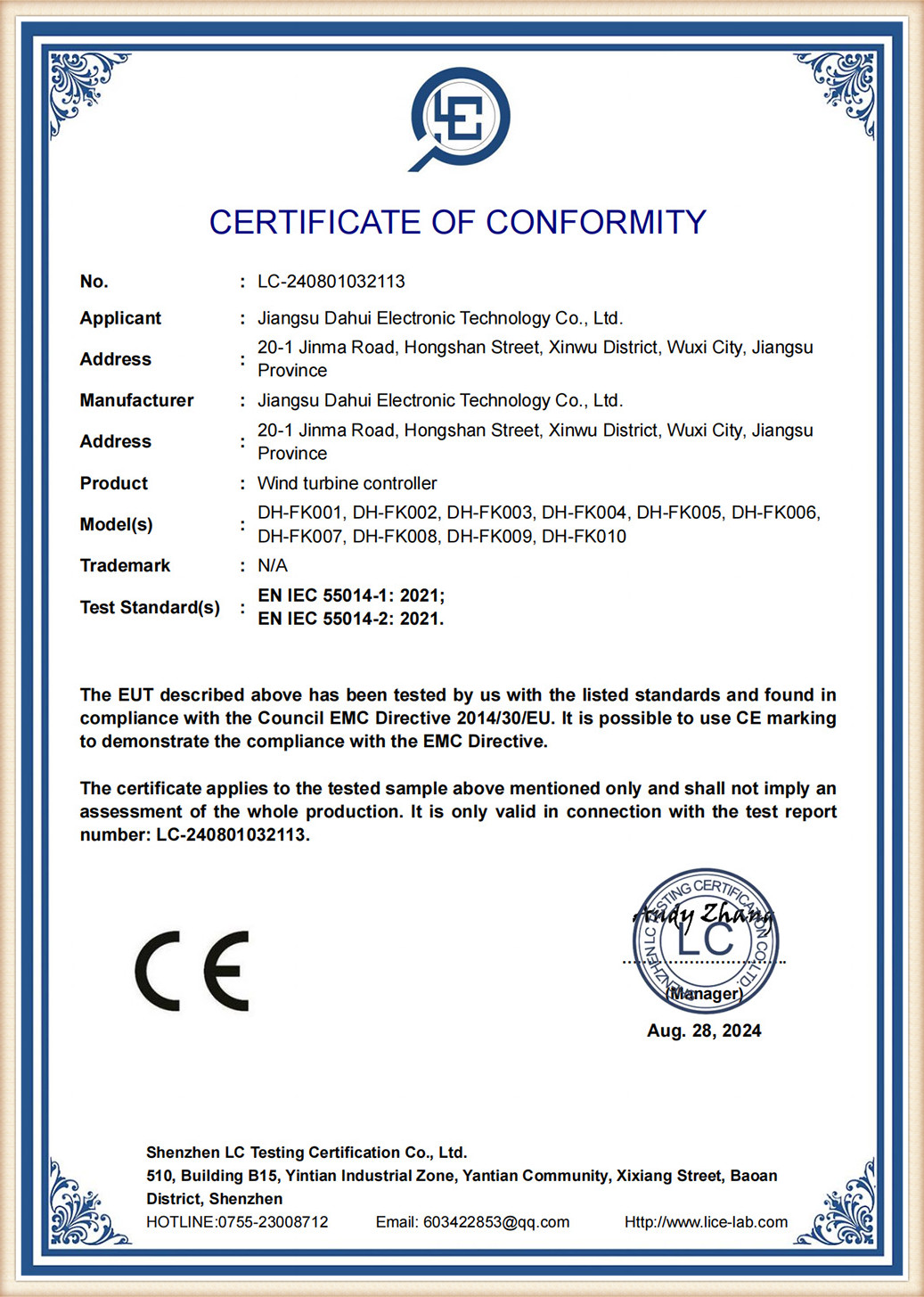
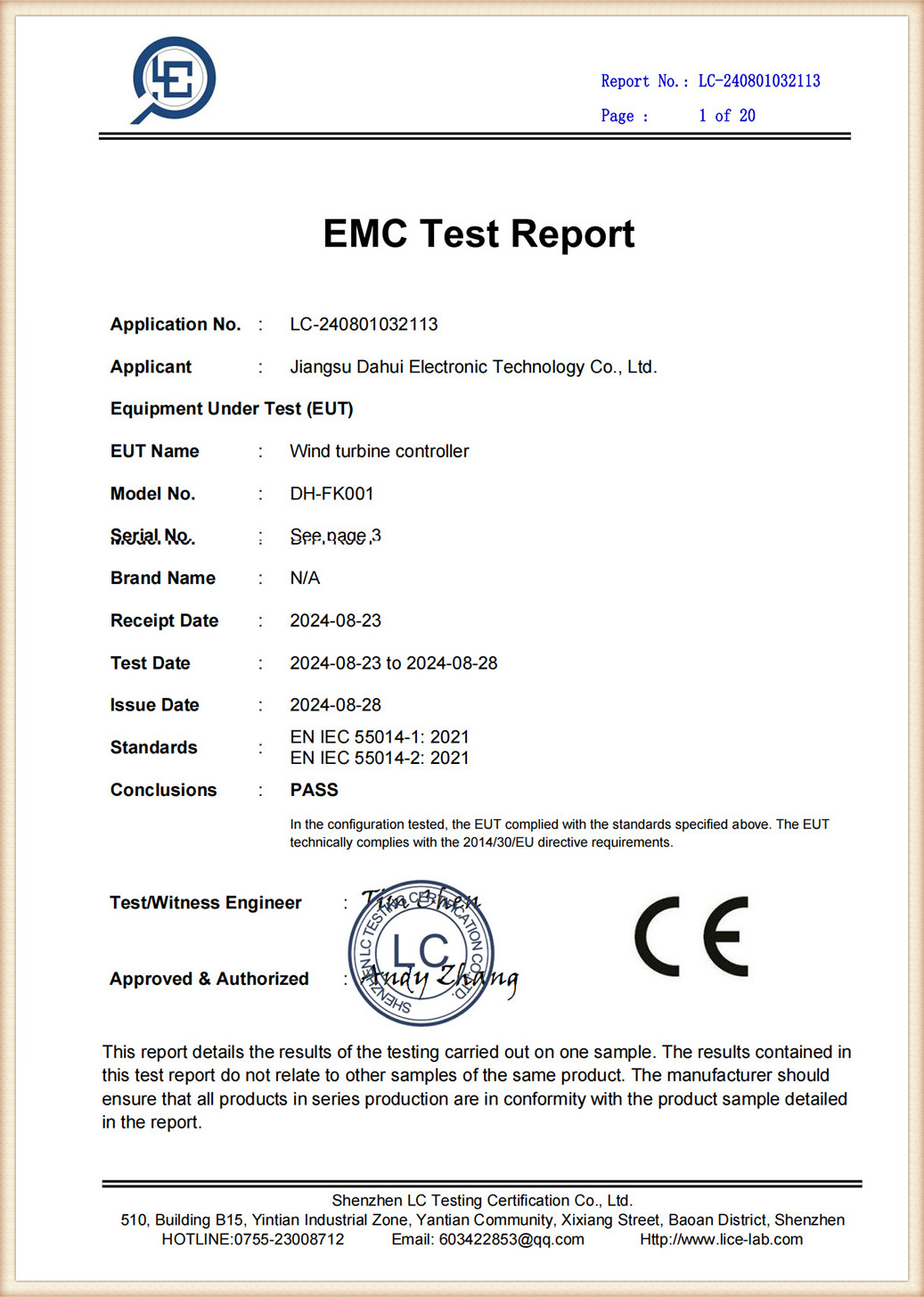
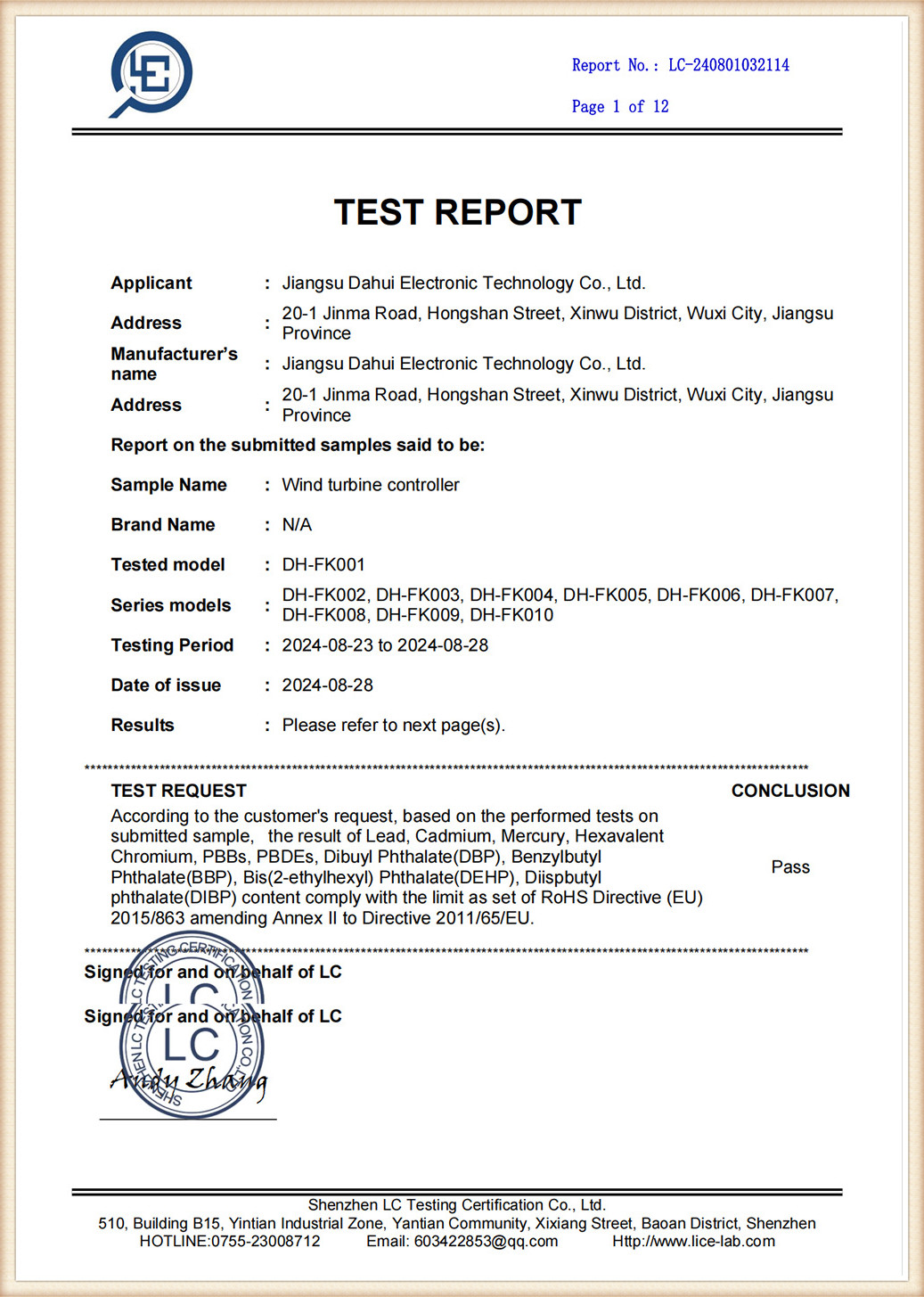
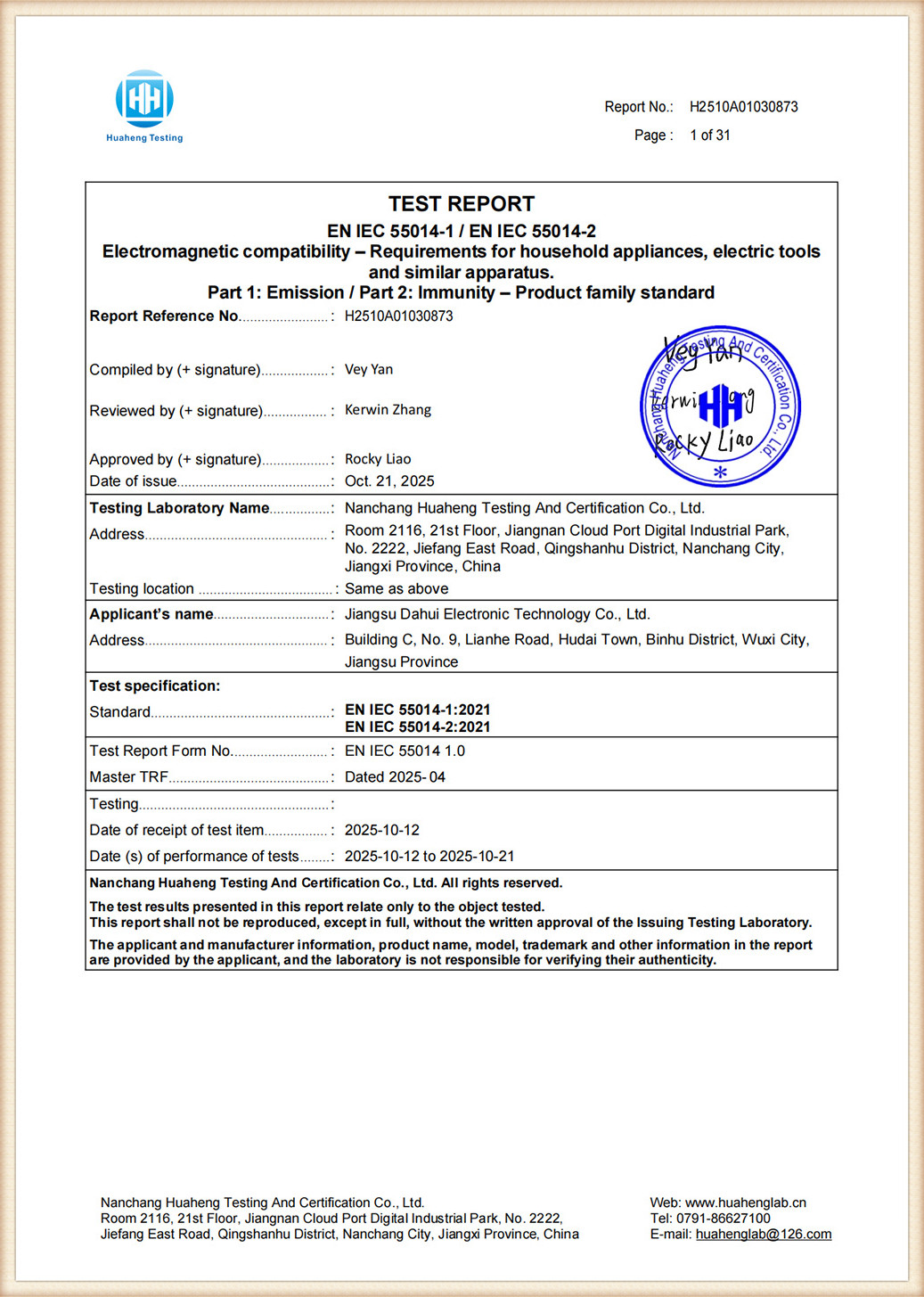
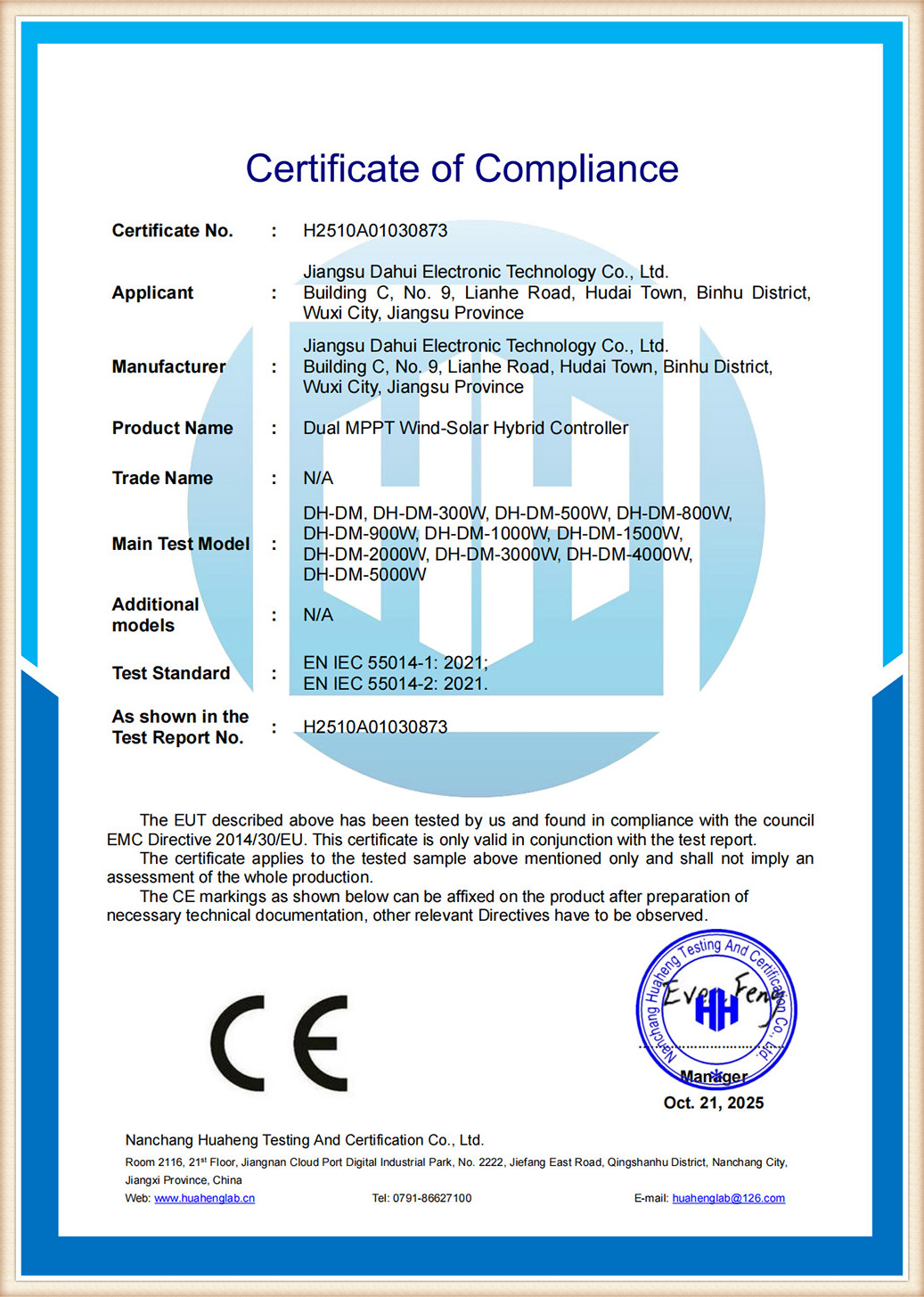
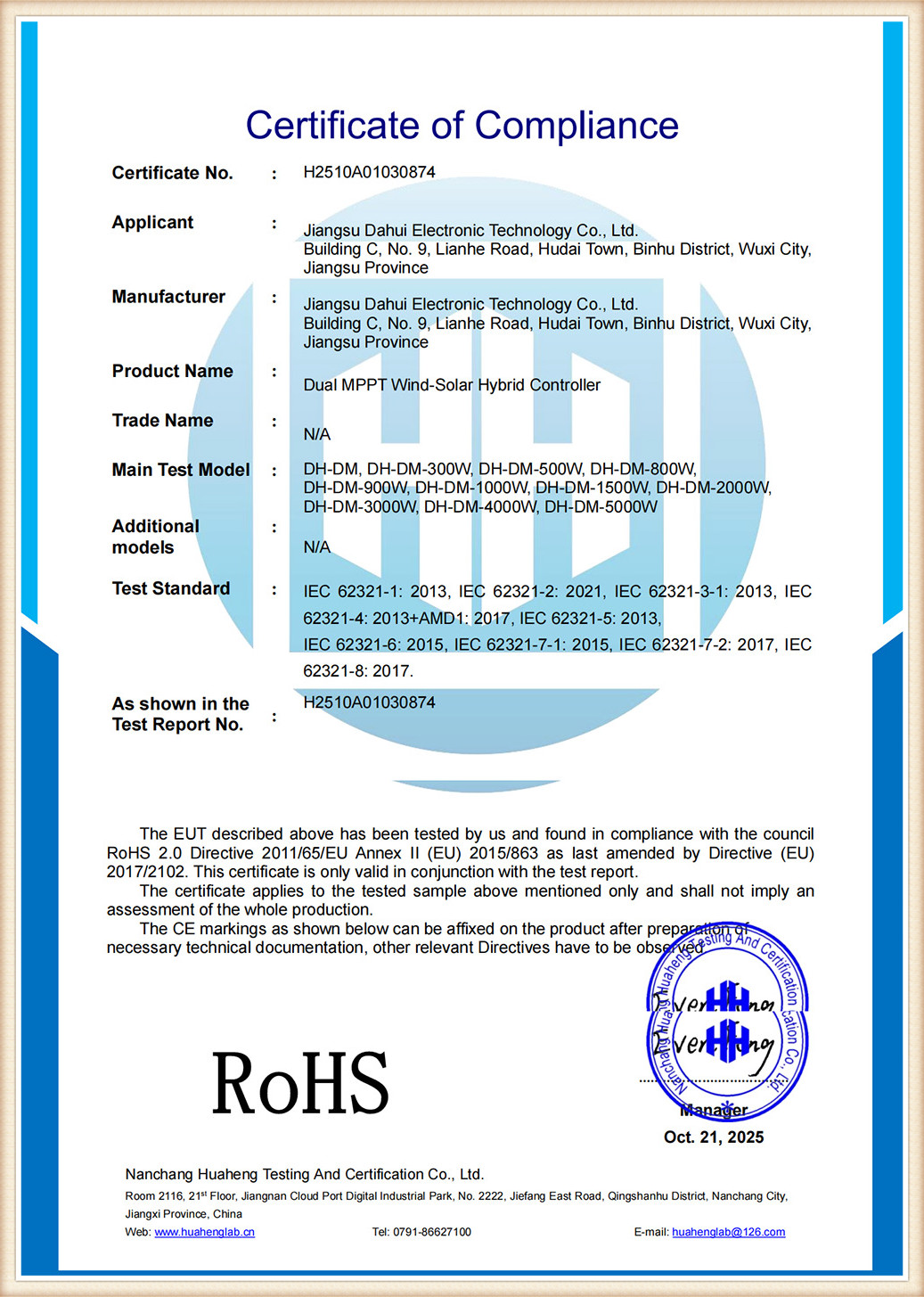
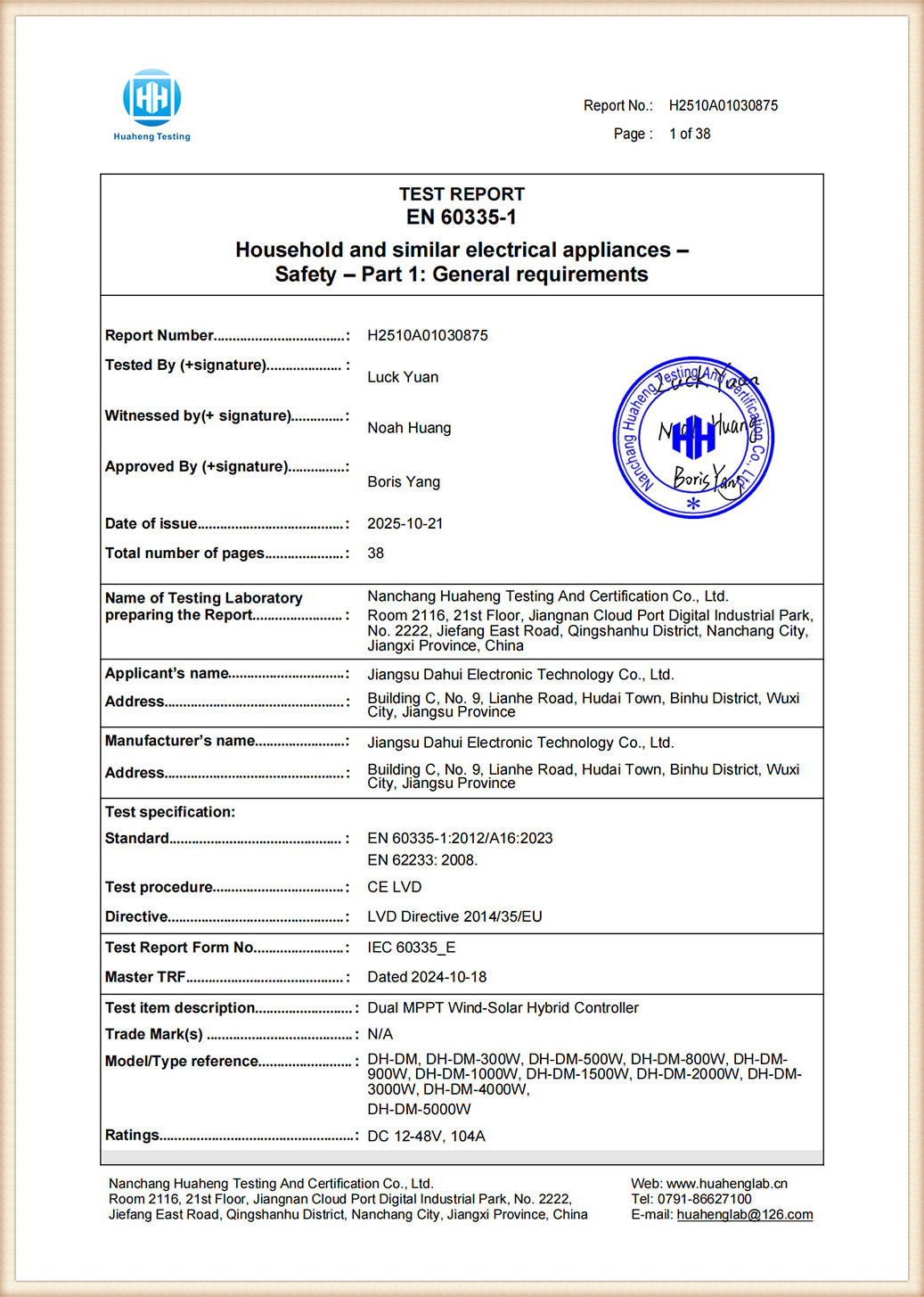
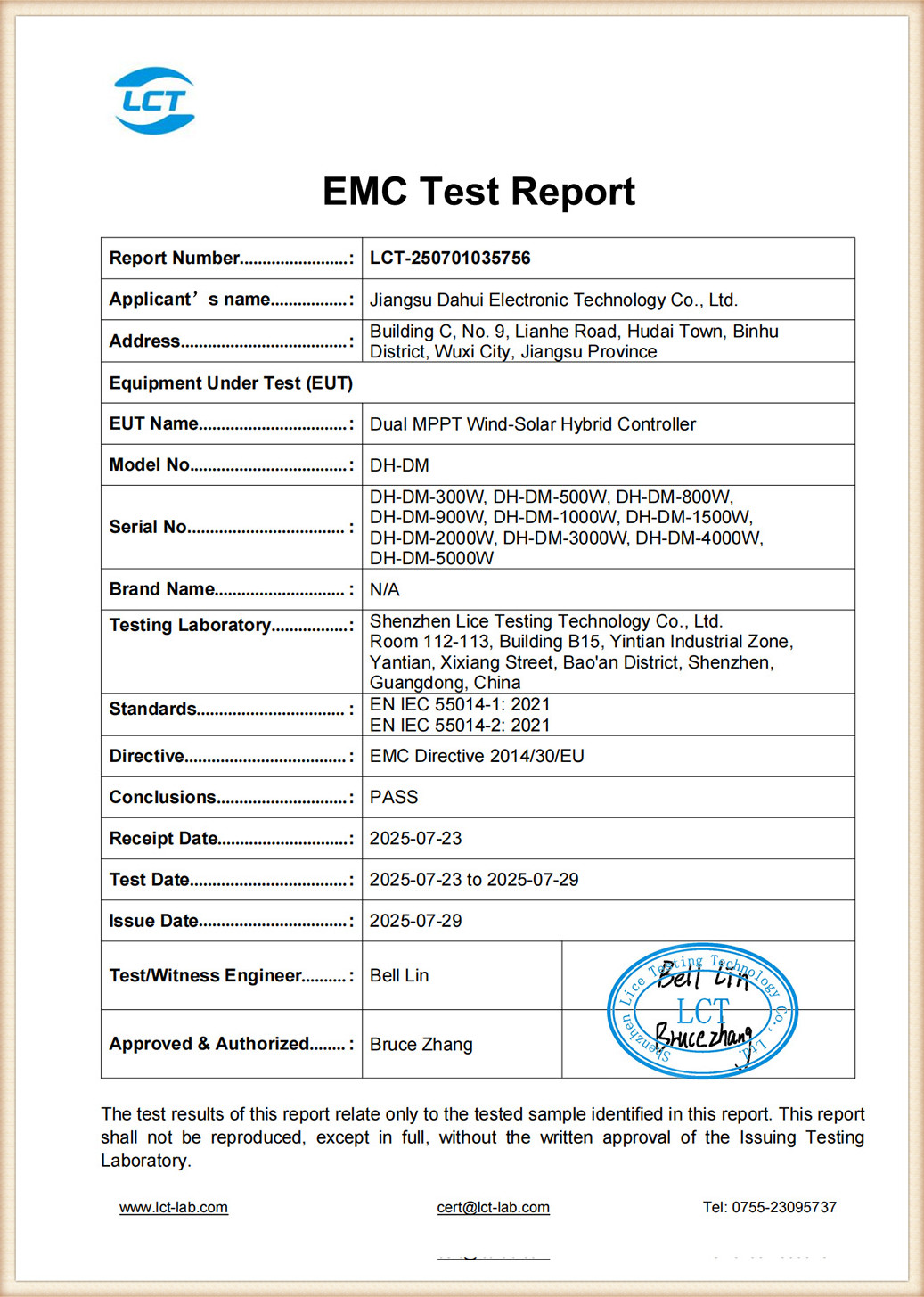
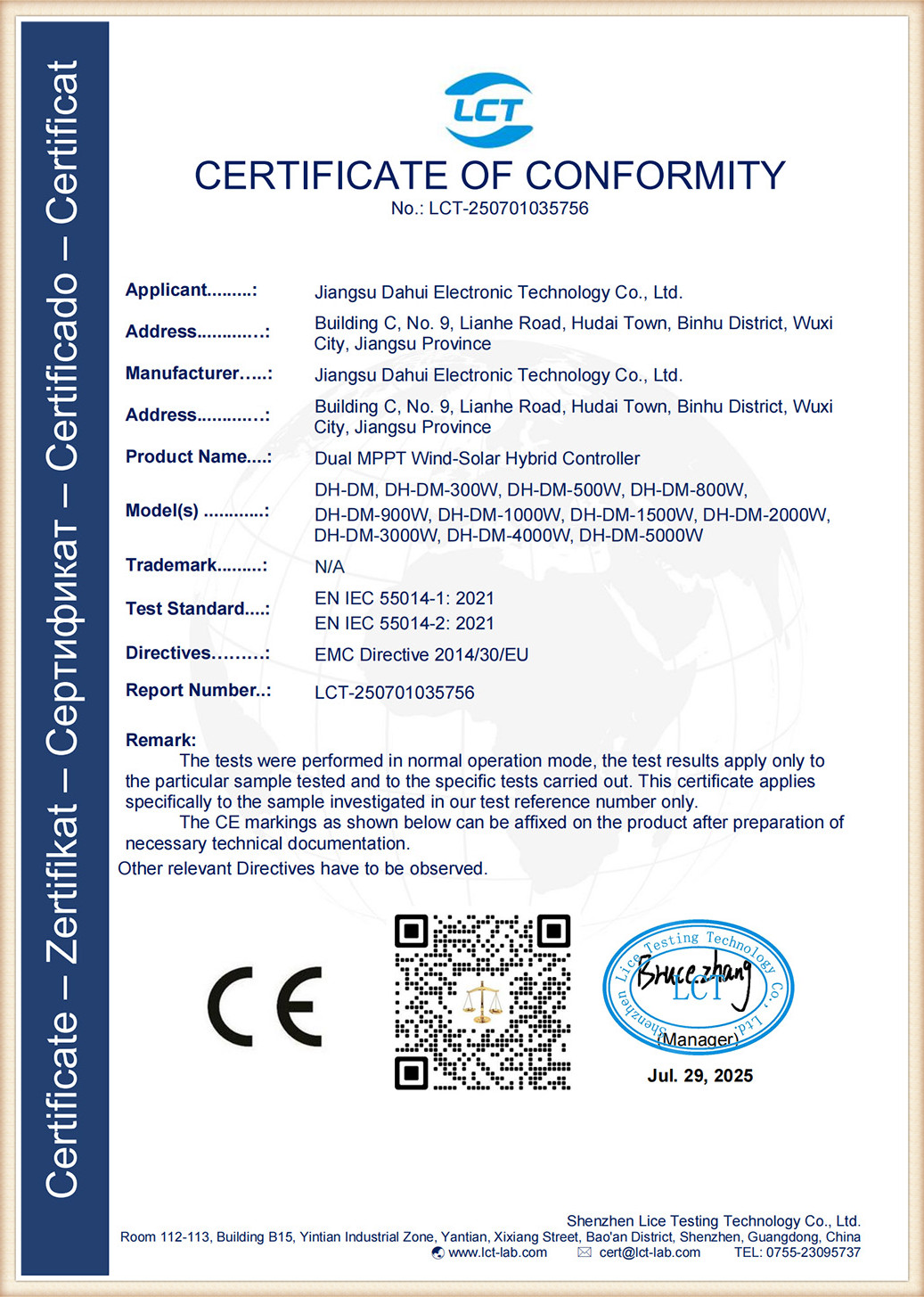
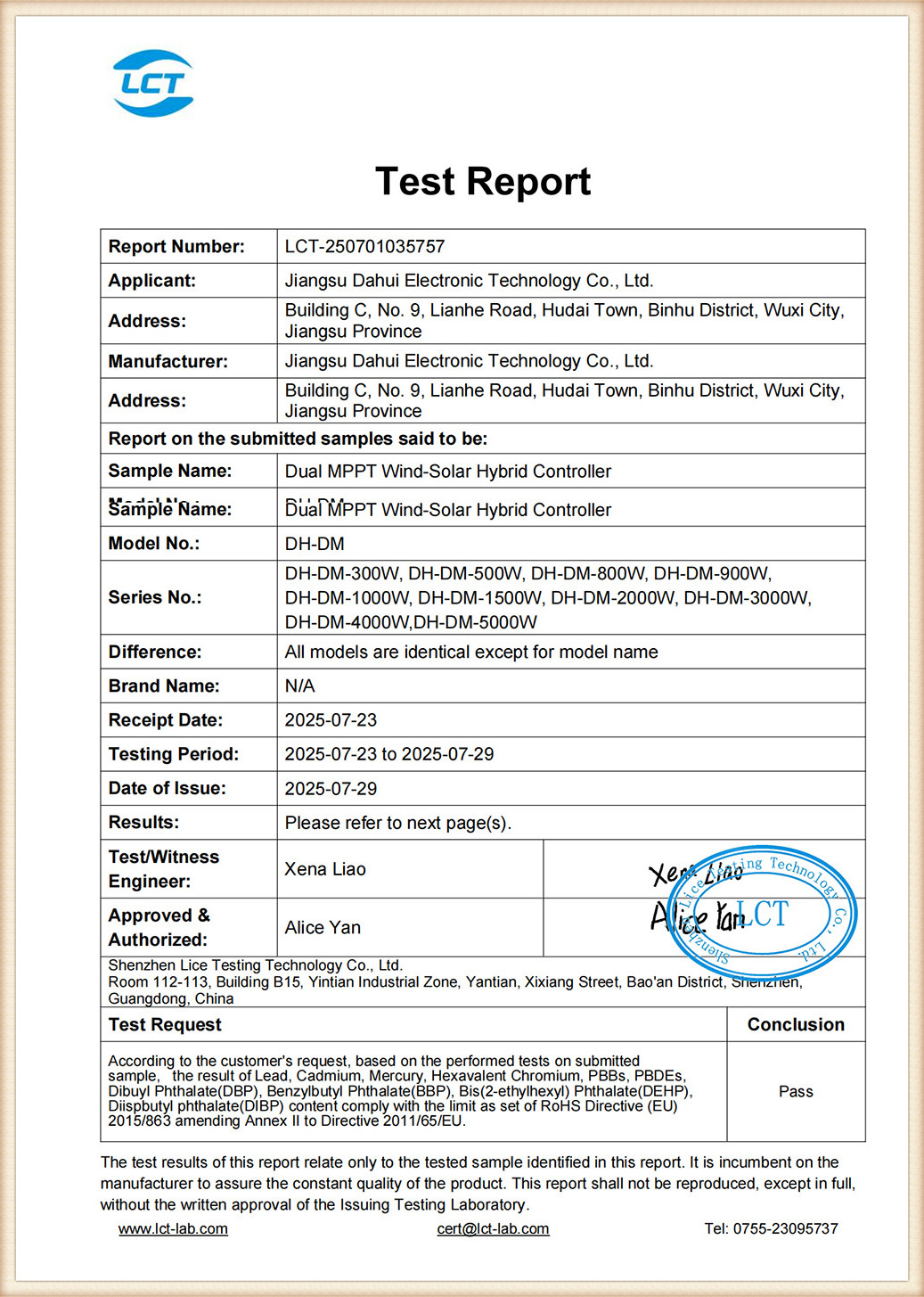
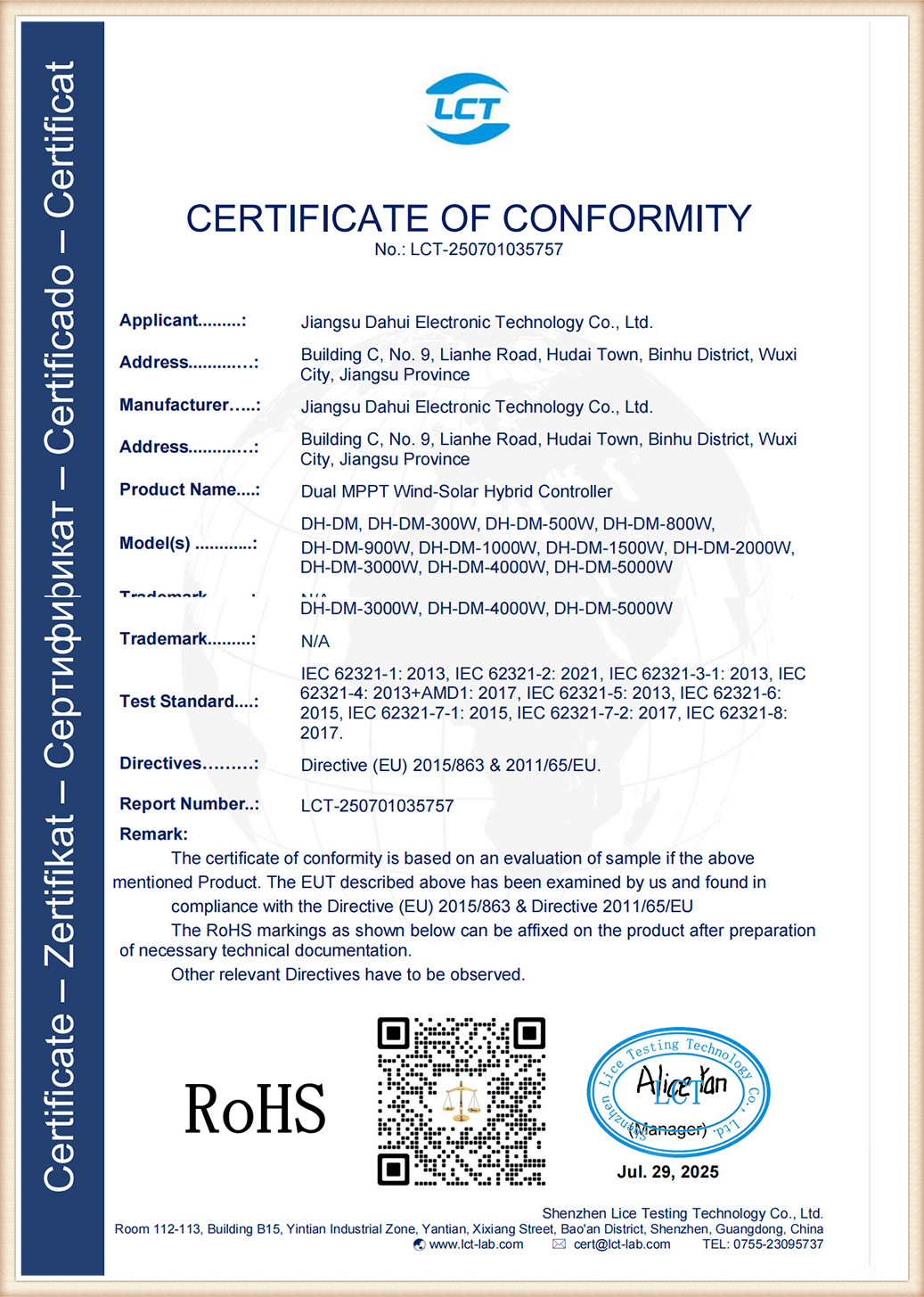
The company always adheres to the core business philosophy of "quality first, independent research and development", and regards product quality and technological innovation as the core driving force for corporate development. At present, it has obtained a number of international authoritative product certifications and ISO quality management system certifications, and has established a full-chain quality management system from raw material inspection, full-process control of the production process to multi-dimensional inspection of finished products. Product quality is strictly controlled throughout the entire process, and core product performance indicators are comprehensively better than industry standards, providing a solid guarantee for the long-term stable operation and reliable service life of the product.
Explore our full portfolio of advanced controllers designed to support residential energy independence.