Leave Your Message
The global transition toward sustainable energy has accelerated the adoption of decentralized power systems. Within this movement, off-grid residential solar energy storage stands out as a critical solution for homeowners seeking energy independence, resilience against grid outages, and mitigation of rising utility costs. At the heart of these modern off-grid systems lies a crucial component: the Lithium Ion Solar Charge Controller. Acting as the system's brain, this device regulates the flow of electricity from solar panels to the lithium-ion battery bank, ensuring optimal charging, system safety, and maximum longevity.
Historically, off-grid systems relied heavily on lead-acid batteries due to their low initial cost and simplicity. However, the commercial and industrial landscape has experienced a monumental shift toward lithium-ion chemistries, specifically Lithium Iron Phosphate (LiFePO4) and Nickel Manganese Cobalt (NMC). This transition has redefined the requirements for solar charge controllers, demanding highly precise, fast-acting, and intelligent Maximum Power Point Tracking (MPPT) algorithms capable of communicating with sophisticated Battery Management Systems (BMS).
Industry Insight: Modern residential energy storage demands more than basic voltage regulation. It requires dynamic thermal management, precise State of Charge (SoC) tracking, and seamless communication protocols to protect and optimize high-value lithium battery banks.
The commercial landscape for residential solar charge controllers is currently undergoing rapid expansion. According to global market research, the residential energy storage market is projected to grow at a compound annual growth rate (CAGR) of over 15% through the next decade. This growth is driven by several key factors:
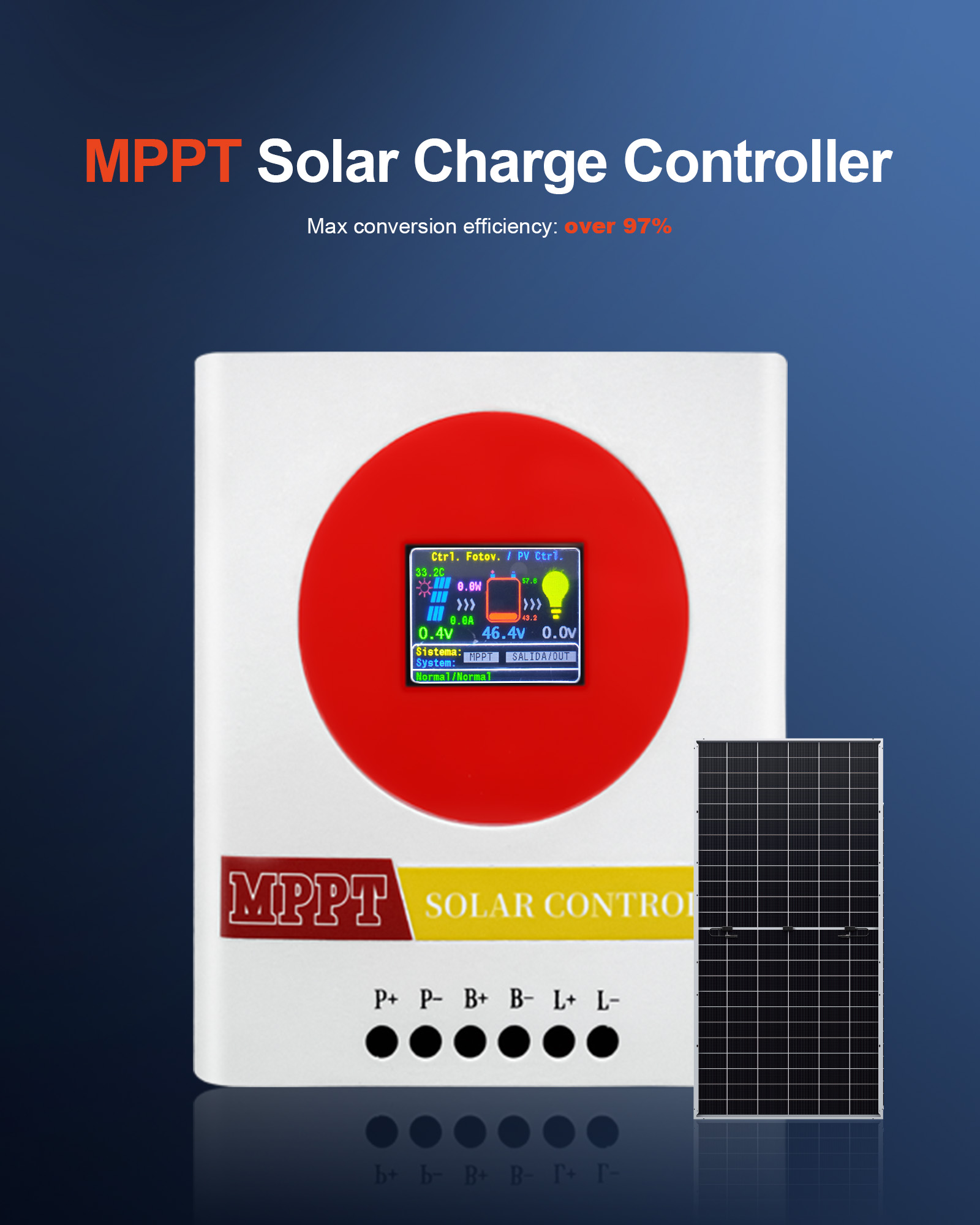
Industrially, manufacturers of solar charge controllers are shifting their research and development focus toward high-voltage, high-efficiency MPPT units. Modern residential solar arrays are designed with higher series-string voltages to minimize line losses and simplify installation. Consequently, charge controllers must handle input voltages ranging from 150V to 600V DC while stepping down efficiently to charge 24V or 48V nominal lithium battery banks. This requires advanced silicon carbide (SiC) or gallium nitride (GaN) power electronics to maintain conversion efficiencies above 98%.
Tracks the maximum power point of solar arrays within milliseconds, maximizing energy harvest in changing weather.
Direct communication via CAN bus or RS485 ensures real-time cell-level protection and balanced charging profiles.
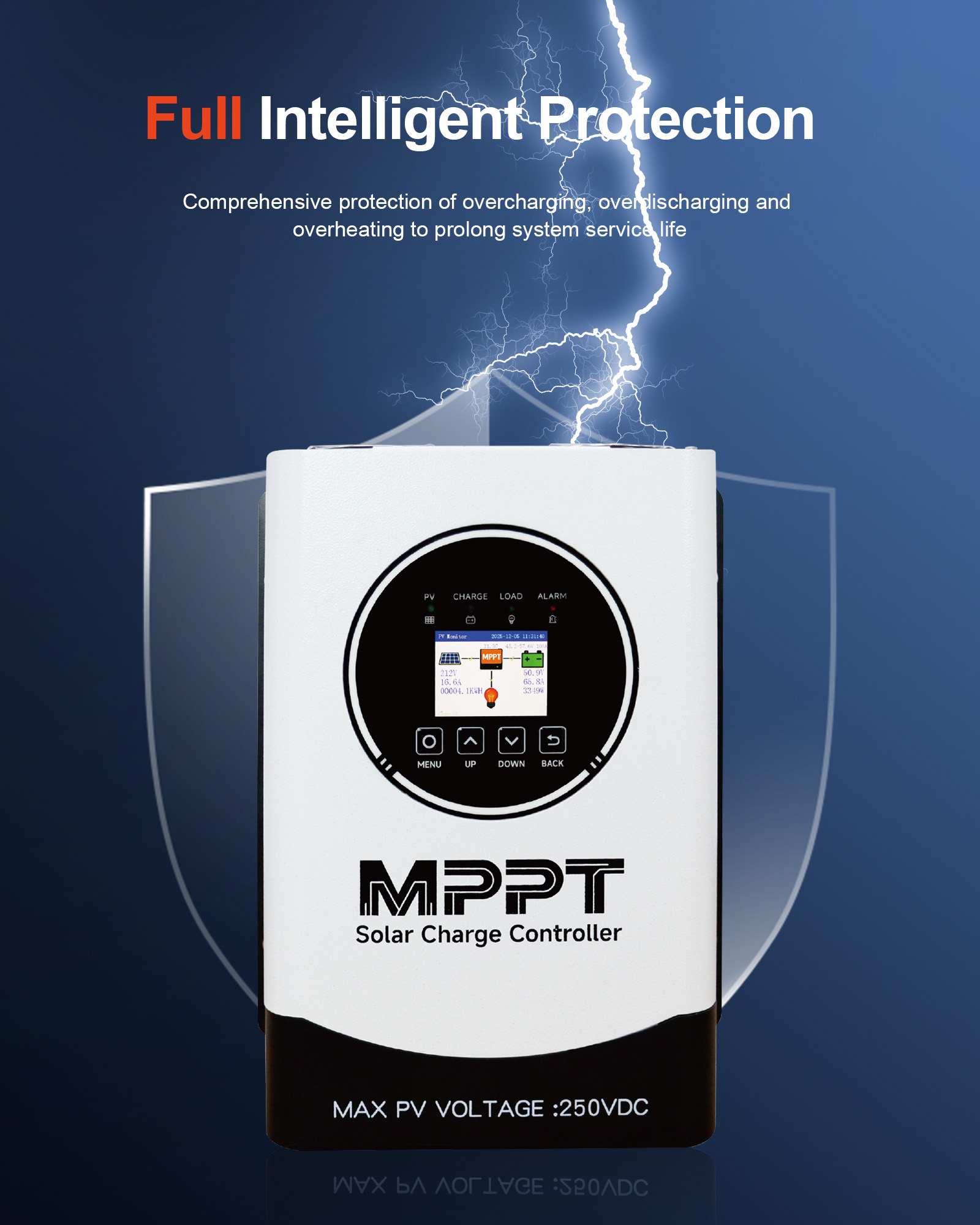
Smart thermal derating and low-temperature charge prevention protect lithium cells from permanent damage.
Lithium-ion batteries possess unique chemical characteristics that distinguish them from traditional lead-acid systems. These characteristics require the solar charge controller to execute highly specialized charging algorithms. A standard charge controller designed for lead-acid batteries can quickly degrade or catastrophically damage a lithium-ion battery pack.
Lithium-ion batteries are charged using a strict CC/CV protocol. During the Constant Current phase, the controller delivers the maximum available solar power, allowing the battery voltage to rise steadily. Once the battery reaches its high-voltage limit (typically 3.6V to 3.65V per cell for LiFePO4), the controller transitions to the Constant Voltage phase. The voltage is held constant while the current tapers off. Unlike lead-acid batteries, lithium batteries do not require a prolonged "absorption" stage or an "equalization" stage, which applies high-voltage pulses to stir up acid. Equalizing a lithium battery would cause overvoltage damage and potentially trigger thermal runaway.
One of the most critical vulnerabilities of lithium-ion batteries is charging at temperatures below freezing (0°C / 32°F). Attempting to charge a standard lithium cell at sub-zero temperatures causes "lithium plating" on the anode. This permanently reduces battery capacity and can create internal short circuits, leading to safety hazards. Advanced lithium-ion solar charge controllers feature external temperature sensors or communicate directly with the battery's internal BMS to disable charging when temperatures drop below safe thresholds, redirecting solar energy to internal heating blankets or auxiliary loads instead.
In high-performance residential off-grid systems, the charge controller does not operate in isolation. It is connected to the battery's BMS via communication networks using protocols such as CAN bus, Modbus, or RS485. Through this closed-loop communication, the BMS constantly sends real-time limits for maximum charging current and voltage based on cell temperatures, state of health, and cell balance. The charge controller dynamically adjusts its output to match these parameters, ensuring the safest and most efficient energy transfer possible.
The applications for lithium-ion solar charge controllers in the residential sector are diverse, spanning various geographic, economic, and environmental contexts. Understanding these scenarios helps optimize system design and component selection.
For homes located far from the utility grid, reliability is the primary concern. In remote areas, maintenance visits are costly and difficult. A high-efficiency MPPT charge controller paired with a LiFePO4 battery bank offers a maintenance-free solution that can operate reliably for over 10 to 15 years. These systems must handle extreme seasonal variations. During winter, when sunlight is limited, the controller's high tracking efficiency ensures that every milliwatt of available solar energy is captured. Furthermore, integrated auxiliary relays can automatically trigger backup generators if the lithium battery's State of Charge drops below a critical threshold.
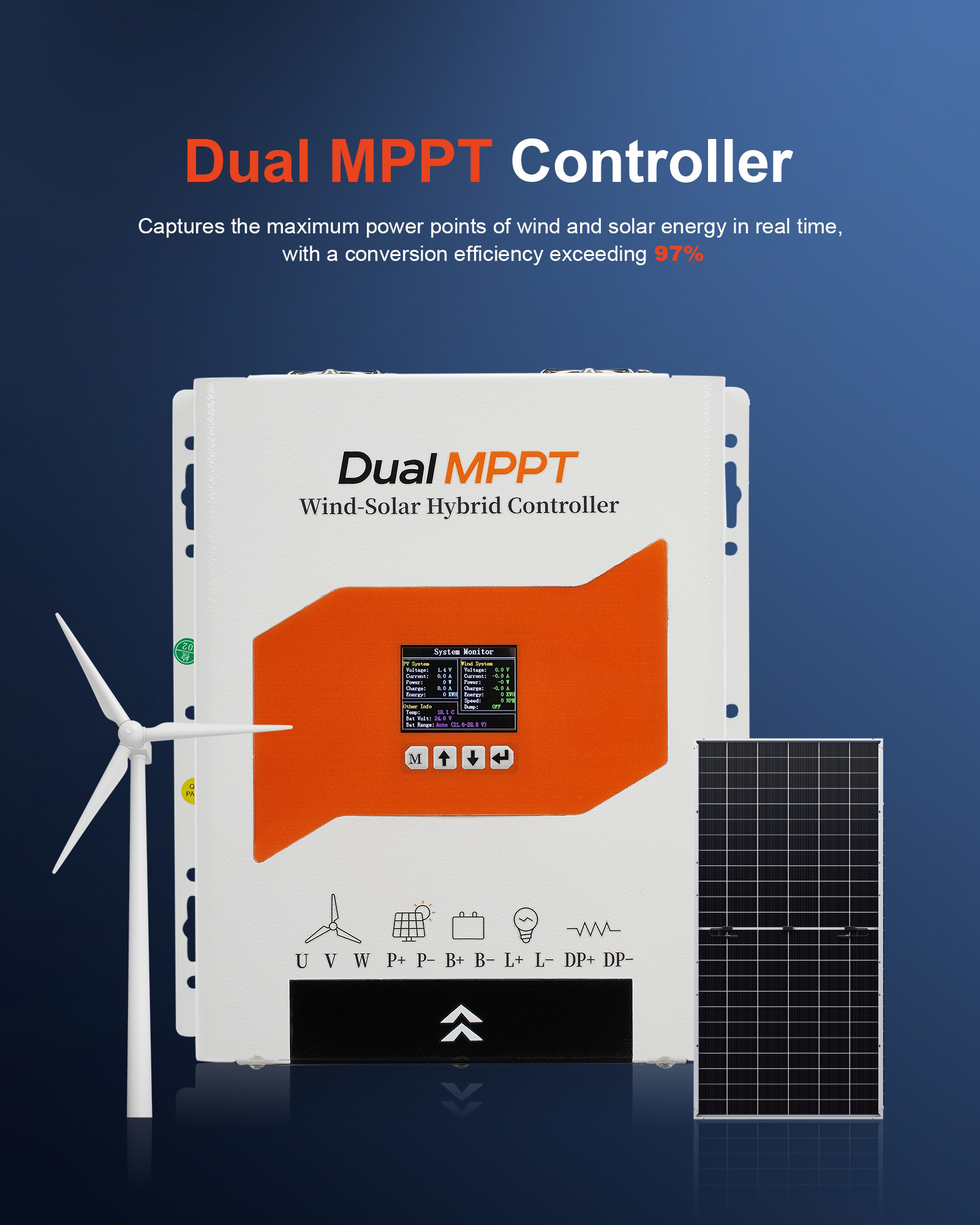
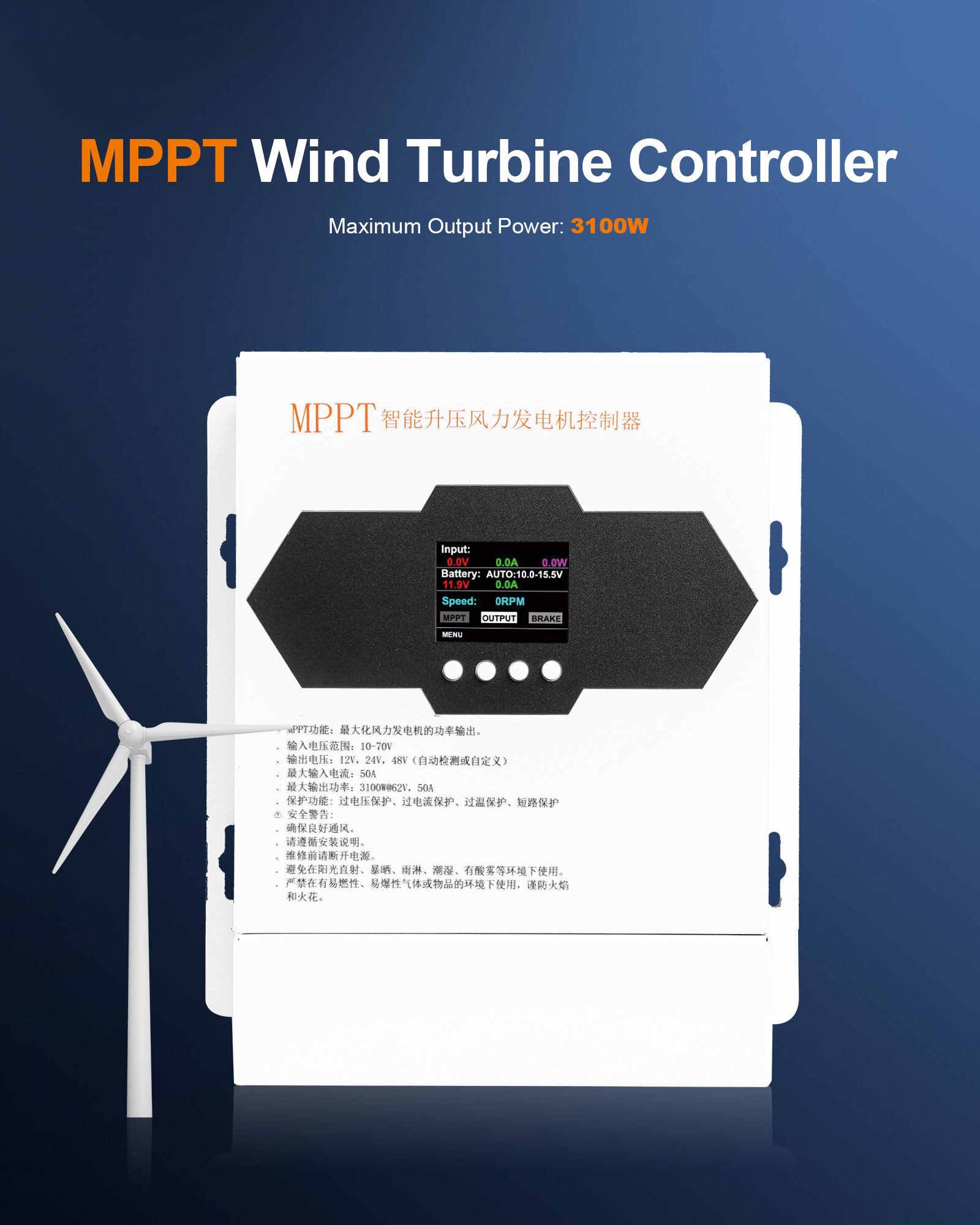
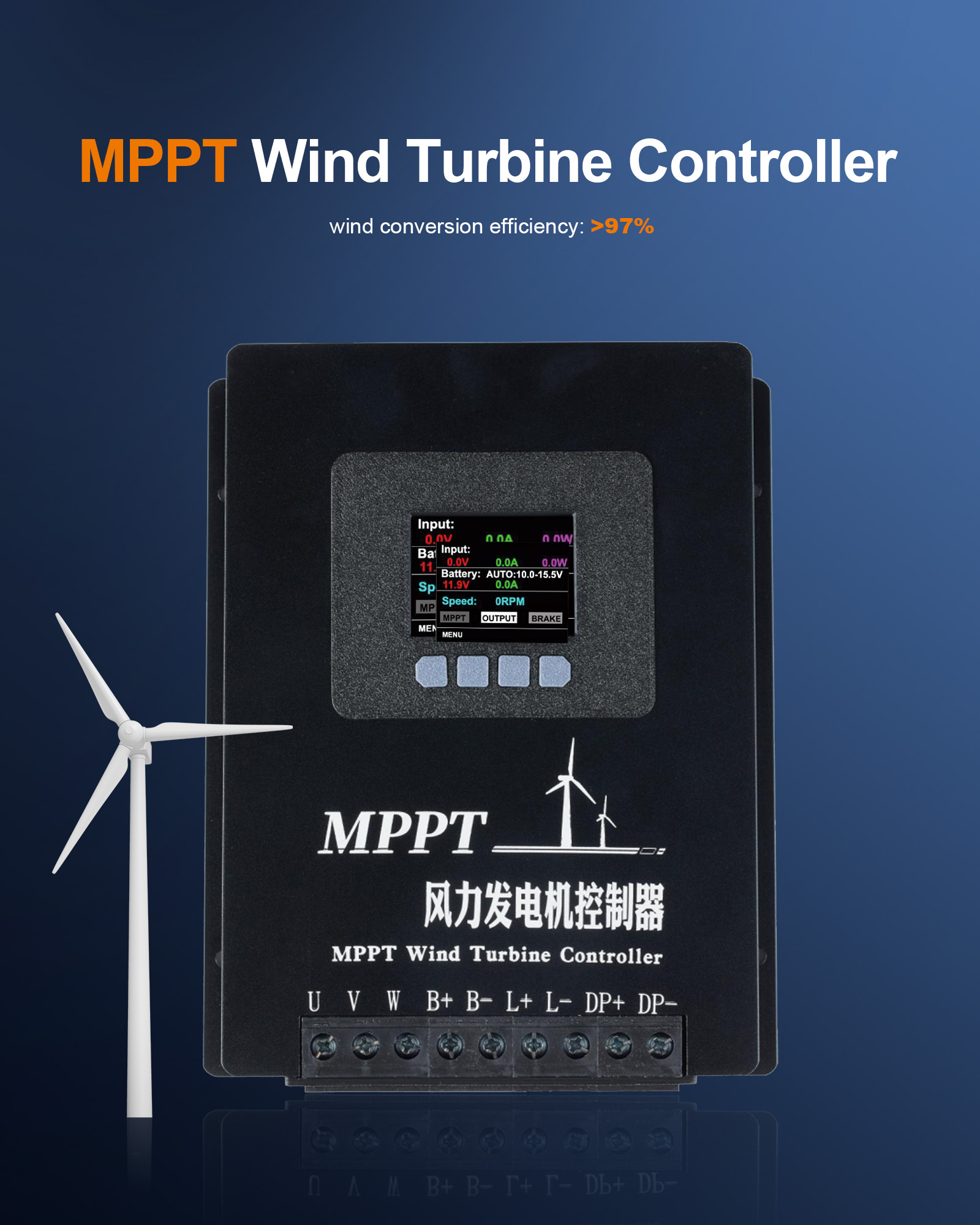
In coastal or mountainous regions, wind energy often complements solar energy, particularly during night hours or winter months. Implementing a hybrid controller—such as a dual MPPT wind-solar hybrid controller—allows homeowners to integrate both wind turbines and solar arrays into a single, cohesive lithium storage system. The controller manages the fluctuating output of the wind turbine (which requires electromagnetic braking to prevent over-speeding) alongside the variable DC output of the PV array, optimizing the charging cycle for the residential lithium battery bank without mutual interference.
Even in areas with grid access, homeowners are increasingly adopting off-grid style storage systems for backup power and peak-shaving. In regions with time-of-use (TOU) electricity pricing, the charge controller can be programmed to prioritize solar charging during the morning, store the energy in the lithium bank, and then discharge the batteries during high-tariff evening hours. If a grid outage occurs, the system automatically transitions to a fully isolated off-grid mode, with the charge controller ensuring continuous power generation from the solar array while the grid is down.
The future of lithium-ion solar charge controllers is deeply intertwined with artificial intelligence and digital twin technologies. As residential energy systems become more complex, charge controllers are evolving from simple power converters into smart energy hubs. Future trends include:
With excellent product quality, continuous R&D innovation capabilities and a complete full-cycle service system, the company has deeply explored the domestic and foreign new energy markets and established a global sales and service network. Its products are exported to dozens of countries and regions such as Europe, North America, South America, Southeast Asia, and Russia. With stable and reliable product performance and professional and efficient service capabilities, the company has gained high recognition and long-term trust from global customers, and has become a highly competitive Chinese local brand in the new energy field. In the future, the company will continue to deepen the innovation of new energy technologies, continuously optimize the product matrix and service system, help the global energy transformation and the realization of dual-carbon goals, and contribute core strength to the construction of a clean, low-carbon, safe and efficient modern energy system.