Leave Your Message
Explore our core selection of smart controllers optimized for wind, solar, and hybrid off-grid island installations.
Establishing stable electrical grids on remote islands represents one of the most challenging frontiers in modern renewable energy engineering. Geographically isolated from continental utility grids, island communities, eco-resorts, marine aquaculture platforms, and scientific research outposts have historically relied on carbon-heavy, noisy, and high-maintenance diesel generators. The transport of diesel fuel across open water introduces severe logistical complexities, high operational costs, and the constant threat of ecological contamination to delicate marine ecosystems.
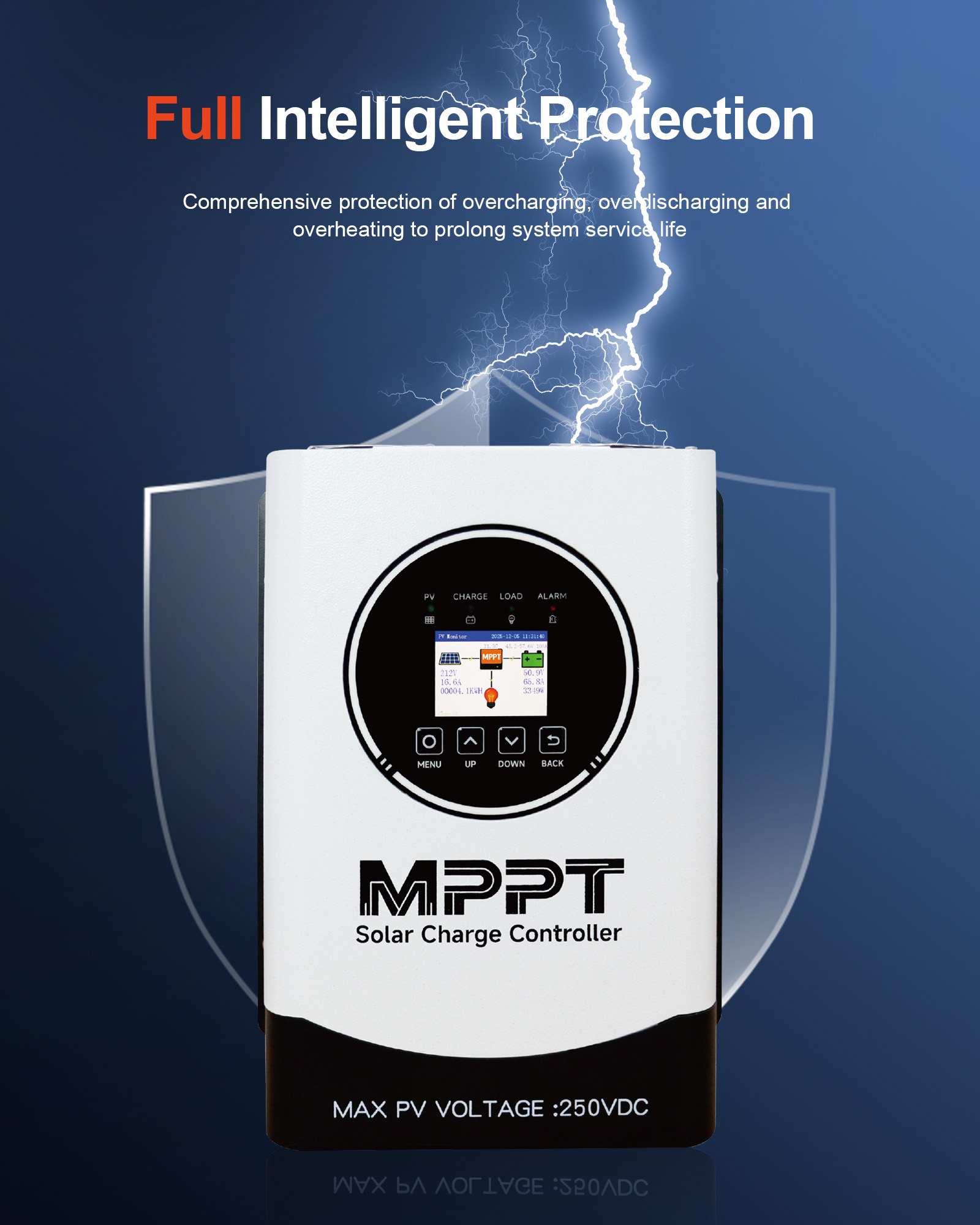
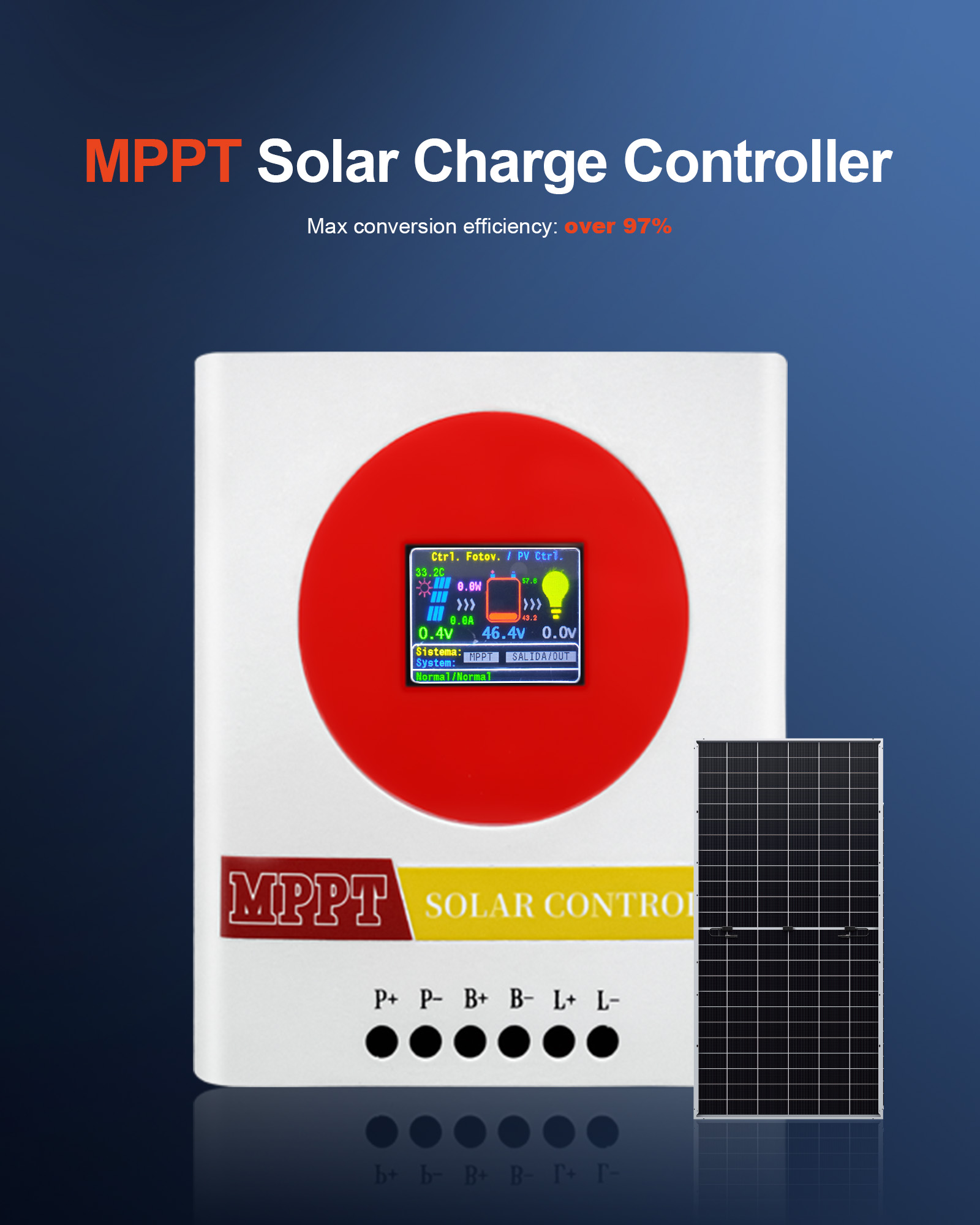
To combat these issues, the transition toward decentralized off-grid island power supply systems utilizing solar photovoltaics (PV) and battery storage has accelerated globally. In these microgrid environments, the charge controller is the central nervous system. The Ml2420 Solar Charge Controller, featuring advanced Maximum Power Point Tracking (MPPT) technology, provides the precise regulation, safety, and efficiency required to manage volatile solar generation in harsh marine climates.
Island weather is notoriously unpredictable, characterized by rapid cloud movements, sudden squalls, and high humidity. Standard PWM controllers fail to capture maximum energy during low-light or fluctuating conditions. The Ml2420 MPPT technology dynamically tracks the optimal voltage and current parameters, boosting power yield by up to 30% compared to traditional systems. This translates directly to smaller solar array footprints and lower capital expenditure.
Discover how the Ml2420 is engineered specifically to counter the environmental and electrical stresses of remote island installations.
Island terrains often feature diverse vegetation, communication towers, or structures that can cast partial shadows on solar arrays at various times of the day. Traditional solar controllers struggle with partial shading, often locking onto incorrect local power peaks. The Ml2420 utilizes an advanced multi-peak tracking algorithm that scans the entire I-V curve in milliseconds, ensuring it always operates at the absolute maximum power point. This guarantees that even when palm trees or structures partially shade the panels, every milliwatt of available solar energy is harvested.
Salt mist, high humidity, and elevated ambient temperatures are the primary killers of electronics in coastal areas. The Ml2420 is designed with these challenges in mind. Its internal circuit boards are treated with a specialized conformal coating that insulates delicate components from moisture and salt corrosion. Additionally, its fanless, natural convection cooling design prevents the active suction of humid, salty air into the device housing, drastically reducing the rate of internal degradation.
Battery banks represent the most significant investment in any off-grid island system. The Ml2420 features highly customizable charging profiles compatible with Lead-Acid (Sealed, Gel, Flooded) and Lithium Iron Phosphate (LiFePO4) batteries. By managing the charging phases—bulk, absorption, float, and equalization—the controller prevents overcharging, limits gassing, and ensures the battery cells remain balanced, thereby maximizing their operational lifespan.
From marine conservation to commercial tourism, see how the Ml2420 functions as the cornerstone of localized power grids.
Modern eco-tourists expect premium amenities without the disruptive noise and exhaust of diesel generators. The Ml2420 allows individual guest cabins to operate on silent, independent solar microgrids. It regulates power for lighting, fans, refrigeration, and USB charging hubs, enabling luxury hospitality to coexist harmoniously with pristine natural reserves.
Offshore fish farms and ecological monitoring buoy networks require continuous, autonomous power. Mounted inside weatherproof enclosures, the Ml2420 charges the batteries that power automated feeding mechanisms, water quality sensors, and telemetry systems, transmitting vital data back to mainland operators without interruption.
Lighthouses, navigational markers, and remote telecom repeaters are critical infrastructure where power failure is not an option. The Ml2420’s industrial-grade reliability, low self-consumption, and built-in electronic protections ensure these safety and communication systems remain active through the most severe tropical storms.
As the global community moves toward net-zero emissions, the demand for smart, interconnected energy systems on islands is at an all-time high. The future belongs to systems that can communicate, self-diagnose, and operate autonomously for years. The Ml2420 is designed to integrate seamlessly into these smart networks.
By utilizing the integrated RS485 communication port, operators can monitor battery health, PV inputs, and load states remotely. This capability minimizes the need for costly physical maintenance trips to remote islands, ensuring that system anomalies can be detected and corrected before they lead to power outages.





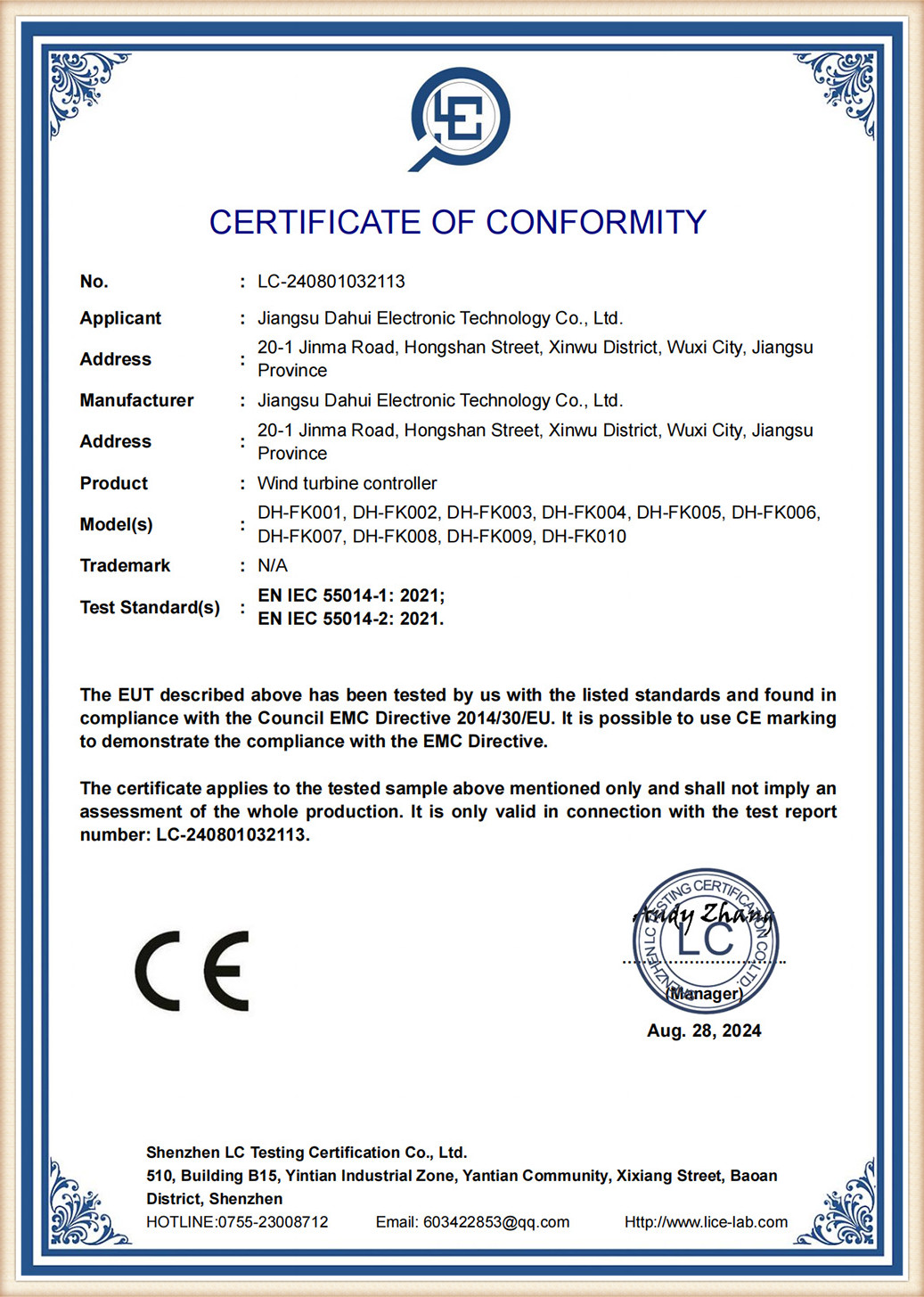
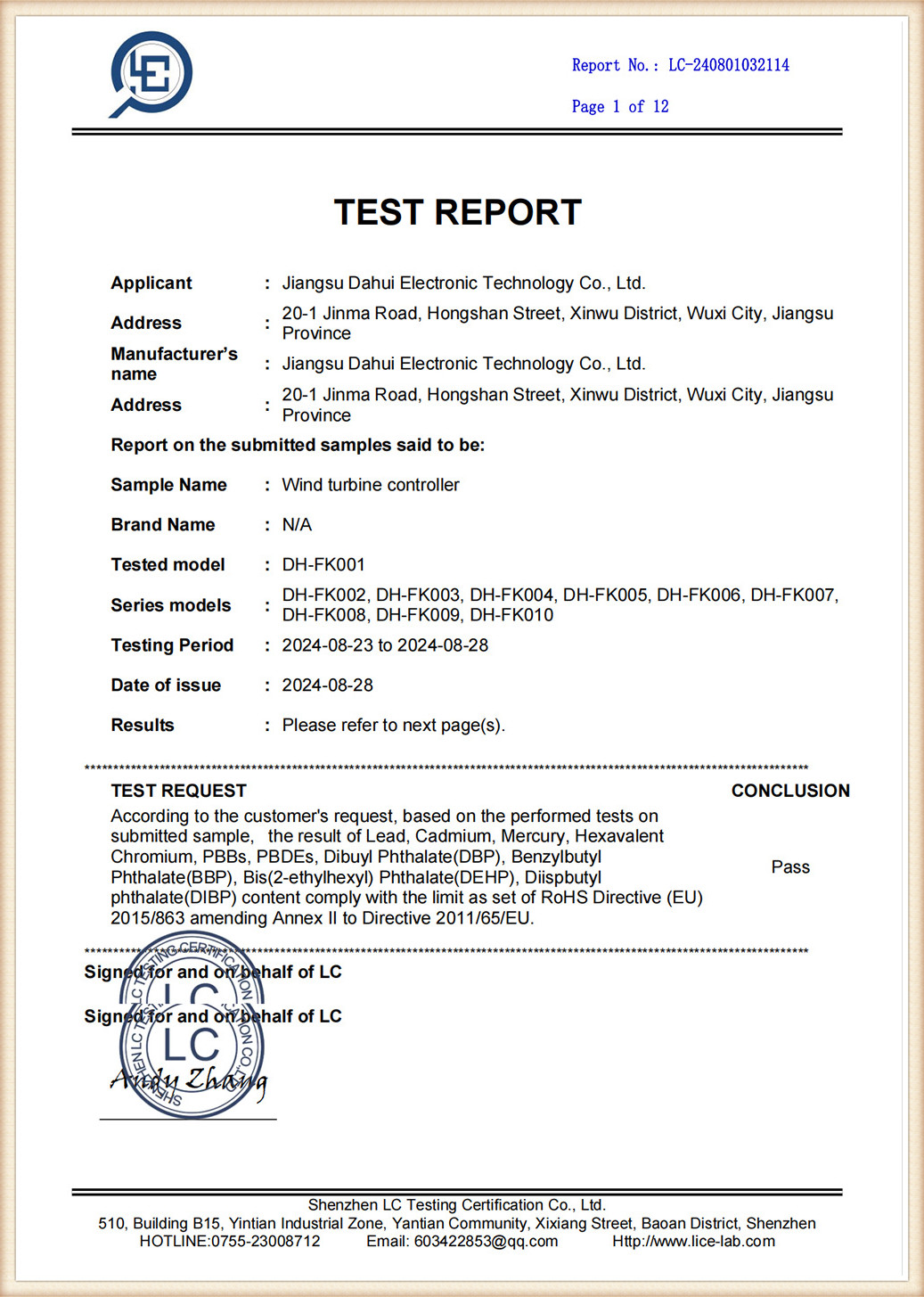
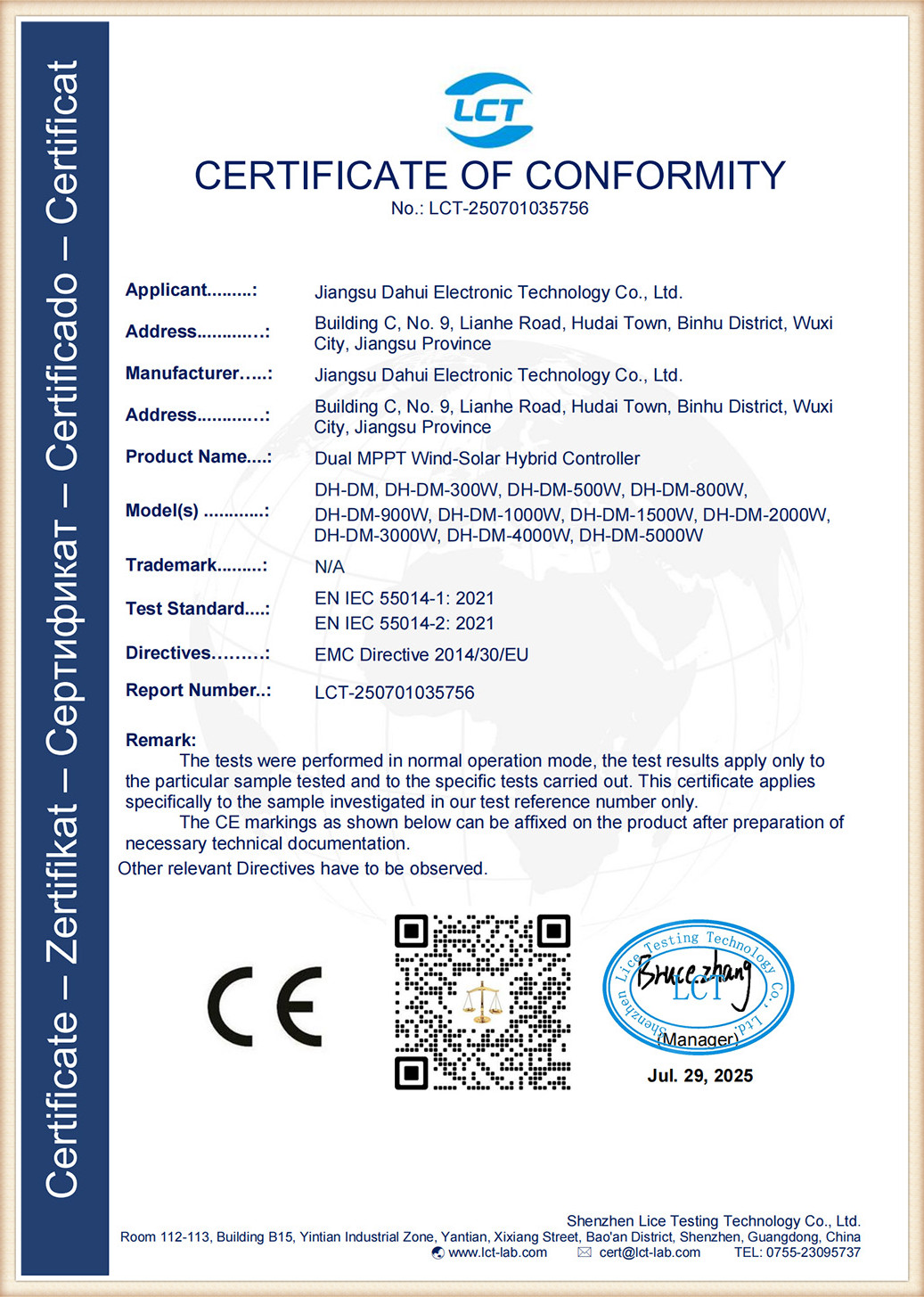
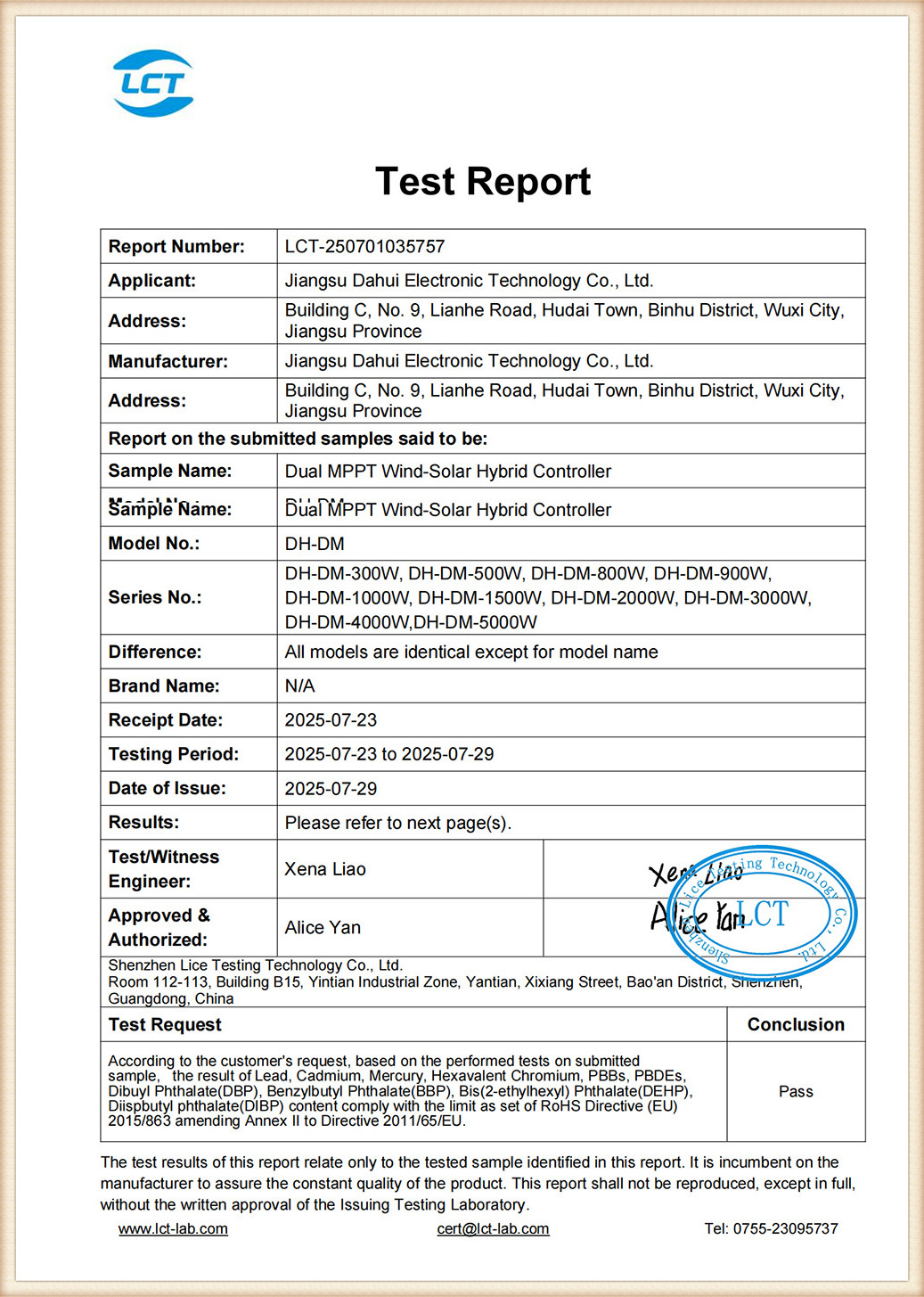
The company always adheres to the core business philosophy of "quality first, independent research and development", and regards product quality and technological innovation as the core driving force for corporate development. At present, it has obtained a number of international authoritative product certifications and ISO quality management system certifications, and has established a full-chain quality management system from raw material inspection, full-process control of the production process to multi-dimensional inspection of finished products. Product quality is strictly controlled throughout the entire process, and core product performance indicators are comprehensively better than industry standards, providing a solid guarantee for the long-term stable operation and reliable service life of the product.












Browse our complete system components designed for reliable off-grid power generation in demanding environments.