Leave Your Message
Deploying rugged mobile energy management units to maintain continuous power flow for remote pumps, valves, and monitoring systems.
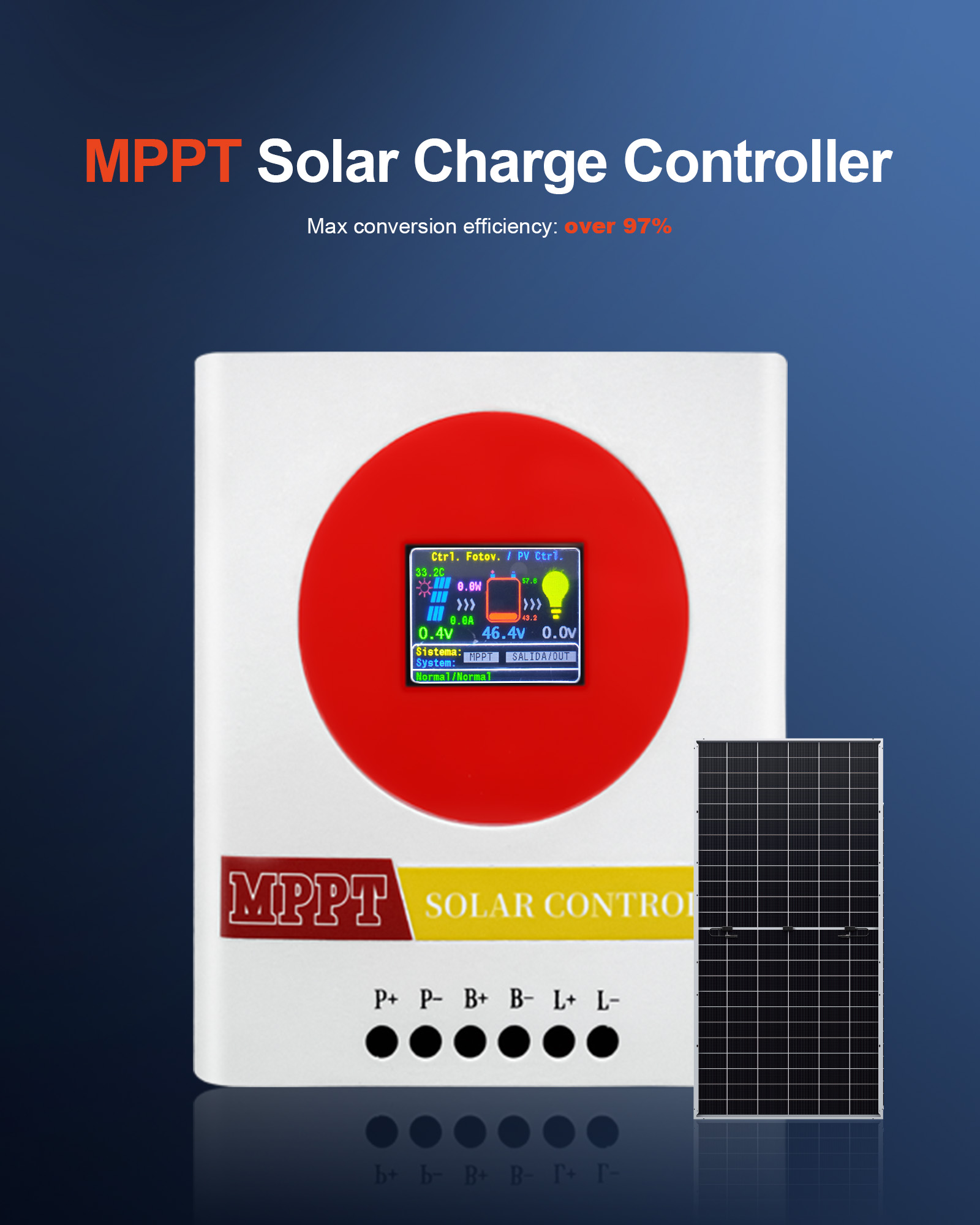
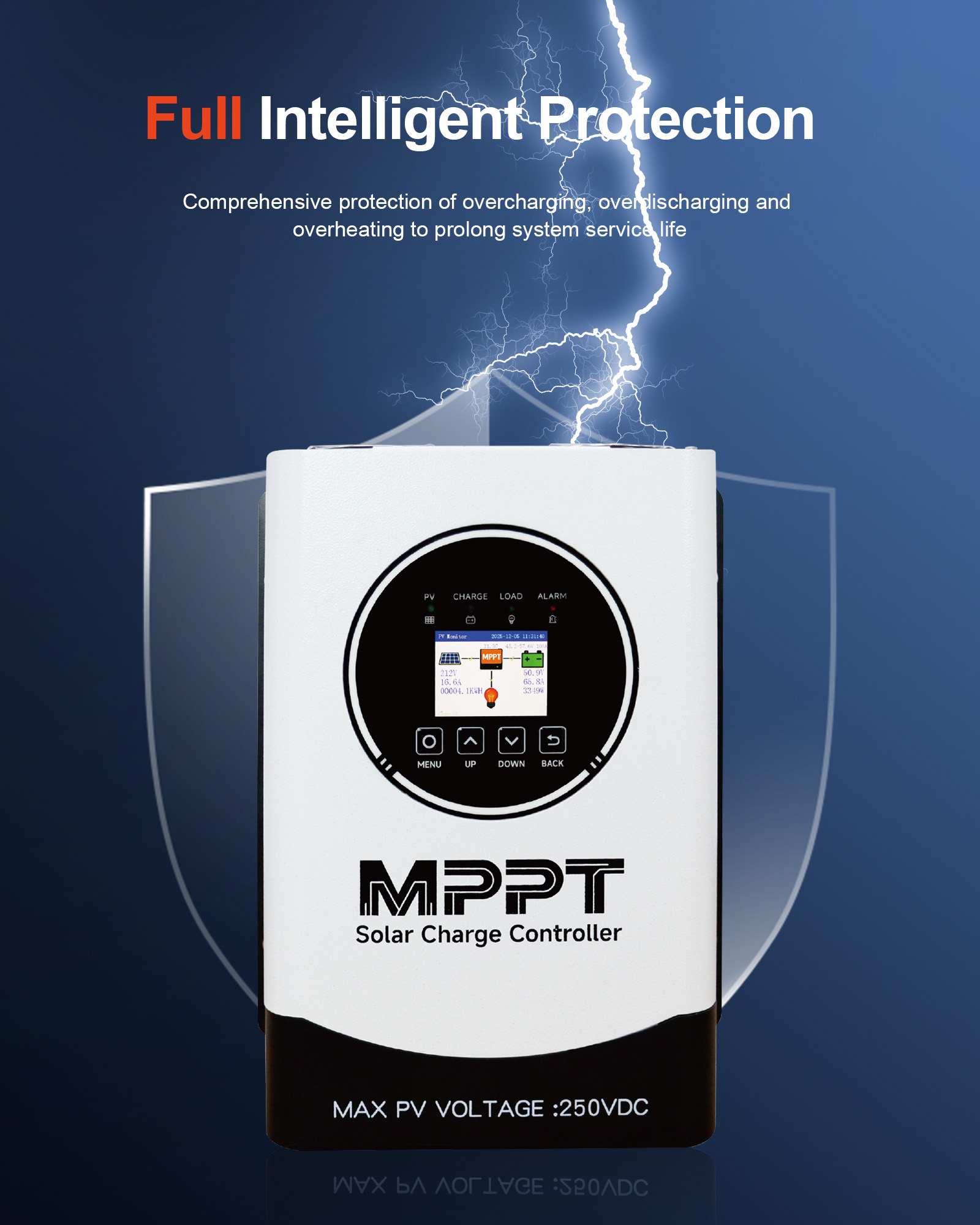
In the rapidly evolving landscape of sustainable agriculture, the demand for off-grid power has shifted from static, large-scale utility installations to highly flexible, modular, and mobile units. Traditionally engineered to withstand the rigorous demands of recreational vehicles (RVs) and motorhomes—such as continuous vibration, high humidity, dust exposure, and fluctuating battery chemistry demands—motorhome solar charge controllers have found a highly successful secondary market. They are now widely integrated into mobile agricultural irrigation setups, automated field sensors, and remote water pumping stations.
Modern agricultural projects require power systems that can be moved easily across vast fields, pastures, and leaseholds. Rather than investing in expensive permanent electrical grid extensions, farmers are deploying trailer-mounted solar pumps. These mobile pumping stations rely heavily on the same compact, vibration-resistant, and high-efficiency MPPT (Maximum Power Point Tracking) technology that keeps motorhomes powered off the grid.
Key Crossover Advantage:
Motorhome controllers are built to handle mechanical vibrations, extreme dust, and rapid temperature shifts. This makes them significantly more durable in open-field agricultural settings than standard stationary residential-grade solar controllers.
Water pumping is an energy-intensive application characterized by inductive load spikes. When a DC water pump starts up, it requires a significant surge of current. Traditional PWM (Pulse Width Modulation) controllers often fail to manage these initial spikes efficiently, leading to system shutdowns or under-utilized solar capacity.
Advanced MPPT solar charge controllers continuously track the solar panels' maximum power point, adjusting the voltage and current dynamically. During early morning or late afternoon when solar irradiance is low, the MPPT algorithm steps down the voltage to boost the output current, providing the necessary torque to keep the pump motor running smoothly.
Adapts instantly to pump startup currents and sudden cloud cover, preventing motor stalling and reducing wear on mechanical pump components.
Configurable charging profiles for AGM, Gel, and Lithium Iron Phosphate (LiFePO4) batteries, ensuring longevity in high-cycle agricultural operations.
Designed with fanless, heavy-duty aluminum heatsinks to operate reliably in scorching field temperatures without thermal throttling.
In large-scale rotational grazing or multi-plot vegetable farming, water sources (wells, creeks, ponds) are often miles apart. Farmers mount the solar panels, battery banks, and the motorhome solar charge controller directly onto a towable trailer. This trailer is moved from field to field as needed. The controller regulates the solar input, charges the onboard battery bank, and powers the DC submersible or surface pump. The compact form factor and vibration-resistant chassis of motorhome-grade controllers are essential here, as they endure miles of travel over rough farm tracks.
Keeping livestock hydrated in vast pastures is a critical operational challenge. Running utility lines to remote pastures is cost-prohibitive. By installing a small solar array, a battery bank, and an MPPT charge controller, farmers can automate water delivery. The system pumps water from deep underground wells into storage tanks. The charge controller ensures that the battery bank remains optimally charged, providing backup power to run the pumps during overcast days or overnight, ensuring livestock always have access to fresh water.
Precision agriculture relies on delivering exact amounts of water and nutrients directly to the plant roots. This requires automated solenoid valves, pressure sensors, and dosing pumps. Motorhome solar controllers are equipped with auxiliary load outputs that can be programmed to power these low-voltage DC components. With built-in timers and voltage triggers, the controller can automate the irrigation schedule based on battery state-of-charge or external sensor inputs, reducing water waste and saving manual labor.
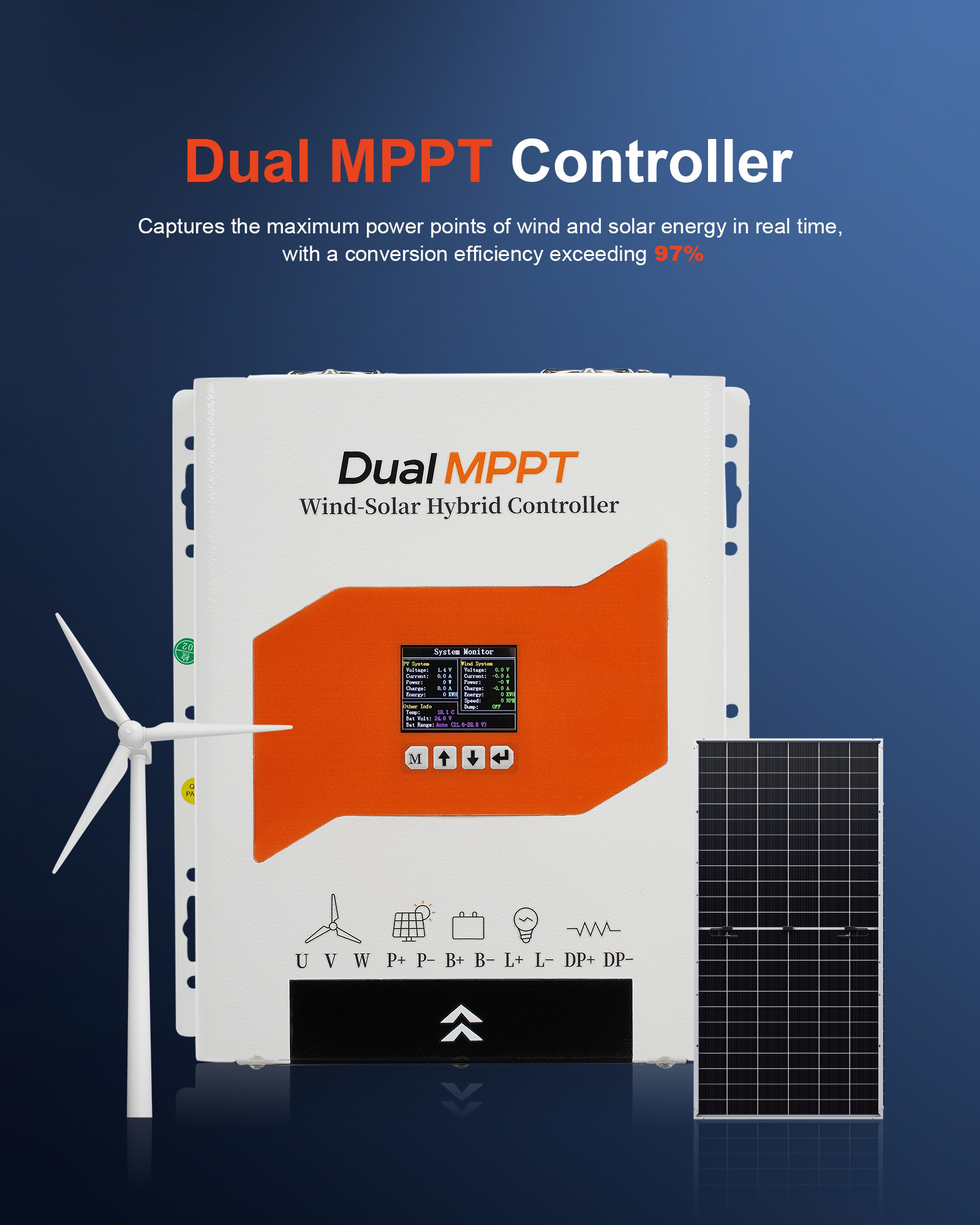
In regions where weather is highly unpredictable, relying solely on solar energy can be risky. By combining wind turbines with solar arrays in a hybrid configuration, farms can achieve 24/7 power generation. Modern hybrid charge controllers manage both wind and solar inputs, rectifying the AC power from the turbine and regulating the DC power from the panels. This constant energy flow ensures that critical water filtration and irrigation systems run uninterrupted, regardless of the time of day or seasonal weather changes.
The global agricultural sector is facing unprecedented challenges due to climate change, water scarcity, and rising fuel costs. Diesel-powered generators, once the backbone of remote water pumping, are becoming economically unviable and environmentally unsustainable. The shift toward solar-powered pumping systems is accelerating, driven by the declining cost of solar PV panels and the rising efficiency of MPPT control systems.
One of the most prominent trends is the integration of **IoT (Internet of Things)** and **remote telemetry** into solar charge controllers. Modern controllers now feature RS485, CAN bus, or Bluetooth communication interfaces. This allows farmers to monitor real-time battery status, solar harvesting efficiency, and water pump performance from their smartphones or centralized farm management software. If a pump fails or battery levels drop below a critical threshold, the system sends an automated alert, minimizing crop stress and preventing system damage.
The Future of Smart Farming:
As artificial intelligence integrates with agricultural hardware, we expect solar charge controllers to communicate directly with soil moisture sensors and local weather stations, dynamically adjusting power allocation to irrigate fields only when necessary.
With excellent product quality, continuous R&D innovation capabilities and a complete full-cycle service system, the company has deeply explored the domestic and foreign new energy markets and established a global sales and service network. Its products are exported to dozens of countries and regions such as Europe, North America, South America, Southeast Asia, and Russia. With stable and reliable product performance and professional and efficient service capabilities, the company has gained high recognition and long-term trust from global customers, and has become a highly competitive Chinese local brand in the new energy field.
In the future, the company will continue to deepen the innovation of new energy technologies, continuously optimize the product matrix and service system, help the global energy transformation and the realization of dual-carbon goals, and contribute core strength to the construction of a clean, low-carbon, safe and efficient modern energy system.

Explore our full lineup of wind, solar, and hybrid controllers engineered to deliver clean, reliable power under the harshest environmental conditions.