- Home
- Products
- About Us
- News
- Contact Us
Leave Your Message
Core high-efficiency inverter and MPPT controller architectures tailored for coastal motorhomes and standalone island energy infrastructure.
Bridging the gap between heavy-duty vehicular DC power management and stationary off-grid island electrification.
The global paradigm of decentralized renewable energy has undergone a profound structural transformation over the past decade. Historically, a Motorhome Solar Charge Controller was viewed strictly as a recreational component designed for light-duty weekend campers. However, in modern industrial and commercial engineering, the technological convergence between high-end expedition motorhomes and Off-grid Island Power Supply Systems has created a unified hardware standard. Both operational theaters share identical, unforgiving electrical and environmental constraints: complete isolation from utility-scale synchronous grids, constrained physical footprints for photovoltaic (PV) arrays, extreme ambient temperature fluctuations, high relative humidity, corrosive salt-mist exposure, and zero tolerance for power system downtime.
Across archipelagic nations, coastal eco-resorts, remote maritime research outposts, and island-based telecommunications infrastructure, reliance on diesel generators is rapidly declining. The prohibitive logistics of transporting fossil fuels across maritime routes—coupled with volatile fuel pricing and stringent carbon emission mandates—have accelerated the adoption of modular, DC-coupled solar-storage microgrids. In these island environments, mobile power units, amphibious recreational vehicles, mobile medical clinics, and modular containerized living quarters deploy advanced Maximum Power Point Tracking (MPPT) solar charge controllers as the central nervous system of their energy architecture. By utilizing ruggedized motorhome-grade controllers engineered with military-spec printed circuit board (PCB) conformal coatings, operators achieve unprecedented power density and operational resilience.
Island microgrids and coastal motorhomes experience rapid cloud transients and partial shading from tropical foliage or marine masts. Multi-peak tracking algorithms scan the I-V curve in milliseconds, preventing local maximum traps and boosting daily energy harvest by up to 35% over legacy PWM units.
Engineered specifically for Off-grid Island Power Supply Systems, internal power electronics undergo triple-proof treatment (moisture-proof, salt-spray-proof, and fungus-proof). Anodized aluminum heat sinks and IP-rated enclosures ensure uninterrupted thermal dissipation without exposing circuitry to corrosive sea air.
Islands possess abundant nocturnal wind resources when solar irradiance drops to zero. Integrating motorhome solar charge controllers with micro-wind turbine MPPT regulation creates a 24/7 continuous power generation profile, drastically reducing required battery bank sizing.
From an industrial economics perspective, the Levelized Cost of Energy (LCOE) on off-grid islands typically ranges from $0.45 to over $1.20 per kWh when generated via conventional diesel gensets. By deploying high-efficiency motorhome solar charge controllers—such as the DH-SC-02 and DH-SC-01 series—alongside Lithium Iron Phosphate (LiFePO4) energy storage systems, commercial operators reduce their LCOE to below $0.15 per kWh over a 10-year lifecycle. Furthermore, the rise of "glamping" (luxury eco-camping) on private islands, mobile island research laboratories, and disaster-relief command vehicles has created a lucrative B2B market where vehicular solar controllers are deployed as plug-and-play microgrid nodes. These controllers not only regulate PV input from vehicle roofs or deployable ground arrays but also manage bidirectional DC-DC charging from vehicle alternators and auxiliary wind turbines.
How AI algorithms, wide-bandgap semiconductors, and smart BMS communication are redefining off-grid power electronics.
Traditional "Perturb and Observe" (P&O) or "Incremental Conductance" algorithms often struggle in dynamic island environments where trade winds drive rapid cloud cover across solar arrays, or when a motorhome moves beneath coastal canopy. Next-generation controllers incorporate edge-computing DSPs (Digital Signal Processors) that analyze historical irradiance curves and real-time voltage derivatives. This allows the controller to predict global maximum power points (GMPP) instantly, eliminating power oscillation losses and protecting the DC bus from voltage sags.
While legacy motorhomes operated strictly on 12V DC architectures, modern heavy-duty overland vehicles and off-grid island cabins demand high-power appliances: reverse-osmosis water desalination units, induction cooktops, and tropical-grade air conditioning. Consequently, the industry is rapidly standardizing around 24V, 36V, and 48V nominal battery banks (and up to 72V for specialized electric mobility platforms like the DH-EVC-7215). Advanced charge controllers feature automatic system voltage recognition, allowing seamless scalability without hardware replacement, while cutting copper cabling losses ($I^2R$) by up to 75%.
Modern Off-grid Island Power Supply Systems rely heavily on high-density LiFePO4 and solid-state battery chemistries. Cutting-edge motorhome solar charge controllers utilize RS485, CAN-bus, and Bluetooth protocols to establish closed-loop communication with the Battery Management System (BMS). Instead of relying solely on terminal voltage sensing—which can be inaccurate under high load currents—the controller reads exact State of Charge (SoC), cell-level temperatures, and charge current limits directly from the BMS, preventing lithium plating and thermal runaway in extreme tropical heat.
Our product matrix is engineered to exceed industrial benchmarks for off-grid reliability:
Real-world deployment topologies demonstrating the versatility of motorhome and hybrid solar controllers in isolated island ecosystems.
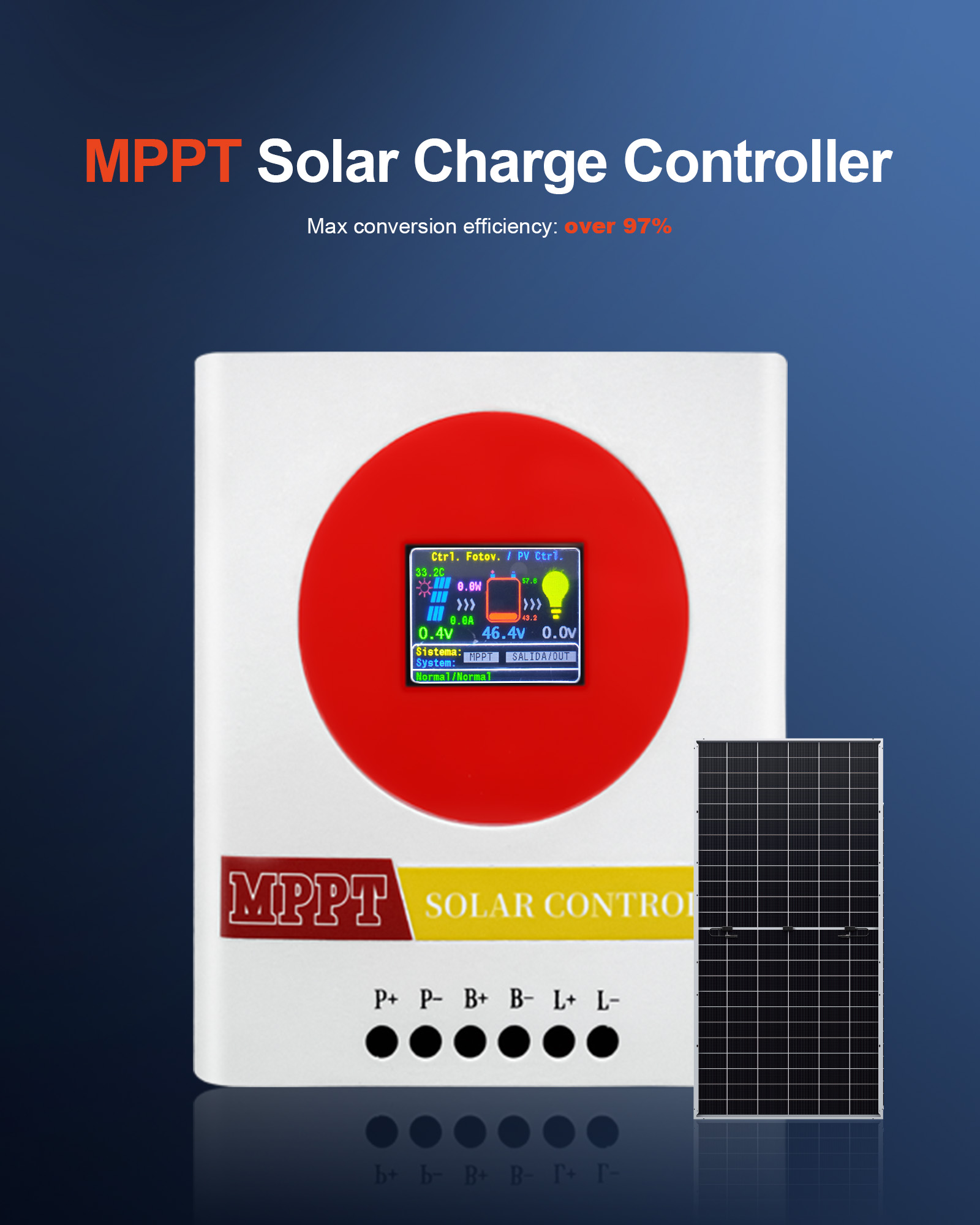
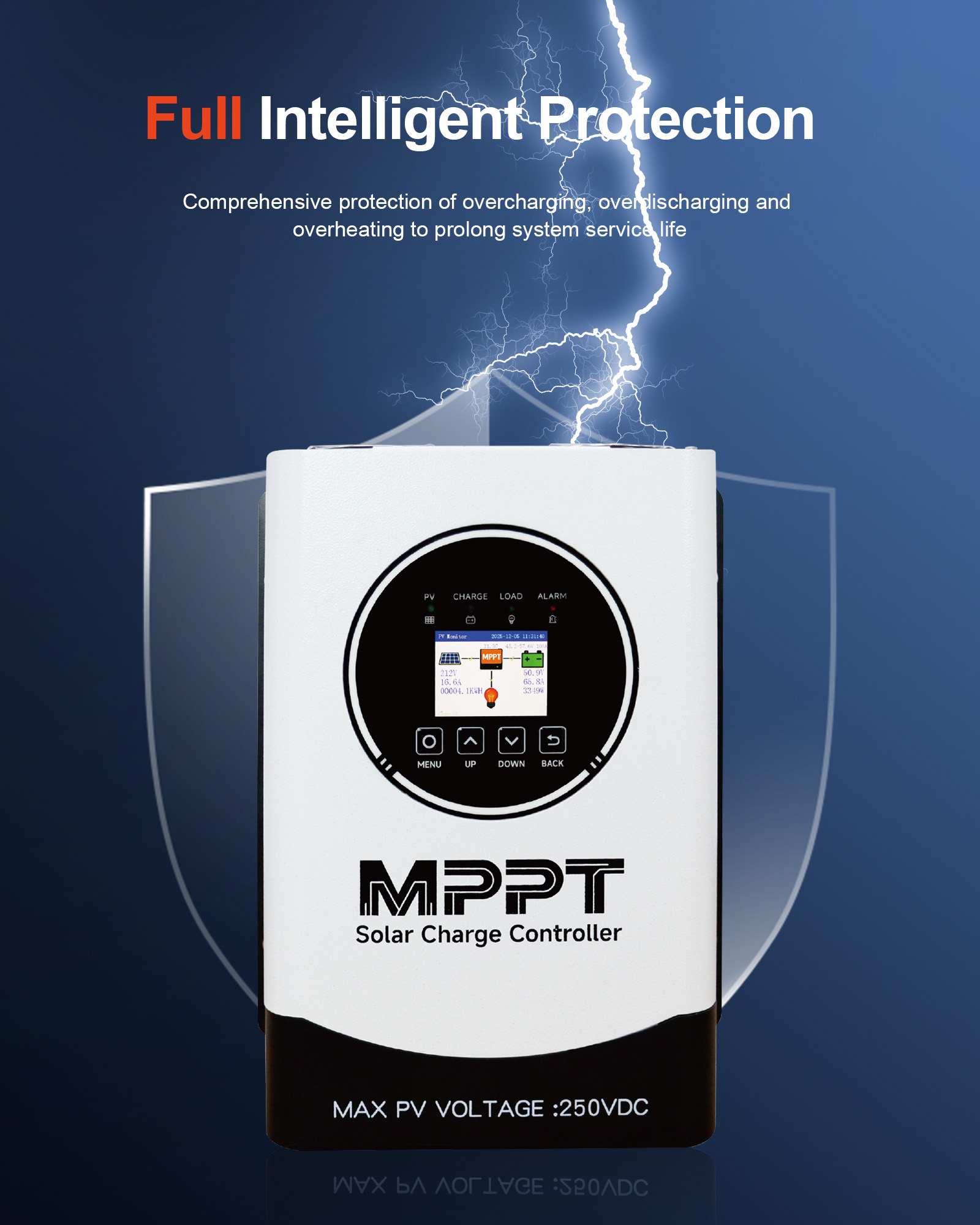
Modern island tourism and coastal ecological surveying increasingly utilize ferry-transported Class A/B/C motorhomes, 4x4 expedition trucks, and luxury camper trailers. Once deployed on an undeveloped island, these vehicles operate as self-contained microgrids for weeks at a time. The roof space of a motorhome is inherently limited and cluttered with skylights, HVAC units, and satellite domes, creating unavoidable partial shading. By deploying the MPPT Solar Charge Controller (Model: DH-SC-01 / DH-SC-02), operators can wire rooftop solar panels in series-parallel configurations alongside portable folding solar blankets placed on the beach. The controller's ultra-fast MPPT tracking isolates shaded cells via bypass diodes and extracts maximum amperage during peak tropical sun hours, effortlessly powering onboard refrigeration, Starlink satellite communications, and DC water makers.
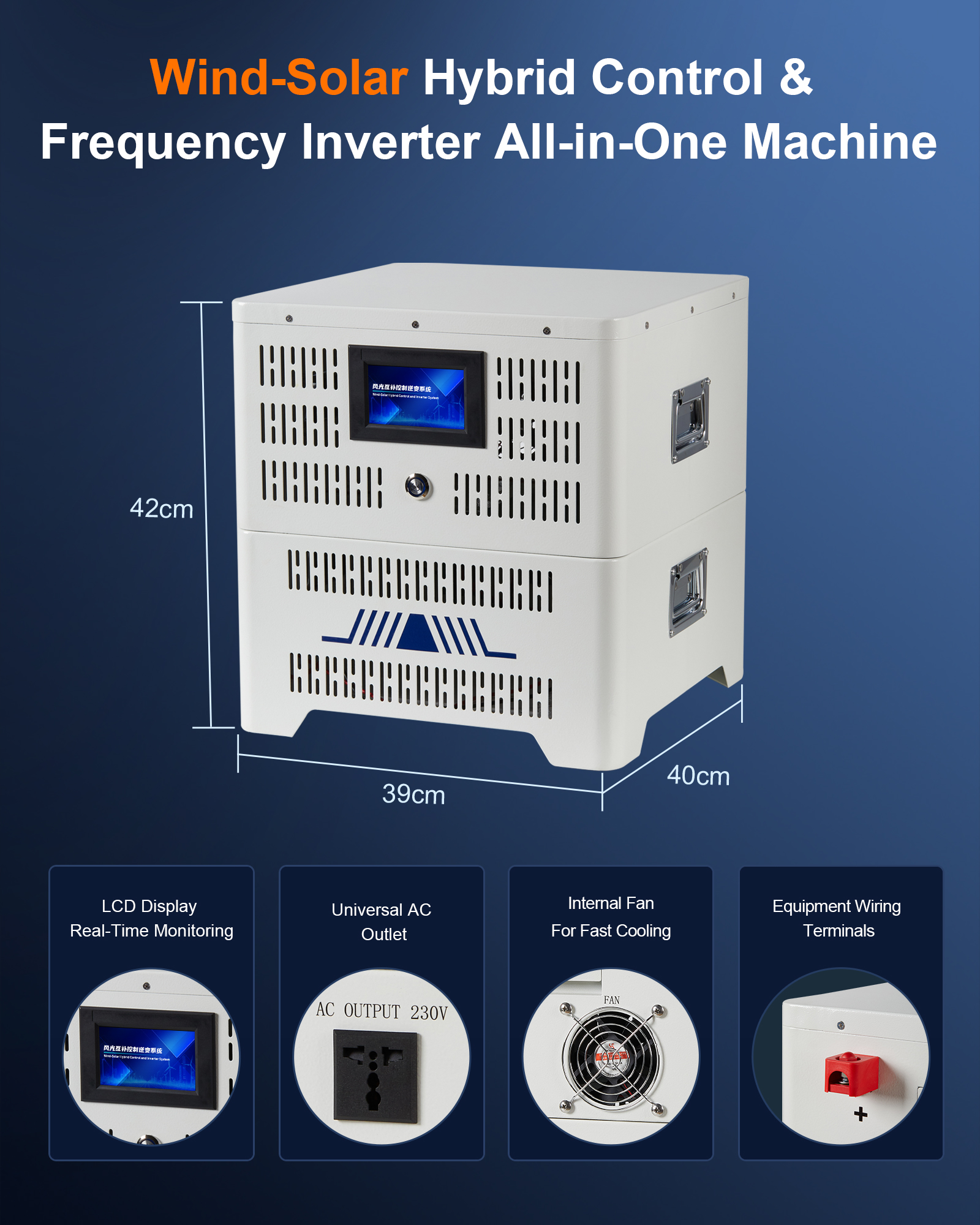
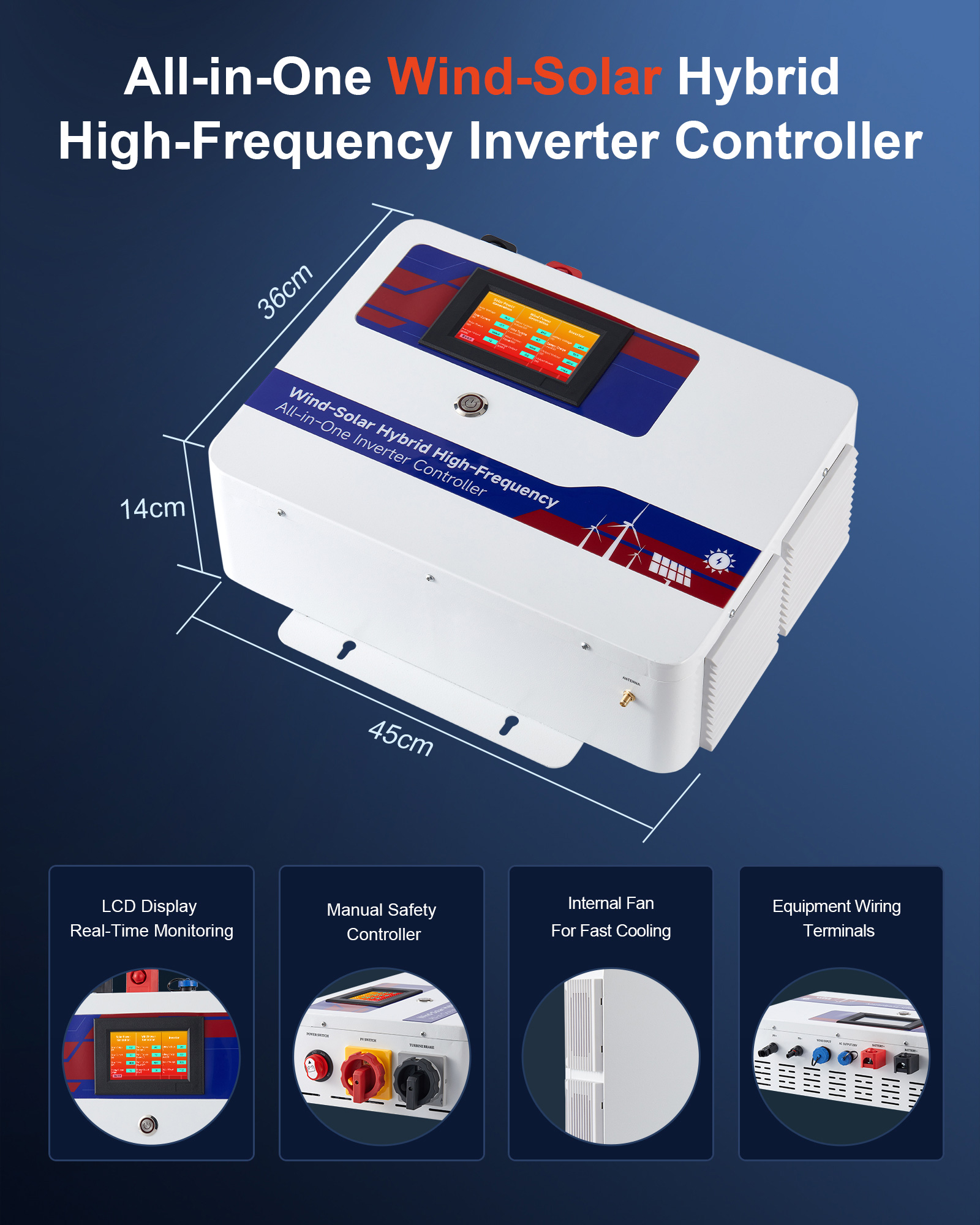
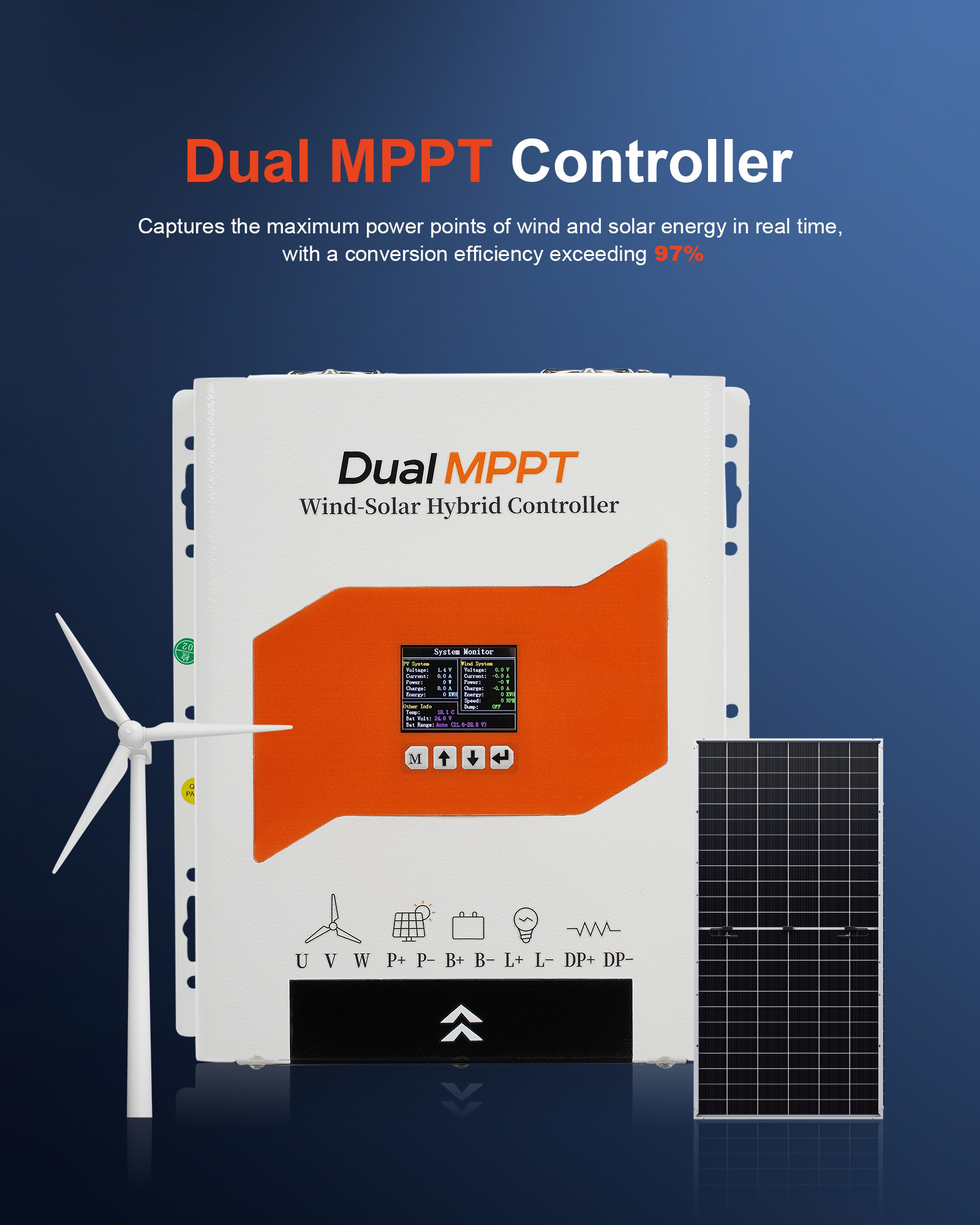
Constructing centralized high-voltage distribution lines across pristine coral islands or mountainous volcanic islands is both environmentally destructive and financially unfeasible. Resort developers instead opt for decentralized "nanogrids"—where each luxury glamping dome, beach bungalow, or repurposed motorhome cabin possesses its own independent power supply system. Utilizing the Wind-Solar Hybrid High-Frequency All-In-One Inverter Controller or the Dual MPPT Wind-Solar Hybrid Controller, each cabin harvests solar energy during the day and coastal sea breezes throughout the night. This hybrid approach guarantees 100% power availability for guest amenities without the noise pollution and exhaust fumes of diesel generators, preserving the tranquil island ecology.
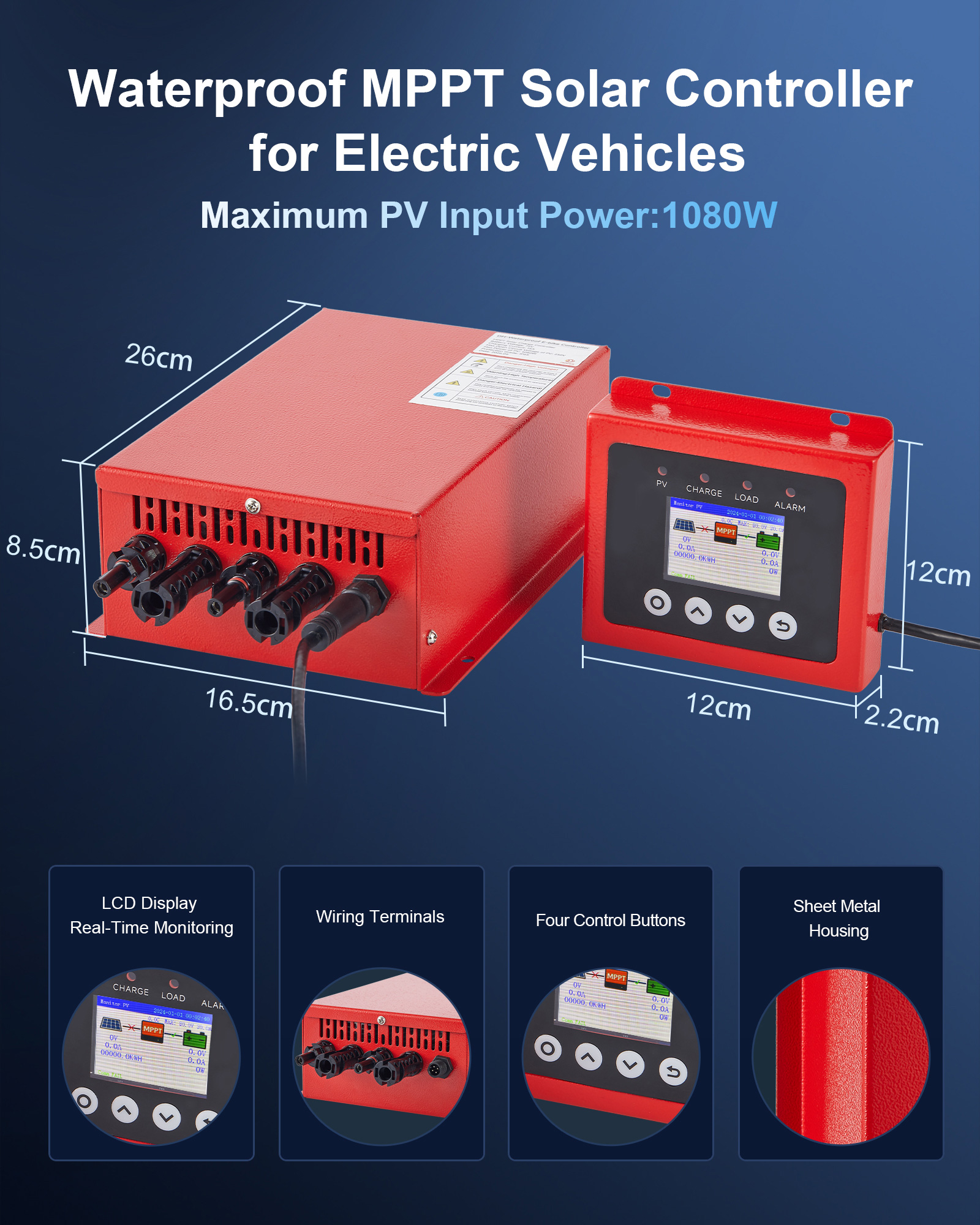
On vehicle-restricted islands, light electric vehicles (LEVs)—such as electric cargo trikes, golf carts, e-bikes, and electric patrol scooters—serve as the primary mode of transportation for both residents and commercial logistics. Charging these fleets from a weak island grid can cause severe transformer overloading. By integrating the DH-EVC-7215 E-Bike Waterproof MPPT Solar Charge Controller directly onto solar-canopy golf carts or standalone beachside solar charging kiosks, photovoltaic DC power is stepped up/down directly to charge 48V/60V/72V traction batteries. Its IP-rated waterproof housing withstands torrential tropical downpours and ocean spray, enabling true zero-emission island transit.
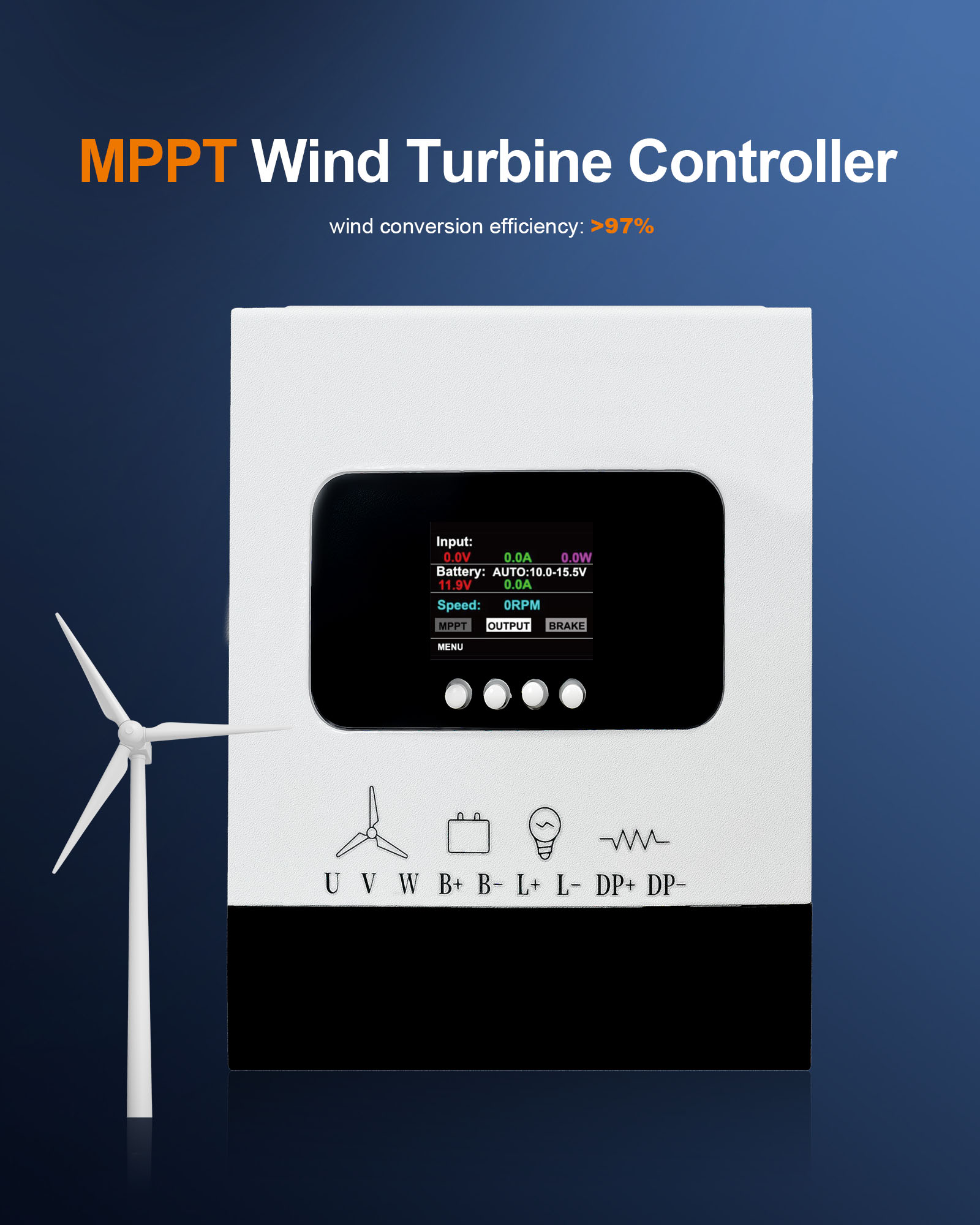
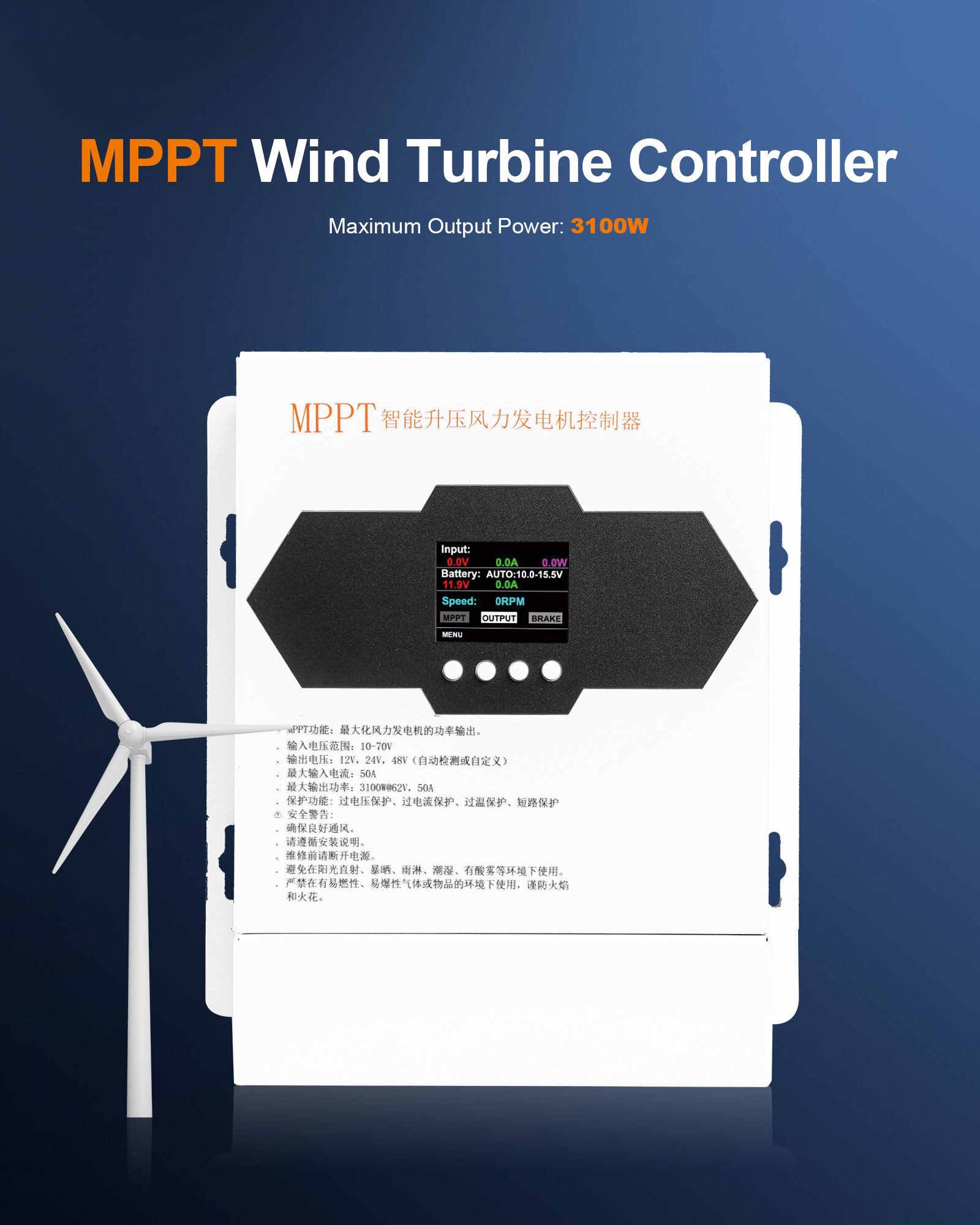
Freshwater scarcity and communication isolation are the two greatest challenges in Off-grid Island Power Supply Systems. Reverse-osmosis (RO) seawater desalination plants and cellular/maritime VHF repeater towers require high starting torque and unwavering reliability. For these heavy industrial loads, engineers specify our Wind-Solar Hybrid Low-Frequency All-In-One Inverter Controller paired with the DH-FD1.0 or DH-FD3.0 3KW MPPT Wind Turbine Charge Controller. The low-frequency pure sine wave inverter easily absorbs the 300% surge current of high-pressure desalination pumps, while the 3KW wind MPPT controller utilizes boost-charging technology to harvest energy even during low-wind-speed doldrums, ensuring uninterrupted freshwater production and emergency communications during typhoons.
Delivering certified, battle-tested renewable energy controllers to archipelagos, coastal regions, and off-grid markets worldwide.
With excellent product quality, continuous R&D innovation capabilities and a complete full-cycle service system, the company has deeply explored the domestic and foreign new energy markets and established a global sales and service network. Its products are exported to dozens of countries and regions such as Europe, North America, South America, Southeast Asia, and Russia. With stable and reliable product performance and professional and efficient service capabilities, the company has gained high recognition and long-term trust from global customers, and has become a highly competitive Chinese local brand in the new energy field. In the future, the company will continue to deepen the innovation of new energy technologies, continuously optimize the product matrix and service system, help the global energy transformation and the realization of dual-carbon goals, and contribute core strength to the construction of a clean, low-carbon, safe and efficient modern energy system.

Explore our full range of MPPT solar charge controllers, wind-solar hybrid regulators, and all-in-one off-grid inverter systems.