Leave Your Message
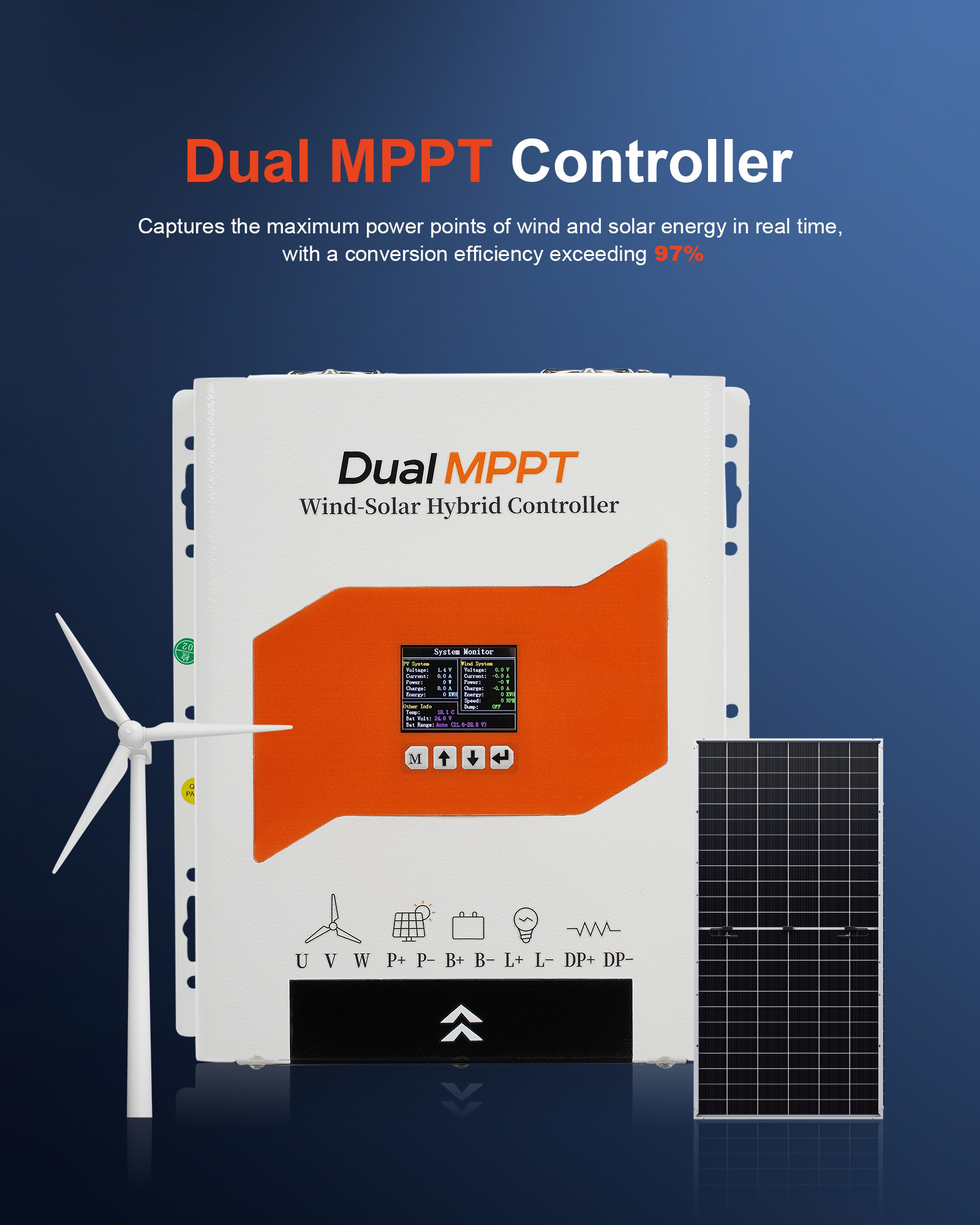
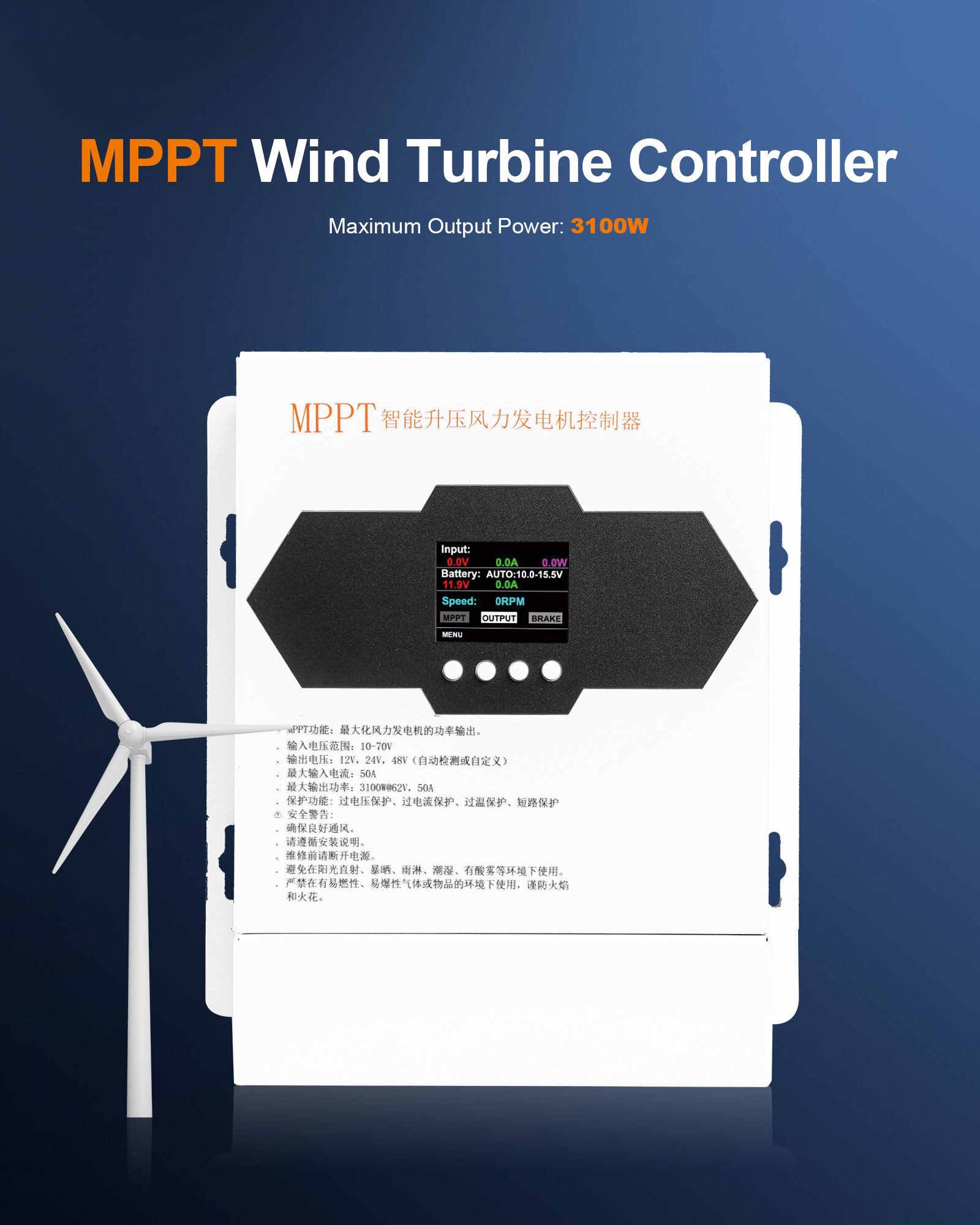
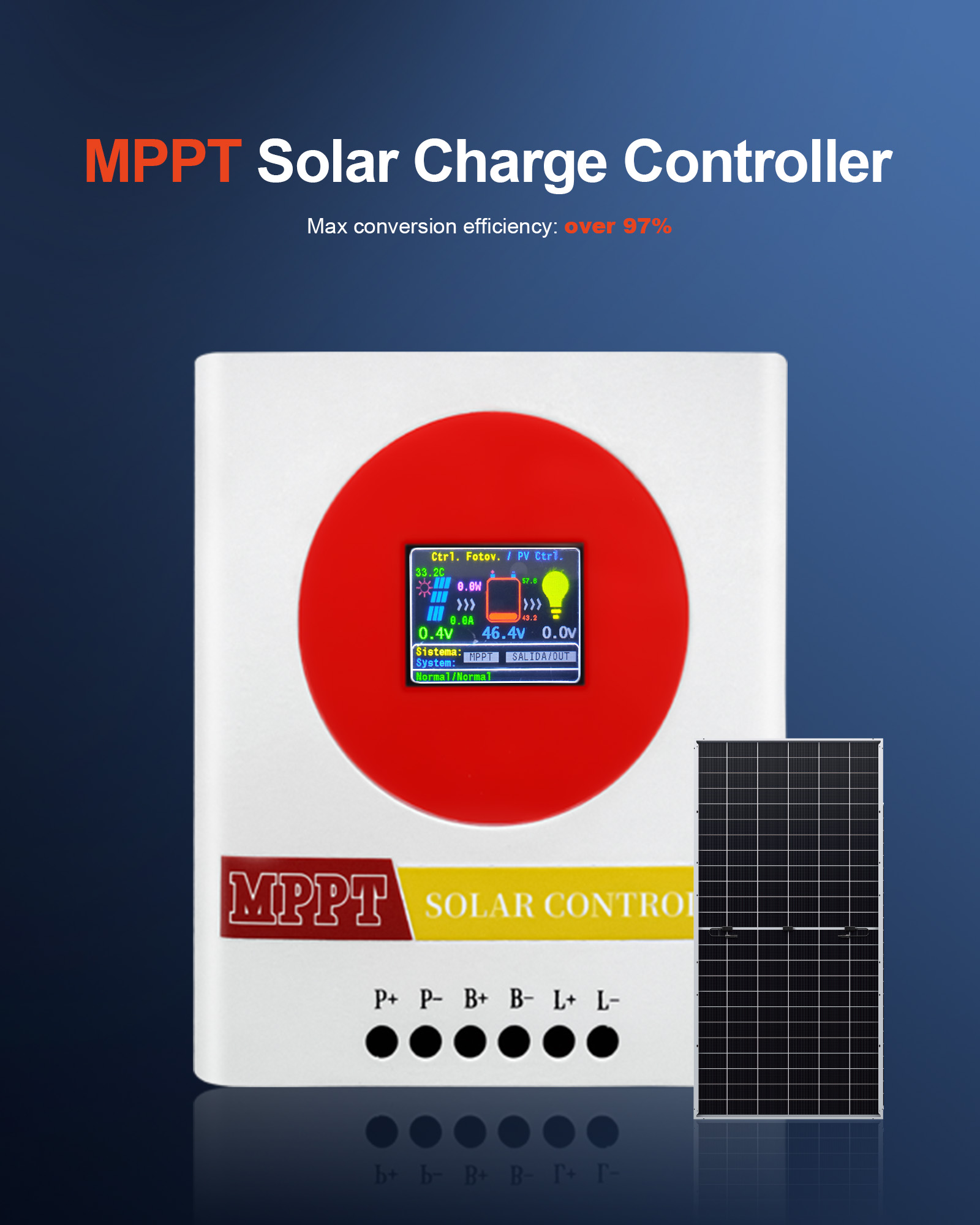
As global energy grids face unprecedented strain from extreme weather, aging infrastructure, and escalating utility rates, the transition toward decentralized power has accelerated. Within the domain of residential off-grid energy systems, the Mppt 10a Solar Charge Controller For Off-grid Residential Solar Energy Storage stands as a critical technological gatekeeper. It bridges the gap between solar photovoltaic (PV) generation and localized battery storage, ensuring that every milliwatt of harvested sunlight is efficiently converted and stored.
Maximum Power Point Tracking (MPPT) technology represents a monumental leap over legacy Pulse Width Modulation (PWM) systems. While PWM controllers act as simple switches connecting panels to batteries—forcing the panels to operate at the battery's voltage level—MPPT controllers function as highly sophisticated DC-to-DC converters. By constantly tracking the maximum power voltage (Vmp) of the solar array, an MPPT controller dynamically adjusts the input voltage and output current to deliver the maximum possible wattage to the storage bank.
"In off-grid residential setups, efficiency translates directly to reliability. Implementing a 10A MPPT charge controller can boost power generation efficiency by 20% to 30% compared to traditional controllers, making small-scale residential storage highly viable and cost-effective."
While larger systems utilize 60A or 80A controllers, the 10A MPPT controller serves a critical niche in micro-residential storage, off-grid cabins, garden homes, and critical backup systems. Operating typically on 12V or 24V battery banks, a 10A controller can manage PV inputs up to approximately 130W (for 12V systems) or 260W (for 24V systems). This capacity is perfectly scaled for low-power, high-availability residential needs:
Ultra-fast tracking speeds ensure maximum solar harvest even under rapidly changing cloud cover conditions.
Multi-stage charging algorithms (Bulk, Absorption, Float) protect battery chemistry, extending cell life cycle.
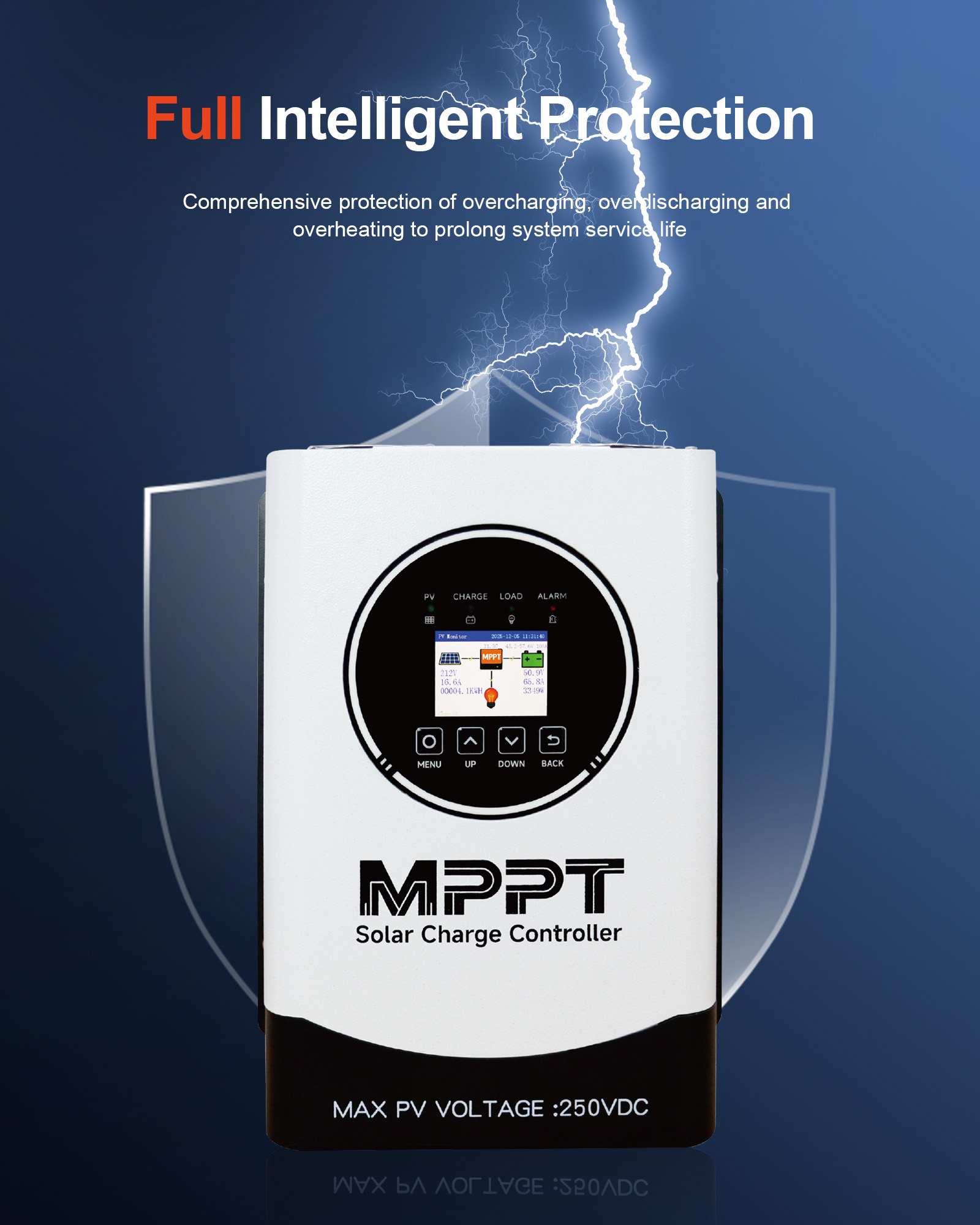
Integrated electronic protections guard against reverse polarity, overcharging, short-circuits, and back-currents.
The global market for off-grid energy systems is undergoing structural changes. Historically, off-grid solar was confined to remote rural areas or recreational vehicles. Today, urban and suburban residential properties are integrating micro-off-grid systems to power critical household loads independently of the main grid. This shift is driven by the commercialization of advanced Lithium Iron Phosphate (LiFePO4) batteries and the declining cost of high-efficiency solar modules.
Industrial manufacturers are responding by developing smart, connected charge controllers. The integration of Internet of Things (IoT) protocols, Bluetooth connectivity, and RS485 communication interfaces has turned the humble charge controller into a smart home energy node. Users can now monitor real-time generation, battery health, and load consumption via smartphone applications.
Furthermore, the industrialization of manufacturing has allowed high-precision automated production lines to produce highly reliable controllers at a fraction of their historical cost. This democratization of technology means that residential users can build redundant, fail-safe power loops for security systems, automated gates, outdoor lighting, and smart home hubs without incurring prohibitive capital expenses.
The company's core R&D strength is composed of a scientific research team led by senior doctors in the industry. It has long-term focus on the cutting-edge exploration and innovative application of new energy technologies, continues to increase investment in core R&D, and has formed deep technological accumulation and independent innovation capabilities in core areas such as efficient conversion of electric energy, intelligent system integration, and coordinated control of integrated wind, solar, and storage.
Relying on industry-leading automated production lines and high-precision full-dimensional testing equipment, the company has independently developed a number of intelligent new energy products with completely independent intellectual property rights, fully covering three major application scenarios: off-grid, grid-connected, and mixed grid.
The product matrix includes core categories such as high-frequency/power frequency inverters, wind power controllers, photovoltaic controllers, wind-solar hybrid controllers, wind-solar storage-control-inverse integrated power generation systems, etc., which can be flexibly adapted to diversified power needs such as household use, industrial and commercial distributed, and off-grid independent power stations.





To achieve peak performance from a 10A MPPT solar charge controller, system design must account for several technical parameters. The controller's primary task is to manage the mismatch between the PV array's voltage and the battery bank's voltage. For instance, a typical "12V" solar panel actually has an open-circuit voltage (Voc) of around 22V and a maximum power voltage (Vmp) of approximately 18V. A 12V LiFePO4 battery requires about 14.4V for a full charge.
A standard PWM controller would pull the solar panel's voltage down to the battery's level (e.g., 13V), resulting in a loss of potential power (Watts = Volts x Amps). The MPPT controller, however, allows the panel to operate at its optimal 18V while converting the excess voltage into additional charging current. This means a 10A MPPT controller can output a full 10A to the battery even when the solar panel is only generating 7A or 8A of current at its native voltage.
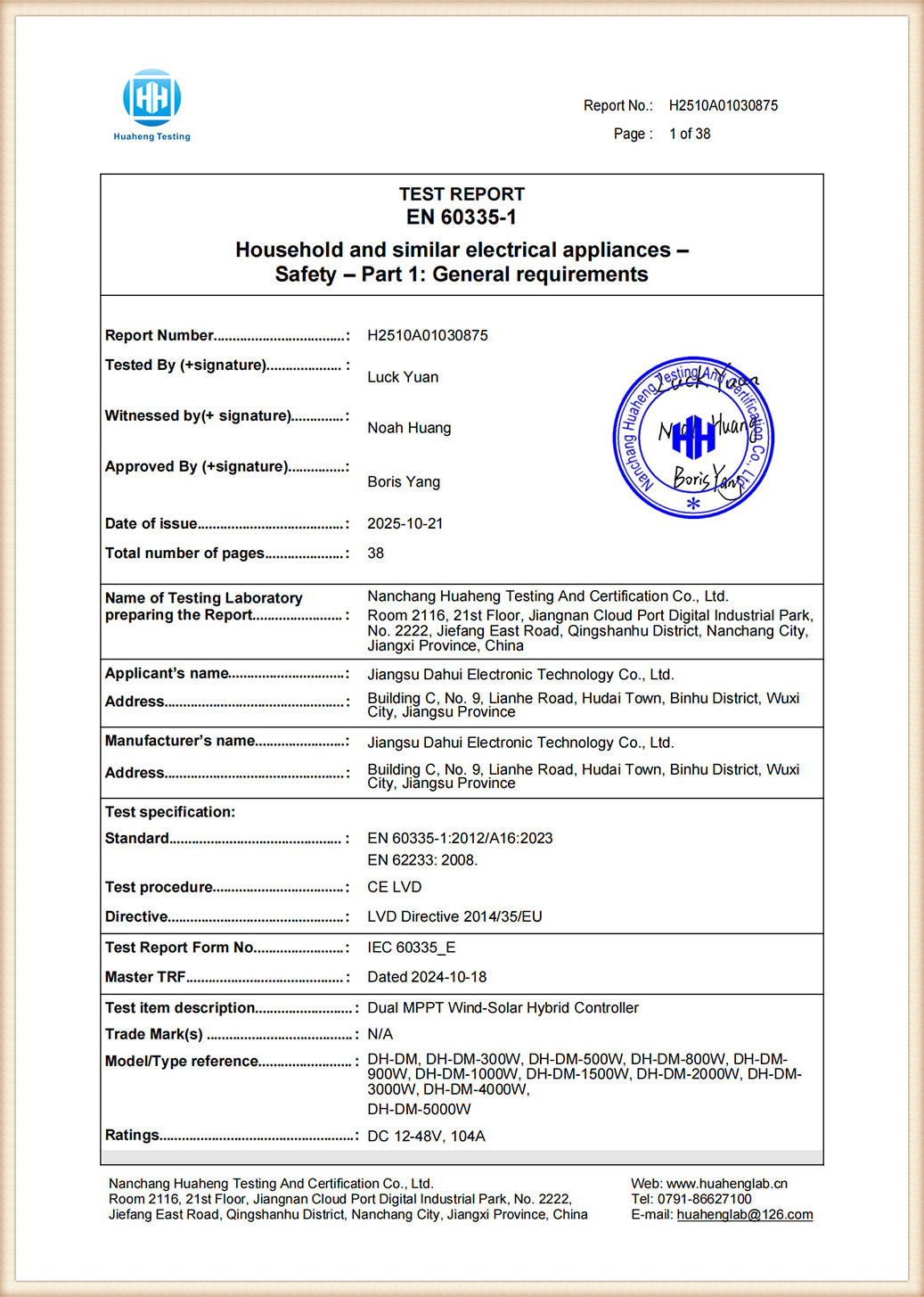
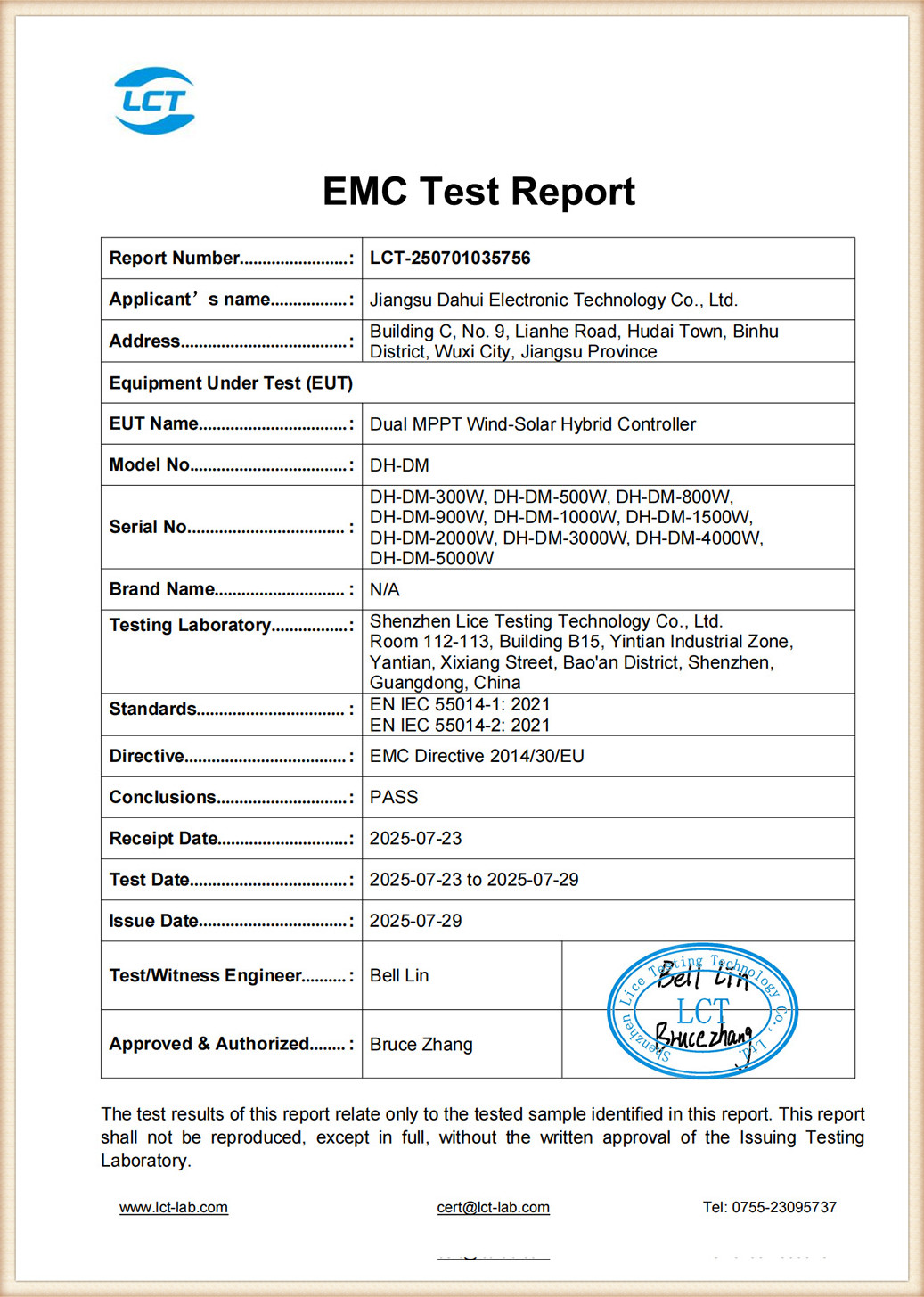
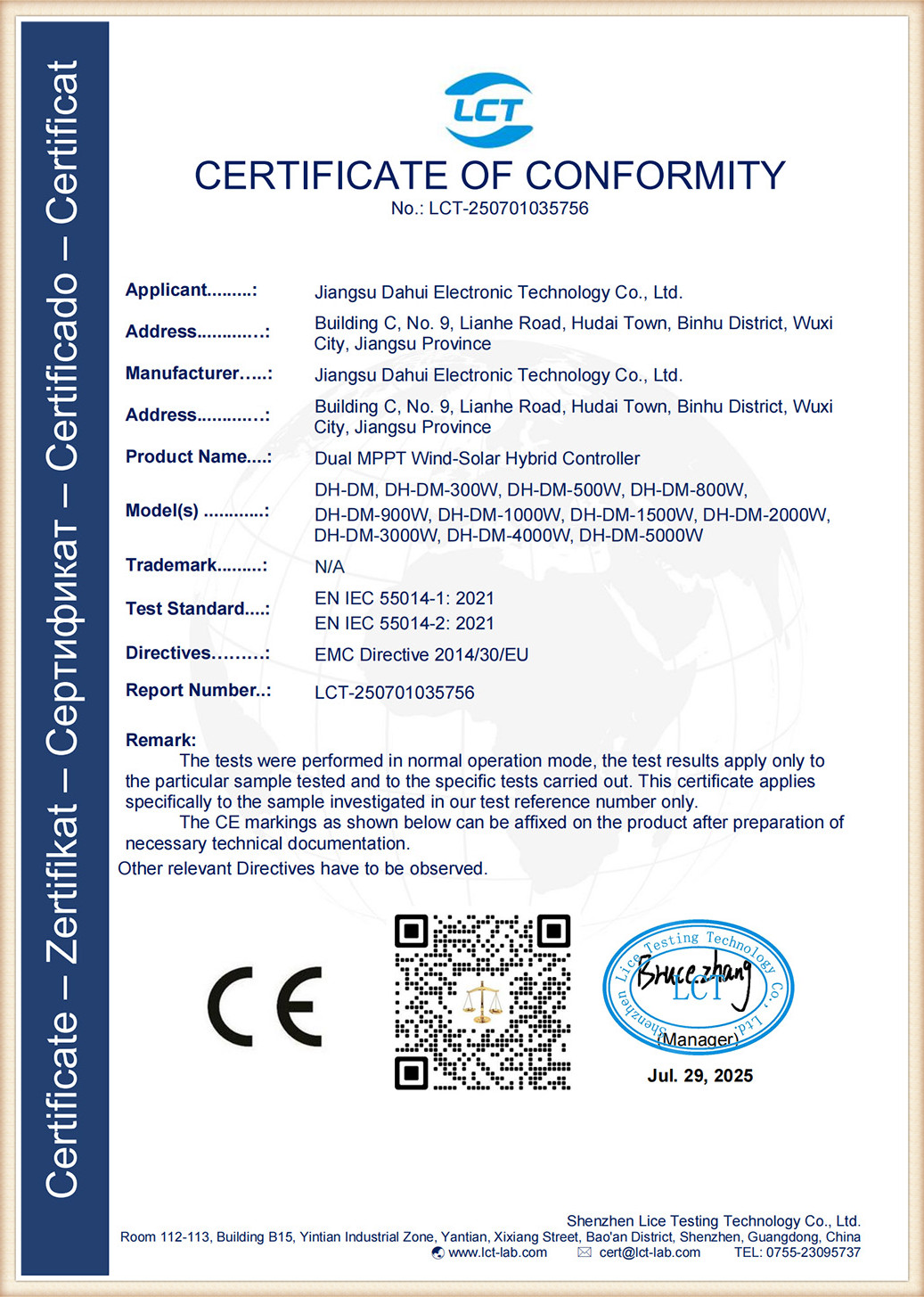
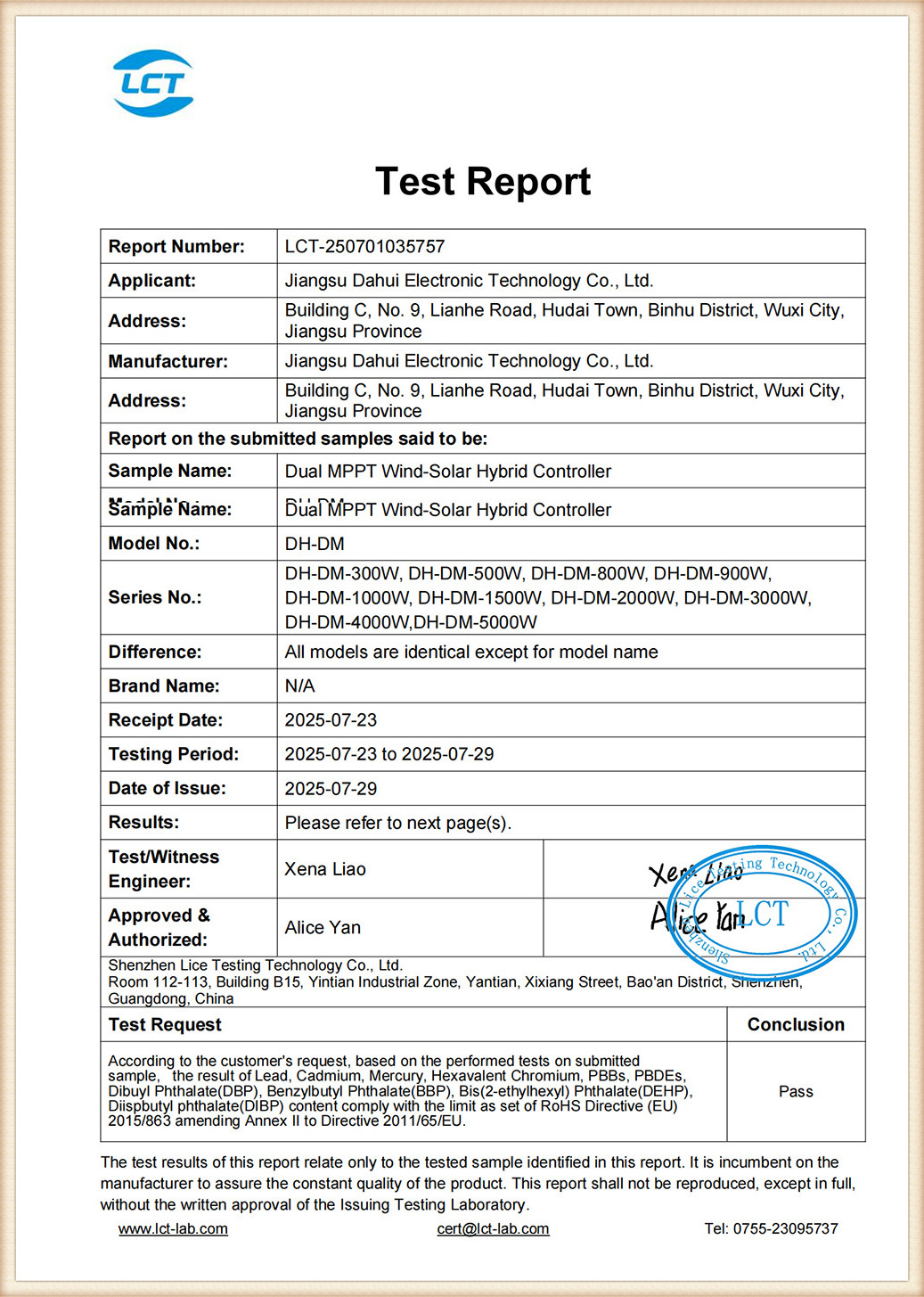
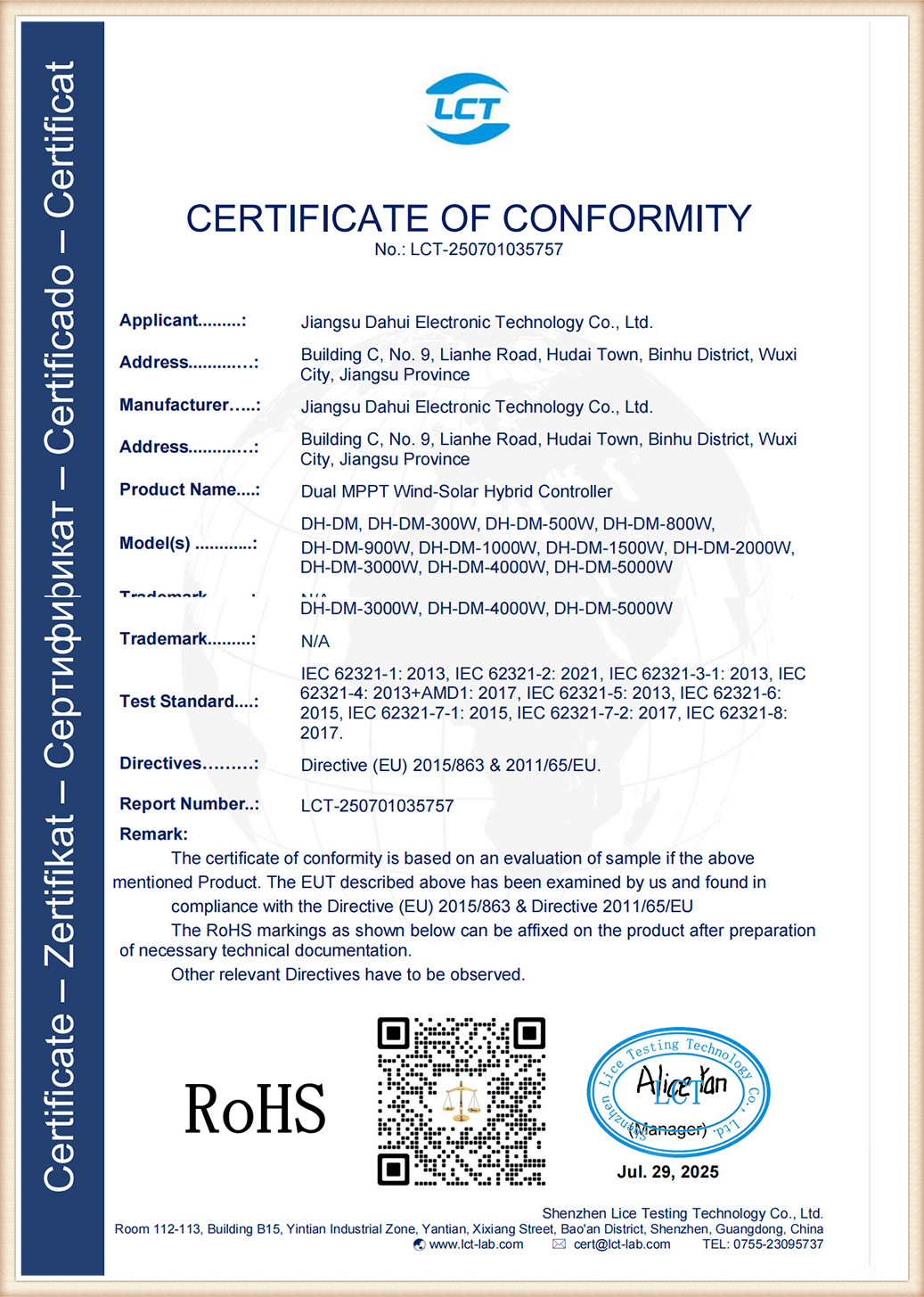
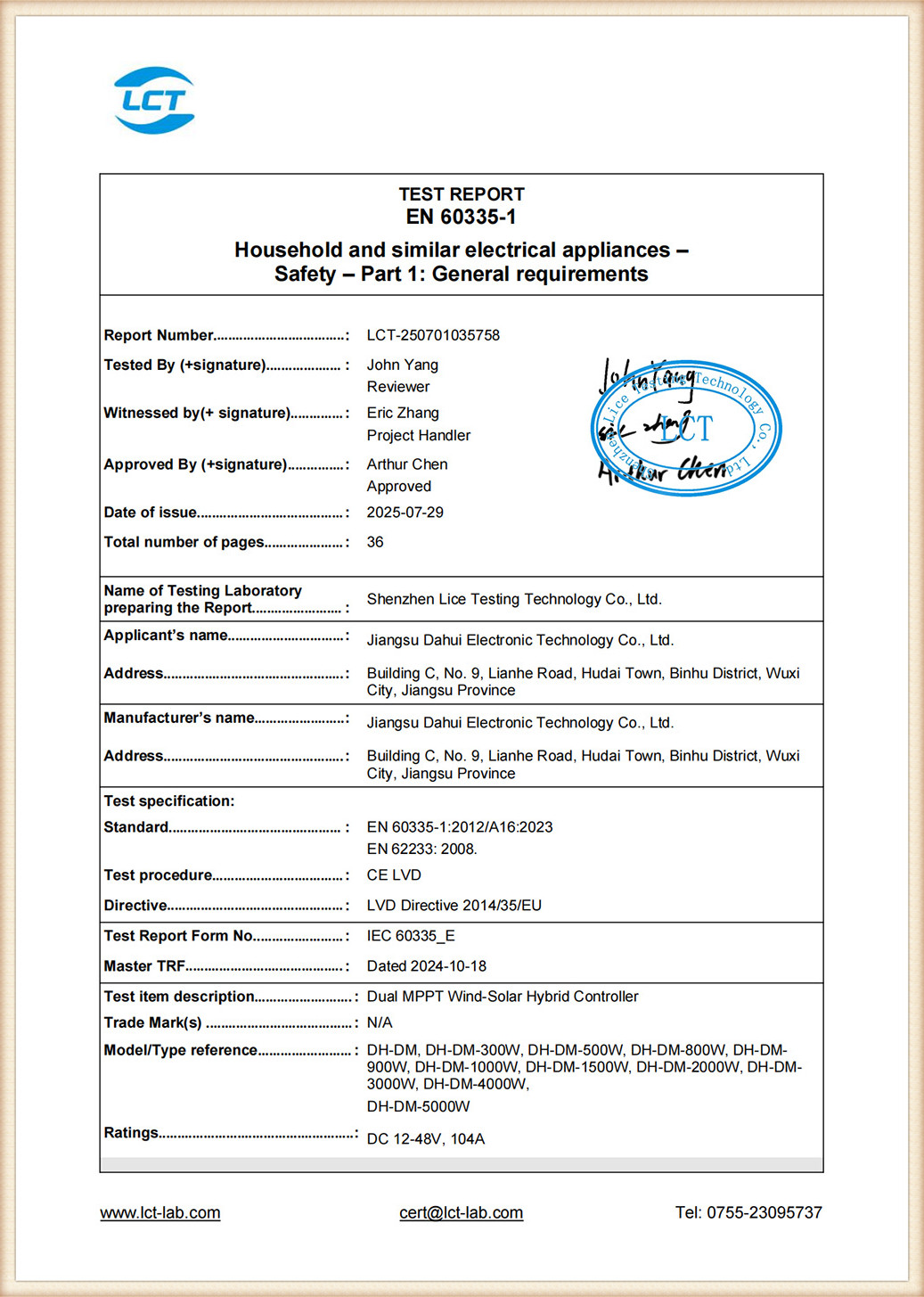
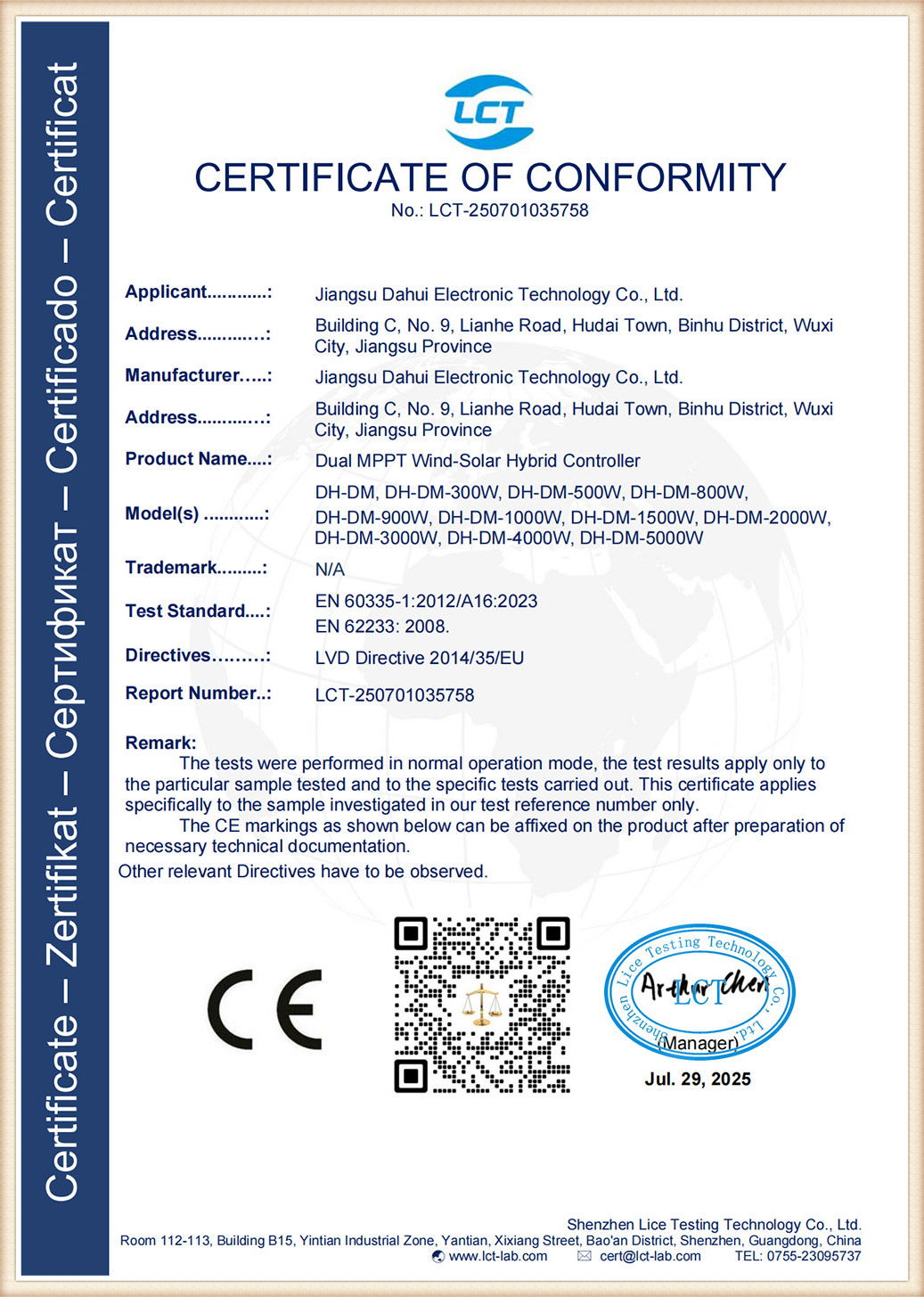
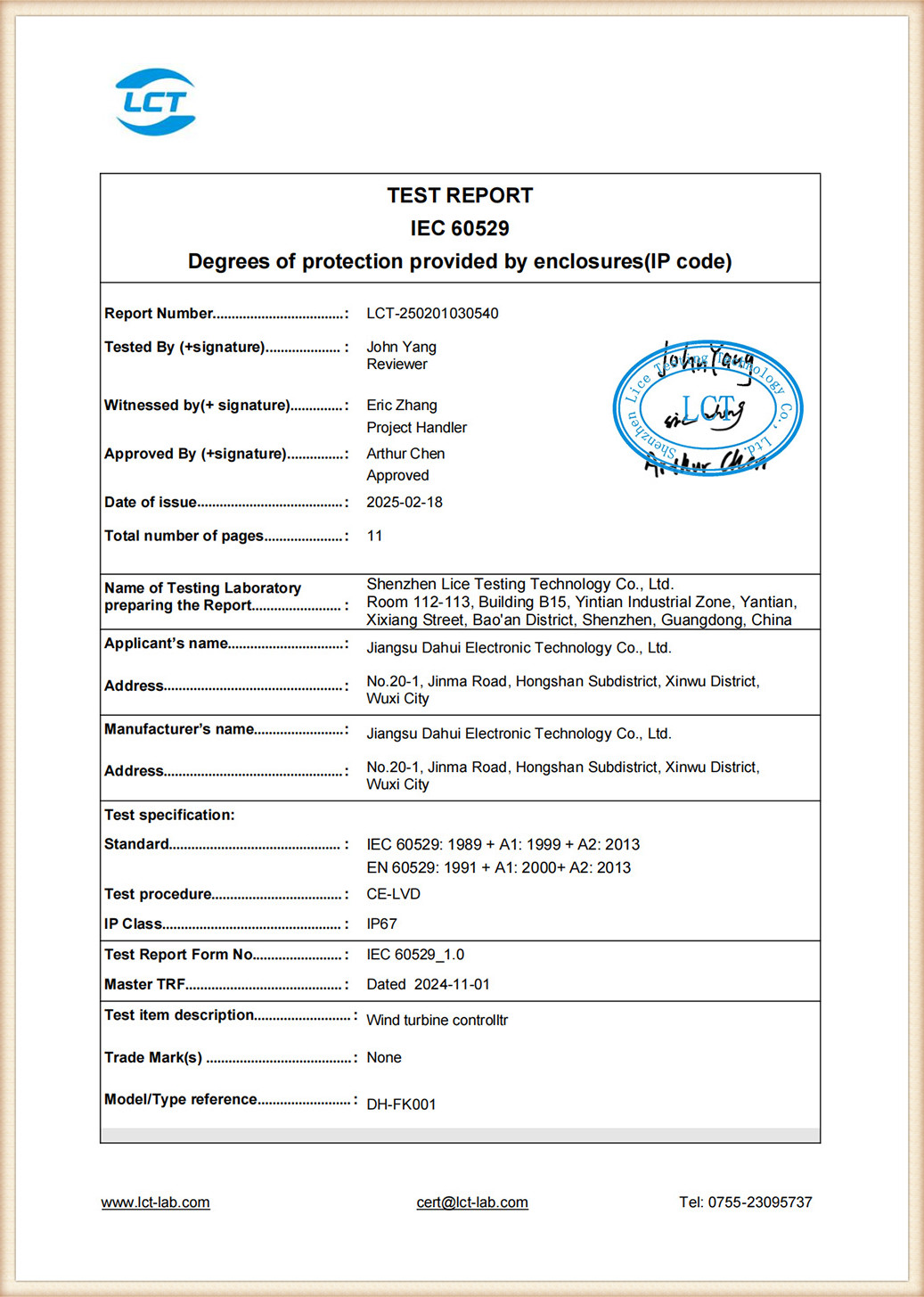
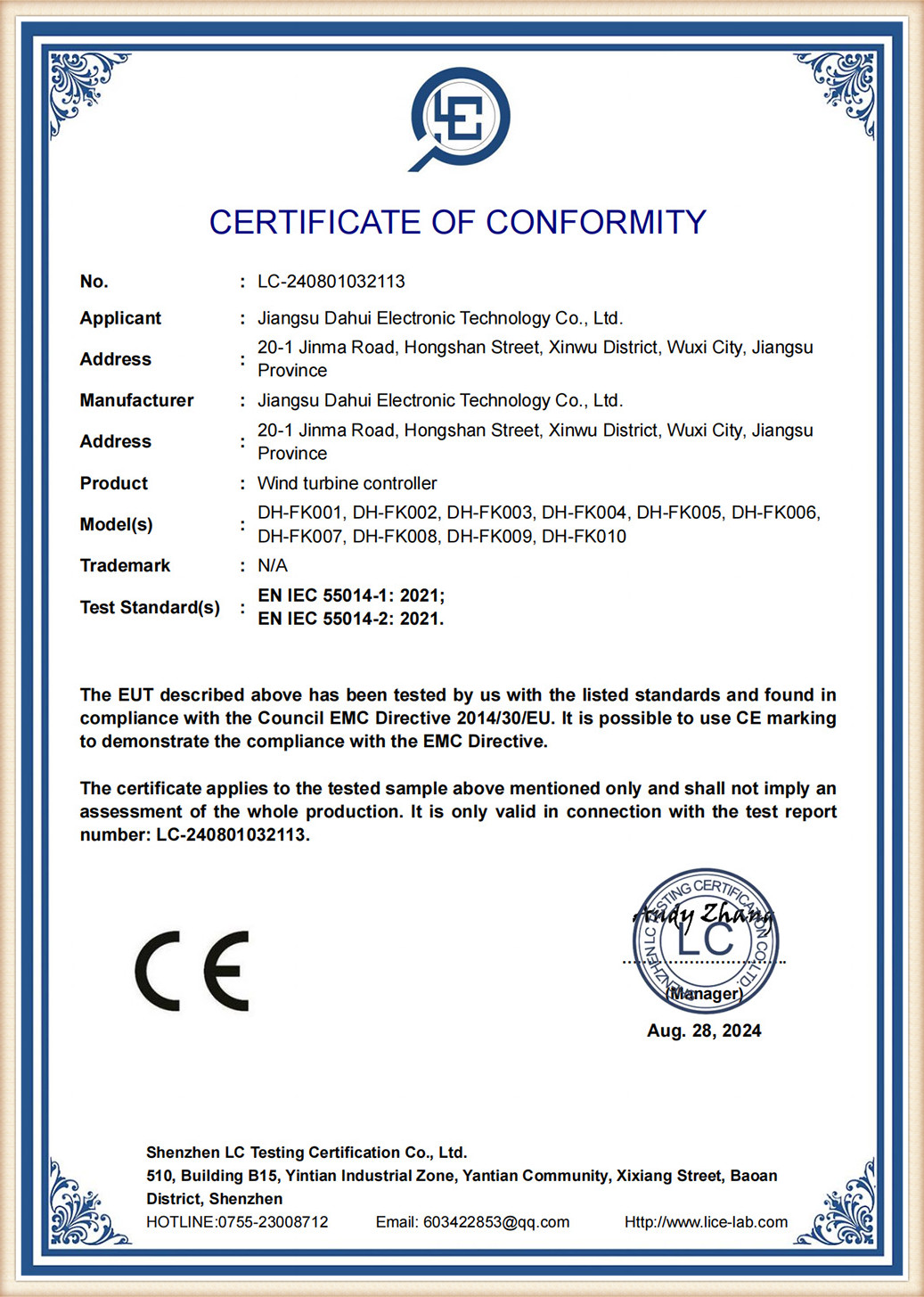
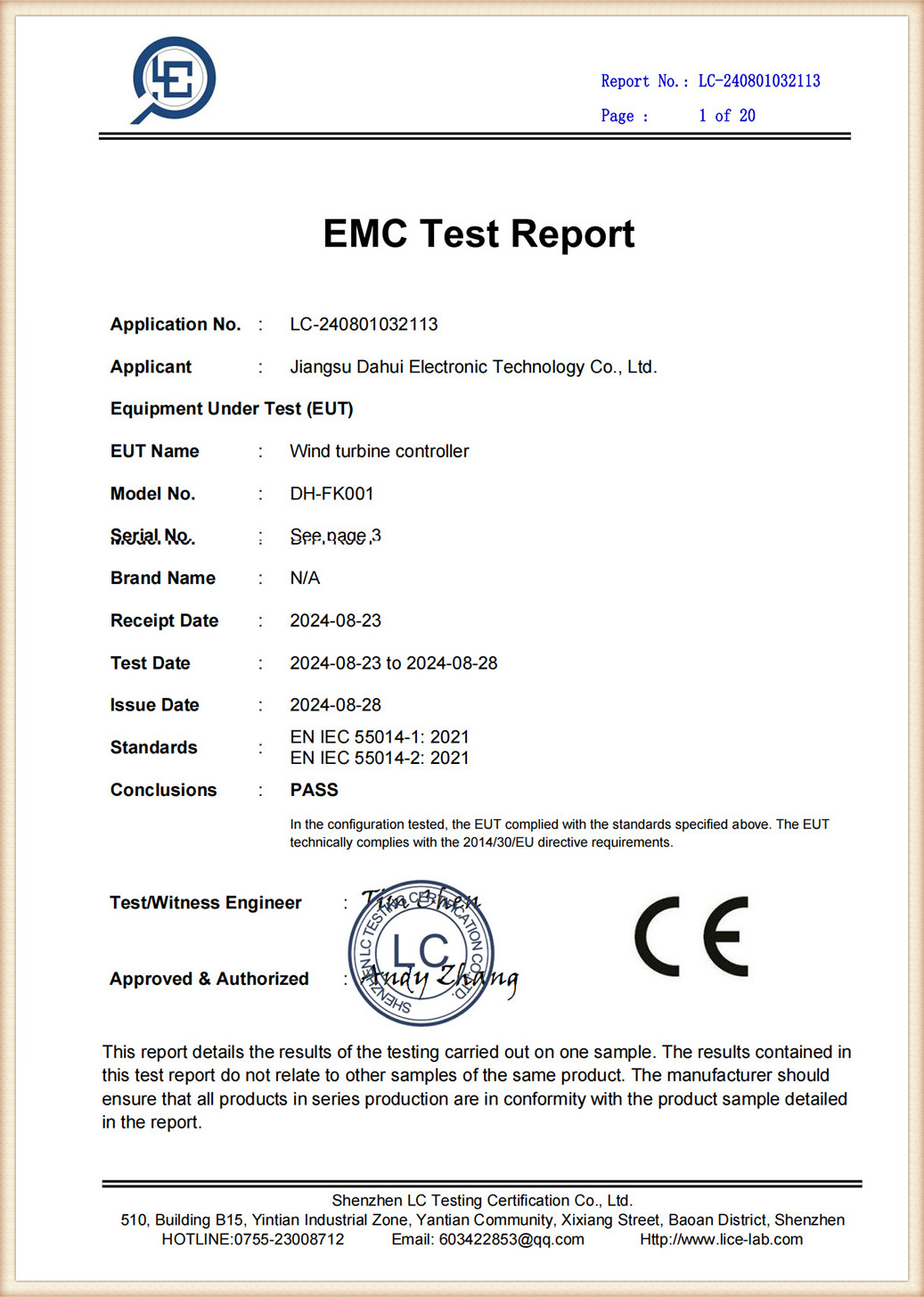
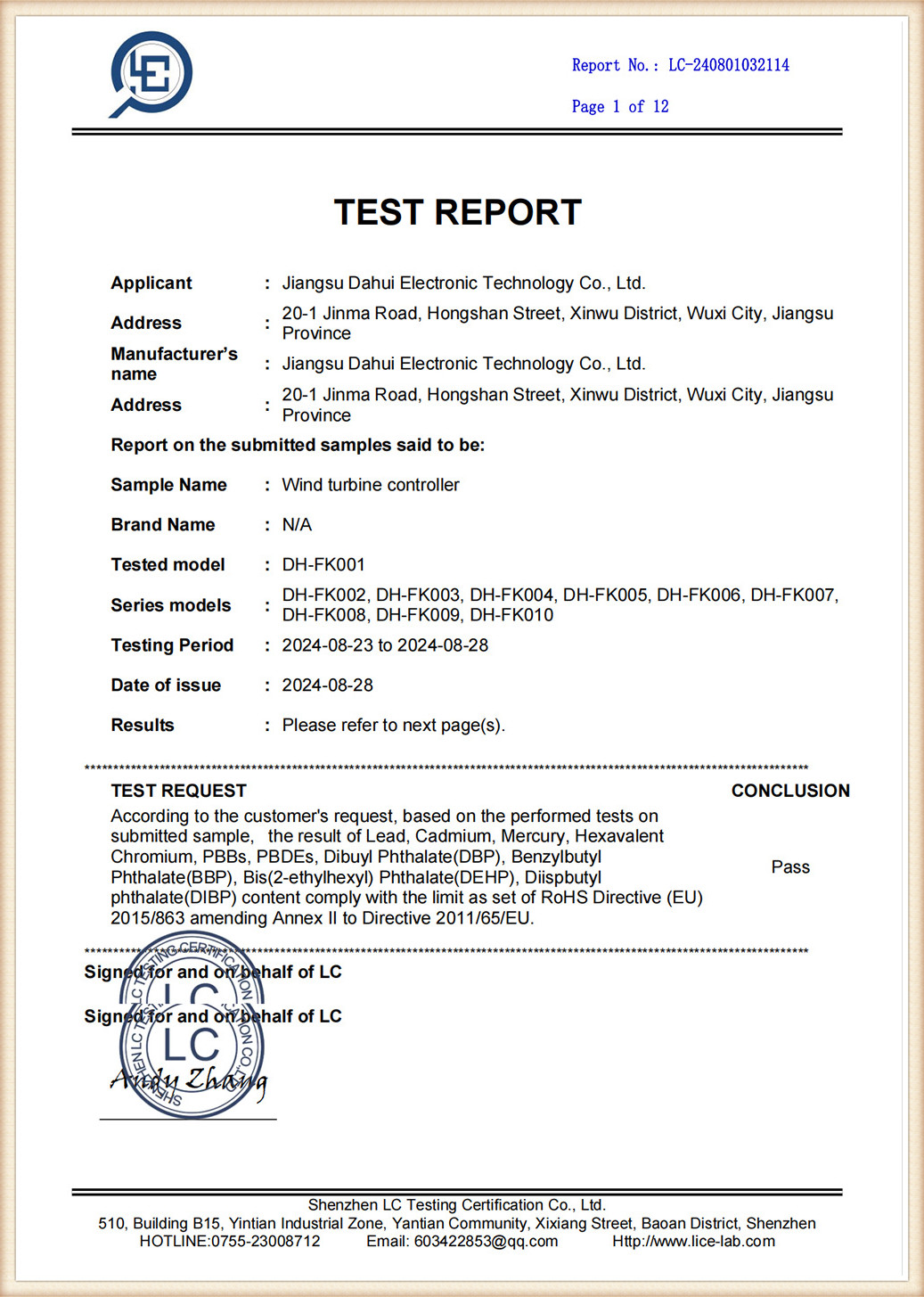
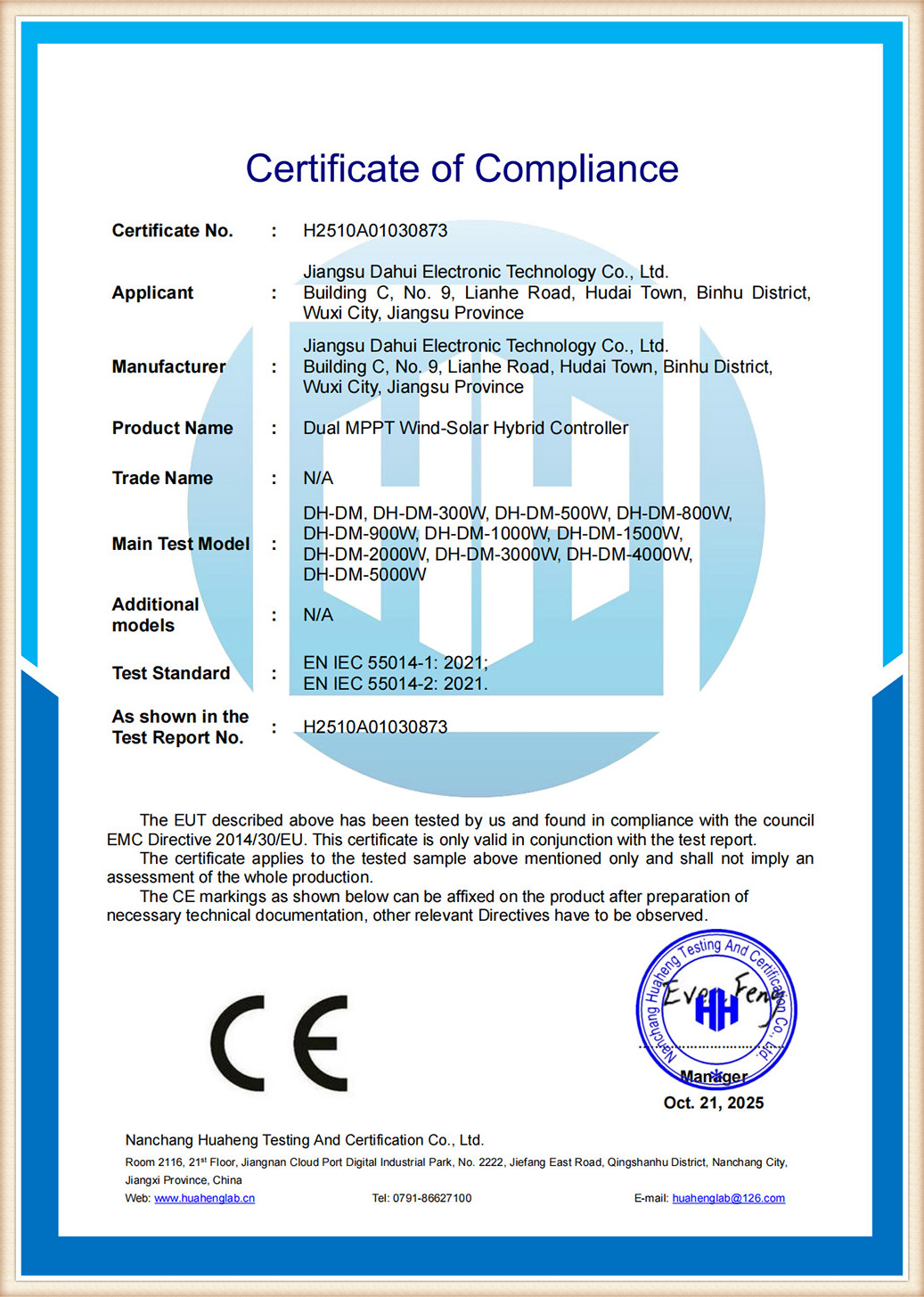
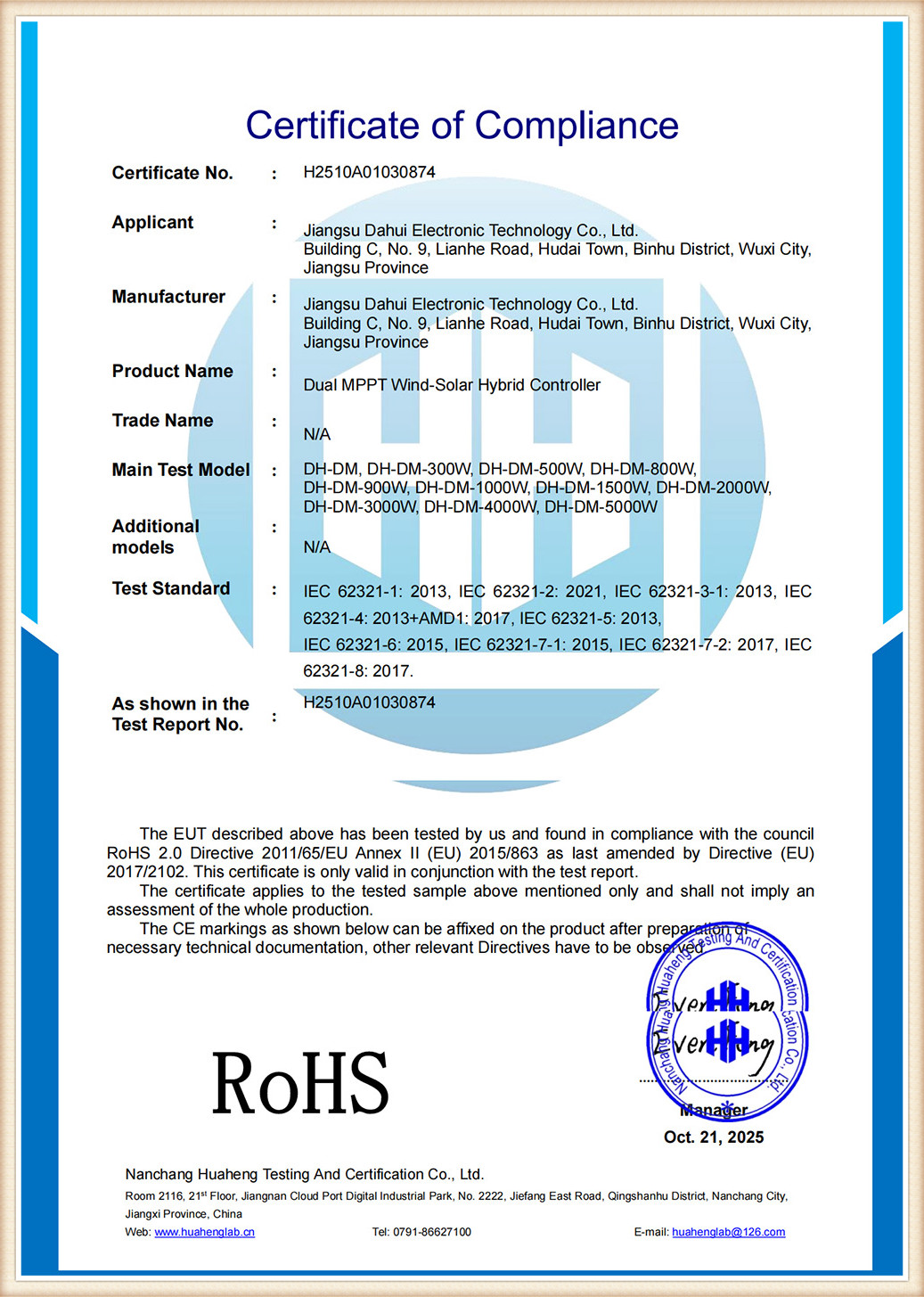
The company always adheres to the core business philosophy of "quality first, independent research and development", and regards product quality and technological innovation as the core driving force for corporate development. At present, it has obtained a number of international authoritative product certifications and ISO quality management system certifications, and has established a full-chain quality management system from raw material inspection, full-process control of the production process to multi-dimensional inspection of finished products. Product quality is strictly controlled throughout the entire process, and core product performance indicators are comprehensively better than industry standards, providing a solid guarantee for the long-term stable operation and reliable service life of the product.