Leave Your Message
Explore our high-efficiency MPPT controllers engineered to maximize solar harvesting in rugged off-grid environments.
Off-grid power generation has undergone a massive transformation over the past decade. What was once a niche hobby for survivalists and remote researchers has transitioned into a mainstream lifestyle and a critical industrial sector. At the heart of this expansion is the MPPT 30 Amp Solar Charge Controller. Designed to regulate the power flowing from solar panels to battery banks, these devices ensure that batteries are charged safely, efficiently, and rapidly. For outdoor camping enthusiasts and RV adventurers, a 30 Amp controller represents the "sweet spot" of capacity and portability, bridging the gap between small, low-power portable chargers and large, bulky residential-scale installations.
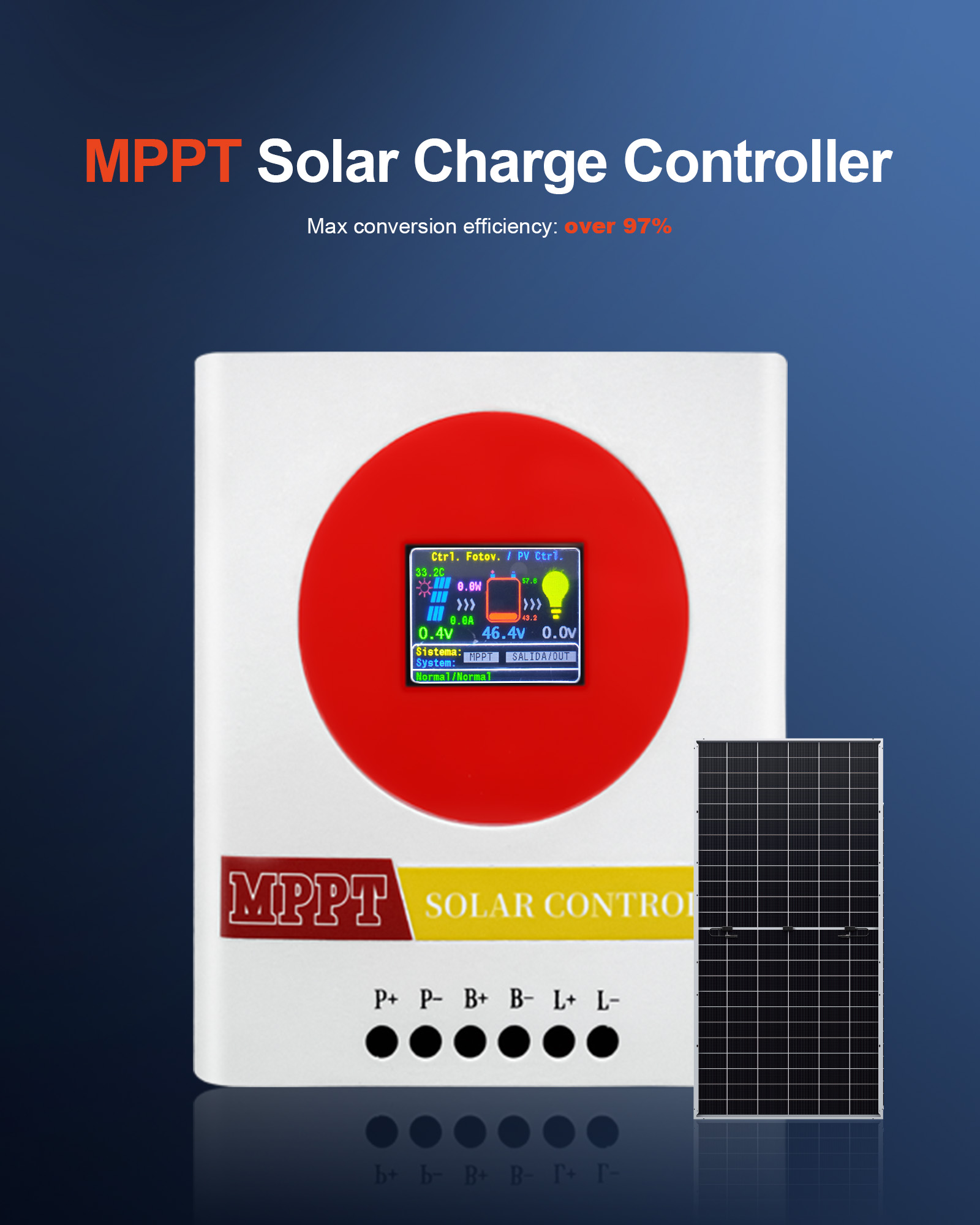
Maximum Power Point Tracking (MPPT) technology represents a significant leap forward over traditional Pulse Width Modulation (PWM) controllers. While PWM controllers simply connect the solar panels directly to the battery, forcing the panels to operate at the battery's voltage, MPPT controllers continuously monitor the voltage and current output of the solar array. By calculating the optimal operating voltage (the "maximum power point"), the controller can step down excess voltage to boost the charging current. This allows the system to harvest up to 30% more energy from the same solar array, a difference that can be critical during overcast days, in wooded camping locations, or during the short days of winter.
Advanced MPPT algorithms track the maximum power point in milliseconds, delivering up to 98% efficiency under variable cloud cover.
Pre-programmed profiles for LiFePO4, Gel, AGM, and flooded lead-acid batteries ensure optimal charging and prolonged lifespan.
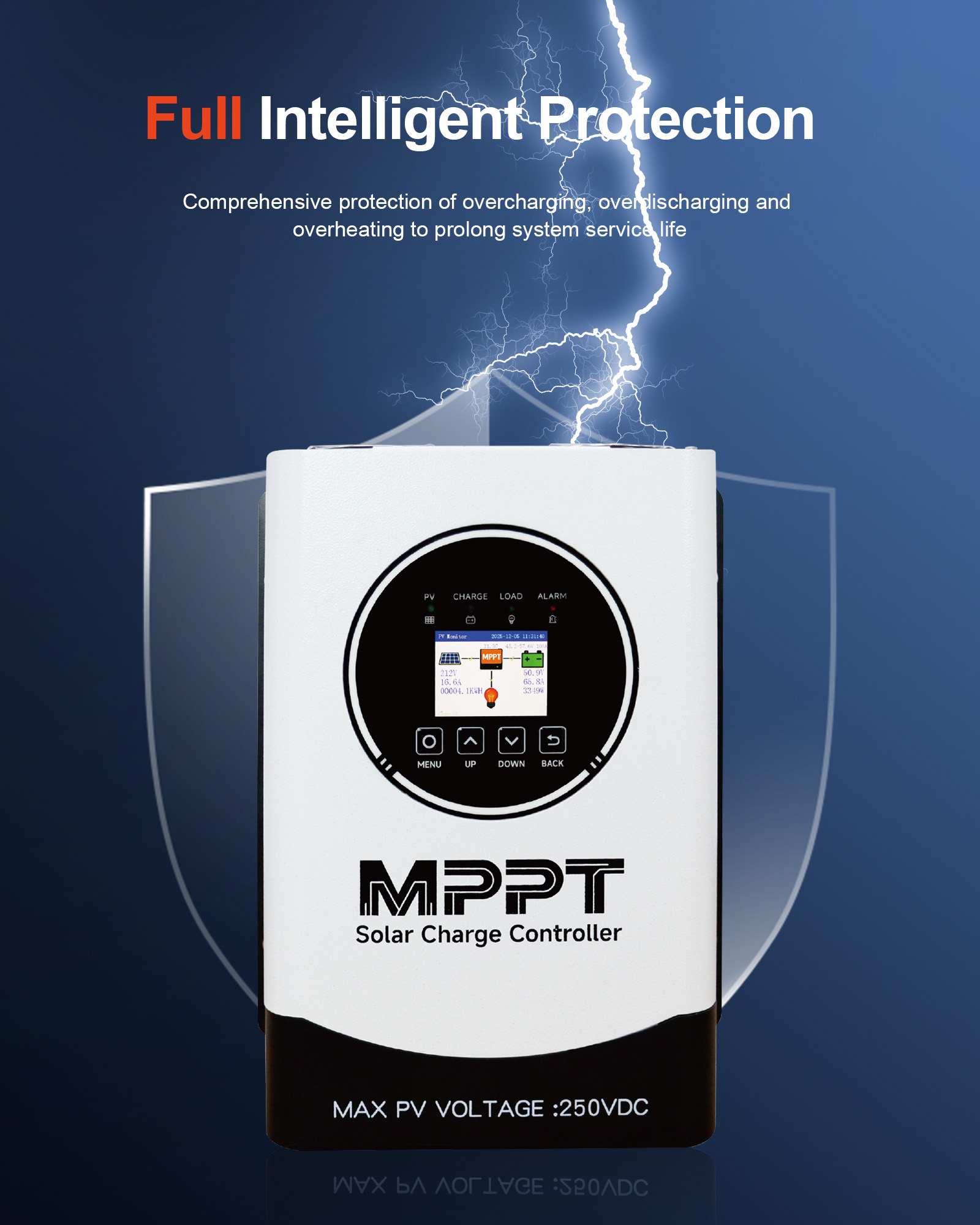
Built-in safeguards against reverse polarity, overcharging, short-circuits, and thermal runaway guarantee safe operation.
The global market for off-grid power components is experiencing unprecedented growth. Driven by the expansion of recreational vehicle (RV) sales, the rise of "van life" culture, and the increasing frequency of grid instability caused by extreme weather, consumers and commercial operators alike are investing heavily in robust power systems. In the industrial sector, small-scale off-grid installations are widely used for remote monitoring stations, telecommunication towers, agricultural water pumps, and emergency backup systems. Within these applications, the 30 Amp MPPT controller has emerged as a standard building block due to its versatility.
RVs and overland vehicles present unique challenges for electrical design. They are subject to continuous vibrations, temperature extremes, and space constraints. A typical 30 Amp MPPT controller can handle up to approximately 400 Watts of solar panels on a 12V system, or 800 Watts on a 24V system. This capacity is ideal for running critical DC appliances such as compressor refrigerators, water pumps, LED lighting, charging stations, and even low-draw inverters for laptops and small kitchen appliances.
Furthermore, overlanders often camp under dense tree canopies or change locations frequently. Under these conditions, the fast-tracking capabilities of an MPPT controller ensure that even brief windows of direct sunlight are converted into usable energy. Modern controllers also support multi-stage charging profiles for Lithium Iron Phosphate (LiFePO4) batteries, which have become the industry standard for RV house banks due to their depth of discharge and long cycle life.
For extended camping trips far from established campgrounds, portability and weatherproofing are paramount. Foldable solar blankets paired with a portable 30 Amp MPPT controller allow campers to set up camp in the shade while placing the panels in direct sunlight. Because the controller can handle higher input voltages (often up to 100V DC or higher depending on the model), campers can run their panels in series, which minimizes voltage drop over long cable runs and allows the system to begin charging earlier in the morning and continue later into the evening.
Beyond recreation, these controllers are widely deployed in industrial monitoring, weather stations, and remote security installations. In these scenarios, reliability is non-negotiable. The controller must operate unattended for years in harsh conditions. High-quality MPPT controllers feature fanless designs with heavy-duty aluminum heat sinks to prevent dust and moisture ingress, conforming to IP65 or IP67 ratings. They also utilize advanced temperature compensation to adjust charging parameters based on ambient temperatures, preventing battery damage in freezing or hot climates.
When designing an off-grid solar system, matching the solar array to the charge controller is critical. For a 30 Amp controller, the maximum solar panel wattage is determined by the battery bank voltage. Using the formula Power (Watts) = Voltage (Volts) x Current (Amps), we can calculate the limits:
It is also crucial to ensure that the Open Circuit Voltage (Voc) of the solar array never exceeds the maximum input voltage rating of the controller, especially in cold weather, as solar panel voltage increases as temperatures drop. Exceeding the voltage limit can permanently damage the controller's internal circuitry.
With excellent product quality, continuous R&D innovation capabilities and a complete full-cycle service system, the company has deeply explored the domestic and foreign new energy markets and established a global sales and service network. Its products are exported to dozens of countries and regions such as Europe, North America, South America, Southeast Asia, and Russia. With stable and reliable product performance and professional and efficient service capabilities, the company has gained high recognition and long-term trust from global customers, and has become a highly competitive Chinese local brand in the new energy field. In the future, the company will continue to deepen the innovation of new energy technologies, continuously optimize the product matrix and service system, help the global energy transformation and the realization of dual-carbon goals, and contribute core strength to the construction of a clean, low-carbon, safe and efficient modern energy system.

Discover our full portfolio of advanced wind, solar, and hybrid controllers designed for maximum efficiency and durability in any setting.