Leave Your Message
As commercial enterprises face skyrocketing energy costs and strict carbon emission regulations, the adoption of commercial rooftop solar systems paired with battery storage has shifted from a forward-looking option to a strategic business necessity. Maximum Power Point Tracking (MPPT) technology, operating at a nominal 48V DC bus configuration, represents the technological sweet spot for medium-to-large-scale Commercial and Industrial (C&I) rooftop solar installations.
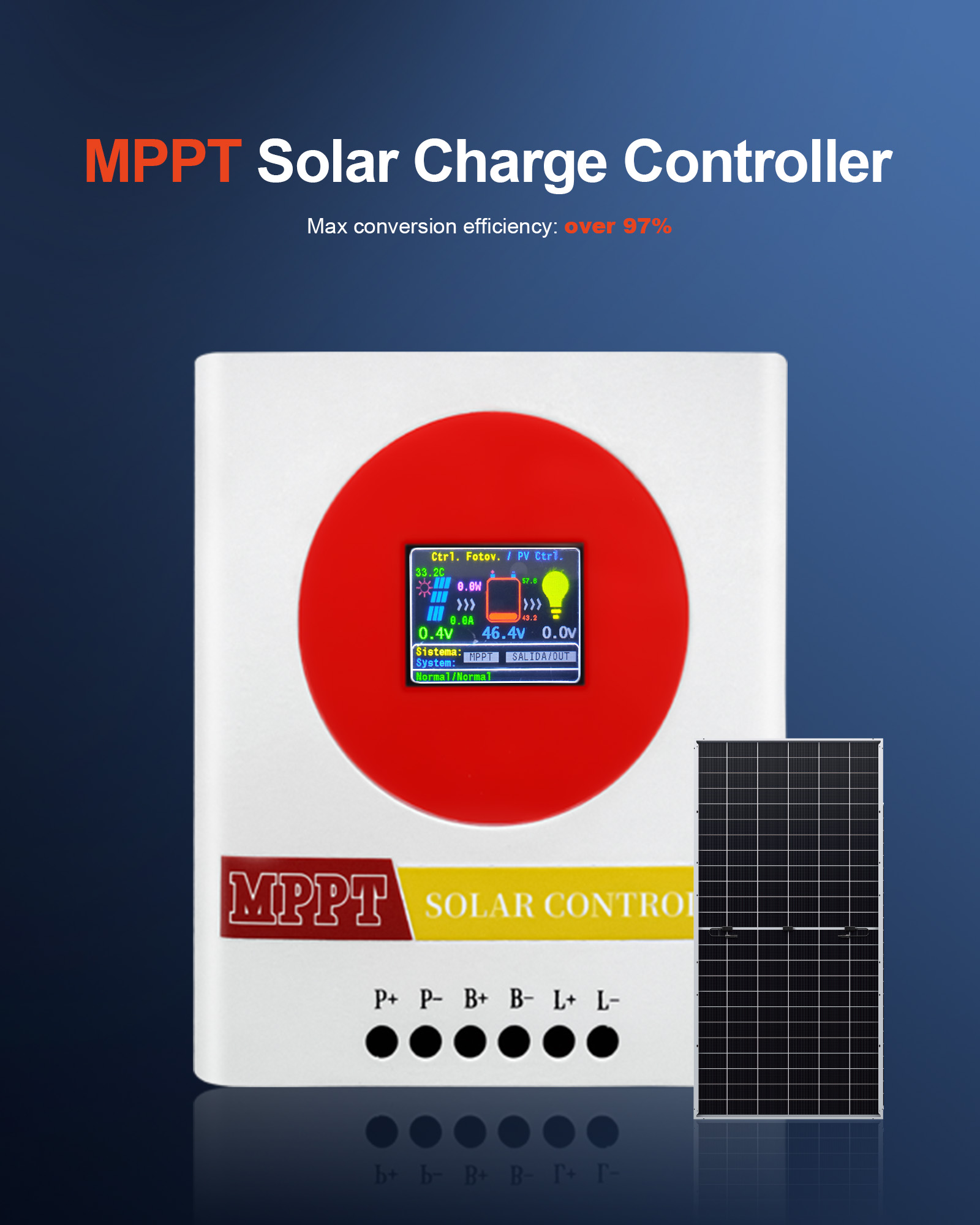
A 48V solar charge controller acts as the core gateway between the solar PV array and the battery energy storage system (BESS). By continuously adjusting the electrical operating point of the solar modules, MPPT technology ensures that the arrays deliver their absolute maximum wattage under all environmental conditions, including partial shading from rooftop HVAC units, variable cloud cover, and seasonal shifts in sunlight angles.
In commercial rooftop energy storage, selecting the optimal battery voltage is critical for system efficiency, safety, and regulatory compliance. The 48V DC architecture has emerged as the global standard for several reasons:
Advanced MPPT algorithms ensure instantaneous tracking of the maximum power point, minimizing energy dropoff during rapid weather transitions.
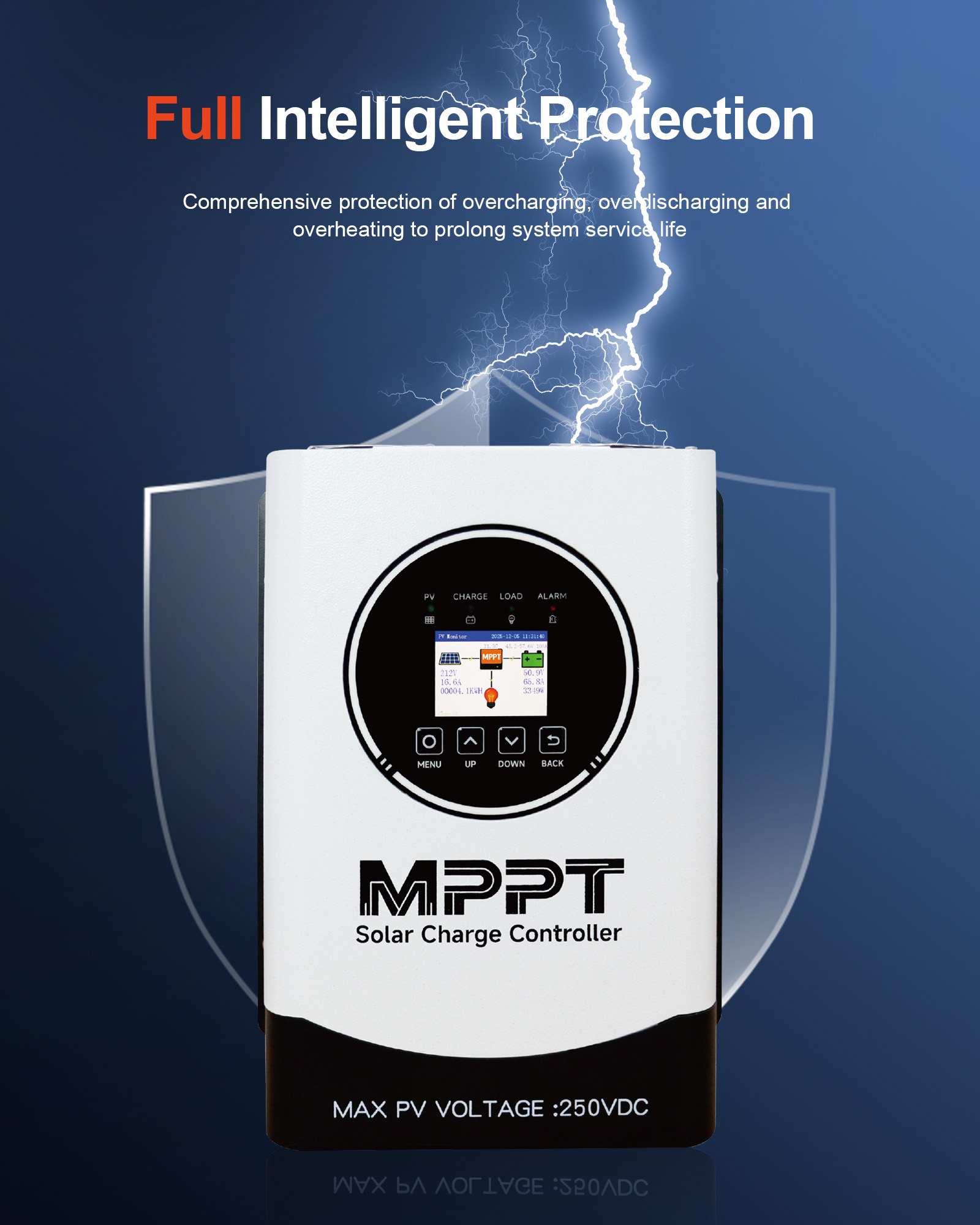
Equipped with comprehensive protection mechanisms, including overcharge, over-discharge, reverse polarity, and thermal runaway prevention.
Supports Modbus, RS485, and CAN communication protocols, allowing complete integration into building management systems (BMS) and cloud platforms.
Commercial rooftop energy storage systems are deployed across diverse environments, each presenting unique engineering challenges. MPPT 48V controllers serve as the critical control unit across these specific application scenarios:
For many commercial facilities (such as manufacturing plants, supermarkets, and offices), utility bills are heavily driven by "demand charges"—fees calculated based on the single highest 15-minute window of electricity consumption during the billing cycle. By utilizing a high-efficiency 48V MPPT charge controller, facilities can store solar energy in battery banks during periods of low building load. When the facility's demand spikes (e.g., when heavy machinery starts up or central HVAC systems kick in), the system discharges the stored energy, leveling off the peak grid draw and saving thousands of dollars monthly.
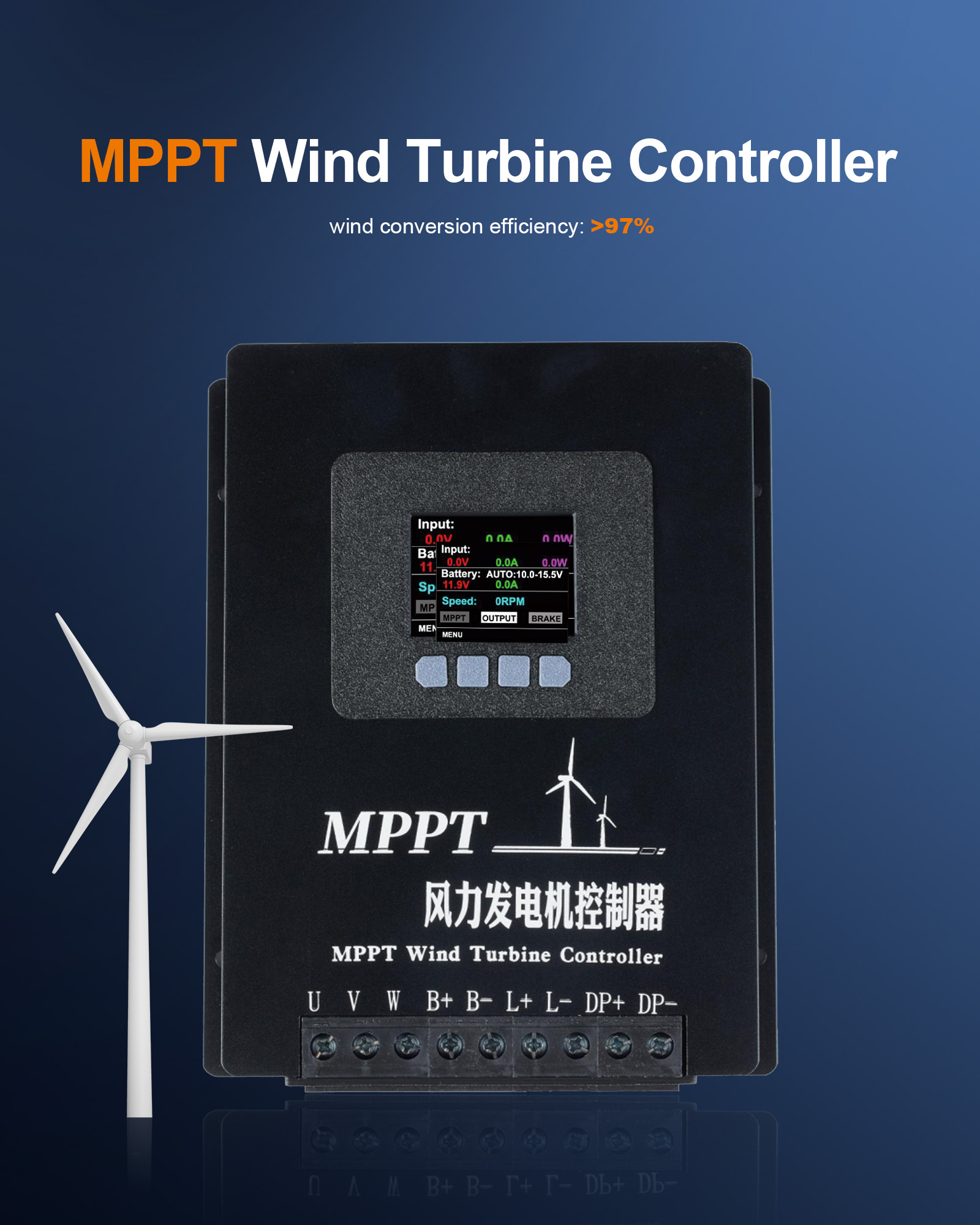
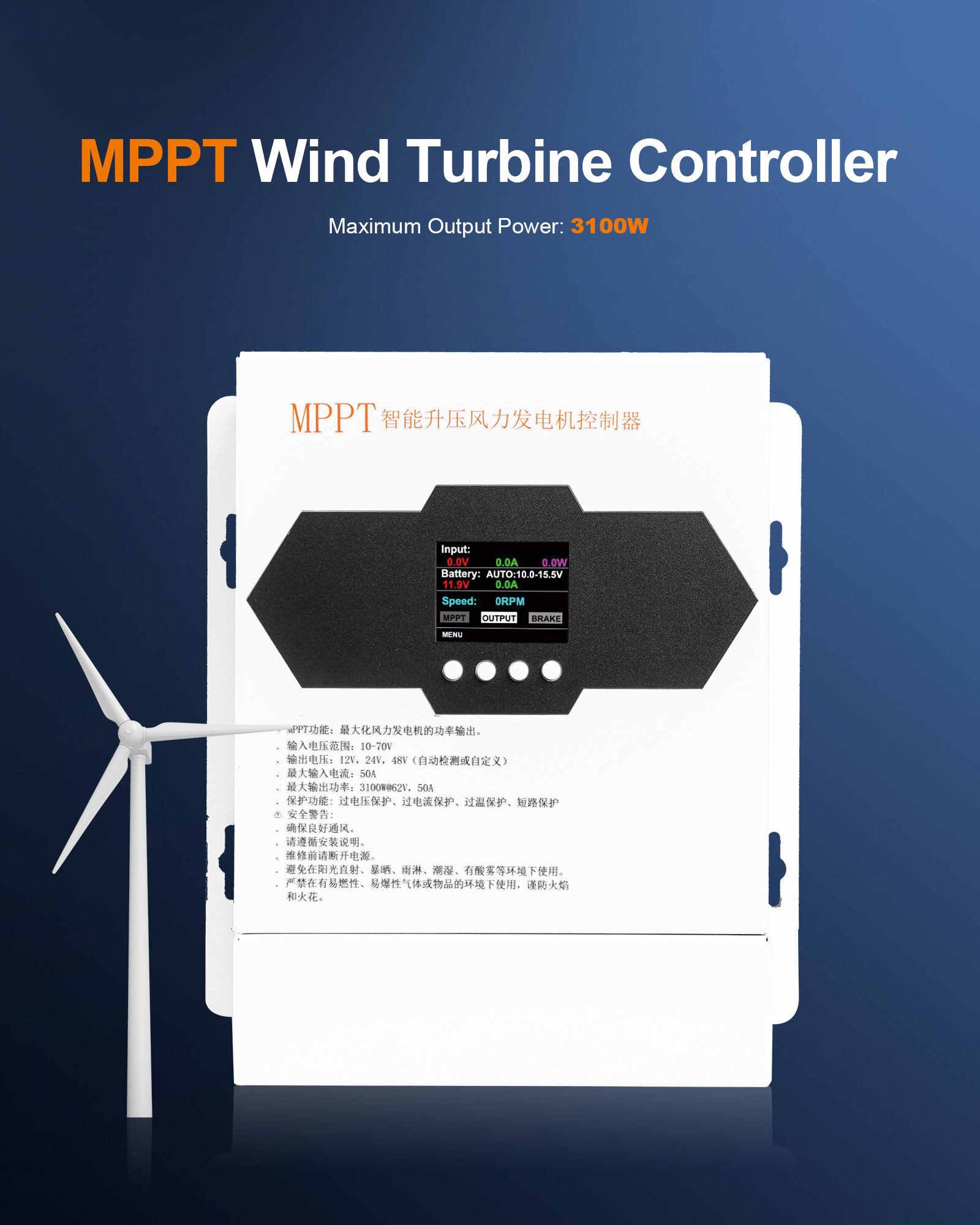
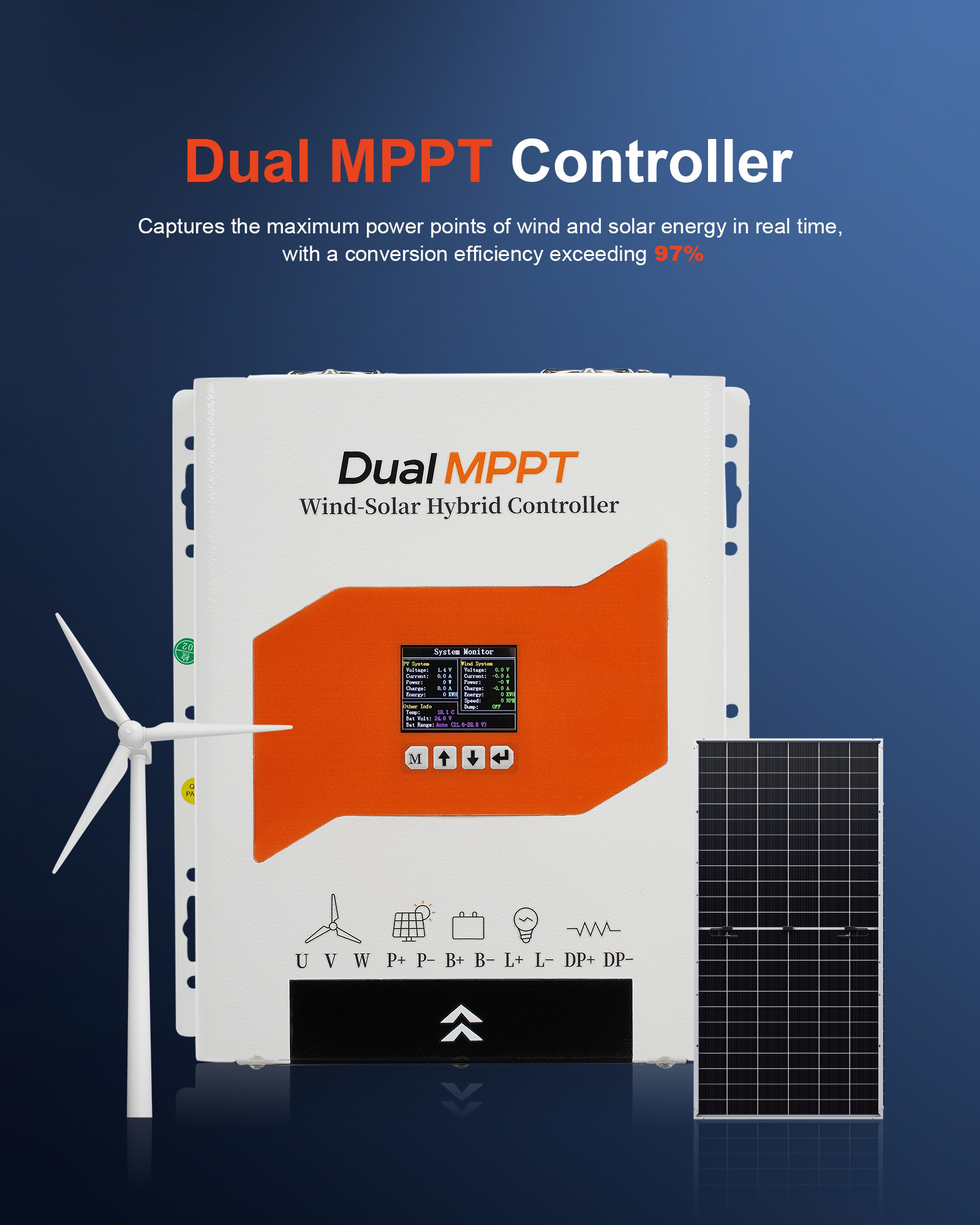
Rooftops of warehouses and distribution centers often experience high wind speeds alongside solar exposure. Integrating wind turbines with solar arrays creates a highly resilient, round-the-clock power generation profile. Using dual-input MPPT controllers allows commercial facilities to harvest wind energy during the night and solar energy during the day. The 48V DC bus consolidates these inputs safely, feeding a centralized battery bank that powers critical facility operations, lighting, and security systems off-grid or in grid-tied backup configurations.
Cold storage facilities run continuously, and any power interruption can result in catastrophic financial losses due to spoiled inventory. A 48V MPPT-controlled solar storage system acts as an instantaneous uninterruptible power supply (UPS). Because the solar PV array is continuously charging the battery bank via the MPPT controller, the system maintains a high state of charge. During a grid failure, the system transitions seamlessly to run refrigeration compressors, keeping the temperature stable without relying solely on diesel generators.
As corporate fleets transition to electric vehicles (EVs), commercial properties are adding EV charging stations. Charging multiple vehicles simultaneously places immense stress on the local distribution grid. An MPPT 48V solar charge controller manages localized rooftop solar generation to directly charge a dedicated 48V battery buffer. When fleet vehicles plug in, they draw power from the battery bank rather than overloading the grid connection, facilitating faster charging and maintaining grid stability.
The field of power electronics is evolving rapidly. Modern MPPT 48V controllers are incorporating cutting-edge hardware and software innovations to meet the demands of next-generation C&I storage systems:
Traditional silicon-based components are being replaced by Silicon Carbide (SiC) and Gallium Nitride (GaN) transistors. These advanced materials allow the charge controller to operate at significantly higher switching frequencies with lower thermal losses. This translates to smaller, lighter controllers with conversion efficiencies exceeding 98.5%, reducing the cooling requirements inside commercial electrical rooms.
Rooftop solar arrays frequently experience partial shading from chimneys, vents, adjacent buildings, or dust accumulation. Standard MPPT controllers can get trapped at a "local maximum" power point, ignoring the true "global maximum" and losing up to 30% of potential generation. Advanced controllers utilize dynamic sweep algorithms that scan the entire voltage curve within milliseconds to locate and track the true maximum power point, ensuring optimal performance even under complex shading conditions.
Today's MPPT controllers do not operate in isolation. They are connected to local networks and cloud servers, utilizing AI models to predict solar output based on historical weather patterns. By communicating with the building’s overall Energy Management System (EMS) via Modbus-TCP or CAN-bus protocols, the controller can dynamically adjust its charging profiles to optimize battery life and prioritize power dispatch based on real-time electricity pricing.
With excellent product quality, continuous R&D innovation capabilities and a complete full-cycle service system, the company has deeply explored the domestic and foreign new energy markets and established a global sales and service network. Its products are exported to dozens of countries and regions such as Europe, North America, South America, Southeast Asia, and Russia.
With stable and reliable product performance and professional and efficient service capabilities, the company has gained high recognition and long-term trust from global customers, and has become a highly competitive Chinese local brand in the new energy field.
In the future, the company will continue to deepen the innovation of new energy technologies, continuously optimize the product matrix and service system, help the global energy transformation and the realization of dual-carbon goals, and contribute core strength to the construction of a clean, low-carbon, safe and efficient modern energy system.