Leave Your Message
Islands represent some of the most ecologically fragile and geographically isolated communities on earth. Historically, these remote territories have relied heavily on imported fossil fuels—most notably diesel generators—to power homes, resorts, telecommunication towers, and vital infrastructure. This diesel dependency comes at an extraordinary cost: high fuel transport logistics, vulnerability to supply chain disruptions during storms, high carbon emissions, and constant noise pollution that threatens local eco-tourism. Furthermore, the levelized cost of energy (LCOE) for diesel-dependent islands is often three to five times higher than that of mainland grids.
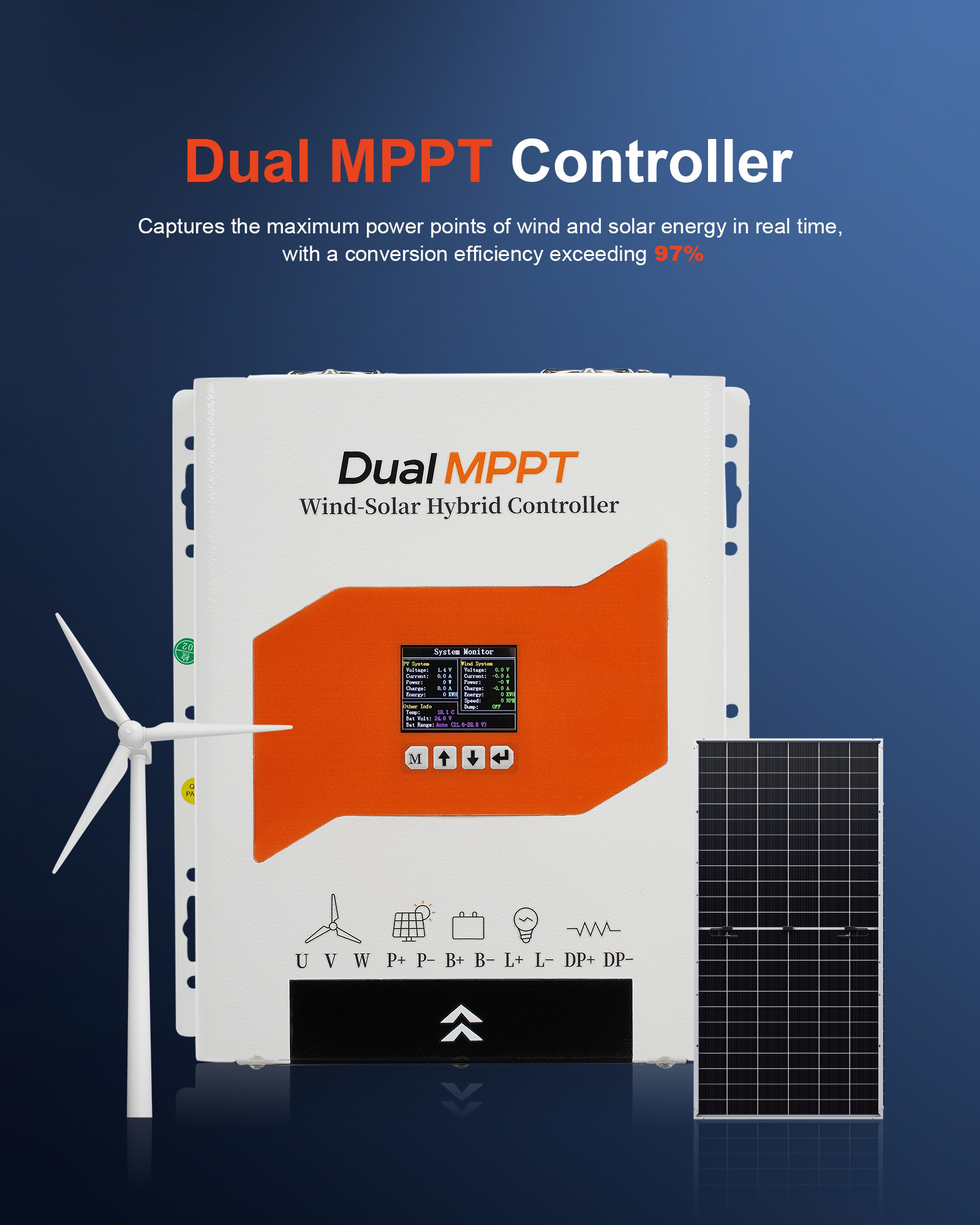
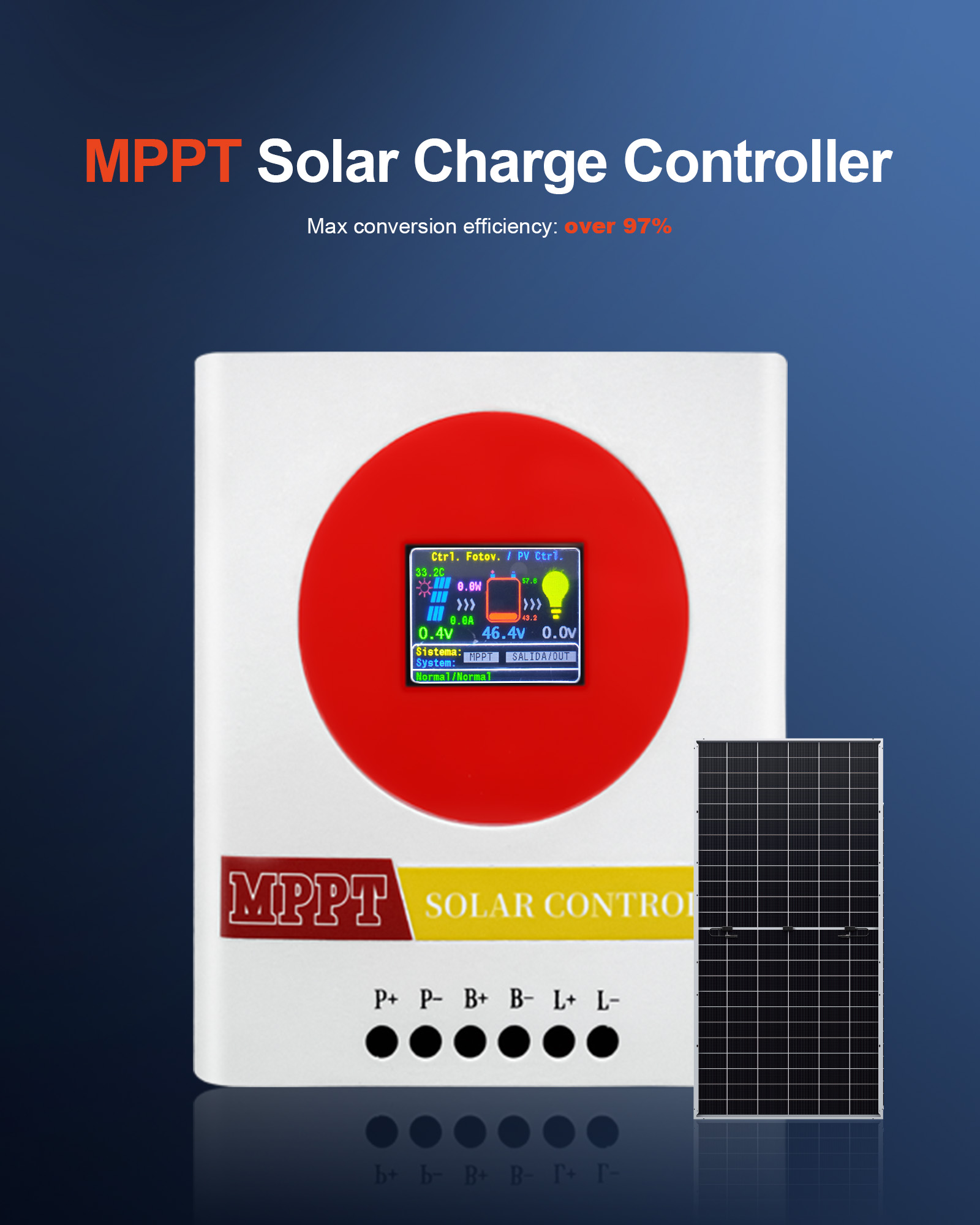
To transition toward sustainable energy independence, off-grid island power supply systems must harness the abundant local natural resources: wind and solar. However, the meteorological profile of islands is notoriously volatile. Sudden cloud cover, heavy marine mist, saline humidity, and rapid shifts in wind speed demand a sophisticated power management core. This is where the MPPT Hybrid Solar Charge Controller becomes the critical backbone. By combining Maximum Power Point Tracking (MPPT) for both solar photovoltaic (PV) arrays and wind turbine generators, these controllers dynamically optimize energy conversion, ensuring that every gust of wind and ray of sunlight is efficiently captured and stored.
Industrial Insight: Modern island microgrids are transitioning from simple solar-plus-storage setups to highly resilient wind-solar hybrid topologies. The complementary nature of solar energy (which peaks during the day) and wind energy (which often peaks during nighttime or stormy weather) provides a much more stable power generation profile, significantly reducing the required battery storage capacity and diesel generator backup runtime.
The global market for off-grid island power supply systems is experiencing rapid growth, driven by falling battery energy storage system (BESS) costs, carbon-neutral mandates, and the rising economic penalties of diesel power. From the Maldives to the Caribbean, and from remote Pacific outposts to aquaculture farms in the North Sea, the commercial applications of MPPT hybrid charge controllers are diverse and demanding.
High-end resorts require silent, 24/7 clean energy. Guests demand luxury amenities (air conditioning, desalination, pools) without the constant drone and smell of diesel generators. Hybrid controllers enable seamless renewable integration.
Critical communication networks on uninhabited islands require absolute reliability. MPPT hybrid controllers operate autonomously, providing stable DC power to transmitters and satellite links under extreme weather.
Offshore fish farming and processing plants demand reliable power for feeding systems, monitoring, and cold storage. Hybrid energy systems ensure operational continuity and protect valuable stock.
Freshwater scarcity is a constant challenge on islands. Solar-wind powered reverse osmosis (RO) desalination plants rely on hybrid controllers to manage high-surge pump loads without destabilizing the microgrid.
Implementing an off-grid power supply system in an island environment requires a deep understanding of the unique electrical and environmental stresses present. Unlike mainland systems, island systems are subject to high salinity, extreme humidity, high ambient temperatures, and the constant threat of typhoons or hurricanes. An industrial-grade MPPT hybrid charge controller addresses these challenges through advanced engineering design:
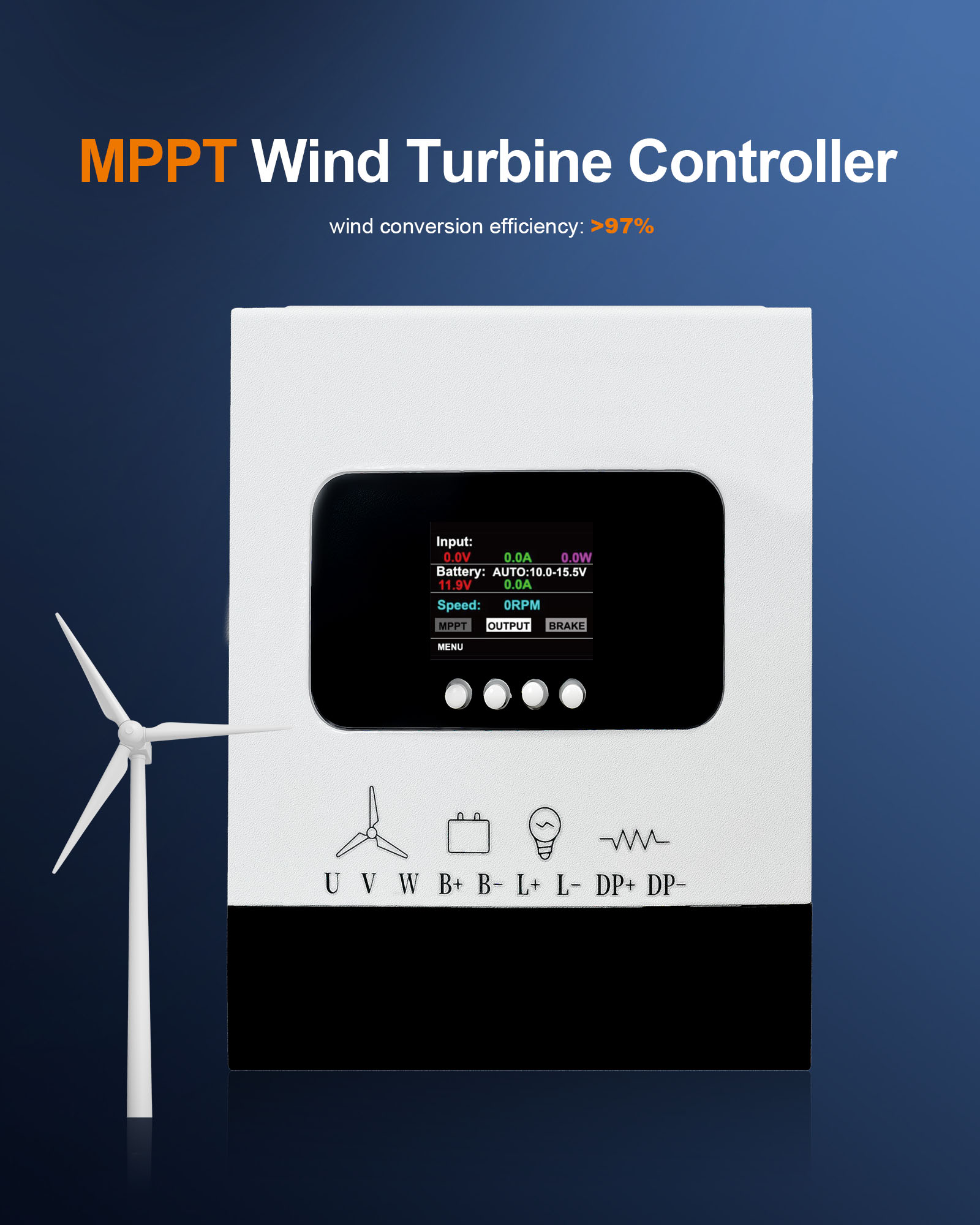
Island weather can change in minutes. A sudden tropical downpour will instantly drop solar output to near zero while simultaneously generating high winds. A dual MPPT wind-solar hybrid controller contains separate, dedicated tracking algorithms for the solar array and the wind turbine. The solar MPPT continuously tracks the Vmp (maximum power voltage) of the PV panels, even under partial shading from palm trees or cloud cover. Simultaneously, the wind controller manages the turbine's variable frequency AC output, rectifying it to DC and adjusting the loading on the generator to keep the turbine spinning at its optimal aerodynamic efficiency. This dual-channel optimization ensures that the system captures maximum energy during transitional weather phases.
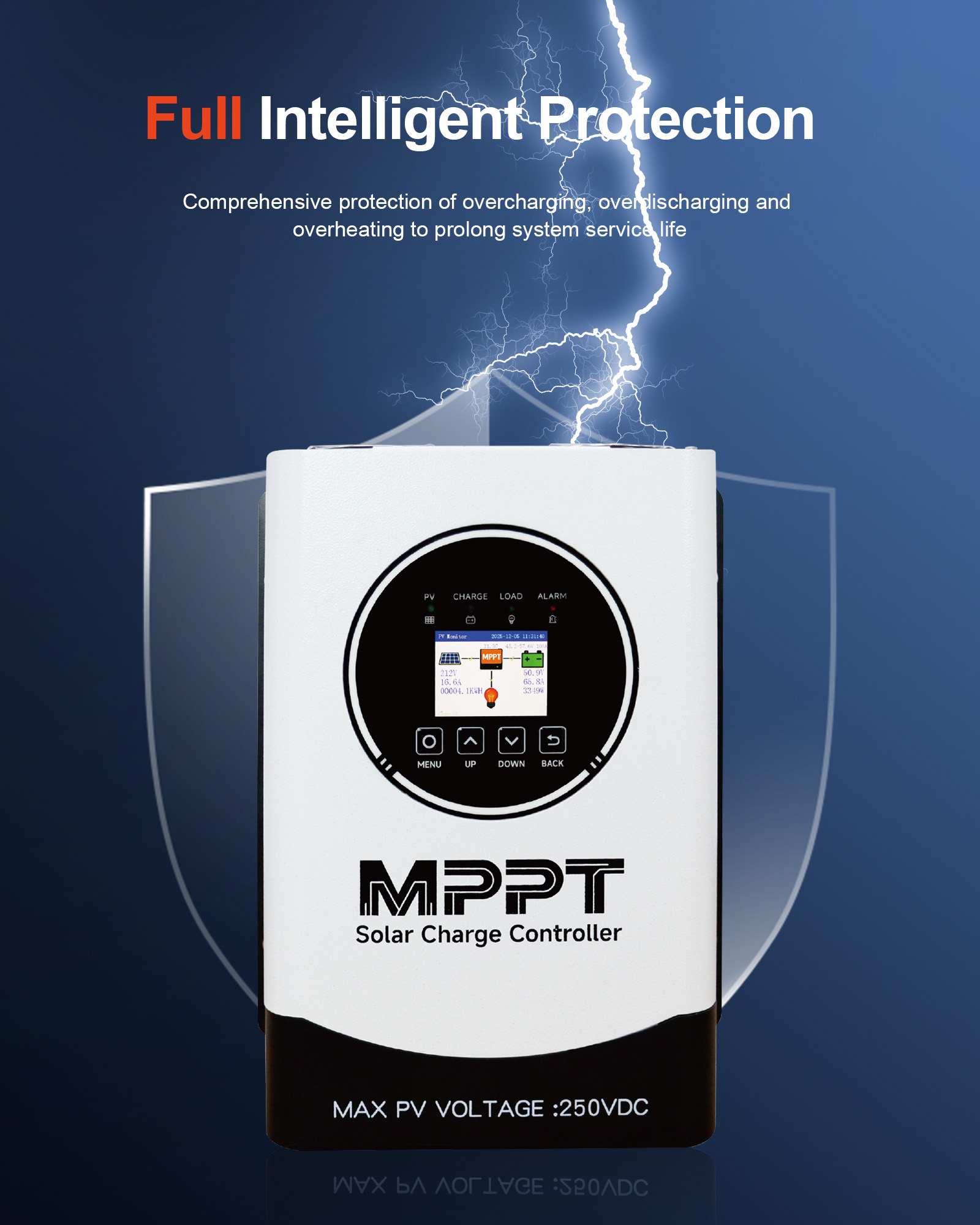
Batteries represent the highest capital expenditure in off-grid systems. Island installations are increasingly moving away from traditional lead-acid batteries to Lithium Iron Phosphate (LiFePO4) and specialized Gel batteries due to their longer cycle life and tolerance for deep discharges. An advanced MPPT hybrid controller features programmable charging profiles tailored to these chemistries. It communicates directly with the Battery Management System (BMS) via CAN bus or RS485 protocols, monitoring cell temperatures, state of charge (SoC), and state of health (SoH). In coastal environments where temperatures fluctuate, the controller's temperature compensation sensor prevents thermal runaway and extends battery lifespan.
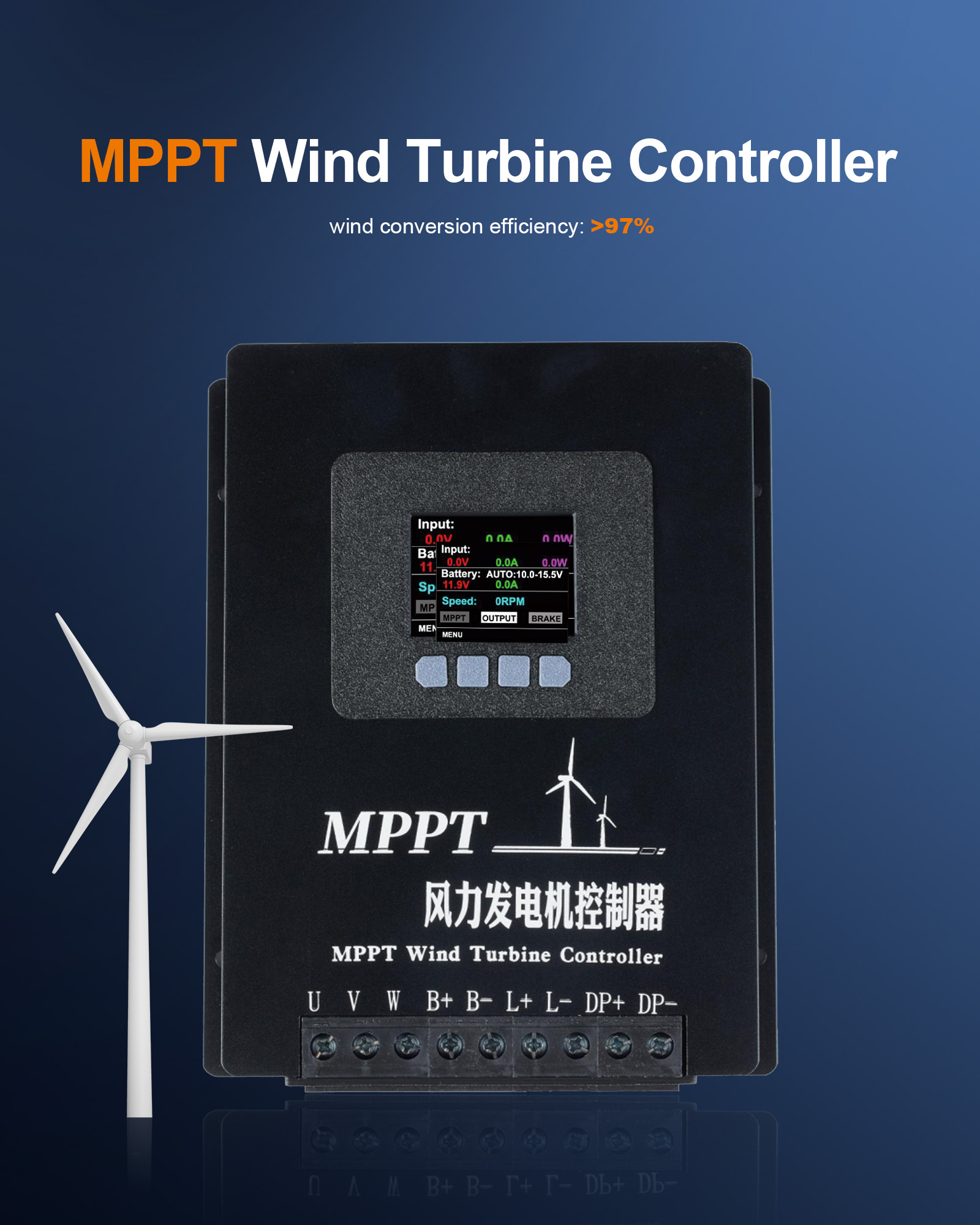
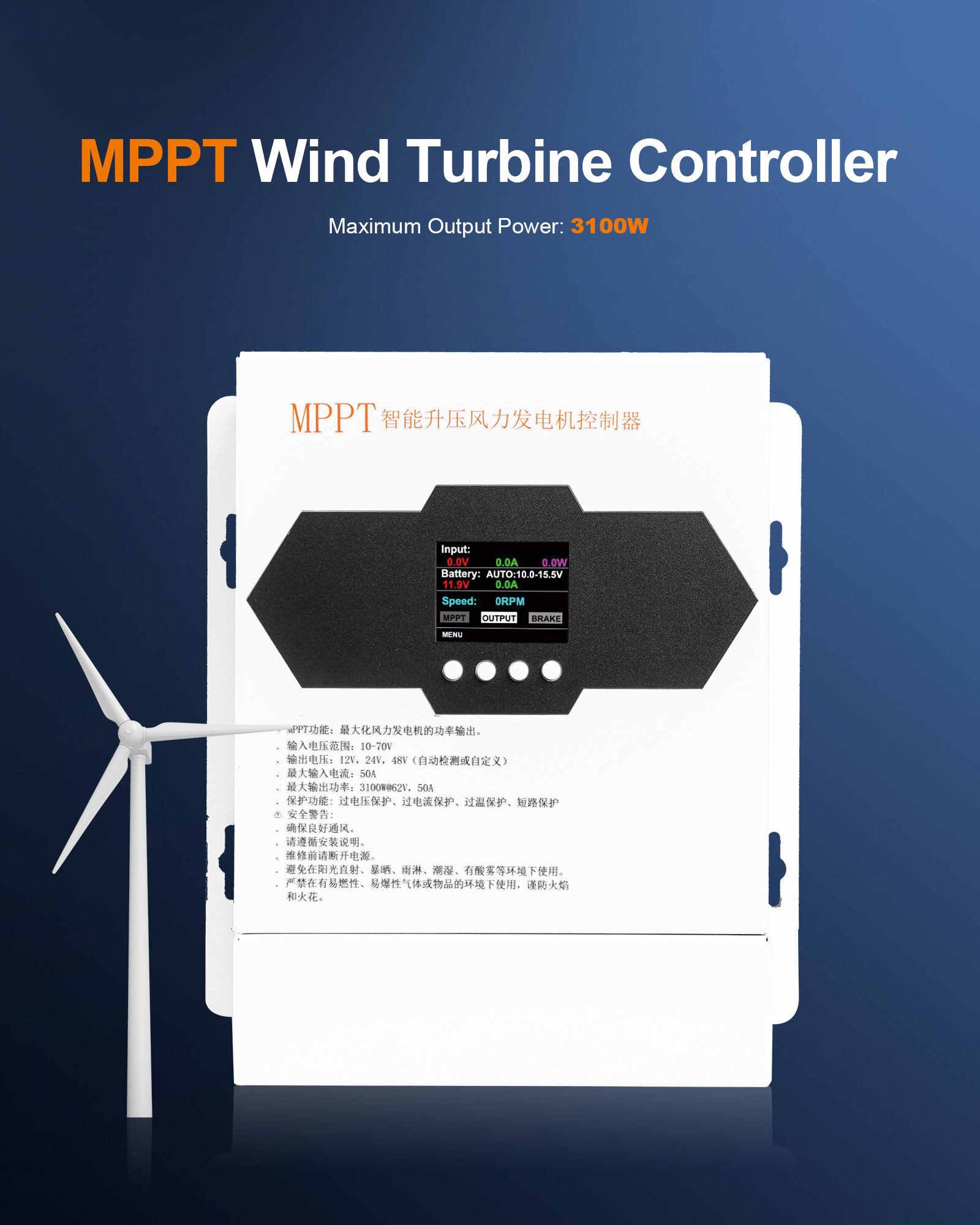
During storms or typhoons, wind speeds can easily exceed the safe operating limits of wind turbines. An off-grid controller must feature robust overspeed and overcurrent protection. When the battery bank is fully charged and wind speeds are high, the controller automatically diverts excess energy to a high-capacity dump load (resistor bank) to prevent turbine over-rotation. In extreme conditions, the controller engages electromagnetic braking to slow down or completely stop the turbine, protecting the mechanical structure from catastrophic failure.
As the world pivots toward full decarbonization, the technology behind MPPT hybrid controllers is evolving rapidly. We are witnessing several key trends that will shape the next generation of island power supply systems:
Modern hybrid controllers are beginning to integrate artificial intelligence and machine learning algorithms. By analyzing historical generation data and integrating local satellite weather forecasts, the controller can predict solar and wind generation for the upcoming 24 to 48 hours. If a prolonged storm is forecast, the controller can proactively adjust battery discharge depth, schedule non-essential load shedding (such as water desalination or pool heating), and optimize the startup schedule of backup diesel generators, minimizing fuel usage.
Because islands are physically remote, dispatching maintenance technicians is incredibly expensive and time-consuming. Next-generation controllers feature integrated IoT gateways (supporting 4G/5G, LoRaWAN, and satellite telemetry). Operators can monitor system performance, adjust parameters, update firmware, and diagnose faults remotely from a centralized mainland control center. Edge computing capability allows the controller to make real-time decisions locally, ensuring system stability even if external communication links are lost.
To increase system reliability, modern microgrid designs favor modular, hot-swappable hybrid controllers. Instead of relying on a single large controller, systems use multiple smaller controllers operating in parallel. If one unit fails, the remaining controllers automatically share the load, ensuring the island's critical infrastructure remains powered. This plug-and-play modularity also allows island communities to scale their power systems incrementally as energy demand grows.
With excellent product quality, continuous R&D innovation capabilities and a complete full-cycle service system, the company has deeply explored the domestic and foreign new energy markets and established a global sales and service network. Its products are exported to dozens of countries and regions such as Europe, North America, South America, Southeast Asia, and Russia. With stable and reliable product performance and professional and efficient service capabilities, the company has gained high recognition and long-term trust from global customers, and has become a highly competitive Chinese local brand in the new energy field. In the future, the company will continue to deepen the innovation of new energy technologies, continuously optimize the product matrix and service system, help the global energy transformation and the realization of dual-carbon goals, and contribute core strength to the construction of a clean, low-carbon, safe and efficient modern energy system.