Leave Your Message
When natural disasters strike—whether they are hurricanes, earthquakes, floods, or wildfires—the centralized electrical grid is often the first critical infrastructure to fail. In these high-stakes scenarios, off-grid power systems cease to be a luxury; they become a vital lifeline. Among the core components of any resilient emergency solar station, the MPPT Series Solar Charge Controller plays an indispensable role. By dynamically optimizing the energy harvested from photovoltaic panels, these devices ensure that every milliwatt of solar energy is captured, stored, and made available for critical medical equipment, communication networks, and emergency lighting.
Did you know? Traditional PWM controllers waste up to 30% of potential solar power due to their inability to match the panel's operating voltage with the battery's charge voltage. In emergency situations where solar panels may be partially shaded by debris or overcast skies, an MPPT controller can make the difference between system failure and continuous operation.
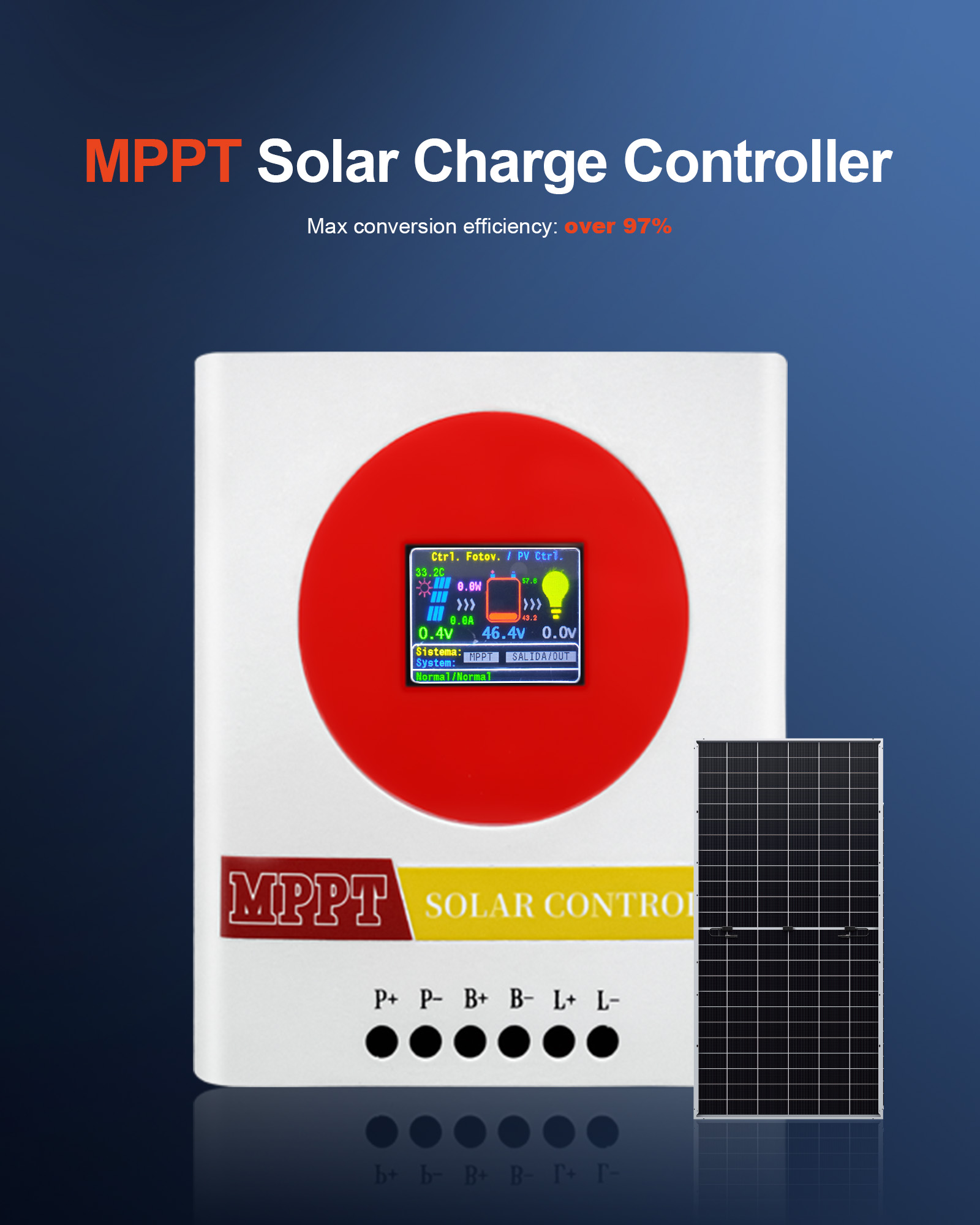
Maximum Power Point Tracking (MPPT) is an advanced electronic tracking technology designed to optimize the electrical connection between solar panels (PV arrays) and battery banks. The core challenge in disaster response environments is environmental instability. Weather conditions are rarely ideal; smoke, ash, heavy cloud cover, or physical obstructions from fallen trees can severely degrade solar panel efficiency.
An MPPT controller solves this by continuously monitoring the output voltage and current of the solar panels. By calculating the real-time maximum power point (the product of voltage and current), the controller adjusts the system's operating voltage to match this peak. Even under heavy overcast or changing light conditions, the MPPT algorithm adapts within milliseconds, delivering up to 98%+ conversion efficiency. This rapid-tracking capability is essential for emergency backup systems where sunlight is limited and battery replenishment must occur as quickly as possible.
Advanced tracking algorithms convert maximum solar energy into usable battery power, minimizing thermal losses.
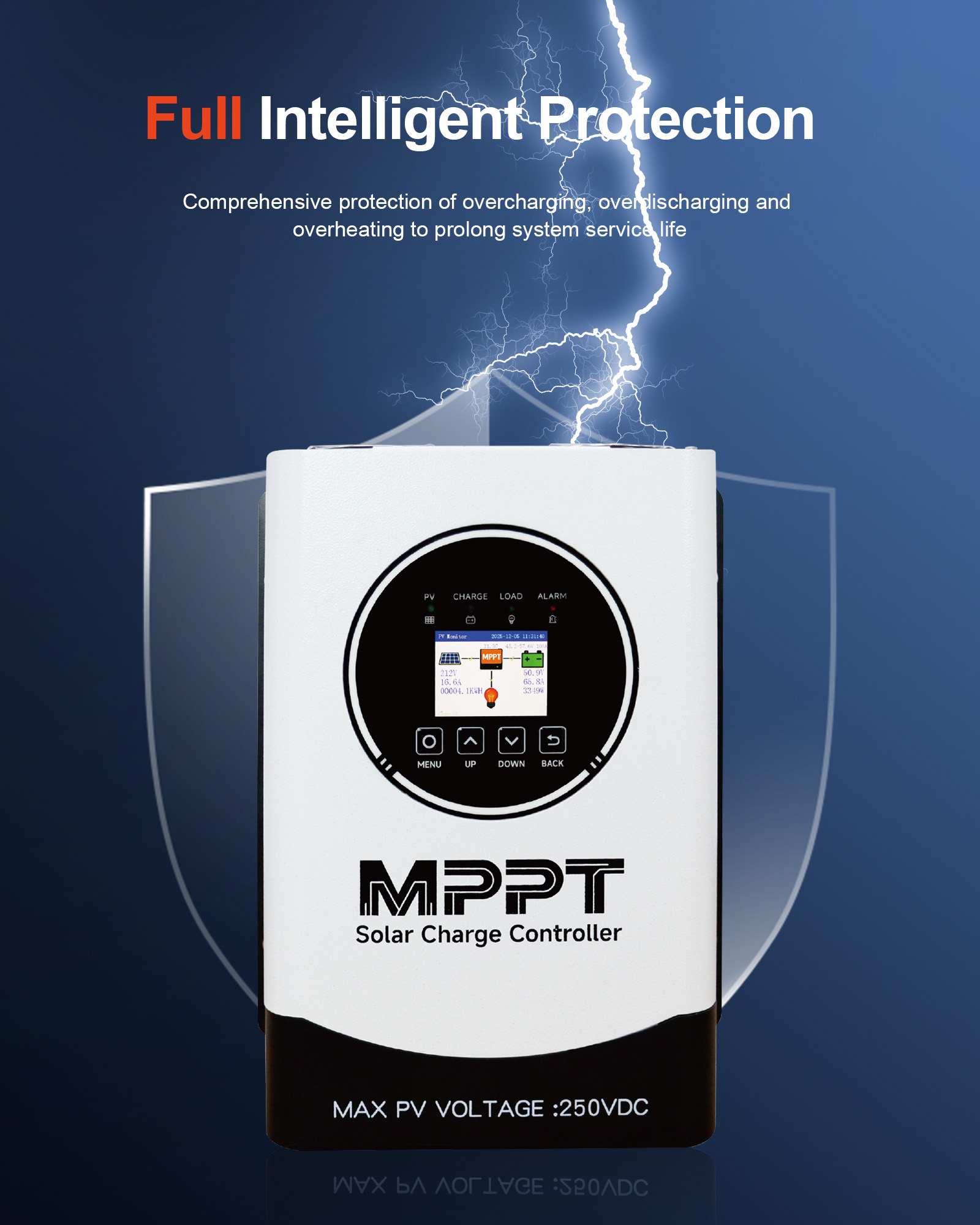
Equipped with overvoltage, short-circuit, and reverse polarity protection to withstand harsh disaster zones.
Fully compatible with Lead-Acid, Gel, and modern Lithium Iron Phosphate (LiFePO4) energy storage systems.
In the immediate aftermath of a disaster, field hospitals require reliable power for ventilators, surgical lighting, refrigeration units for vaccines and blood plasma, and diagnostic equipment. Diesel generators have historically been the default choice, but they rely on a fuel supply chain that is frequently disrupted during crises. An off-grid solar system paired with an industrial-grade MPPT solar charge controller offers an autonomous, quiet, and maintenance-free alternative. By stabilizing the power input to high-capacity lithium battery banks, the MPPT controller ensures clean, continuous energy that meets the strict demands of sensitive medical electronics.
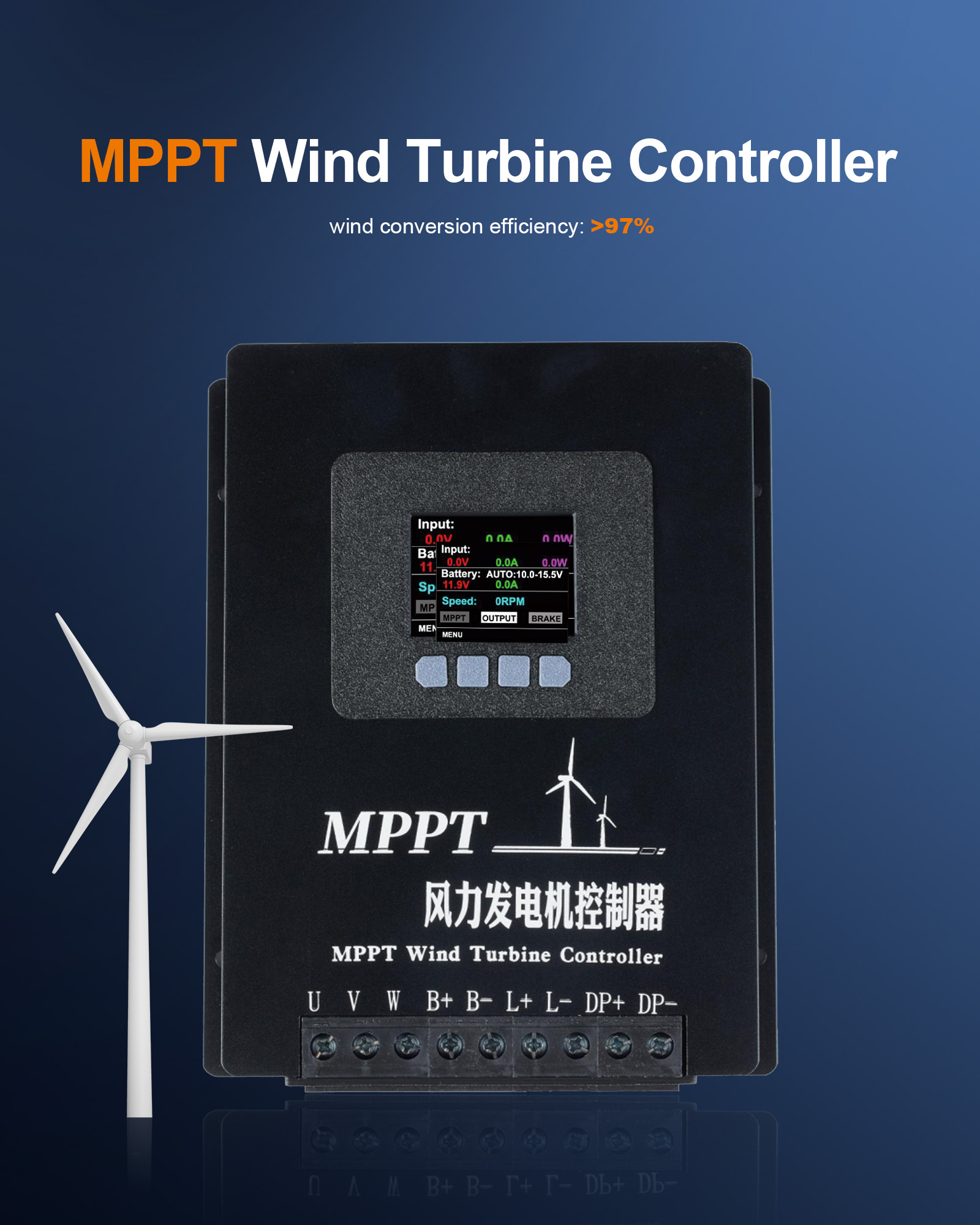
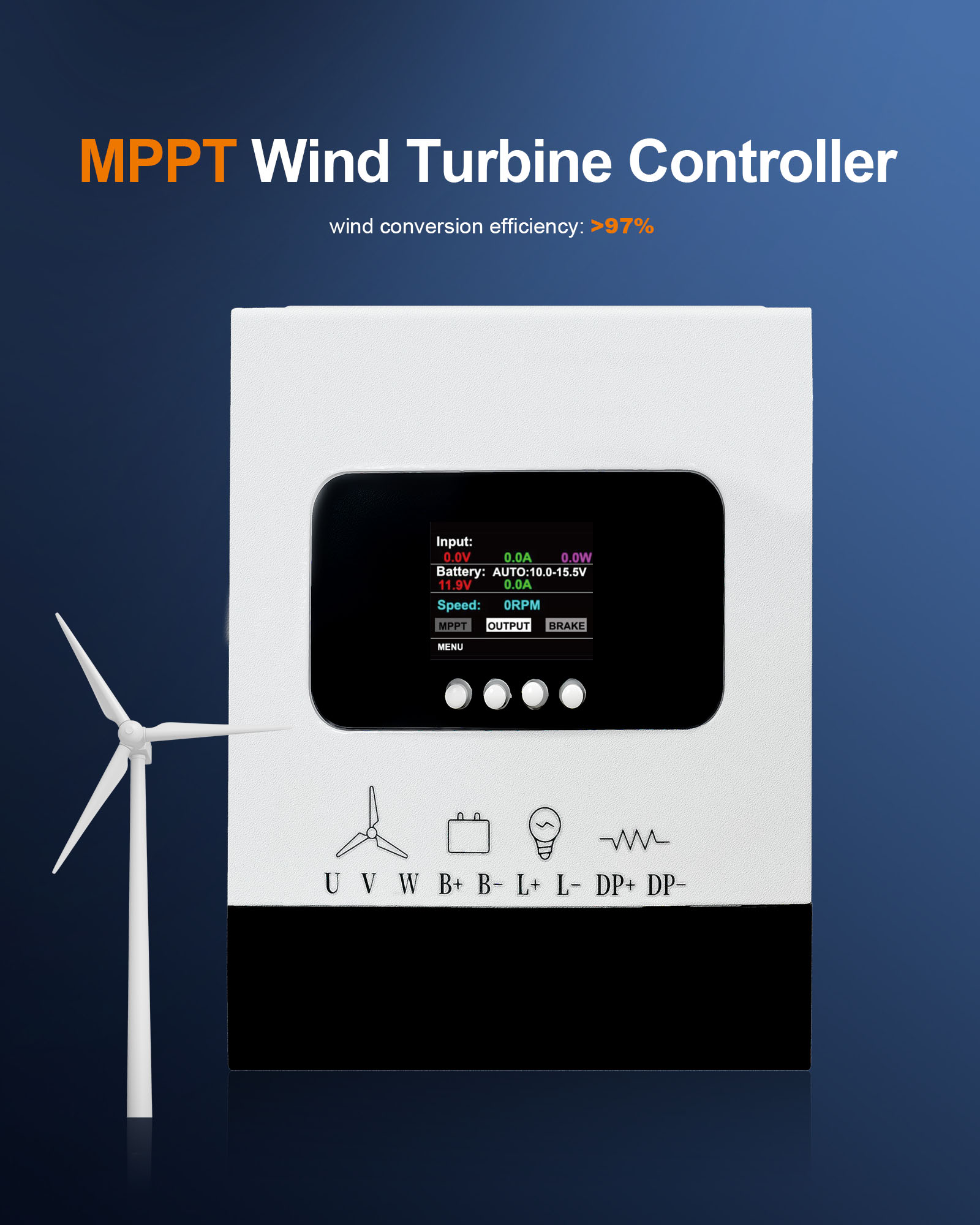
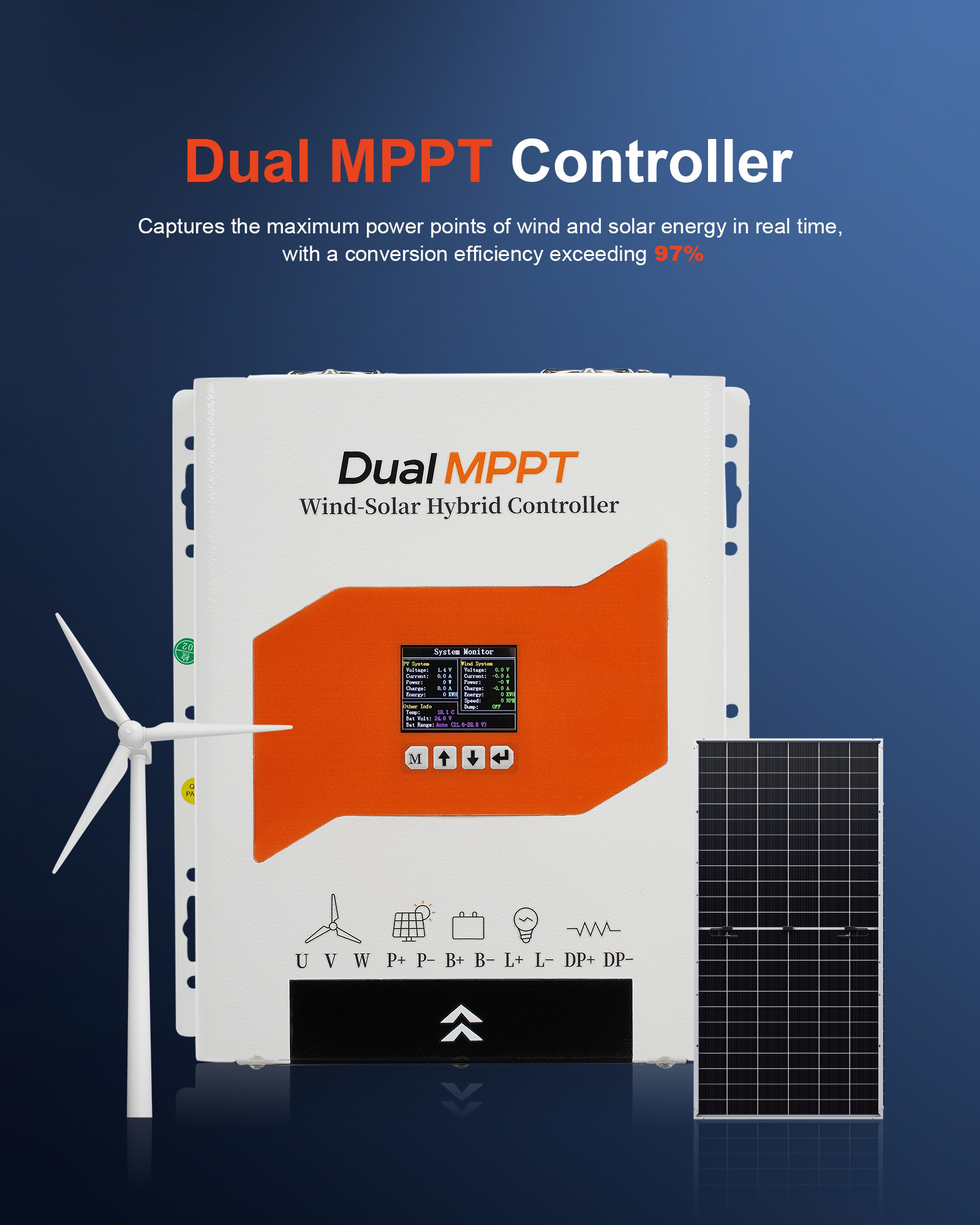
Communication is the backbone of disaster relief coordination. When local cell towers go offline, search and rescue operations are severely hindered. Hybrid power systems, utilizing both wind and solar power controlled by dual MPPT hybrid controllers, keep remote telecom hubs, satellite terminals, and emergency radio repeaters operational. These controllers manage the fluctuating inputs from both wind turbines and solar arrays simultaneously, ensuring that battery banks remain charged even through stormy nights and overcast days.
Schools, community centers, and stadiums are often designated as emergency evacuation shelters. Setting up localized microgrids in these locations allows displaced citizens to charge communication devices, access clean drinking water via solar-powered filtration units, and benefit from safety lighting. High-power MPPT charge controllers act as the central energy management unit, safely routing hundreds of amps of current from large solar arrays into centralized battery banks, preventing overcharging and extending the lifespan of the community's energy storage assets.
For residential preparedness, compact off-grid solar generators equipped with MPPT charge controllers provide homeowners with peace of mind. During extended grid outages, these kits can power refrigerators to prevent food spoilage, run CPAP machines, and keep household communication devices charged. The high efficiency of MPPT technology means users can utilize smaller, lighter, and more portable solar panels while achieving the same charging speeds as larger setups.
Globally, the market for disaster recovery and emergency backup power is undergoing a massive paradigm shift. Historically dominated by fossil-fuel generators, the industry is rapidly transitioning toward renewable microgrids. This change is driven by several commercial and technological trends:
As governments globally mandate the integration of renewable backup systems in public infrastructure, commercial builders and developers are integrating industrial-grade MPPT controllers directly into building management systems. This ensures that even during a total blackout, critical emergency lighting and security systems remain active without relying on diesel fuel deliveries.
With excellent product quality, continuous R&D innovation capabilities and a complete full-cycle service system, the company has deeply explored the domestic and foreign new energy markets and established a global sales and service network. Its products are exported to dozens of countries and regions such as Europe, North America, South America, Southeast Asia, and Russia. With stable and reliable product performance and professional and efficient service capabilities, the company has gained high recognition and long-term trust from global customers, and has become a highly competitive Chinese local brand in the new energy field. In the future, the company will continue to deepen the innovation of new energy technologies, continuously optimize the product matrix and service system, help the global energy transformation and the realization of dual-carbon goals, and contribute core strength to the construction of a clean, low-carbon, safe and efficient modern energy system.