Leave Your Message
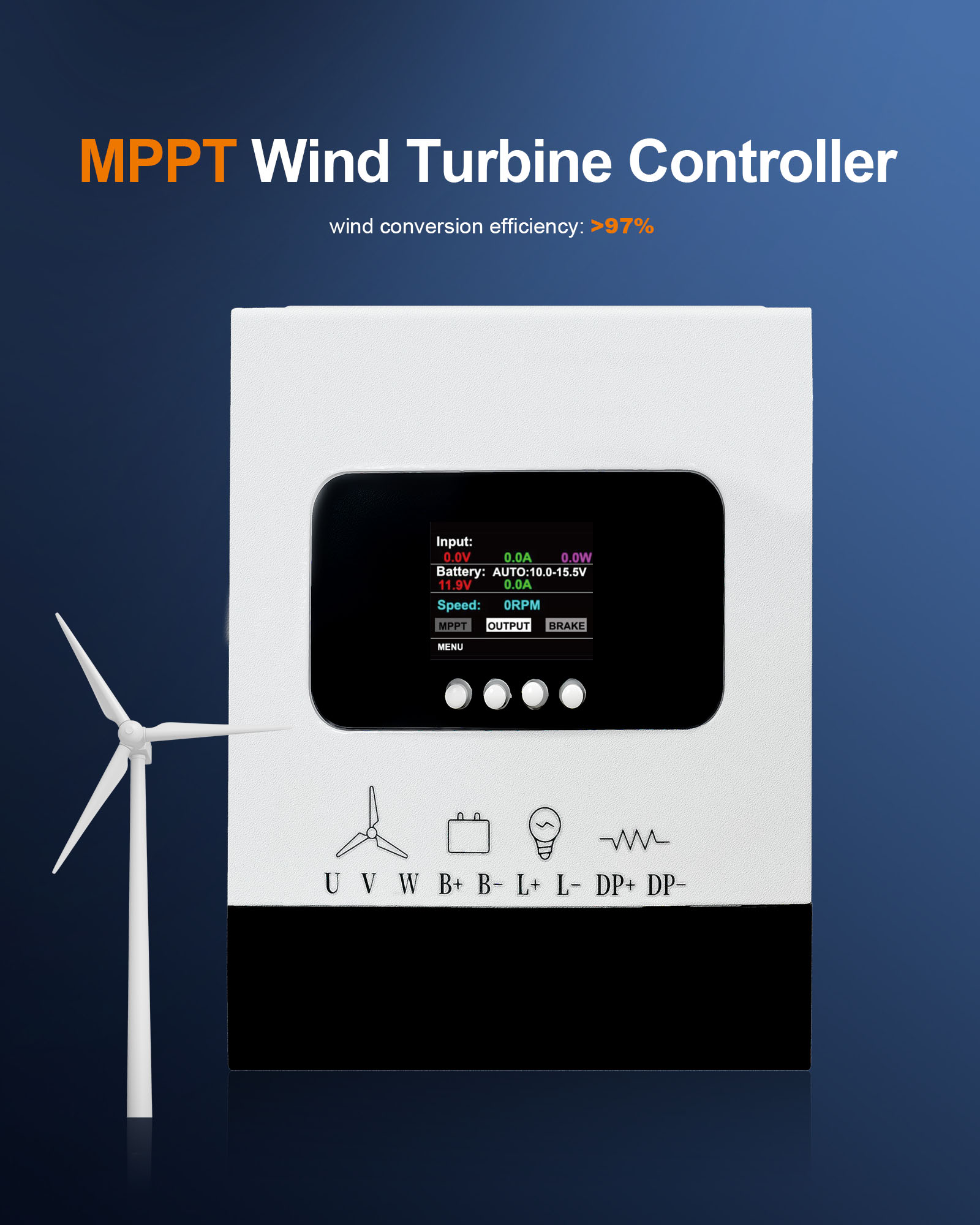
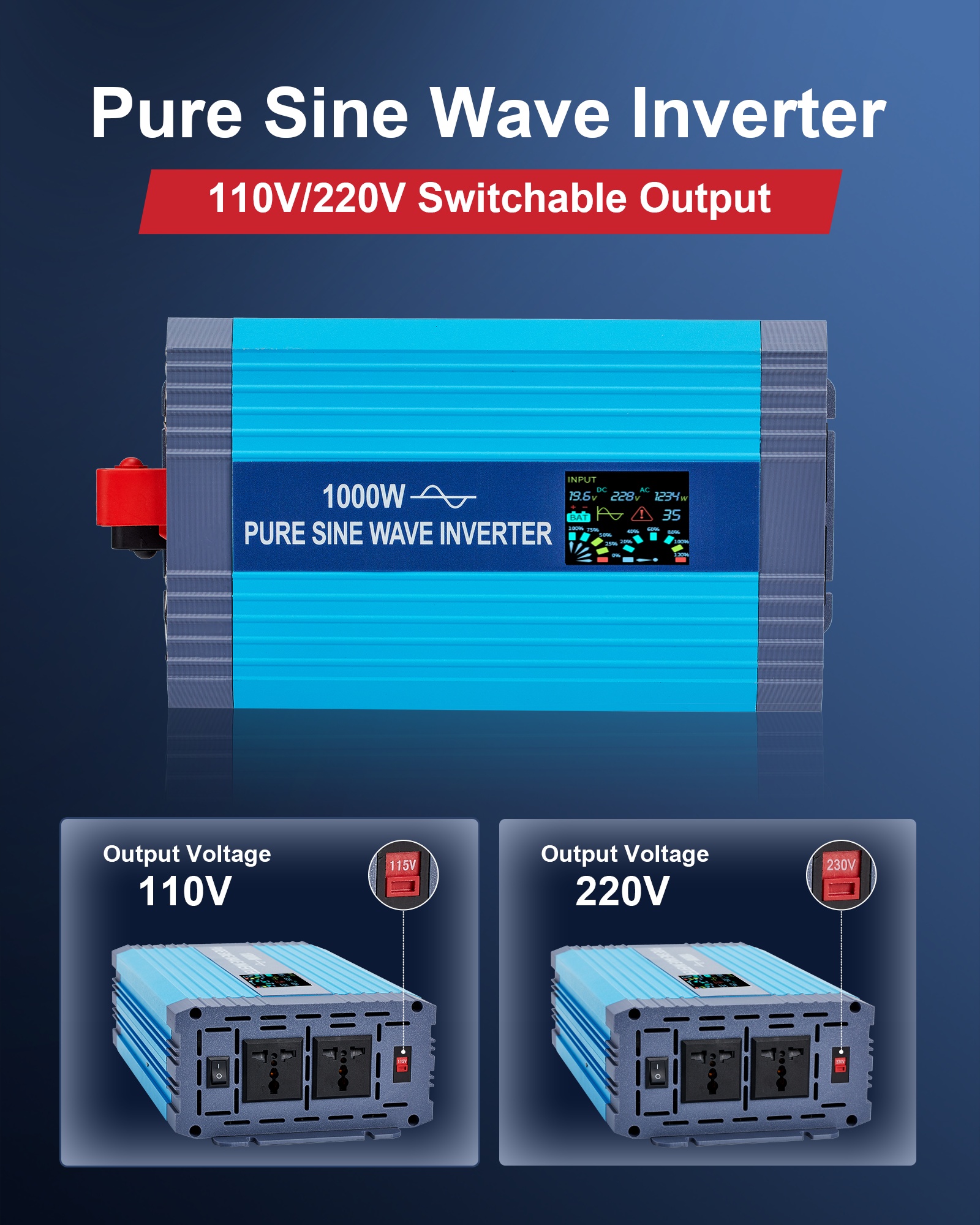
Explore our premium selection of Maximum Power Point Tracking (MPPT) charge controllers and high-frequency inverters, engineered to optimize energy yield and ensure stable off-grid power under demanding outdoor conditions.
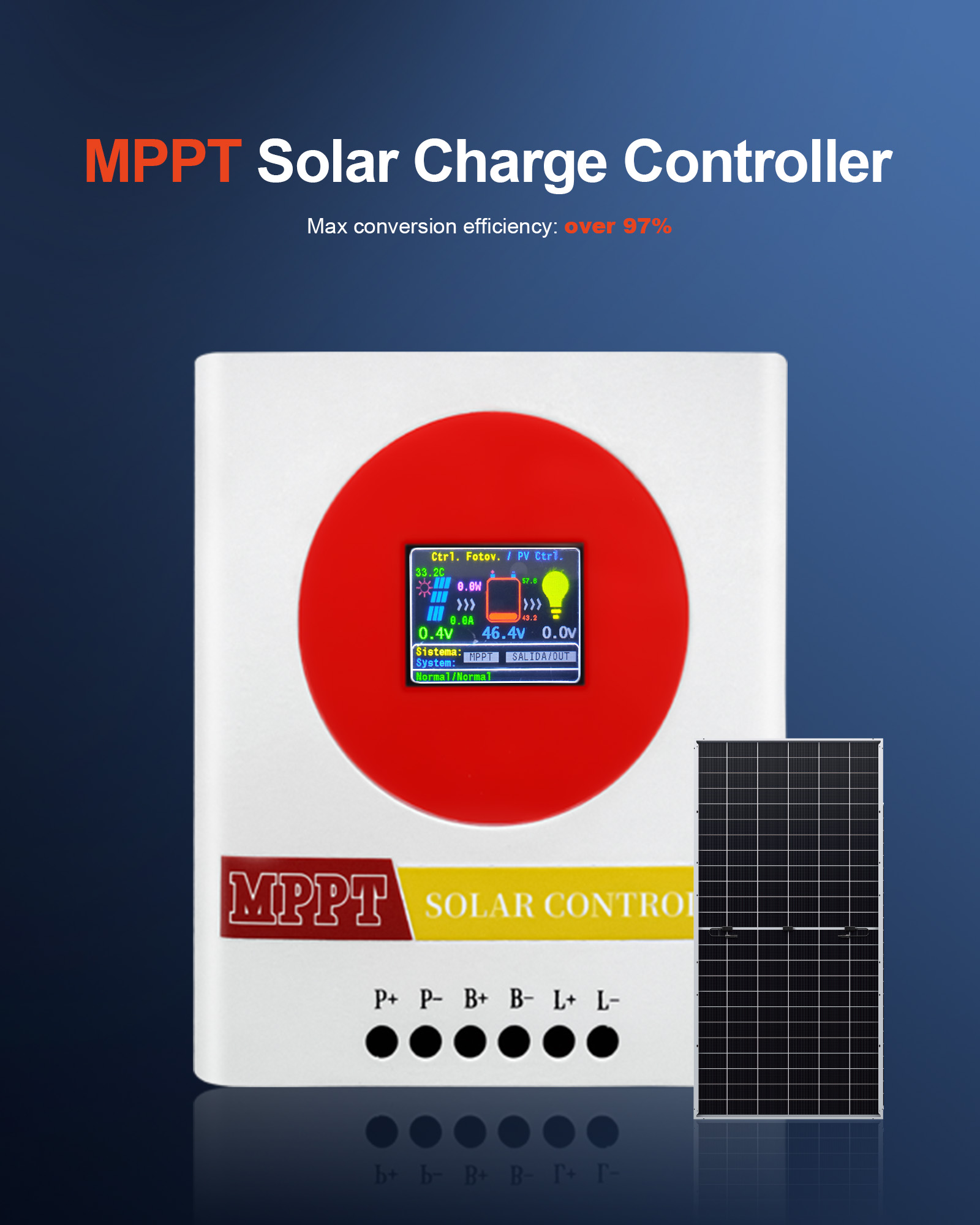
As the global demand for outdoor recreation, overlanding, and sustainable living surges, off-grid power supply systems have undergone a massive technological shift. Historically, outdoor enthusiasts and RV owners relied heavily on loud, fossil-fuel-powered generators or inefficient Pulse Width Modulation (PWM) solar charge controllers. Today, the modern off-grid landscape is dominated by sophisticated MPPT (Maximum Power Point Tracking) Series Solar Charge Controllers. These devices serve as the intelligent "brain" of off-grid solar systems, ensuring that every watt of solar energy harvested is efficiently transferred and stored in battery banks.
The commercial market for RV solar systems is expanding rapidly. Manufacturers and end-users alike are prioritizing system efficiency, durability, and smart monitoring. With the rise of lithium-ion (LiFePO4) battery chemistry, charge controllers must now feature precise charging profiles to protect battery health while maximizing power conversion. In extreme weather or under partial shading—common challenges in outdoor camping—traditional controllers lose up to 30% of potential energy. MPPT technology actively tracks the optimal voltage and current parameters, delivering maximum power output regardless of environmental hurdles.

To understand the value of an MPPT series solar charge controller for camping and RV applications, it is essential to explore the physics of photovoltaic (PV) generation. A solar panel's output is dynamic, fluctuating based on sunlight intensity, cell temperature, and load resistance. The Maximum Power Point (MPP) is the specific operating point where the product of voltage (V) and current (I) is at its peak.
Unlike standard controllers that force the solar panels to operate at battery voltage, our MPPT controllers continuously calculate and adjust the operating voltage to match the panel's peak output. This step-down conversion process allows the controller to increase charging current significantly, providing up to 99% conversion efficiency and 30% faster battery charging.
Rapidly locks onto the maximum power point during rapid weather shifts, ensuring no solar energy goes to waste.
Protects and extends battery life using Bulk, Boost, Float, and Equalization charging phases for all battery types.
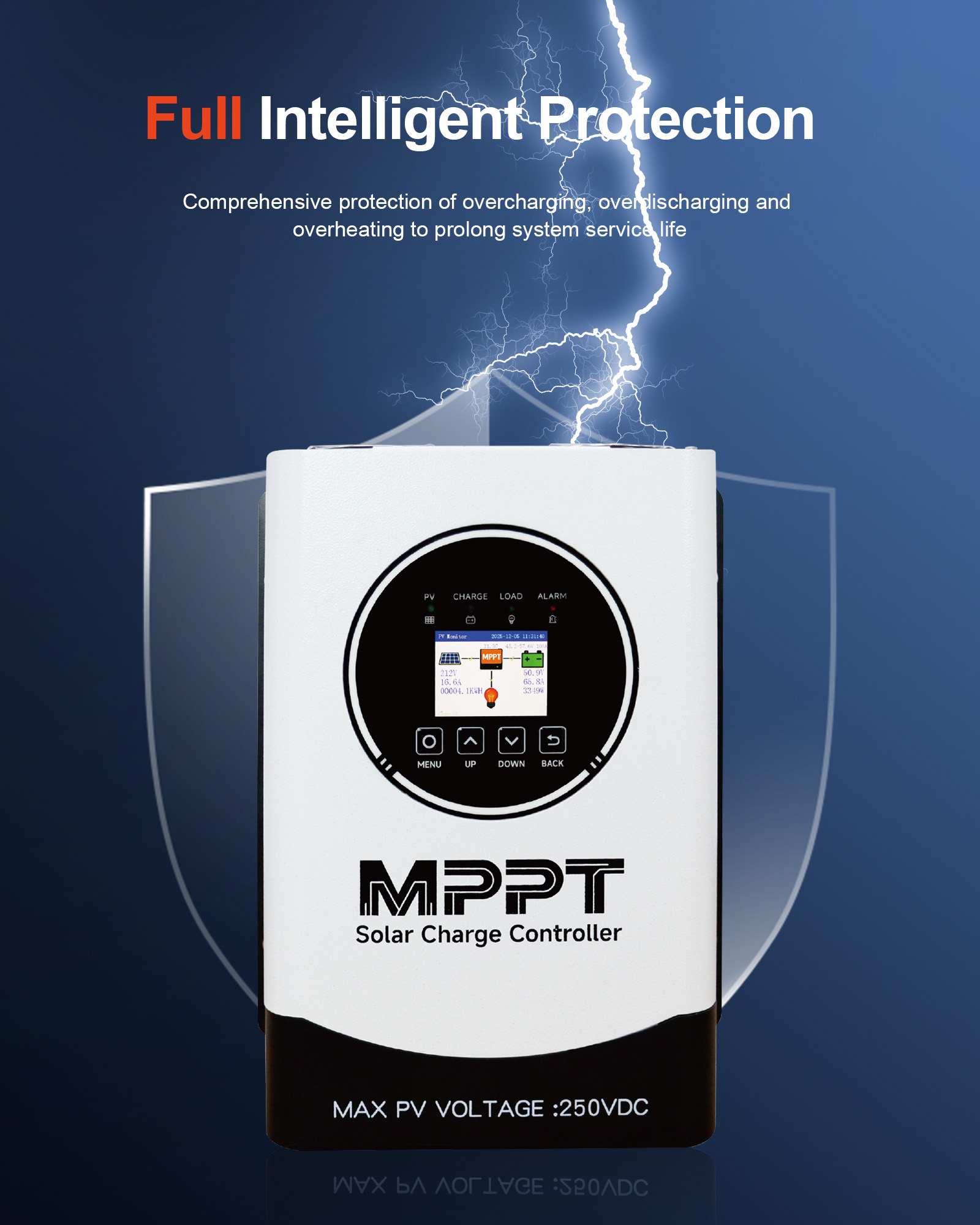
Built-in defenses against reverse polarity, overcharging, short-circuits, and thermal runaway.
When camping in wooded areas, national parks, or mountainous regions, solar panels are frequently subjected to partial shading from trees, clouds, or RV roof equipment (like AC units and satellite dishes). Standard controllers struggle with multiple local power peaks on the PV curve, often settling for a lower efficiency point. Advanced MPPT algorithms scan the entire voltage range to locate the absolute highest power peak, ensuring consistent energy delivery even in complex, partially shaded environments.
Our MPPT Series Solar Charge Controllers are engineered to adapt to a wide array of demanding environments. Below, we analyze three primary off-grid application scenarios where our technology excels.

RVs are mobile microgrids. They house high-draw appliances such as air conditioners, microwave ovens, refrigerators, water pumps, and entertainment systems. For long-term boondocking (camping off the grid without hookups), maintaining battery state-of-charge is critical.
An MPPT controller integrates seamlessly into the RV's electrical hub. By accepting high-voltage solar inputs (often series-connected panels), it minimizes transmission line losses over long wire runs from the RV roof to the battery bay. This ensures that even on winter days with low sun angles, the system generates enough voltage to wake up the lithium battery bank and begin charging early in the morning.
For research stations, adventure basecamps, and luxury glamping setups, reliability is non-negotiable. These installations are often far from maintenance services, meaning equipment failure could compromise safety or scientific data.
Our MPPT controllers feature ruggedized IP-rated enclosures that resist dust, humidity, and insects. They operate silently without mechanical fans, utilizing high-efficiency heat sinks to dissipate heat. This passive cooling system ensures long-term reliability in harsh desert environments or humid rainforest basecamps, keeping communication gear, medical kits, and lighting systems powered continuously.

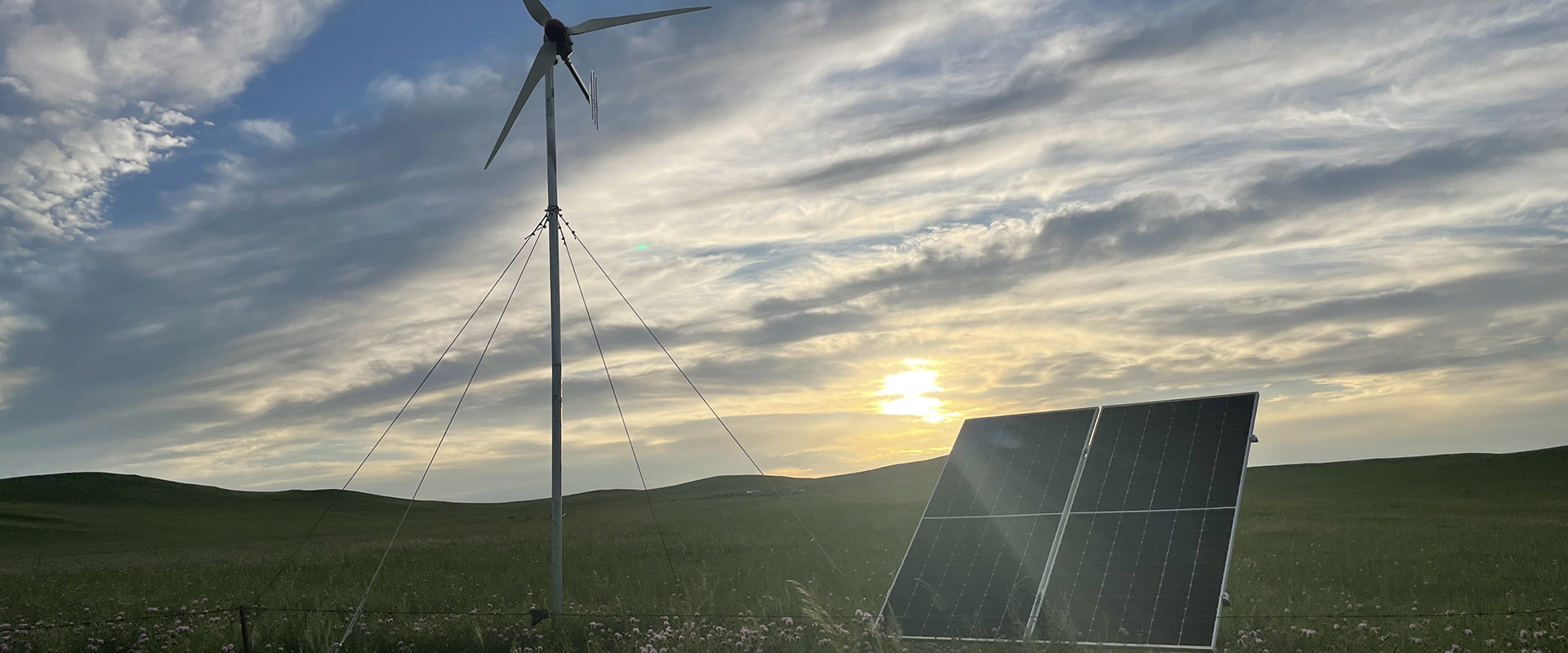
In many coastal camping spots or high-altitude mountain passes, solar energy alone may not suffice, especially during prolonged storms or overnight. Integrating wind power with solar generation creates a highly resilient, year-round off-grid power station.
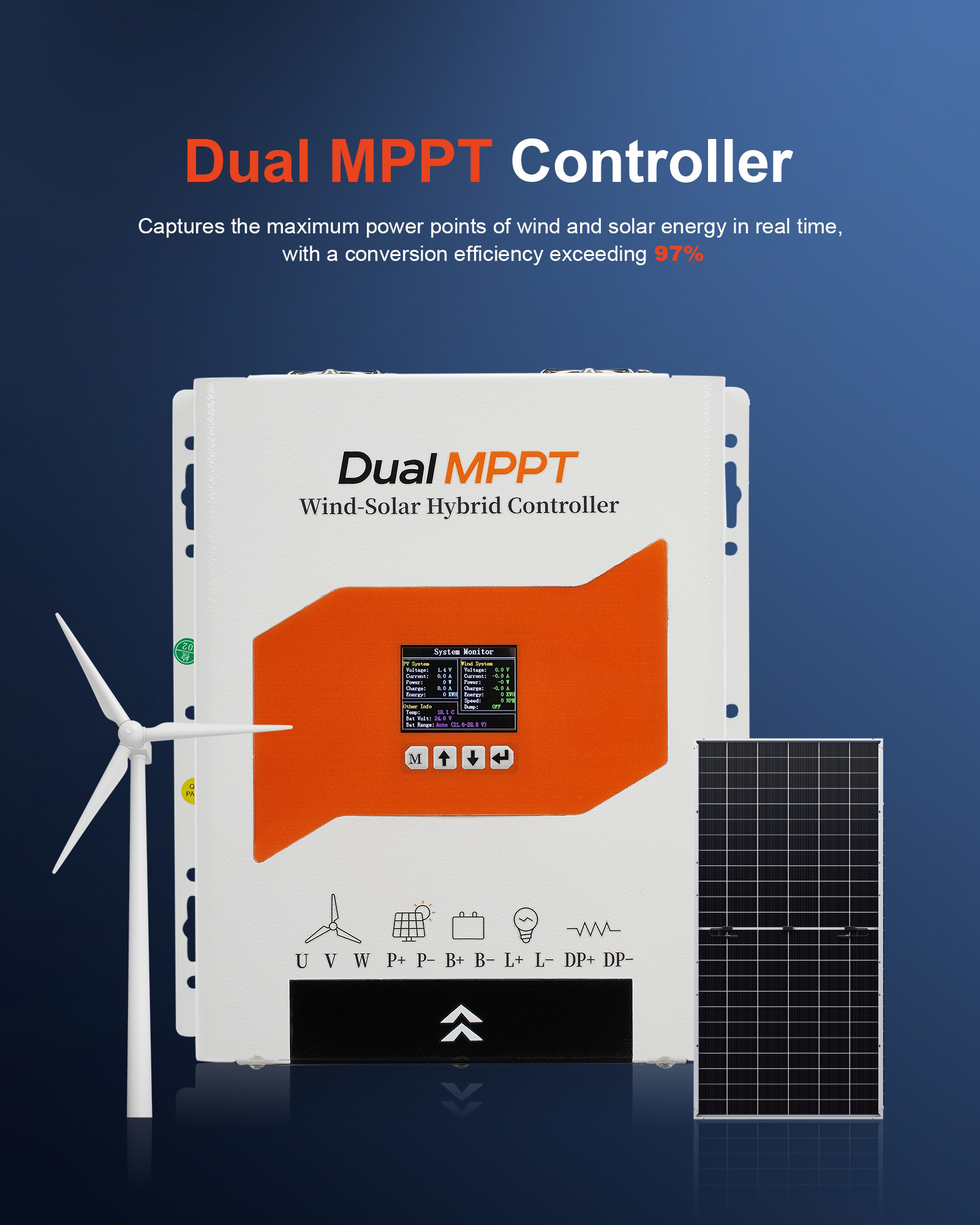
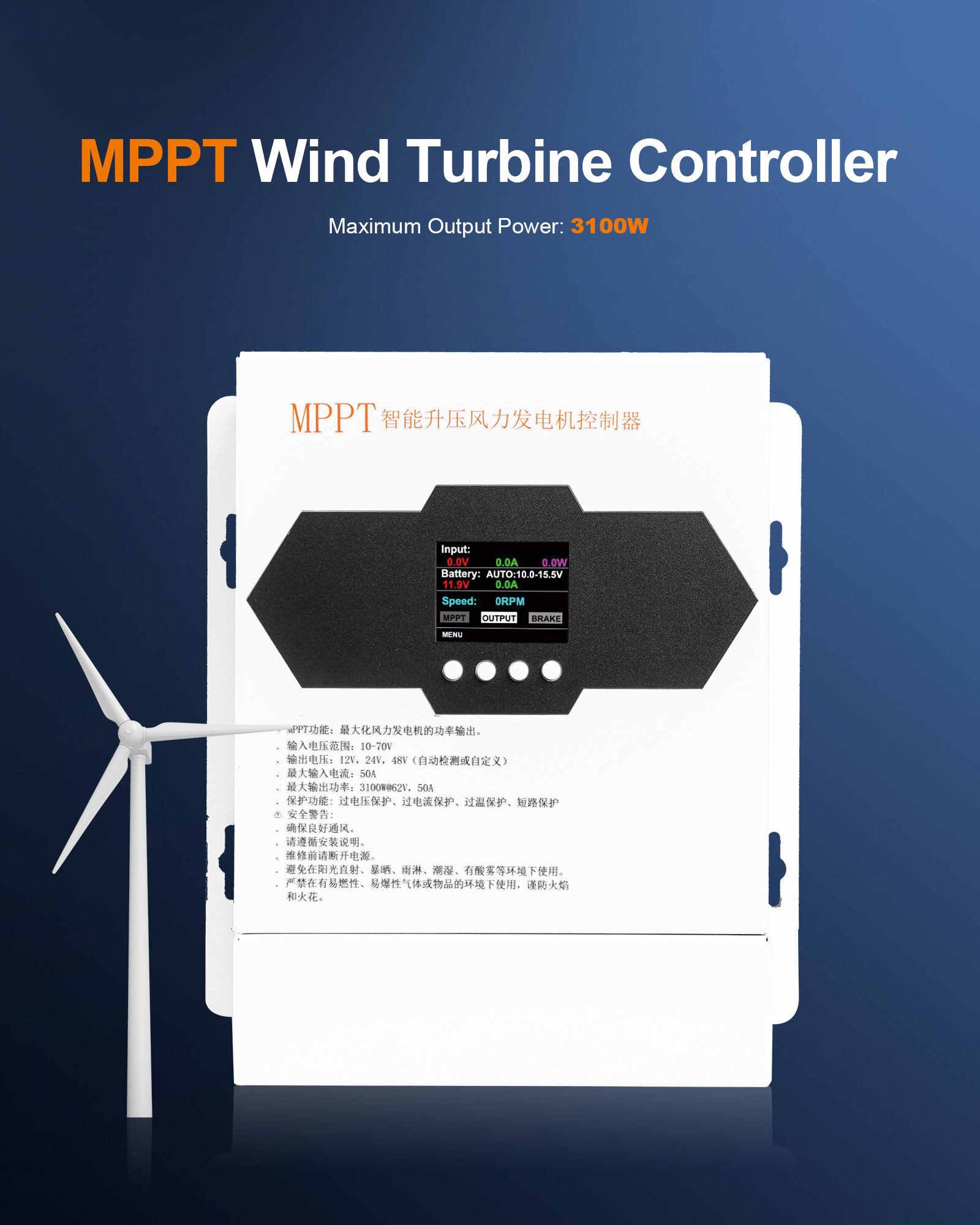
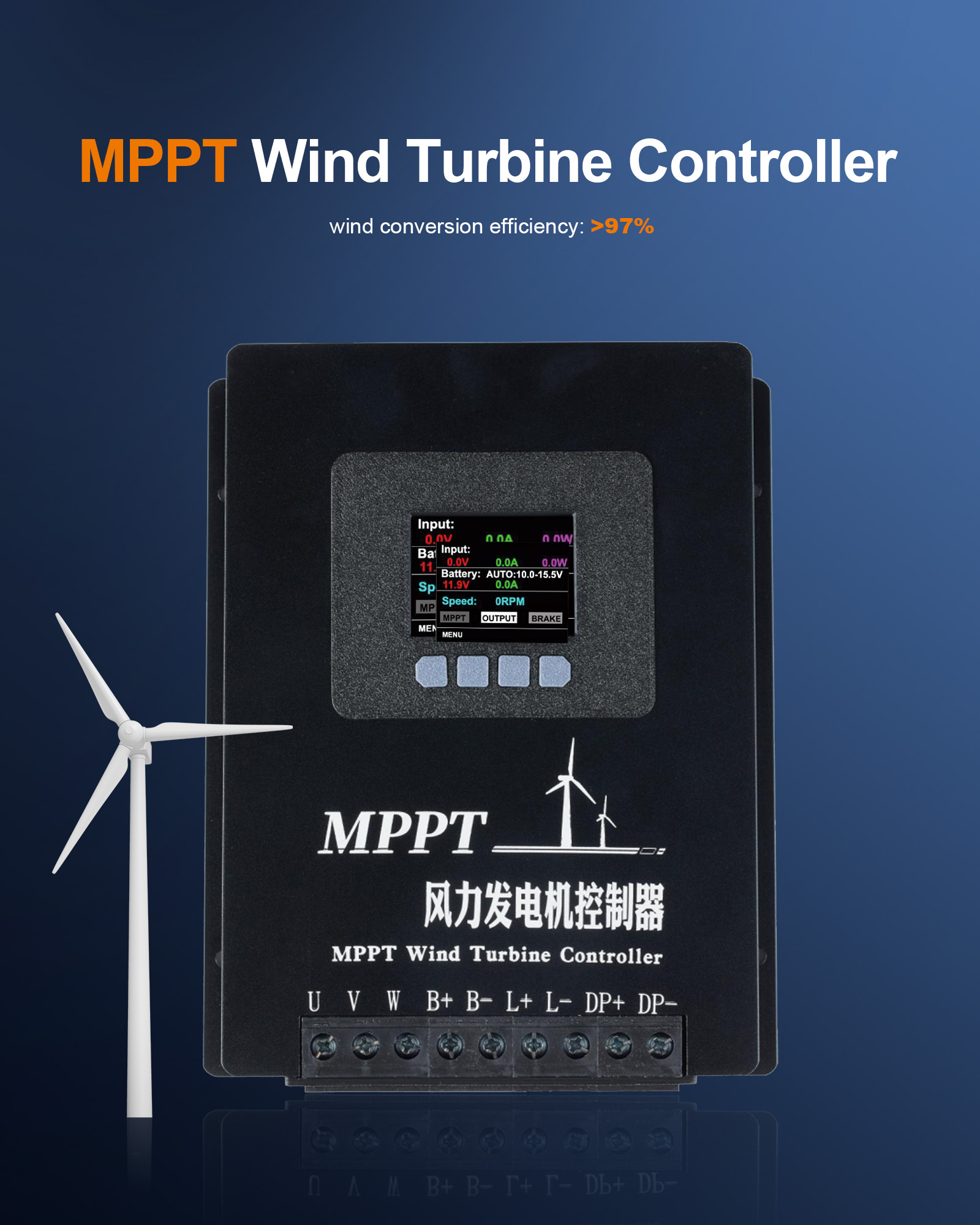
Our specialized Dual MPPT Wind-Solar Hybrid Controllers allow users to harvest energy simultaneously from solar PV arrays and small wind turbines. When the sun sets, wind turbines capture night breezes, ensuring a continuous charge cycle. The intelligent controller coordinates both inputs, preventing overcharging and managing the braking system of the wind turbine during high winds, providing a fully automated, hands-off power management solution.
The company's core R&D strength is composed of a scientific research team led by senior doctors in the industry. It has long-term focus on the cutting-edge exploration and innovative application of new energy technologies, continues to increase investment in core R&D, and has formed deep technological accumulation and independent innovation capabilities in core areas such as efficient conversion of electric energy, intelligent system integration, and coordinated control of integrated wind, solar, and storage.
Relying on industry-leading automated production lines and high-precision full-dimensional testing equipment, the company has independently developed a number of intelligent new energy products with completely independent intellectual property rights, fully covering three major application scenarios: off-grid, grid-connected, and mixed grid.
Our comprehensive product matrix includes core categories such as high-frequency/power frequency inverters, wind power controllers, photovoltaic controllers, wind-solar hybrid controllers, wind-solar storage-control-inverse integrated power generation systems, etc. These versatile systems can be flexibly adapted to diversified power needs such as household use, industrial and commercial distributed power networks, and off-grid independent power stations.

As we look toward the future of off-grid solar technology, several key trends are shaping the development of the next generation of MPPT charge controllers:
Modern outdoor enthusiasts demand real-time data at their fingertips. Future MPPT controllers are increasingly incorporating integrated Bluetooth, Wi-Fi, and cellular IoT modules. Through dedicated mobile applications, users can monitor solar harvest, battery temperature, load consumption, and historical power generation data from anywhere. This level of connectivity allows for preventative maintenance alerts, ensuring that any issues with PV panels or battery health are detected before they lead to system downtime.
To simplify installation and reduce wiring costs, newer MPPT designs support much higher PV input voltages (up to 150V or 200V DC). This allows multiple panels to be wired in series, which lowers the current flowing through the wires, reducing power loss and enabling the use of thinner, more manageable cables. Additionally, using advanced semiconductors like Gallium Nitride (GaN) allows manufacturers to build smaller, lighter controllers with higher power densities and lower thermal output.
As lithium batteries become the industry standard for RV and camping power, close communication between the charge controller and the battery's internal BMS is vital. Next-generation MPPT controllers utilize CAN bus or RS485 communication protocols to talk directly with the BMS. This allows the controller to adjust charge parameters dynamically based on the battery cells' actual temperature, voltage, and state of health, ensuring maximum safety and extending the battery lifespan.
The company always adheres to the core business philosophy of "quality first, independent research and development", and regards product quality and technological innovation as the core driving force for corporate development. At present, it has obtained a number of international authoritative product certifications and ISO quality management system certifications, and has established a full-chain quality management system from raw material inspection, full-process control of the production process to multi-dimensional inspection of finished products. Product quality is strictly controlled throughout the entire process, and core product performance indicators are comprehensively better than industry standards, providing a solid guarantee for the long-term stable operation and reliable service life of the product.
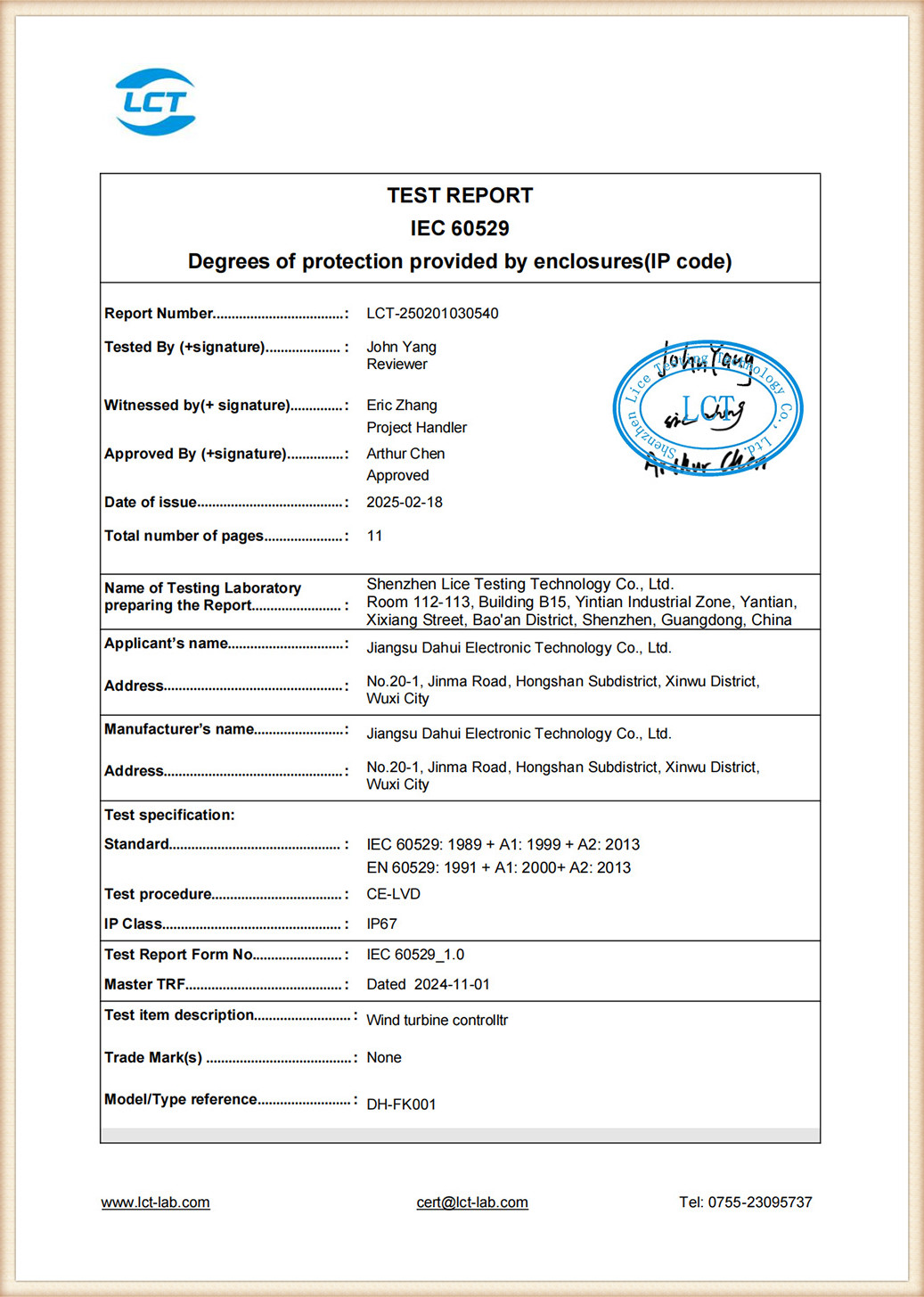
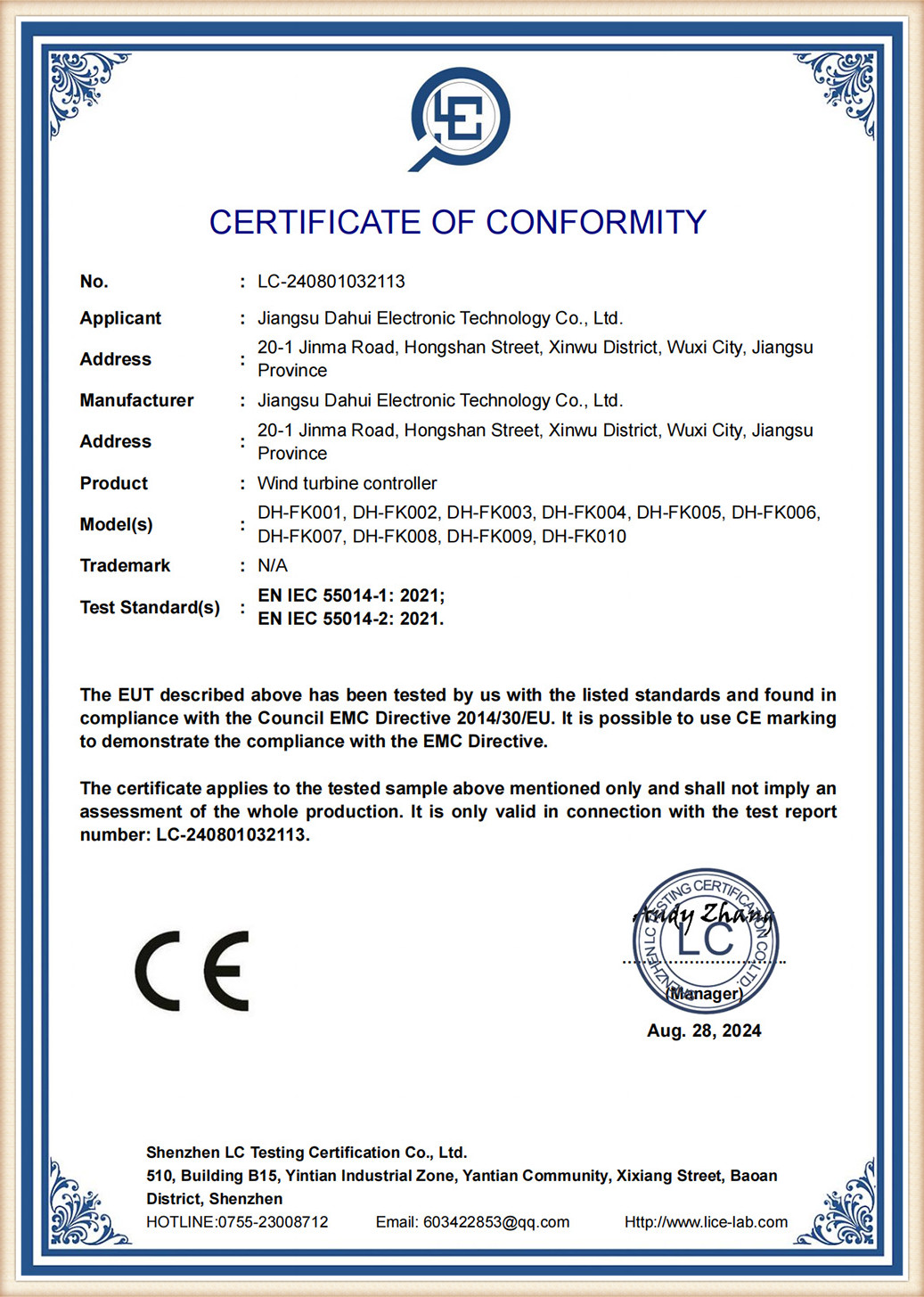
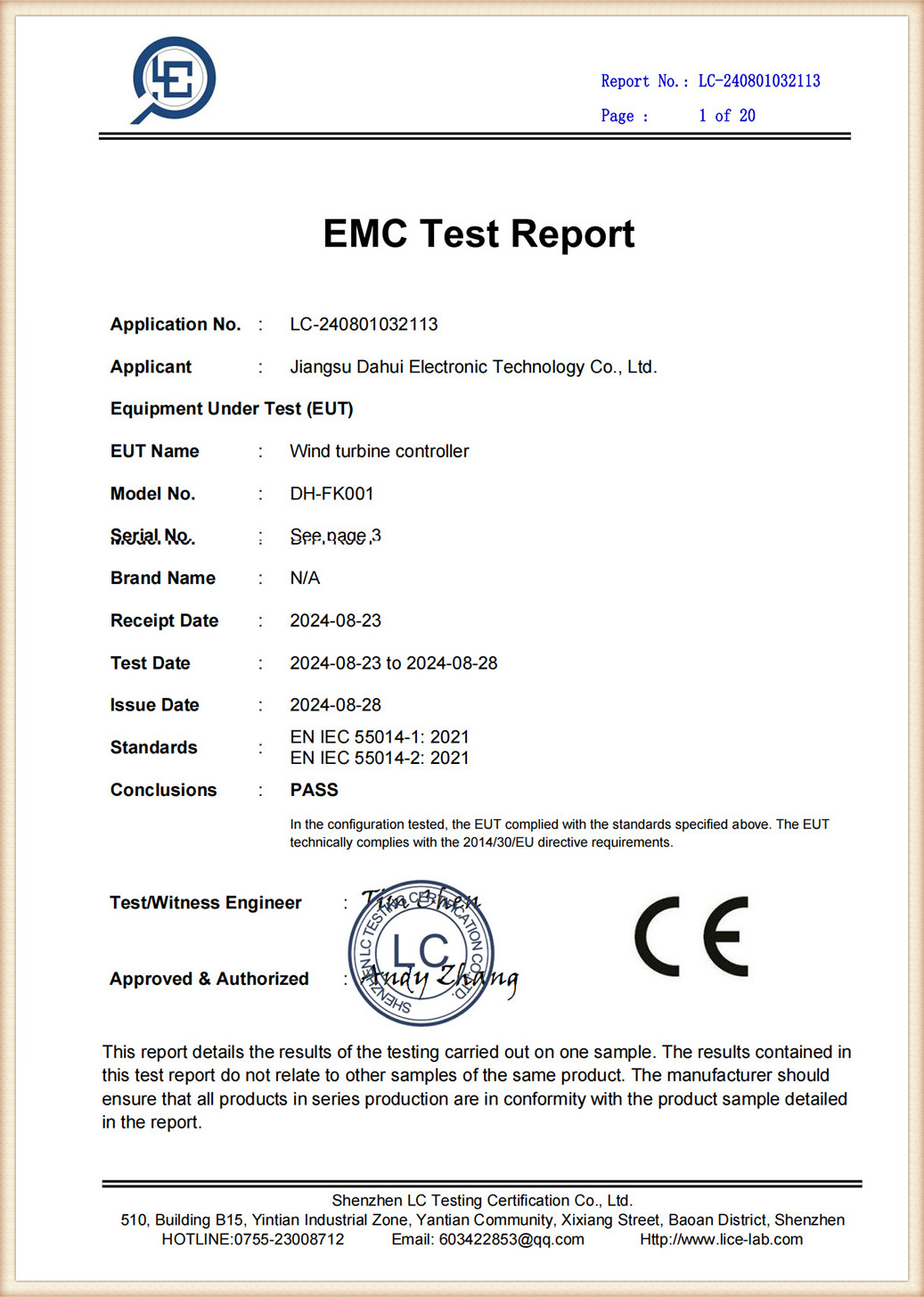
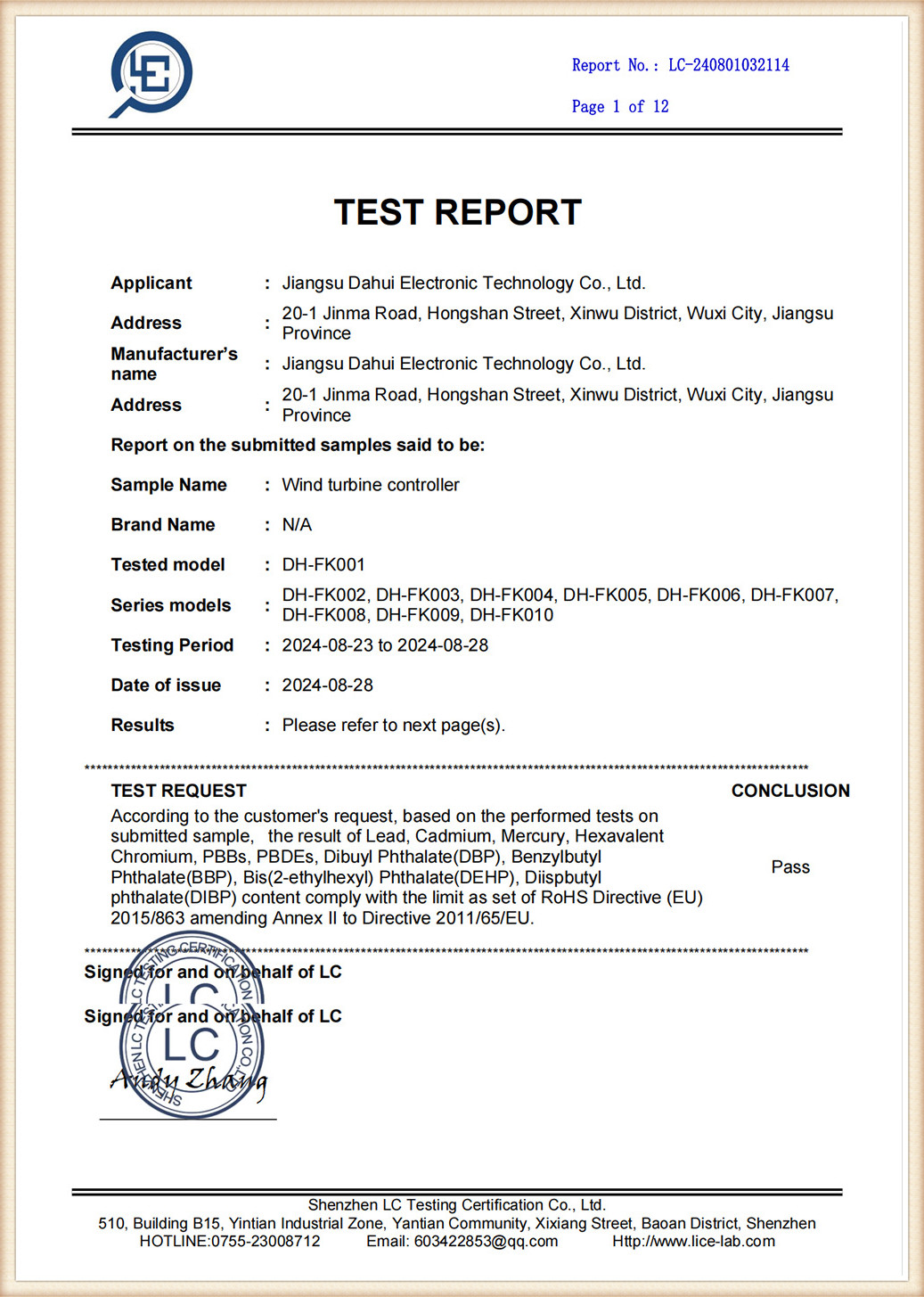
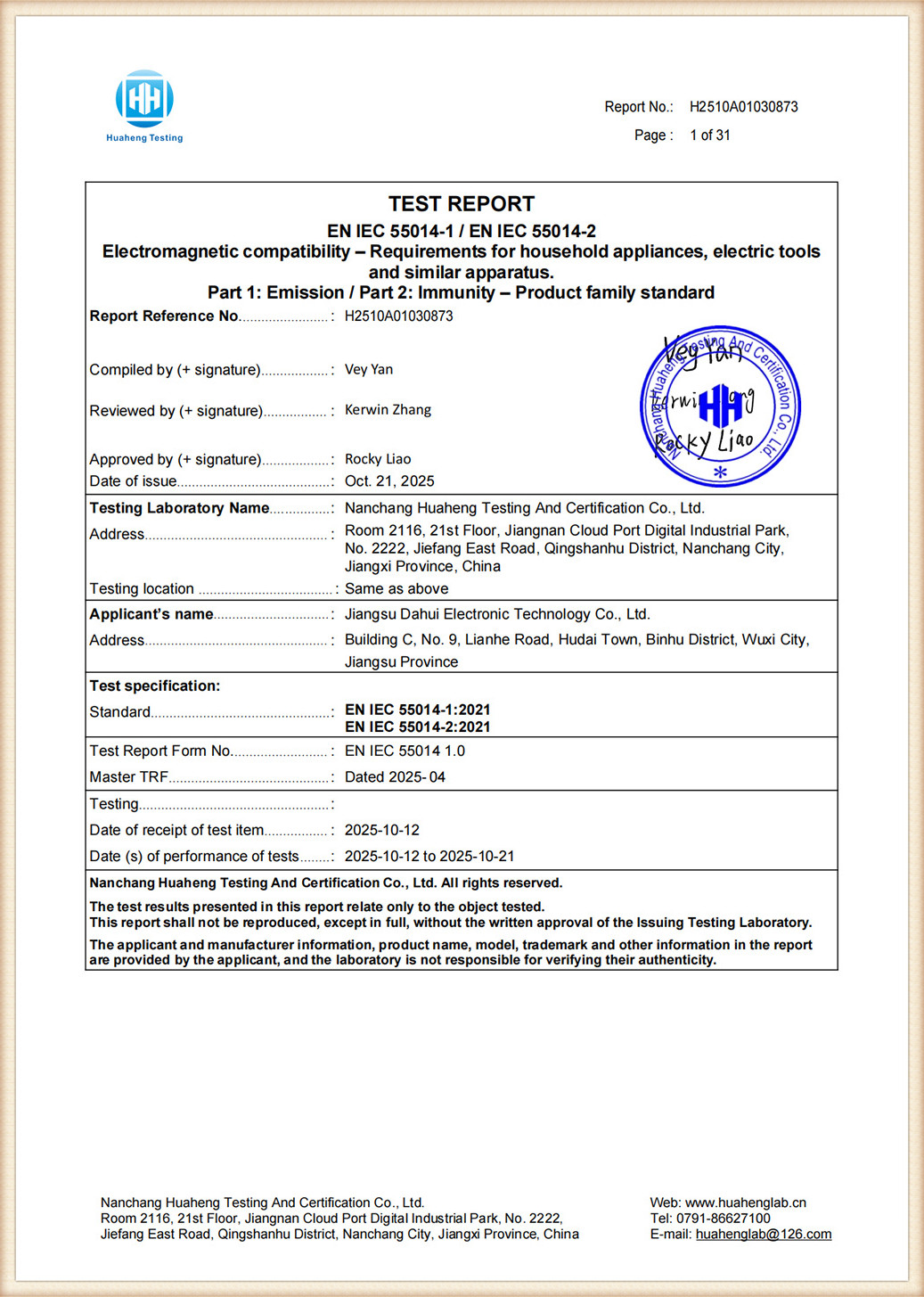
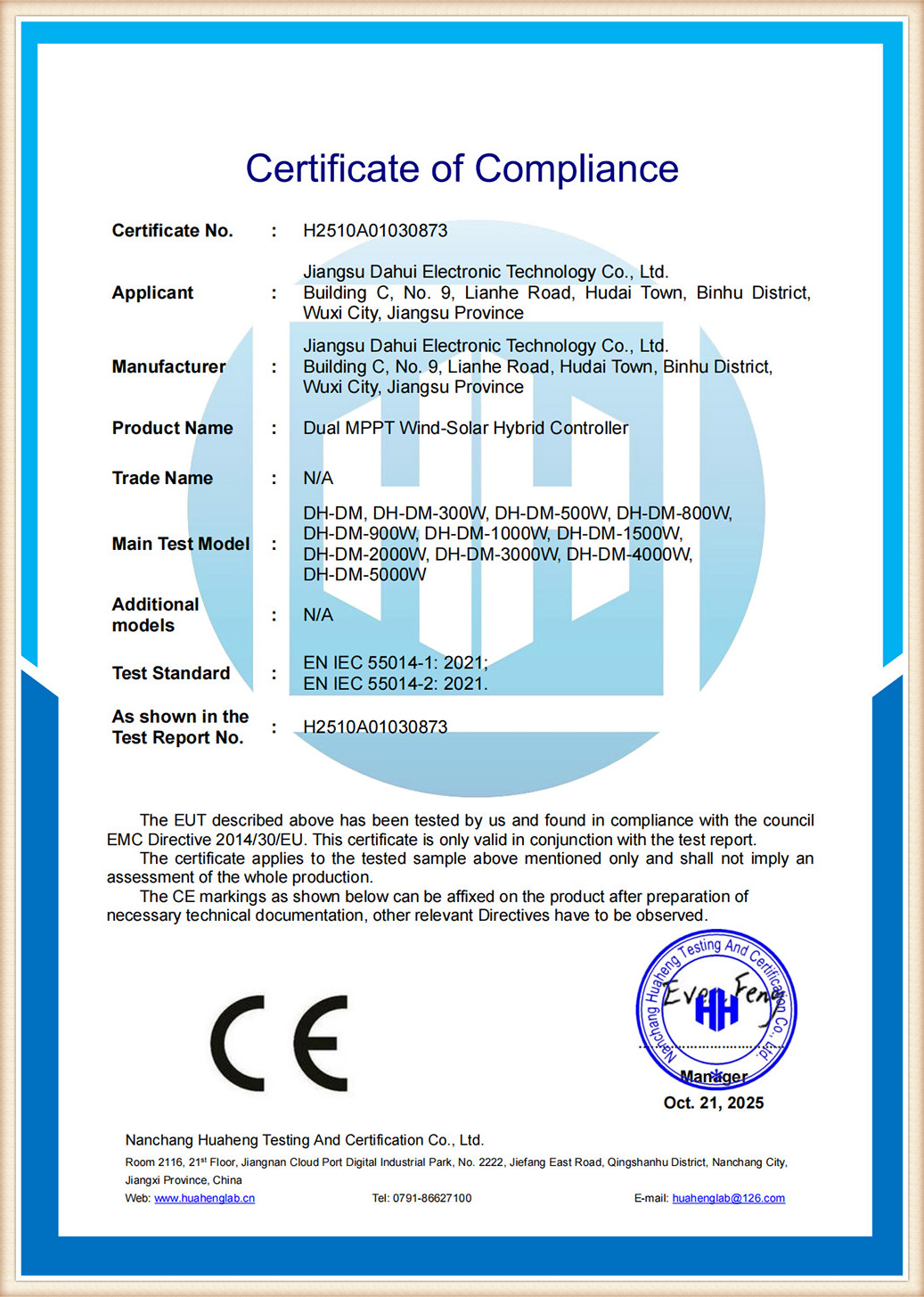
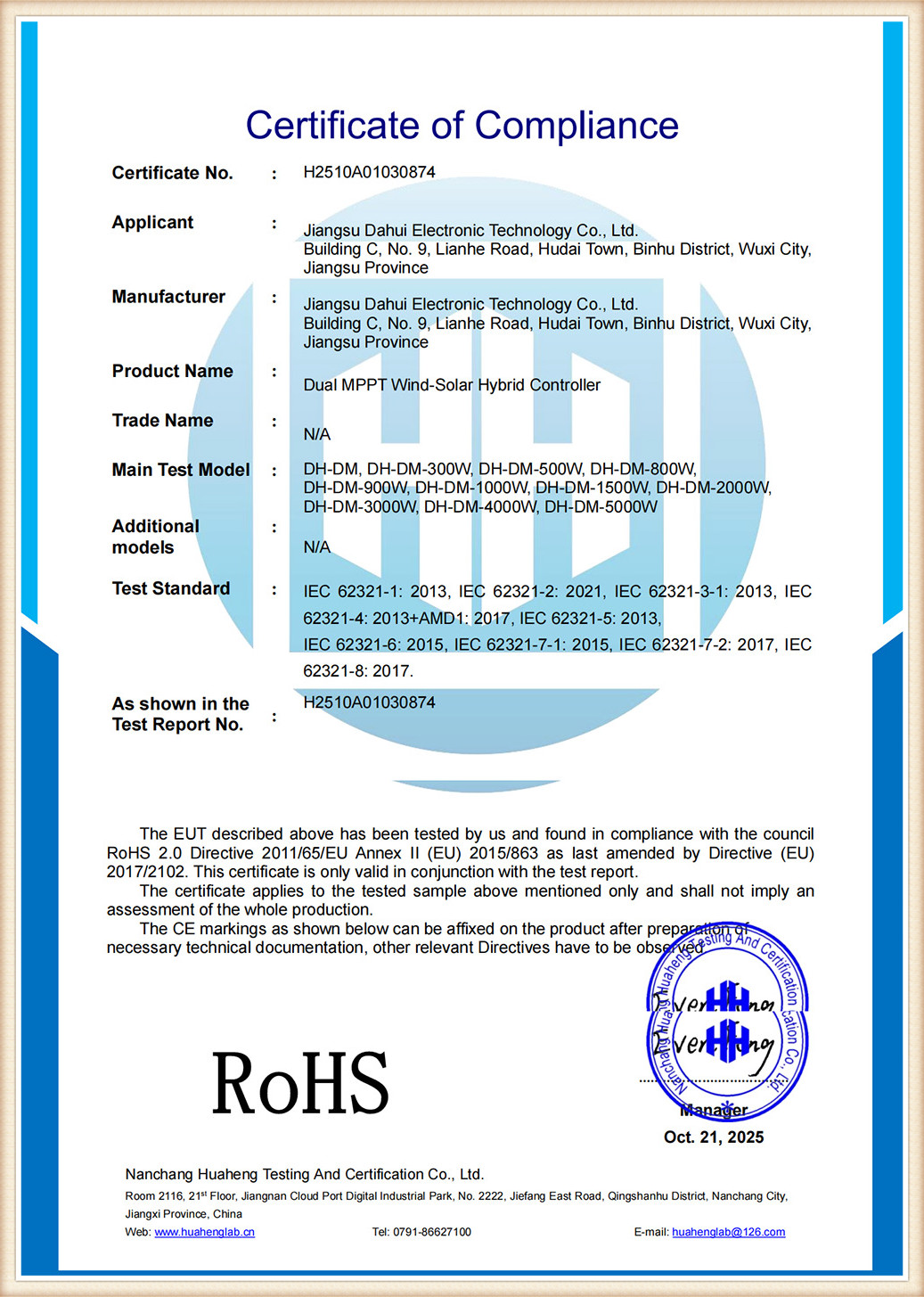
Browse our comprehensive product catalog featuring advanced solar controllers, wind turbine controllers, and hybrid power systems designed for remote cabins, marine use, and RV off-grid power supply.