Leave Your Message
Explore our high-performance controllers and inverters engineered specifically to meet the strict voltage stability requirements of modern telecommunication networks.
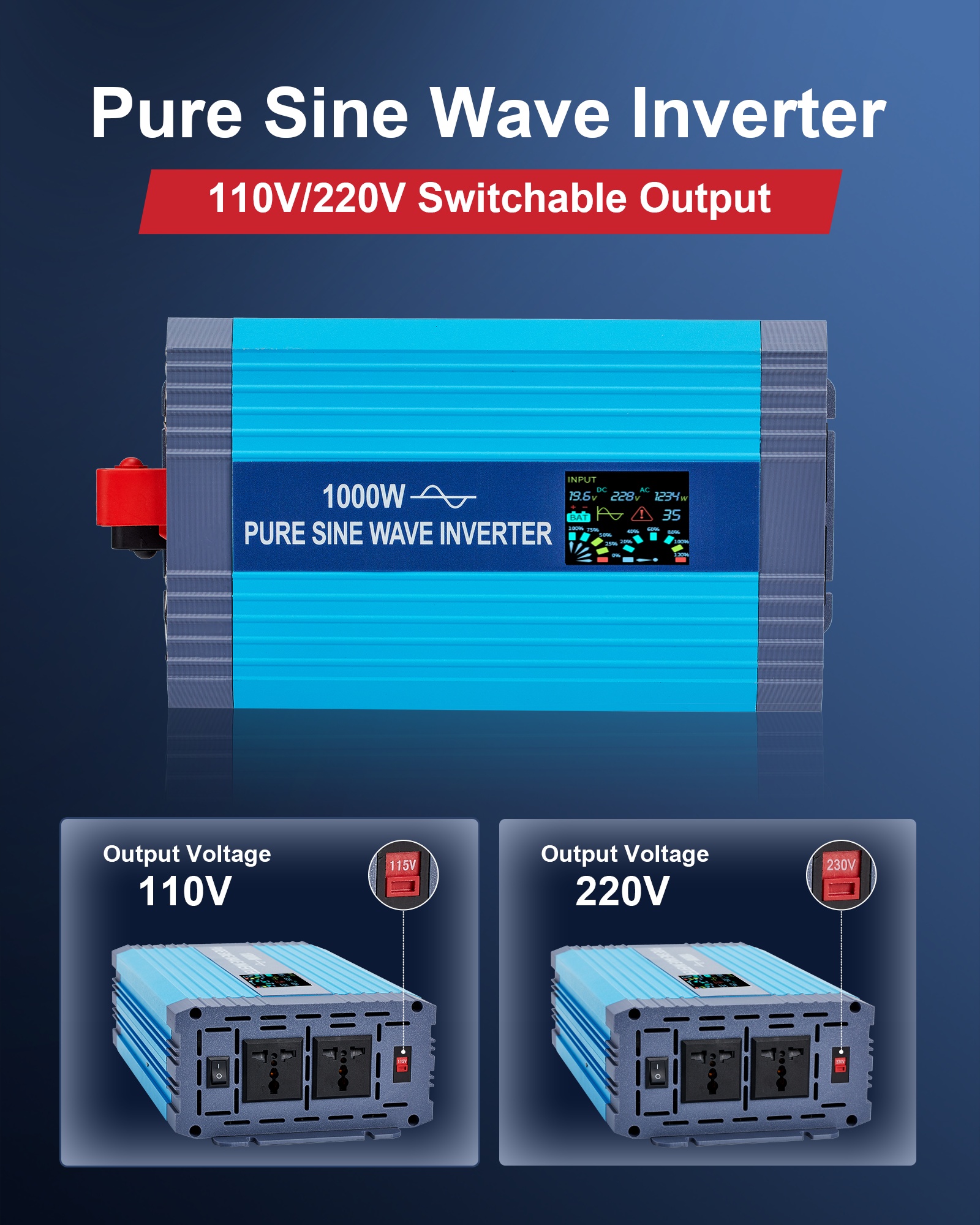
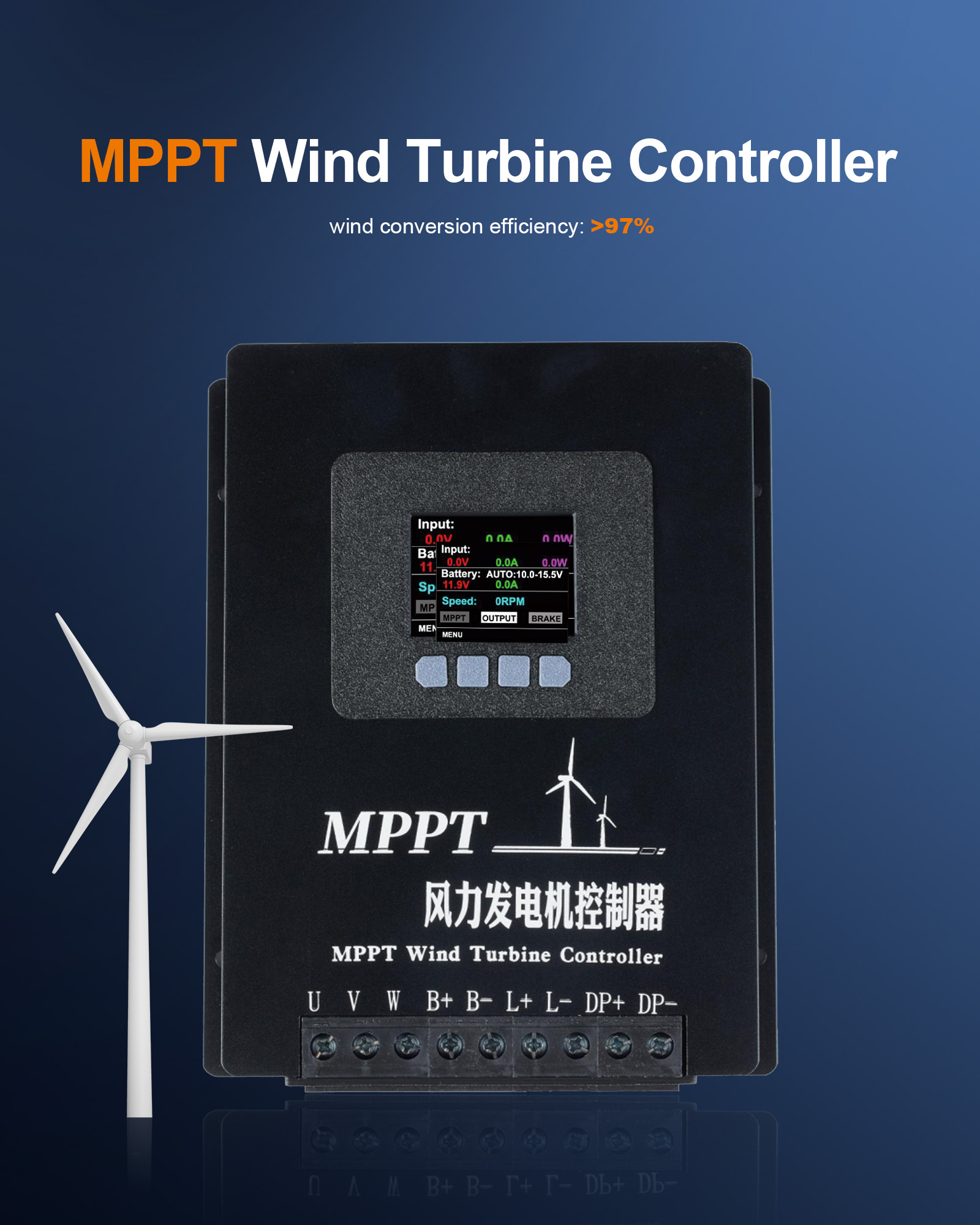
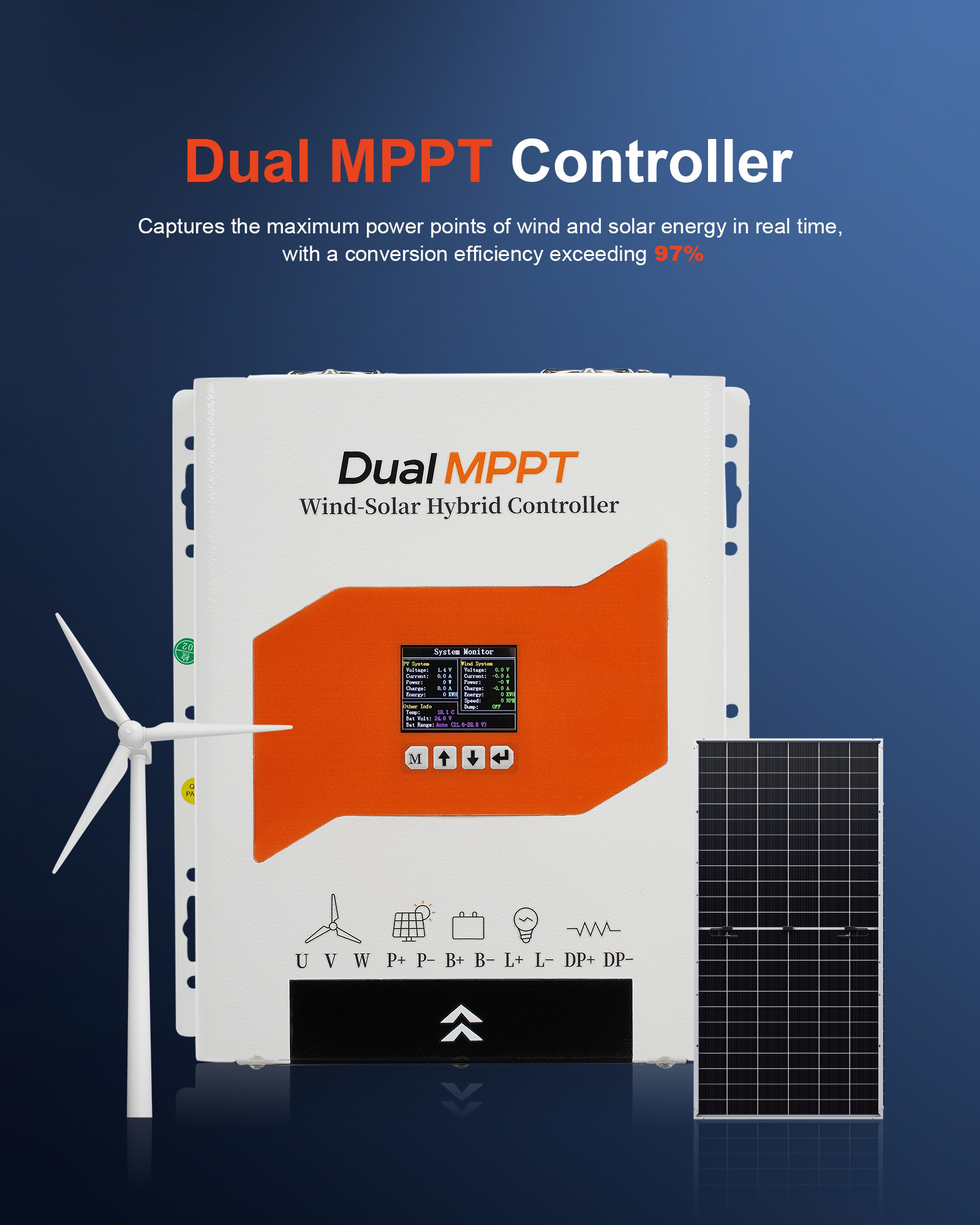
The global telecommunication infrastructure landscape is undergoing a massive paradigm shift. With the rapid commercialization and deployment of 5G networks, operators are facing an exponential increase in power consumption. 5G base stations (gNodeB) require up to three times more power than their 4G predecessors. In remote, rural, or off-grid areas, maintaining constant grid connectivity is either physically impossible or economically unviable.
Historically, diesel generators served as the primary backup power source for off-grid base stations. However, high diesel fuel costs, logistics challenges in remote fuel delivery, frequent maintenance overheads, and rising carbon taxes have made diesel-only solutions highly unsustainable. Consequently, solar photovoltaic (PV) power systems combined with battery energy storage have emerged as the standard for modern telecom base station power backups.
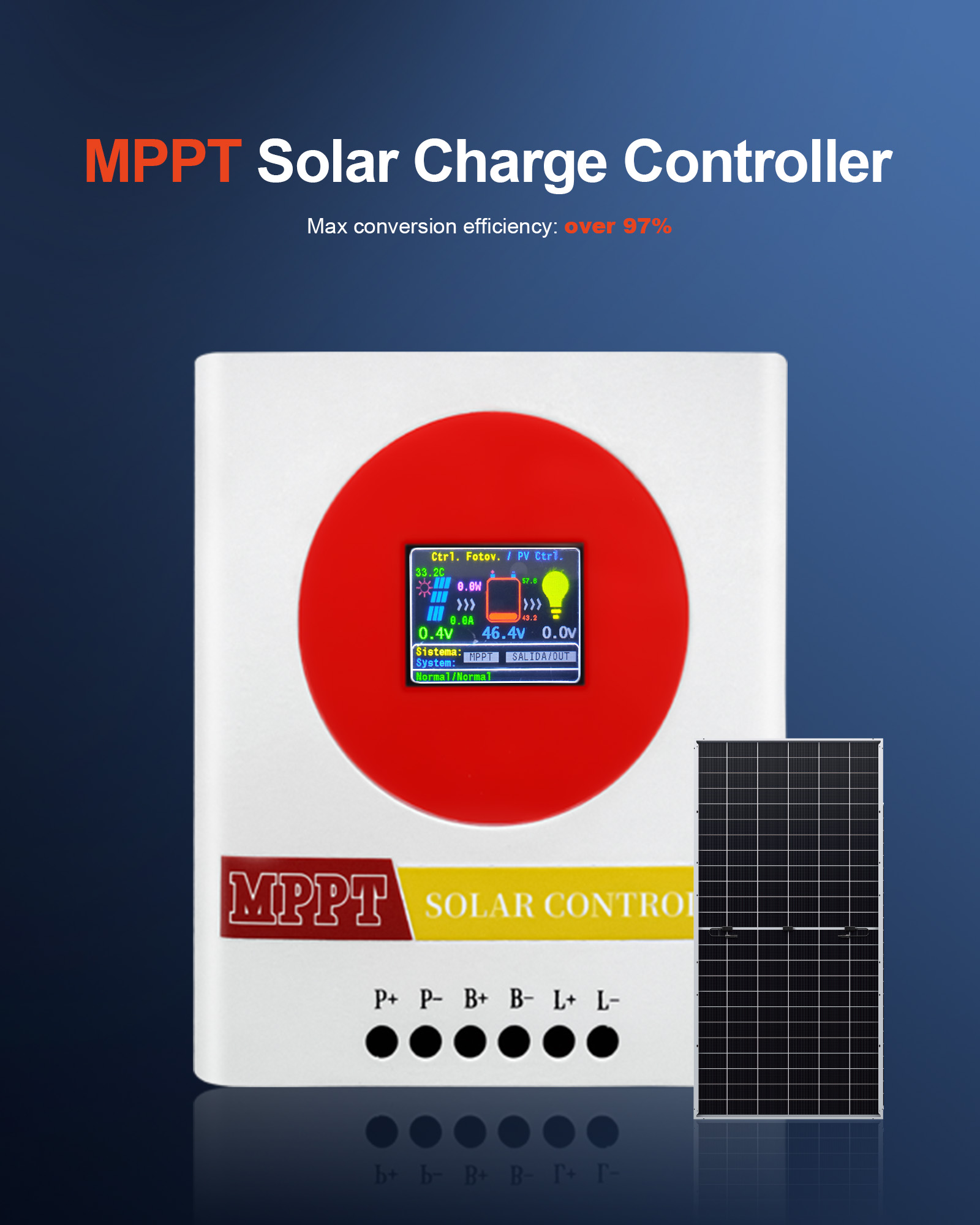
At the heart of these modern telecom solar power backups is the MPPT Series Solar Charge Controller. Unlike conventional PWM (Pulse Width Modulation) controllers, MPPT controllers continuously track the maximum power point of the solar array, ensuring that the maximum possible energy is harvested and delivered to the battery bank, even under varying atmospheric conditions.

Telecom equipment demands extremely clean, stable, and uninterruptible DC power. Our MPPT controllers deliver this through advanced engineering features.
Advanced tracking algorithms ensure instantaneous locking to the maximum power point, increasing energy yield by up to 30% compared to PWM controllers.
Designed with industrial-grade heat dissipation to operate continuously in ambient temperatures ranging from -40°C to +60°C without derating.
Integrated RS485, Modbus, and optional IoT cloud communication interfaces allow real-time monitoring of power metrics, preventing unexpected site downtime.
Remote telecom towers located in mountainous regions or arid deserts face some of the harshest environmental conditions on Earth. These sites are completely isolated from the utility grid. To guarantee 99.999% network availability, the solar power backup system must operate flawlessly. MPPT controllers are crucial here because they optimize solar harvest during low-light winter days or dusty desert storms. By dynamically adapting to changing sunlight angles and temperature variations, our MPPT series ensures that the lithium or gel battery banks remain fully charged, minimizing the need for expensive helicopter- or off-road vehicle-based maintenance visits.
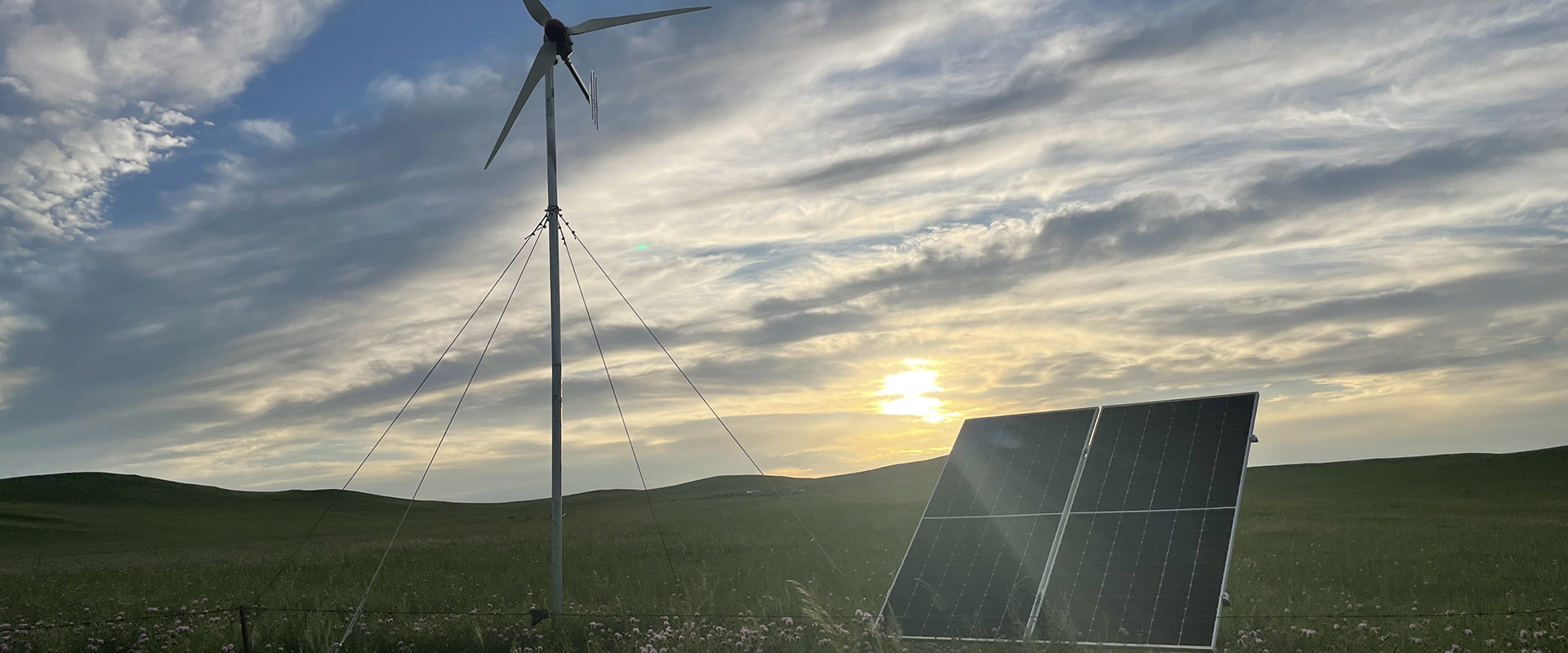
Many telecom operators utilize hybrid power configurations to ensure multi-source redundancy. In these setups, wind turbines, solar panels, and a backup diesel generator work in tandem. The MPPT controller acts as the central coordinator for the solar PV input. It communicates with the hybrid system controller to prioritize renewable energy consumption. When solar and wind energy are sufficient, the MPPT controller handles the entire load and battery charging, keeping the diesel generator completely shut down. This hybrid integration reduces generator runtime by up to 80%, drastically cutting down fuel consumption and carbon emissions.

With the micro-cell deployment strategy of 5G, thousands of small cells are being installed on street poles, building facades, and bus shelters. Space at these urban locations is extremely limited, meaning the solar panels must be compact. Since the available surface area for solar panels is small, maximizing energy conversion efficiency is paramount. A high-efficiency MPPT series solar charge controller allows micro base stations to extract the maximum possible wattage from small-footprint PV panels, even when subjected to partial shading from nearby buildings or trees.
At high altitudes, solar panels experience extremely cold temperatures, which causes their open-circuit voltage (Voc) to rise significantly. Standard controllers can easily get damaged by this voltage spike. Our MPPT series solar charge controllers are engineered with wide PV input voltage ranges (up to 150V or 200V depending on the model), allowing them to safely handle high-voltage inputs in cold climates while bucking the voltage down efficiently to match 24V or 48V telecom battery standards.
The company's core R&D strength is composed of a scientific research team led by senior doctors in the industry. It has long-term focus on the cutting-edge exploration and innovative application of new energy technologies, continues to increase investment in core R&D, and has formed deep technological accumulation and independent innovation capabilities in core areas such as efficient conversion of electric energy, intelligent system integration, and coordinated control of integrated wind, solar, and storage.
Relying on industry-leading automated production lines and high-precision full-dimensional testing equipment, the company has independently developed a number of intelligent new energy products with completely independent intellectual property rights, fully covering three major application scenarios: off-grid, grid-connected, and mixed grid.
The product matrix includes core categories such as high-frequency/power frequency inverters, wind power controllers, photovoltaic controllers, wind-solar hybrid controllers, wind-solar storage-control-inverse integrated power generation systems, etc., which can be flexibly adapted to diversified power needs such as household use, industrial and commercial distributed, and off-grid independent power stations.


As telecom networks continue to evolve towards 6G and beyond, the power systems supporting them must become smarter, more modular, and highly integrated. Here are the prominent trends shaping the future of MPPT solar charge controllers in the telecom sector:
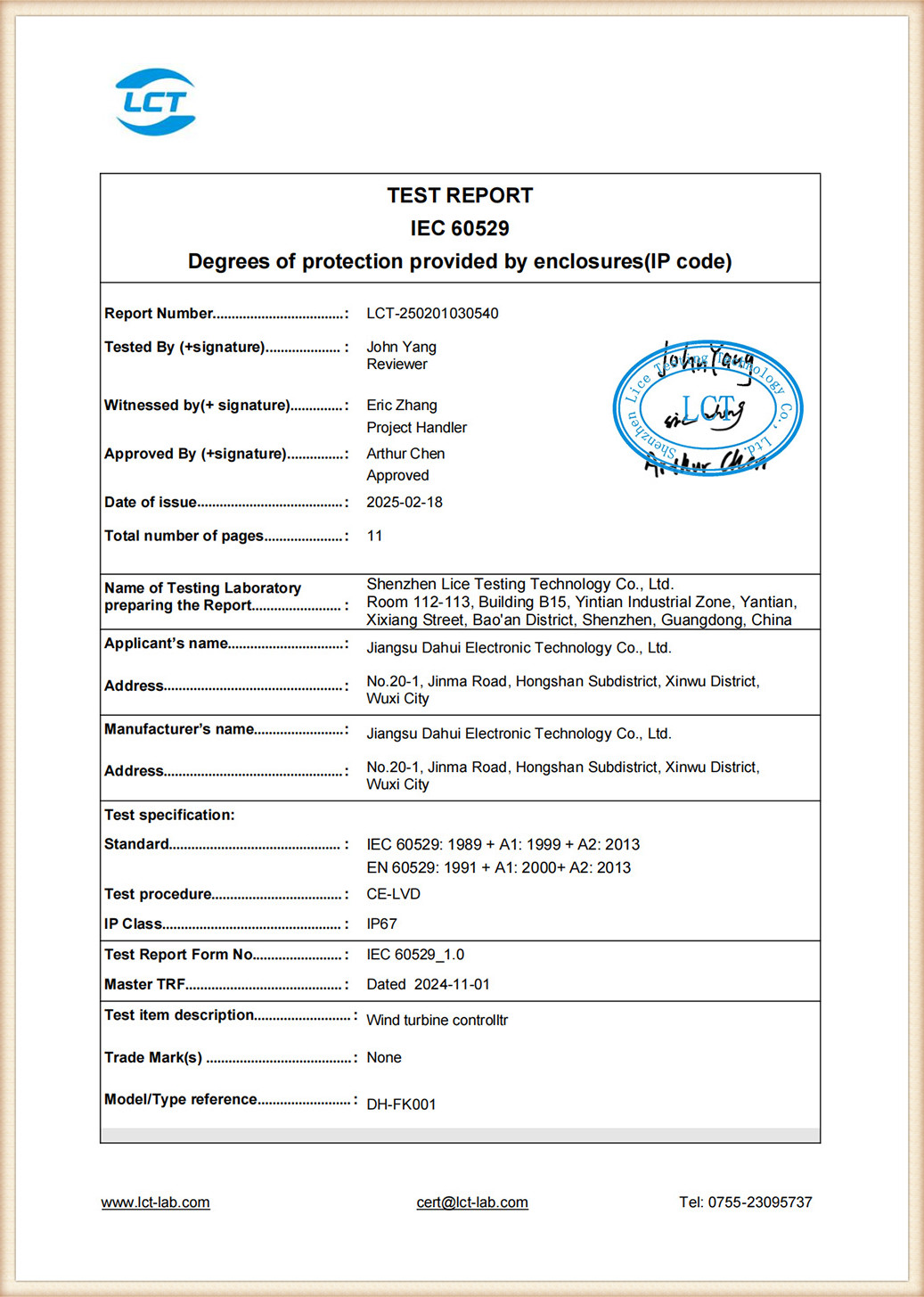
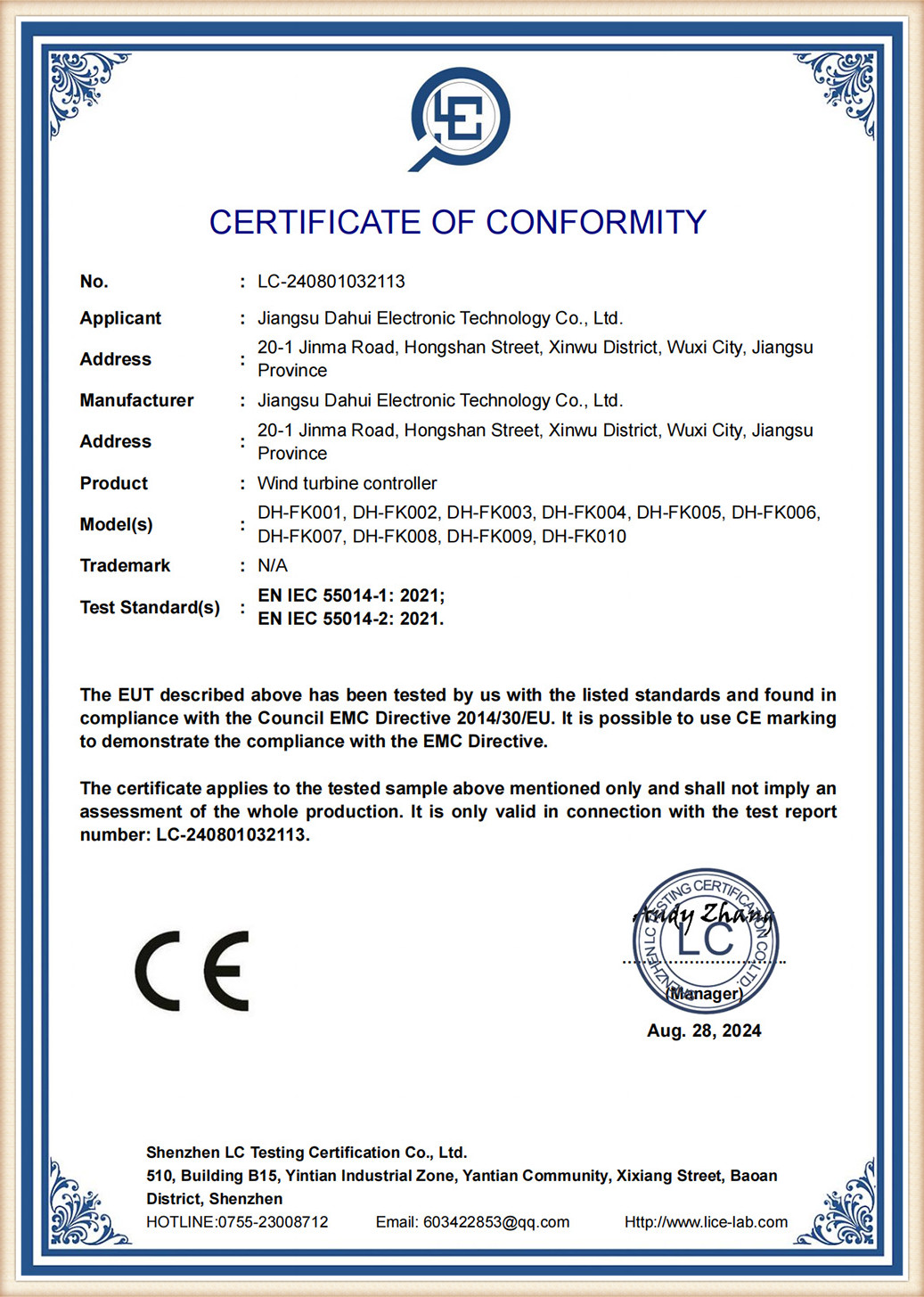
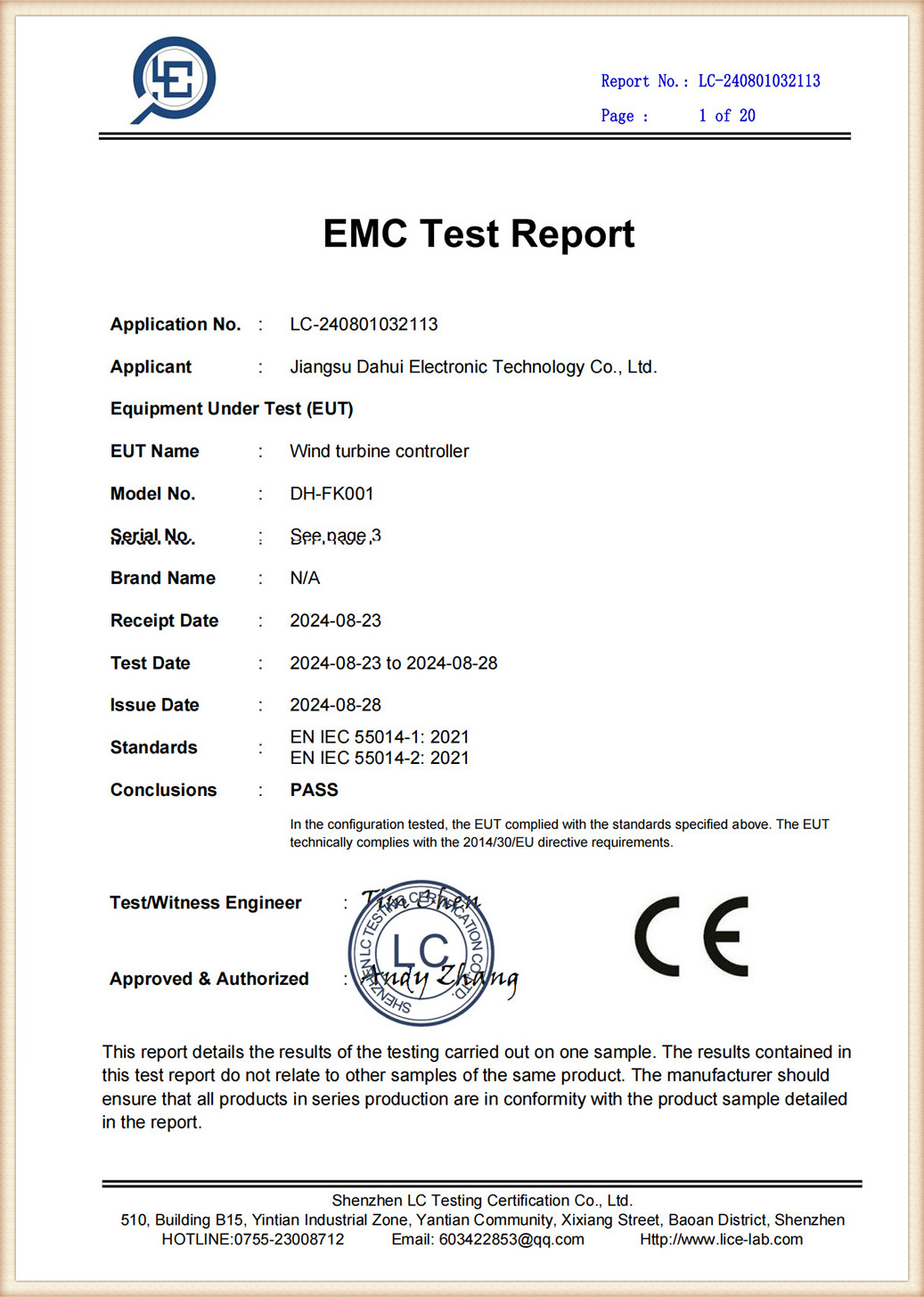
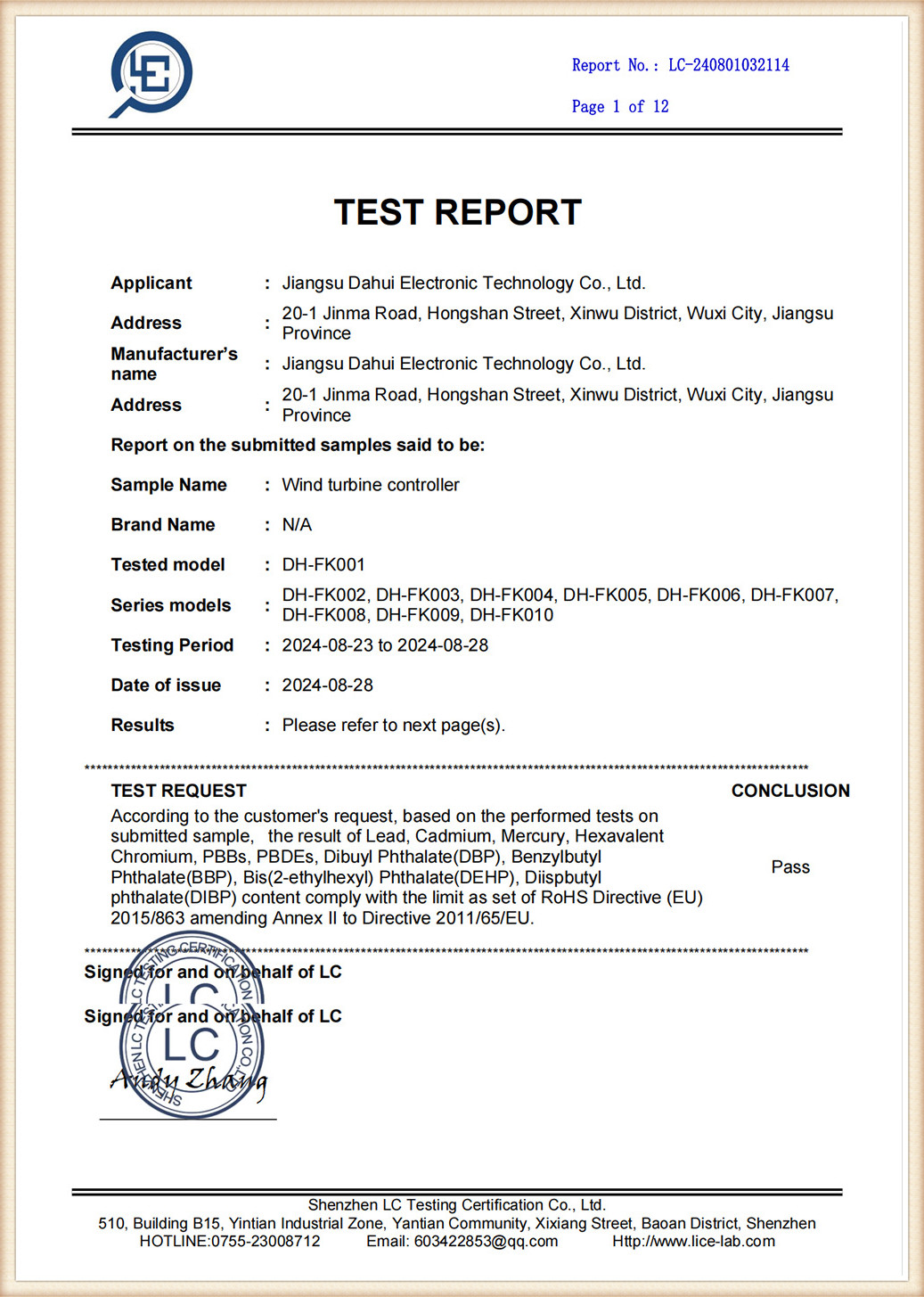
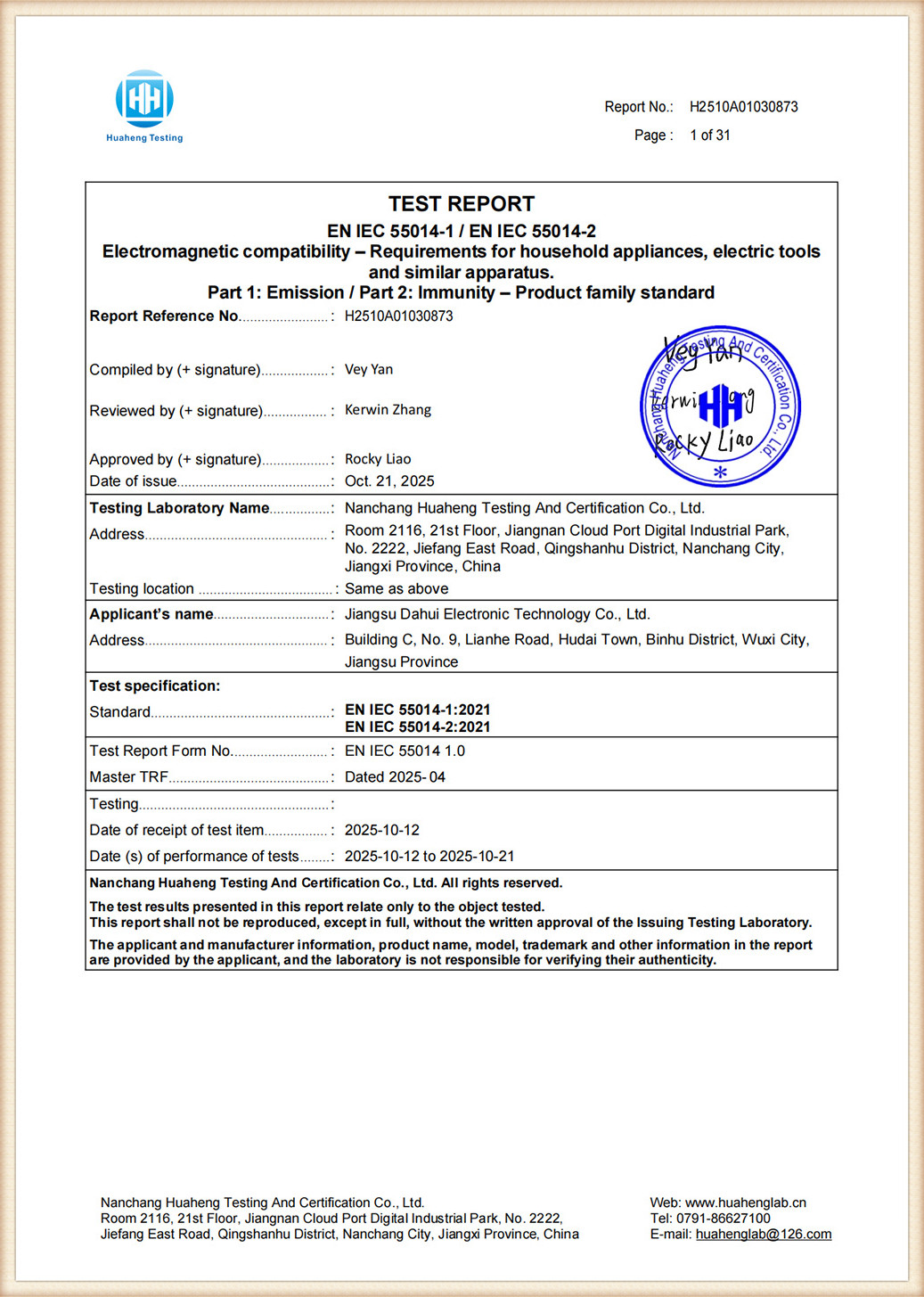
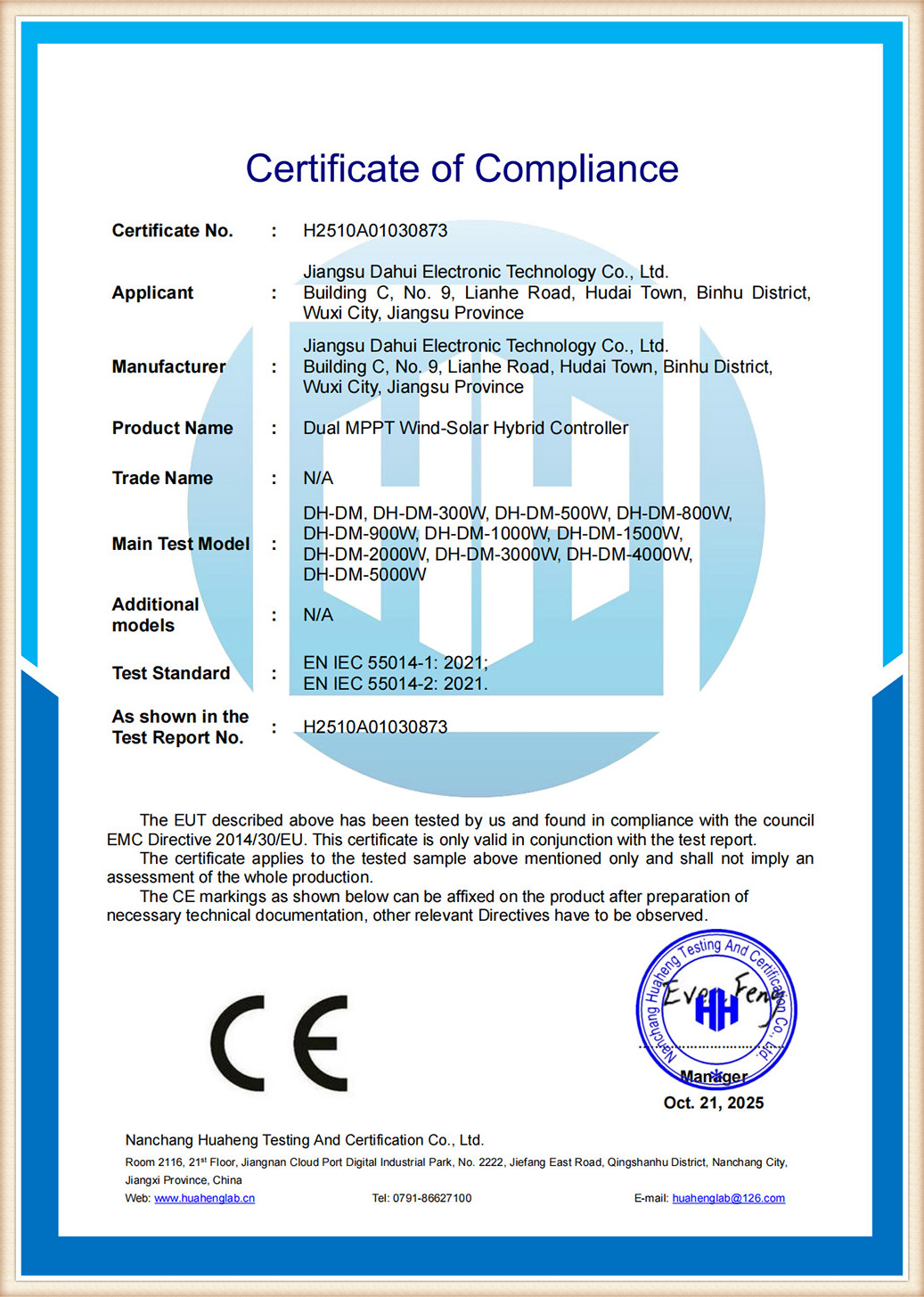
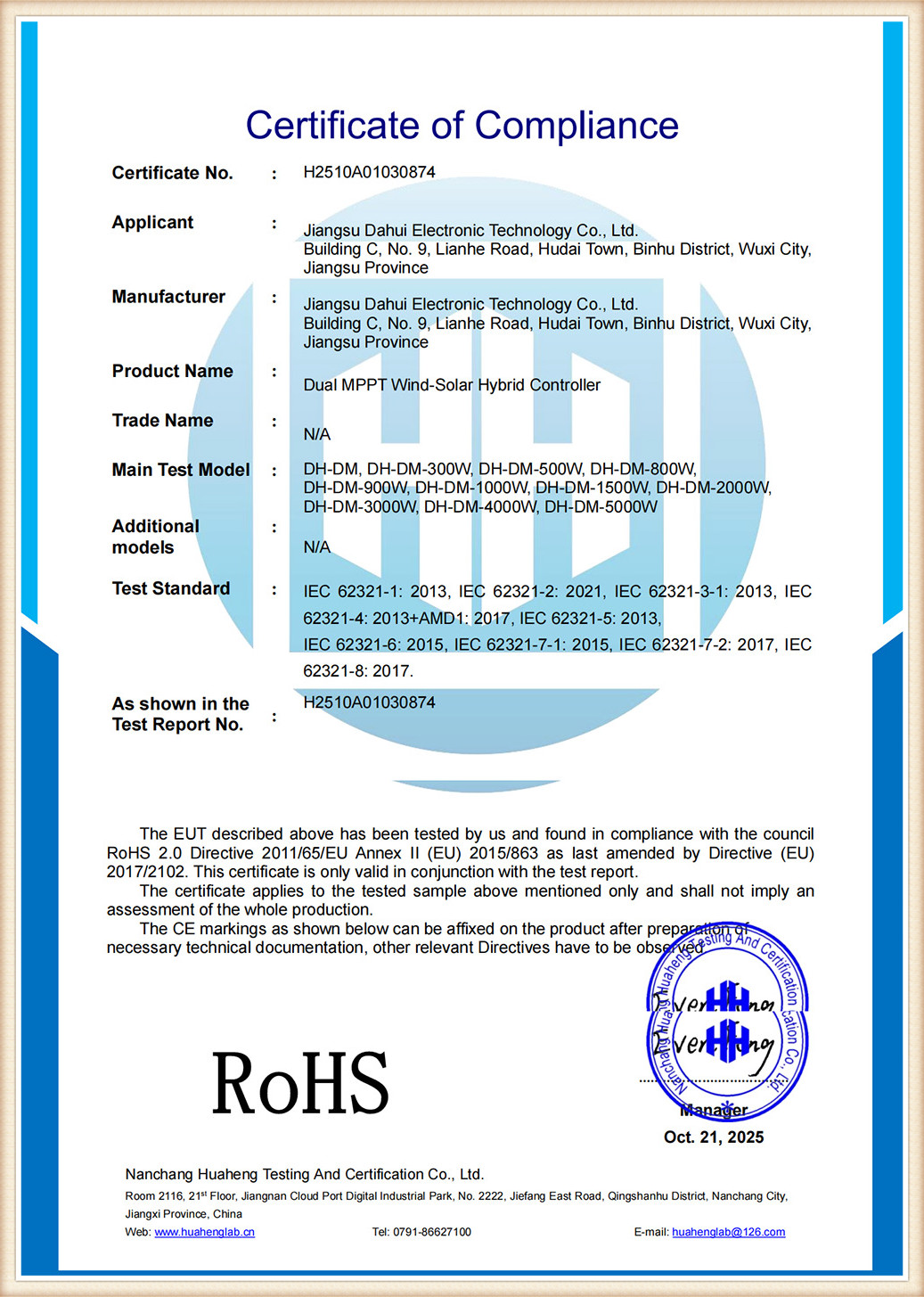
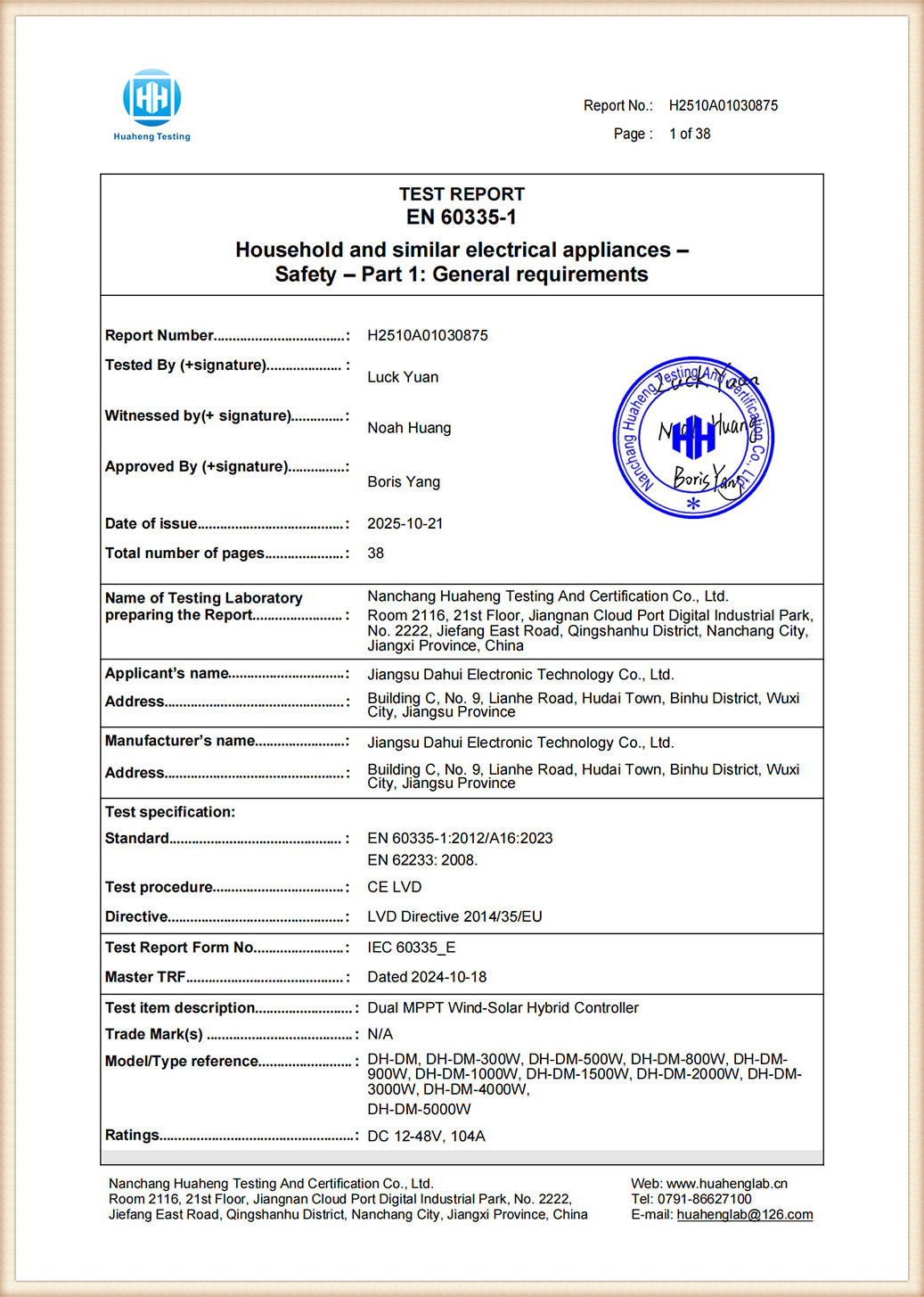
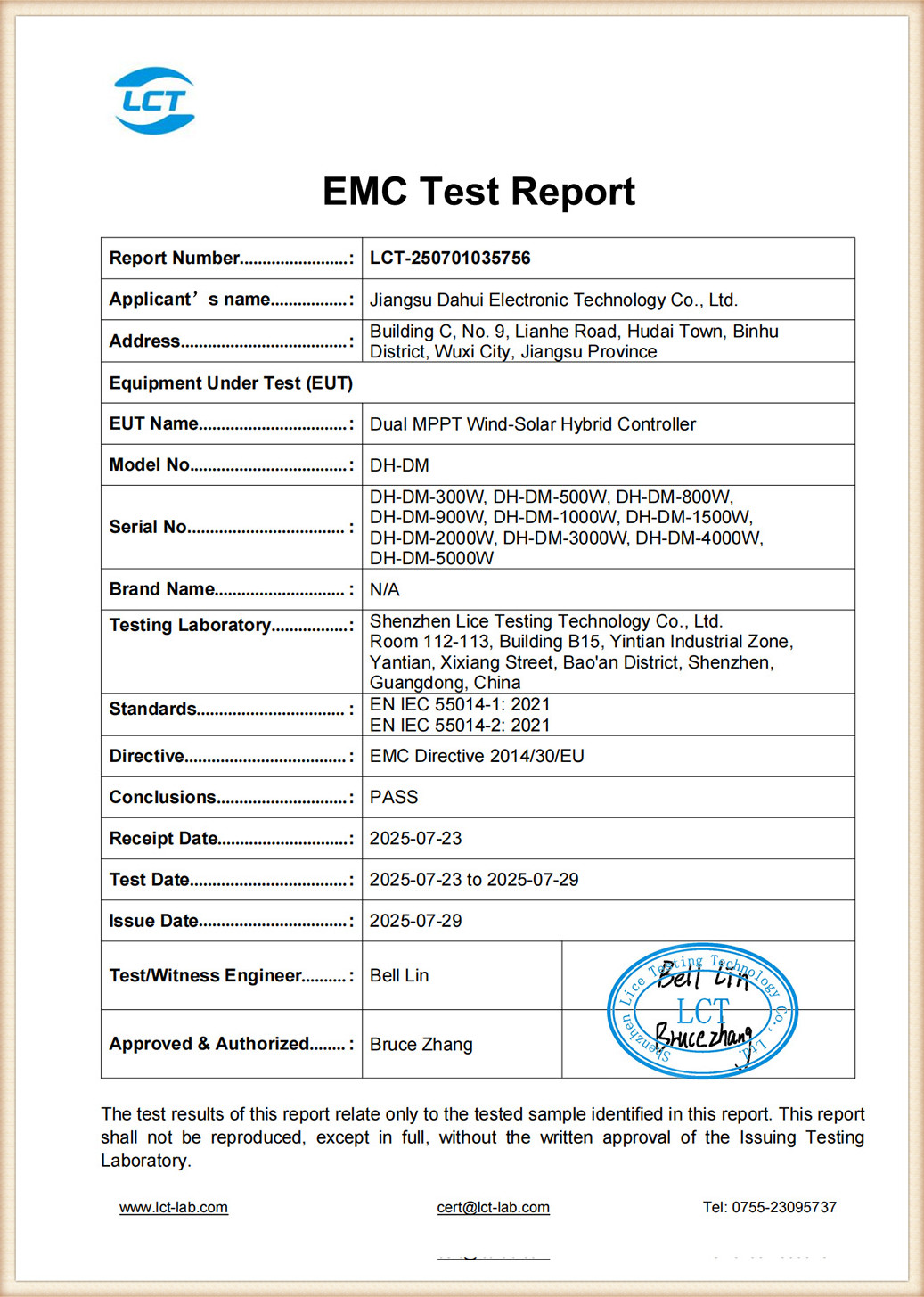
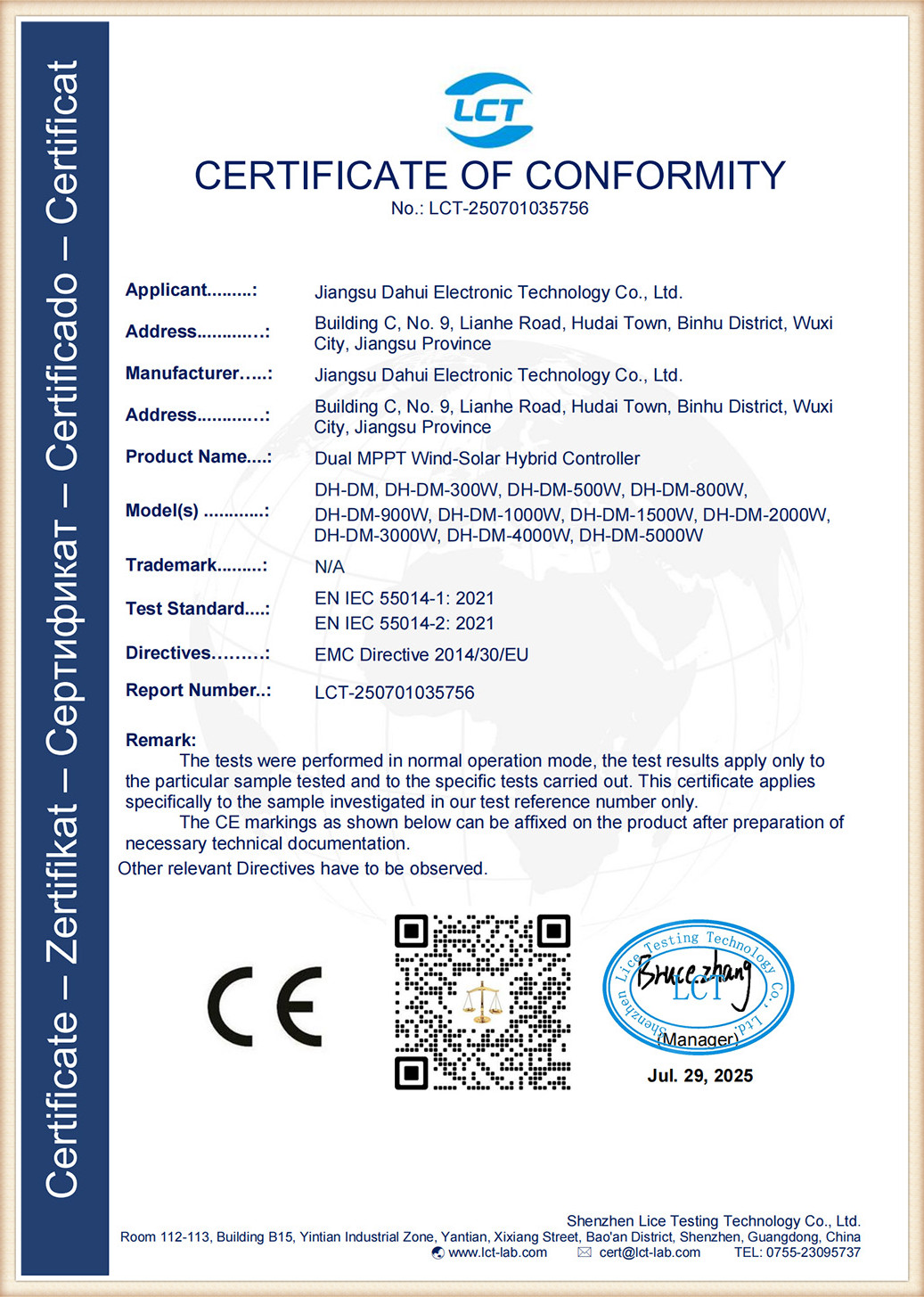
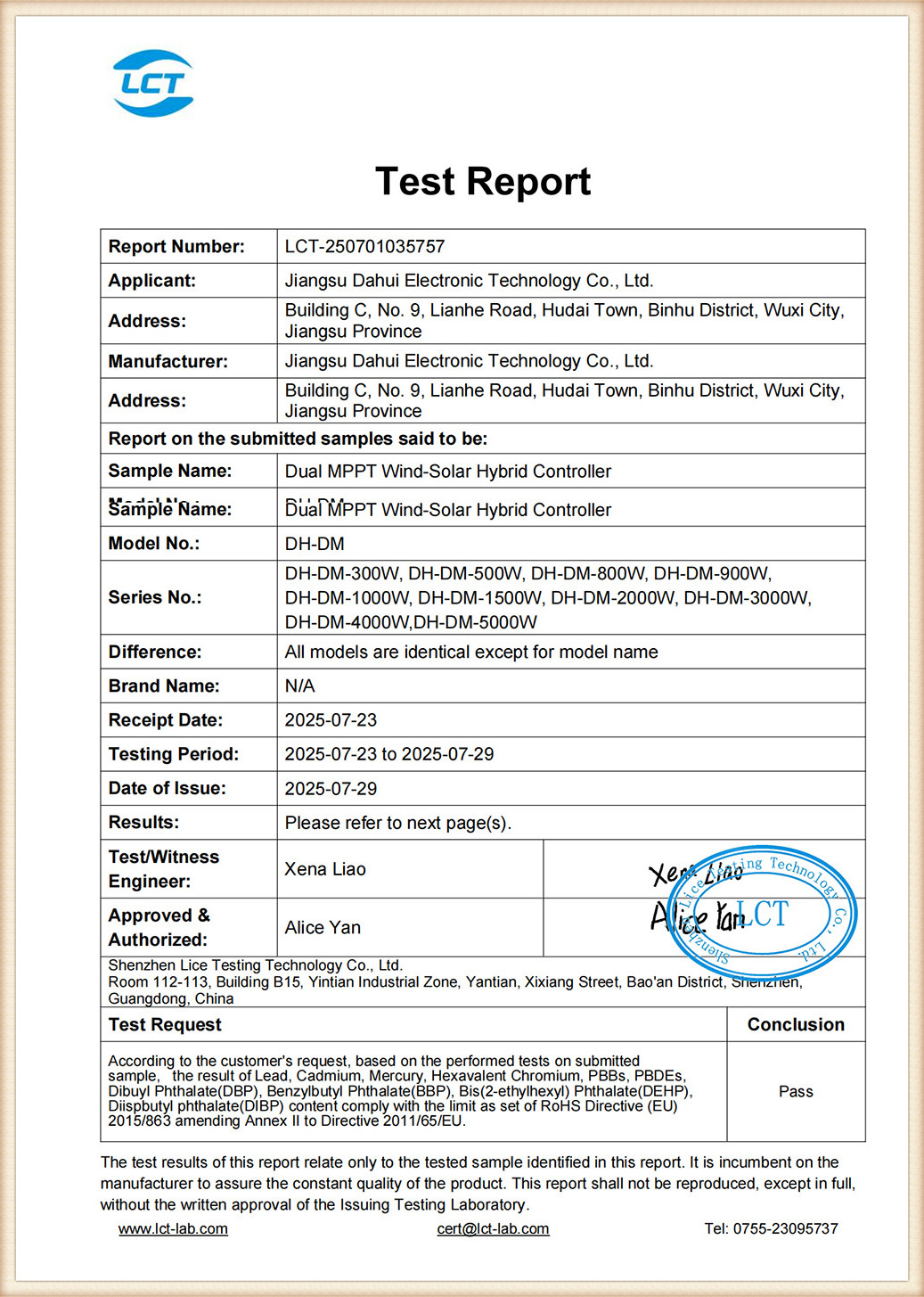
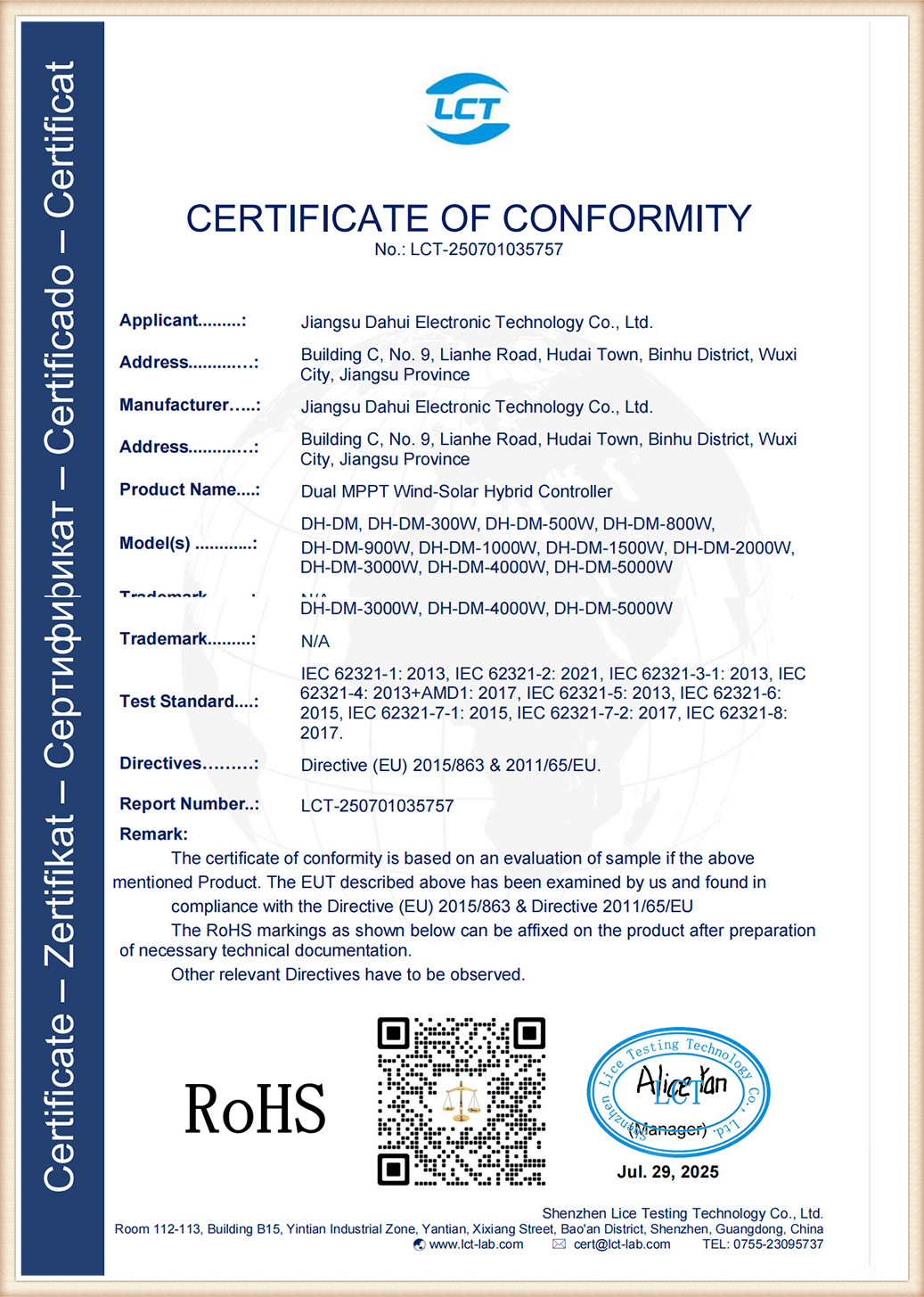
The company always adheres to the core business philosophy of "quality first, independent research and development", and regards product quality and technological innovation as the core driving force for corporate development. At present, it has obtained a number of international authoritative product certifications and ISO quality management system certifications, and has established a full-chain quality management system from raw material inspection, full-process control of the production process to multi-dimensional inspection of finished products. Product quality is strictly controlled throughout the entire process, and core product performance indicators are comprehensively better than industry standards, providing a solid guarantee for the long-term stable operation and reliable service life of the product.
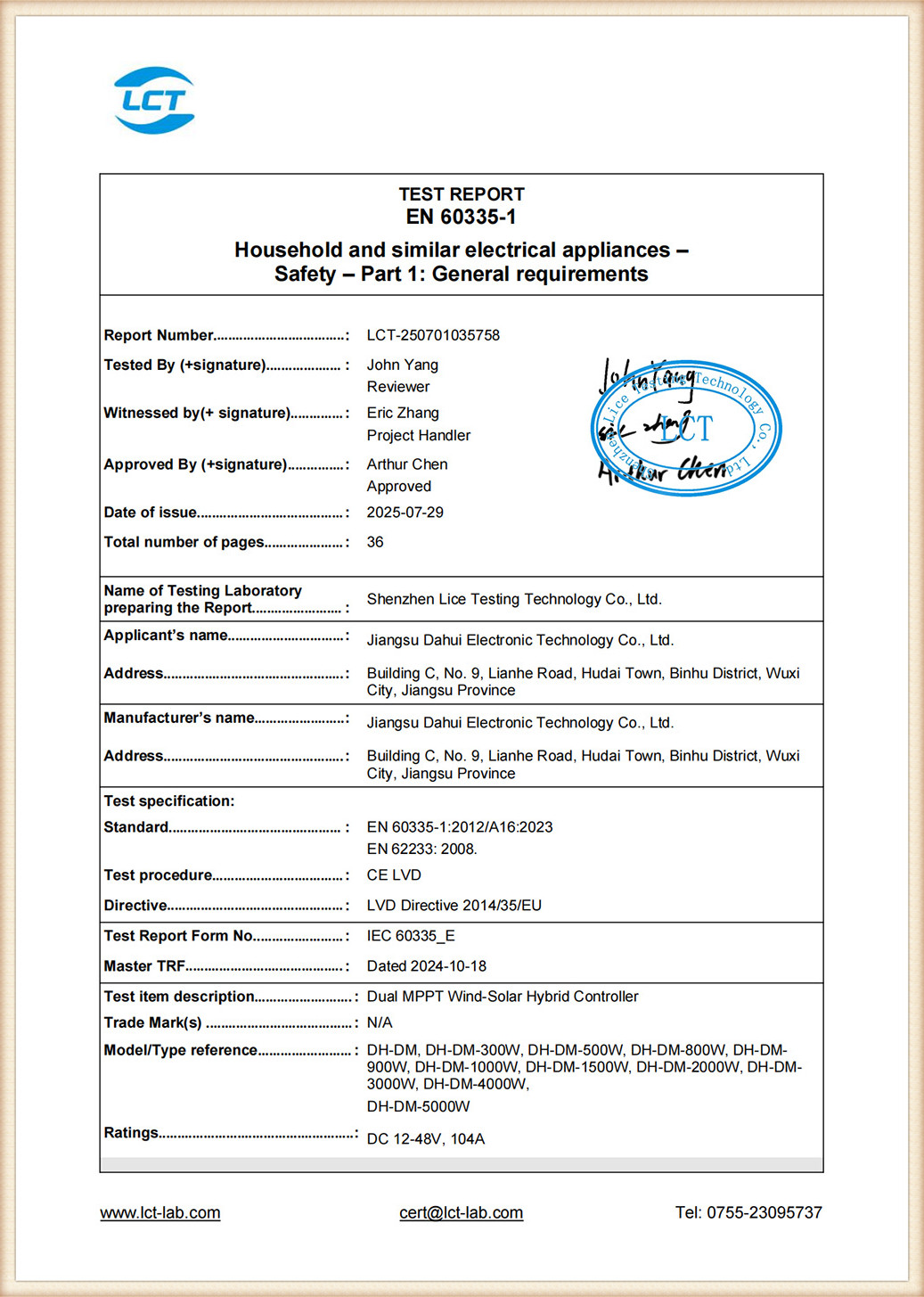
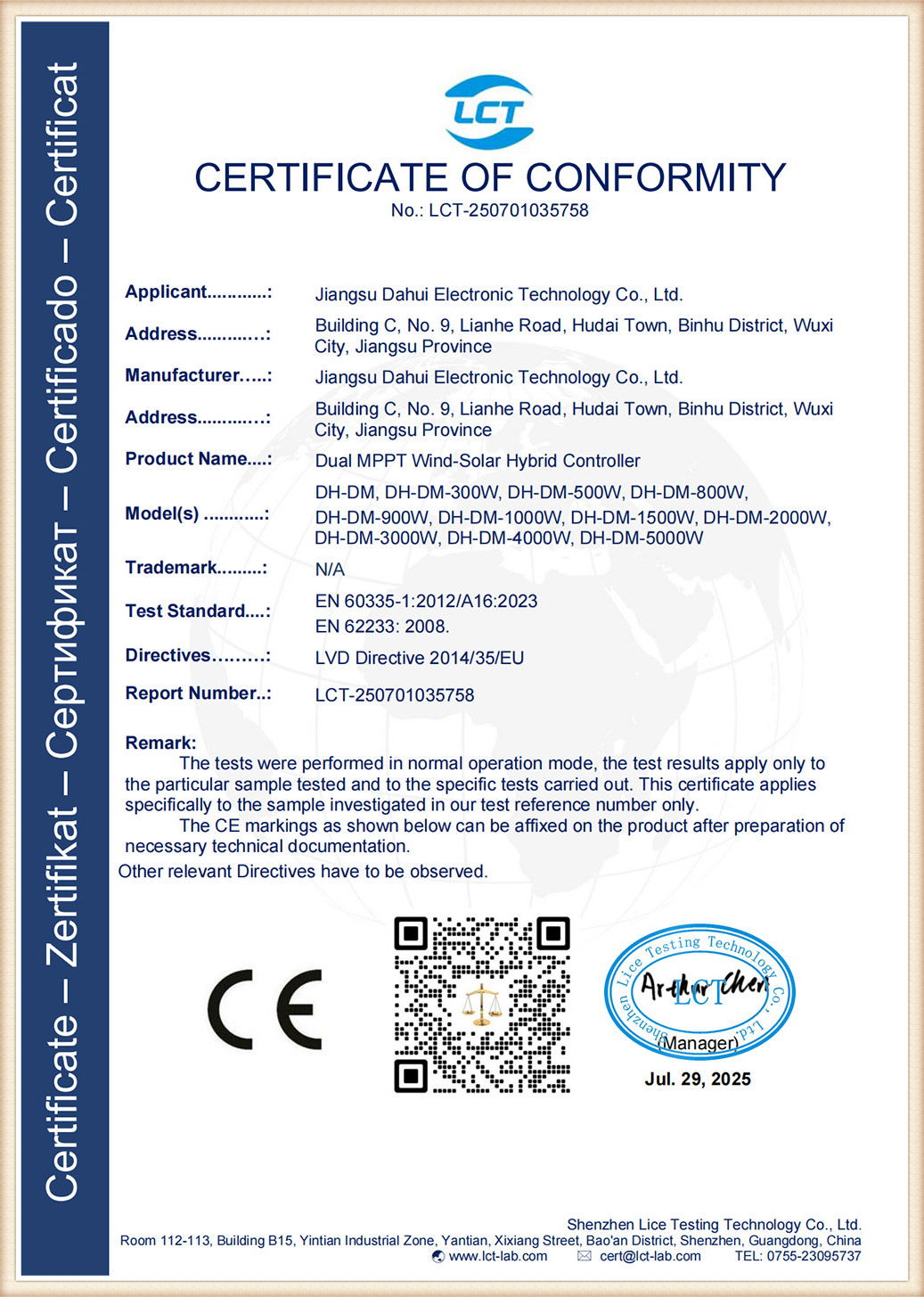
Browse our entire catalog of highly reliable controllers, industrial-grade inverters, and wind-solar hybrid charging systems optimized for telecommunication power grids.