Leave Your Message
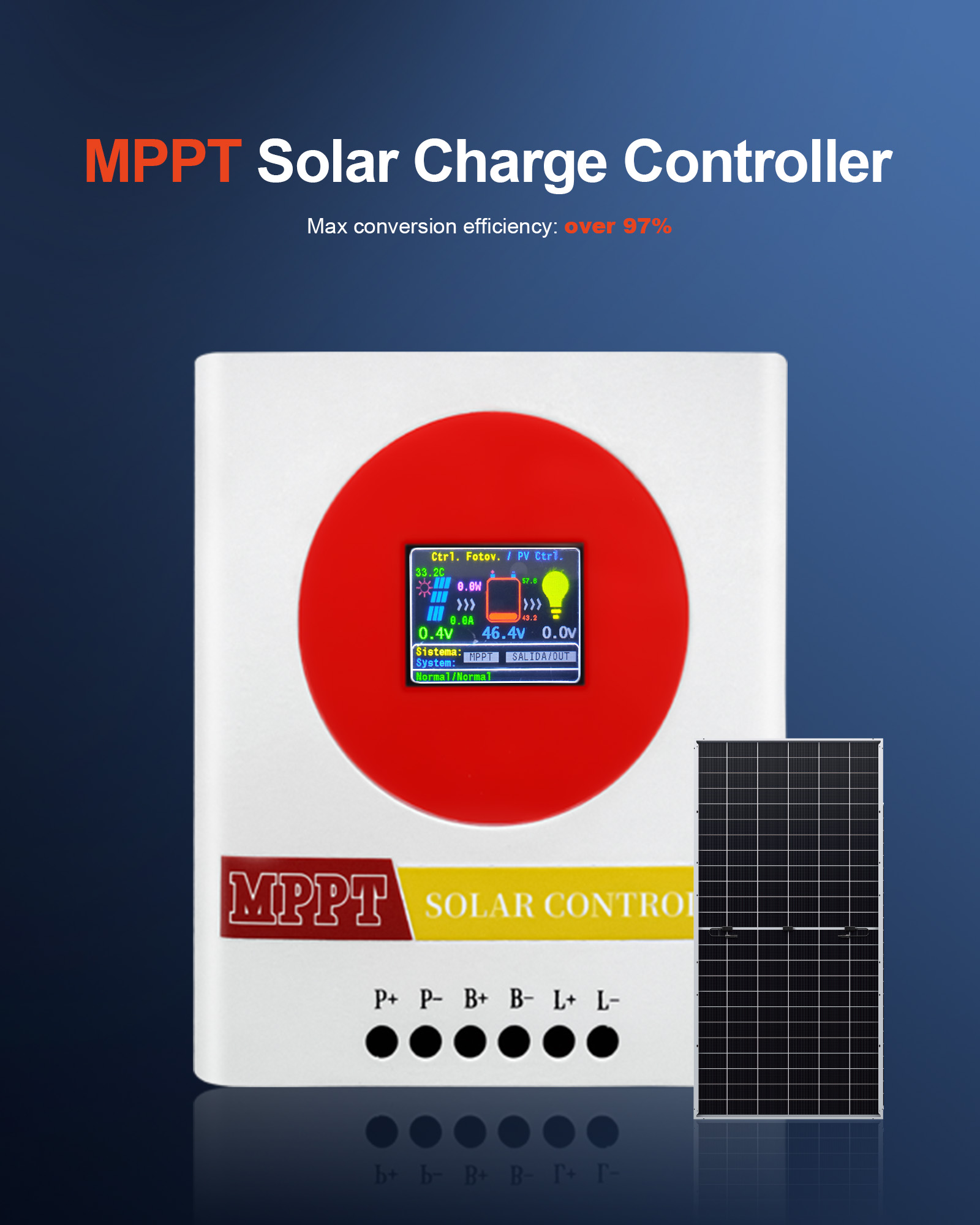
In the rapidly evolving landscape of clean energy, residential energy storage systems (ESS) are transitioning from a luxury backup option to a primary infrastructure requirement. Central to these off-grid architectures is the MPPT Solar Charge Controller 36v. While 12V and 24V configurations are common in smaller applications, and 48V systems dominate large commercial setups, the 36V configuration serves as an optimized, highly efficient sweet spot for mid-to-large-scale residential installations. It provides the ideal balance of voltage management, cabling efficiency, and component safety.
Maximum Power Point Tracking (MPPT) technology plays an indispensable role in off-grid residential living. Unlike traditional Pulse Width Modulation (PWM) controllers, which pull down the solar panel's voltage to match the battery bank's level, an MPPT controller constantly monitors the current and voltage of the PV array to find the optimal operating point. This ensures that regardless of weather patterns, temperature fluctuations, or partial shading, the residential storage system extracts up to 30% more energy from the solar panels compared to legacy systems.
Up to 98% tracking efficiency ensures minimal power loss between the PV array and the 36V battery bank.
Perfectly optimized for modern Lithium Iron Phosphate (LiFePO4), Lead-Acid, and Gel energy storage batteries.
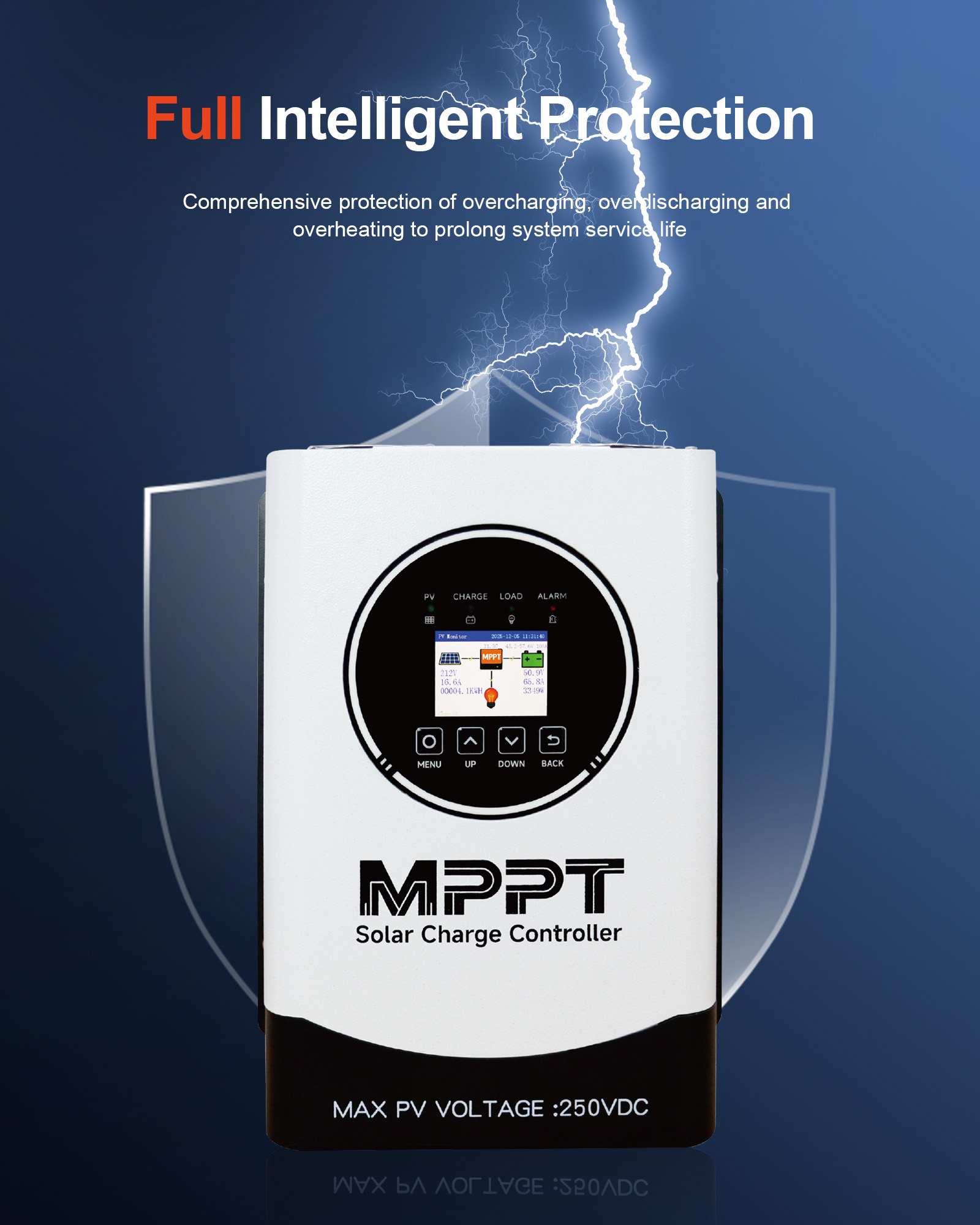
Equipped with RS485, CAN communication, and IoT interfaces for remote management and smart home integration.
Designing an off-grid residential solar array requires careful consideration of the battery bank's system voltage. A 36V system voltage is mathematically and structurally advantageous for medium-sized residential homes. By stepping up from a standard 12V or 24V topology, the electrical current (amperage) running through the wiring is significantly reduced. This reduction in current prevents excessive heat generation, reduces line losses, and allows installers to use thinner, more cost-effective copper wiring.
Furthermore, a 36V configuration interfaces seamlessly with residential off-grid inverters. It provides a stable DC bus voltage that requires less step-up conversion to achieve standard household AC voltages (such as 110V or 230V). This translates directly into higher overall system efficiency and prolonged operational life for the residential power inverter.
The global transition toward decentralized power grids has accelerated the demand for robust off-grid components. Industrial researchers and market analysts report a significant surge in off-grid residential solar energy storage installations, driven by rising grid tariffs, extreme weather events causing grid instability, and the global push for carbon neutrality.
Manufacturers are responding to this demand by integrating advanced silicon carbide (SiC) and gallium nitride (GaN) semiconductors into MPPT solar charge controllers. These high-frequency switching components allow controllers to handle larger PV input voltages while minimizing thermal dissipation. Consequently, modern 36V MPPT controllers are lighter, more compact, and capable of operating under extreme ambient temperatures without thermal throttling.
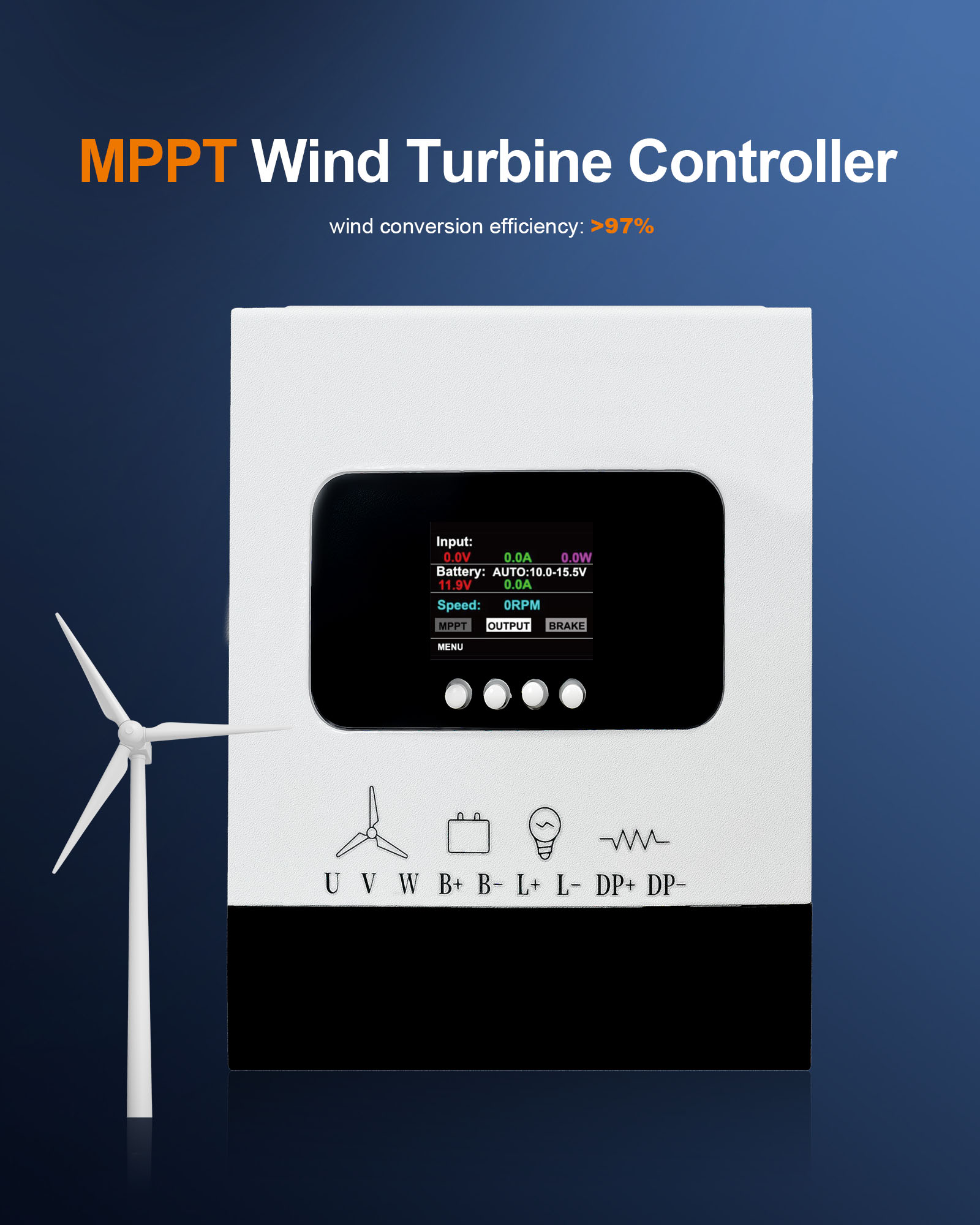
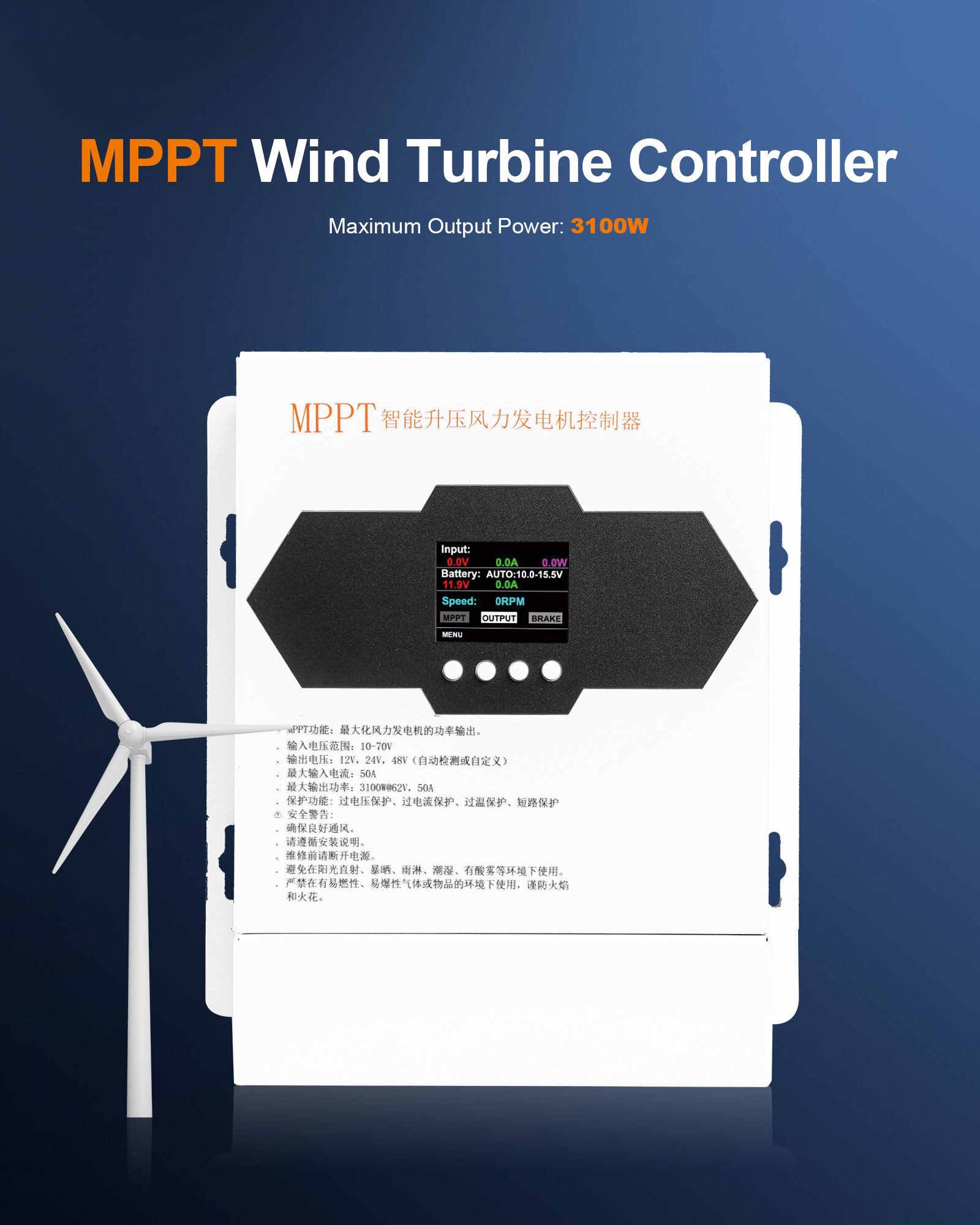
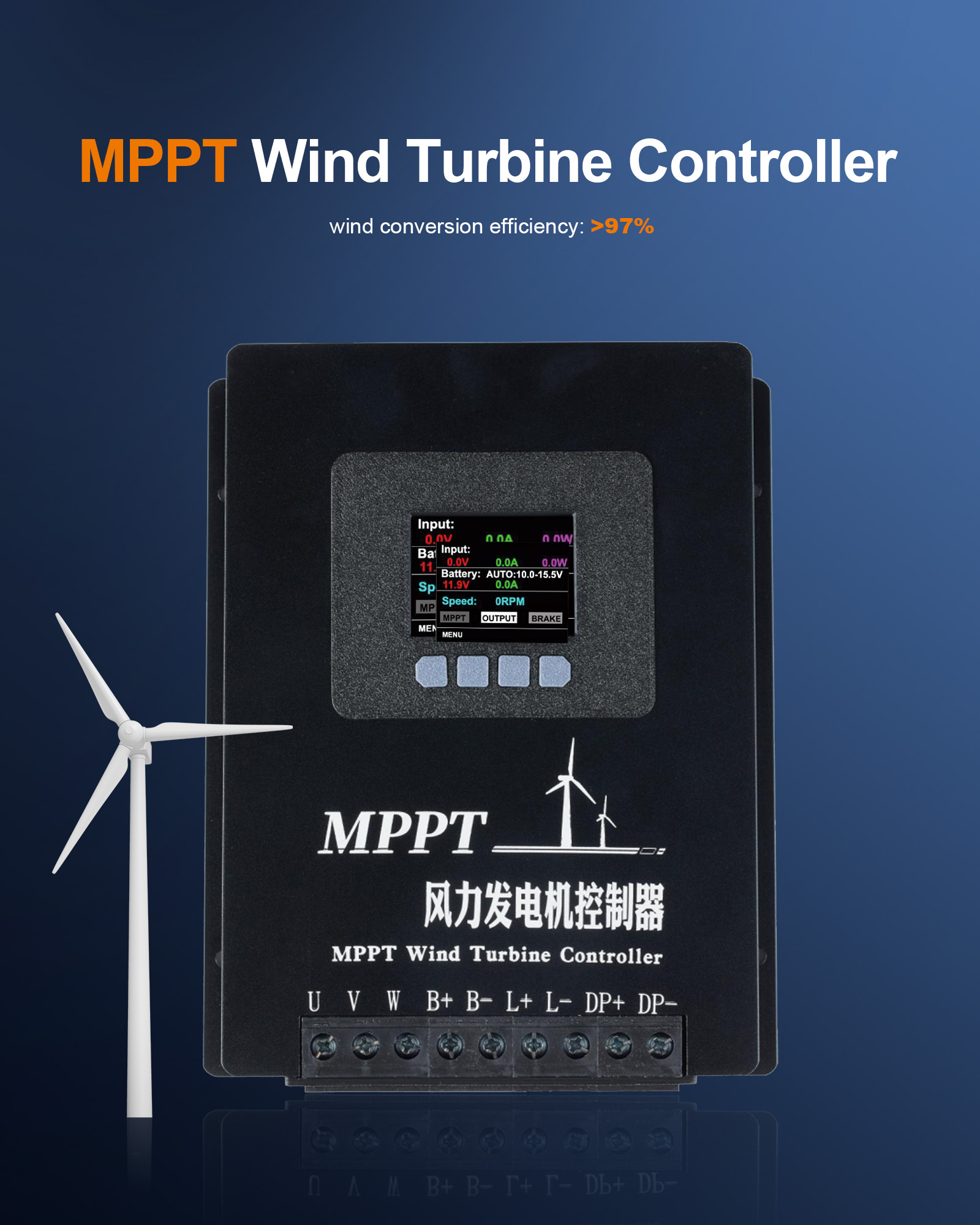
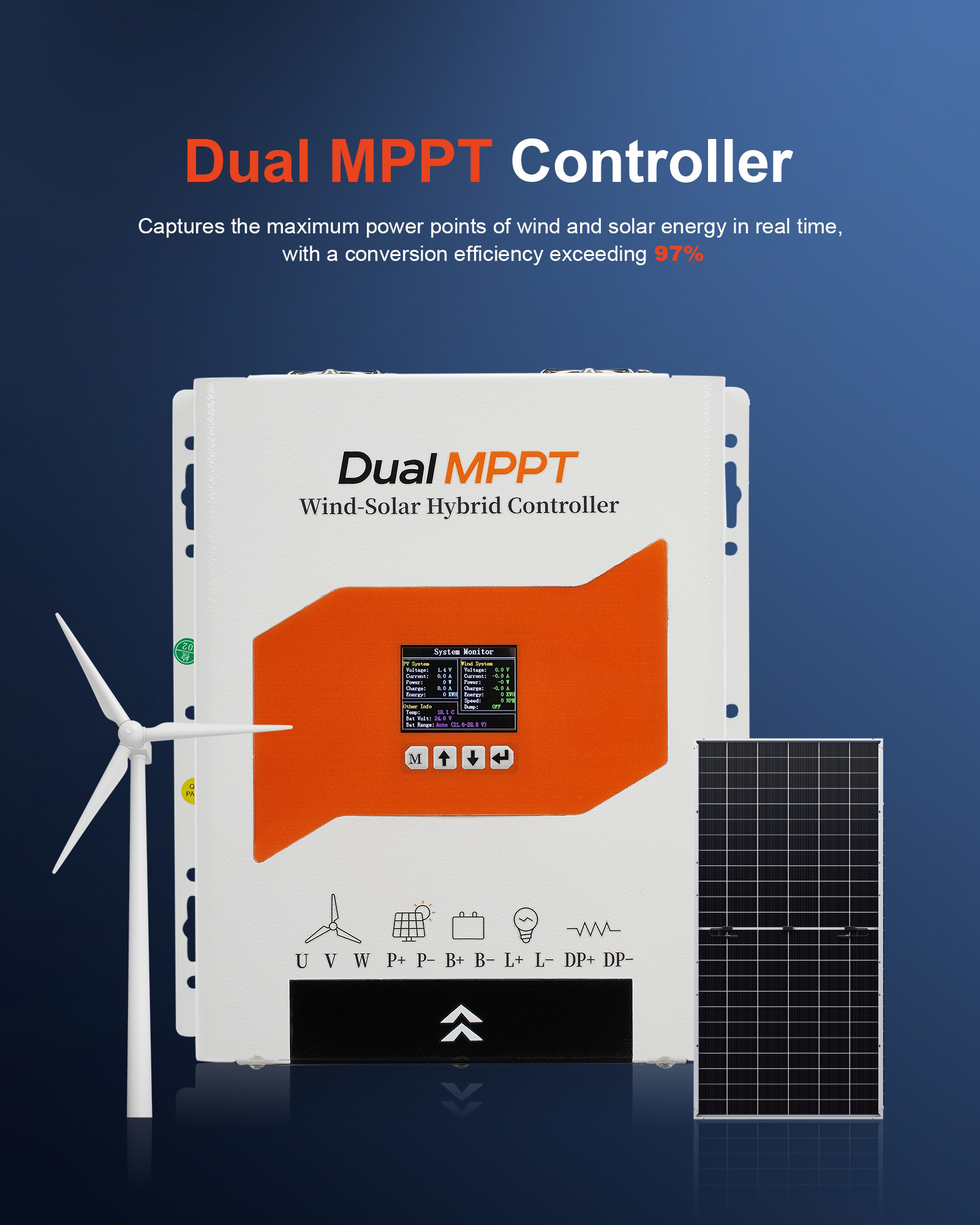
Additionally, the commercial landscape is witnessing a convergence of solar and wind inputs. Hybrid residential installations—where wind turbines supplement solar panels during night-time hours or winter months—are becoming standard. This has necessitated the development of dual-input controllers, such as the Dual MPPT Wind-Solar Hybrid Controller, which manage both wind and solar inputs dynamically to maintain a stable 36V battery bank.
A standard charge controller can easily track the maximum power point on a clear, sunny day. However, residential roofs are rarely free from obstructions. Overhanging trees, chimneys, and passing clouds create partial shading conditions. When a solar array is partially shaded, its power-voltage (P-V) curve exhibits multiple peaks (local maxima) instead of a single peak.
Advanced 36V MPPT controllers utilize multi-peak scanning algorithms to sweep the entire voltage range in milliseconds. This prevents the controller from getting "stuck" on a lower local maximum power point, ensuring that the system always operates at the absolute highest peak (global maximum). This dynamic tracking capability is critical for residential homes located in wooded or suburban environments where shading is dynamic and unpredictable.
As we look towards the next decade of residential energy storage, several key trends are emerging in the design and deployment of MPPT solar charge controllers:
Modern MPPT charge controllers are no longer passive devices. By integrating AI-driven firmware, these controllers can analyze historical energy production data, battery state-of-health (SOH), and even connect to local weather APIs via Wi-Fi. If the controller predicts a sequence of cloudy days, it can adjust charging profiles dynamically to prioritize battery preservation, preventing deep discharge cycles that shorten battery life.
Heat is the enemy of power electronics. The latest generation of 36V solar charge controllers features fanless, natural convection cooling designs. Using heavy-duty aluminum heat sinks and thermal interface materials, these devices dissipate heat efficiently without relying on mechanical fans, which are prone to failure in dusty, off-grid environments.
The residential energy storage market is shifting rapidly from lead-acid to lithium-ion chemistries, specifically Lithium Iron Phosphate (LiFePO4). A high-quality 36V MPPT controller must feature fully programmable charging parameters (bulk, absorption, float, and equalization voltages) to match the exact requirements of different battery management systems (BMS).
With excellent product quality, continuous R&D innovation capabilities and a complete full-cycle service system, the company has deeply explored the domestic and foreign new energy markets and established a global sales and service network. Its products are exported to dozens of countries and regions such as Europe, North America, South America, Southeast Asia, and Russia. With stable and reliable product performance and professional and efficient service capabilities, the company has gained high recognition and long-term trust from global customers, and has become a highly competitive Chinese local brand in the new energy field. In the future, the company will continue to deepen the innovation of new energy technologies, continuously optimize the product matrix and service system, help the global energy transformation and the realization of dual-carbon goals, and contribute core strength to the construction of a clean, low-carbon, safe and efficient modern energy system.