Leave Your Message
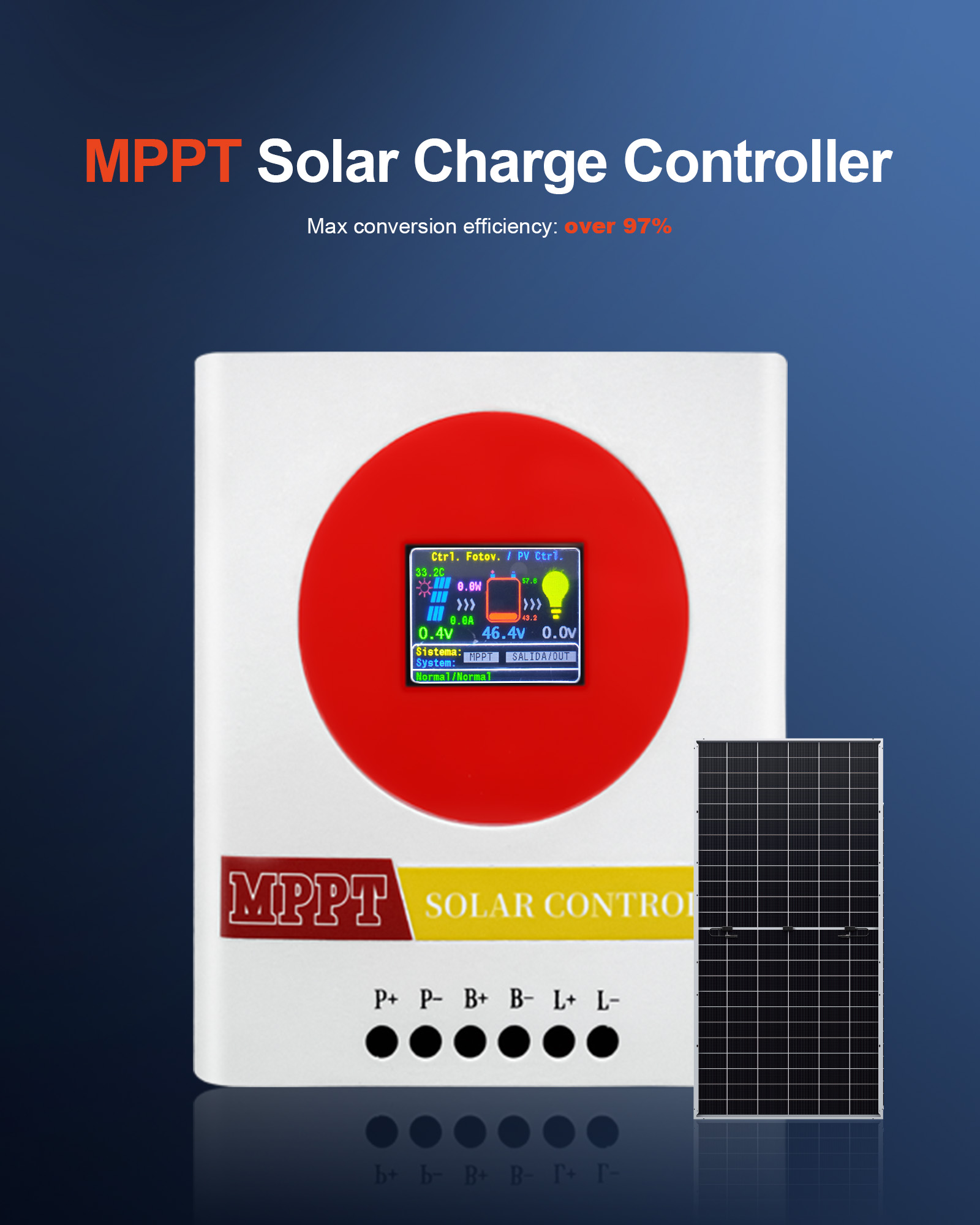
The transition toward clean energy in the United States is accelerating at an unprecedented pace. Across federal, state, and local levels, regulatory frameworks and financial incentives like the Inflation Reduction Act (IRA) are pushing industries to modernize their energy infrastructures. Within this clean energy revolution, off-grid power systems have carved out a critical niche. In particular, the demand for MPPT Solar Charge Controllers (36v) has witnessed a massive surge from US commercial and industrial operators.
While 12V and 24V configurations are common in basic recreational systems, and 48V setups dominate large-scale residential battery banks, the 36V solar architecture occupies a vital and strategic position in specialized commercial markets. It is the standard operating voltage for heavy-duty golf cart fleets, marine propulsion, remote telecommunications hubs, agricultural water pumping stations, and localized industrial automation systems. By utilizing an advanced Maximum Power Point Tracking (MPPT) system, operators can maximize their energy yield, even in regions with challenging weather profiles, such as the Pacific Northwest or the Northeast corridor.
Converts high-voltage PV input down to a stable 36V battery bank charge with up to 99% tracking efficiency, minimizing power loss over long wire runs.
Engineered to withstand extreme temperature fluctuations across US climates, from hot Arizona deserts to freezing Alaskan oil fields.
Equipped with advanced communication interfaces (RS485/CAN/Modbus) for seamless remote monitoring and smart grid integration.
As a leading supplier and manufacturer, we recognize the stringent requirements of the US market. American buyers demand components that offer not only high efficiency but also long-term reliability, comprehensive safety certifications, and seamless compatibility with modern lithium-iron phosphate (LiFePO4) battery chemistries. Our product lineup is built to meet these exact specifications, providing robust performance under varying environmental loads.
The off-grid solar industry in North America is shifting rapidly from simple power generation to intelligent energy management. Modern MPPT controllers are no longer just static voltage regulators; they act as the brain of the off-grid power station. Here are the key trends driving the market today:
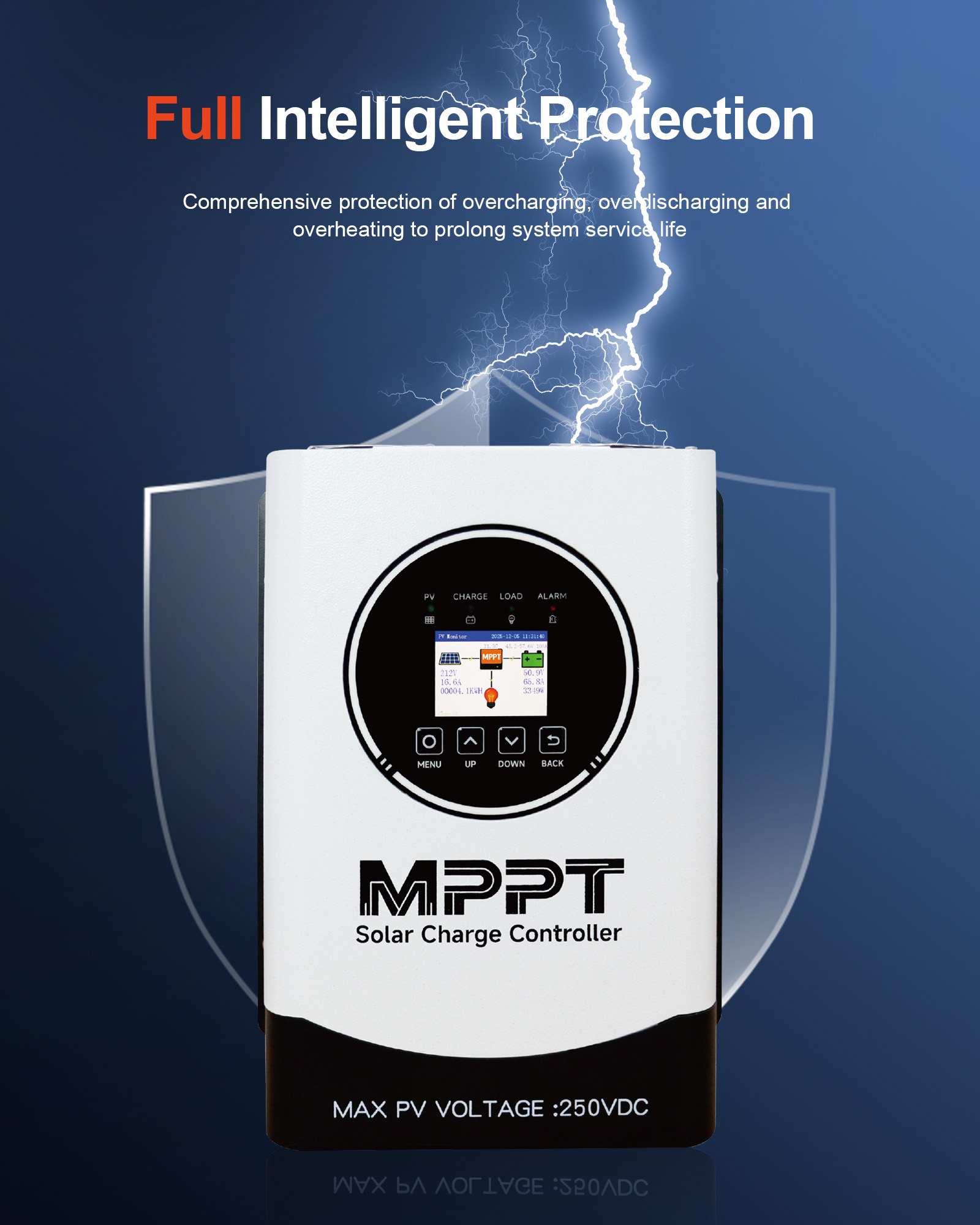
For decades, lead-acid batteries were the standard for industrial backup. Today, US businesses are rapidly adopting LiFePO4 batteries due to their higher energy density, longer cycle life, and lower total cost of ownership. Our 36V MPPT charge controllers feature customizable charging profiles specifically designed to optimize lithium battery lifespans, preventing overcharging and managing low-temperature charging protection, which is critical for northern US states.
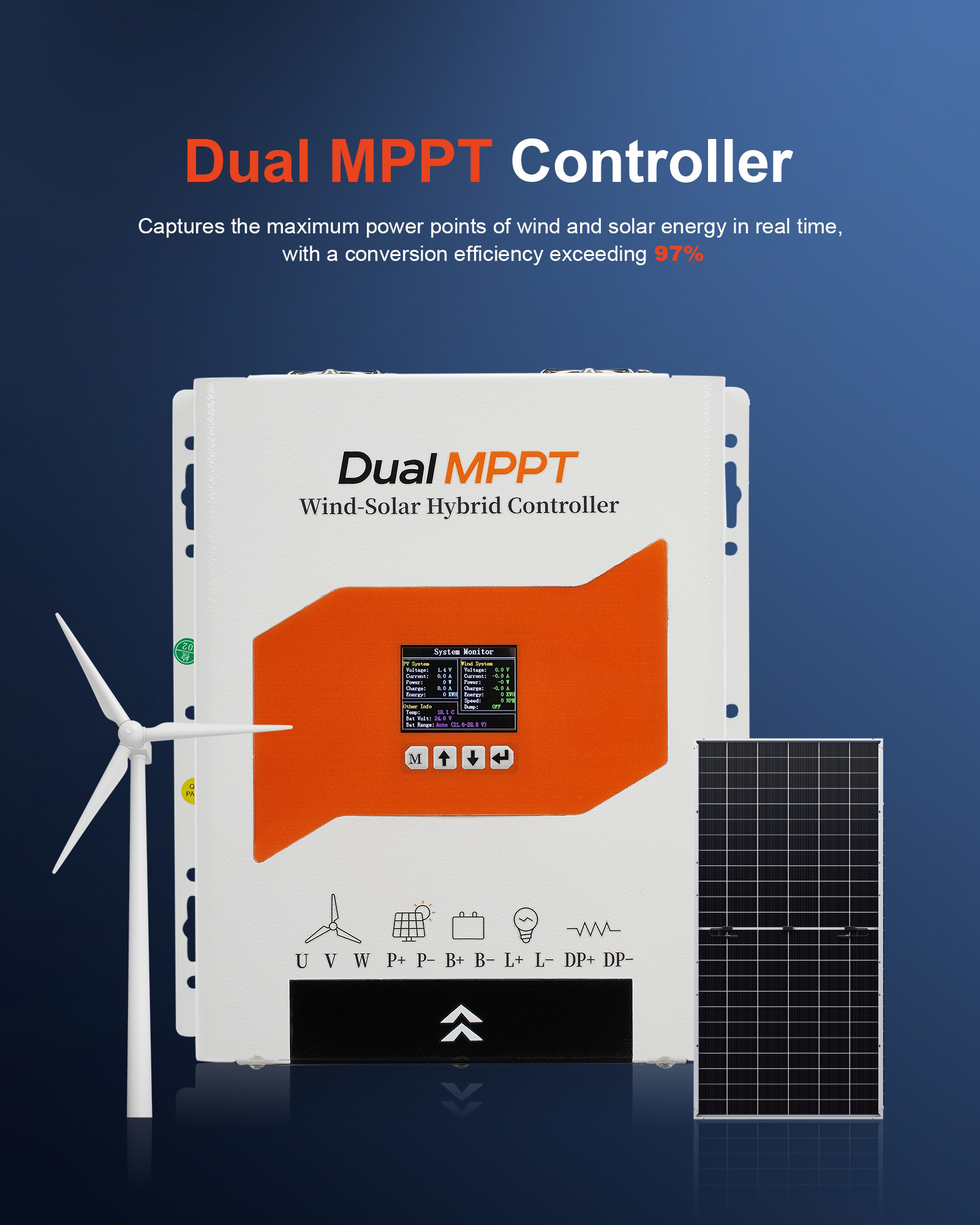
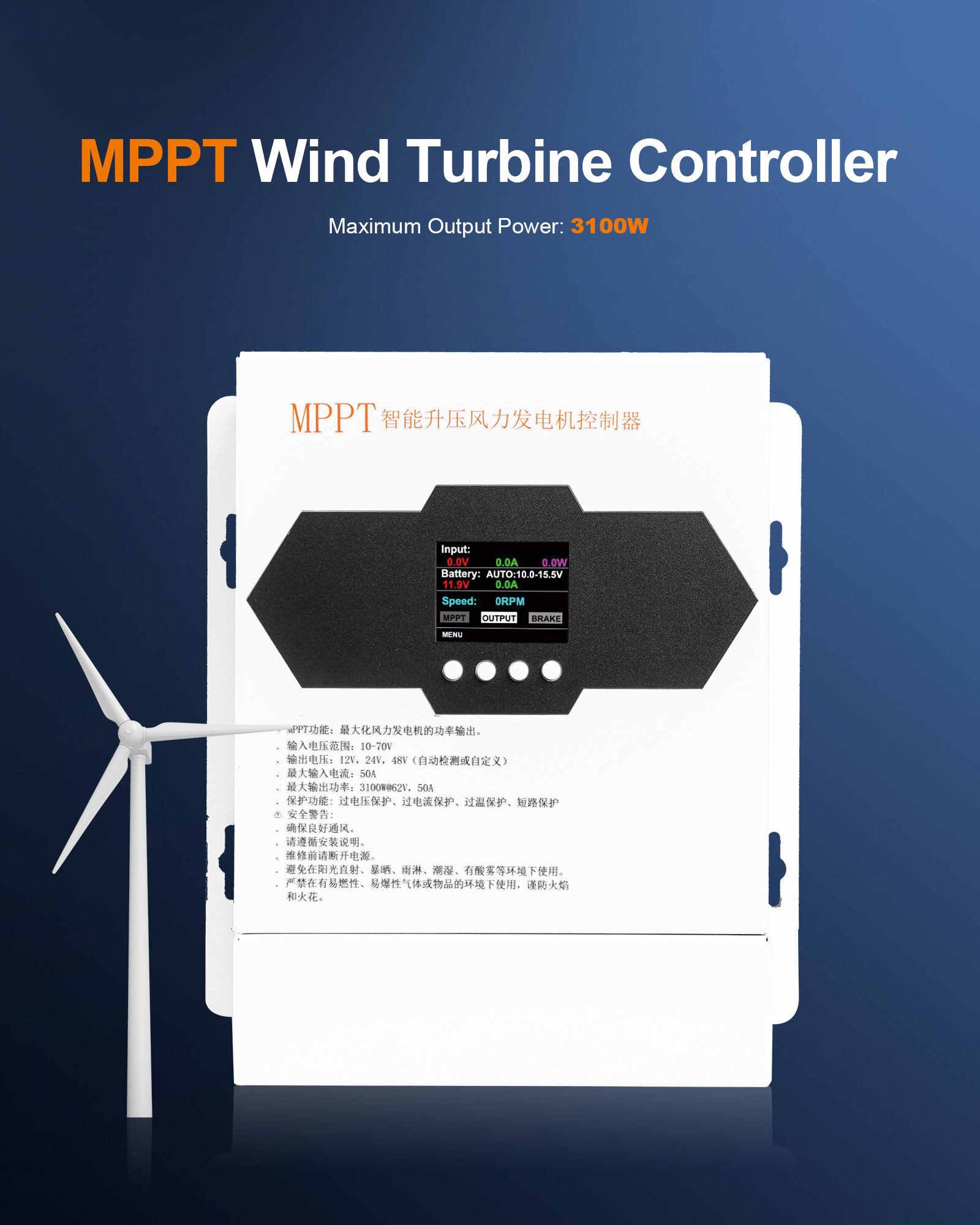
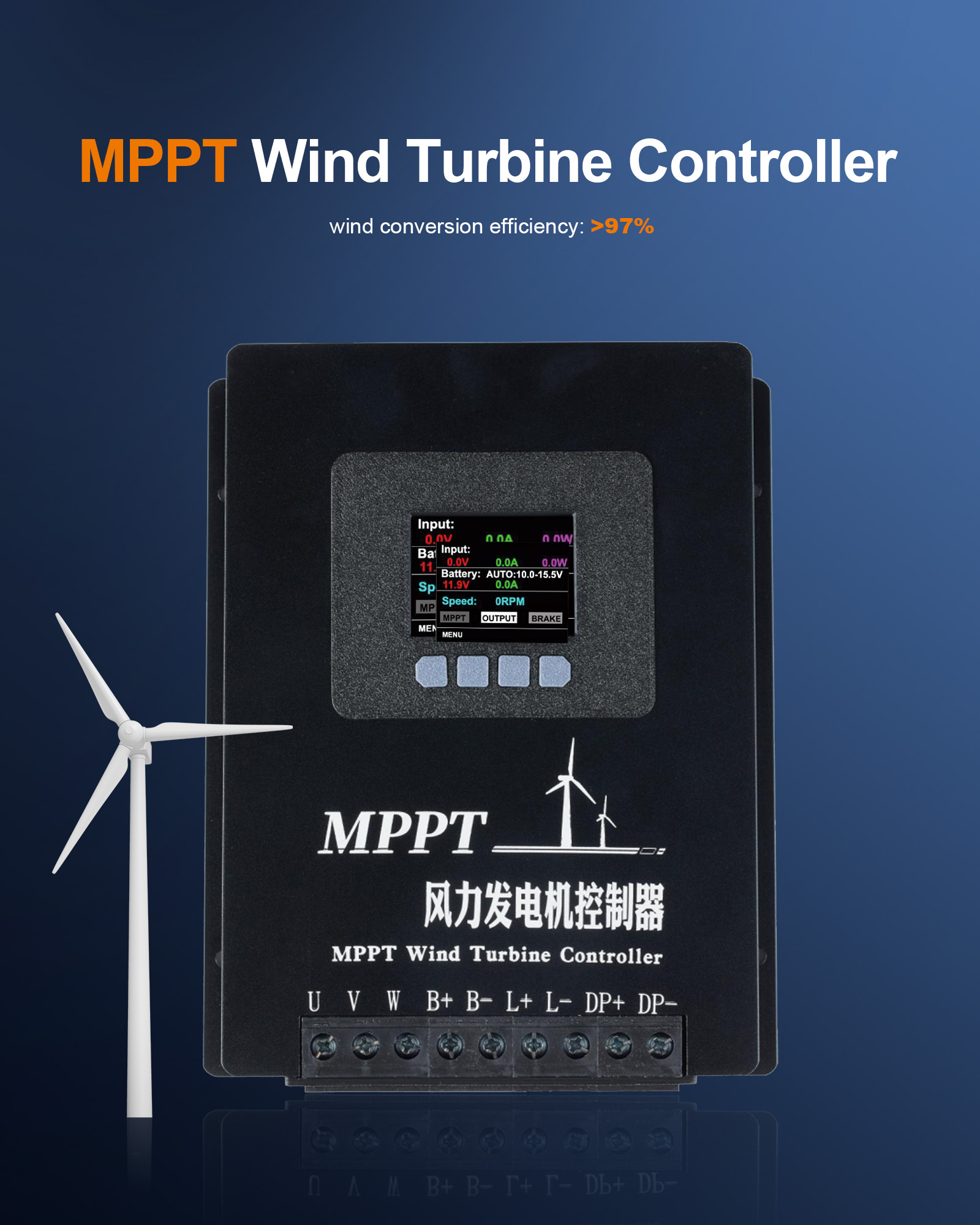
In many parts of the United States, solar energy alone is insufficient during winter months or prolonged storms. Hybrid systems that combine wind turbines and solar arrays provide a more stable, year-round power profile. Our dual MPPT wind-solar hybrid controllers allow commercial operators to harvest energy from both sources simultaneously, managing the complex rectification of wind energy alongside the precise tracking of solar energy in a single, streamlined unit.
Remote oil and gas pipelines in the Permian Basin, meteorological stations in the Rocky Mountains, and agricultural sensors in California's Central Valley require continuous operation without manual intervention. The integration of IoT capabilities allows fleet operators to monitor battery state of charge (SoC), load status, and generation metrics via cloud-based dashboards, reducing maintenance truck rolls and operational costs.
The company's core R&D strength is composed of a scientific research team led by senior doctors in the industry. It has long-term focus on the cutting-edge exploration and innovative application of new energy technologies, continues to increase investment in core R&D, and has formed deep technological accumulation and independent innovation capabilities in core areas such as efficient conversion of electric energy, intelligent system integration, and coordinated control of integrated wind, solar, and storage.
Relying on industry-leading automated production lines and high-precision full-dimensional testing equipment, the company has independently developed a number of intelligent new energy products with completely independent intellectual property rights, fully covering three major application scenarios: off-grid, grid-connected, and mixed grid.
The product matrix includes core categories such as high-frequency/power frequency inverters, wind power controllers, photovoltaic controllers, wind-solar hybrid controllers, wind-solar storage-control-inverse integrated power generation systems, etc., which can be flexibly adapted to diversified power needs such as household use, industrial and commercial distributed, and off-grid independent power stations.





To understand the value of a 36V MPPT controller, it is essential to look at how different industries across the United States deploy these systems to solve real-world energy challenges:
In the vast agricultural valleys of California, Arizona, and the Midwest, grid access is often non-existent or prohibitively expensive to install. Farmers utilize 36V battery-powered automated irrigation systems, soil sensors, and livestock watering pumps. An MPPT charge controller ensures that even during hazy or overcast days, the solar panels operate at their maximum power point, keeping the pumps running and protecting valuable crops.
Telecom towers, radio repeaters, and border security cameras deployed across rugged terrains in states like Colorado, Montana, and Nevada require highly reliable, maintenance-free power. A 36V battery bank offers the perfect balance of voltage drop mitigation over cabling while maintaining safety and simplicity. Our industrial-grade MPPT controllers prevent battery degradation and handle high PV input voltages, allowing for longer series strings of solar panels to reduce wiring costs.
The marine industry along the East Coast and Gulf regions utilizes 36V trolling motors and house battery banks. Traditional PWM controllers waste up to 30% of the solar panel's potential energy. By upgrading to an MPPT solar charge controller, boat owners and commercial charter operators can significantly reduce the physical footprint of the solar panels required on deck while achieving faster recharge times under varying sun angles.
The company always adheres to the core business philosophy of "quality first, independent research and development", and regards product quality and technological innovation as the core driving force for corporate development. At present, it has obtained a number of international authoritative product certifications and ISO quality management system certifications, and has established a full-chain quality management system from raw material inspection, full-process control of the production process to multi-dimensional inspection of finished products. Product quality is strictly controlled throughout the entire process, and core product performance indicators are comprehensively better than industry standards, providing a solid guarantee for the long-term stable operation and reliable service life of the product.

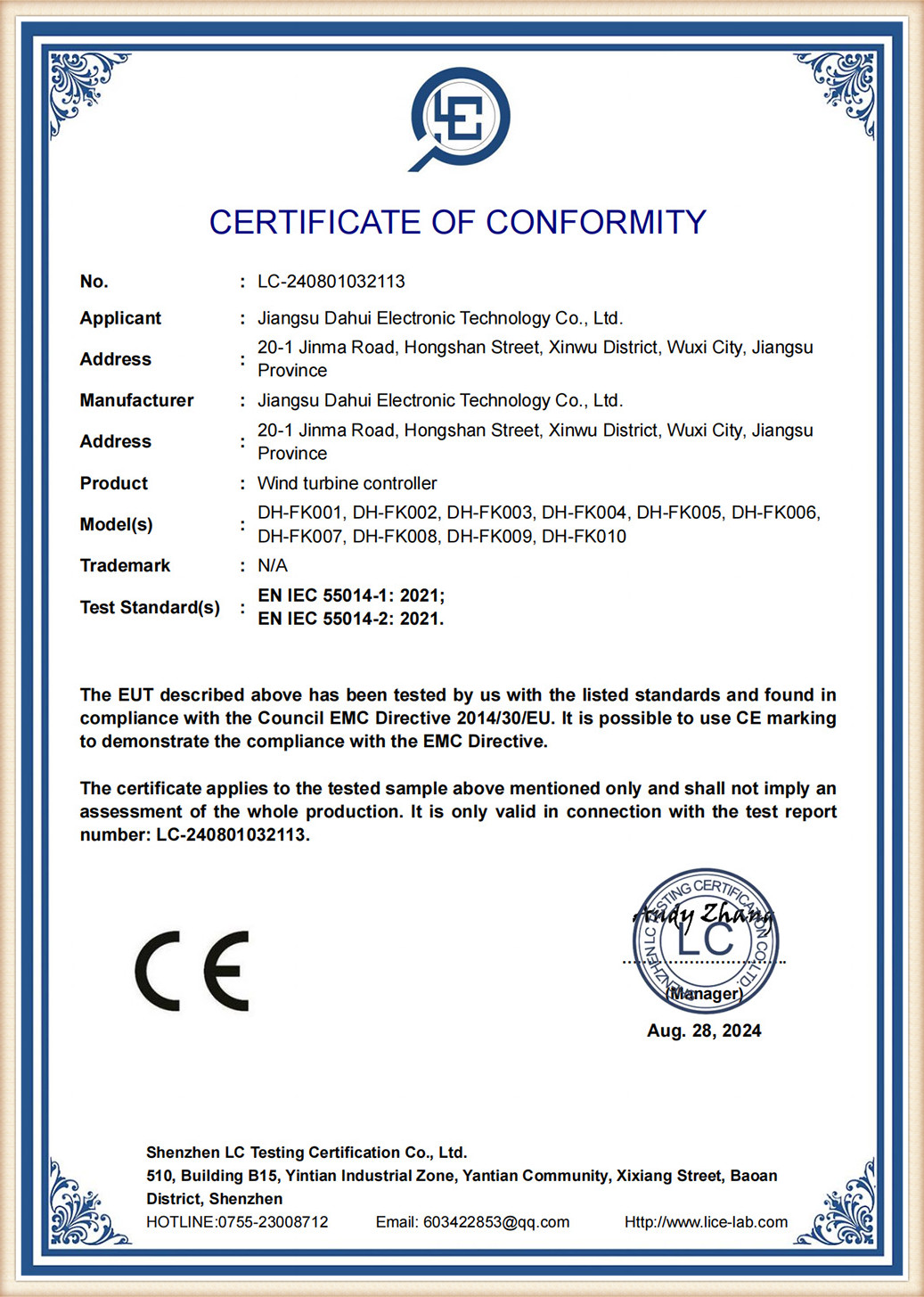
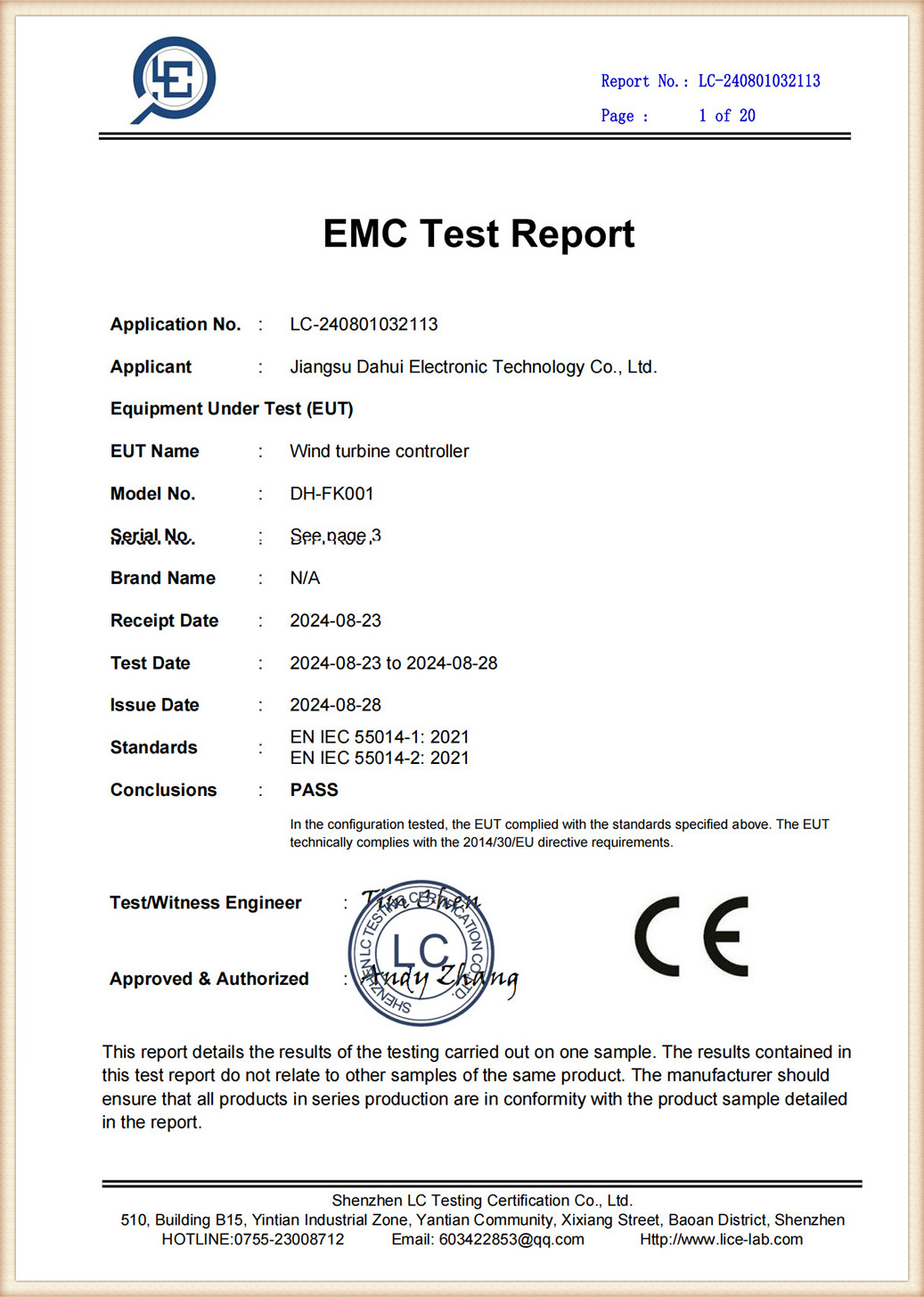
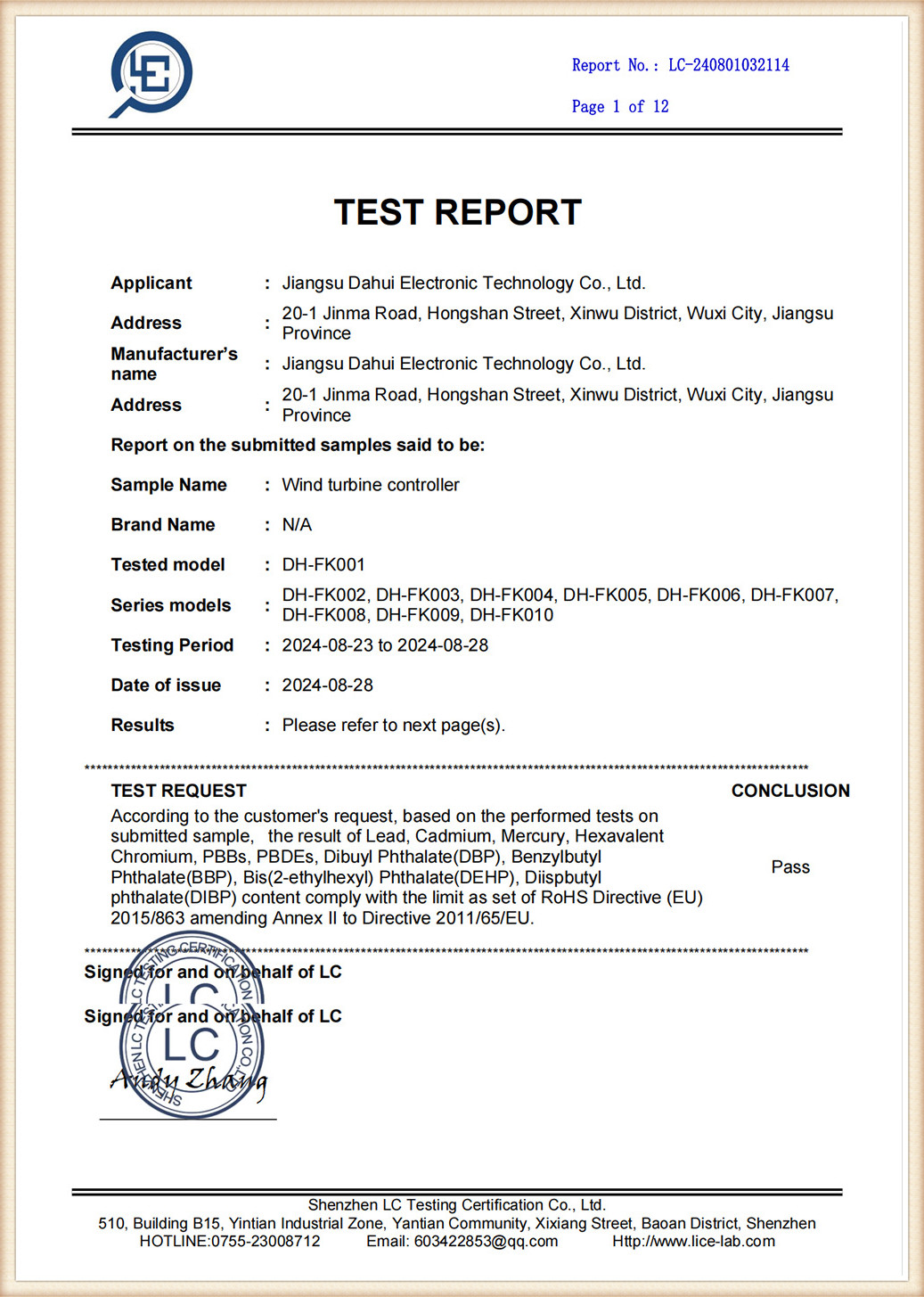


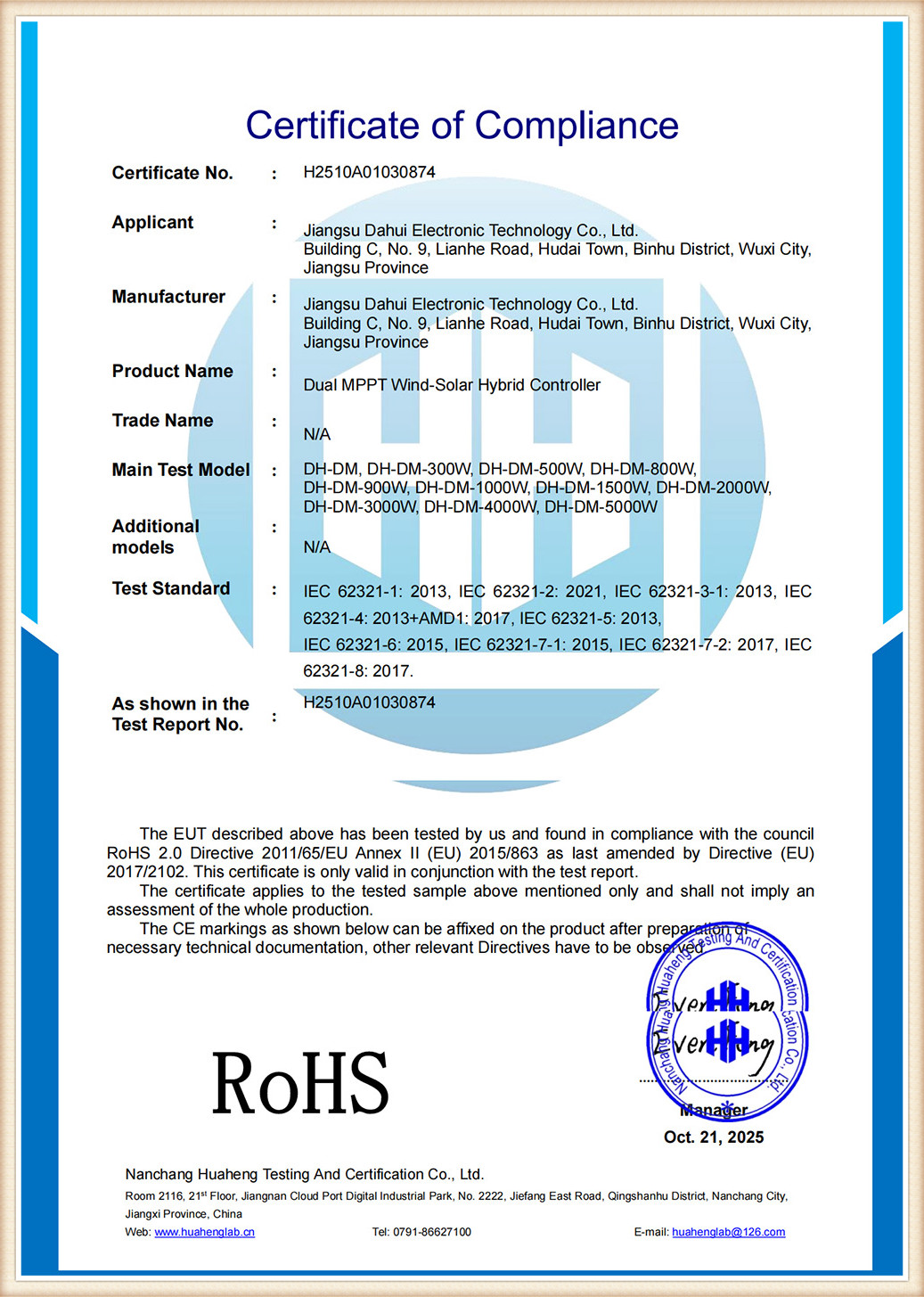

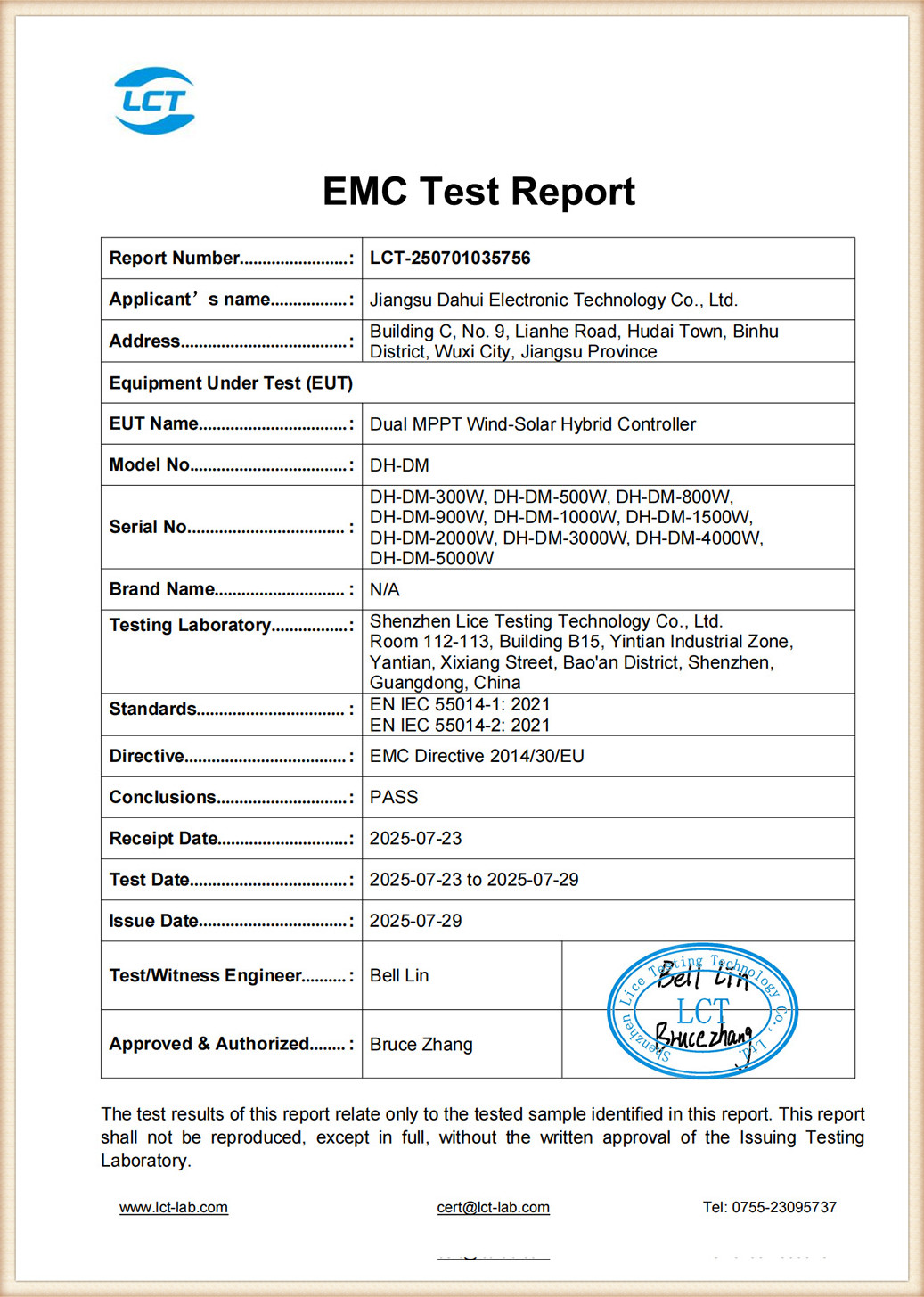
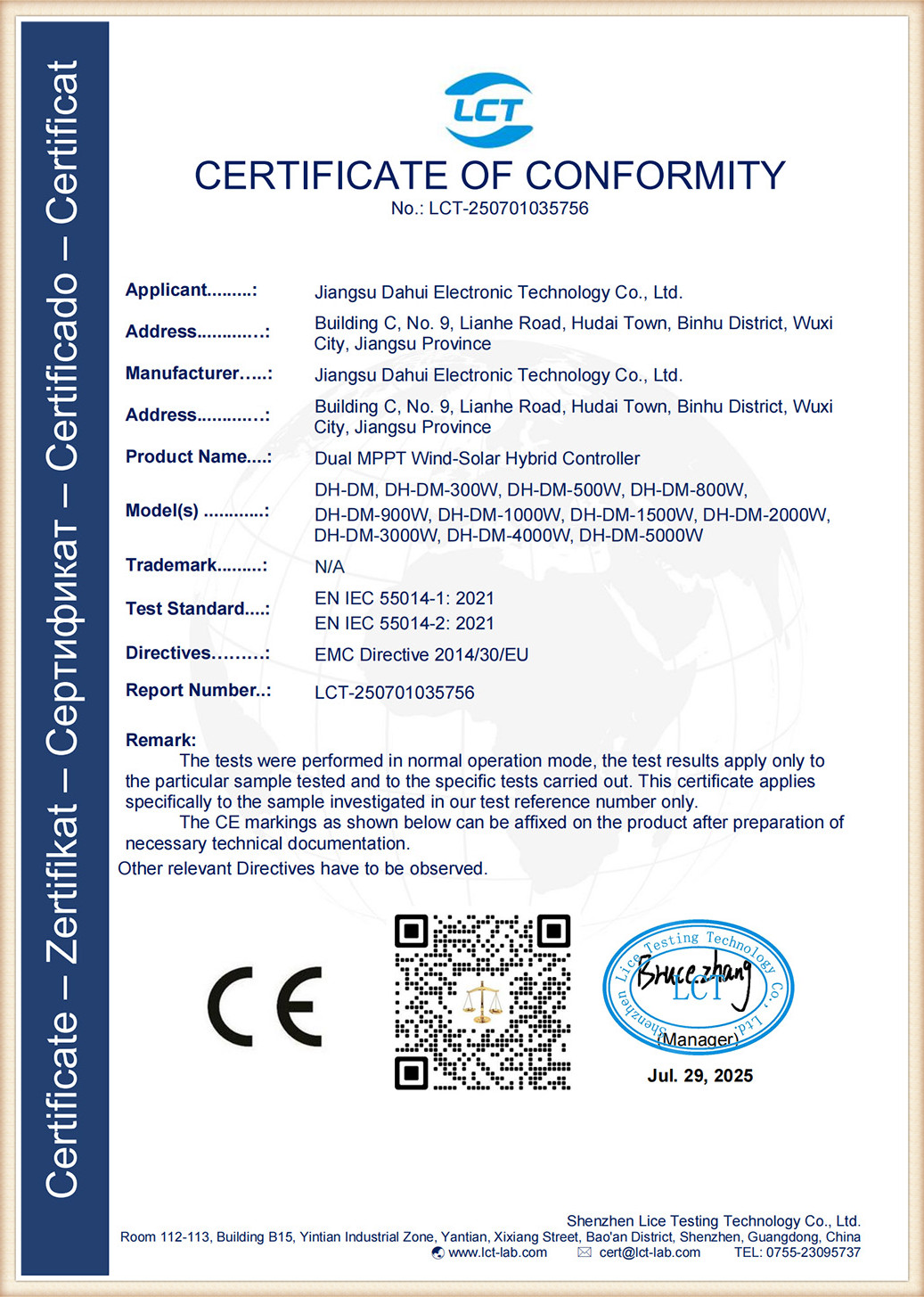
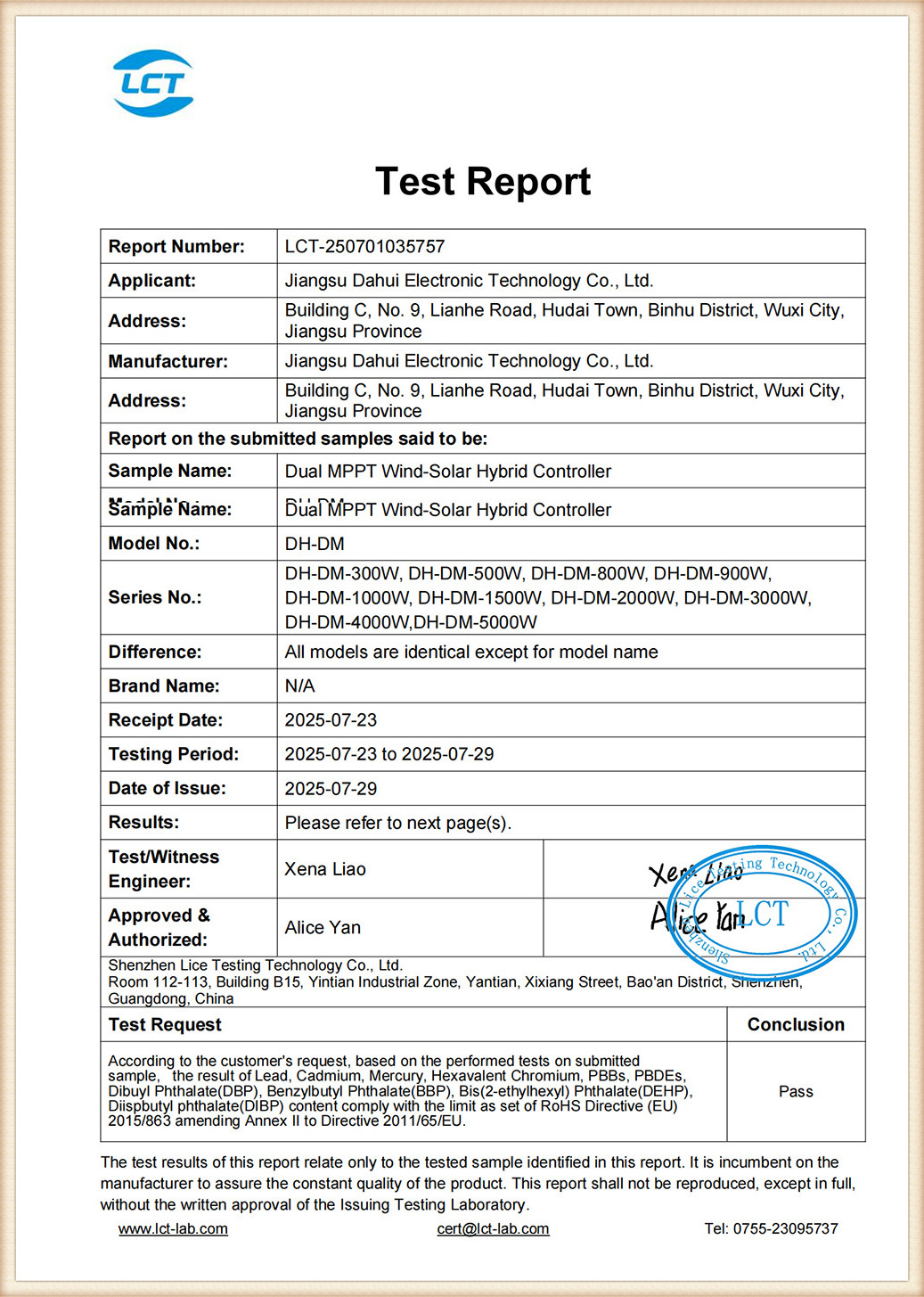
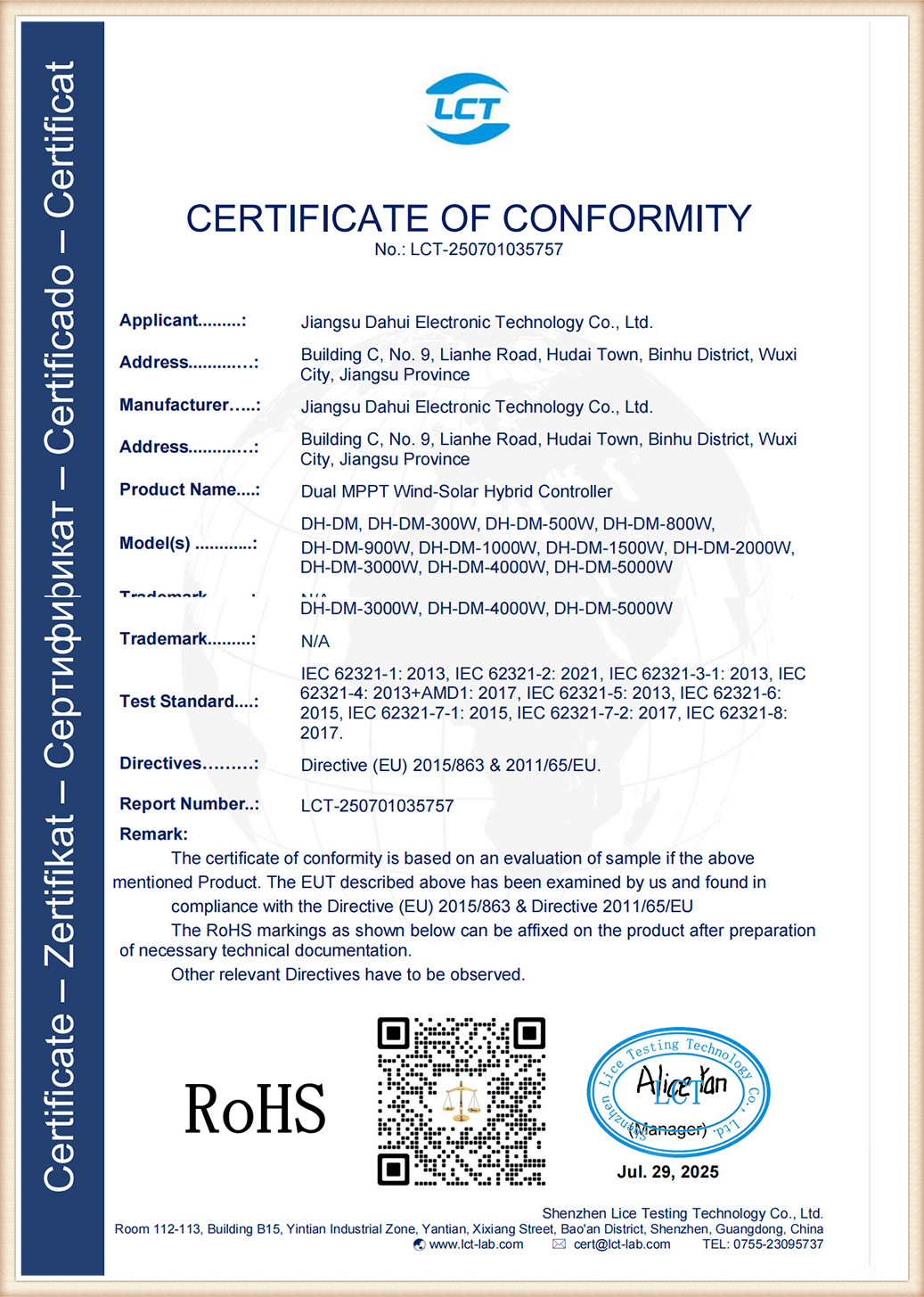

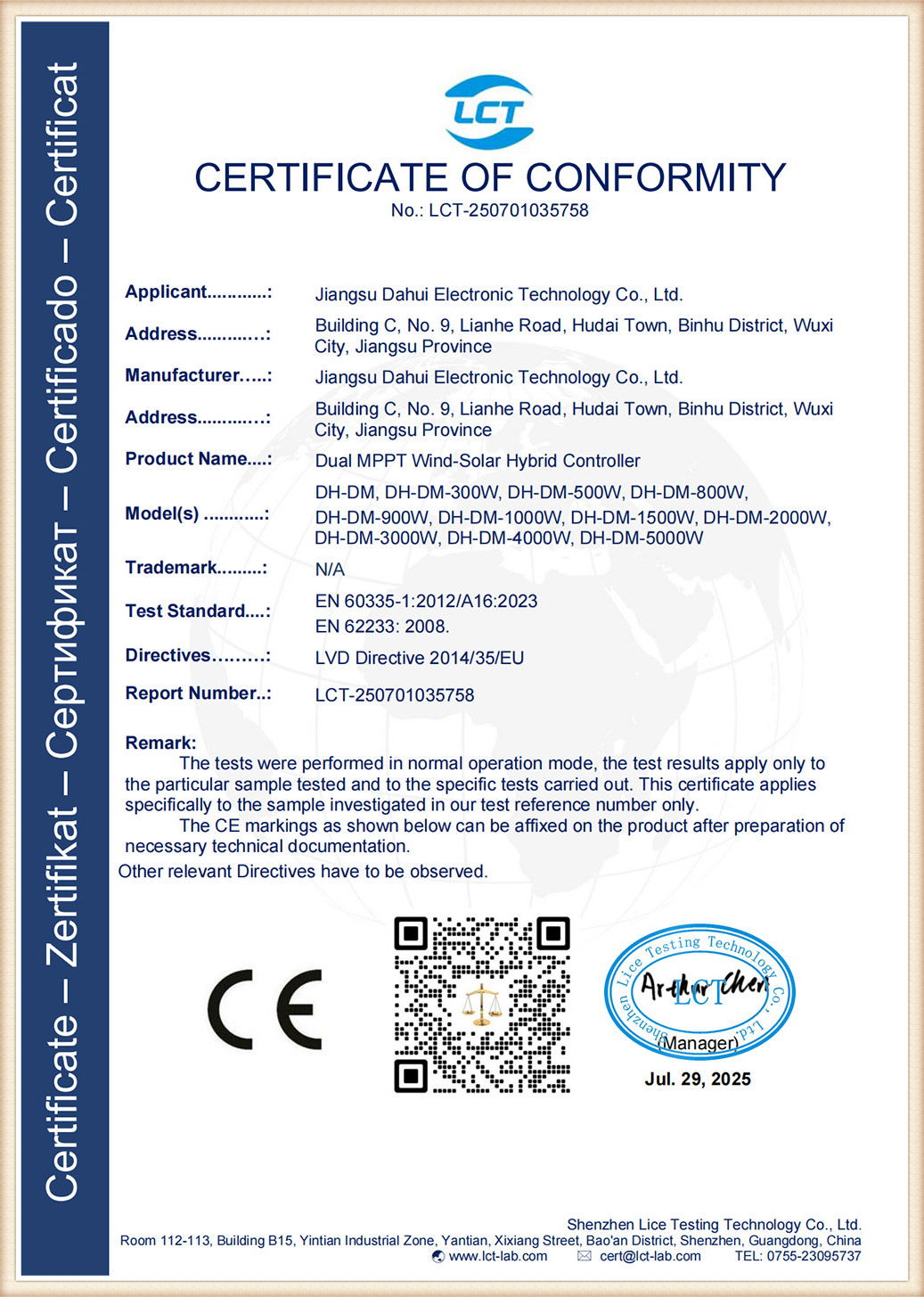
When sourcing 36V MPPT charge controllers for commercial projects in the US, engineers and procurement officers must evaluate several critical parameters to ensure system longevity and compliance:
One of the main advantages of MPPT over PWM is the ability to handle high input voltages. A high maximum Voc (such as 150V or 200V) allows panels to be wired in series. This reduces the current flowing through the PV wires, allowing for thinner, less expensive wiring and reducing installation labor costs. It also ensures the system starts charging earlier in the morning and continues later into the evening.
In regions like the Southwest (Texas, New Mexico, Arizona), summer temperatures inside electrical enclosures can easily exceed 120°F (50°C). High-quality manufacturers design their controllers with heavy-duty aluminum heat sinks or smart thermal management systems that prevent premature derating, ensuring the controller delivers its full rated output even under extreme ambient heat.
Modern commercial microgrids require remote telemetry. A controller must support integration with external RTUs (Remote Terminal Units) or PLCs (Programmable Logic Controllers) via Modbus RTU protocols over RS485 or CAN bus. This allows operators to integrate solar charging data directly into their existing SCADA (Supervisory Control and Data Acquisition) systems.