Leave Your Message
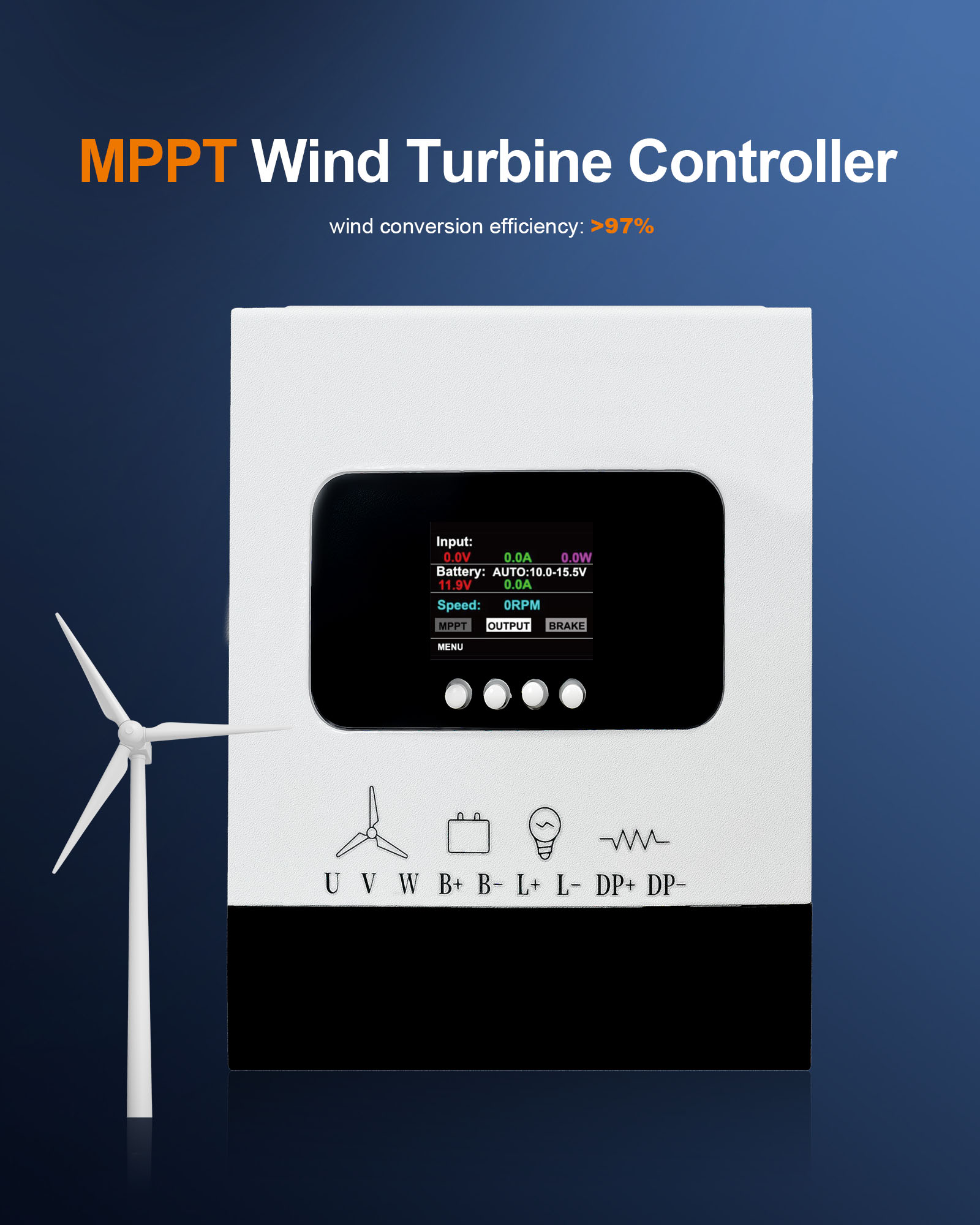
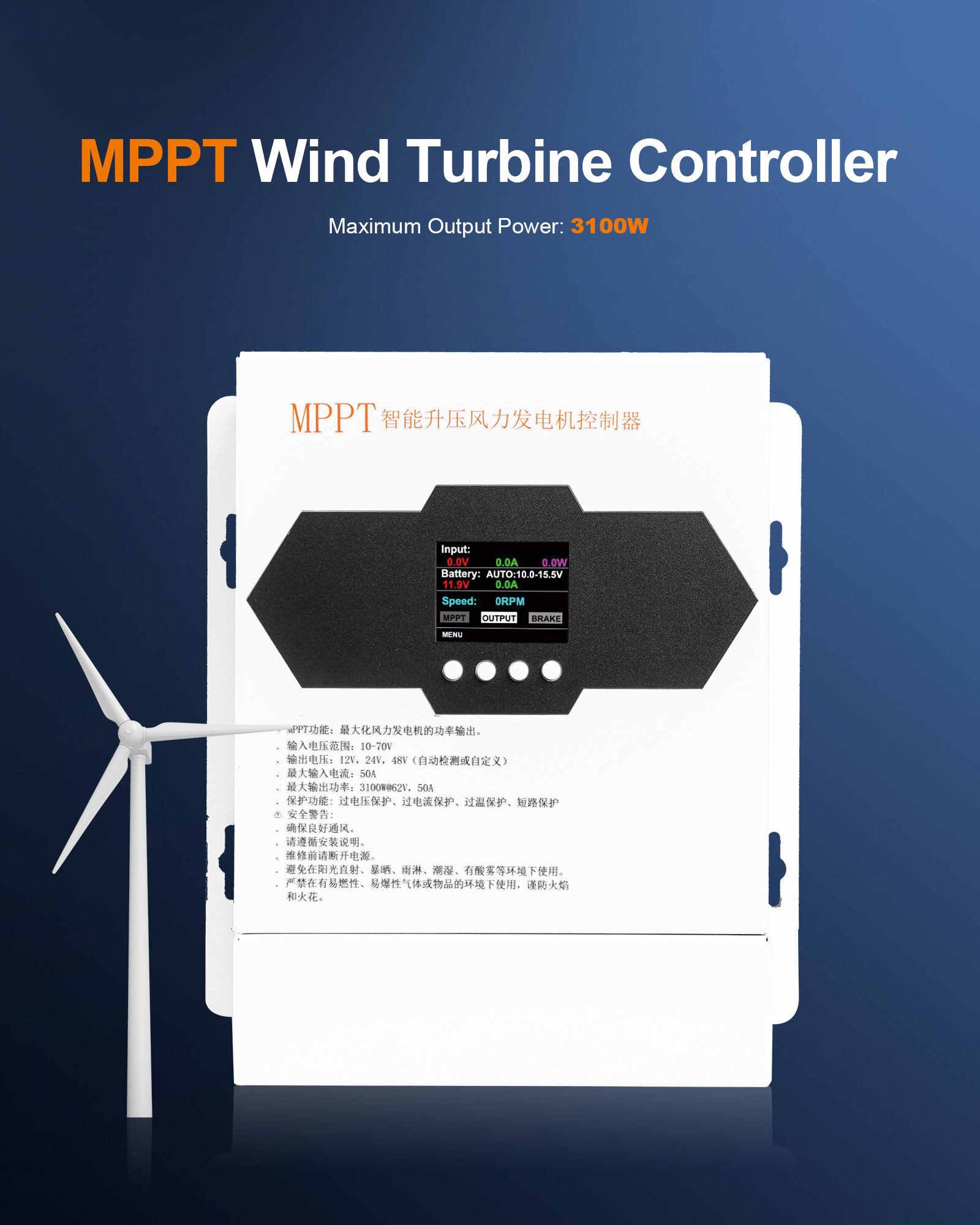
Engineered to maximize energy yield in challenging wind conditions. These solutions feature dynamic tracking algorithms, advanced safety braking, and robust components designed for the American grid and off-grid specifications.

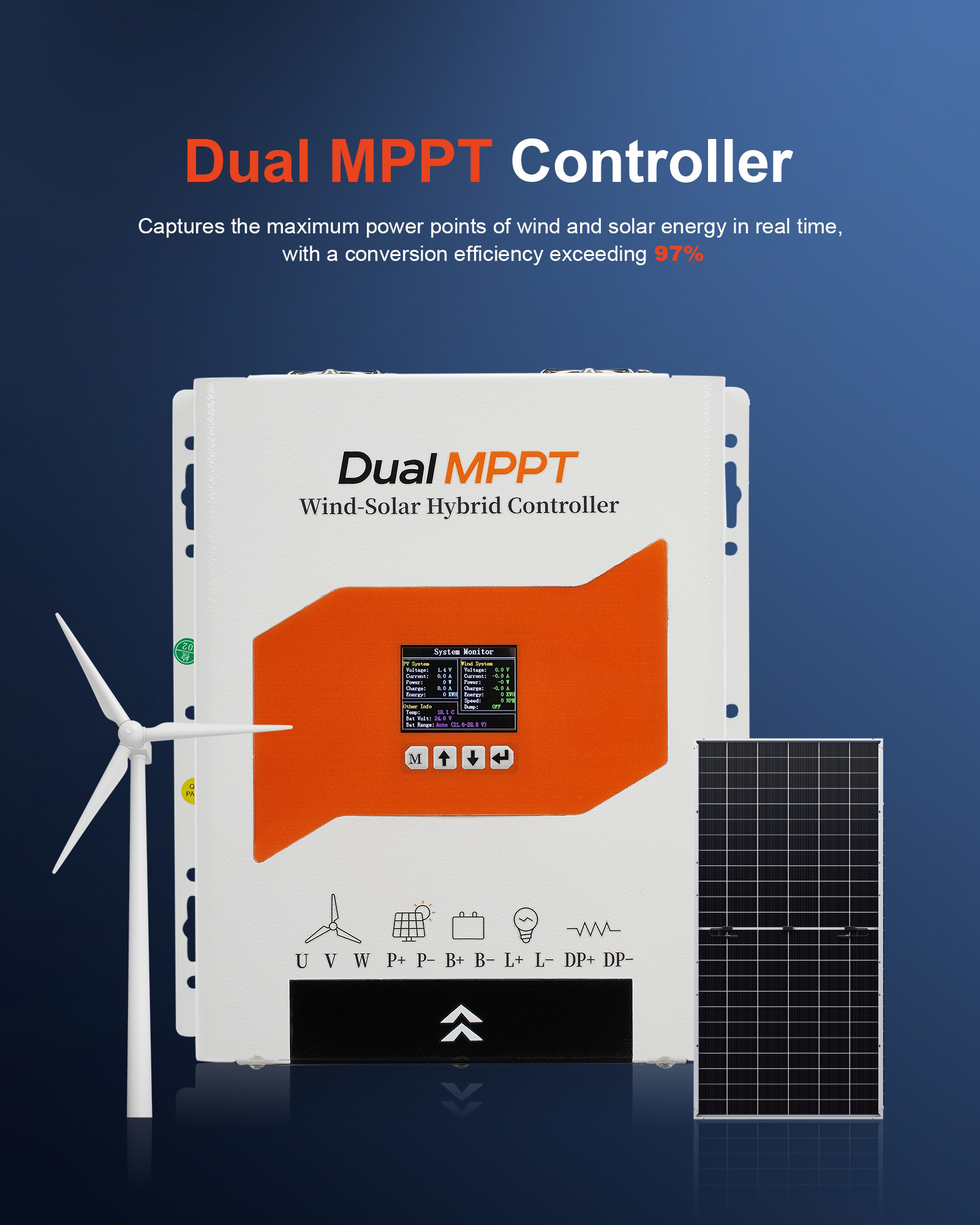
The United States is undergoing a rapid transition toward decentralized energy systems. Driven by federal incentives like the Inflation Reduction Act (IRA) and the USDA's Rural Energy for America Program (REAP), businesses, farms, and remote communities are looking beyond utility-scale installations. Distributed wind power—installations close to where the energy is consumed—is playing a vital role in securing grid resilience and lowering operating costs.
Unlike utility-scale turbines, small and medium wind systems (typically 1kW to 50kW) must operate efficiently in highly variable, turbulent wind conditions. This variability makes standard controllers highly inefficient. High-performance Maximum Power Point Tracking (MPPT) wind turbine controllers have emerged as the industry standard, resolving performance issues by constantly adapting to wind speed fluctuations and ensuring optimal power generation.
From the gusty plains of Texas and Iowa to the turbulent coastal winds of Maine and the Pacific Northwest, wind profiles across North America vary drastically. Traditional Pulse Width Modulation (PWM) controllers clamp the turbine's operating voltage directly to the battery bank, wasting up to 40% of the potential energy during light breezes or high-velocity gusts.
Advanced MPPT controllers decouple the turbine voltage from the battery voltage. By continuously calculating the optimal Tip Speed Ratio (TSR) of the turbine blades, the MPPT algorithm adjusts the system's electrical load in milliseconds. This ensures that the wind turbine operates at peak aerodynamic efficiency, extracting maximum current even at low wind speeds. For commercial and agricultural installations in the US, this translates directly to a faster return on investment (ROI) and more stable off-grid power security.
Our MPPT wind controllers are engineered to meet the unique challenges of diverse commercial, industrial, and municipal projects across the United States.
Farms in the Midwest and Great Plains utilize 3KW wind systems combined with solar arrays to power irrigation systems, remote barns, and automated livestock feeding equipment, reducing reliance on expensive diesel generators.
Remote cellular and emergency communication towers located in mountainous or rural regions of Montana, Colorado, and Alaska require highly reliable, maintenance-free power systems that perform through harsh winters.
Off-grid homeowners in the Pacific Northwest and New England use hybrid wind-solar MPPT controllers to balance seasonal energy production, relying on wind power during dark, overcast winter months.
US electrical contractors, engineers, and system designers operate under strict safety standards. When importing or specifying wind turbine controllers, compliance with local regulations is critical to passing inspections and securing project insurance. Our manufacturing processes prioritize these standards to ensure seamless integration into North American power systems.
Extreme weather events, including tornadoes in the Midwest and hurricanes along the East Coast, present severe mechanical risks to wind turbines. Our MPPT controllers incorporate multi-stage protection: automatic electromagnetic braking and diversion load (dump load) management. When wind speeds exceed safe operational thresholds, the controller dynamically applies a load to slow down the turbine, preventing mechanical failure and protecting the battery bank from voltage spikes.
The US battery market has shifted rapidly toward Lithium Iron Phosphate (LiFePO4) systems alongside traditional Sealed Lead-Acid (SLA) and AGM batteries. Our controllers feature programmable charging profiles, allowing installers to fine-tune absorption, float, and equalization voltages to match the specific requirements of premium battery brands popular in the US, such as Discover, Battle Born, and SimpliPhi.
Modern commercial microgrids demand real-time data visibility. Our controllers support RS485, CAN bus, and Modbus communication protocols, allowing operators to integrate system telemetry into building management systems (BMS) or remote cloud-monitoring platforms. This enables off-site maintenance teams to track energy generation, battery state-of-charge (SoC), and system alerts from anywhere in the country.
Serving global energy transitions with certified, reliable manufacturing capabilities and distribution networks.
With excellent product quality, continuous R&D innovation capabilities and a complete full-cycle service system, the company has deeply explored the domestic and foreign new energy markets and established a global sales and service network. Its products are exported to dozens of countries and regions such as Europe, North America, South America, Southeast Asia, and Russia. With stable and reliable product performance and professional and efficient service capabilities, the company has gained high recognition and long-term trust from global customers, and has become a highly competitive Chinese local brand in the new energy field. In the future, the company will continue to deepen the innovation of new energy technologies, continuously optimize the product matrix and service system, help the global energy transformation and the realization of dual-carbon goals, and contribute core strength to the construction of a clean, low-carbon, safe and efficient modern energy system.

Explore our full line of solar, wind, and hybrid controllers designed to meet the rigorous demands of US residential, agricultural, and industrial installations.