Leave Your Message
Engineered for maximum power point tracking efficiency, durability, and seamless integration with modern lithium battery banks.
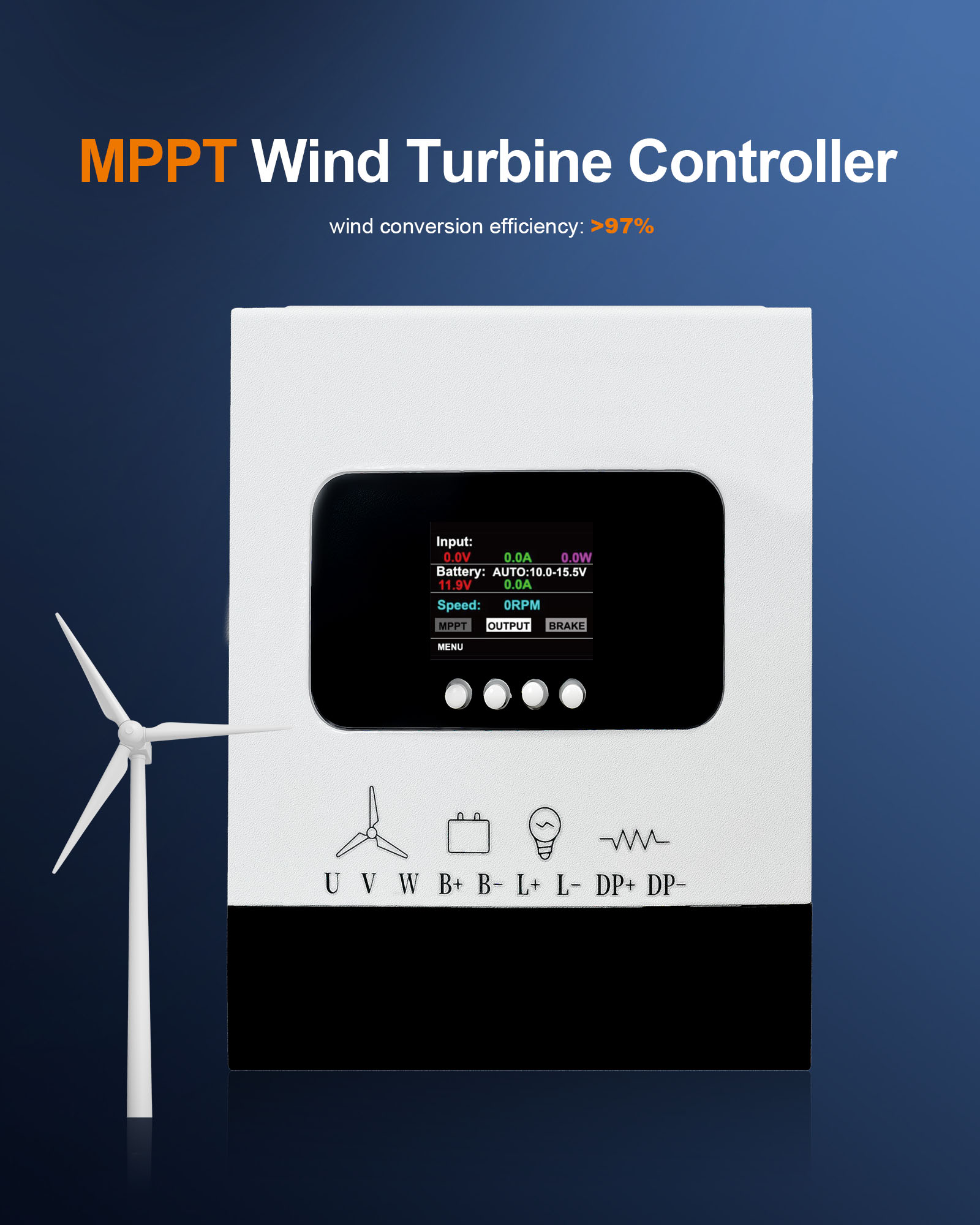
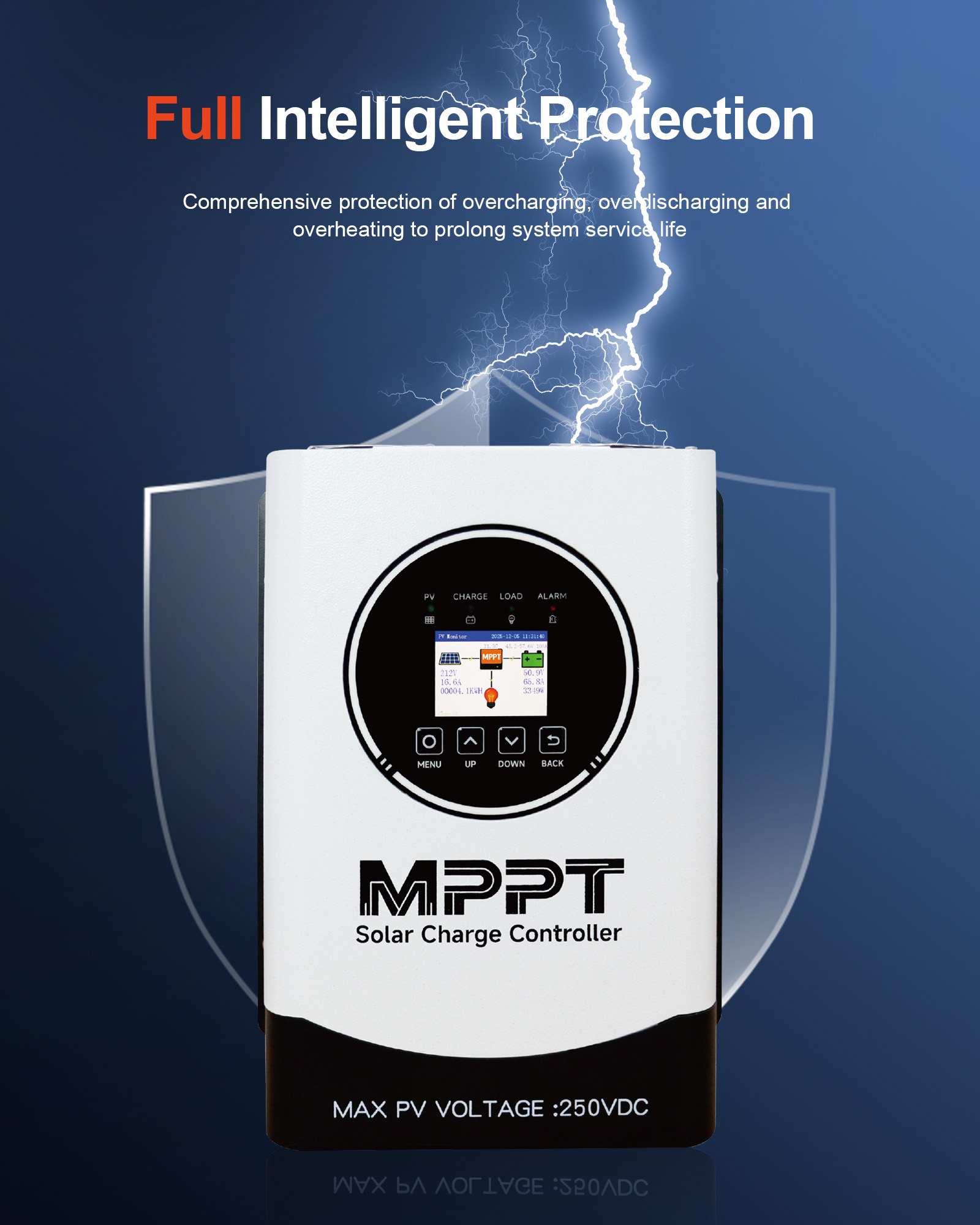
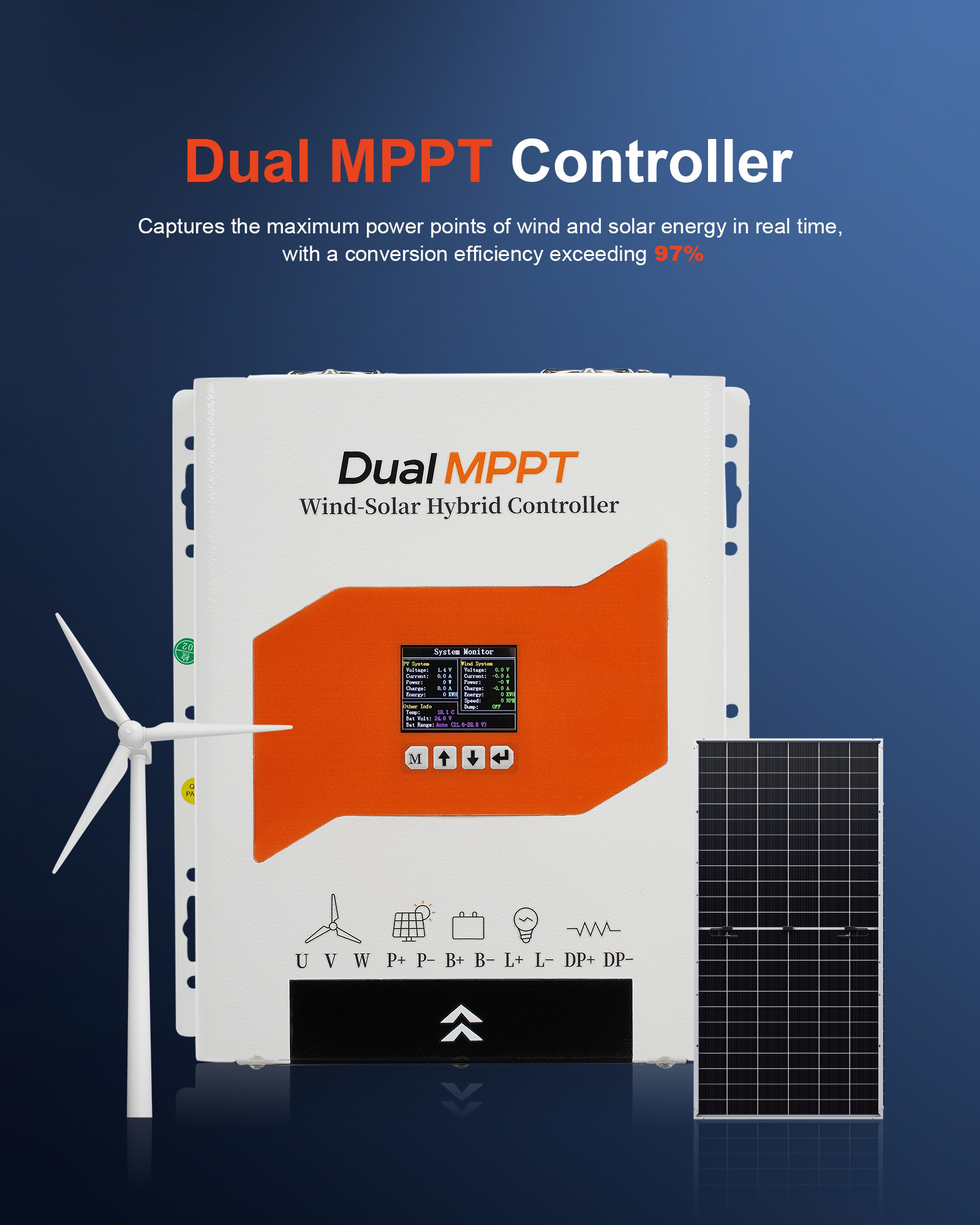
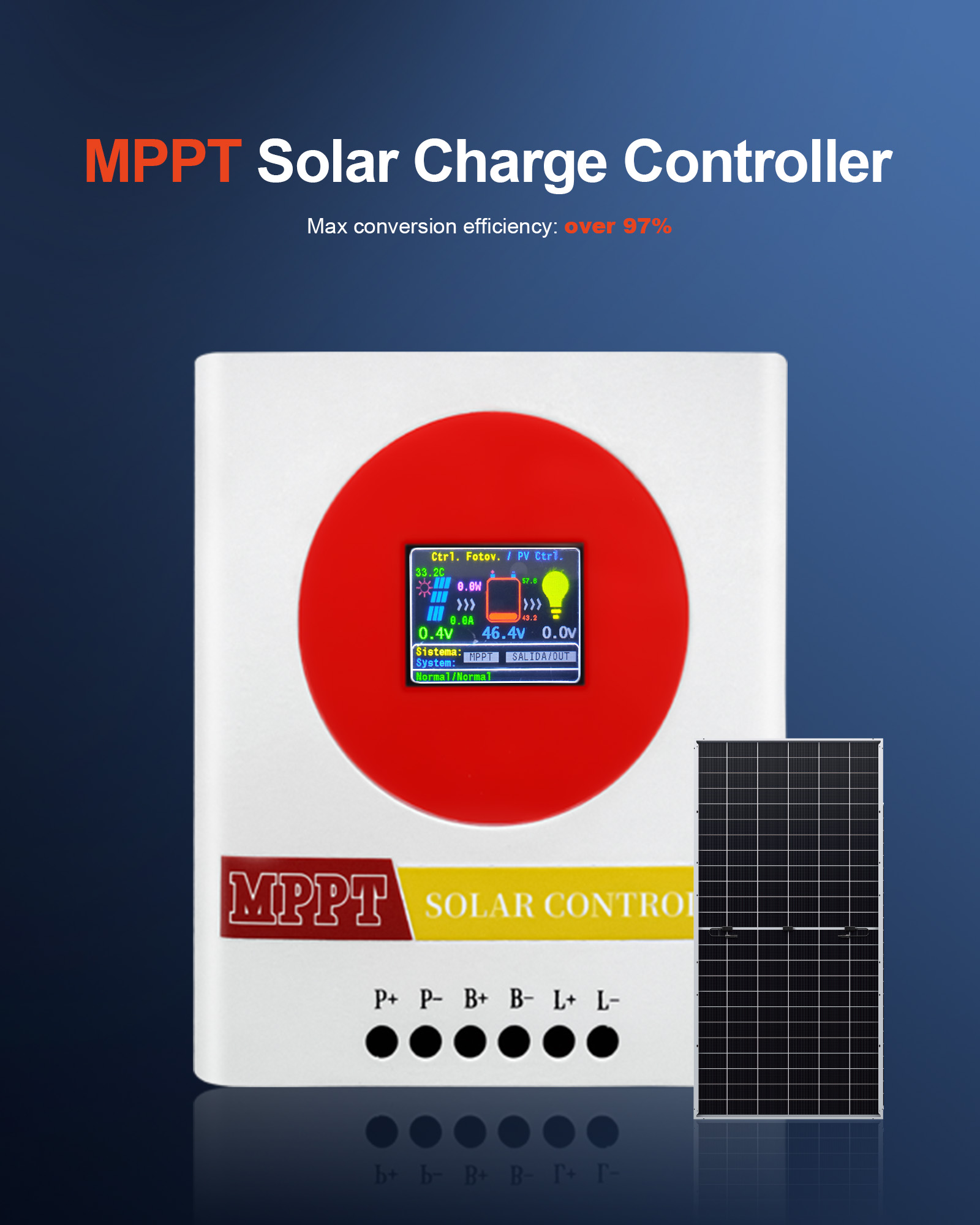
The transition toward clean energy in the United States is accelerating at an unprecedented pace. Driven by federal incentives like the Inflation Reduction Act (IRA), state-level decarbonization mandates, and a growing cultural shift toward grid independence, off-grid solar systems have transitioned from niche hobbyist setups to mainstream infrastructure. At the heart of these mid-to-large-scale off-grid installations lies the 50a solar charge controller, the critical link that regulates power flow from solar arrays to battery storage banks.
In the US, a 50A capacity rating represents the "sweet spot" for residential off-grid cabins, mobile tiny homes, overland RVs, marine vessels, and remote industrial telemetry stations. A 50-amp controller operating on a 12V system can handle up to 600W of solar input, while on 24V and 48V configurations, it can manage 1,200W and 2,400W respectively. This flexibility makes it highly sought after by American system integrators, distributors, and OEM brands looking to capture the diverse demands of the North American renewable energy market.
US consumers and commercial operators are increasingly demanding Maximum Power Point Tracking (MPPT) technology over traditional PWM. In colder northern states like Maine, Minnesota, and Washington, where sunlight can be weak and inconsistent, MPPT technology increases energy harvest by up to 30% compared to PWM controllers. OEM factories must deliver advanced MPPT tracking algorithms to stay competitive in these high-latitude regions.
The application of 50A solar charge controllers in the United States spans several high-growth industries, each requiring specific technical standards and robust build quality:
Across the vast expanses of states like Texas, Wyoming, and Alaska, telecommunication towers, weather stations, and oil/gas pipeline sensors operate completely off the grid. These installations require industrial-grade 50A controllers that offer Modbus communication, SNMP network monitoring, and wide operating temperature ranges. Reliability is paramount, as maintenance visits to these remote sites can cost thousands of dollars.
The American RV and overlanding culture has exploded. Modern Class A motorhomes, camper vans, and blue-water cruising yachts are essentially mobile smart homes equipped with high-capacity lithium battery banks (LiFePO4). A 50A charge controller is ideal for managing the rooftop solar arrays of these vehicles, ensuring safe, rapid charging while integrating seamlessly with onboard CAN bus networks and digital control panels.
In the agricultural heartlands of California's Central Valley and the Midwest, solar energy is widely used to power automated irrigation systems, livestock watering pumps, and remote farm monitoring equipment. A 50A controller provides the necessary current handling capacity to run heavy DC pump motors directly or charge battery buffers that keep system controls active overnight.
To successfully serve the United States market, OEM suppliers and factories must adhere to strict regulatory, safety, and performance criteria.
US electrical codes frequently require UL 1741 compliance for charge controllers. Additionally, FCC Part 15 Class B certification is crucial to ensure the device does not emit electromagnetic interference that disrupts local communications.
With Lithium Iron Phosphate (LiFePO4) becoming the standard battery chemistry in the US, controllers must feature customizable charging parameters, low-temperature charging protection, and active cell balancing support.
Modern US consumers expect mobile app integration via Bluetooth or Wi-Fi. OEM factories must offer customizable firmware, white-label mobile applications, and comprehensive API documentation for smart home ecosystems.
For US-based solar brands, distributors, and engineering firms, partnering with a reliable OEM/ODM factory is a strategic decision that directly impacts market reputation and profitability. The ideal manufacturing partner must offer more than just assembly lines; they must possess deep R&D expertise, rigorous quality control protocols, and a responsive supply chain.
A leading OEM factory should provide comprehensive customization options. This includes customized aluminum heat sinks to handle the high ambient temperatures of desert regions like Arizona and Nevada, custom silk-screen branding, bespoke LCD interface designs, and pre-programmed charging profiles tailored to proprietary battery packs sold by the US partner.
A 50A current flow generates significant heat. High-quality controllers utilize heavy-duty fanless cooling designs with robust thermal paste and oversized aluminum fins to ensure long-term reliability. Fanless designs are highly preferred in the US market because they eliminate a common mechanical failure point and prevent dust and moisture ingress, conforming to IP65 or IP67 environmental protection standards.
With global logistics remaining complex, factories serving the US market must have streamlined shipping procedures, clear customs documentation, and the ability to handle both LCL and FCL shipments efficiently. Offering flexible MOQ (Minimum Order Quantity) structures allows US brands to scale their inventory in alignment with seasonal demand shifts.
With excellent product quality, continuous R&D innovation capabilities and a complete full-cycle service system, the company has deeply explored the domestic and foreign new energy markets and established a global sales and service network. Its products are exported to dozens of countries and regions such as Europe, North America, South America, Southeast Asia, and Russia. With stable and reliable product performance and professional and efficient service capabilities, the company has gained high recognition and long-term trust from global customers, and has become a highly competitive Chinese local brand in the new energy field. In the future, the company will continue to deepen the innovation of new energy technologies, continuously optimize the product matrix and service system, help the global energy transformation and the realization of dual-carbon goals, and contribute core strength to the construction of a clean, low-carbon, safe and efficient modern energy system.

Explore our full catalog of high-performance controllers engineered for residential, commercial, and industrial renewable energy systems in North America.