Leave Your Message
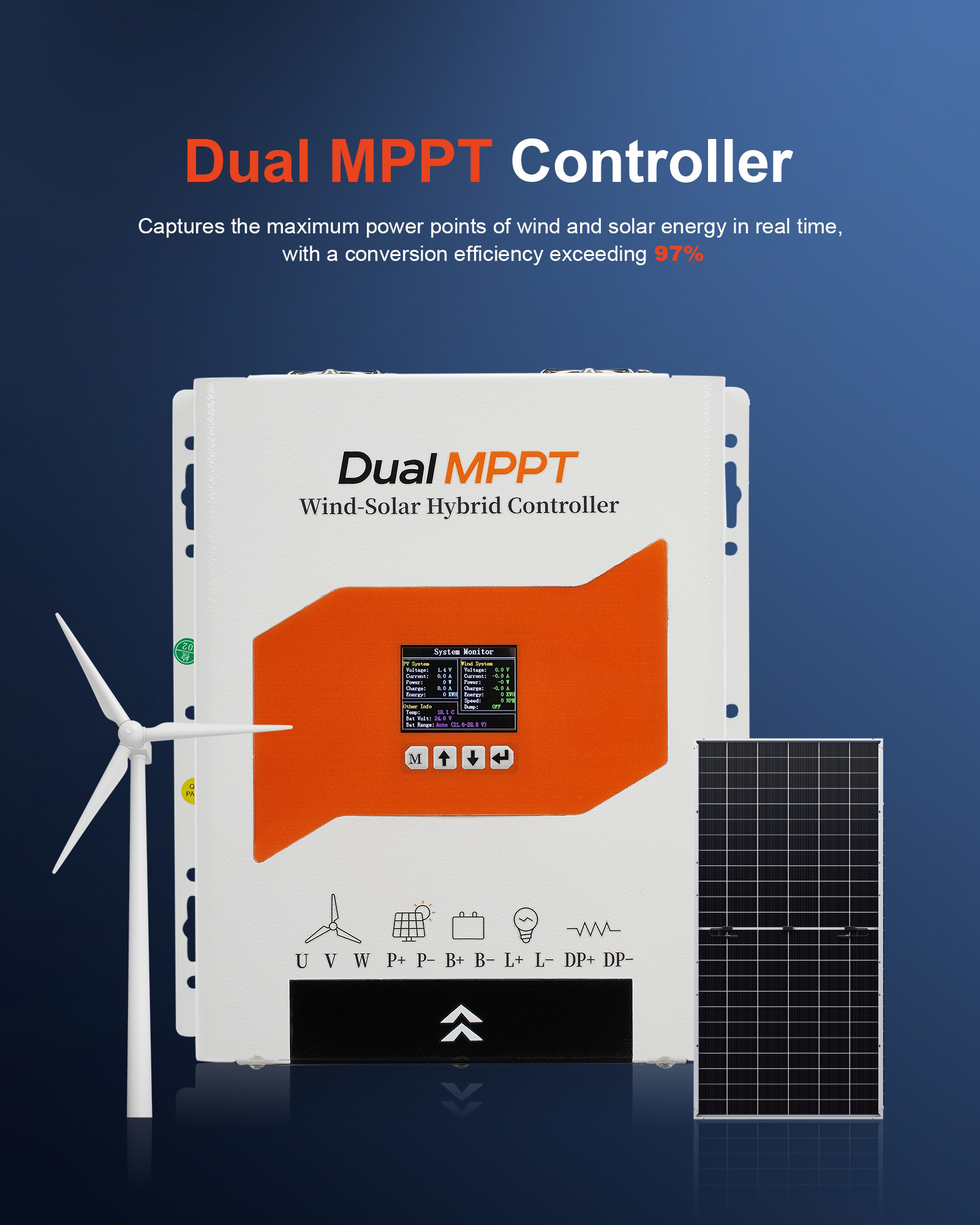
Explore our premium selection of intelligent controllers optimized for high-capacity lithium-ion setups across the United States. Designed to provide seamless integration, maximum power conversion, and robust safety compliance.
The United States is undergoing a massive transformation in its energy landscape. Driven by the Inflation Reduction Act (IRA), state-level mandates like California’s Net Energy Metering (NEM 3.0), and a collective push for grid resilience, off-grid and hybrid solar installations are experiencing unprecedented growth. At the heart of these modern energy storage systems (ESS) is the combination of lithium-ion batteries—particularly Lithium Iron Phosphate (LiFePO4)—and high-efficiency Maximum Power Point Tracking (MPPT) solar charge controllers.
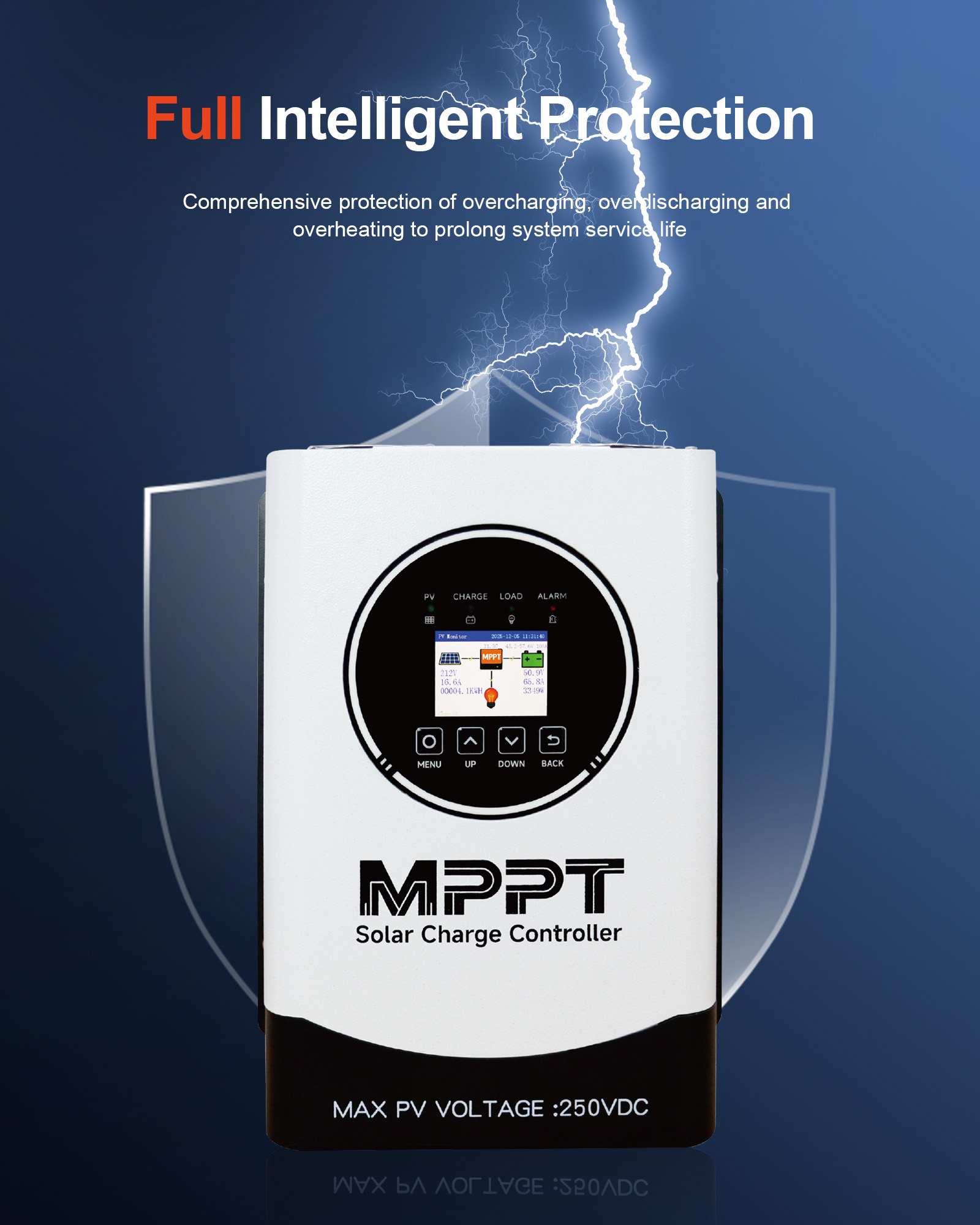
Unlike traditional lead-acid batteries, lithium-ion chemistries demand precise, intelligent voltage and current regulation. A dedicated solar charge controller for lithium ion battery systems ensures that the cells are charged within their exact safe operating limits, preventing overcharging, thermal runaway, and premature degradation. In the US, where weather extremes range from freezing winters in the Northeast to scorching summers in the Southwest, controllers must feature advanced temperature compensation, low-temperature charge cut-off, and real-time communication protocols to protect valuable energy assets.
Modern US installations require strict compliance with National Electrical Code (NEC) standards, including rapid shutdown capabilities and UL 1741 certifications for grid-interactive components. Our controllers are engineered to integrate seamlessly with these local regulatory frameworks.
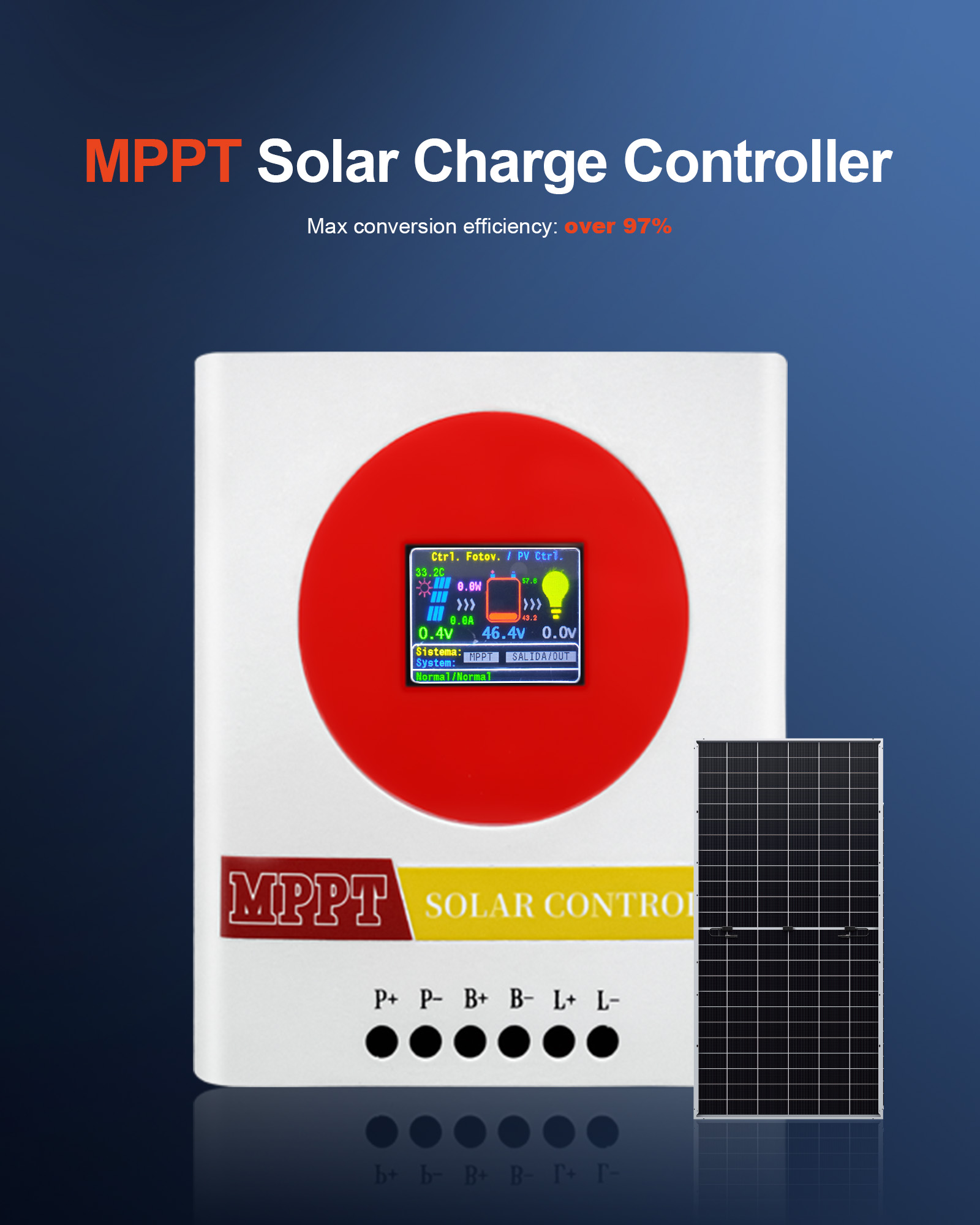
Historically, Pulse Width Modulation (PWM) controllers were sufficient for basic solar setups. However, as the US commercial and industrial (C&I) sectors scale up their microgrids, MPPT technology has become the standard. MPPT controllers constantly monitor the voltage and current output of the solar panels, calculating the maximum power point to harvest the most energy possible under any weather conditions.
When paired with lithium-ion batteries, MPPT controllers deliver up to 30% more energy harvest compared to PWM systems. This efficiency is critical for American businesses looking to maximize their Return on Investment (ROI) and minimize payback periods for solar installations. Additionally, because lithium-ion batteries can accept higher charging currents, an intelligent MPPT controller can rapidly charge the battery bank during peak sunlight hours, ensuring the system is fully prepared for nighttime usage or grid outages.
Across states like Colorado, Montana, and Wyoming, off-grid living is a growing lifestyle and necessity due to remote geography. These setups rely heavily on lithium-ion battery banks to provide reliable power through heavy snowfall and freezing temperatures. However, lithium batteries cannot safely accept a charge when internal temperatures drop below freezing (32°F / 0°C). Our advanced solar charge controllers feature programmable low-temperature charge cut-offs and external sensor integration to prevent irreversible damage to the lithium cells, ensuring the homestead stays warm and powered.
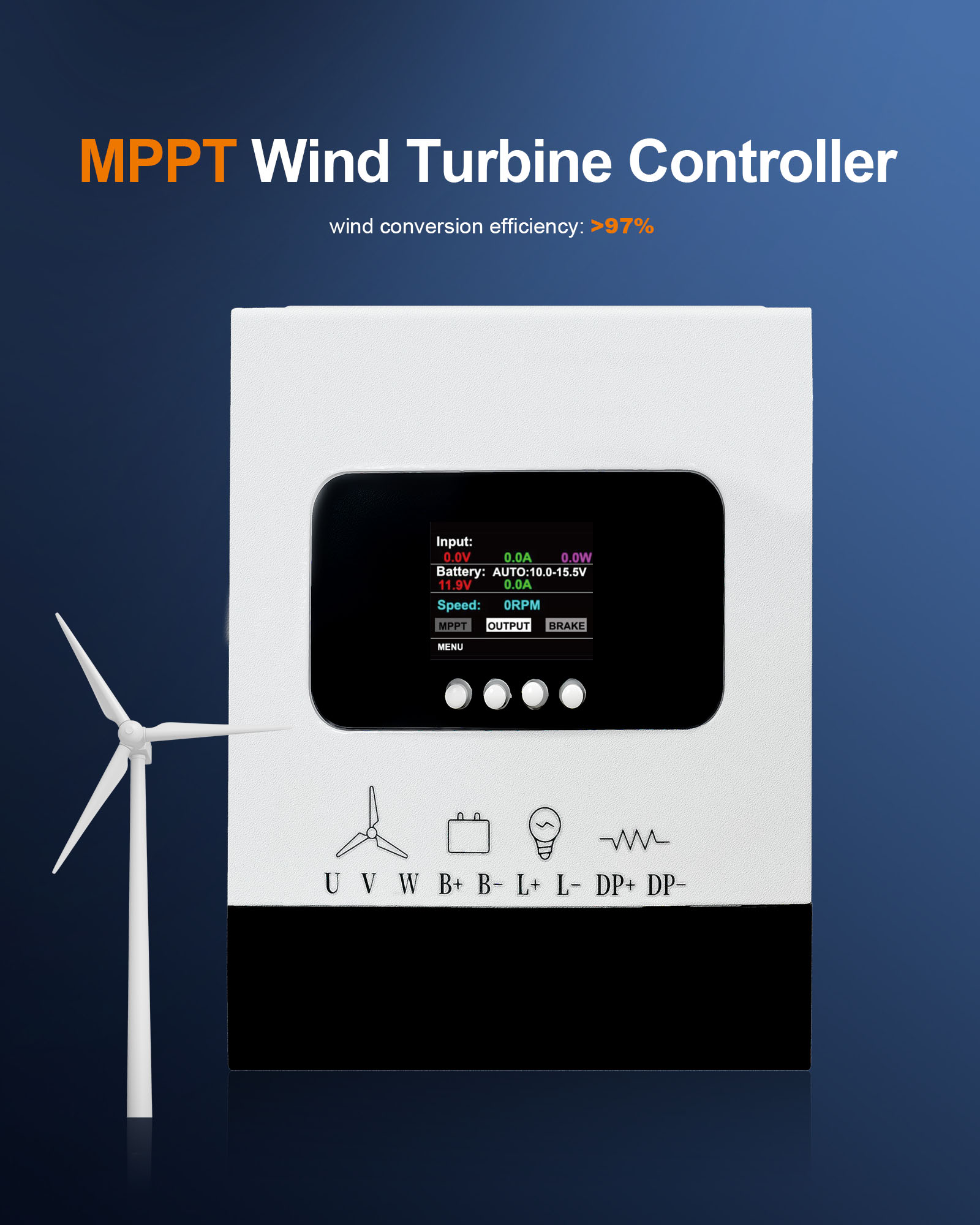
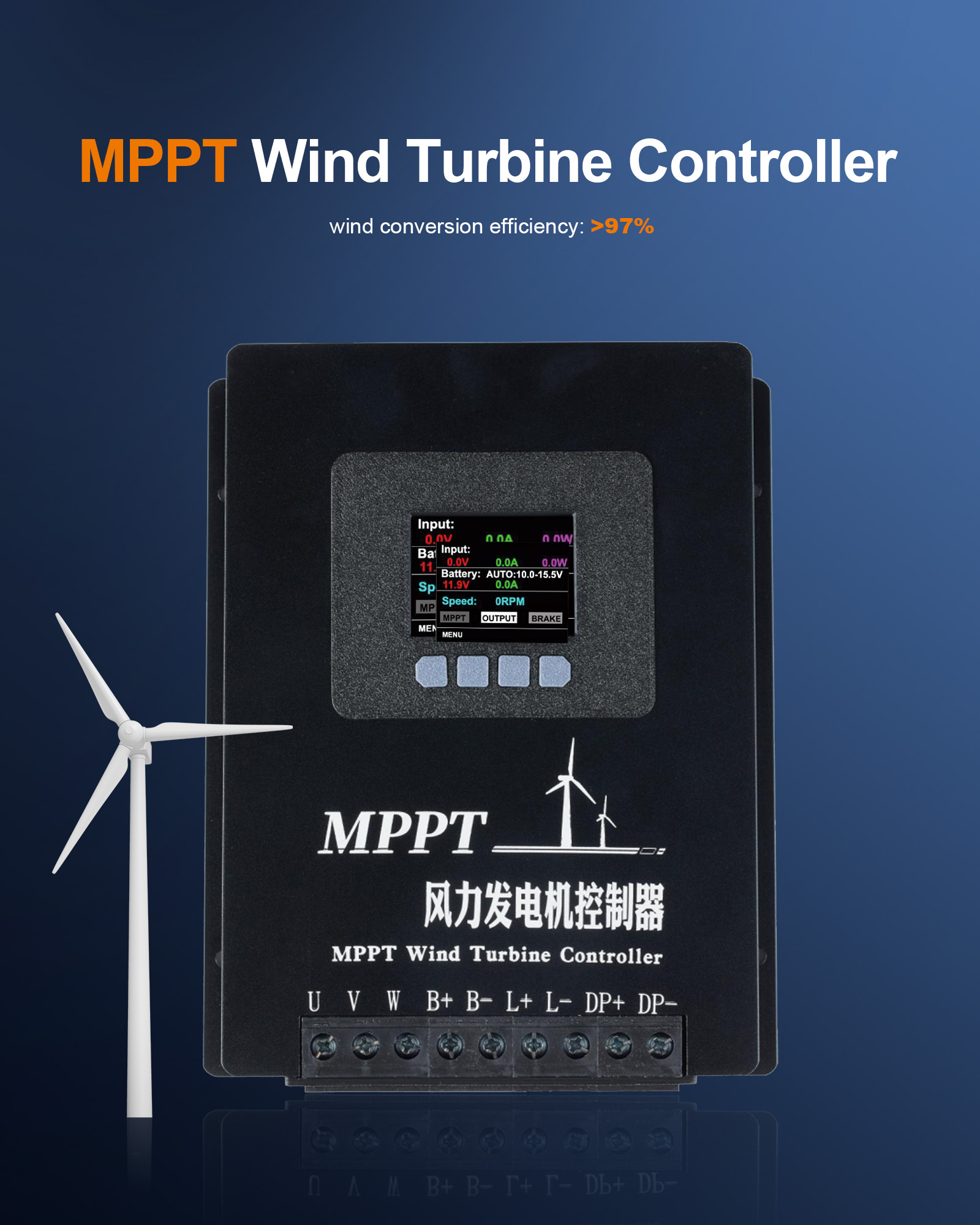
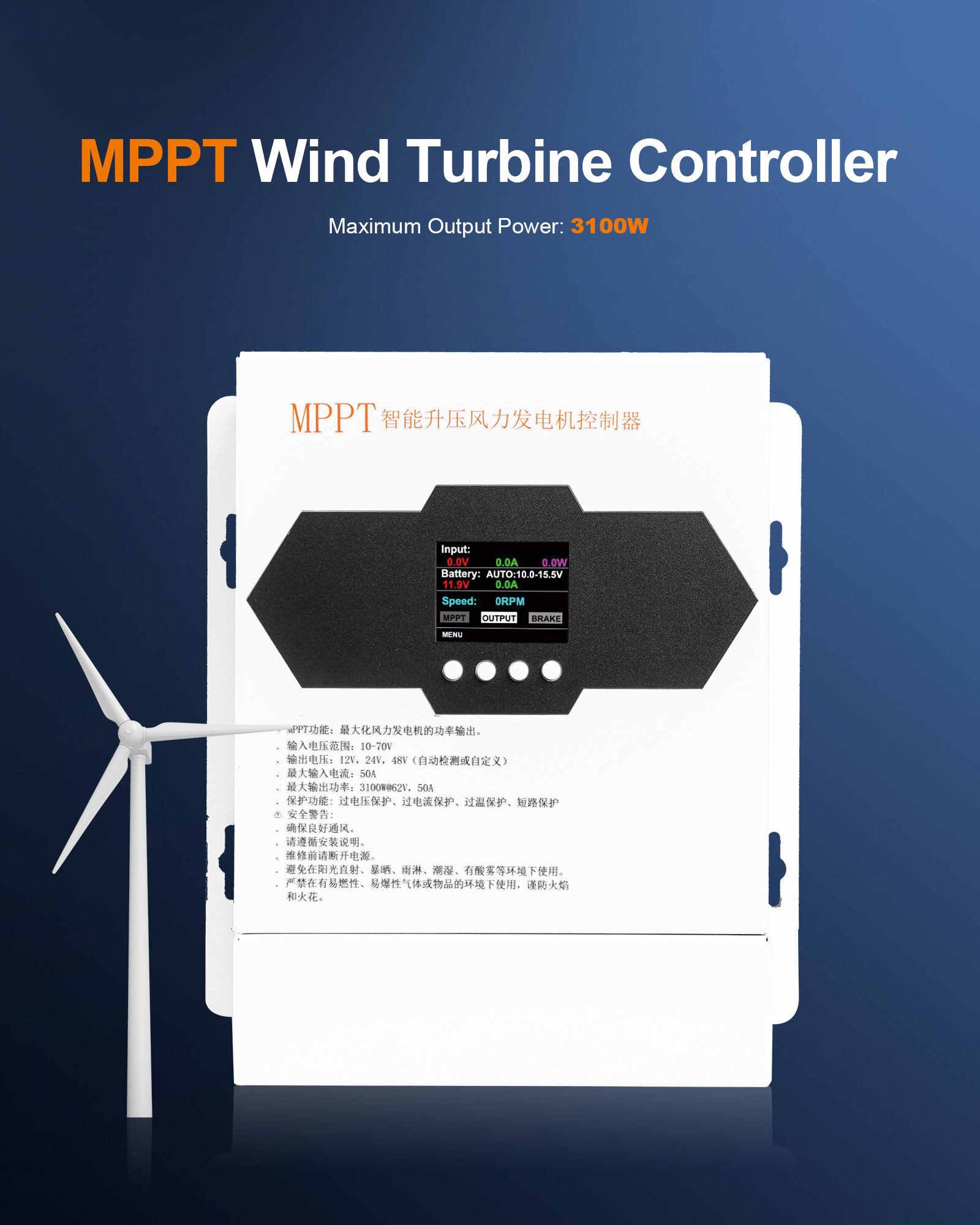
In the vast plains of Texas and the Southwest, remote infrastructure such as telecommunication repeaters, weather stations, and oil/gas monitoring equipment must operate 24/7 without human intervention. These systems utilize wind-solar hybrid controllers connected to lithium-ion batteries. By combining solar panels with wind turbines, the system captures energy day and night. The high thermal stability of lithium batteries combined with our robust industrial-grade MPPT charge controllers ensures continuous operation even in ambient temperatures exceeding 104°F (40°C).
California's agricultural sector is rapidly adopting solar-plus-storage to power automated drip irrigation, greenhousing, and remote sensors. With rising utility rates and grid instability, farmers are deploying localized microgrids. A high-voltage solar charge controller allows for long wire runs from solar arrays to the battery shed, reducing installation costs. By utilizing lithium-ion batteries, farms can store daytime solar energy and run irrigation pumps during off-peak night hours, significantly reducing operational costs and supporting sustainable farming practices.
The American RV and marine market has almost completely transitioned to lithium batteries (specifically LiFePO4) due to their lightweight design and deep discharge capabilities. Mobile applications require compact, vibration-resistant charge controllers that can handle dynamic shading from trees or buildings. Our MPPT controllers feature ultra-fast tracking speeds to capture every drop of solar energy while parked or at sea, integrating seamlessly with vehicle alternators and shore power systems.





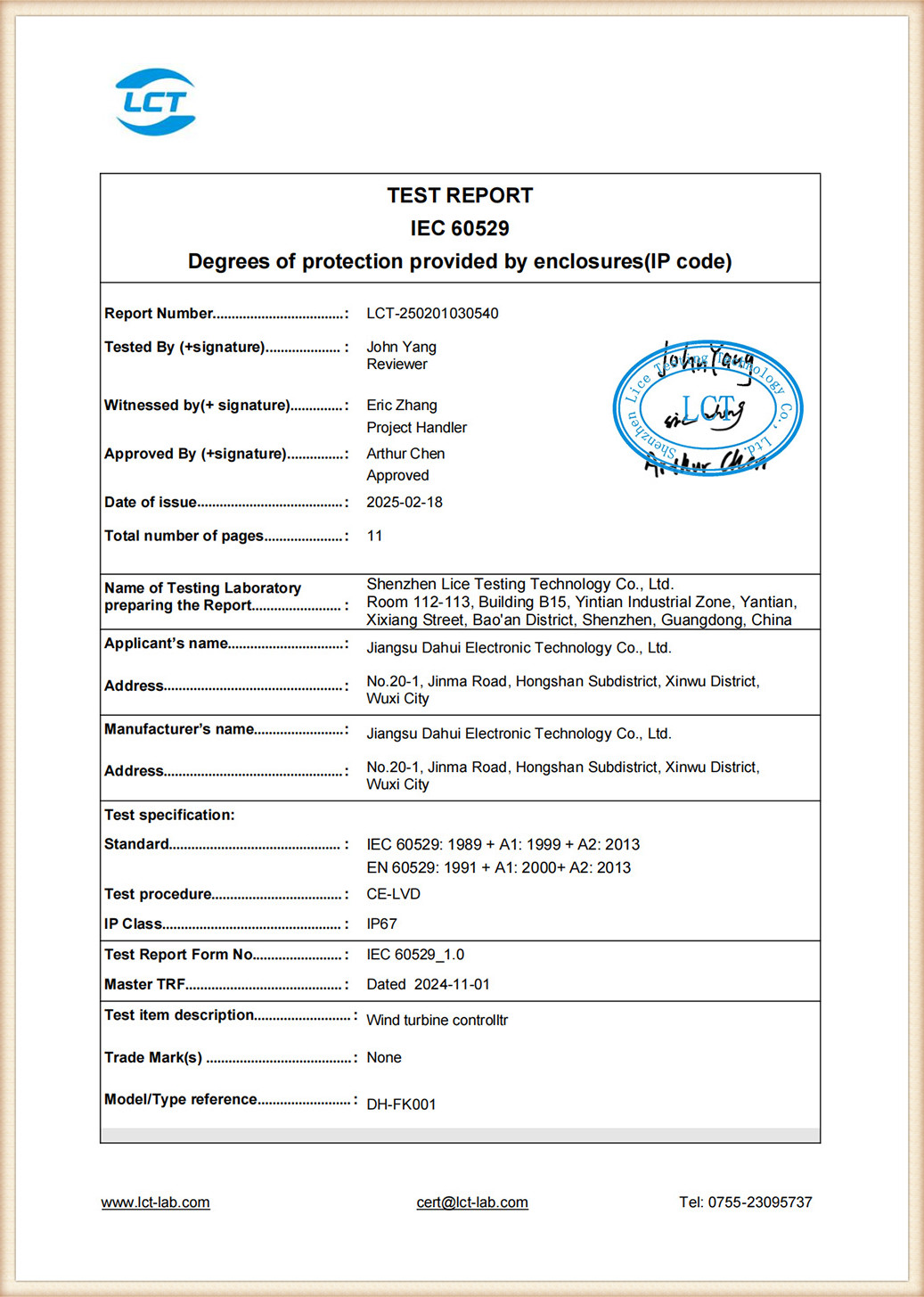
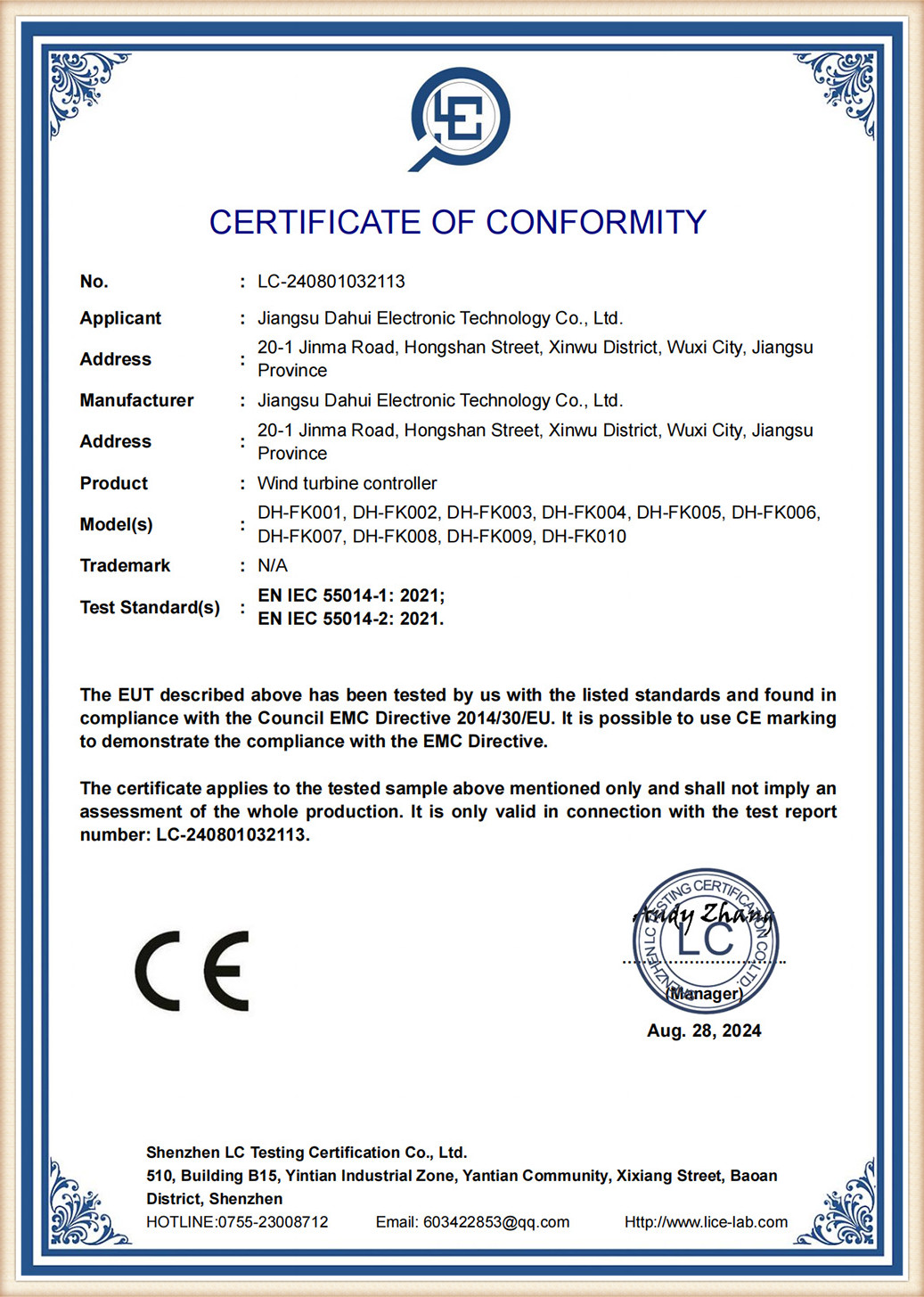
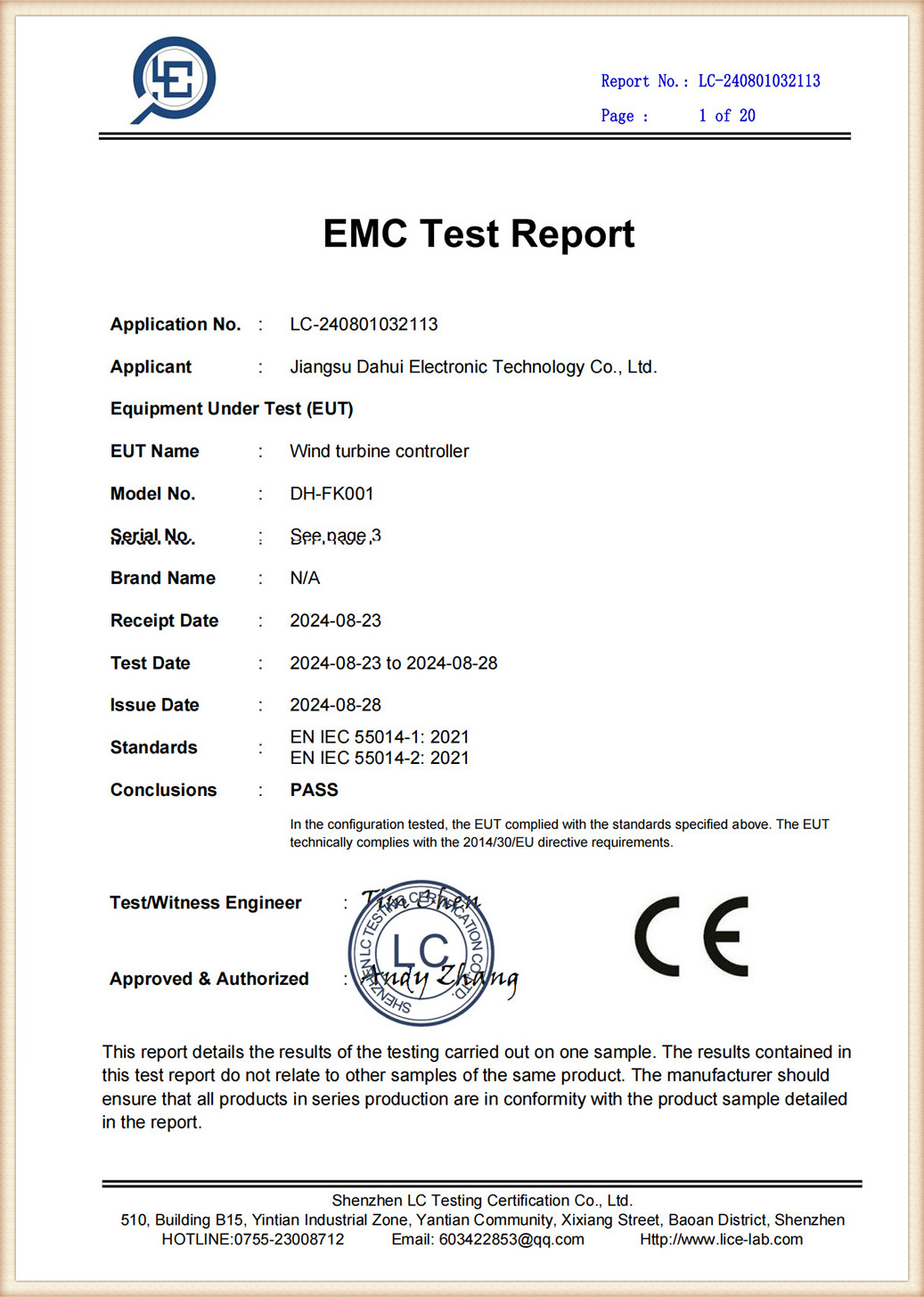
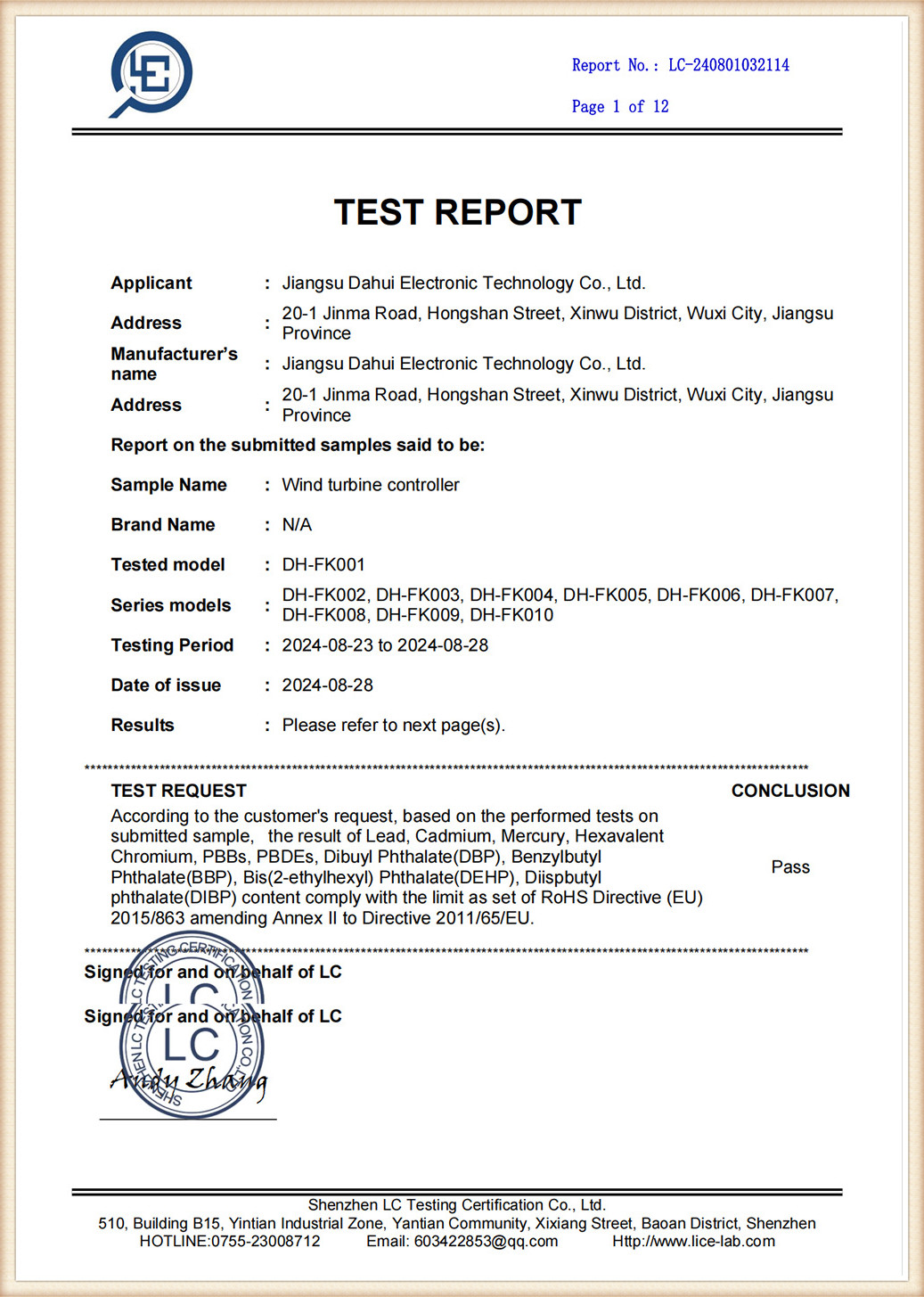
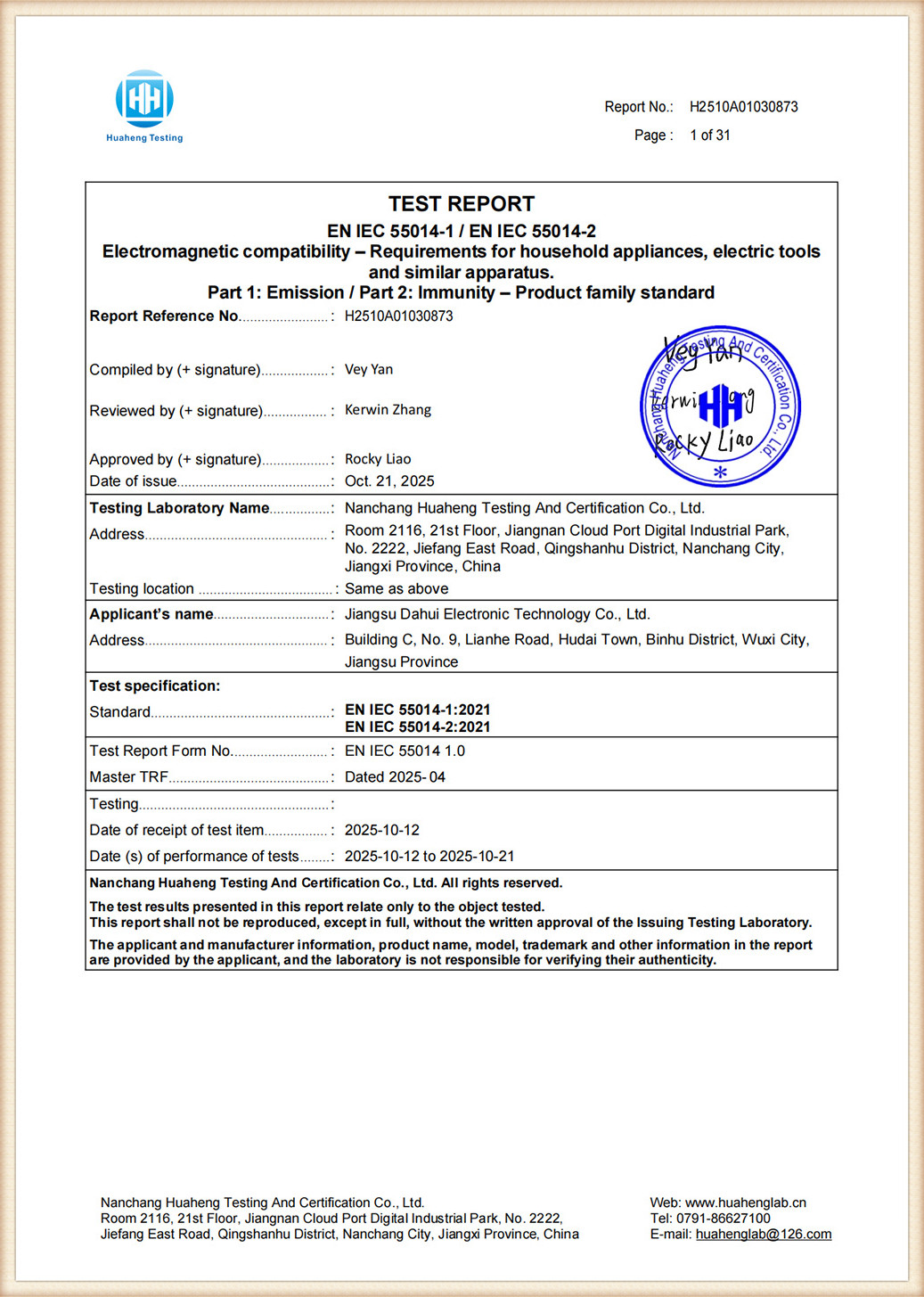
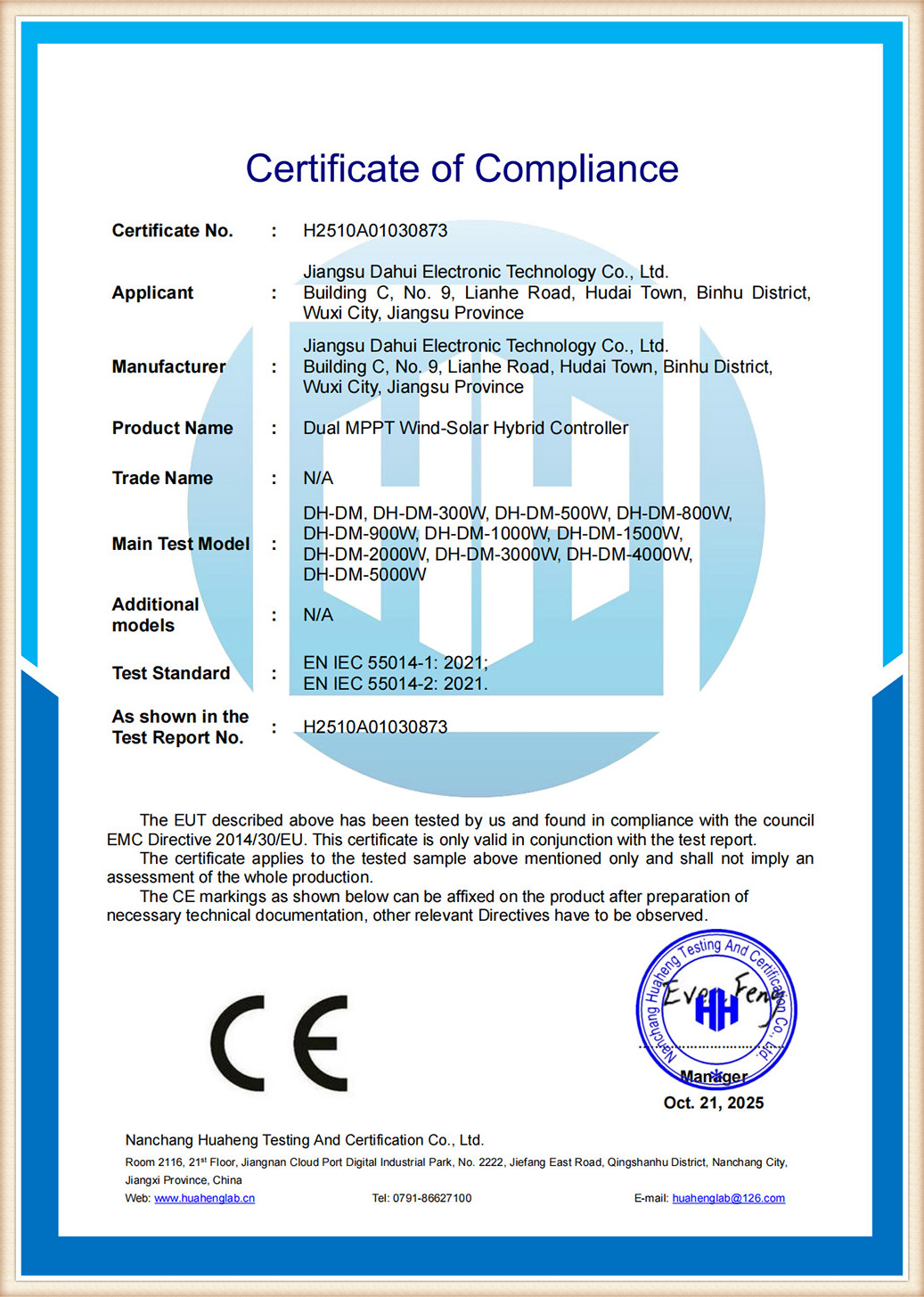
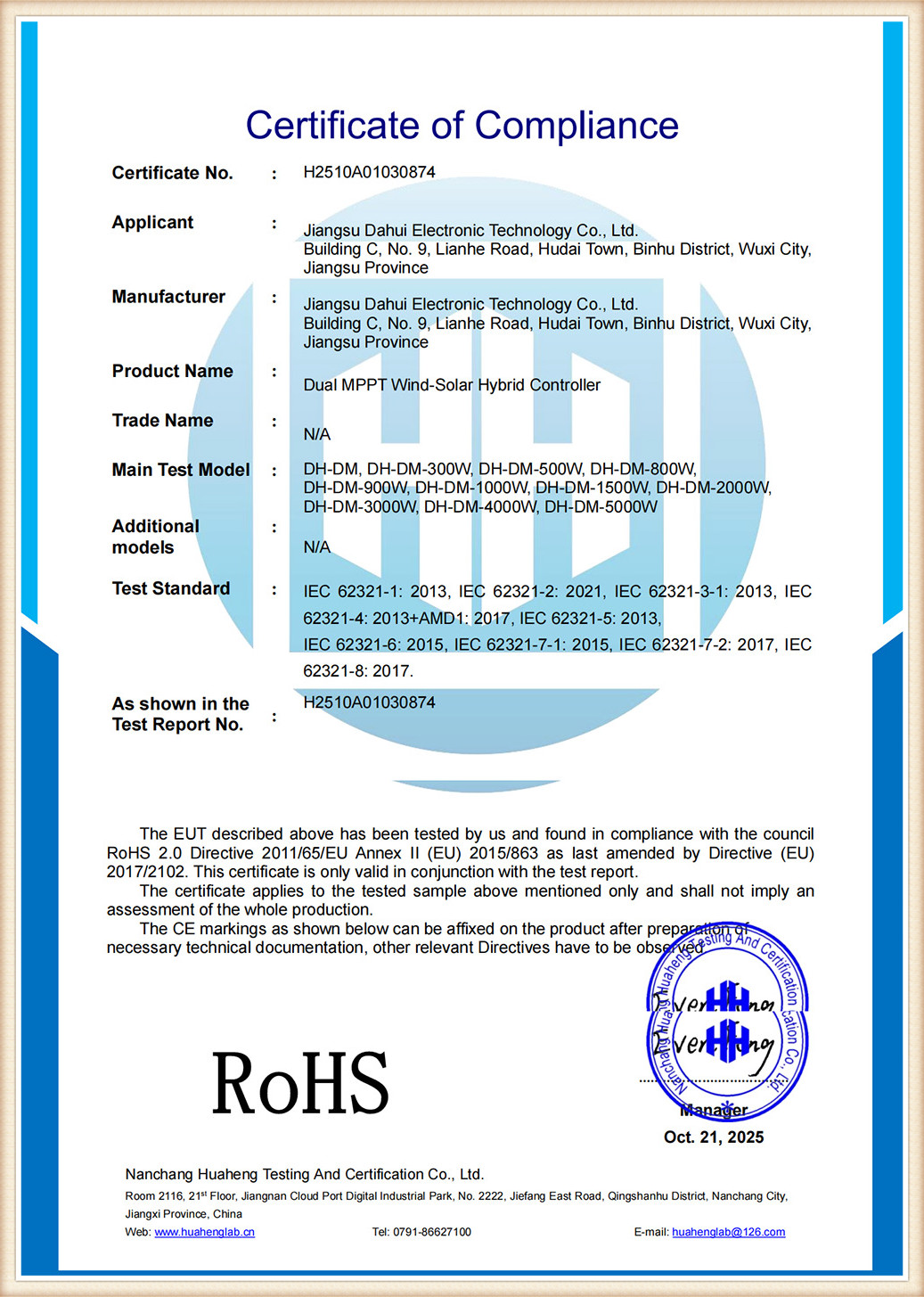
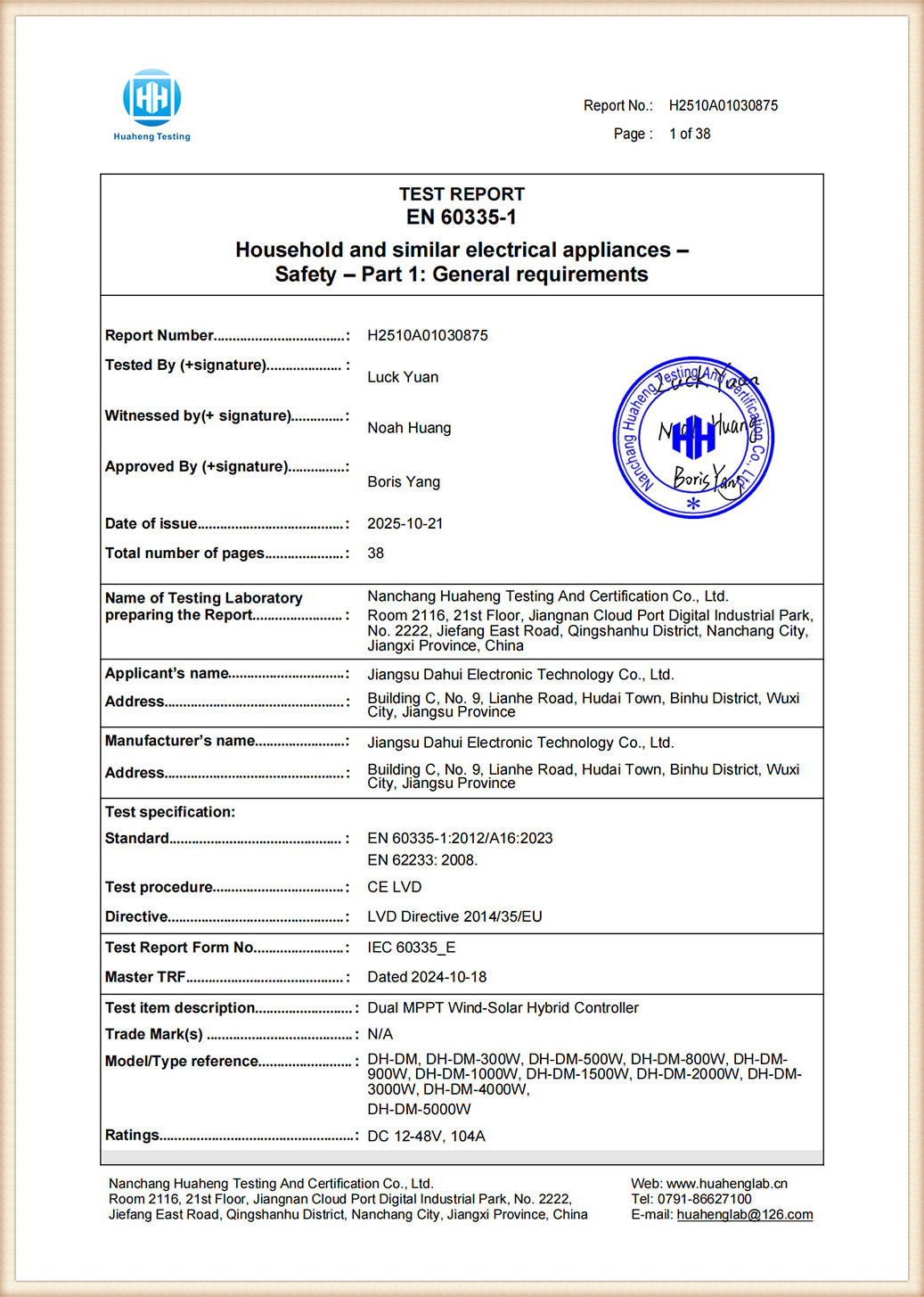
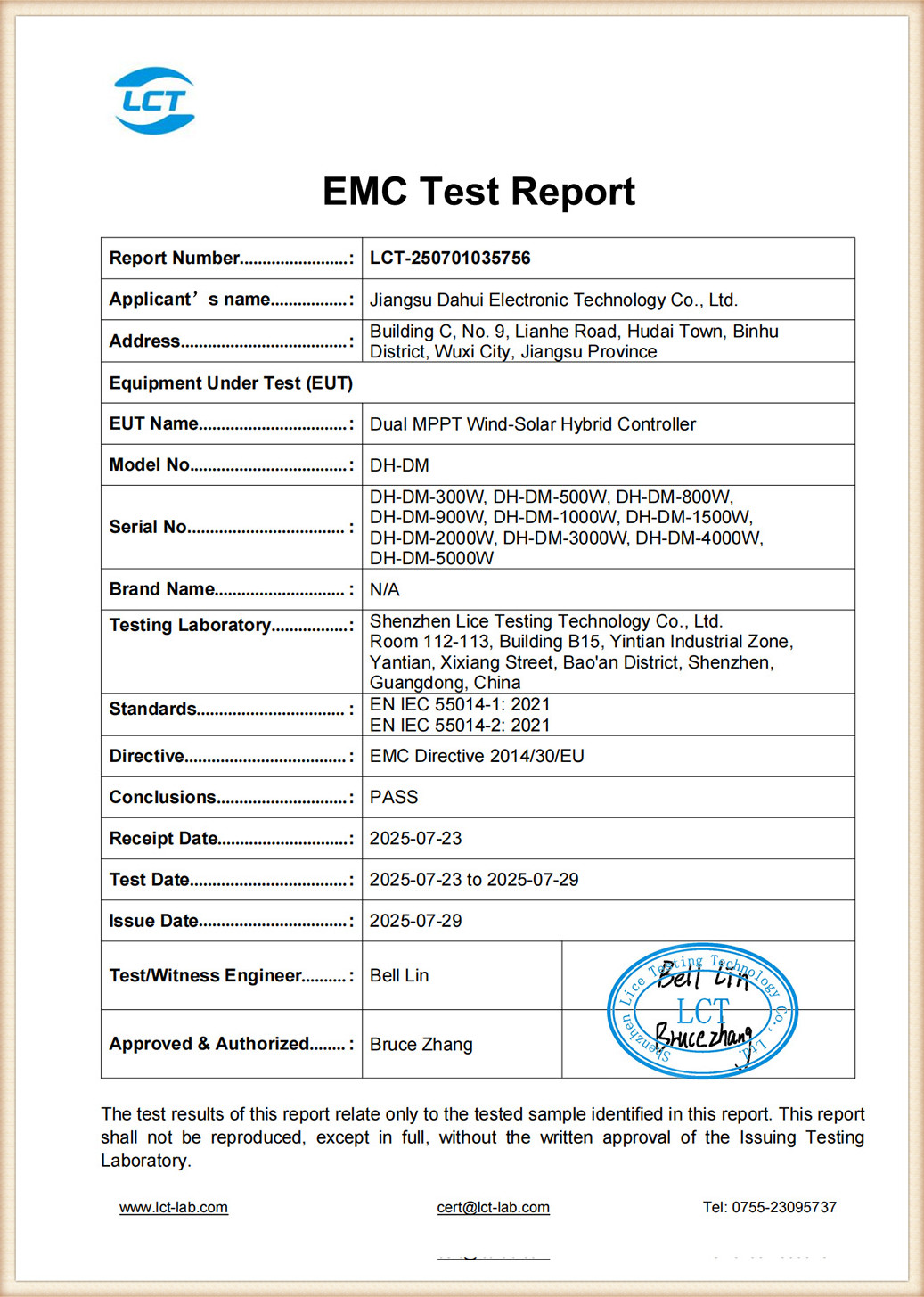
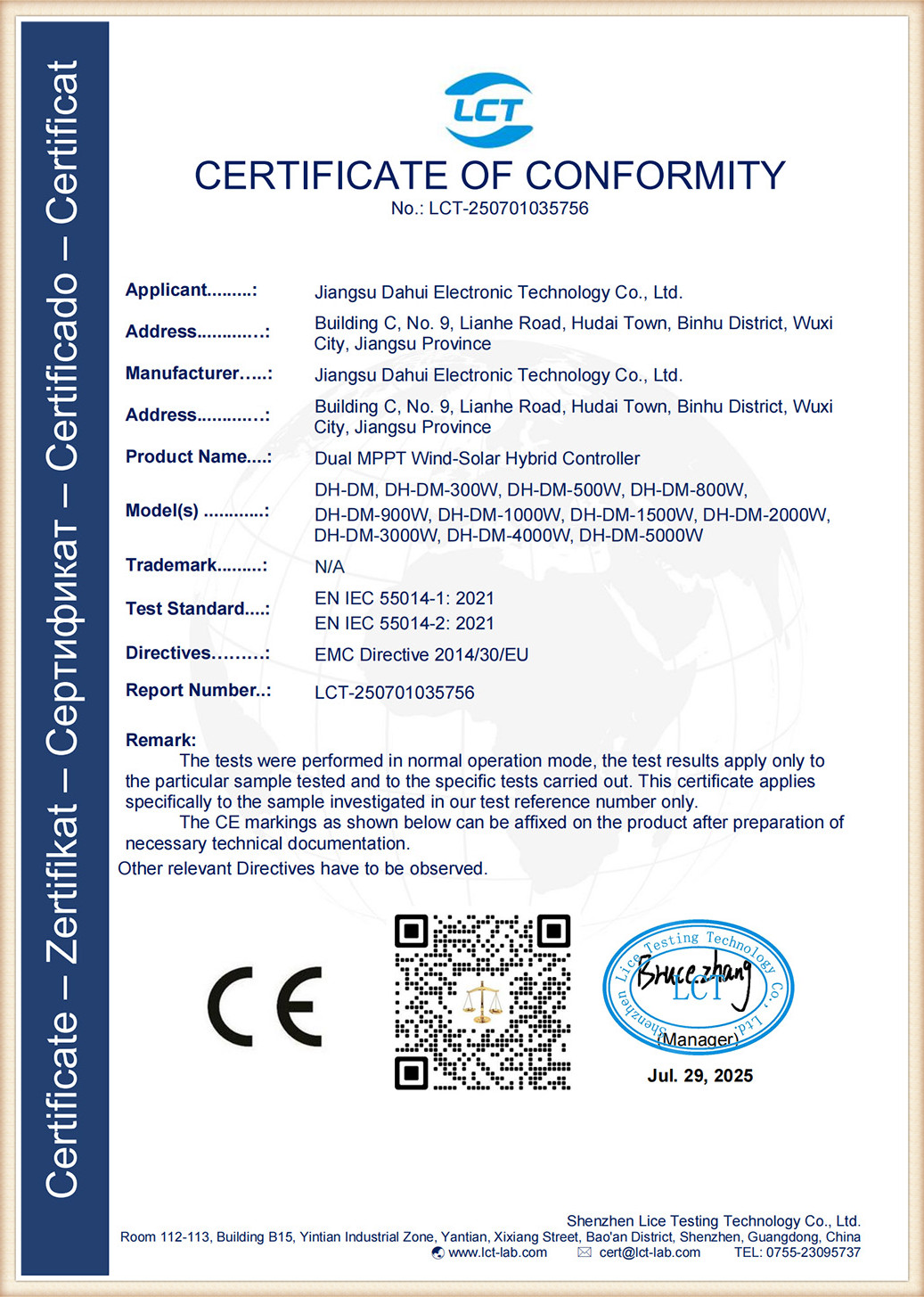
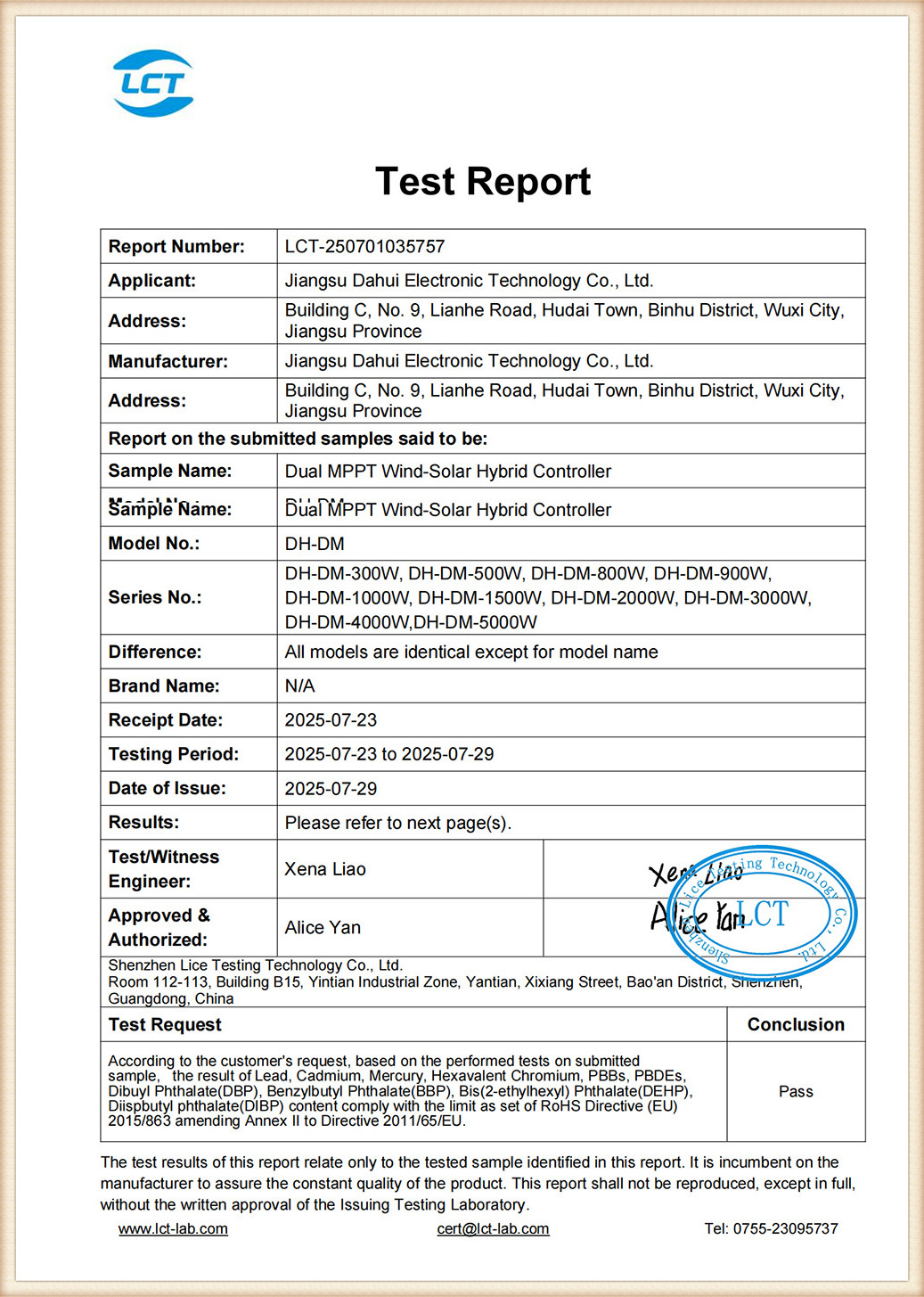
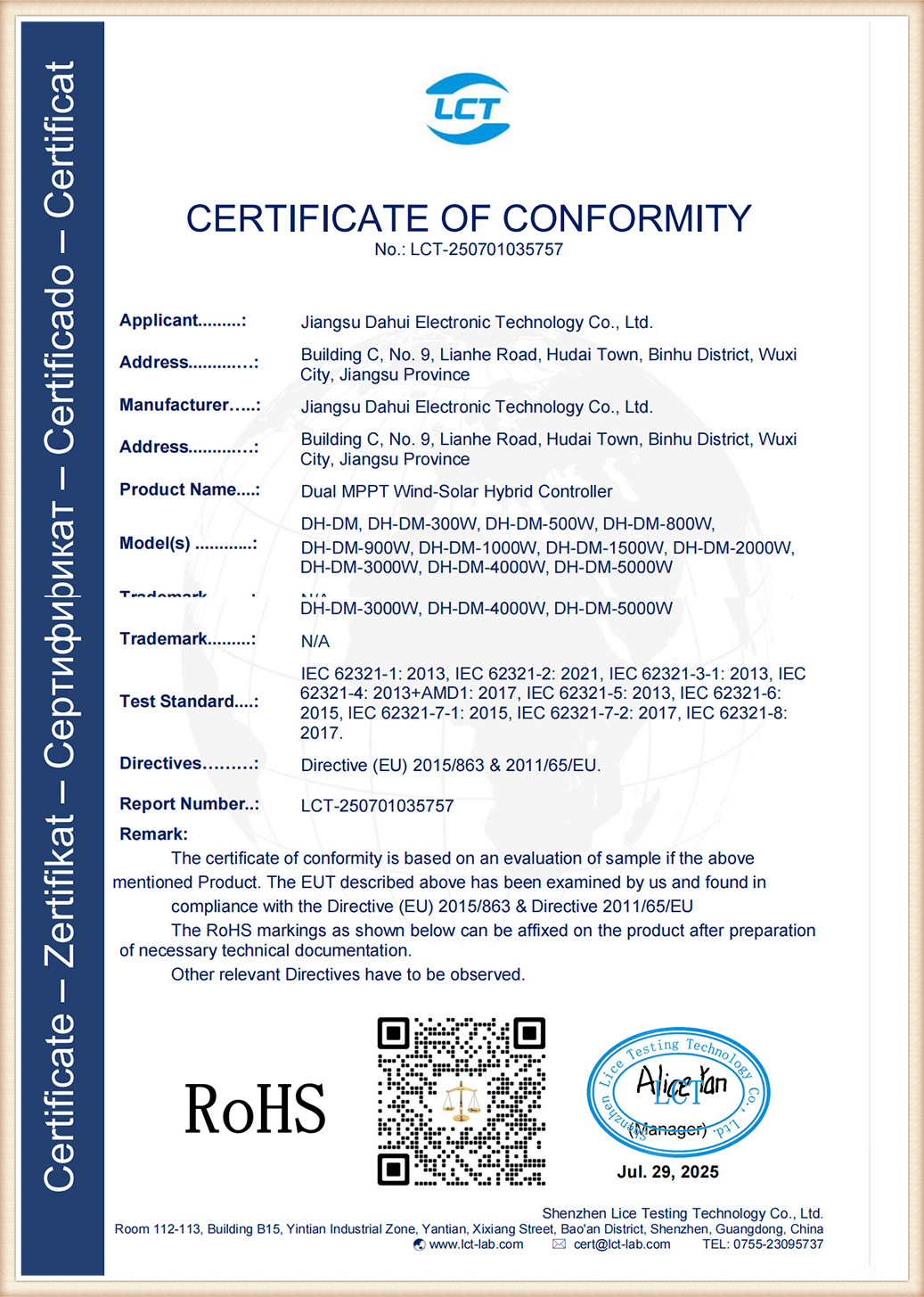
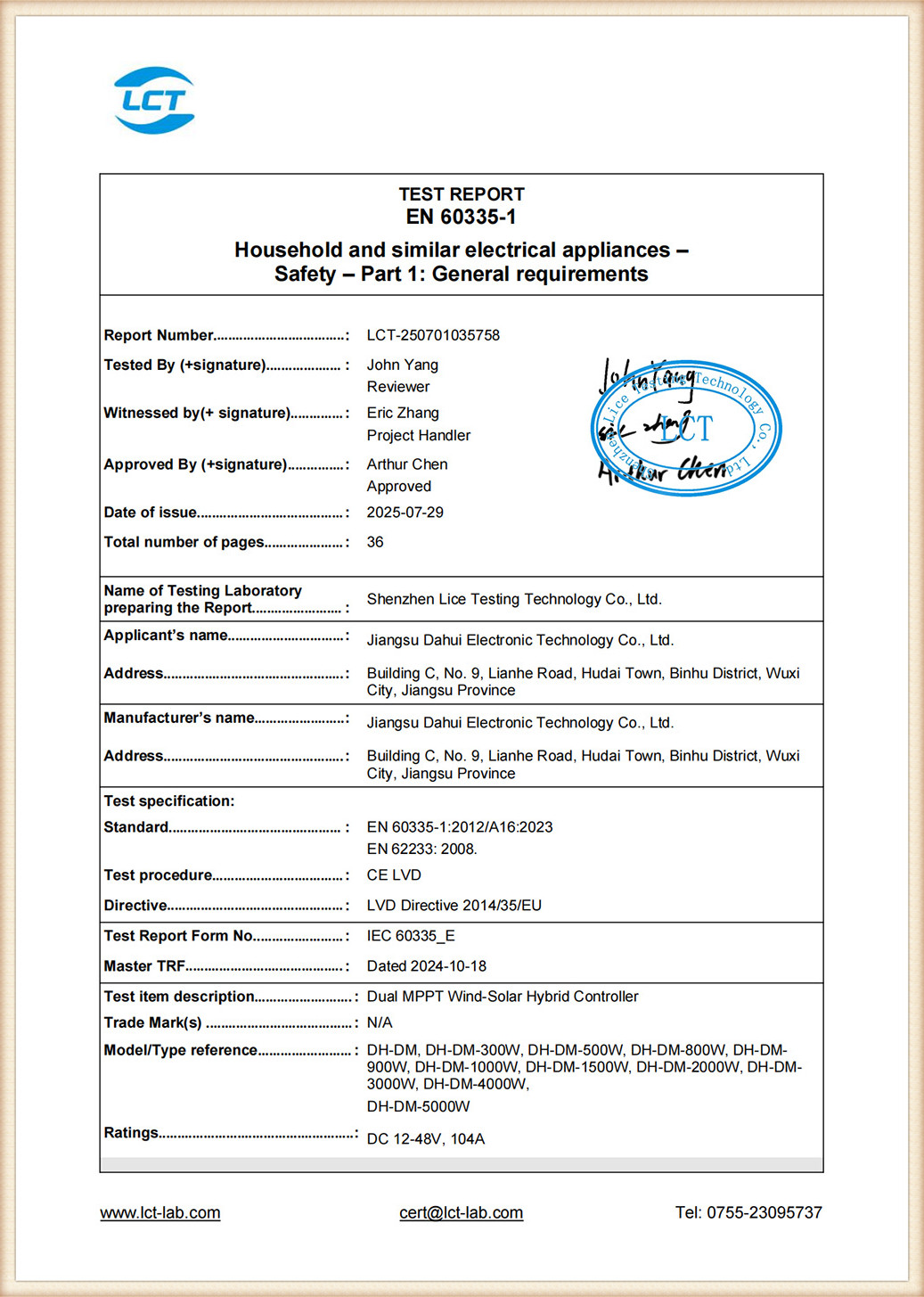
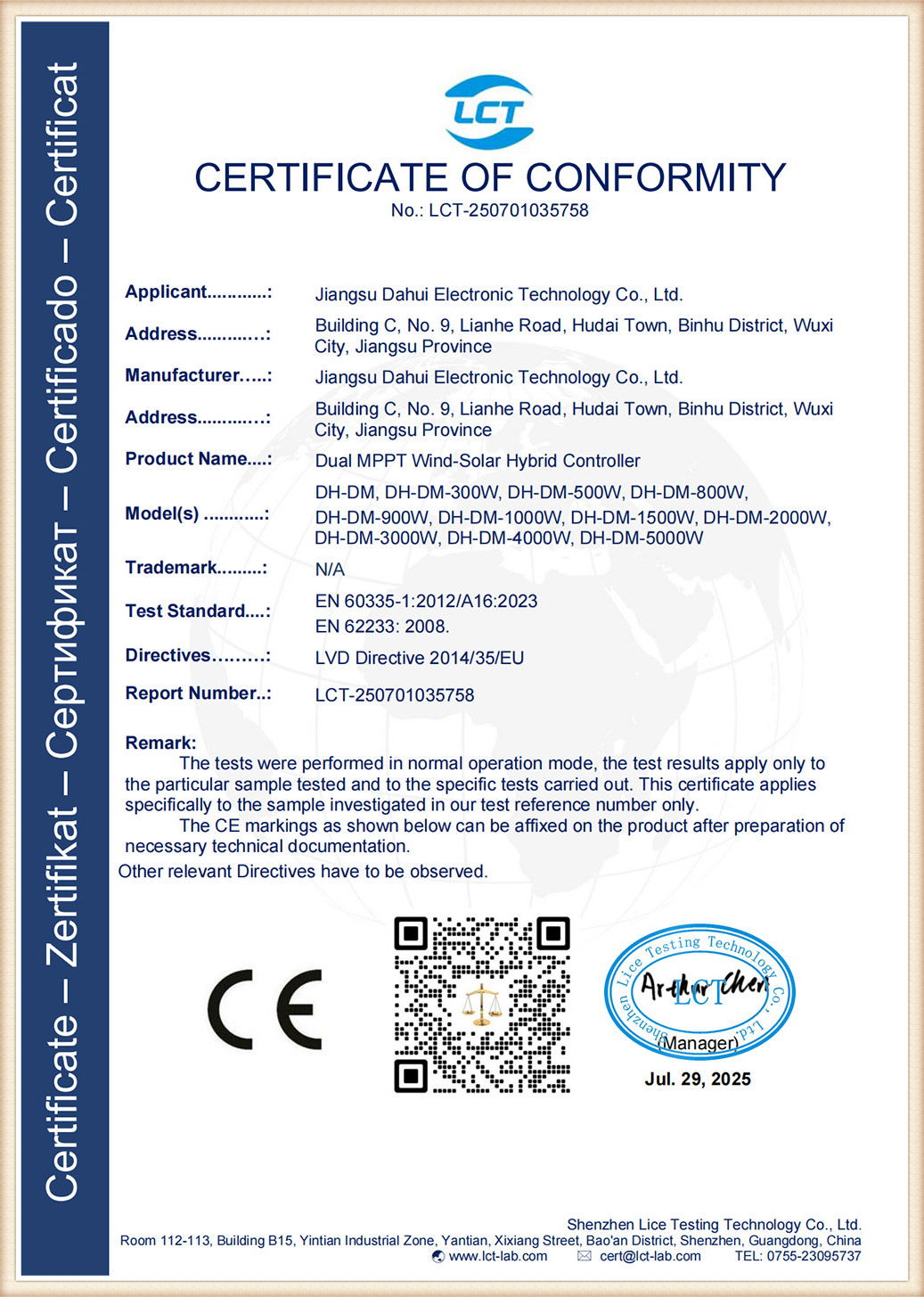
The company always adheres to the core business philosophy of "quality first, independent research and development", and regards product quality and technological innovation as the core driving force for corporate development. At present, it has obtained a number of international authoritative product certifications and ISO quality management system certifications, and has established a full-chain quality management system from raw material inspection, full-process control of the production process to multi-dimensional inspection of finished products. Product quality is strictly controlled throughout the entire process, and core product performance indicators are comprehensively better than industry standards, providing a solid guarantee for the long-term stable operation and reliable service life of the product.
When designing a solar power system for the US market, matching the solar charge controller to the lithium-ion battery requires a detailed understanding of both components. Lithium batteries have a very flat discharge curve, meaning they maintain a steady voltage throughout most of their cycle. This makes traditional voltage-based state-of-charge (SoC) calculations inaccurate. Modern MPPT controllers solve this by implementing advanced current integration (coulomb counting) and communicating directly with the Battery Management System (BMS) via RS485, CAN bus, or Modbus.
This direct communication allows the charge controller to dynamically adjust its output based on real-time cell data. For instance, if a single cell in the lithium bank reaches its maximum voltage limit before the rest of the pack, the BMS communicates this to the charge controller, which instantly throttles back the charging current. Without this integration, the BMS might disconnect the battery to protect it, causing system instability or voltage spikes that could damage load-side electronics.
Unlike lead-acid batteries, lithium-ion batteries do not require a float stage for maintenance, nor do they benefit from equalization. Our controllers feature customizable 2-stage charging profiles (Constant Current and Constant Voltage) specifically tailored to optimize lithium lifespan and maximize cycle count.
The future of energy management in the United States is centered on connectivity and cloud integration. Commercial operators and homeowners alike expect real-time data access. Our latest controllers feature built-in Wi-Fi and Bluetooth modules, allowing users to monitor historical yield, system status, and battery health via mobile apps or cloud-based IoT dashboards.
Furthermore, as the US electric grid moves toward decentralized microgrids and Virtual Power Plants (VPPs), solar charge controllers must be smart enough to respond to utility signal controls. Integrating smart controllers allows systems to participate in peak-shaving programs, storing energy when grid rates are low or solar production is high, and discharging or reducing load during peak demand periods.
Browse our full range of high-performance controllers and inverters. Built to withstand demanding conditions, our products deliver industry-leading efficiency and reliability for off-grid, residential, and industrial applications.