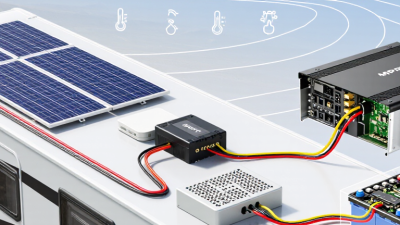

Top 10 Lithium Solar Charge Controllers for Global Buyers
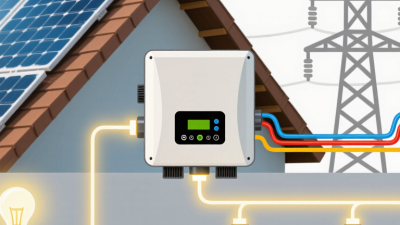
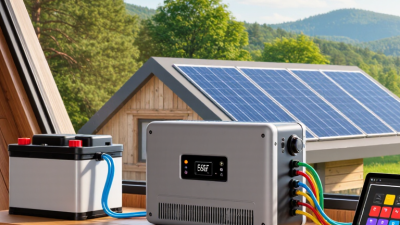
Picking out a lithium solar charge controller isn’t just about comparing prices—that’s only part of the story. Things like battery chemistry, system voltage, charging profiles, and communication features can all impact how well your setup performs day to day. In this guide—called “Top 10 Lithium Solar Charge Controllers for Global Buyers”—we look at products through practical, real-world criteria. We consider factors like MPPT efficiency, compatibility with lithium batteries, temperature sensing, how clear the display is, and how good the installation support is. A solid Lithium Charge Controller Solar system should handle changing sunlight and varying loads without missing a beat, keeping your charging performance steady.
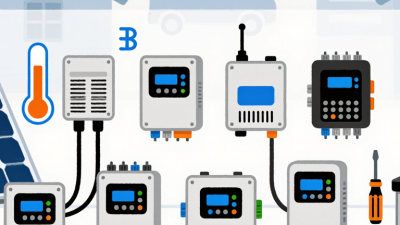
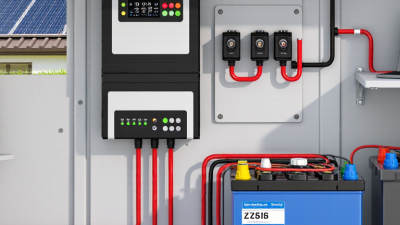
We focus on trusted brands like Victron Energy, Renogy, EPEVER, Morningstar, OutBack Power, and Schneider Electric. Each of these has its own strengths, whether you’re powering a home, a mobile setup, a remote cabin, or a commercial project. We pay attention to the nitty-gritty stuff—terminal quality, enclosure design, how much power the controller consumes when idle, and whether it features Bluetooth or RS485 monitoring. Sometimes, a controller can look really impressive on paper, but if the wiring instructions are sketchy, it can lead to headaches during installation.
For buyers around the world, it’s also crucial to check regional voltage requirements, warranty details, the availability of tech support, and ensure that the product has the right certifications—don’t just take it for granted, verify through official sources first. Of course, no list is perfect. Battery brands, climates, and how you install can all make a difference. A controller that performs great in a cool workshop might act differently on a hot rooftop. And honestly, we might even overlook some good options. That’s why I see this list more as a practical starting point, not the ultimate verdict. Make sure you compare datasheets, double-check the lithium charging settings, and chat with a qualified installer when you’re dealing with bigger systems—little details really do matter.
Read more »