
- Home
- Products
- About Us
- News
- Contact Us
Leave Your Message
Engineered for relentless outdoor exposure, sub-surface deep well pumps, and automated drip irrigation networks.
Addressing erratic precipitation, fossil fuel volatility, and remote off-grid pumping demands with clean, decentralized photovoltaic architecture.
Across the global agro-industrial landscape, water access remains the definitive bottleneck to food security, crop yield stability, and pastoral viability. In developing agricultural basins across South Asia, Sub-Saharan Africa, Latin America, and arid expanses of North America and Australia, agricultural pumping stations frequently operate far beyond the economic perimeter of unified national grids. Historically, smallholder collectives and commercial agribusinesses relied heavily on reciprocating diesel generators. However, skyrocketing fuel tariffs, severe maintenance logistical bottlenecks, and punitive carbon emission caps have rapidly rendered internal combustion pumping financially untenable.
Solar-powered irrigation systems (SPIS) have emerged as the paramount techno-economic replacement. Yet, field deployment data indicates that early-generation solar irrigation arrays faced unprecedented failure rates due to environmental hostility. Standard photovoltaic charge controllers, typically engineered for sheltered indoor battery banks, succumbed rapidly to condensation, high ambient humidity, fertilizer-laden corrosive dust, insect ingress, and tropical monsoons. This operational vulnerability catalyzed the emergence of the Waterproof MPPT Solar Charge Controller as an indispensable category in agricultural infrastructure.
Today, agricultural project developers, NGO rural water programs, and precision irrigation EPCs mandate complete IP67 or IP68 hermetic ingress protection paired with wide-spectrum Maximum Power Point Tracking (MPPT). By guaranteeing tracking efficiencies beyond 99.5% under dynamic irradiance—such as passing monsoon clouds or dawn/dusk twilight—these controllers extract the absolute maximum hydrodynamic work from solar arrays, ensuring that agricultural pumps maintain optimal hydraulic head and continuous volumetric flow rates even under adverse atmospheric conditions.
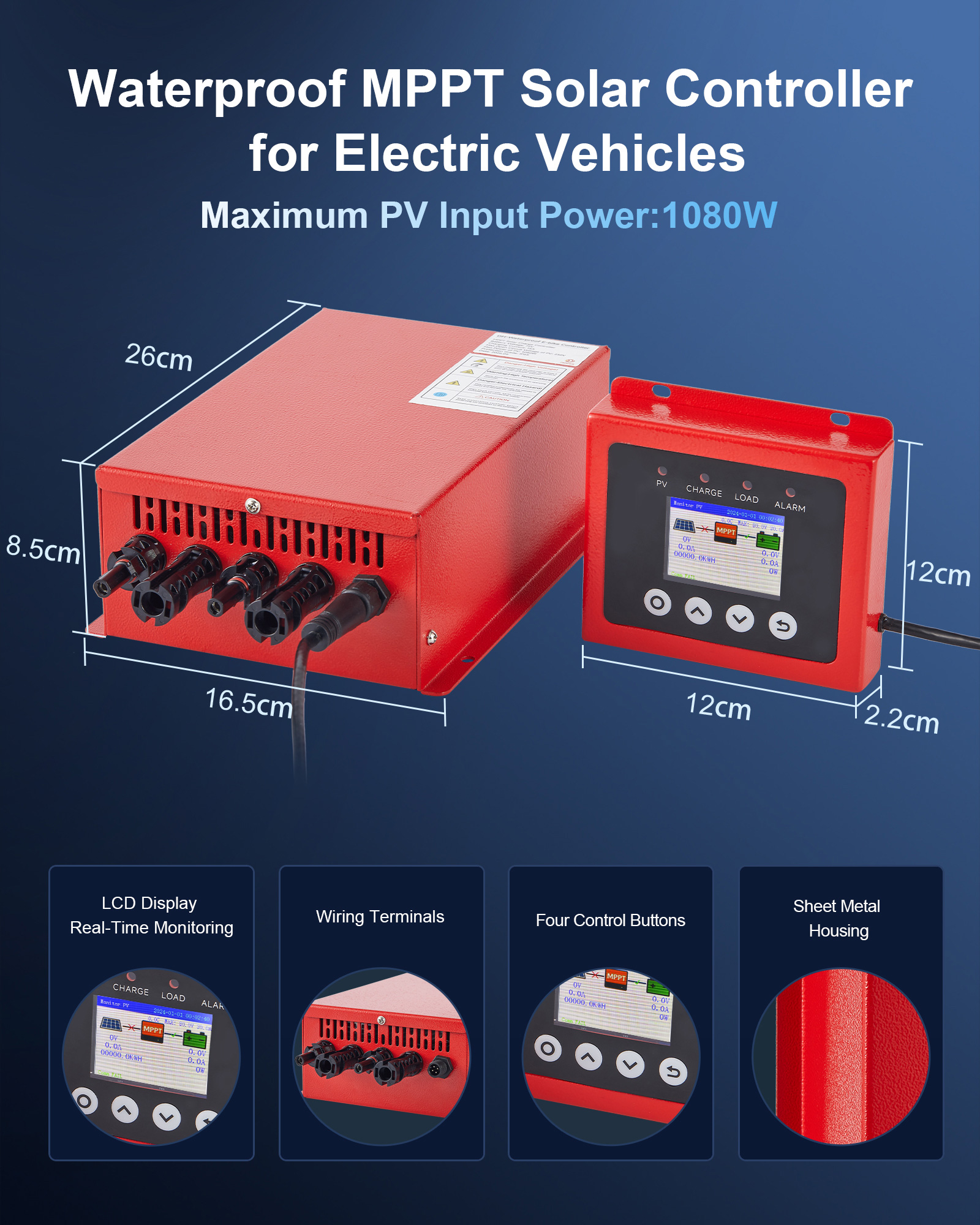
Completely potted internal circuitry shielded with high-grade thermally conductive epoxy. Impervious to field sprinkler spray, submersion during seasonal floods, and soil particulate accumulation.
Advanced algorithmic scanning capable of distinguishing true maximum power points during non-uniform shading caused by crop foliage, irrigation towers, dust films, or localized cloud cover.
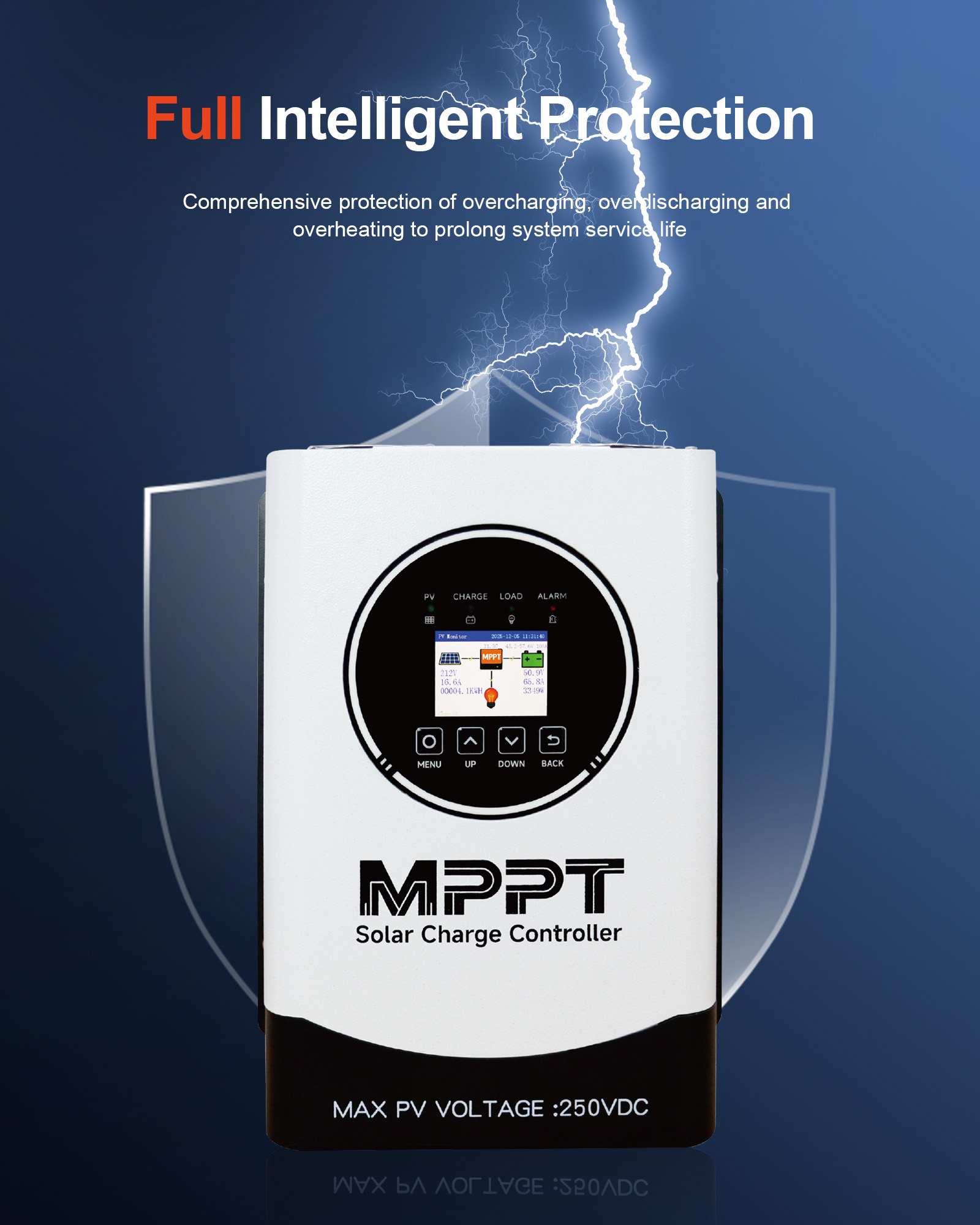
Broad photovoltaic Voc windows adapted for deep submersibles, surface boosters, and hybrid DC brushless pump motors, with integrated lightning, polarity, and soft-start surge defense.
How ruggedized power electronics ensure decades of maintenance-free water delivery in aggressive open-field microclimates.
Unlike commercial solar controllers that employ active mechanical cooling fans—which predictably fail in dusty agrarian settings when clogged with chaff and pollen—industrial waterproof MPPT controllers utilize heavy die-cast aluminum alloy chassis with integrated aerodynamic cooling fins. Heat produced by synchronous buck switching transistors (MOSFETs) is directly conducted to external thermal radiation surfaces, enabling continuous full-load pumping in ambient desert temperatures reaching +55°C without thermal throttling.
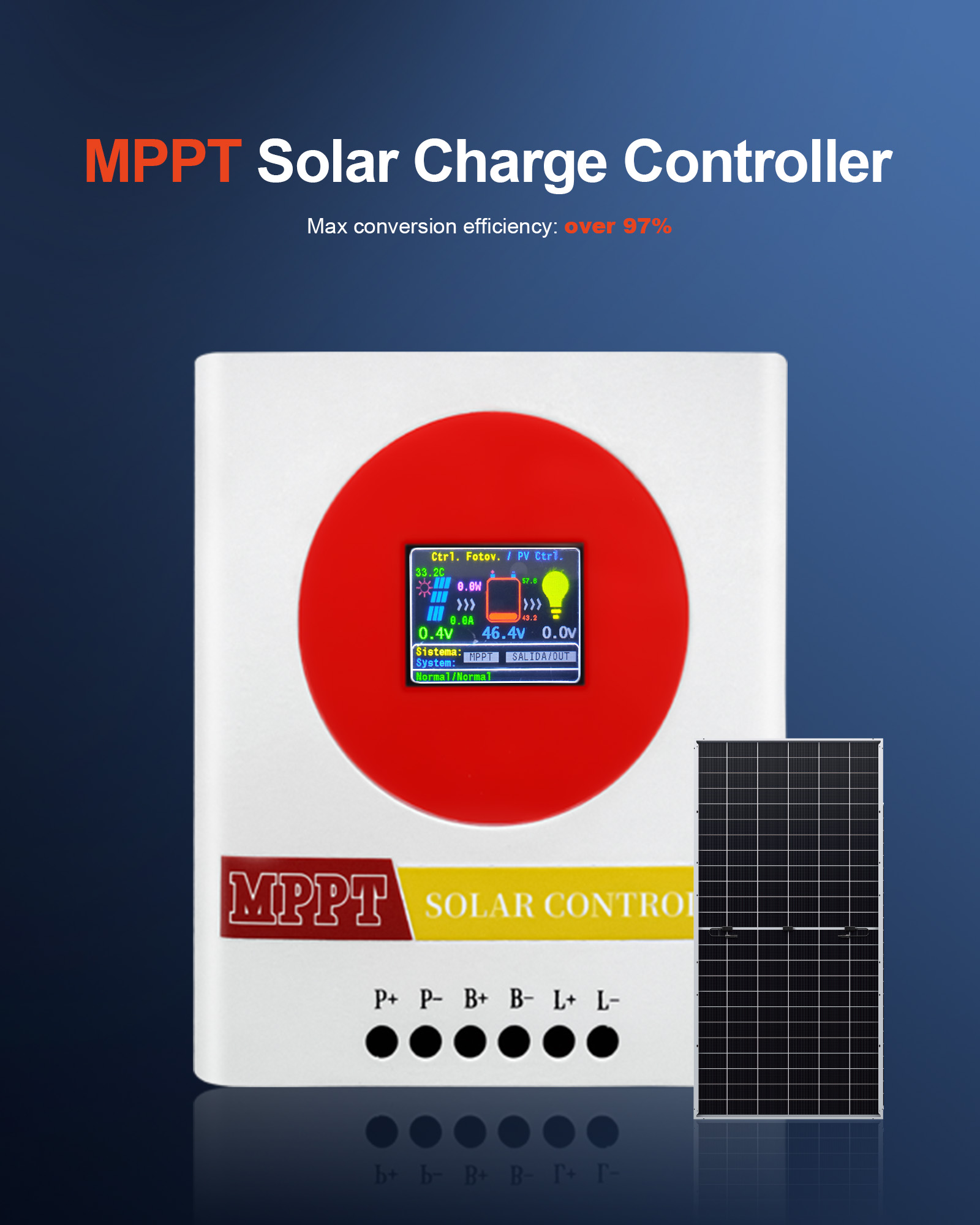
Agricultural water pumps are dynamic inductive loads. Traditional Pulse Width Modulation (PWM) controllers operate by clamping the solar array voltage directly to the battery or motor bus, resulting in an immediate 25% to 40% loss of harvestable solar wattage. In contrast, high-speed MPPT algorithms continuously compute the optimal voltage-to-current ratio hundreds of times per second. By stepping down excess panel voltage into supplementary pumping amperage, the system overcomes static water friction in deep borewells hours earlier each morning and pumps hours later into dusk.
Deploying a waterproof MPPT controller increases overall volumetric water output by 30% to 45% annually compared to PWM systems under identical solar irradiance, substantially reducing the required solar panel wattage and mounting structure investment.
| Performance Metric | Standard Indoor PWM | Waterproof Industrial MPPT |
|---|---|---|
| Energy Harvesting Efficiency | 68% - 75% | 99.2% - 99.8% Tracking Eff. |
| Ingress Protection Rating | IP20 - IP30 (Unsealed) | IP67 / IP68 Hermetic |
| Thermal Dissipation Mode | Air vents / Vulnerable fan | Passive die-cast aluminum convection |
| Corrosion Resistance | Low (Open PCB traces) | Epoxy potting / Anti-ammonia coat |
| Daily Pumping Hours | 4.5 - 5.5 hours | 7.0 - 8.5 hours (Dawn-to-Dusk) |
| Lifecycle in Open Farmland | 1 - 2 Years (Frequent failures) | 8 - 12+ Years Continuous Duty |
From deep-well boreholes to multi-hectare center pivots, our MPPT controllers drive resilient irrigation architecture globally.
In semi-arid regions such as the Sahel, Western India, and the Australian Outback, static water levels frequently exceed 120 to 250 meters beneath the surface. Raising water from these depths requires high operating voltages and substantial starting torque. Waterproof MPPT solar charge controllers maintain optimal DC-bus stability, converting high-voltage photovoltaic strings down to precise motor driving thresholds while managing the inductive surges of submersible helical rotor and centrifugal pumps. The integrated waterproof casing allows controllers to be installed directly adjacent to the wellhead casing, completely eliminating the construction expense of dedicated weather-protective brick huts.
Modern commercial horticulture relies on micro-drip networks where pressure variations degrade root-zone water distribution uniformity and fertilizer distribution. Waterproof MPPT controllers interface effortlessly with smart soil-moisture telemetry, flow transmitters, and solenoid manifold valves. By delivering ultra-smooth, ripple-free DC power to pressurized booster pumps, the controller sustains precise barometric pipeline pressure throughout shifting solar irradiance windows, preventing pipe cavitation and emitter blockages.
Extensive cattle ranches and sheep stations span thousands of unfenced hectares where routine inspection is economically impractical. Waterproof MPPT controllers coupled with remote IoT uplink antennas manage isolated watering troughs, storage cisterns, and livestock booster pumps. Equipped with dry-run protection logic, over-temperature shutdown, and automated float-switch telemetry, these units operate autonomously through sandstorms, monsoons, and extreme thermal swings, ensuring herds have uninterrupted water access without manual operator supervision.
In intensive aquaculture and coastal fish farms, mechanical aerators and water exchange pumps operate in an intensely corrosive, saline, and humidity-saturated environment. Standard electronics suffer rapid electrolytic corrosion on exposed solder joints. Fully encapsulated, waterproof MPPT controllers resist salt spray corrosion and airborne chemical vapors, ensuring non-stop dissolved oxygen circulation in shrimp ponds, fish hatcheries, and managed ecological wetlands.
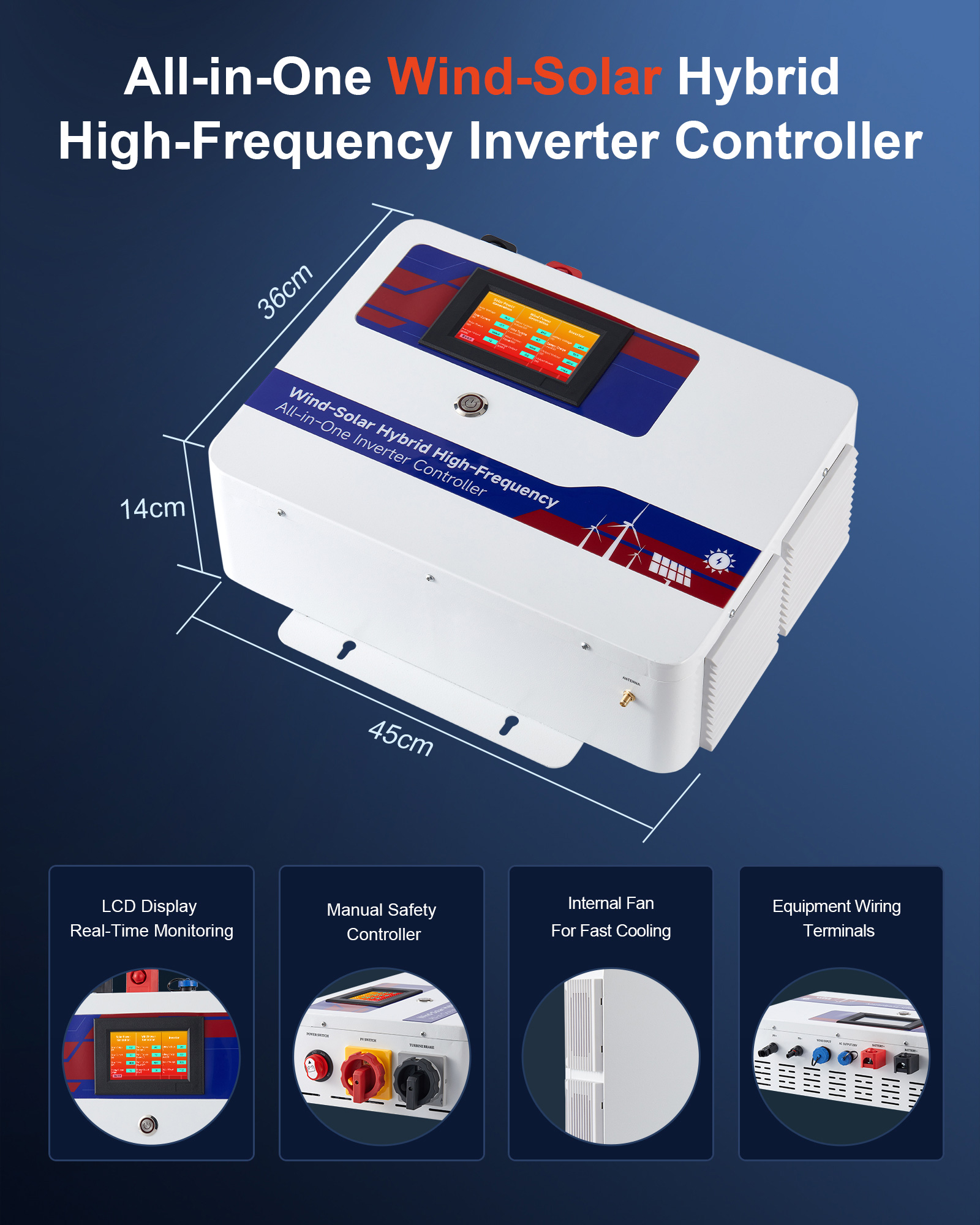
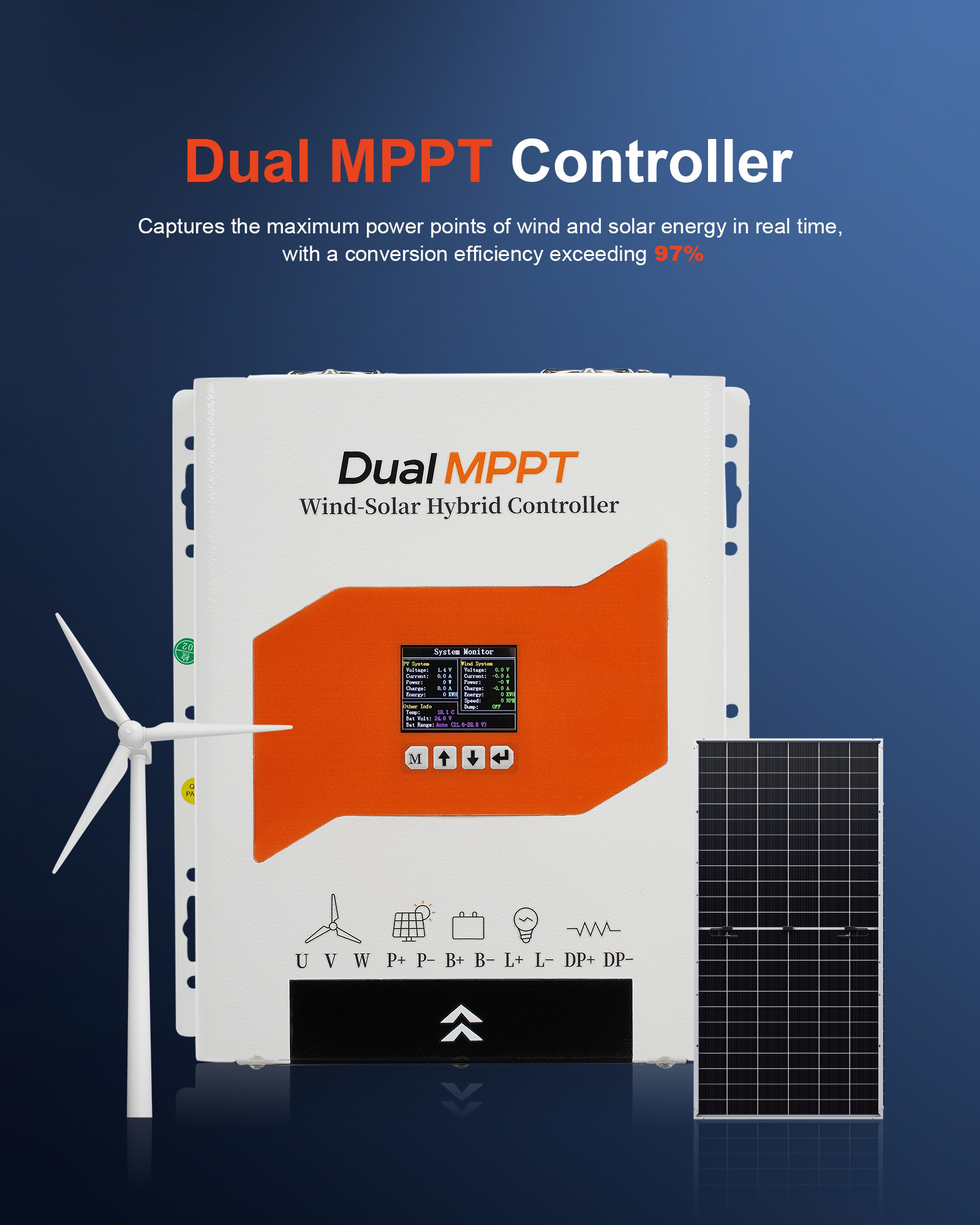
During prolonged cloudy spells or regional monsoon seasons, solar irradiance alone may fall below the motor threshold needed to lift heavy hydraulic heads. Integrating wind-solar hybrid high-frequency and low-frequency MPPT controllers unlocks complementary power harvesting. As thermal winds frequently accelerate during cloudy or stormy weather, hybrid MPPT controllers balance both kinetic wind turbine generation and photovoltaic energy, delivering non-stop 24/7 pumping and battery storage maintenance.
Pioneering the frontiers of renewable conversion, high-precision automation, and integrated wind-solar-storage engineering.
The company's core R&D strength is composed of a scientific research team led by senior doctors in the industry. It has long-term focus on the cutting-edge exploration and innovative application of new energy technologies, continues to increase investment in core R&D, and has formed deep technological accumulation and independent innovation capabilities in core areas such as efficient conversion of electric energy, intelligent system integration, and coordinated control of integrated wind, solar, and storage.
Relying on industry-leading automated production lines and high-precision full-dimensional testing equipment, the company has independently developed a number of intelligent new energy products with completely independent intellectual property rights, fully covering three major application scenarios: off-grid, grid-connected, and mixed grid.
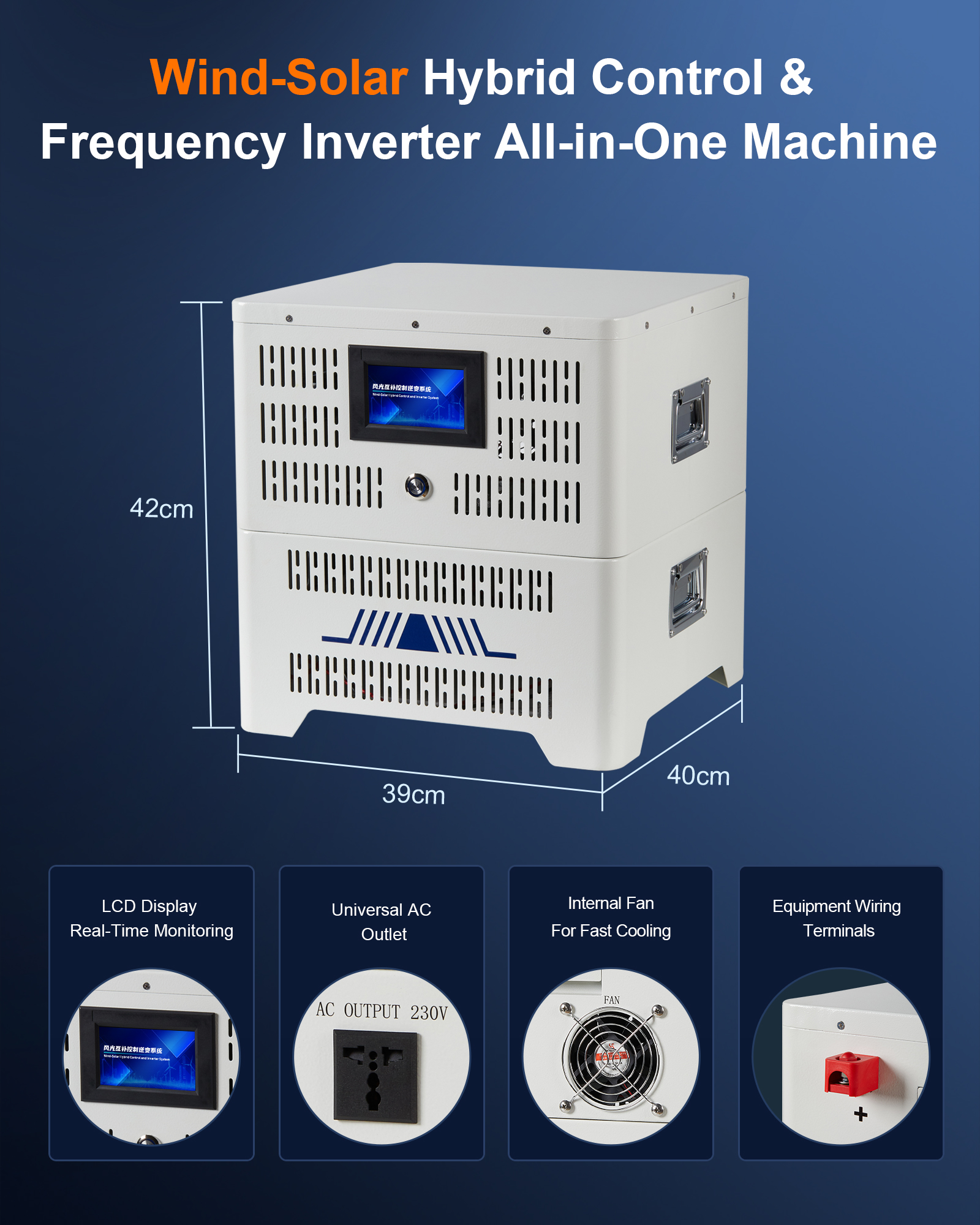
The product matrix includes core categories such as high-frequency/power frequency inverters, wind power controllers, photovoltaic controllers, wind-solar hybrid controllers, wind-solar storage-control-inverse integrated power generation systems, etc., which can be flexibly adapted to diversified power needs such as household use, industrial and commercial distributed, and off-grid independent power stations.
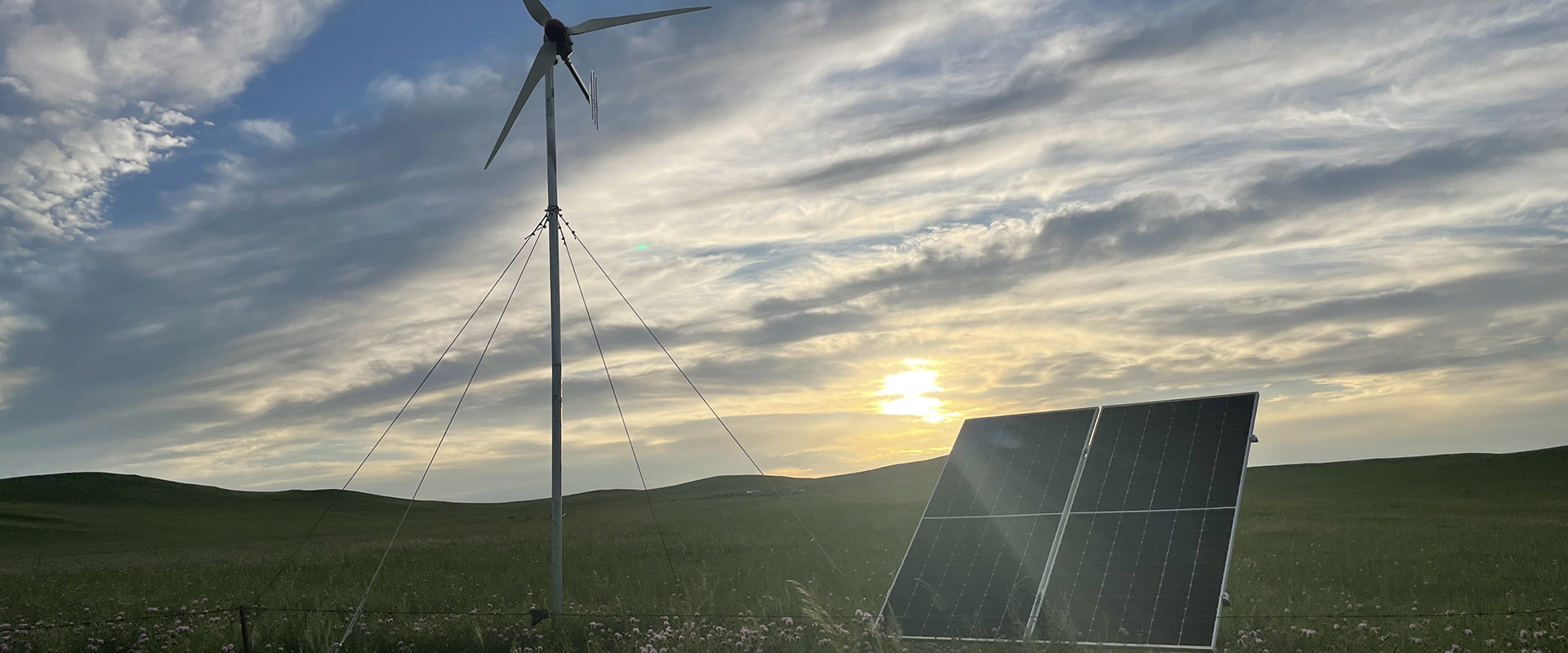



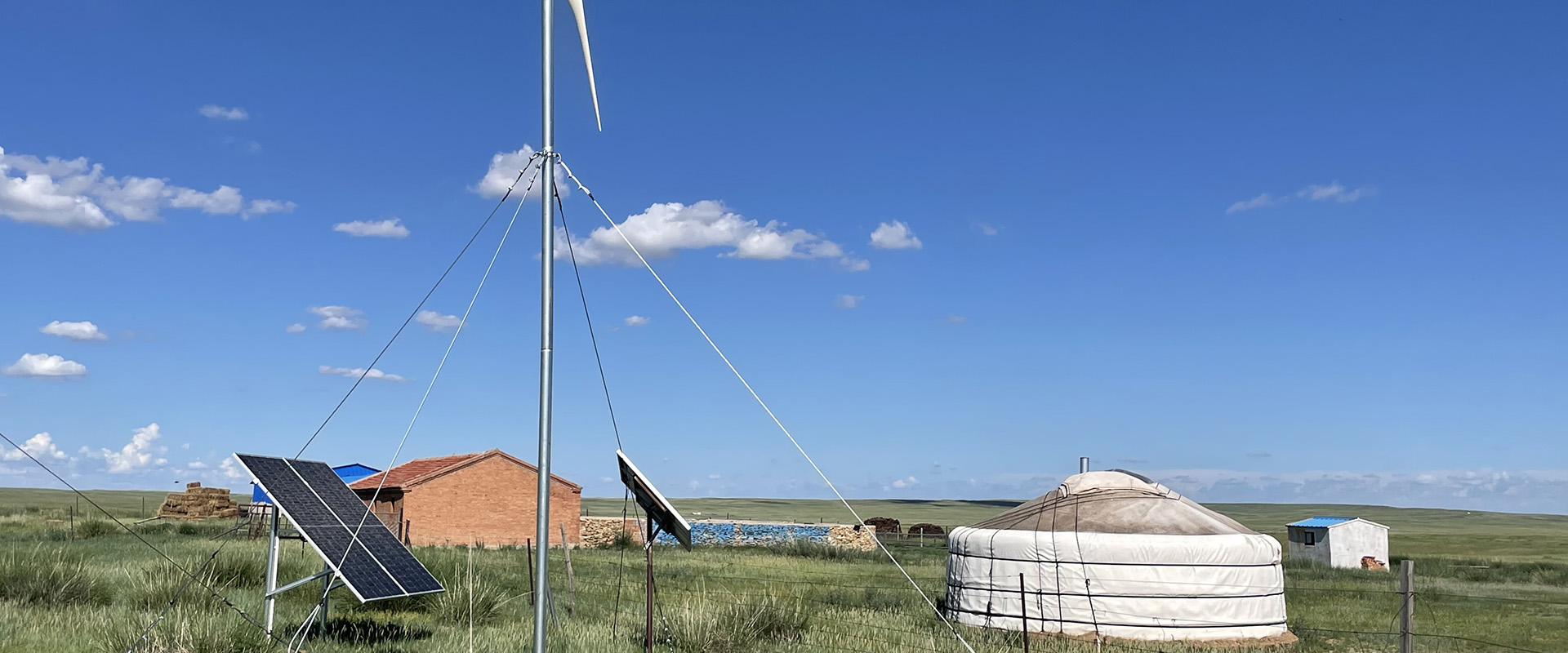
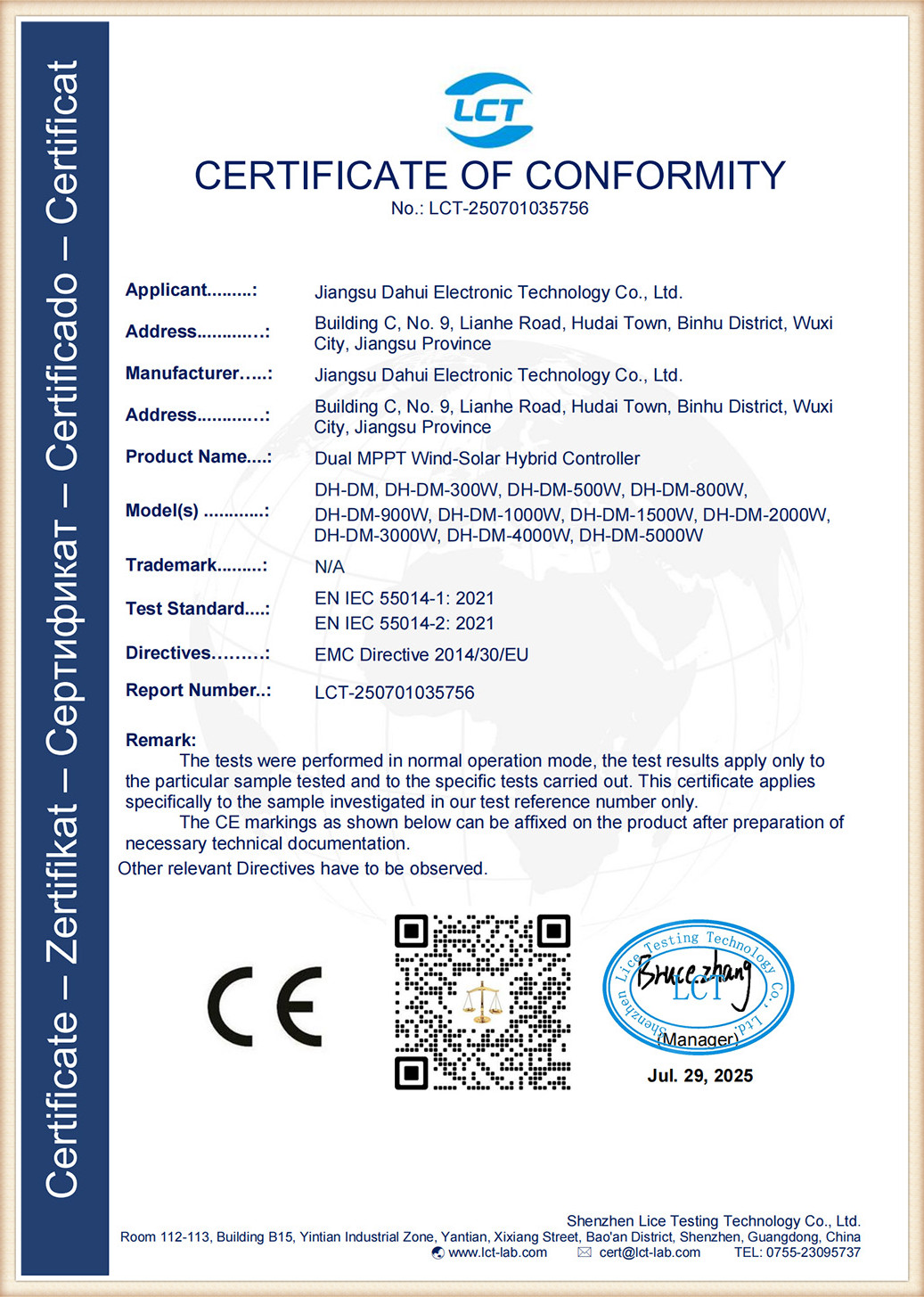
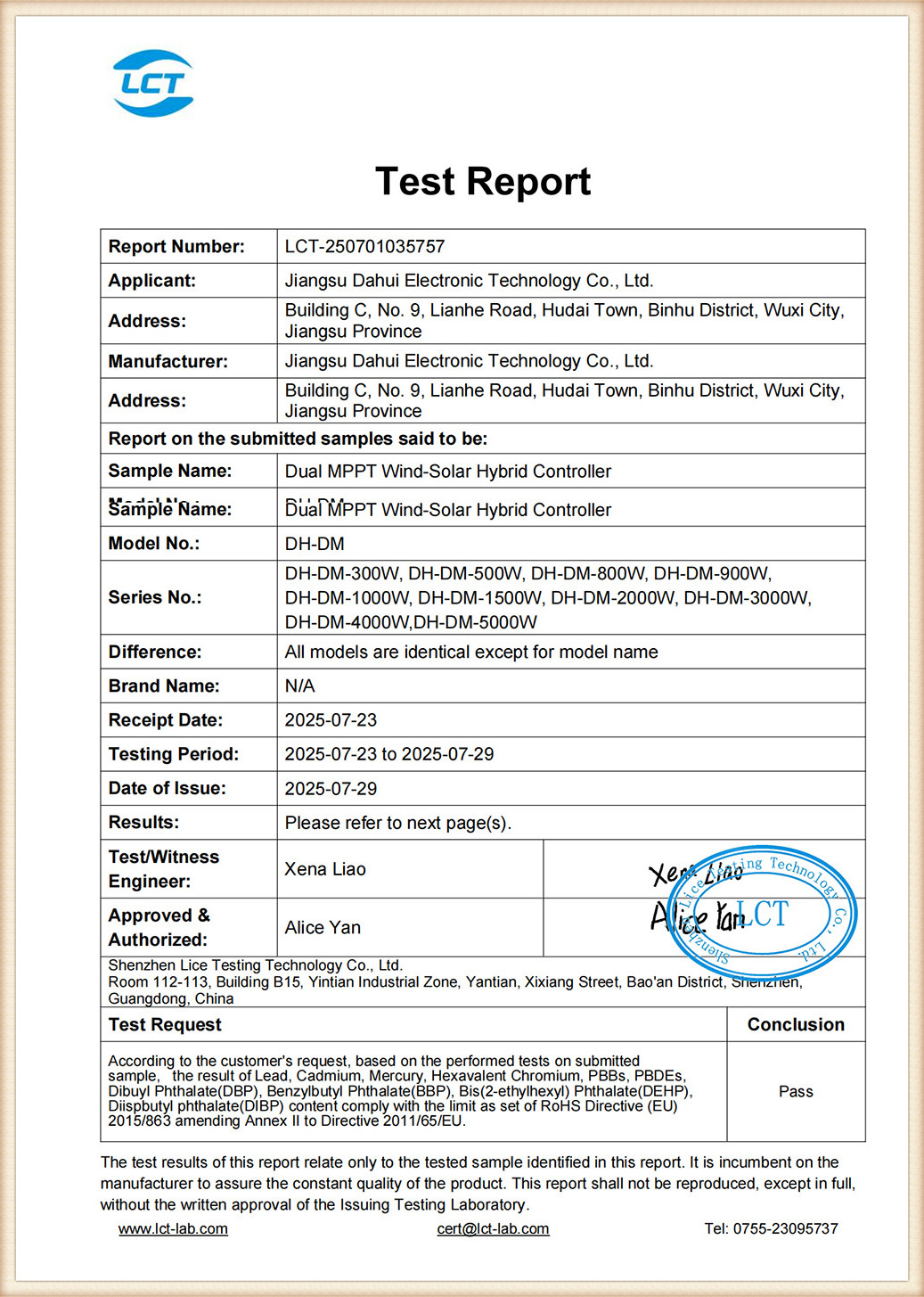
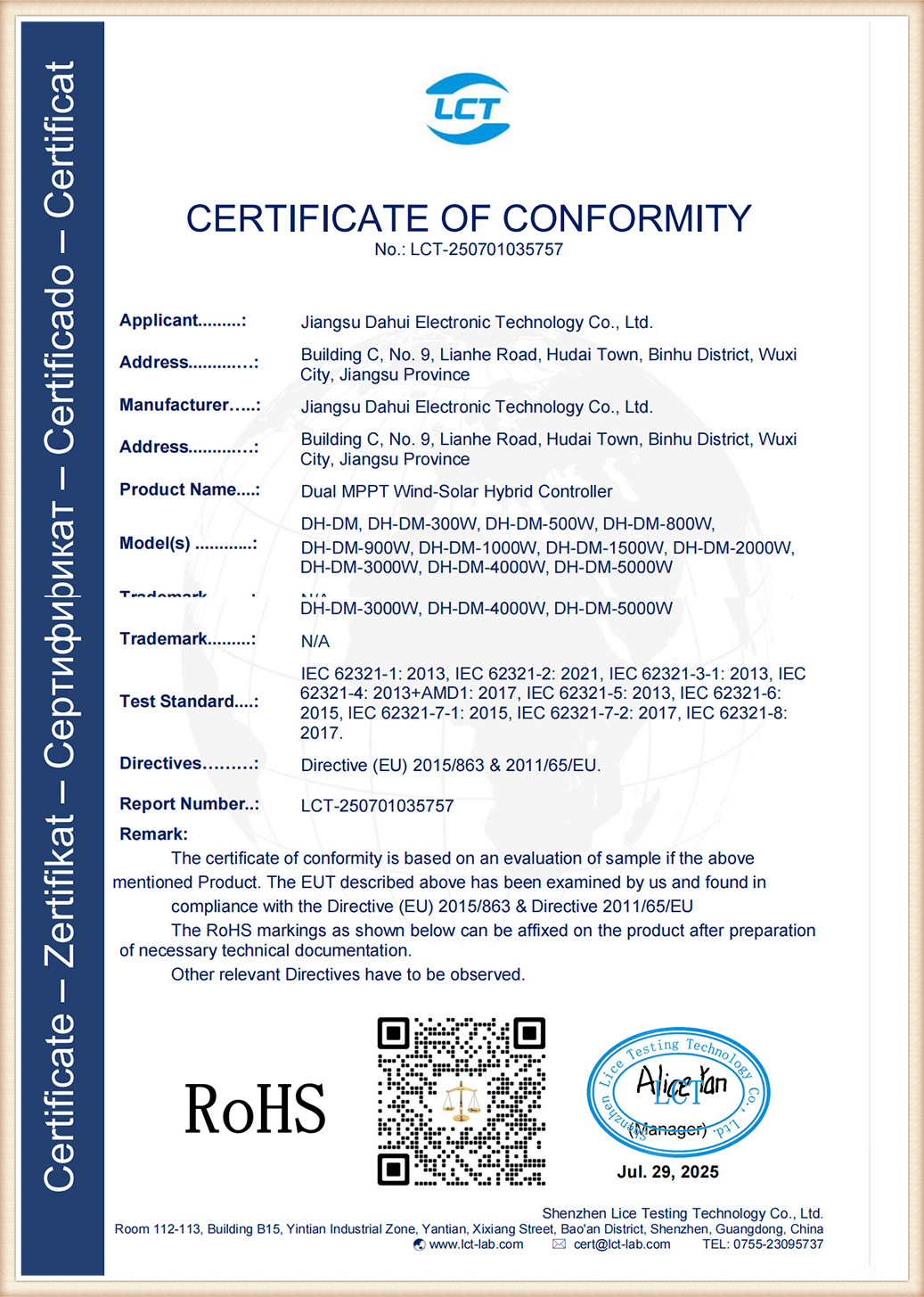
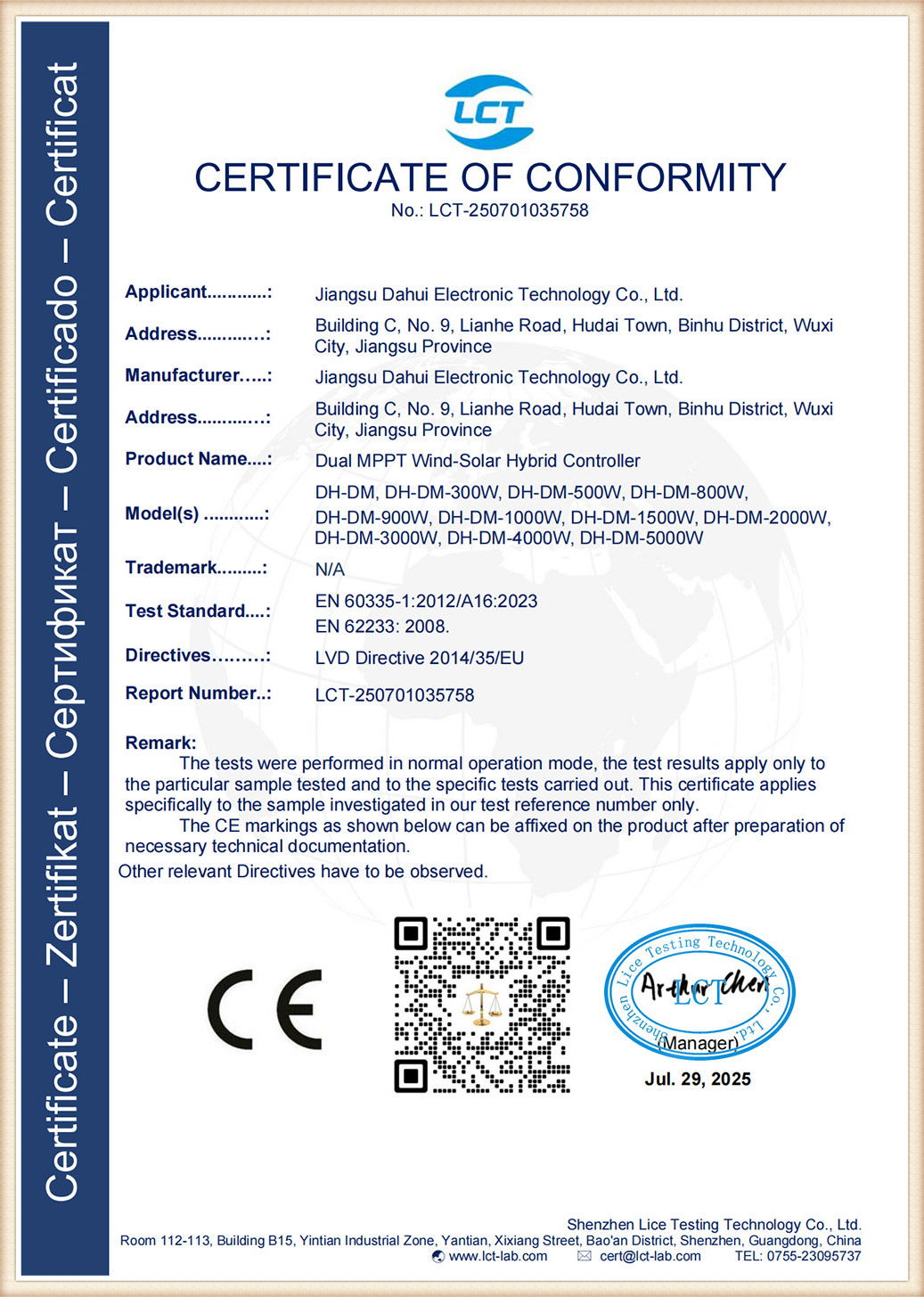
The company always adheres to the core business philosophy of "quality first, independent research and development", and regards product quality and technological innovation as the core driving force for corporate development. At present, it has obtained a number of international authoritative product certifications and ISO quality management system certifications, and has established a full-chain quality management system from raw material inspection, full-process control of the production process to multi-dimensional inspection of finished products. Product quality is strictly controlled throughout the entire process, and core product performance indicators are comprehensively better than industry standards, providing a solid guarantee for the long-term stable operation and reliable service life of the product.
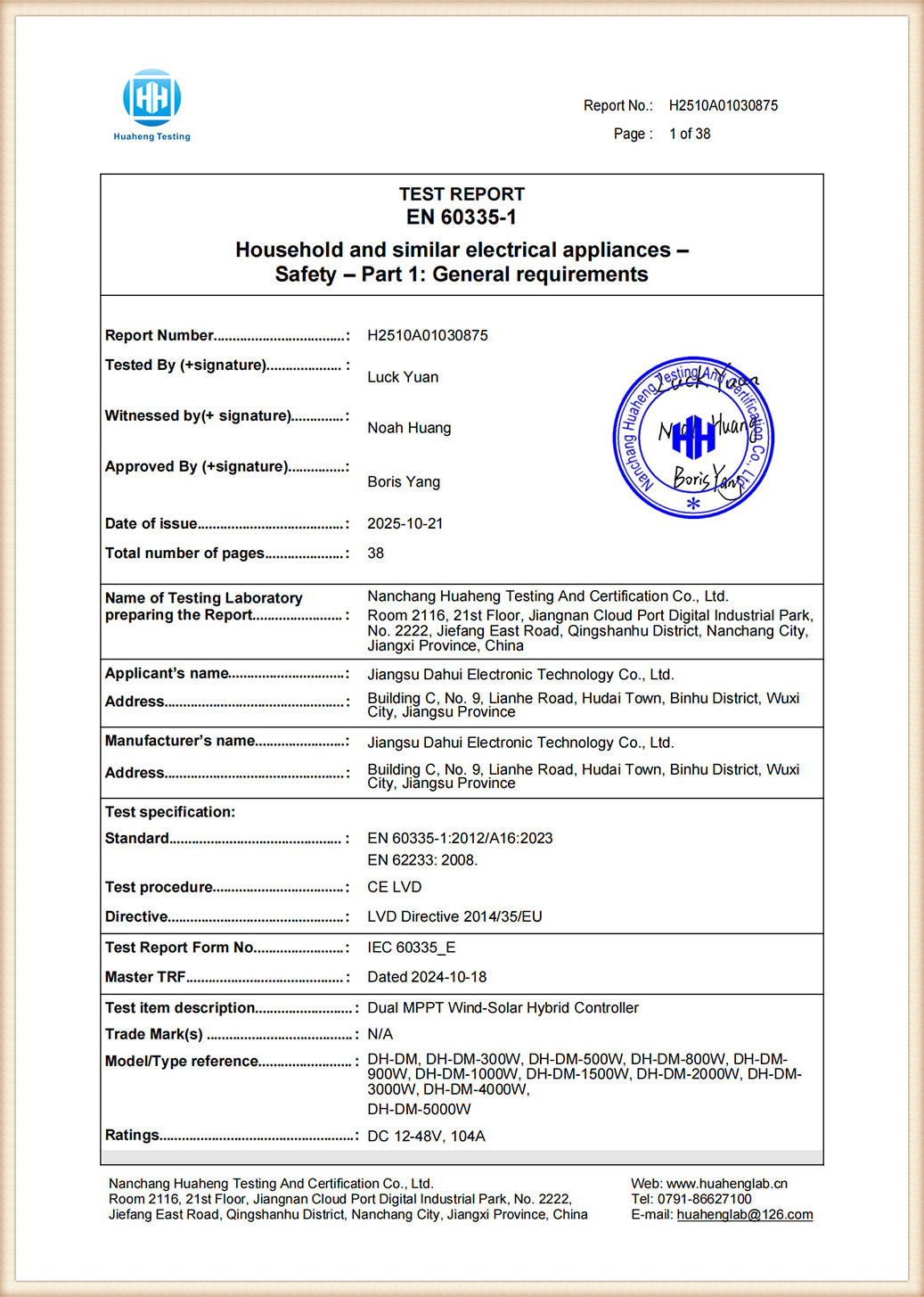
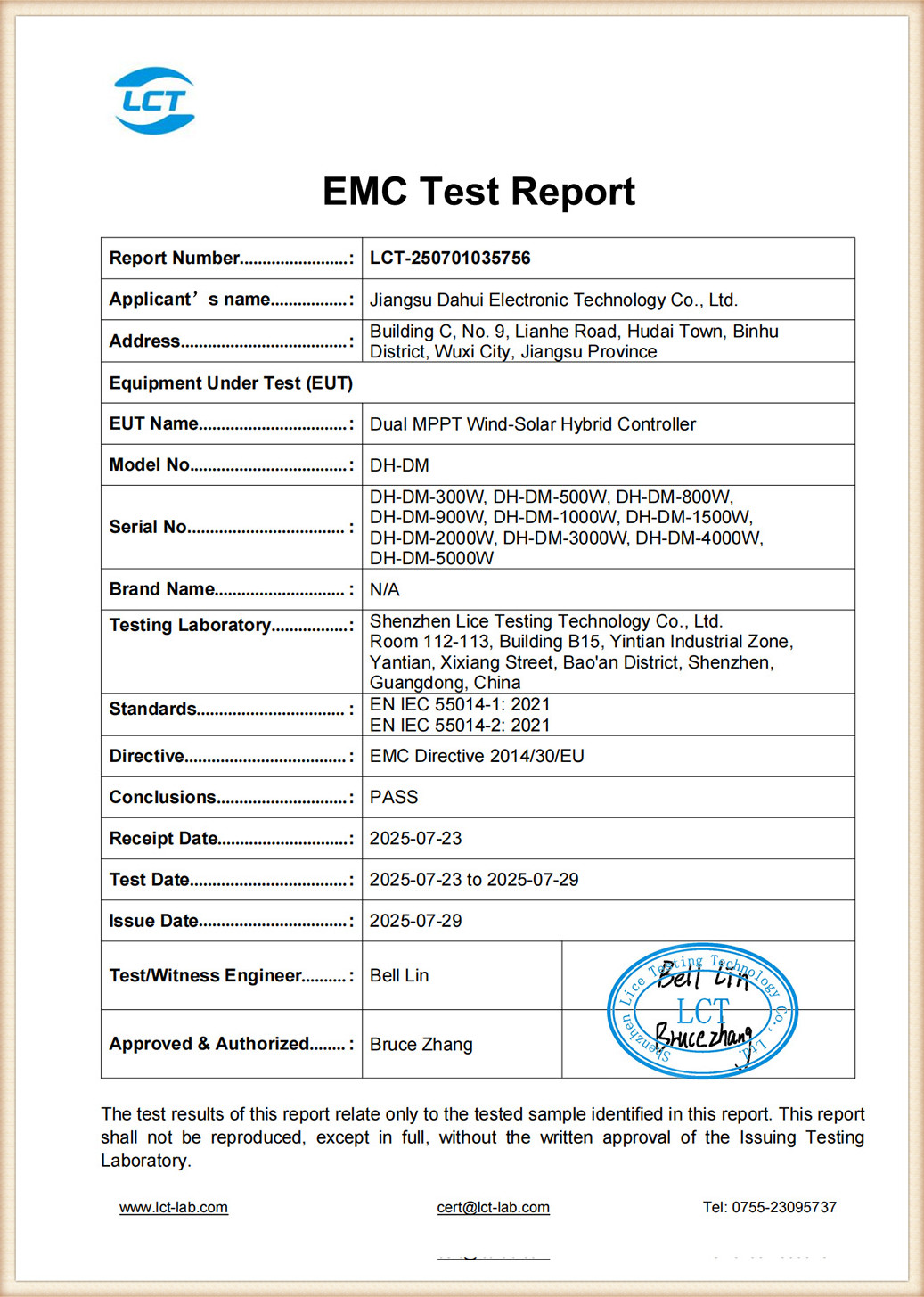

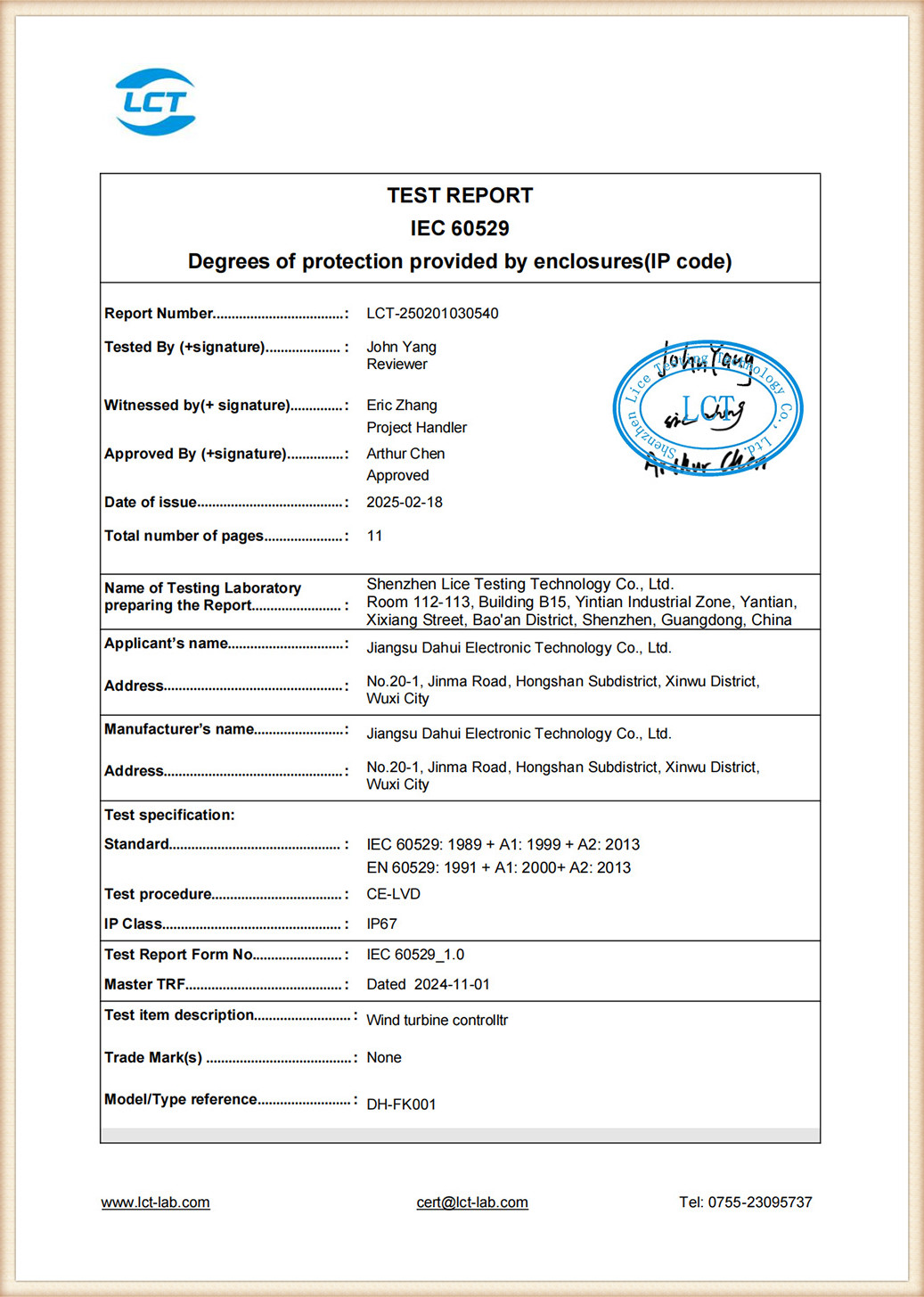
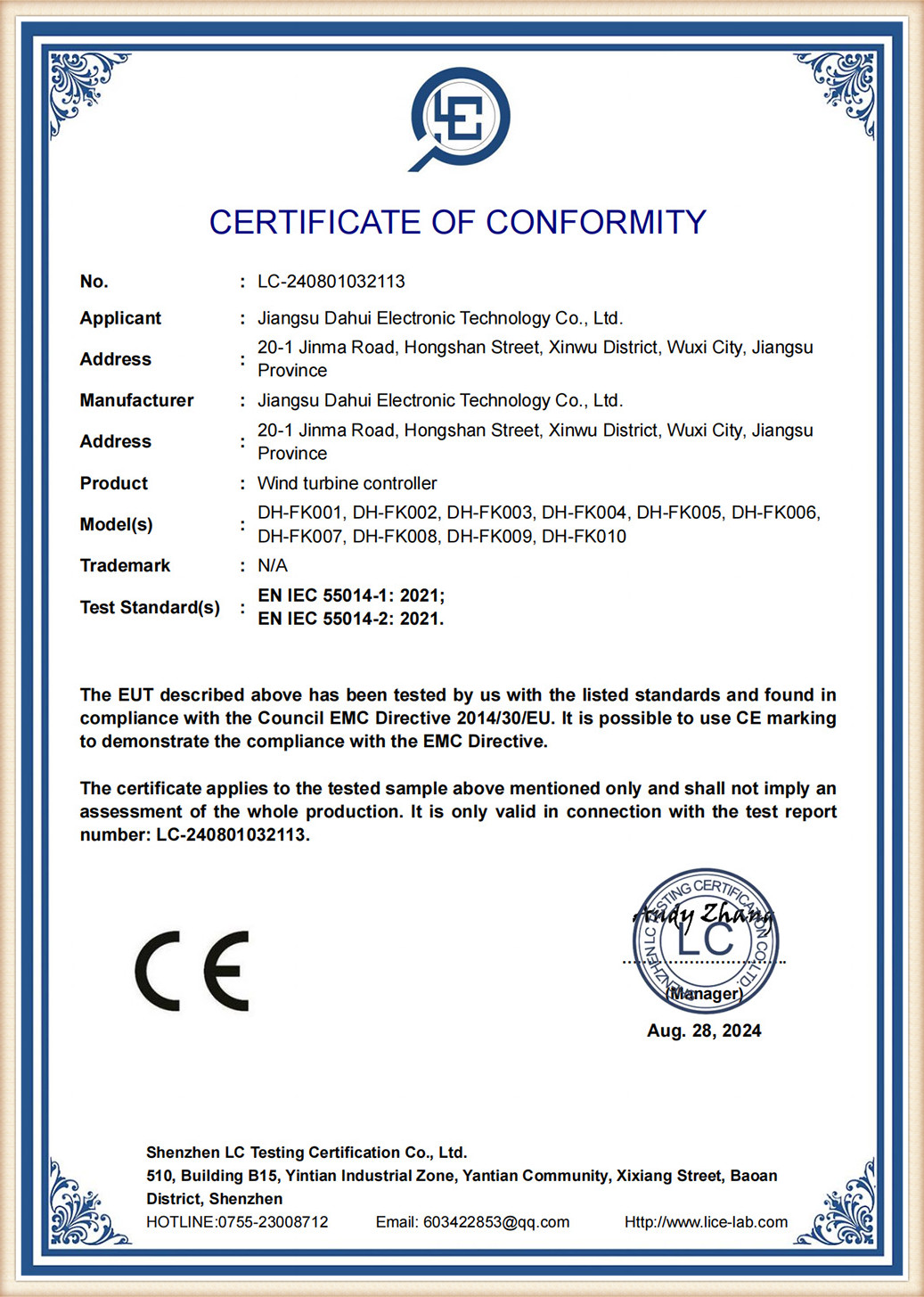
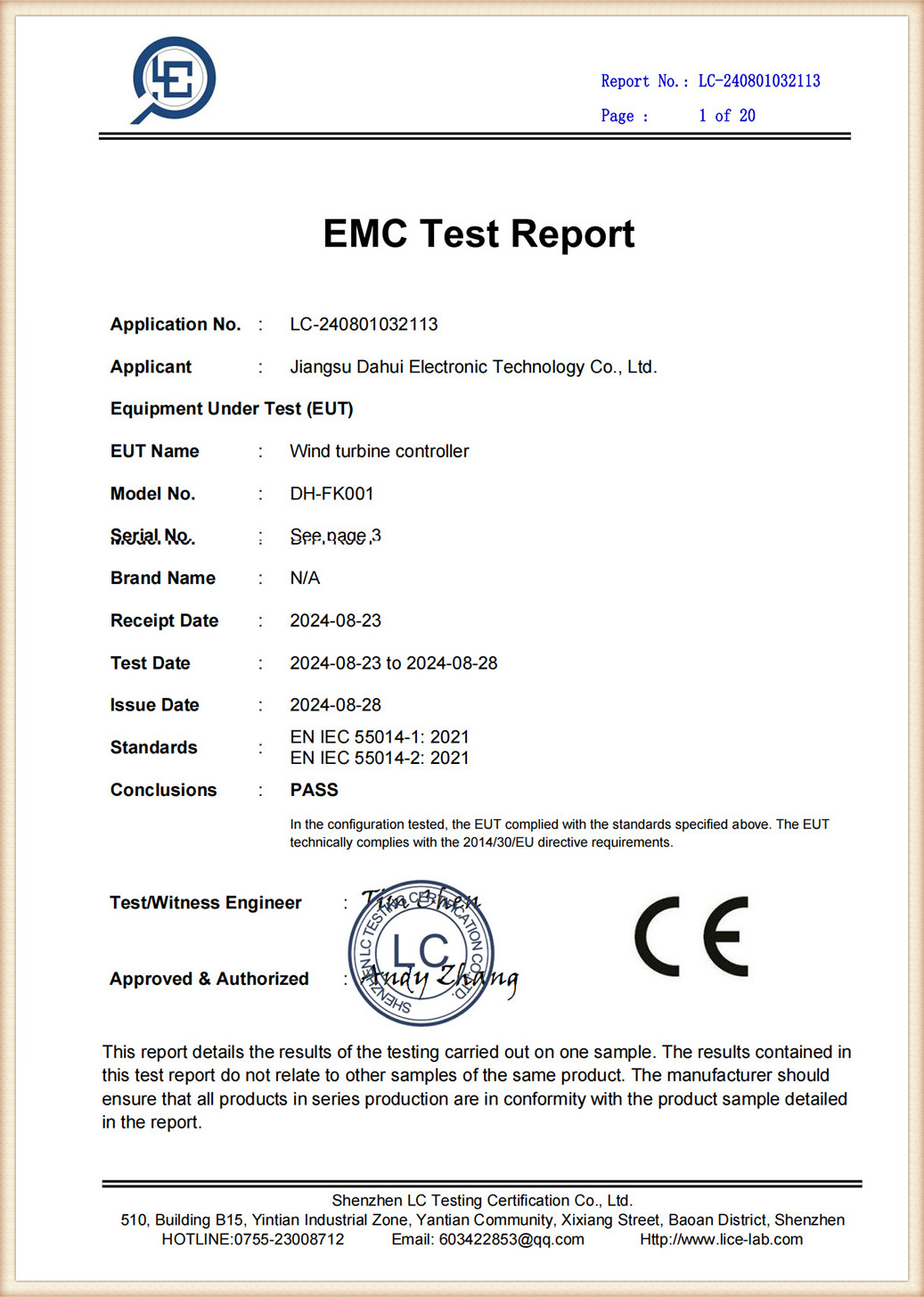
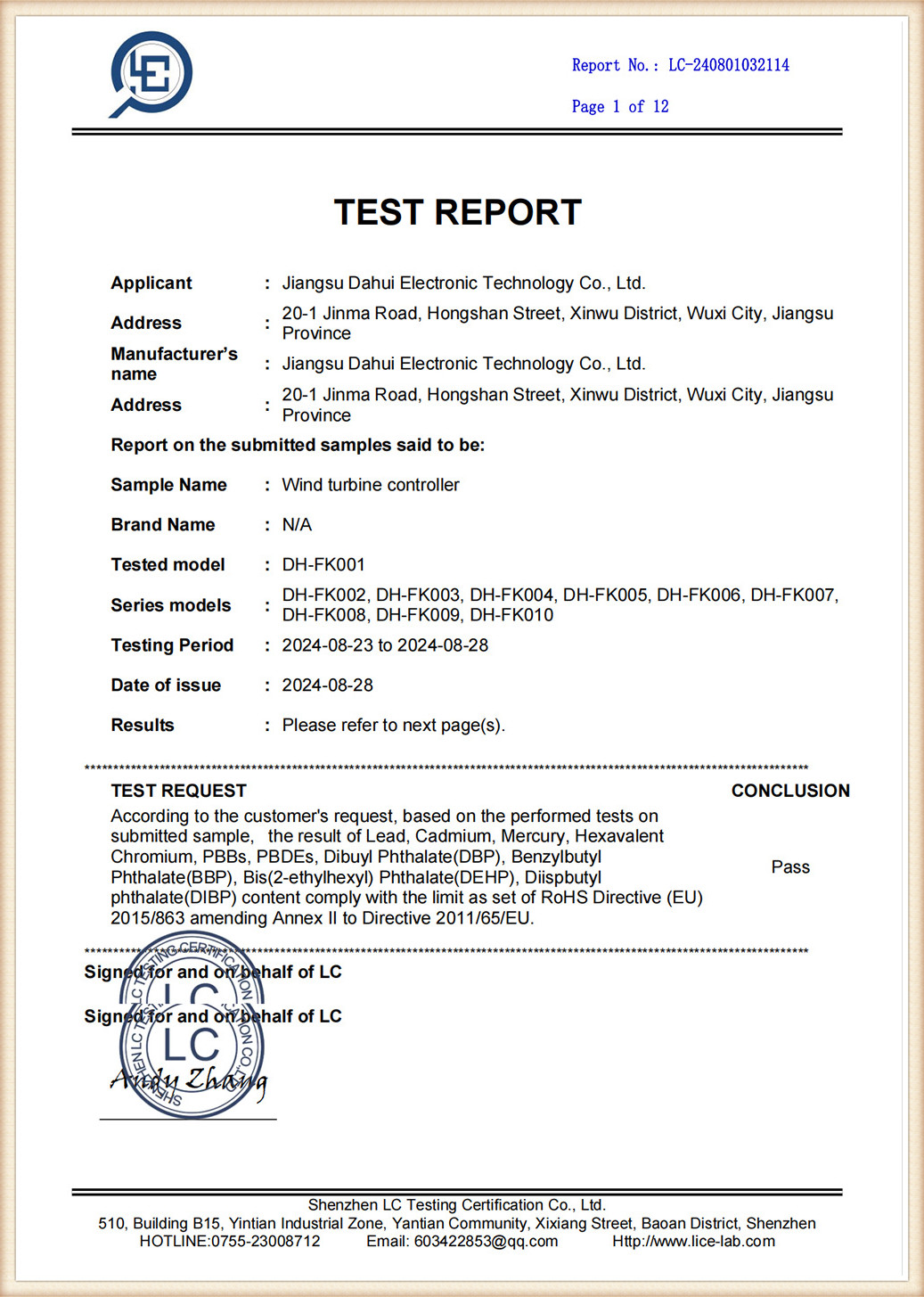

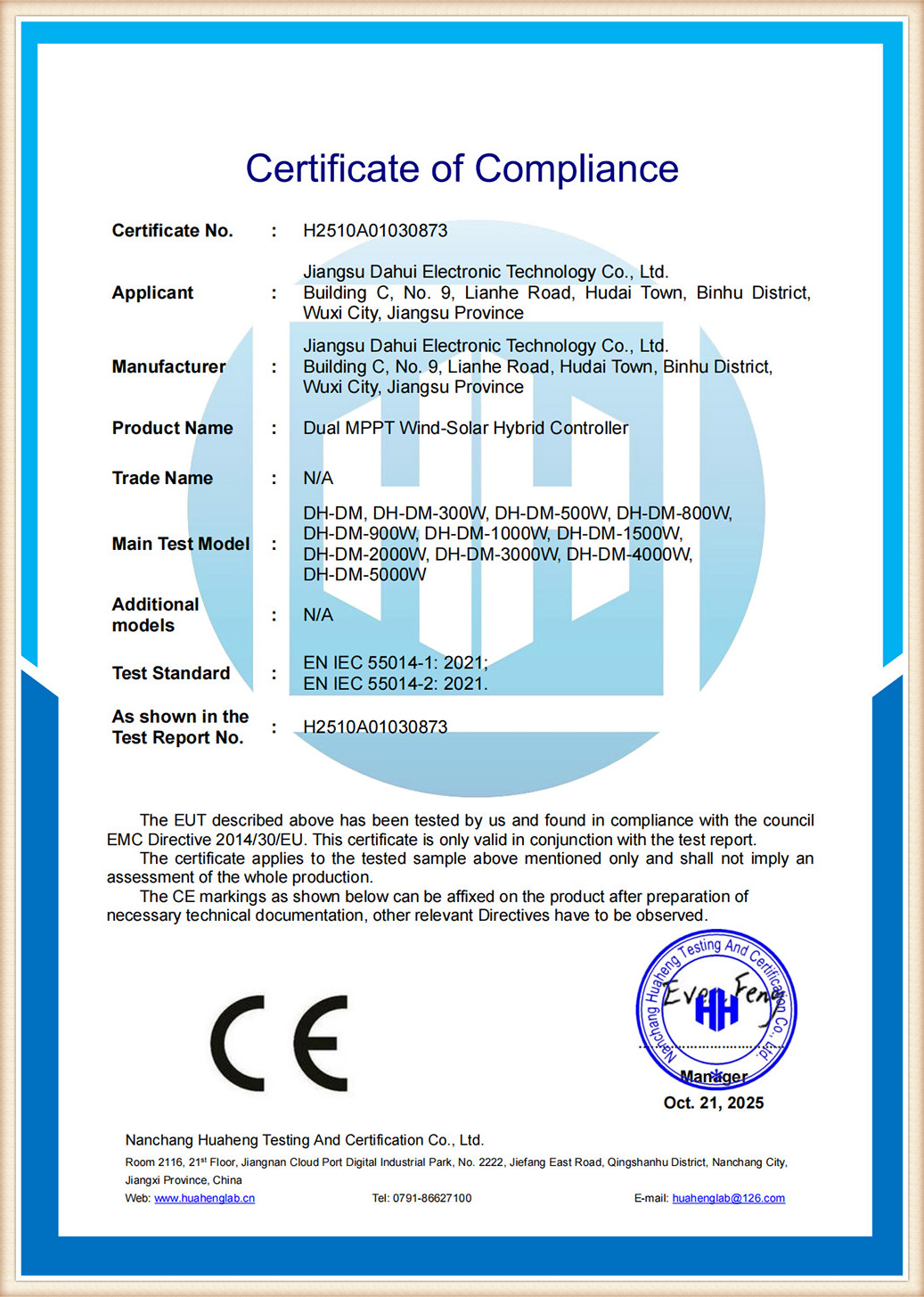
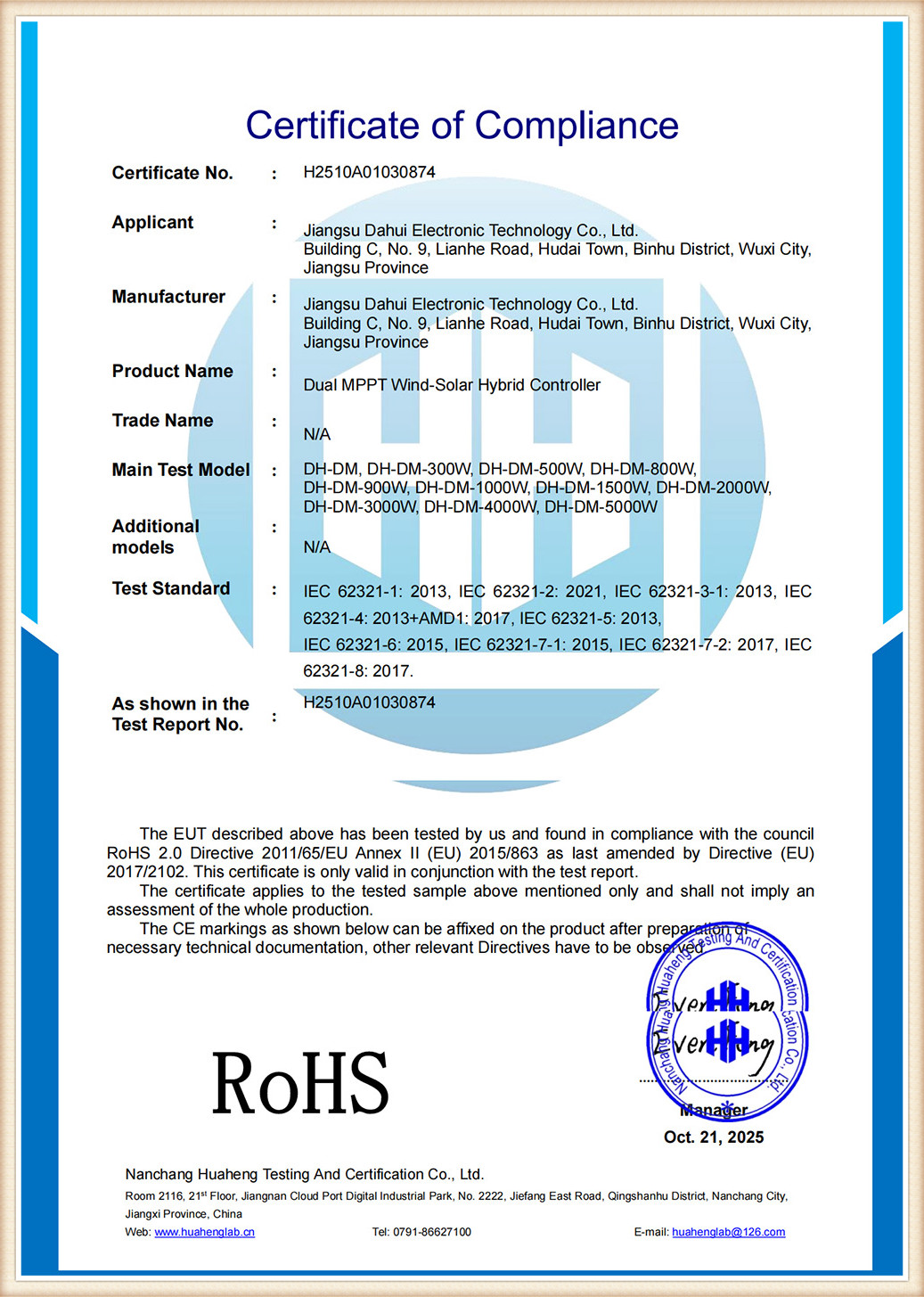
Explore our complete spectrum of waterproof controllers, hybrid inverter systems, and wind-solar turbine regulators engineered for extreme reliability.
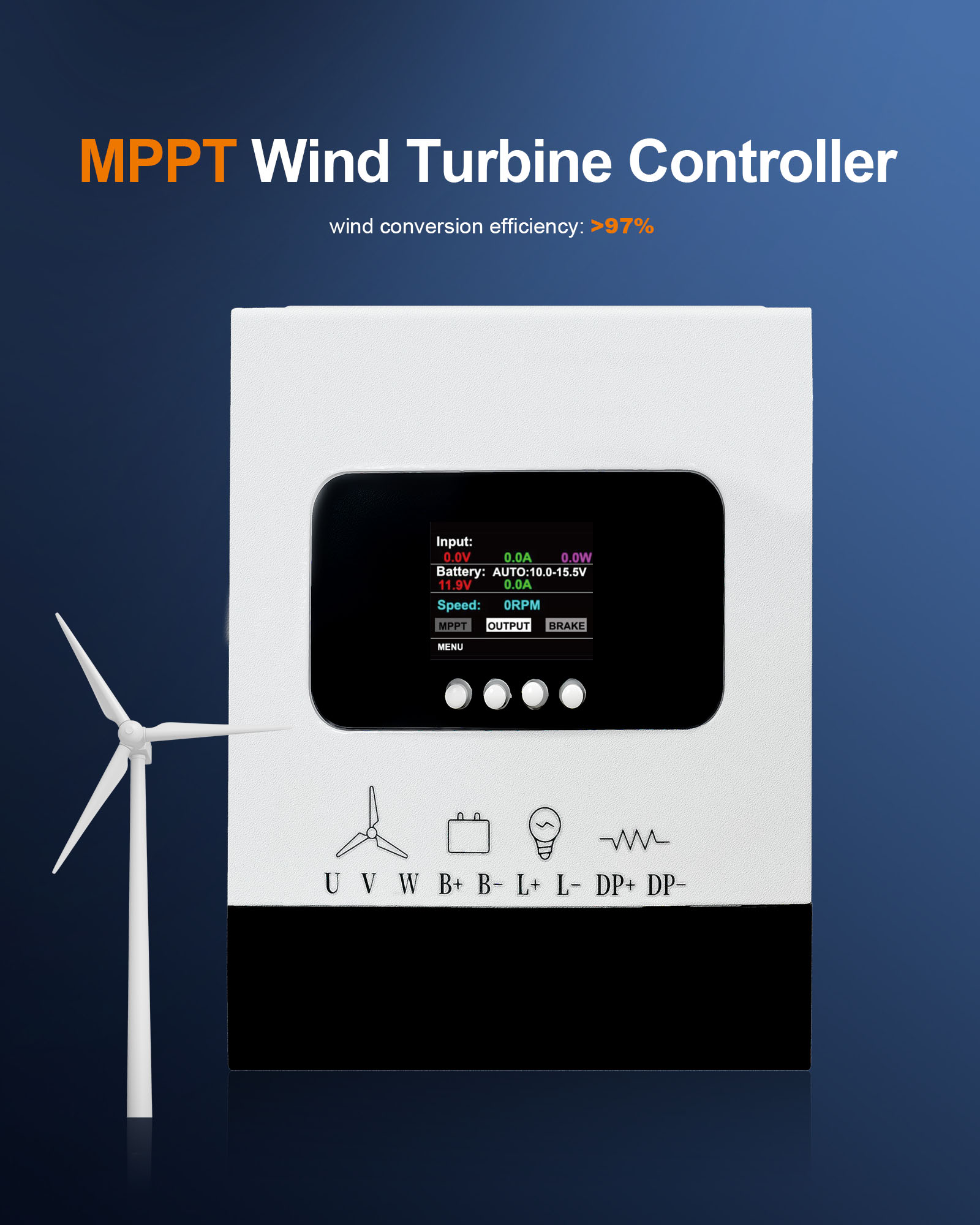
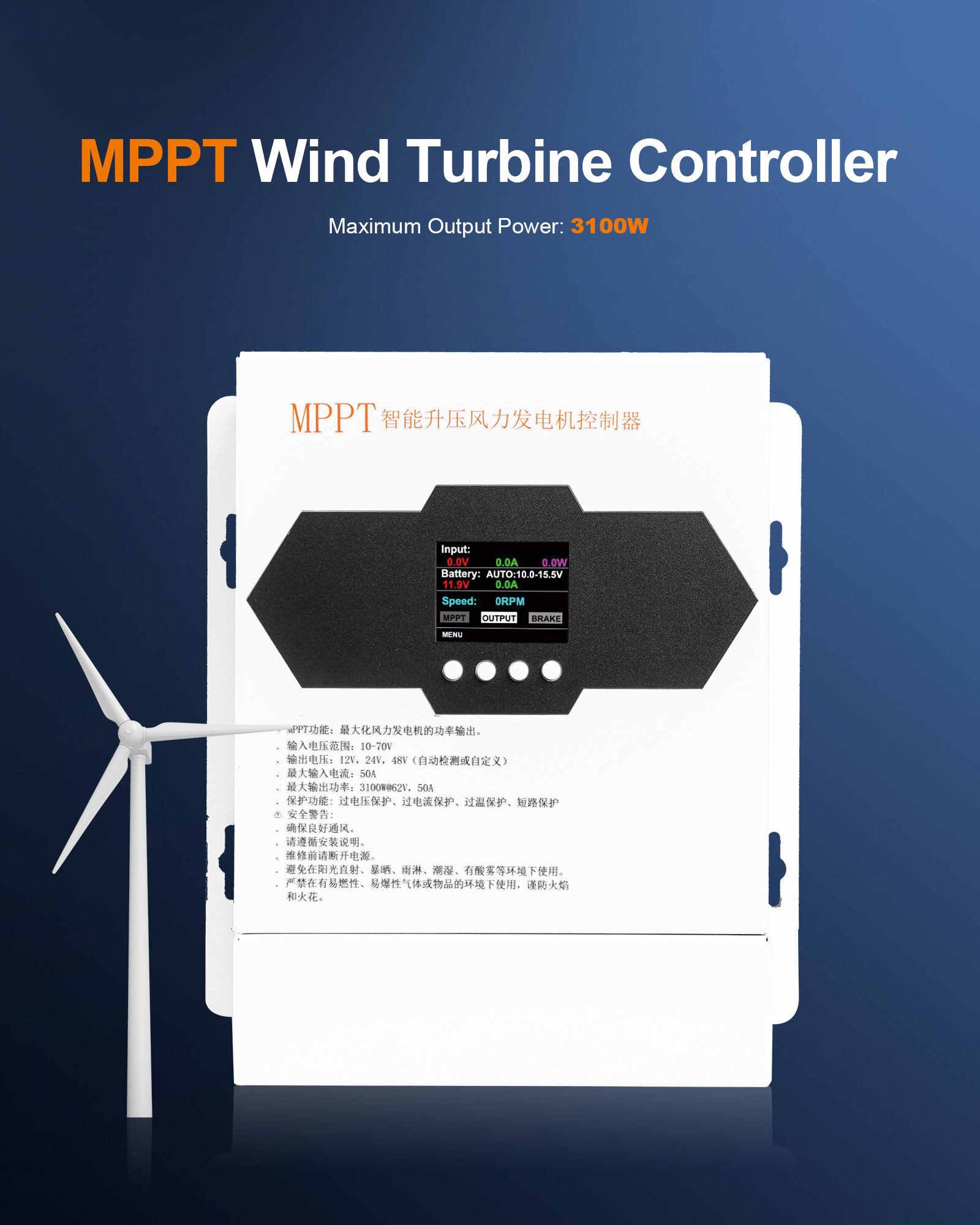
How digital twins, intelligent power electronics, and regenerative agricultural engineering are shaping off-grid pumping projects over the next decade.
The evolution of agricultural water pumping is converging rapidly toward fully autonomous, cyber-physical irrigation ecosystems. Future-ready waterproof MPPT solar charge controllers are no longer merely passive power regulators; they now act as decentralized edge-computing nodes situated directly at the agricultural water source. By incorporating Bluetooth Low Energy (BLE), LoRaWAN long-range telemetry, and 4G/5G cellular modems into hermetically sealed cast housings, controllers provide real-time reporting of photovoltaic array health, static well drawdown, instantaneous cubic meter flow rates, and ambient soil water potentials.
A crucial technological advancement is the native synchronization between waterproof MPPT charge controllers and Variable Frequency Drives (VFDs). Traditional on/off pump cycling introduces destructive hydraulic water hammer shocks into irrigation pipes, rapidly rupturing subsurface drip laterals. Cutting-edge waterproof controllers employ adaptive frequency modulation, adjusting the pump impeller RPM proportionally to solar insolation. In full sunlight, pumps operate at high frequency to lift maximum volumetric quantities into elevated storage reservoirs; during overcast skies, the controller smoothly down-shifts pump RPM to prevent dry cycling while maintaining continuous laminar water movement.
Commercial agribusinesses and agricultural concession operators are increasingly held to strict ESG (Environmental, Social, and Governance) criteria. Replacing diesel-driven centrifugal pumps with solar and wind-solar hybrid MPPT pumping systems generates auditable, high-integrity carbon credits while eliminating accidental diesel oil spills into pristine groundwater aquifers. Furthermore, the levelized cost of water (LCOW) over a 10-year operational horizon drops by 65% to 80% compared to fossil-fueled pumping, yielding an economic payback period frequently under 24 months.
As global climatic variations intensify and subterranean aquifers face unprecedented seasonal depletion, waterproof MPPT power electronics represent the definitive technological linchpin. By uniting doctoral-level research innovation, IP68 hermetic manufacturing standards, and versatile off-grid architecture, our engineering matrix empowers farming communities, agribusinesses, and water utilities worldwide to cultivate sustainable prosperity and unconditional water independence.