Leave Your Message
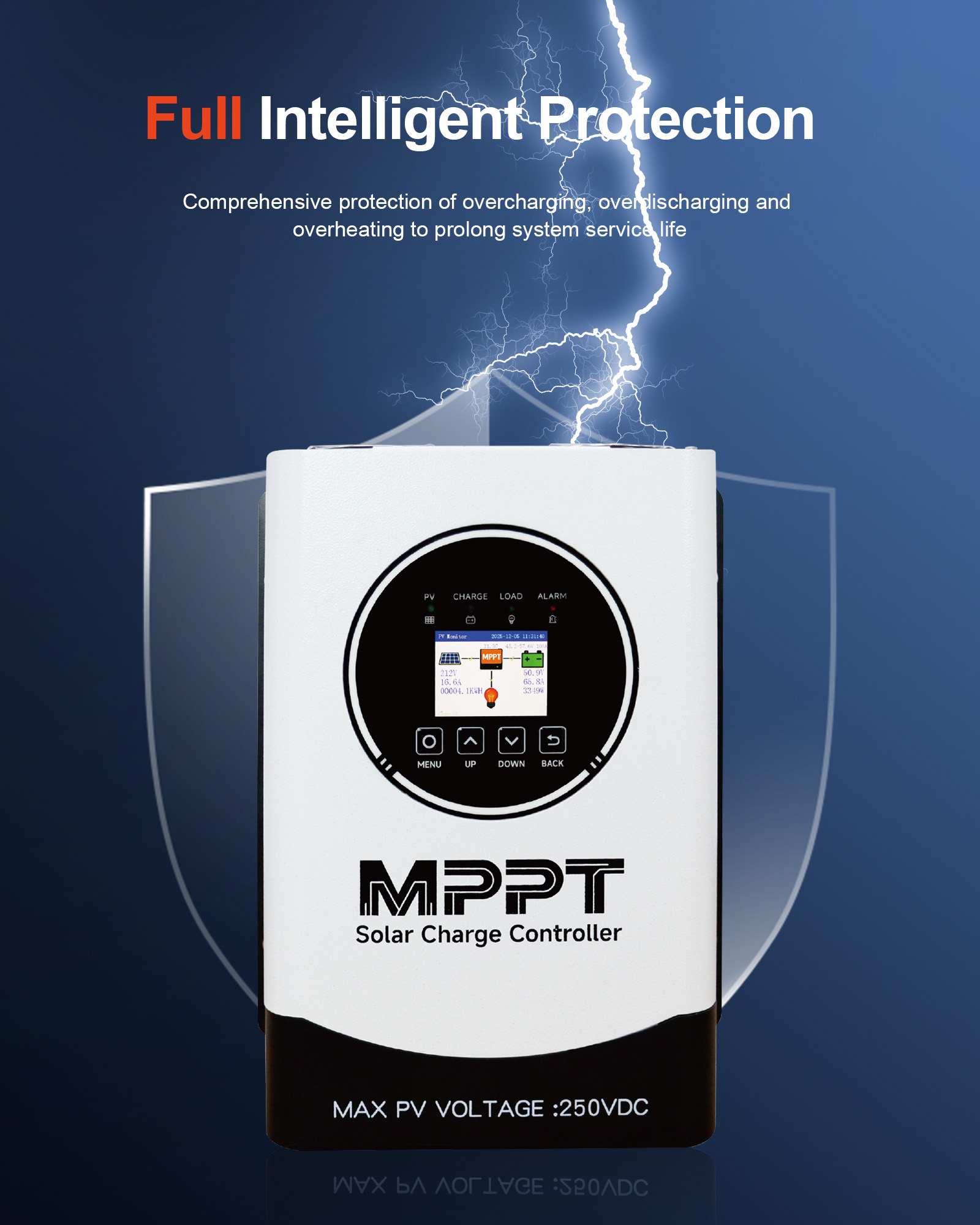
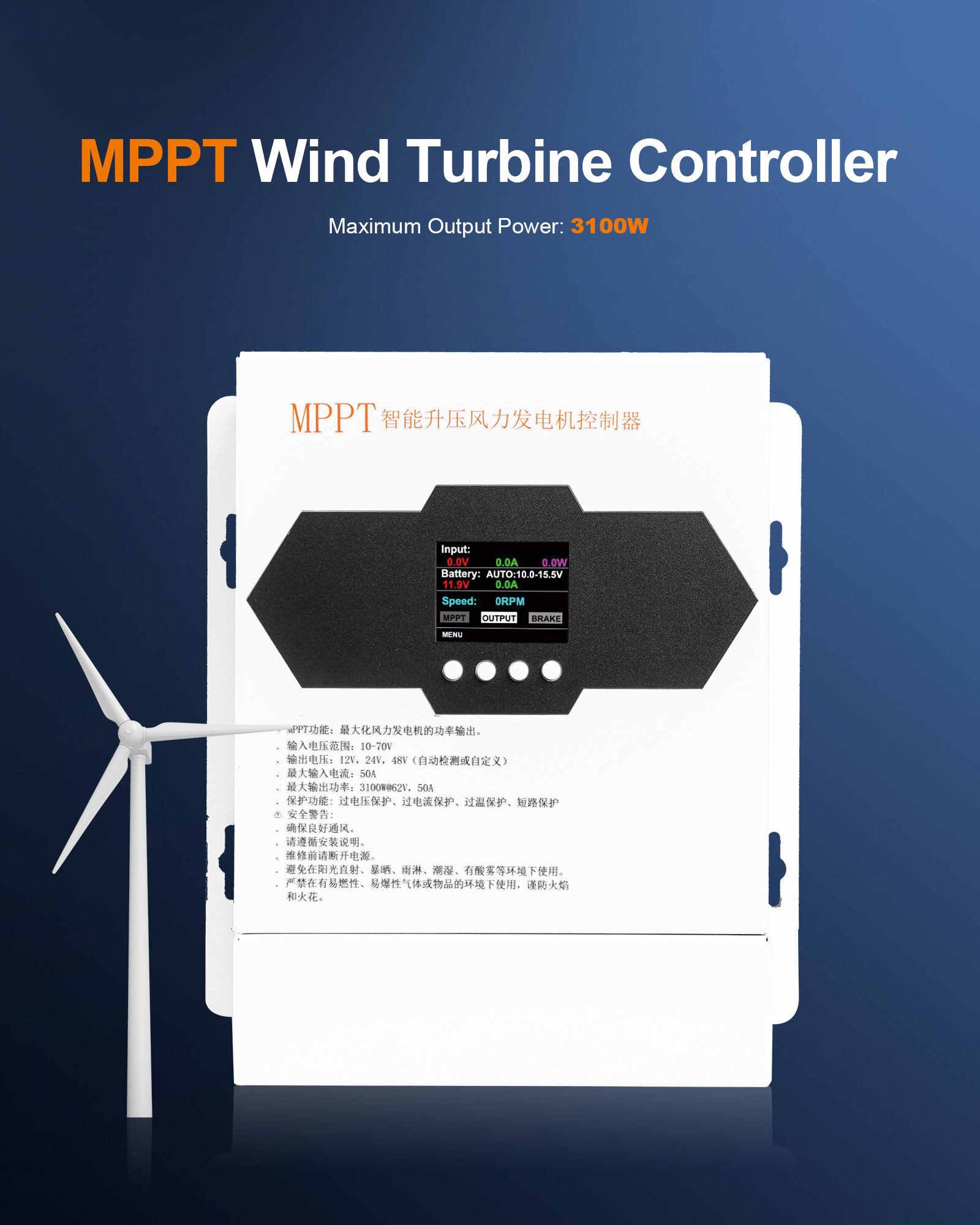
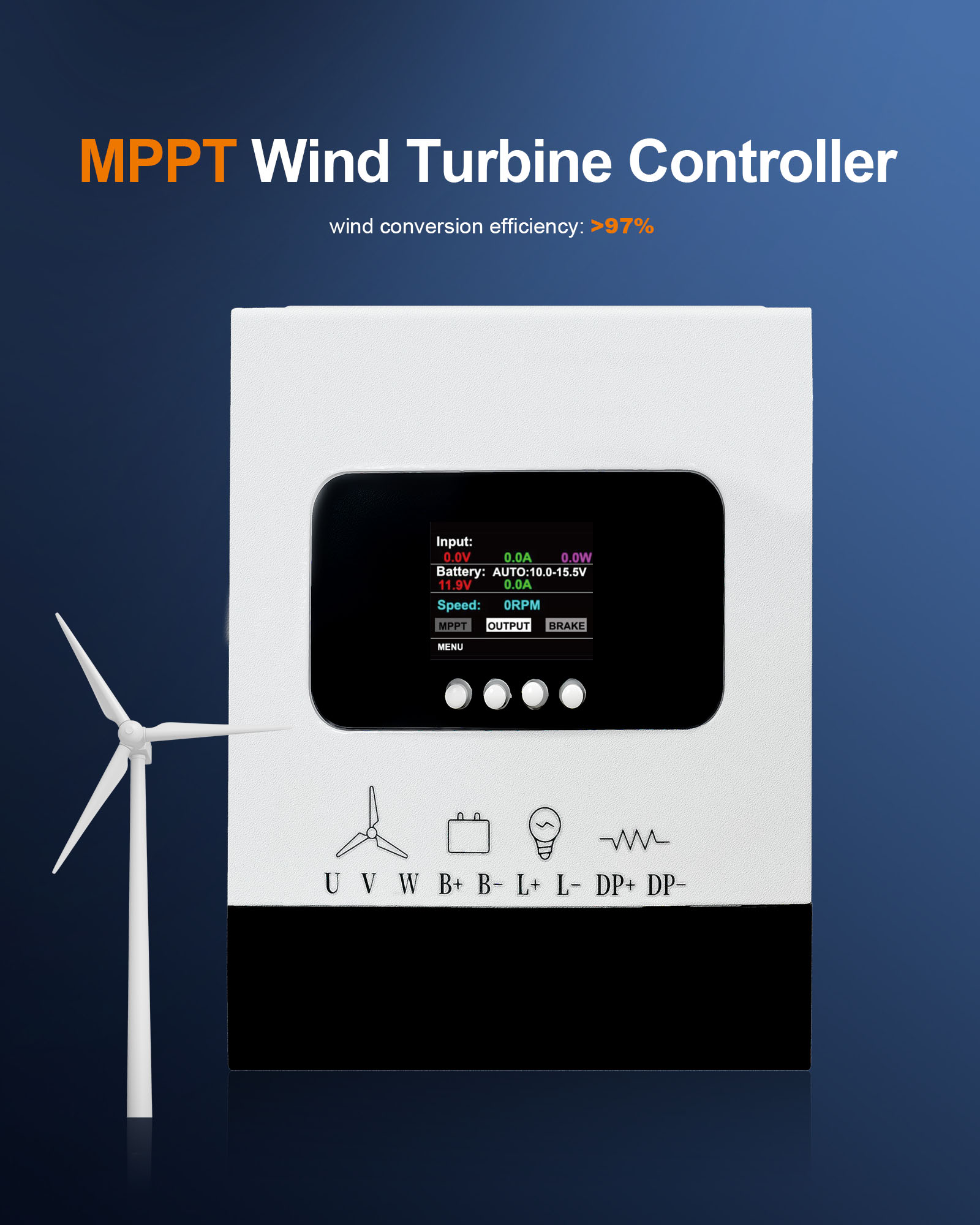
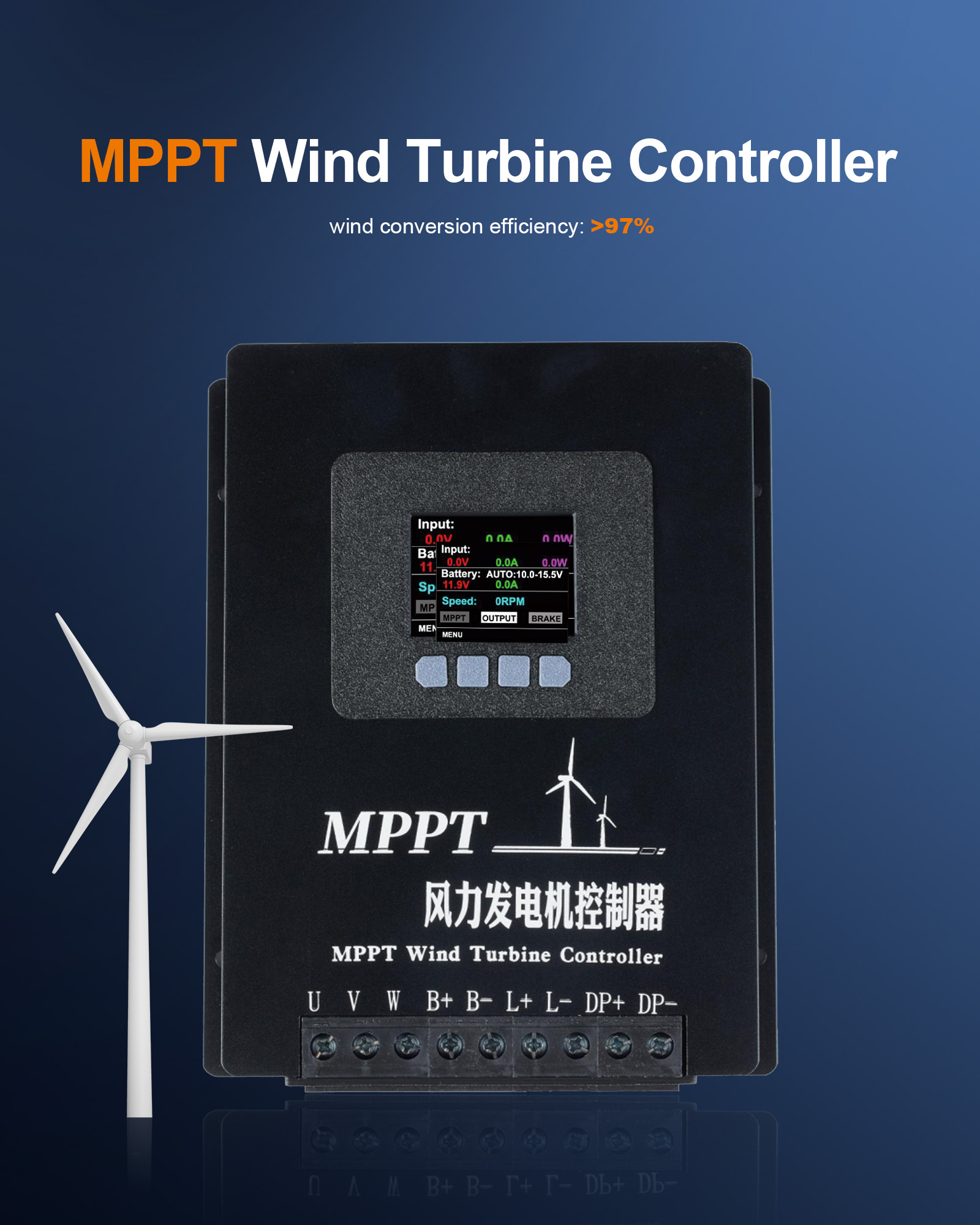
The United States is experiencing an unprecedented acceleration in renewable energy adoption, driven by ambitious state-level clean energy mandates, federal tax incentives like the Inflation Reduction Act (IRA), and a nationwide push for energy independence. Distributed wind energy systems—ranging from small-scale residential turbines to mid-sized commercial installations—have emerged as a cornerstone of this transition. From the agricultural expanses of the Midwest to the remote microgrids of Alaska and the coastal properties of the Eastern Seaboard, harvesting wind power efficiently requires robust, high-performance infrastructure.
At the center of any efficient small-to-medium wind energy system is the Wind MPPT Charge Regulator. Unlike solar panels, which generate predictable DC power, wind turbines produce highly variable AC power that fluctuates rapidly with shifting wind speeds. A premium MPPT (Maximum Power Point Tracking) charge regulator acts as the brain of the system, dynamically tracking the turbine's optimal operating point to convert turbulent wind energy into stable, clean power for battery storage or direct grid injection. For American businesses, agricultural operations, and telecommunication providers, selecting a reliable supplier and manufacturer of these regulators is critical to ensuring operational uptime and maximizing return on investment.
Unlike solar panels, which exhibit a relatively linear relationship between sunlight intensity and electrical output, wind turbines operate on a cubic power curve relative to wind speed ($P \propto v^3$). This means a minor increase in wind speed results in a massive increase in potential power output. However, capturing this energy efficiently is highly complex. If a charge regulator loads the turbine too heavily, the blades stall; if it loads it too lightly, the turbine spins out of control without generating significant power.
This is where Maximum Power Point Tracking (MPPT) technology becomes indispensable. Our state-of-the-art Wind MPPT Charge Regulators continuously monitor the turbine's output voltage and current, adjusting the electrical load in real-time (often hundreds of times per second) to match the turbine's optimal aerodynamic performance curve. For the US market, where geographic regions like the Great Plains experience highly variable gust patterns, our MPPT technology ensures that even micro-gusts are successfully converted into stored energy.
In the United States, the commercial and industrial (C&I) sectors are rapidly adopting small-to-medium wind systems to offset peak energy tariffs and improve corporate sustainability metrics. Agricultural enterprises across states like Iowa, Kansas, and Nebraska utilize wind turbines to power remote irrigation systems, livestock facilities, and grain dryers. In these rural settings, utility grid extensions can cost upwards of $50,000 per mile. Deploying an off-grid wind turbine paired with a rugged, high-efficiency MPPT charge controller offers a highly cost-effective alternative.
Furthermore, the telecom sector across the mountain states (Colorado, Wyoming, Montana) relies heavily on off-grid power to maintain cellular and emergency broadcast networks. These remote towers must operate continuously through brutal winter storms and sub-zero temperatures. Our industrial-grade MPPT regulators are engineered with cold-weather compensation and remote monitoring capabilities (such as RS485 or Modbus communication protocols), allowing network operators in metropolitan hubs to track performance and system health in real-time without dispatching maintenance crews to hard-to-reach peaks.
As microgrid technology advances, we are also seeing increased demand from military installations, disaster-relief agencies, and scientific research stations across North America. These operations require rapidly deployable, highly reliable hybrid energy systems where the charge regulator serves as the central node, balancing wind inputs, solar arrays, and diesel generator backups to guarantee 100% system uptime.
As the renewable energy market matures, several key trends are shaping the design and manufacturing of wind charge regulators for the US market:
Modern US operators expect data at their fingertips. The integration of IoT connectivity allows wind turbine controllers to upload real-time metrics to cloud-based dashboards. This enables predictive maintenance, notifying operators of potential mechanical issues or battery degradation before system failure occurs. Our controllers feature robust communication ports that integrate easily with third-party SCADA systems and home automation platforms alike.
The US battery storage market is transitioning rapidly from traditional lead-acid batteries to Lithium Iron Phosphate (LiFePO4) and other advanced chemistries. Wind MPPT regulators must feature highly customizable charging profiles to prevent overcharging or damaging these sensitive lithium cells. Our products offer pre-programmed lithium profiles alongside customizable parameters to ensure safety and longevity for all battery types.
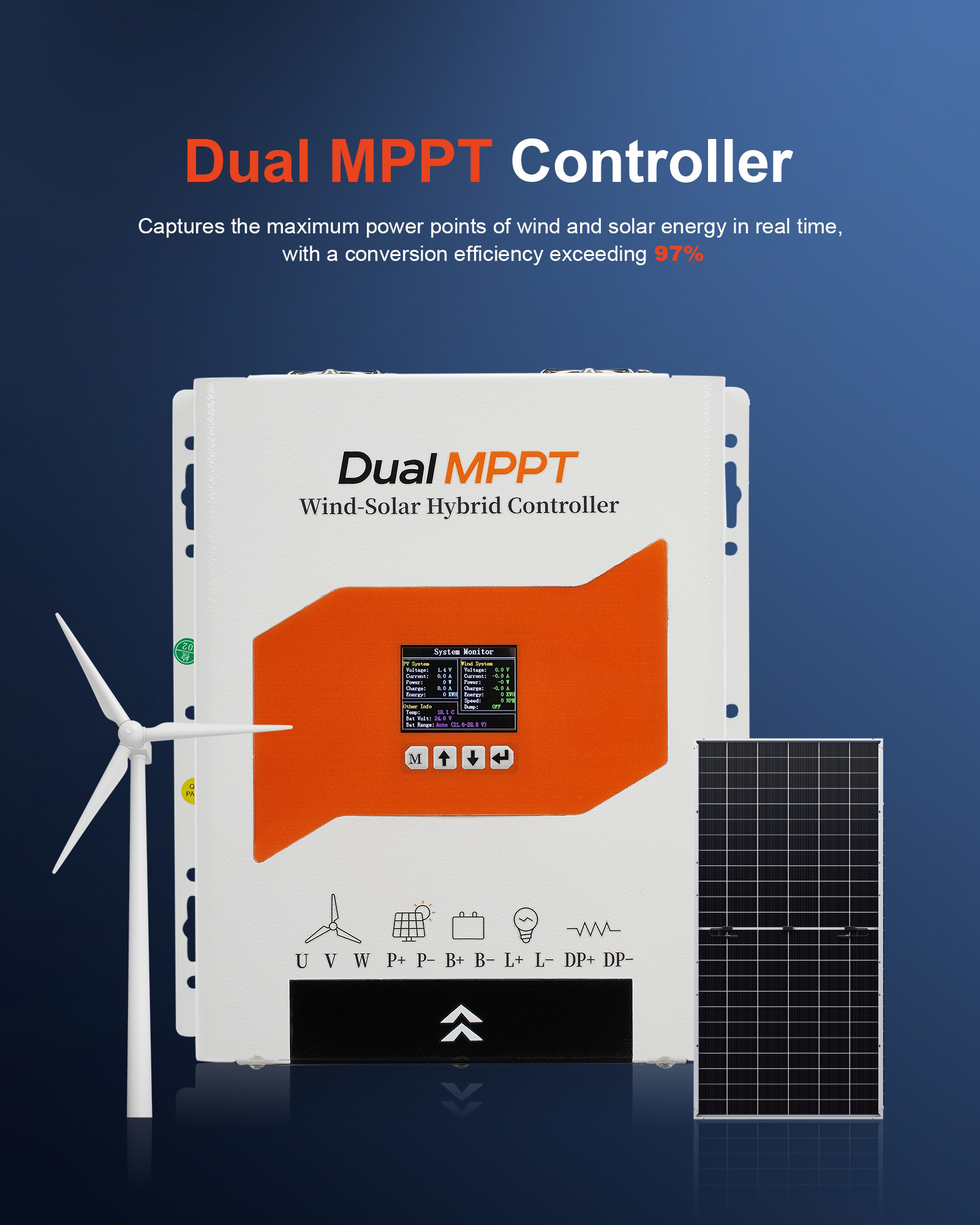
Relying on a single renewable source can lead to energy deficits during seasonal changes. The trend toward hybrid wind-solar systems is growing exponentially in North America. By combining wind turbines and solar PV arrays under a single, coordinated controller, users benefit from a more consistent, year-round power supply, reducing reliance on fossil-fuel backup generators.
With excellent product quality, continuous R&D innovation capabilities and a complete full-cycle service system, the company has deeply explored the domestic and foreign new energy markets and established a global sales and service network. Its products are exported to dozens of countries and regions such as Europe, North America, South America, Southeast Asia, and Russia. With stable and reliable product performance and professional and efficient service capabilities, the company has gained high recognition and long-term trust from global customers, and has become a highly competitive Chinese local brand in the new energy field. In the future, the company will continue to deepen the innovation of new energy technologies, continuously optimize the product matrix and service system, help the global energy transformation and the realization of dual-carbon goals, and contribute core strength to the construction of a clean, low-carbon, safe and efficient modern energy system.