Leave Your Message
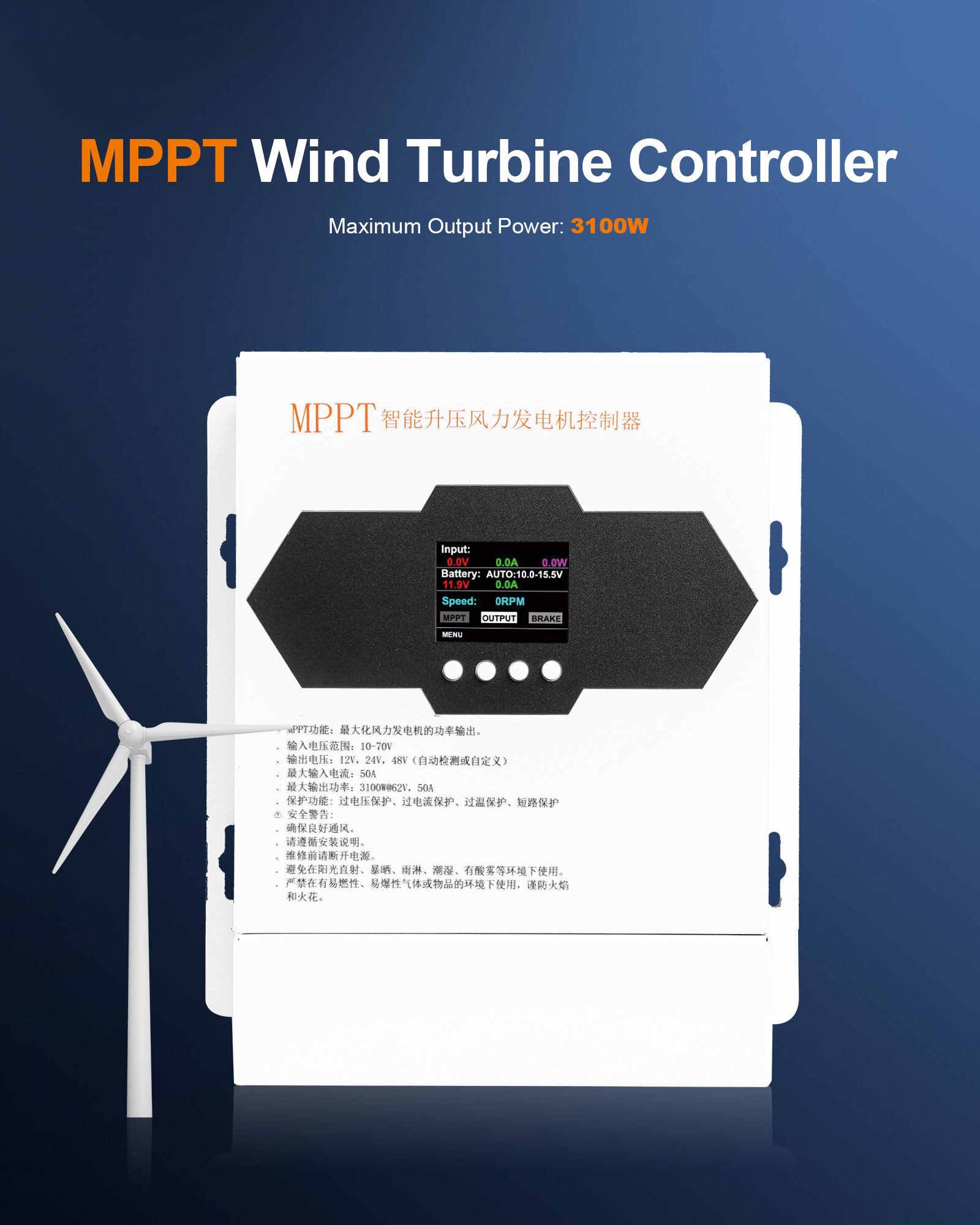
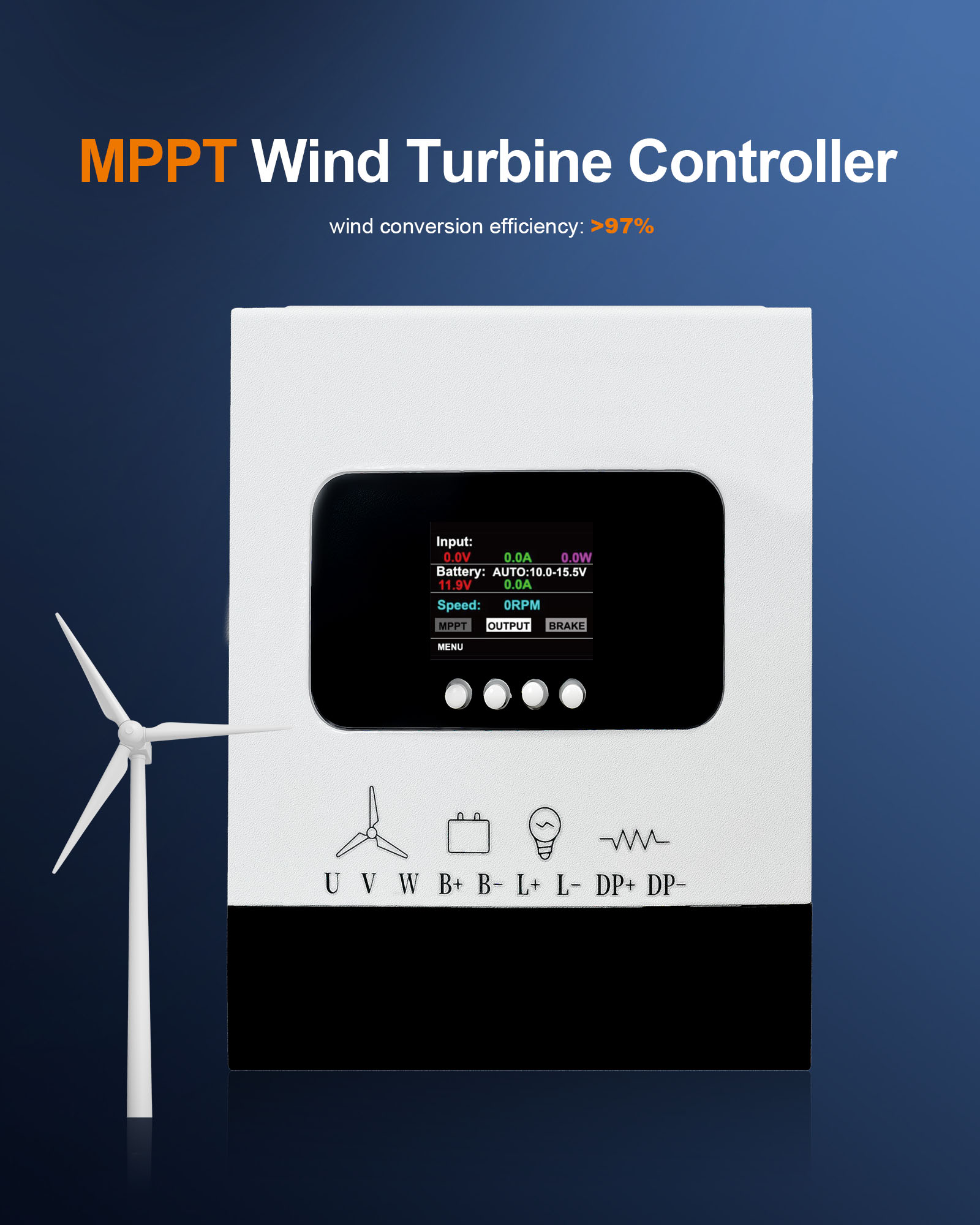
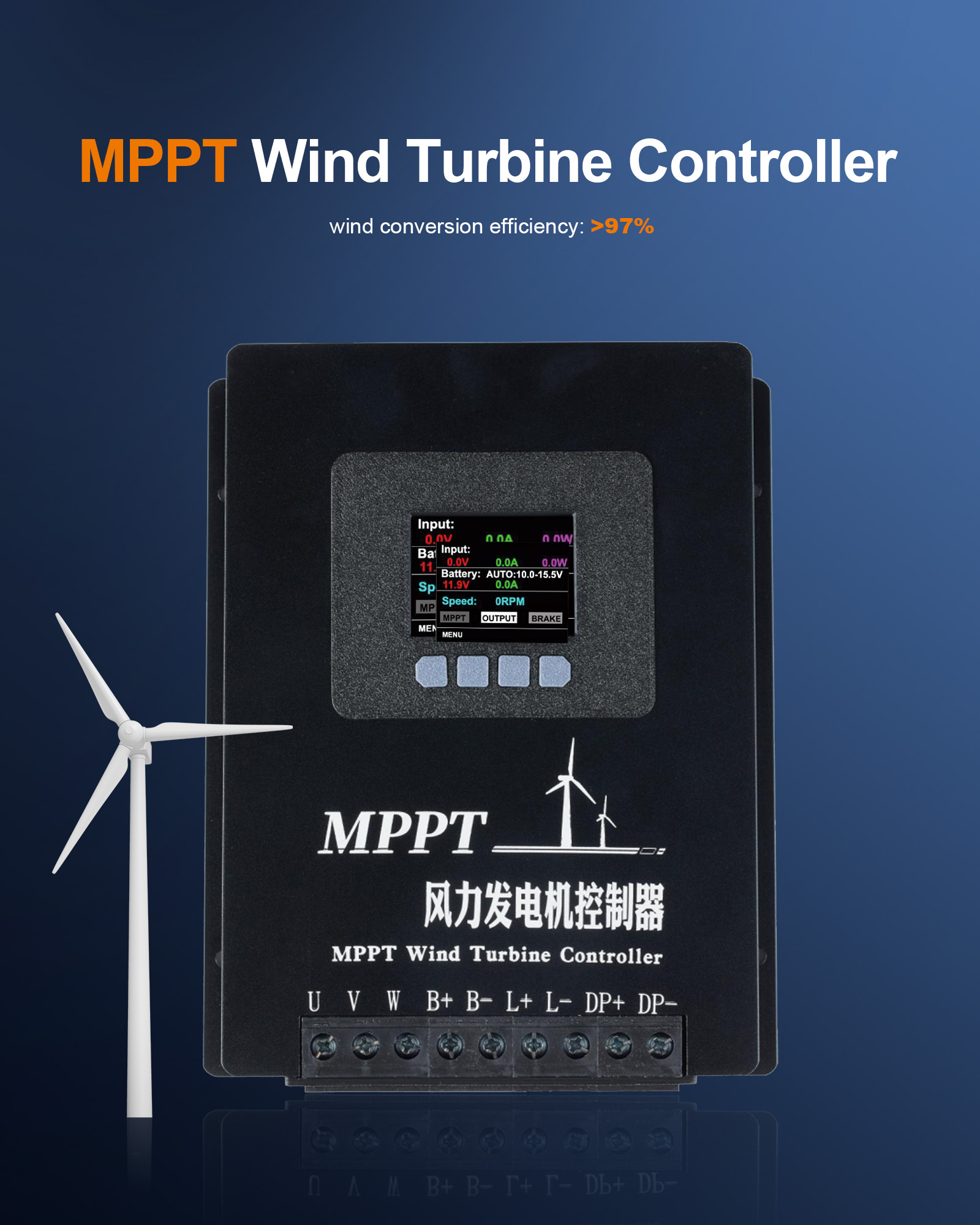
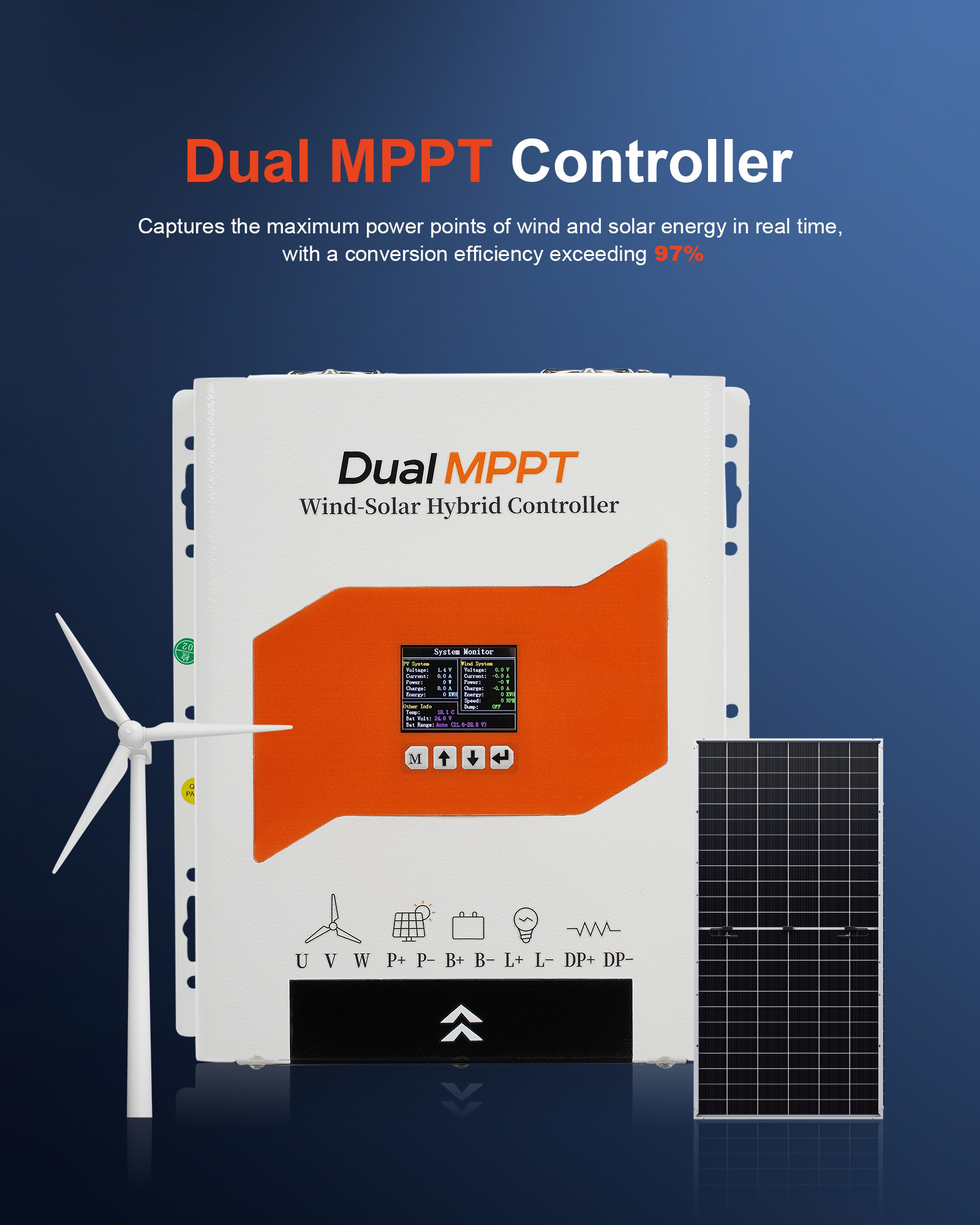
Real-time calculation of wind turbine aerodynamic curves to capture maximum power even in turbulent or low-speed wind conditions.
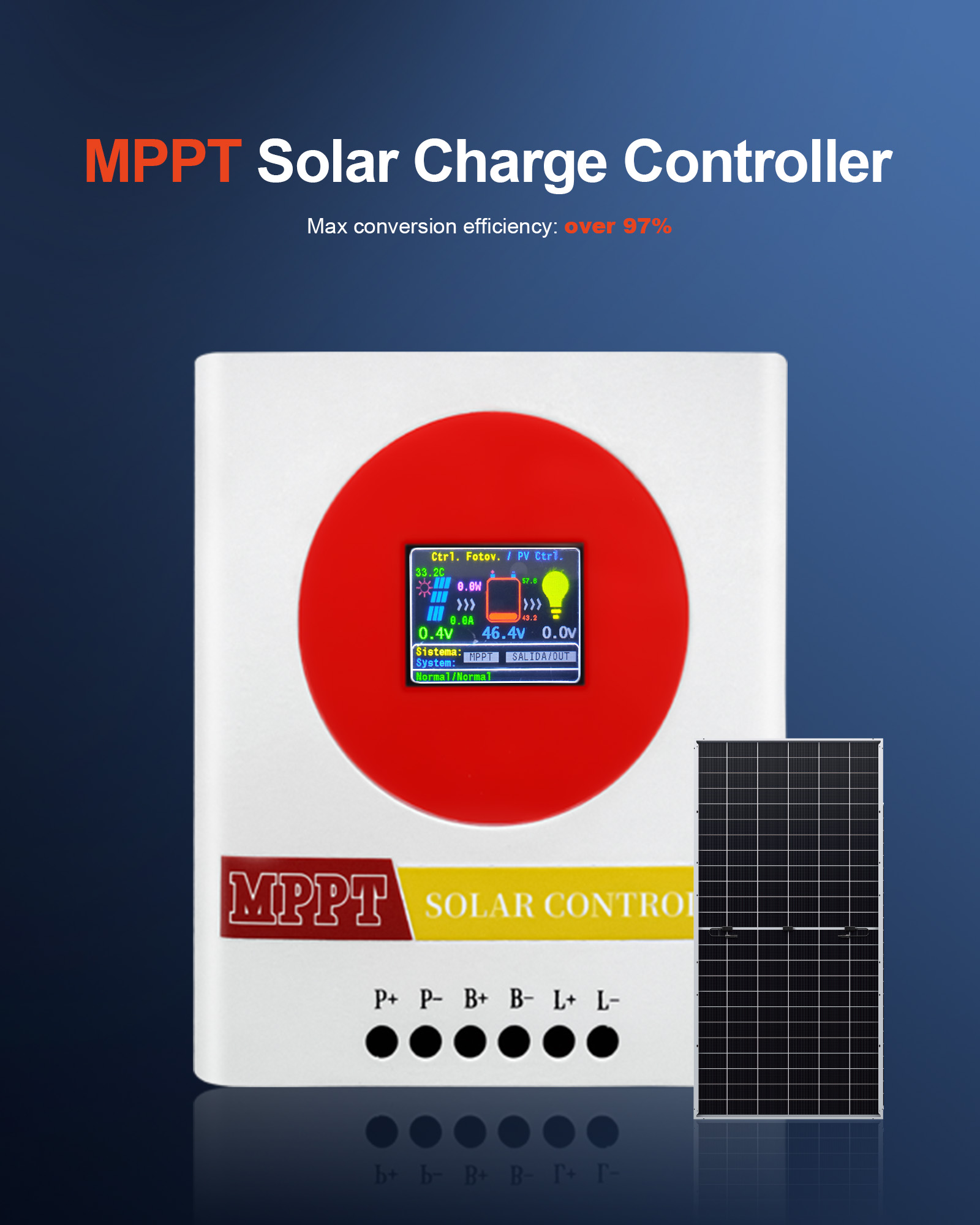
Dual input integration balances diurnal solar generation with nocturnal wind currents, stabilizing battery charging cycles.
Equipped with automatic electromagnetic braking and dump load control to prevent turbine runaway during storms.
Supports RS485, CAN, and GPRS protocols for seamless remote monitoring in industrial IoT applications.
While both solar and wind systems rely on Maximum Power Point Tracking (MPPT), the physics behind them are fundamentally different. Solar panels have a static, predictable I-V curve that shifts primarily with temperature and irradiance. In contrast, wind turbines possess significant mechanical inertia. The power output of a wind turbine is proportional to the cube of the wind speed, meaning minor fluctuations in wind velocity result in massive changes in generated power.
A specialized Wind Turbine MPPT Charger must actively control the rotation speed of the generator. By adjusting the electrical load (impedance matching), the controller allows the turbine to run at its optimal Tip Speed Ratio (TSR). If the controller draws too much current, it stalls the turbine; if it draws too little, the turbine spins freely without generating optimal power. Advanced algorithms like Hill Climbing Search (HCS) allow our controllers to track these dynamic changes in milliseconds, ensuring maximum energy yield.
Globally, the demand for off-grid hybrid power systems is surging. Industries ranging from telecommunications to offshore oil exploration are looking to replace carbon-heavy diesel generators with reliable renewable microgrids. In these setups, wind and solar act as complementary assets: solar energy peaks during the day, while wind energy is often stronger at night and during winter seasons.
A high-performance Wind Turbine MPPT Charger serves as the brain of these hybrid systems. By incorporating low-voltage boost capabilities, industrial operators can harvest energy from gentle breezes (down to 1.5 m/s wind speed) that would otherwise go wasted under standard PWM controllers. This technology significantly reduces the required capacity—and therefore the capital cost—of energy storage battery banks, improving the overall Return on Investment (ROI) for remote infrastructure projects.
Our intelligent MPPT controllers are engineered to perform in the world's most demanding environments. Below are the key sectors leveraging this technology:
The company's core R&D strength is composed of a scientific research team led by senior doctors in the industry. It has long-term focus on the cutting-edge exploration and innovative application of new energy technologies, continues to increase investment in core R&D, and has formed deep technological accumulation and independent innovation capabilities in core areas such as efficient conversion of electric energy, intelligent system integration, and coordinated control of integrated wind, solar, and storage.
Relying on industry-leading automated production lines and high-precision full-dimensional testing equipment, the company has independently developed a number of intelligent new energy products with completely independent intellectual property rights, fully covering three major application scenarios: off-grid, grid-connected, and mixed grid.
The product matrix includes core categories such as high-frequency/power frequency inverters, wind power controllers, photovoltaic controllers, wind-solar hybrid controllers, wind-solar storage-control-inverse integrated power generation systems, etc., which can be flexibly adapted to diversified power needs such as household use, industrial and commercial distributed, and off-grid independent power stations.
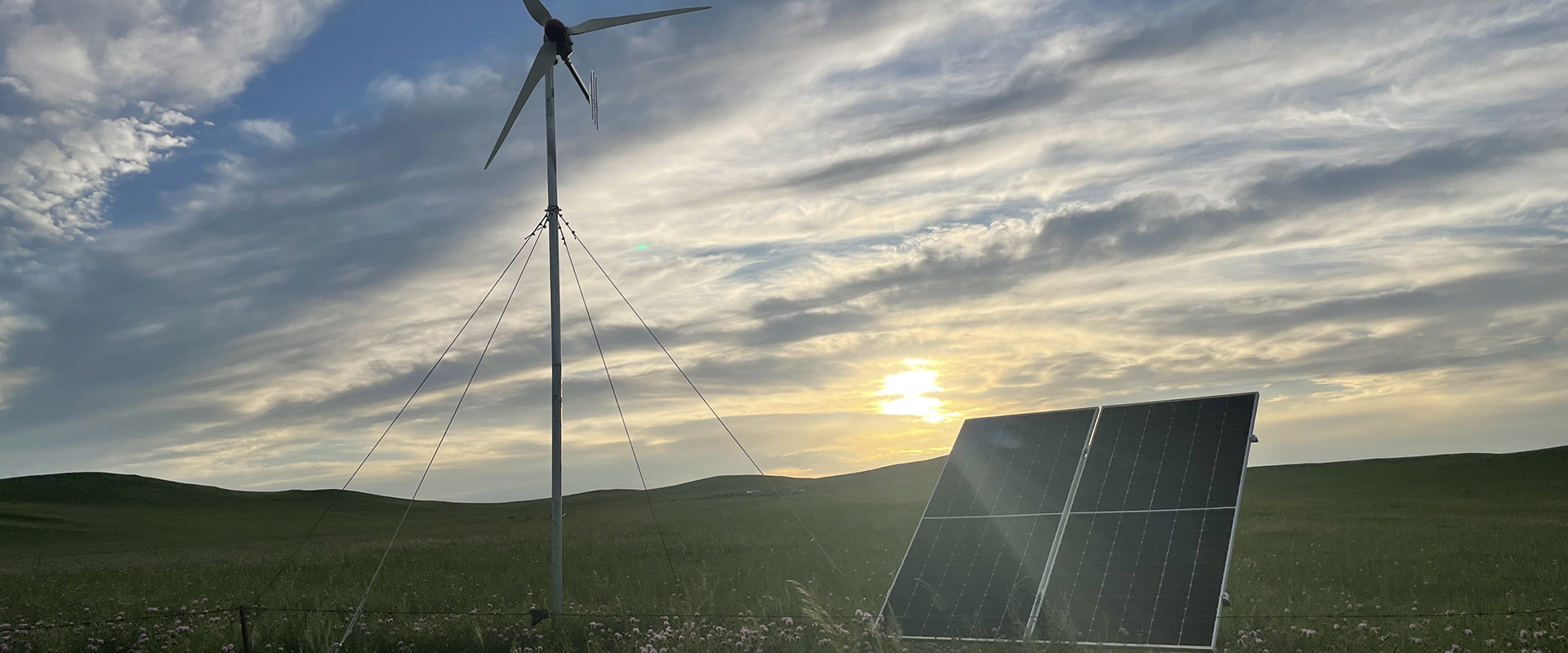
Take a look at our hybrid wind-solar installations. Our systems are deployed worldwide, providing robust power solutions in extreme climates, coastal areas, and isolated communities.




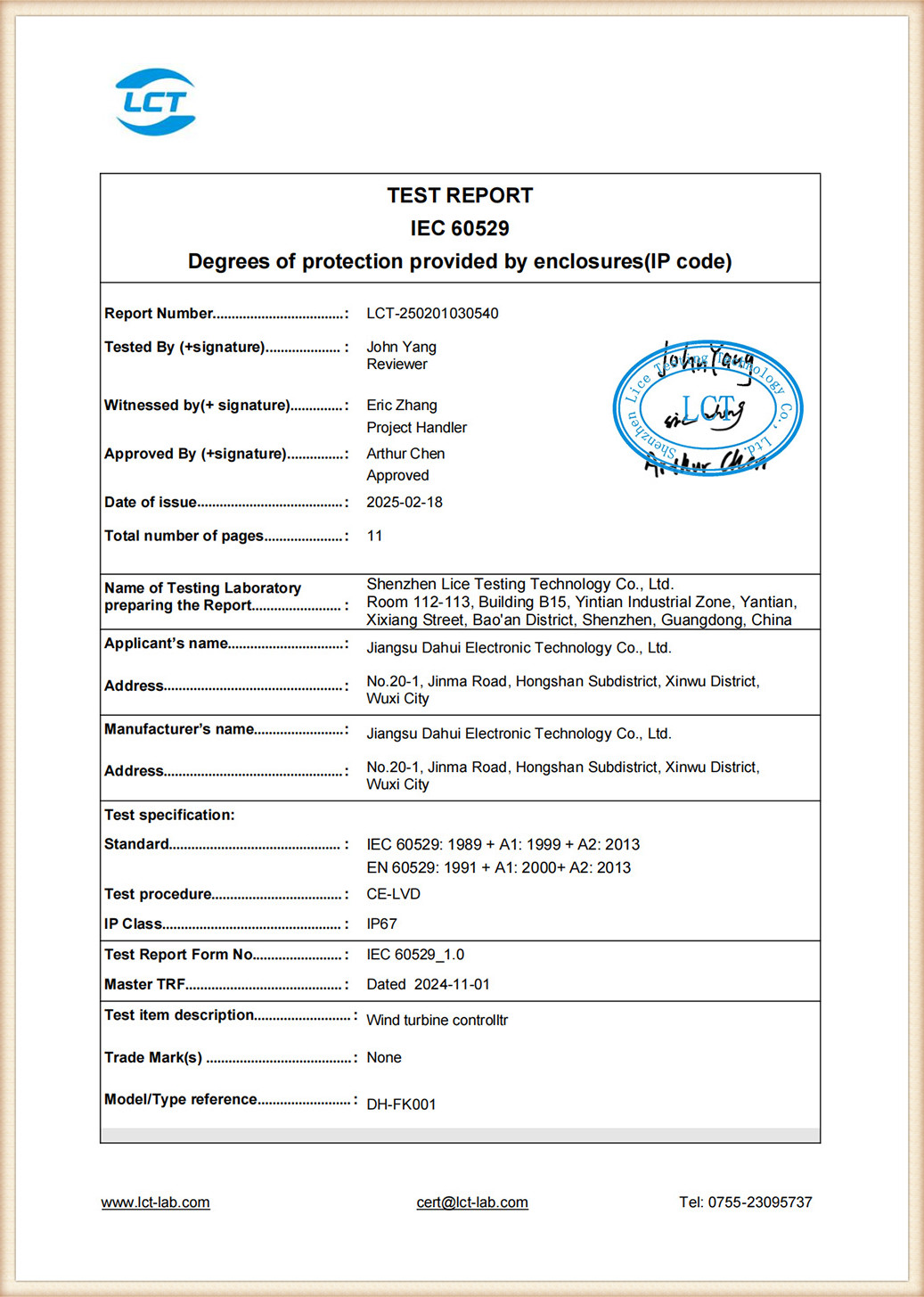
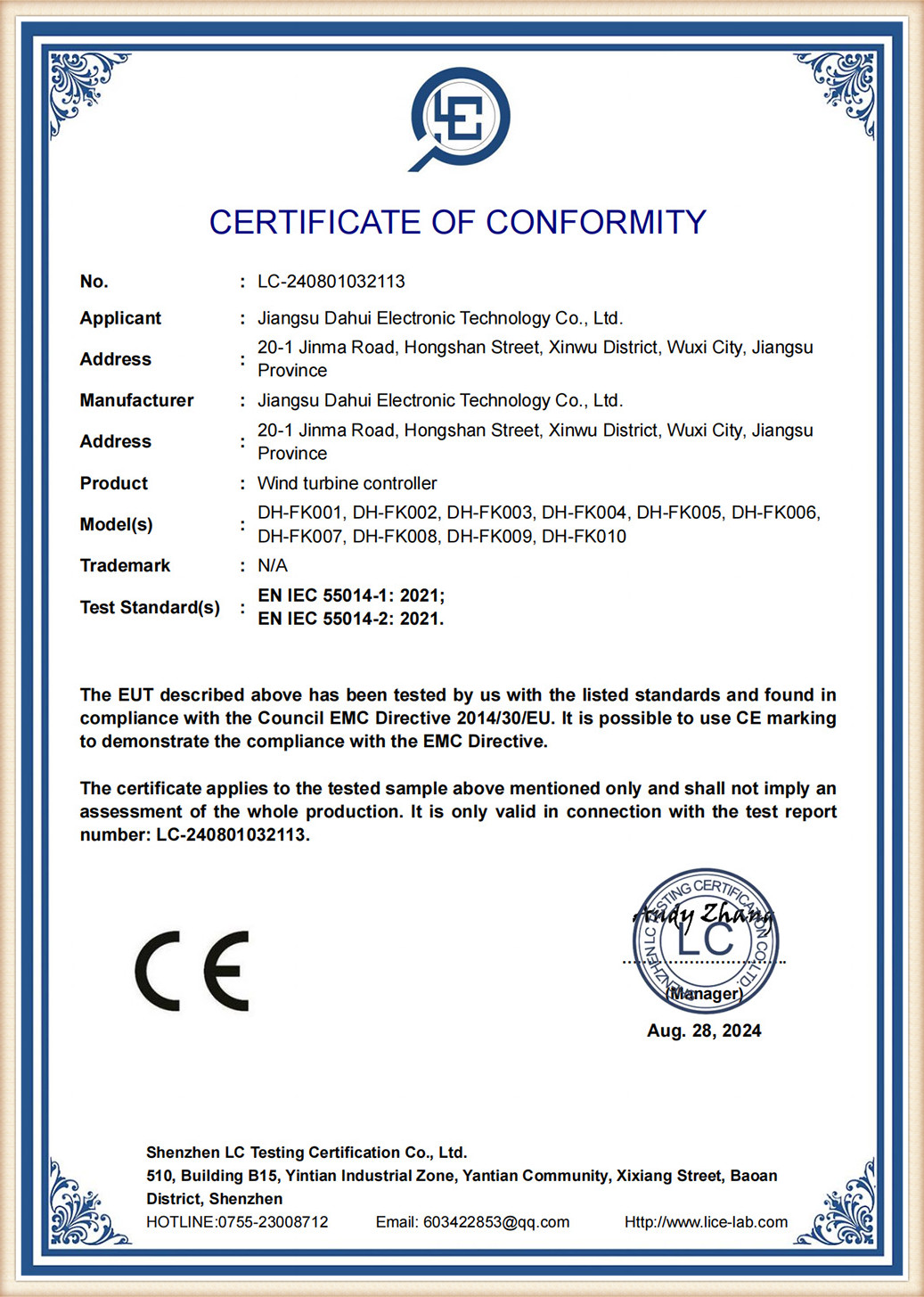
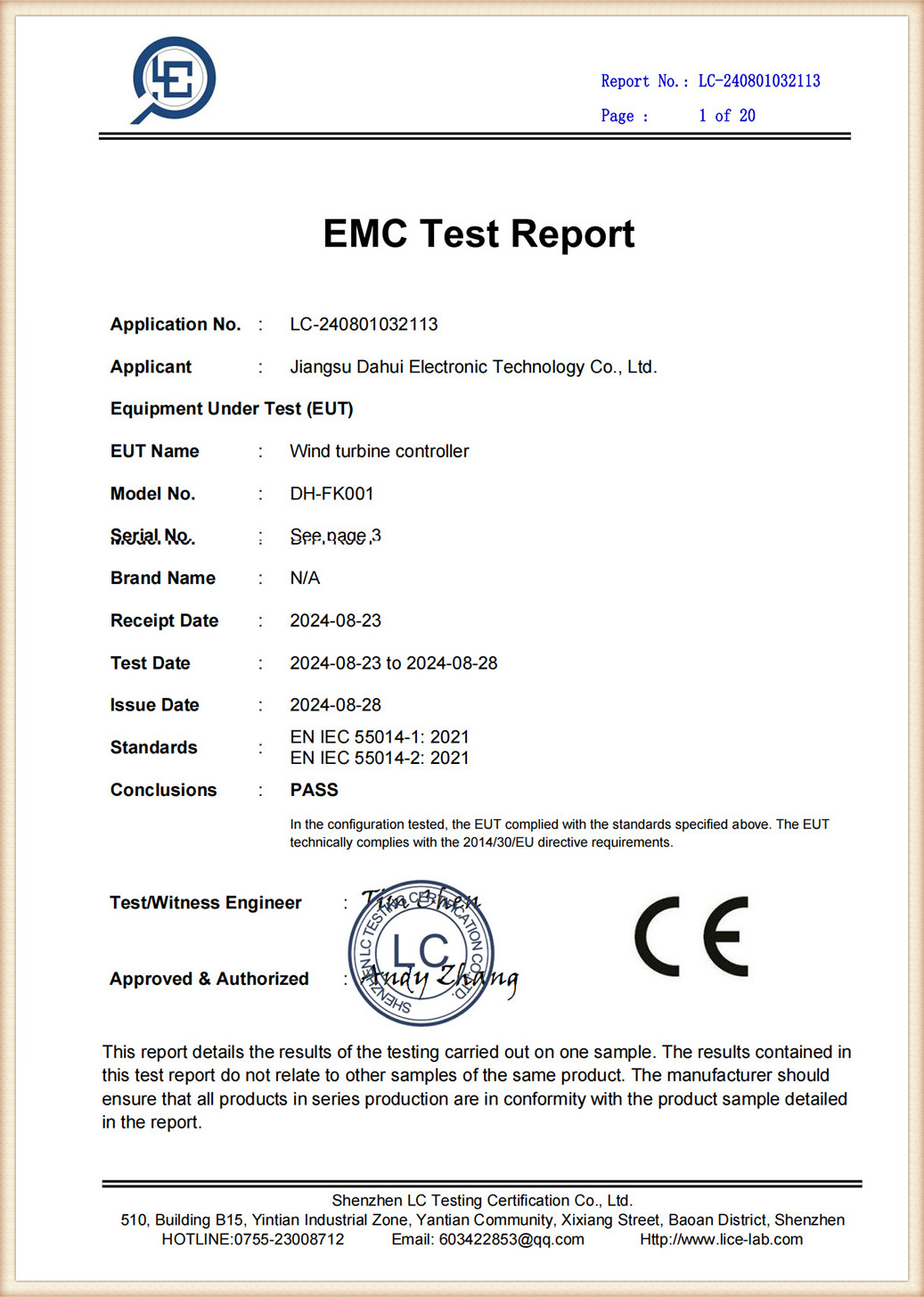
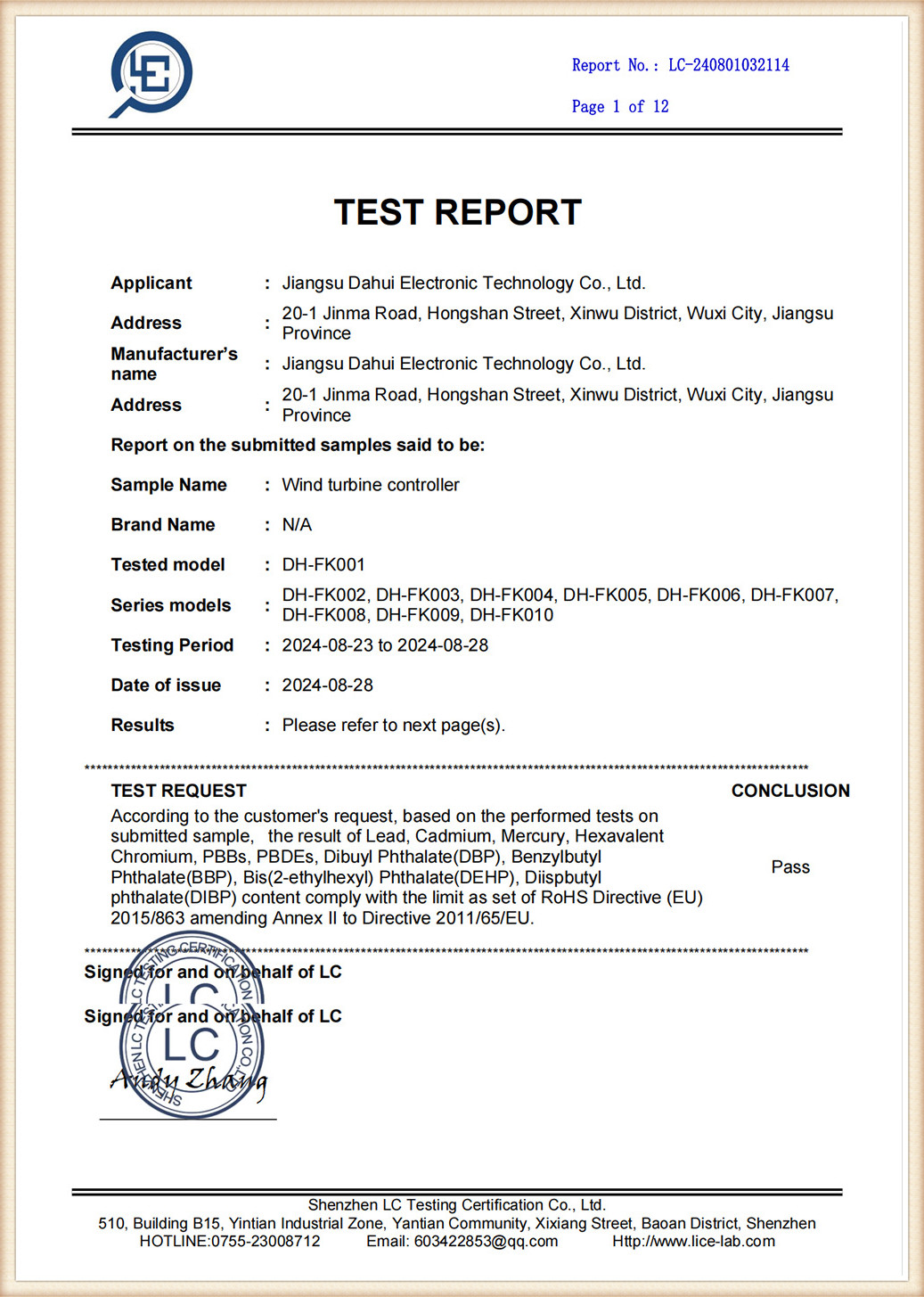
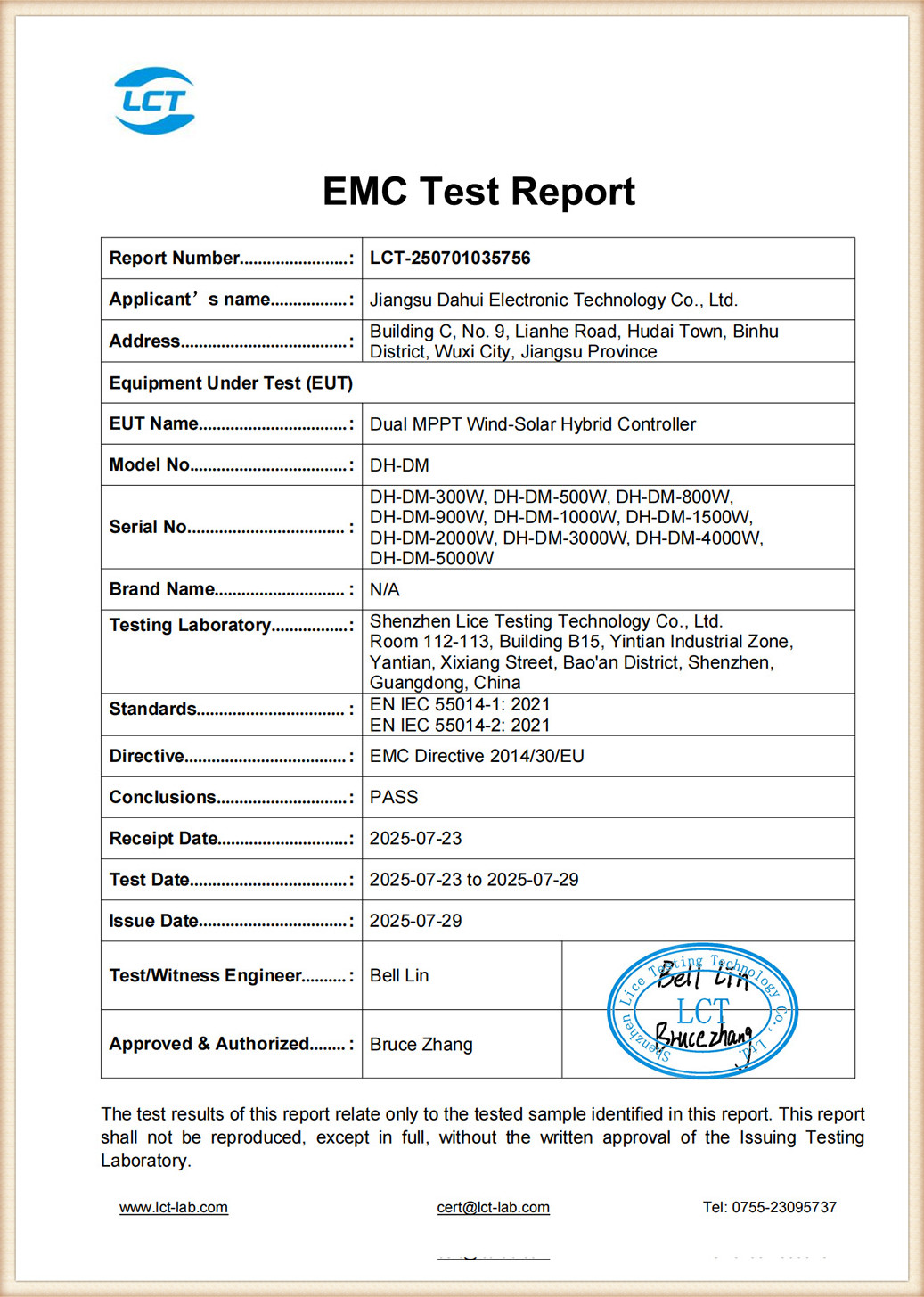
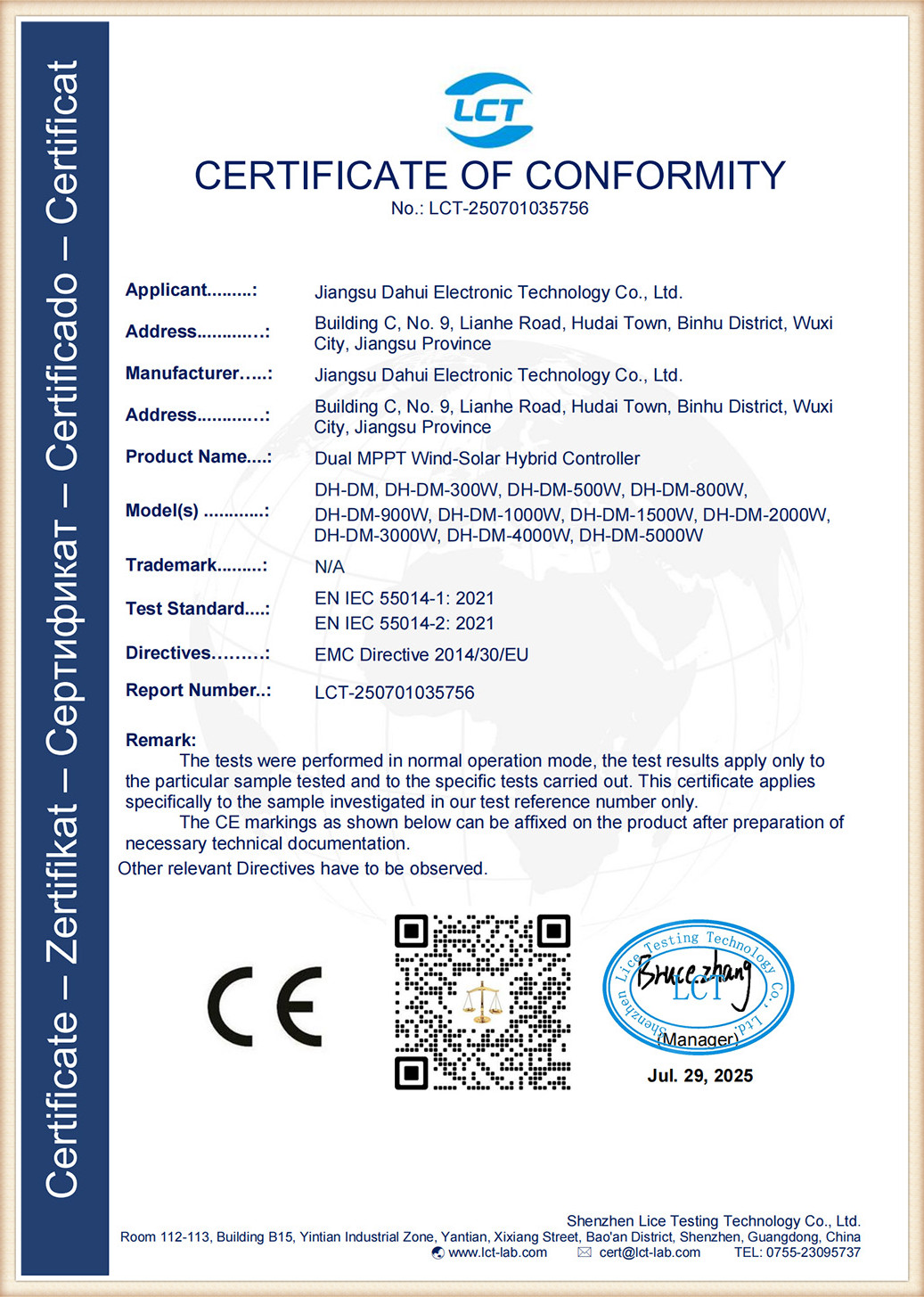
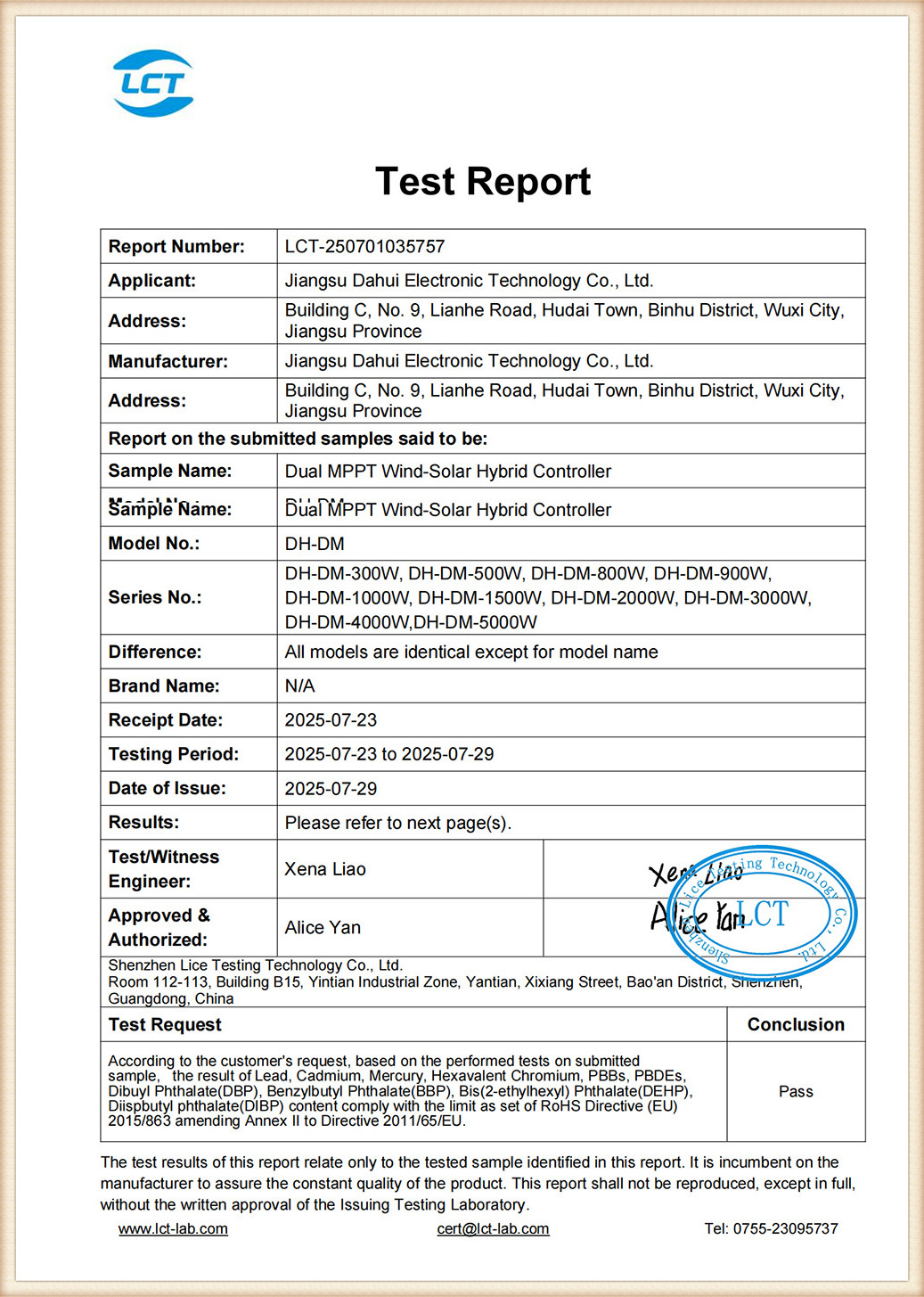
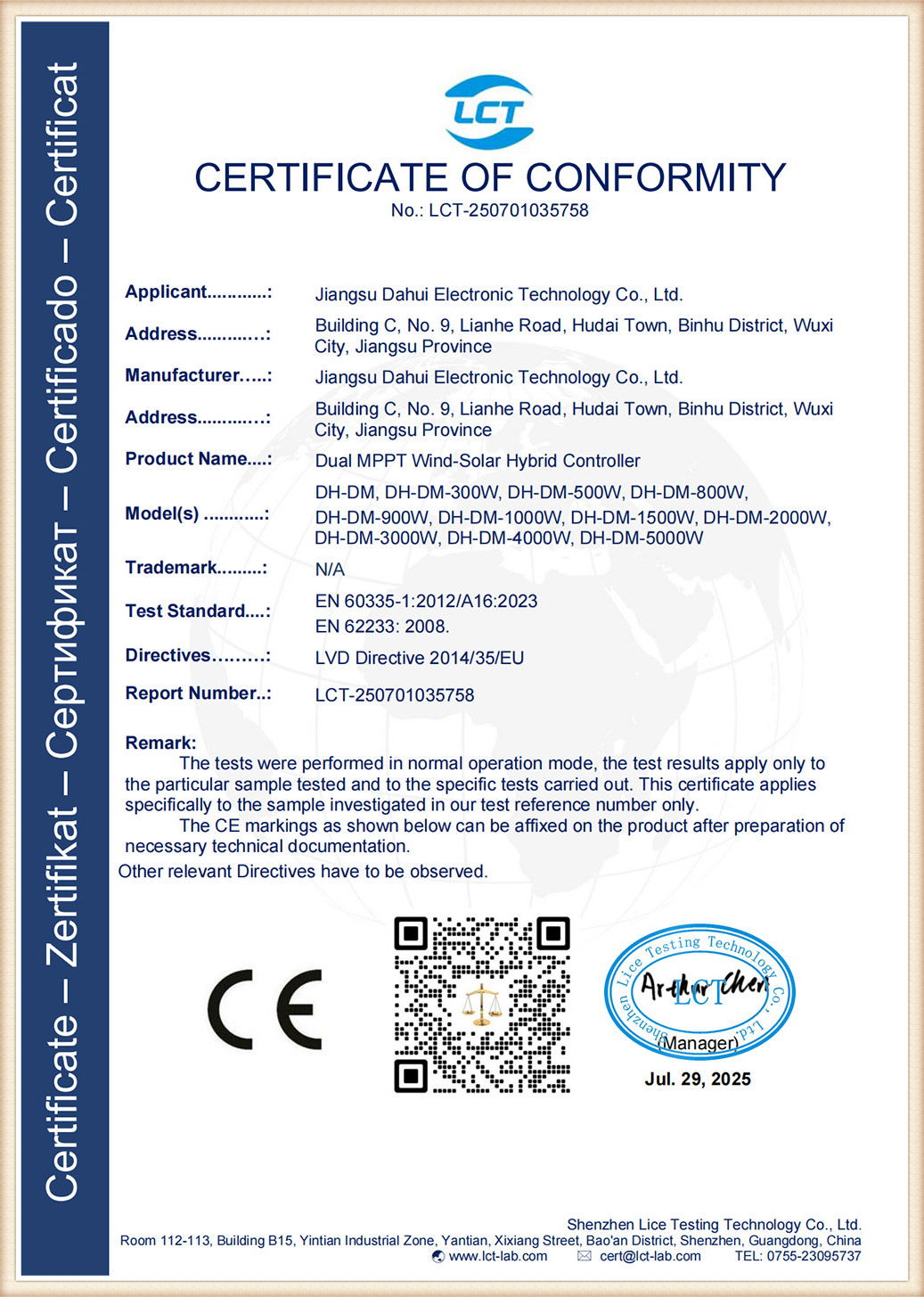
The company always adheres to the core business philosophy of "quality first, independent research and development", and regards product quality and technological innovation as the core driving force for corporate development. At present, it has obtained a number of international authoritative product certifications and ISO quality management system certifications, and has established a full-chain quality management system from raw material inspection, full-process control of the production process to multi-dimensional inspection of finished products. Product quality is strictly controlled throughout the entire process, and core product performance indicators are comprehensively better than industry standards, providing a solid guarantee for the long-term stable operation and reliable service life of the product.






As the clean energy sector matures, several key technological trends are shaping the future of wind turbine MPPT chargers and hybrid off-grid architectures:
Traditional lead-acid batteries are rapidly being replaced by Lithium Iron Phosphate (LiFePO4) and Sodium-ion chemistries. Modern MPPT chargers are evolving to feature native communication interfaces (such as CAN bus and RS485) to talk directly with the battery’s internal Battery Management System (BMS). This allows the charger to dynamically adjust its charging curves based on real-time cell temperatures, state of charge (SoC), and state of health (SoH), maximizing battery lifespan and system safety.
By incorporating edge computing and machine learning, next-generation controllers can analyze historical power generation and local weather forecast data. If a severe storm or prolonged overcast period is predicted, the controller can pre-emptively adjust its charging strategy, optimizing energy storage reserves and load shedding schedules to ensure critical systems remain powered.
The transition from silicon-based MOSFETs to Gallium Nitride (GaN) and Silicon Carbide (SiC) switches enables charge controllers to operate at significantly higher switching frequencies. This drastically reduces the size of internal magnetics (inductors and transformers), increases power density, and boosts conversion efficiency to over 98%, reducing heat dissipation requirements in sealed, outdoor enclosures.
Explore our complete line of high-efficiency MPPT controllers designed for wind, solar, and hybrid off-grid installations.