Leave Your Message
Engineered to meet the strict grid-tie and off-grid performance standards of the United States market.
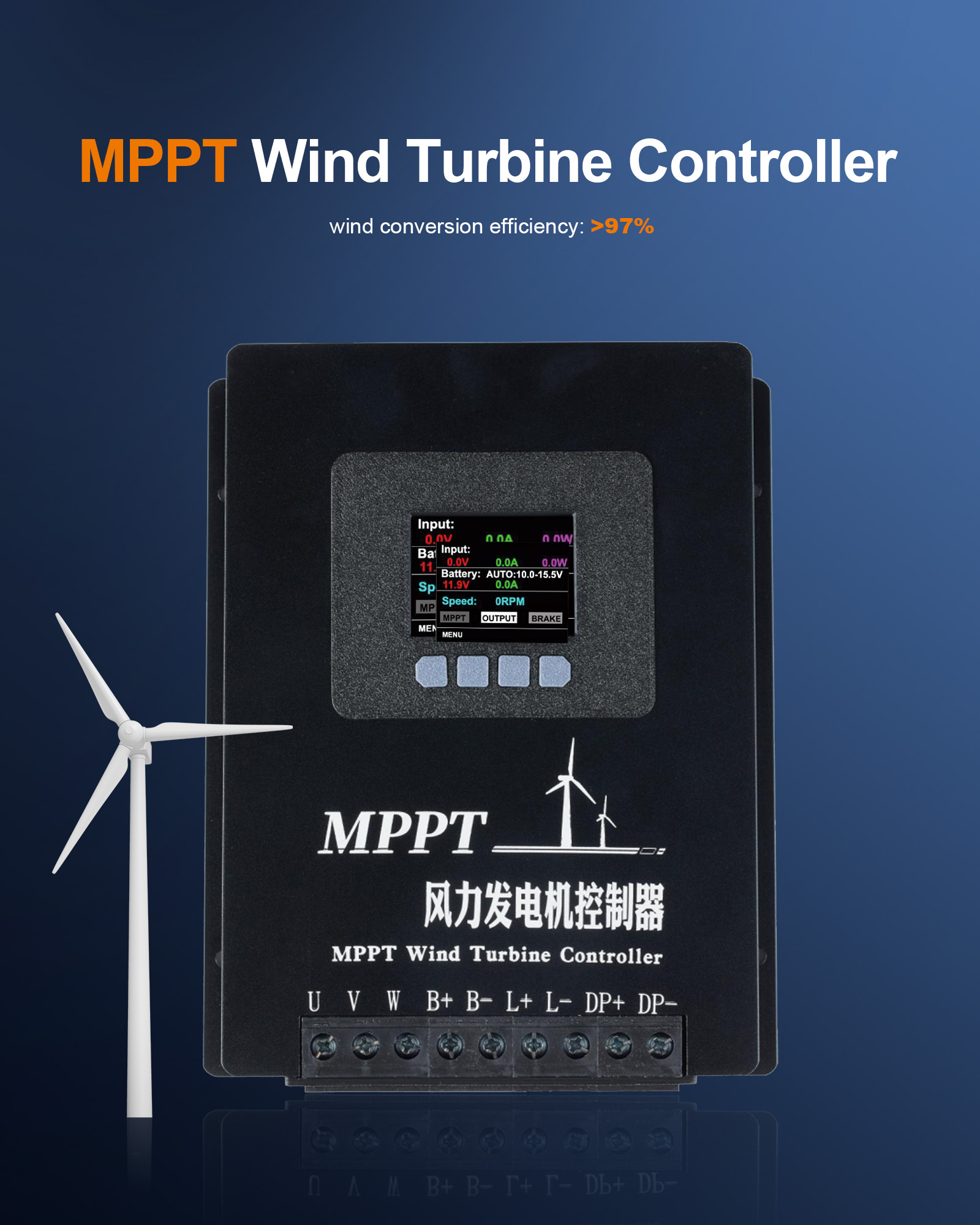
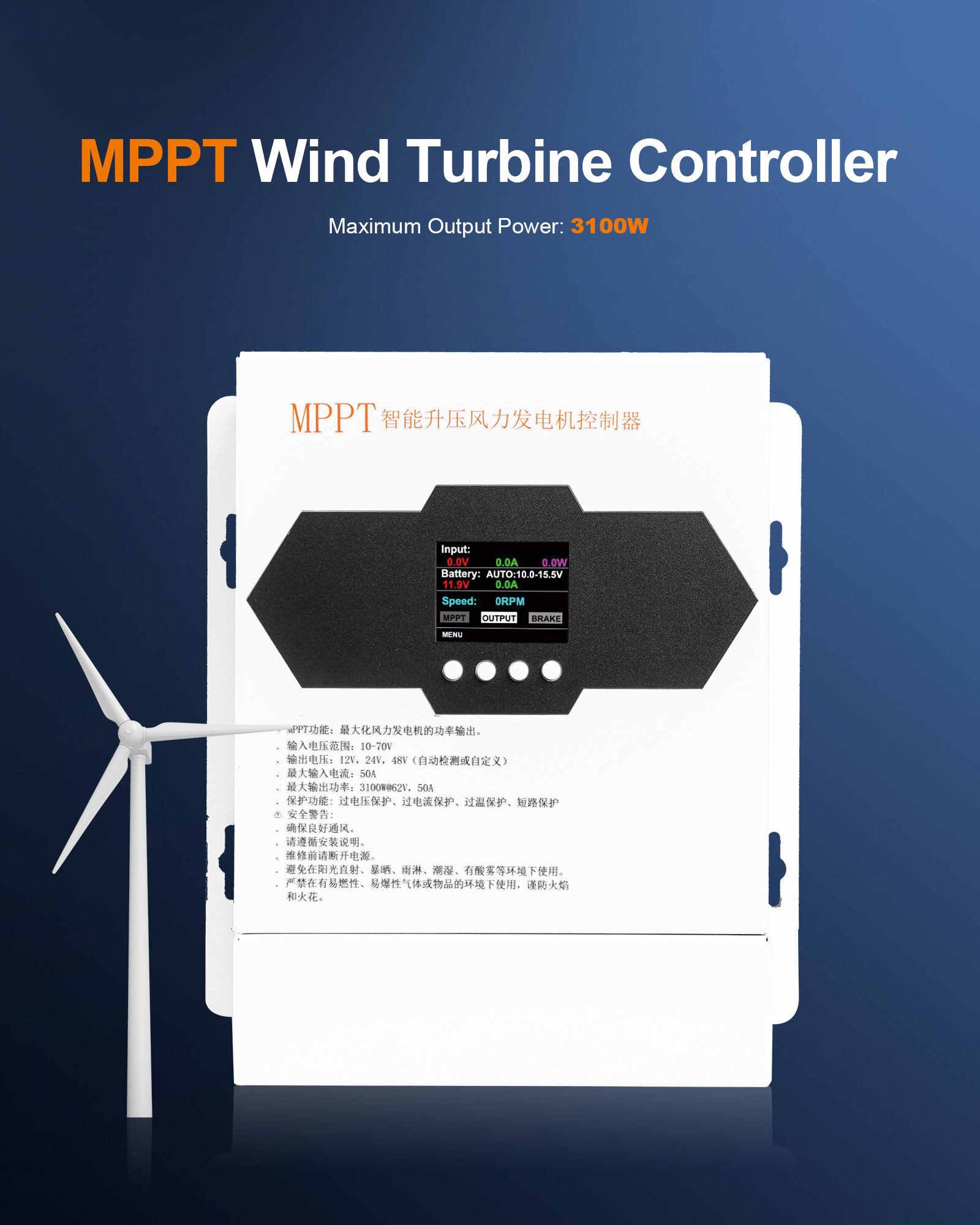
The transition toward decentralized clean energy across the United States has accelerated dramatically over the past decade. While utility-scale wind farms continue to expand in states like Texas, Iowa, and Oklahoma, small-scale wind power systems are establishing a critical foothold in residential, agricultural, and commercial sectors. At the heart of these distributed wind systems is the Wind Turbine MPPT (Maximum Power Point Tracking) Charger. As key components in off-grid and hybrid energy systems, these advanced chargers ensure that kinetic energy captured from fluctuating winds is converted into usable electrical energy with minimal losses.
Unlike solar energy, which exhibits predictable diurnal patterns, wind resources are dynamic and highly volatile. A gust of wind can double the energy output of a turbine in a fraction of a second. Standard controllers often fail to capture these transient peaks. MPPT controllers solve this by dynamically tracking the optimal power point, boosting system efficiency by up to 30% compared to traditional PWM systems.
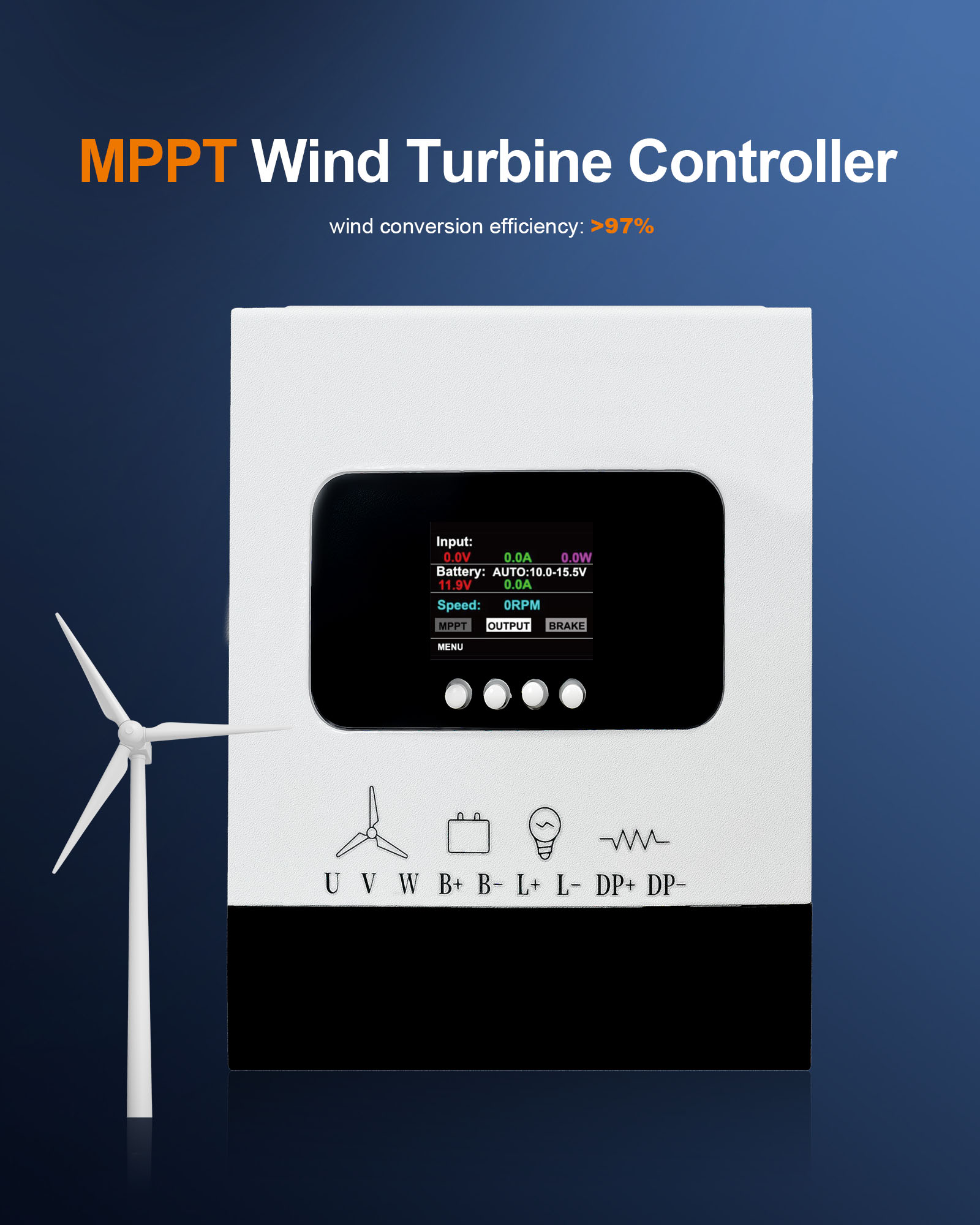
From the gusty coastal plains of New England to the turbulent mountain gaps of the Pacific Northwest, wind profiles in the United States vary significantly. A high-quality wind turbine MPPT charger acts as an intelligent intermediary between the turbine generator and the battery storage system. It continuously monitors the output voltage and current of the wind turbine, calculating the maximum power point in real-time. By dynamically adjusting the duty cycle of the buck-boost conversion circuitry, the controller matches the generator's load to the wind speed, preventing the turbine from stalling in low winds or over-spinning during high-velocity gusts.
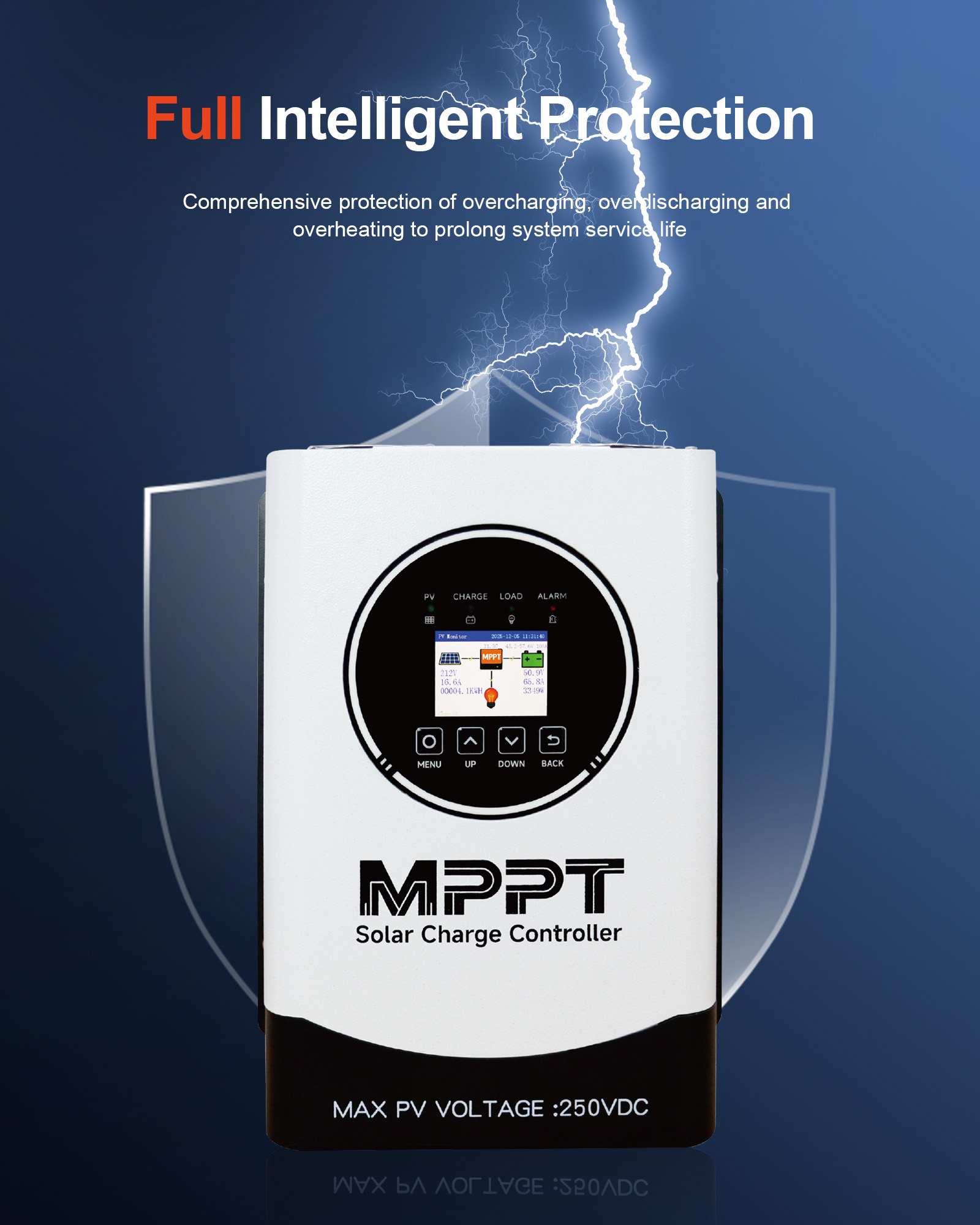
This dynamic regulation is crucial for US grid-tied and off-grid microgrids. In areas prone to extreme weather, such as the Great Plains, controllers must also feature integrated dump load protection. When battery banks reach full capacity, excess energy is safely diverted to high-power resistors to prevent system damage. Our product lineup, designed specifically to serve US distributors and installers, incorporates these robust safety mechanisms to ensure uninterrupted power delivery.
How our Wind Turbine MPPT Chargers power critical infrastructure and remote systems across North America.
In states like Kansas, Nebraska, and Iowa, remote farming operations require reliable power for automated irrigation, livestock water pumps, and electric fencing. Extending the utility grid to remote pastures is often cost-prohibitive. By installing small 3kW wind turbines paired with our DH-FD3.0 Auto-Voltage MPPT Controllers, farmers harness the abundant Great Plains wind, establishing self-sustaining microgrids that run independently of the main grid.
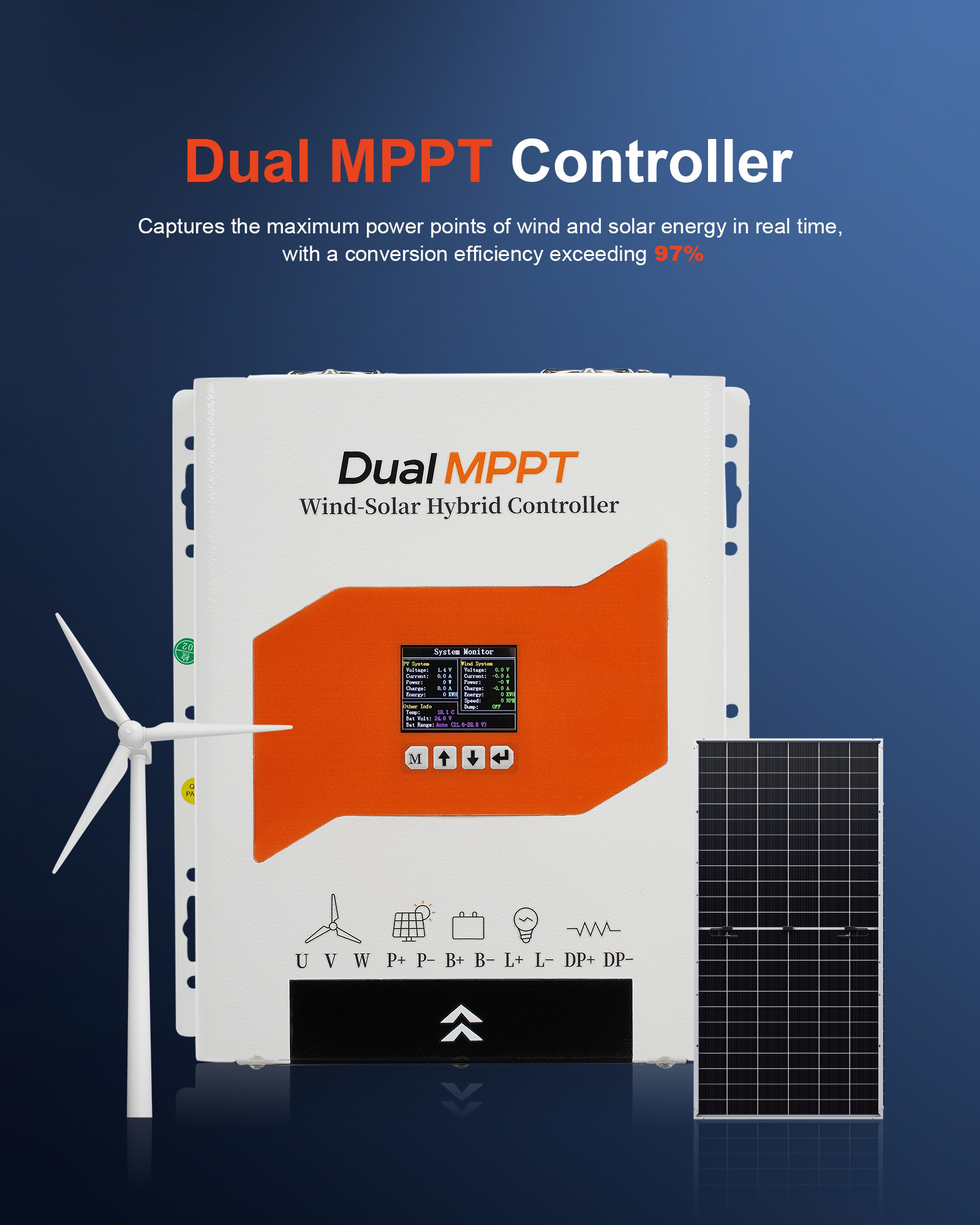
Telecommunication companies operating towers in rural Montana, Wyoming, or Alaska face extreme winter conditions where solar panels are covered in snow for months. To maintain 99.99% uptime, these stations employ wind-solar hybrid systems. Our Dual MPPT Wind-Solar Hybrid Controllers manage both inputs simultaneously, ensuring that battery banks remain charged during dark, windy winter storms, reducing dependency on expensive diesel generator runs.
Along the coastlines of Maine, Oregon, and Washington, coastal breezes offer a consistent energy source. Residential homeowners looking to disconnect from rising utility rates combine small-scale wind turbines with solar arrays. Our DH-FD2.0 3KW MPPT Wind Turbine Controllers provide the heavy-duty regulation required to handle high coastal winds, converting turbine energy into clean power for household appliances and heating systems.
US commercial facilities face high peak-demand charges. By integrating small wind turbines with battery energy storage systems (BESS) managed by smart wind MPPT chargers, industrial sites in California and New York can offset peak electricity usage. The controllers communicate via Modbus or CAN bus protocols, integrating seamlessly into building management systems (BMS) for real-time energy optimization.
The company's core R&D strength is composed of a scientific research team led by senior doctors in the industry. It has long-term focus on the cutting-edge exploration and innovative application of new energy technologies, continues to increase investment in core R&D, and has formed deep technological accumulation and independent innovation capabilities in core areas such as efficient conversion of electric energy, intelligent system integration, and coordinated control of integrated wind, solar, and storage.
Relying on industry-leading automated production lines and high-precision full-dimensional testing equipment, the company has independently developed a number of intelligent new energy products with completely independent intellectual property rights, fully covering three major application scenarios: off-grid, grid-connected, and mixed grid.
The product matrix includes core categories such as high-frequency/power frequency inverters, wind power controllers, photovoltaic controllers, wind-solar hybrid controllers, wind-solar storage-control-inverse integrated power generation systems, etc., which can be flexibly adapted to diversified power needs such as household use, industrial and commercial distributed, and off-grid independent power stations.




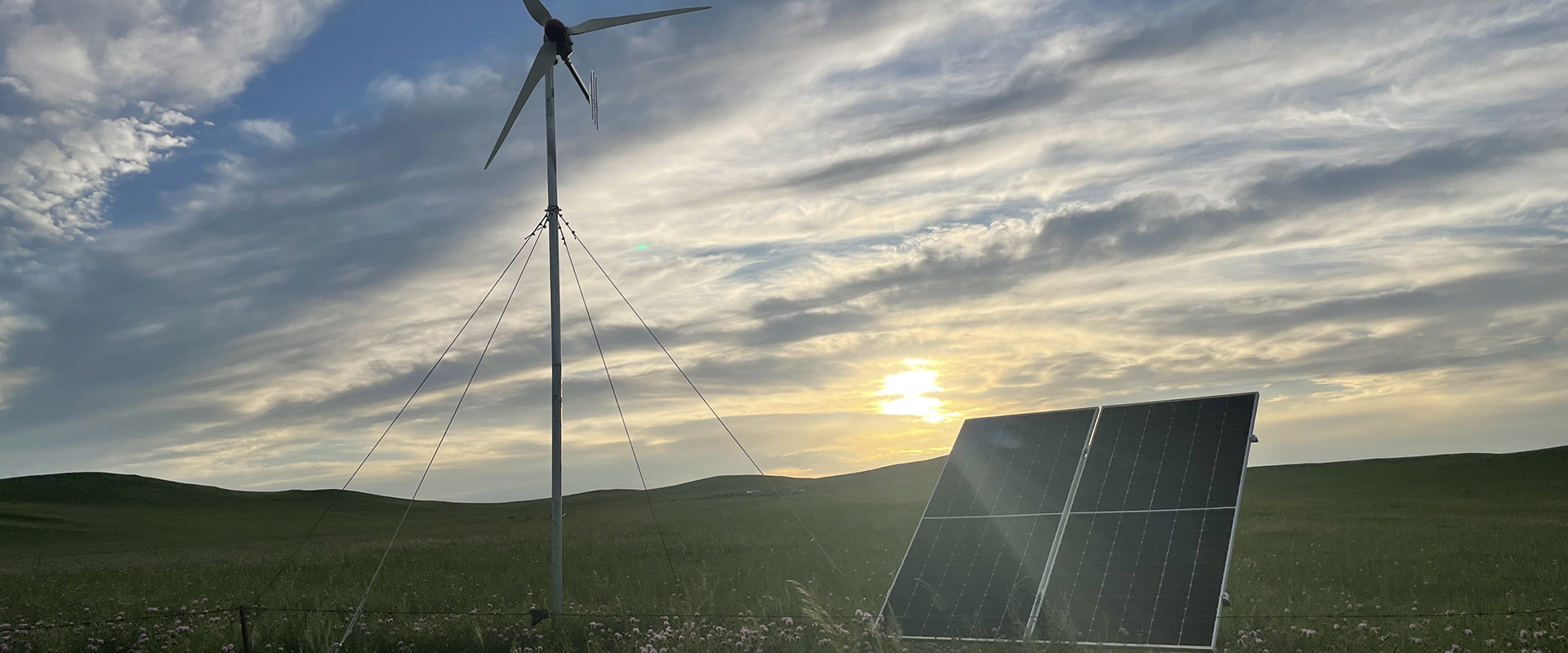
The United States renewable energy market is moving rapidly toward smarter, more integrated power electronics. Key trends shaping the wind turbine MPPT charger industry include:
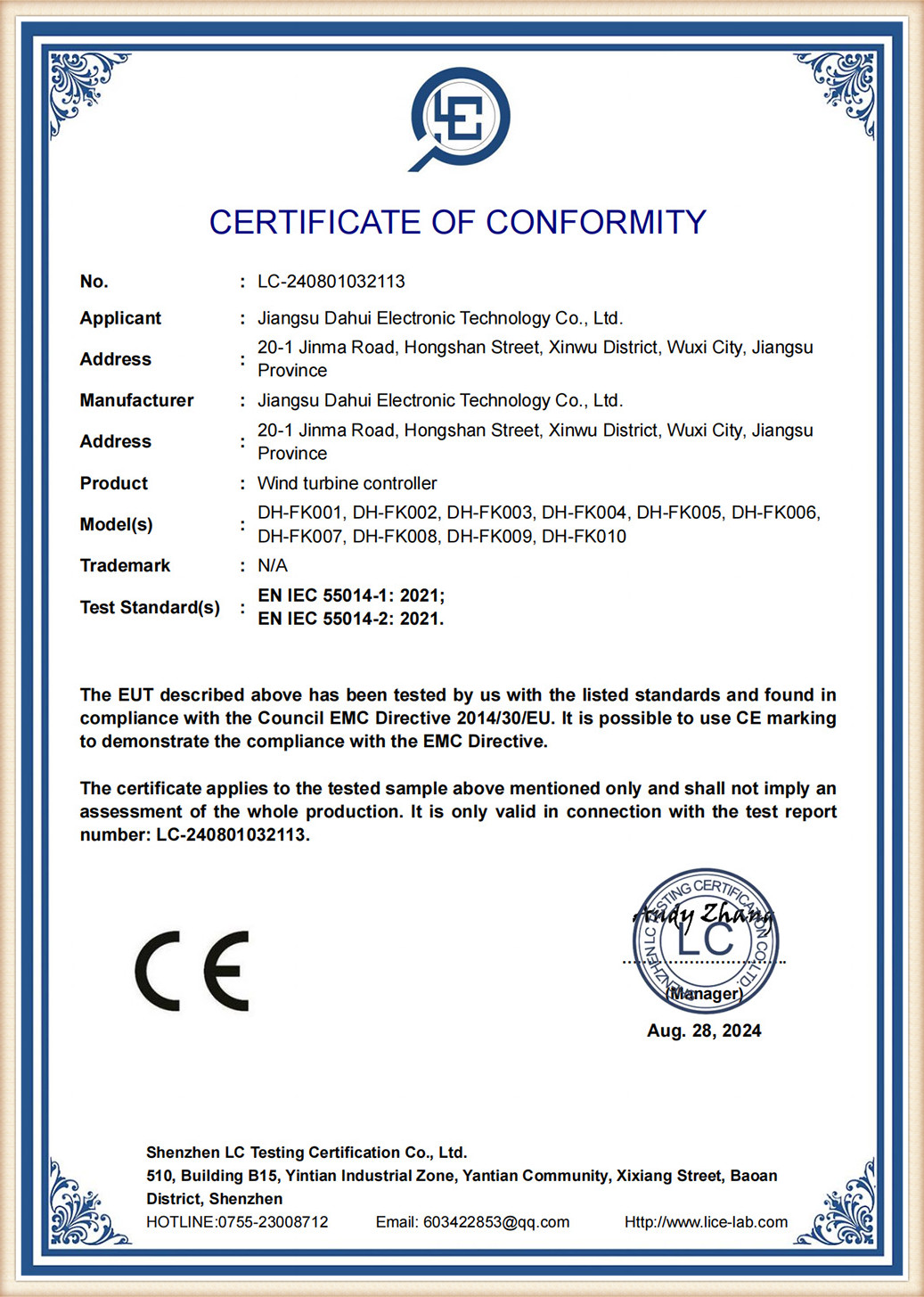
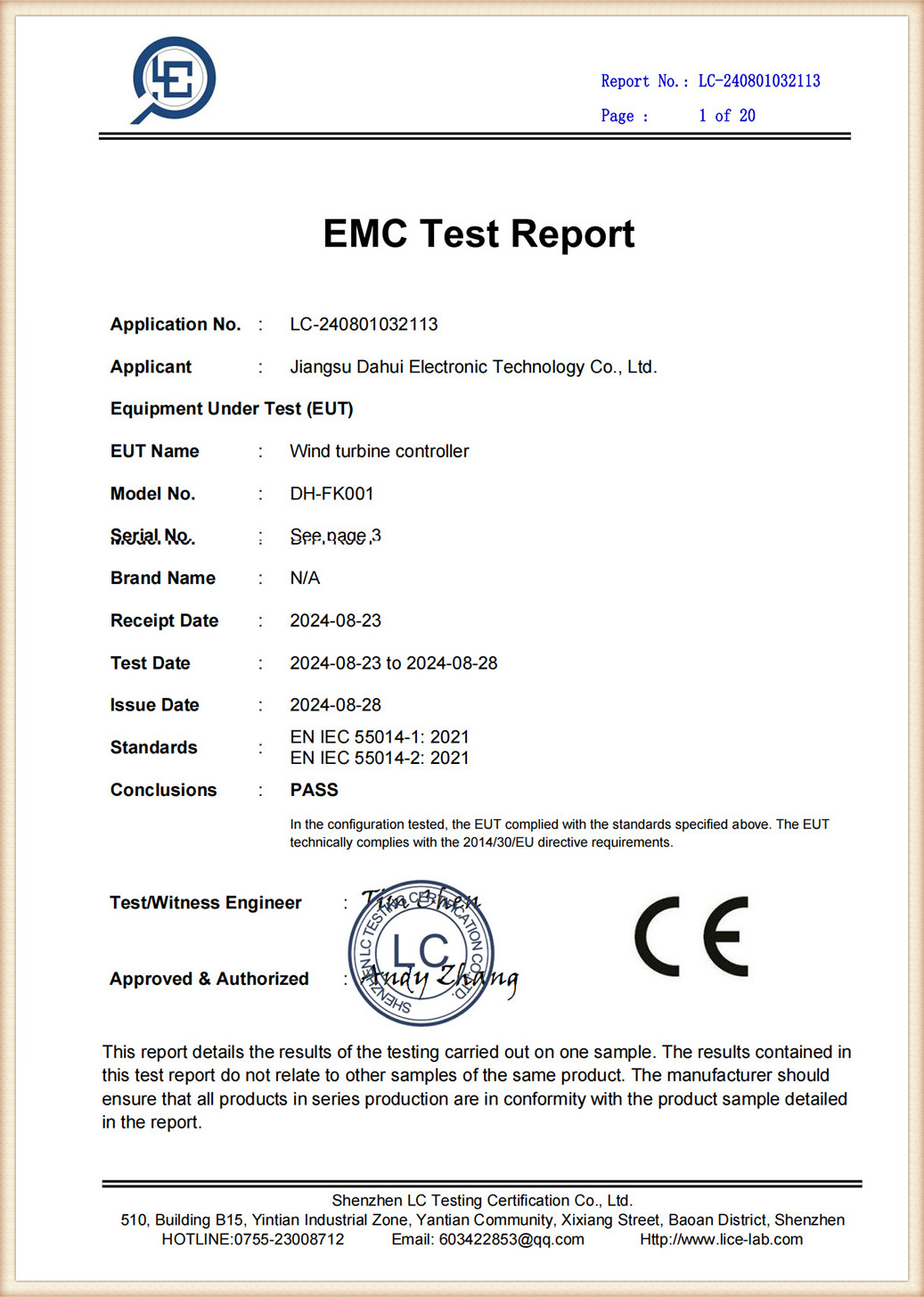
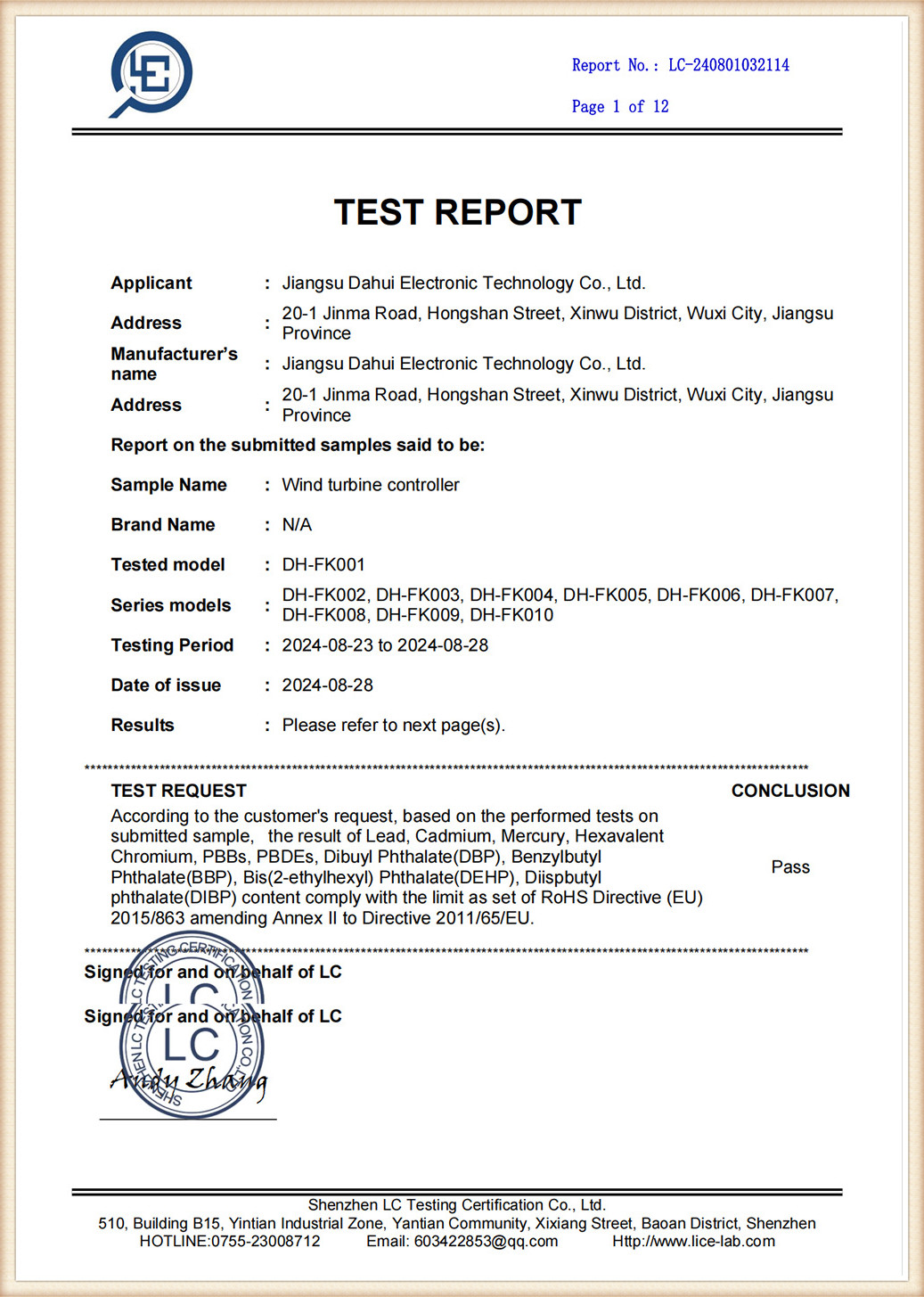
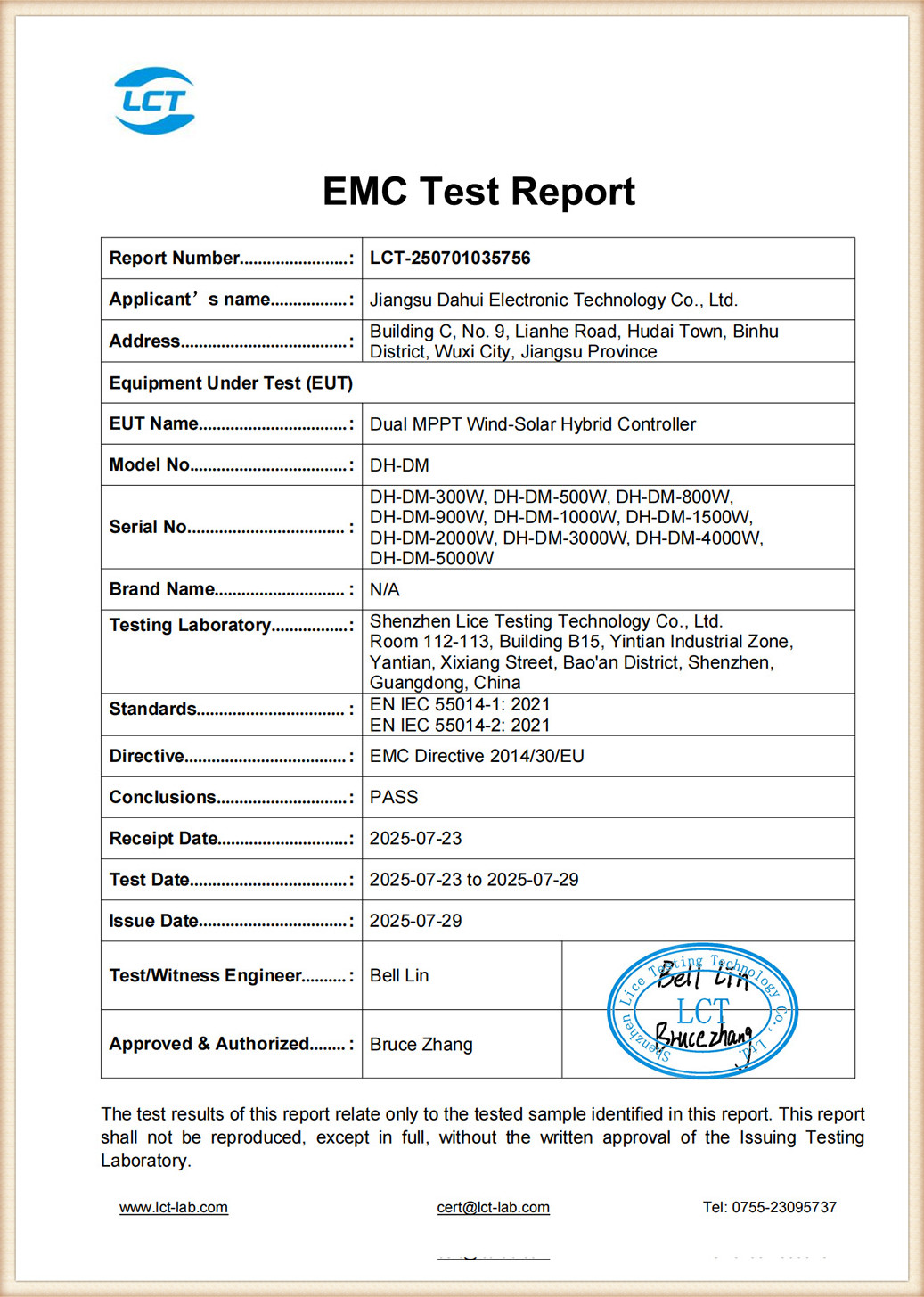
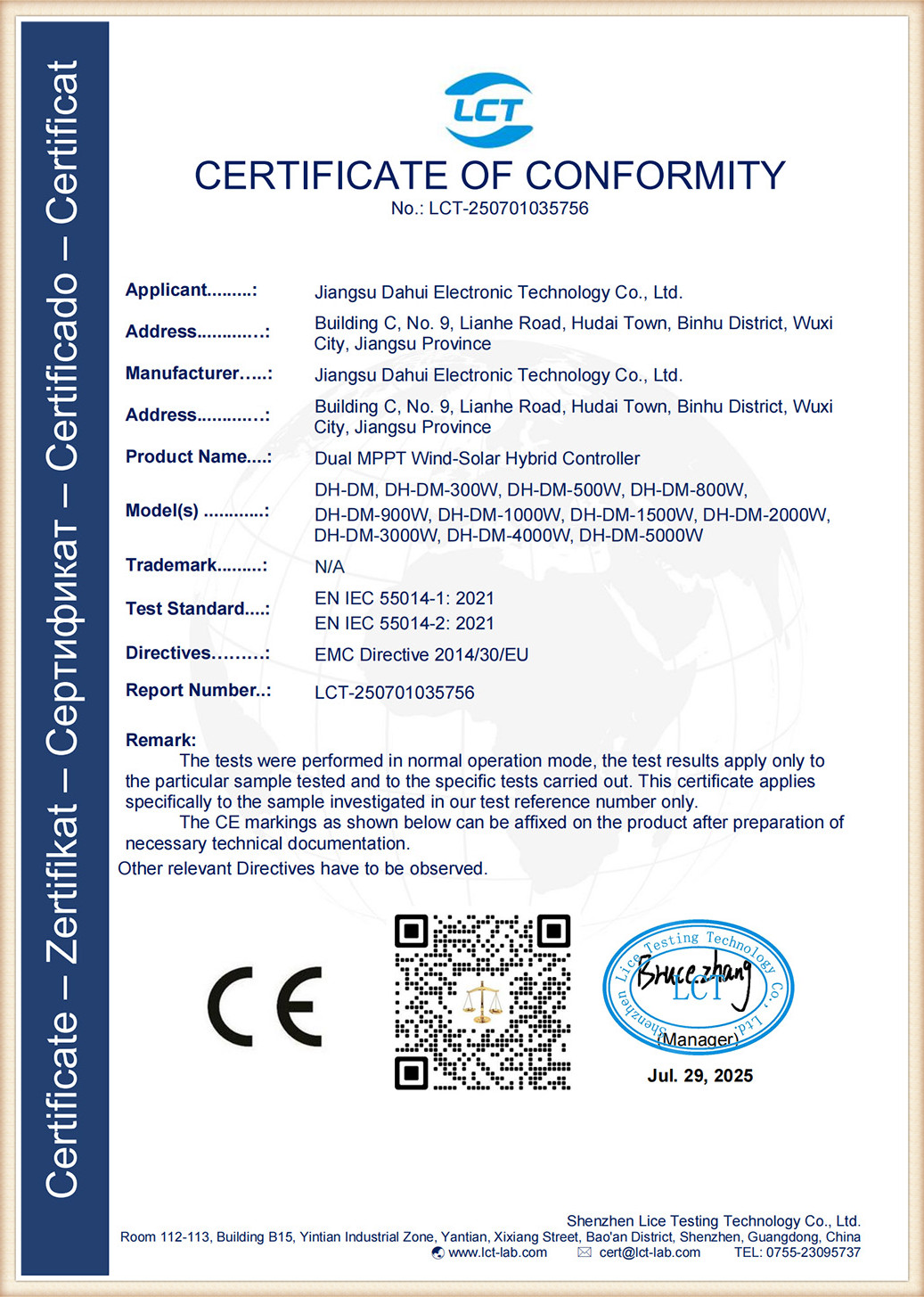
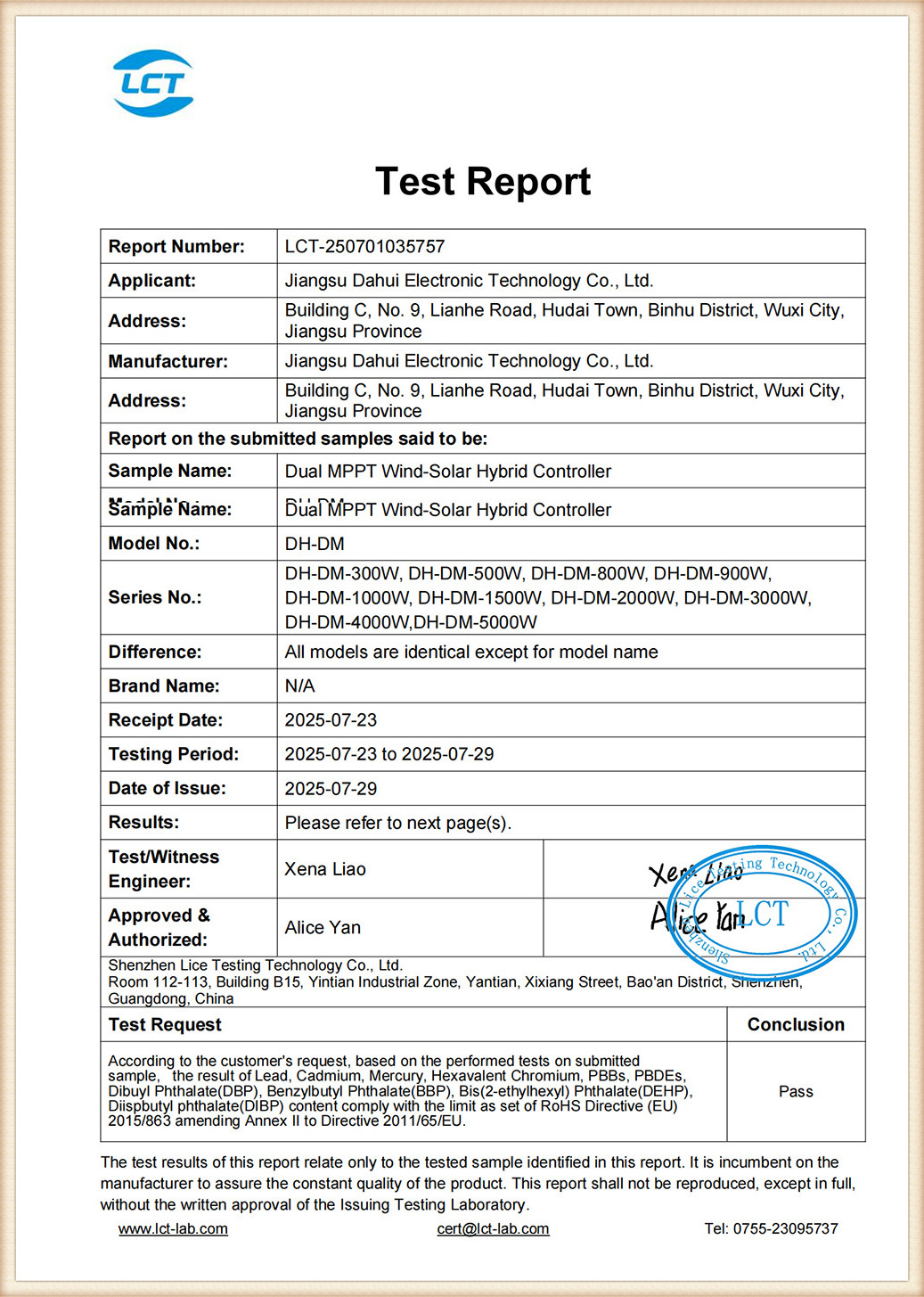
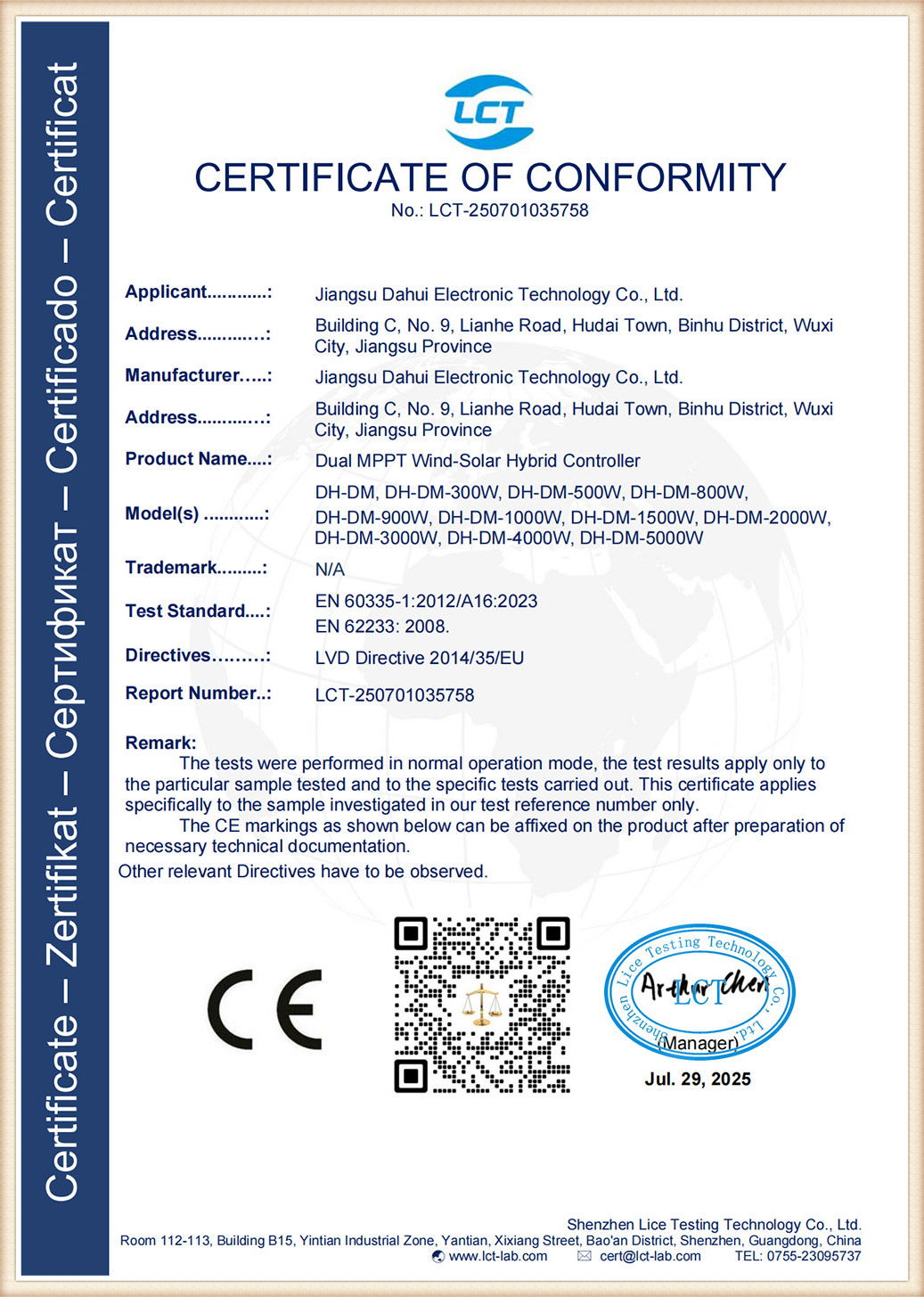
Ensuring compliance with rigorous international standards for safety, performance, and environmental durability.
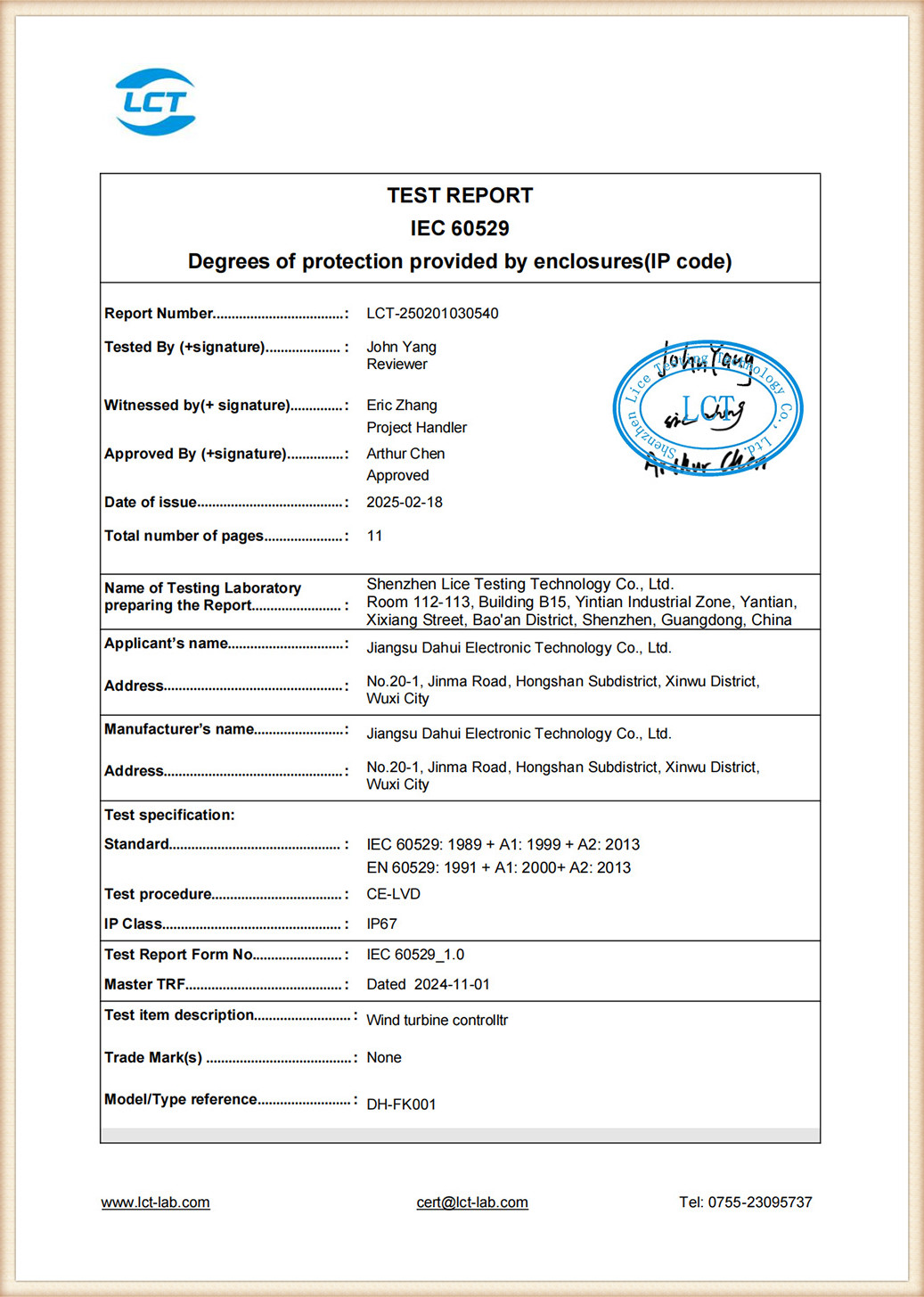
The company always adheres to the core business philosophy of "quality first, independent research and development", and regards product quality and technological innovation as the core driving force for corporate development. At present, it has obtained a number of international authoritative product certifications and ISO quality management system certifications, and has established a full-chain quality management system from raw material inspection, full-process control of the production process to multi-dimensional inspection of finished products. Product quality is strictly controlled throughout the entire process, and core product performance indicators are comprehensively better than industry standards, providing a solid guarantee for the long-term stable operation and reliable service life of the product.






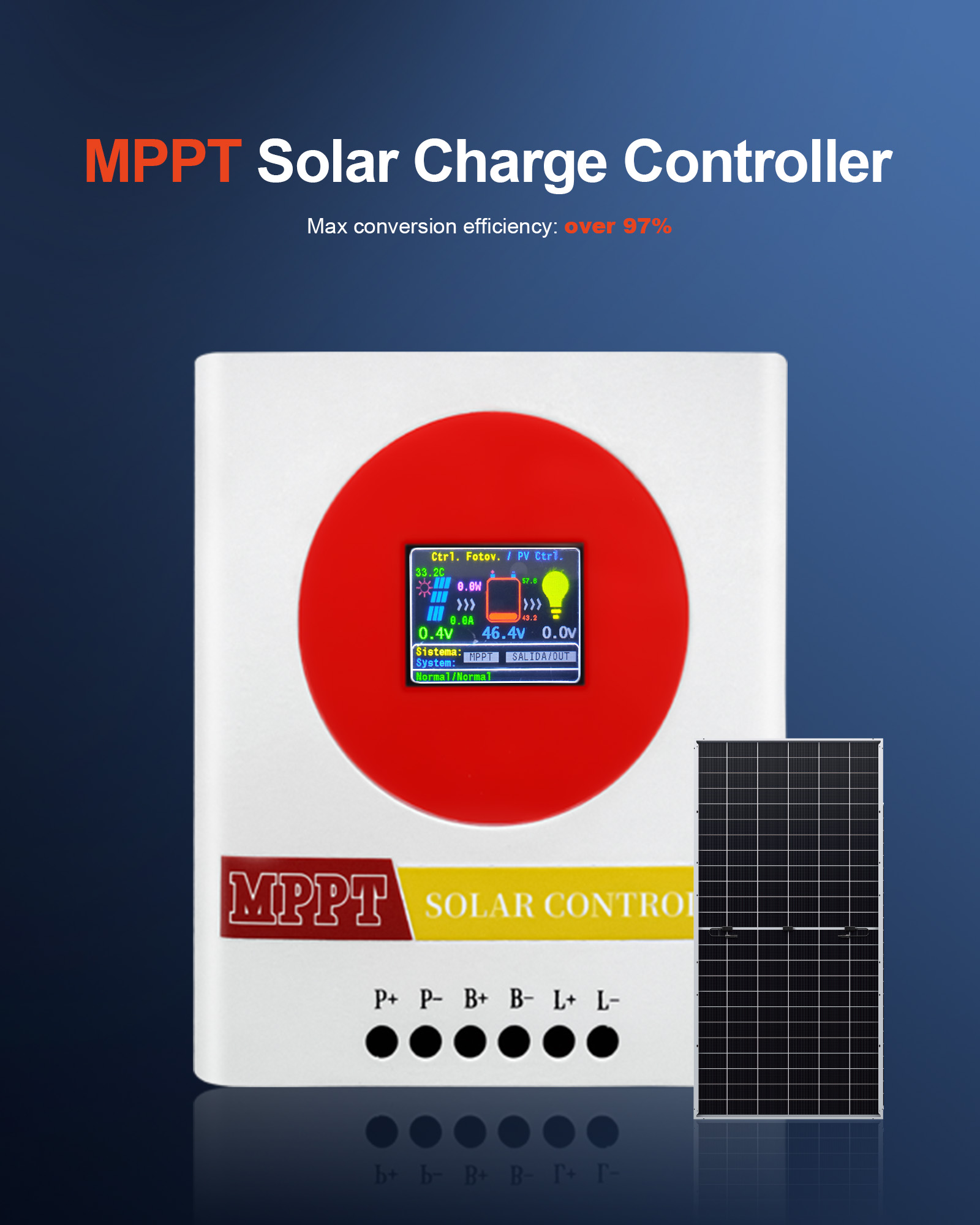
Browse our full range of high-efficiency MPPT wind and solar charge controllers designed for US distributors, installers, and project developers.